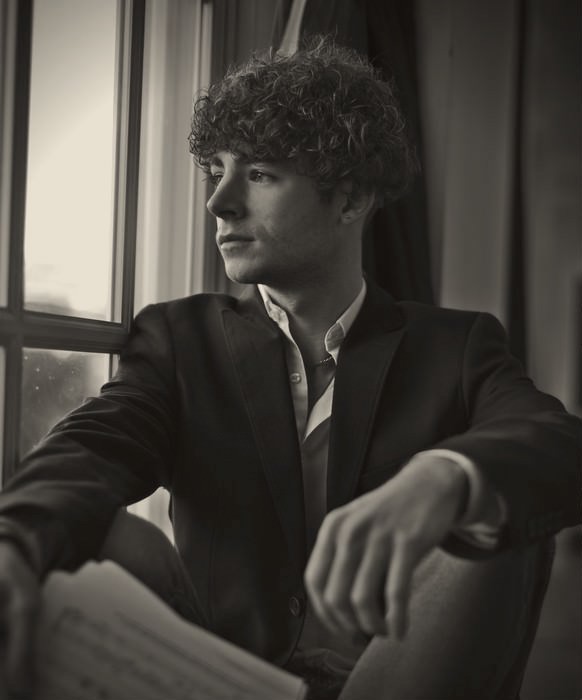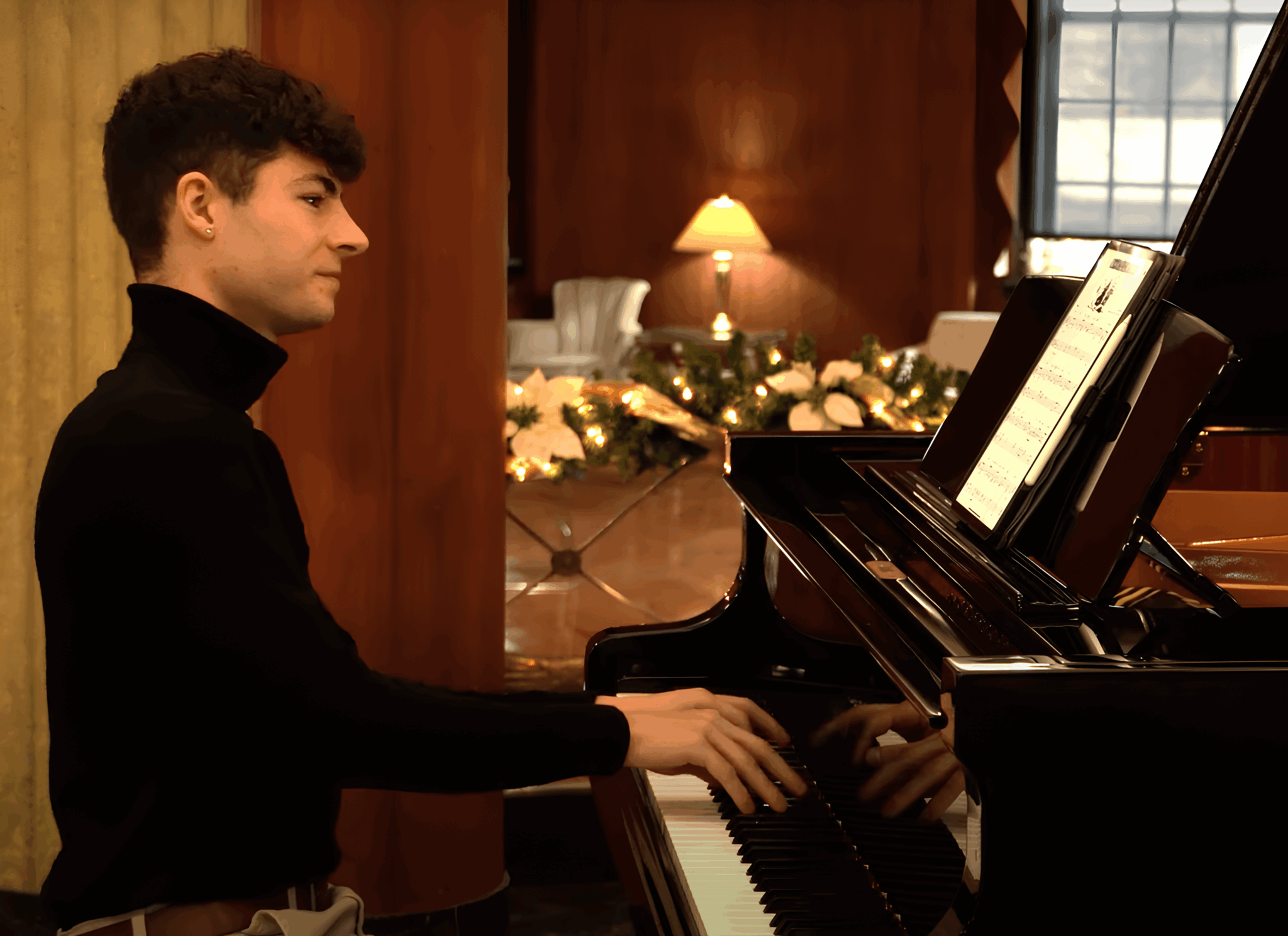

Alright – so today we’ve got the honor of introducing you to Zachary Hall. We think you’ll enjoy our conversation, we’ve shared it below.
Zachary, looking forward to hearing all of your stories today. Can you talk to us about a project that’s meant a lot to you?
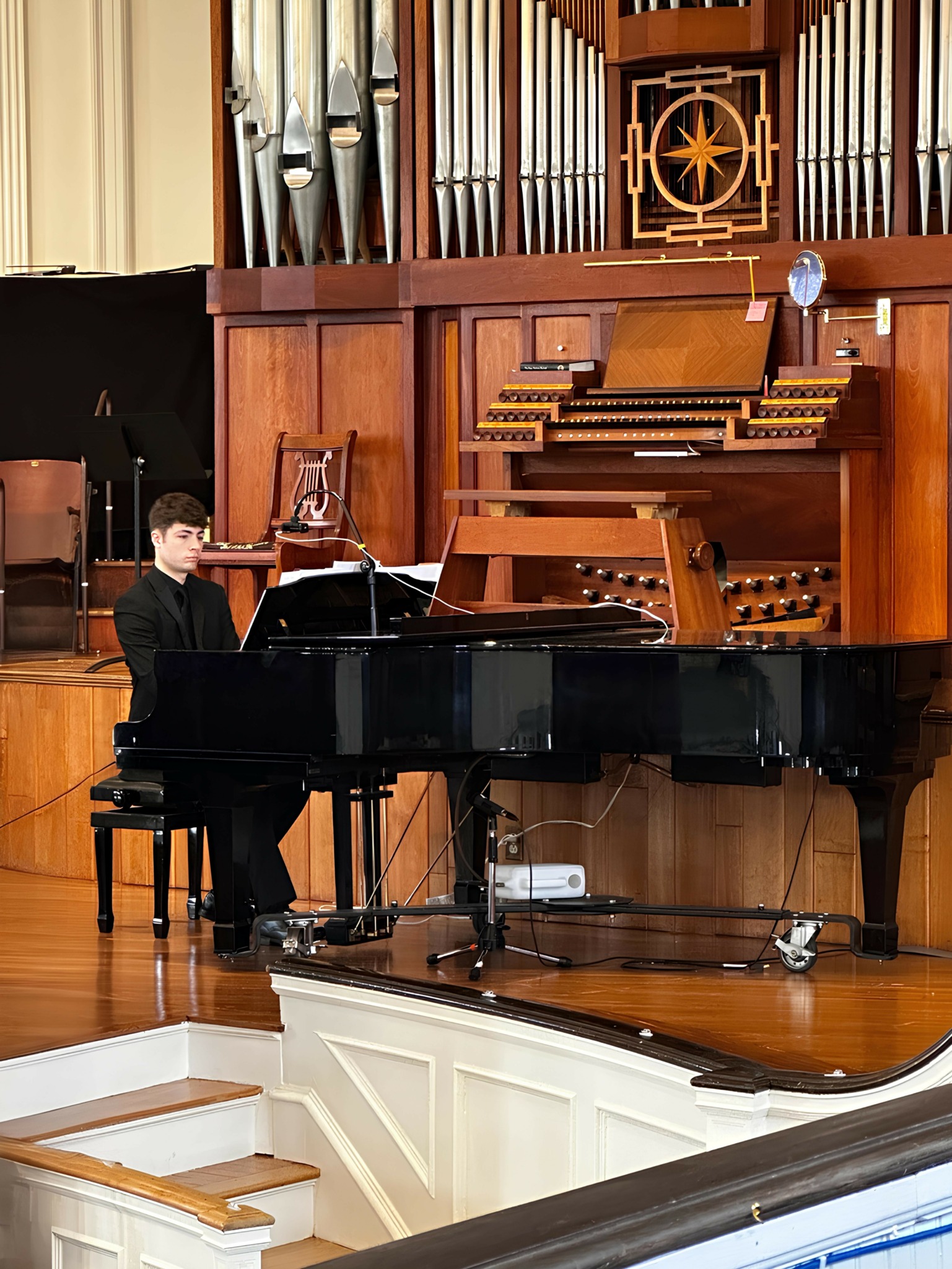
When I was in college, I often struggled to find my voice as an artist. In academic settings, the focus is usually on traditional “academic” music, and I felt I was constantly pushing against that standard in order to let my own voice shine through. During my senior year, I began a very special project with the chancel choir I worked with: an arrangement of the hymn Beautiful Savior, which I dedicated to our organist and my friend, Linda Hensley.
This project became a turning point for me—it reflected my personal style and artistic voice, free from the rigidity of university expectations. I had the privilege of performing the premiere under the direction of Dr. Richard Waters, Eastern Kentucky University’s director of choral activities, and later sang in a second performance, which made the experience even more meaningful.
Creating this piece was my way of giving back and saying thank you for the time and music I shared with the choir. Both performances remain incredibly special to me, and they mark a moment when I truly felt my voice come through as a composer and musician.
As always, we appreciate you sharing your insights and we’ve got a few more questions for you, but before we get to all of that can you take a minute to introduce yourself and give our readers some of your back background and context?
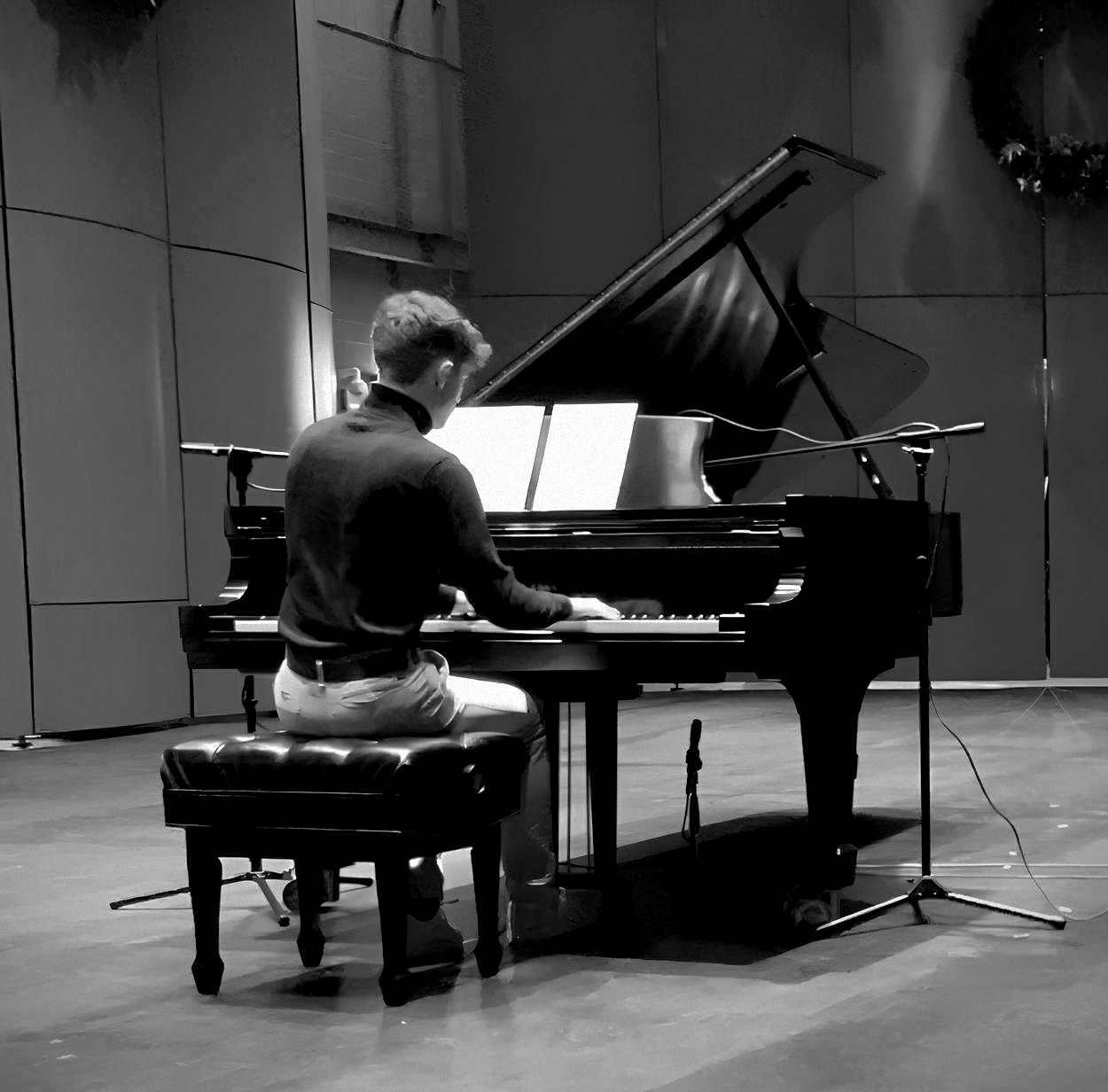
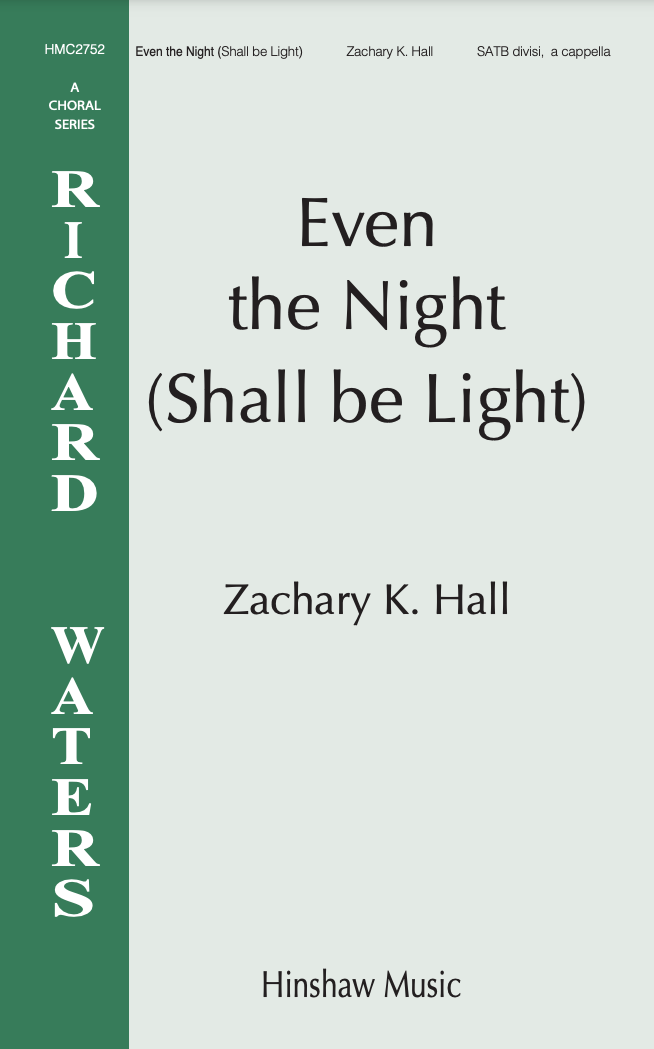
Hello! My name is Zachary K. Hall, and I am a composer and pianist from Kentucky. My creative work draws heavily on sacred choral traditions and folk influences, while blending in modern harmonies and fresh interpretations. I have written several choral works, including Even the Night Shall Be Light, which was recently published by Hinshaw Music. As a pianist, I am continuing to grow my career following my graduation from Eastern Kentucky University, where I recorded my first studio album, For Lia: The Piano Music of Cláudio Santoro, an exploration of Brazilian classical music.
Currently, I serve as a pianist and assistant music director for a local church, and I recently began working as an accompanist and adjunct professor at Berea College. Beyond these roles, I continue to compose new works, collaborate with ensembles, and pursue larger-scale projects.
What sets my work apart is its unique blend of minimalism, folk and religious influence, and romantic undertones. I strive to create music that feels both deeply rooted in tradition and alive with personal expression.
I am especially proud of what I’ve accomplished in just the past three years: directing ensembles, recording a professional album, writing commissioned works, scoring a documentary, publishing music, and stepping into my first professional roles after college. For me, every project is both a way to grow as an artist and to give back to the communities that have shaped me.
I want potential collaborators, clients, and listeners to know that my work is personal, heartfelt, and created with a deep respect for both tradition and innovation. I have several exciting projects on the horizon, and I look forward to sharing more music that reflects the journey I’m on as both a composer and pianist.
For you, what’s the most rewarding aspect of being a creative?
For me, the most rewarding aspect of being an artist is experiencing the finished product come to life.
As a composer, I can spend hours wrestling with a single phrase, feeling frustrated when it isn’t quite right. But once the piece is complete and I hear it performed—especially at a premiere—it makes all of that hard work worthwhile. Sitting back and listening to music that once only existed in my imagination is one of the most fulfilling feelings I know.
What can society do to ensure an environment that’s helpful to artists and creatives?
I believe the best way society can support artists and creatives is by valuing our work as essential rather than optional.
This means investing in the arts at every level, through education, community programs, public funding, and opportunities for artists to share their work. Too often, creativity is treated as a luxury or hobby, when in reality it plays a vital role in shaping culture, bringing people together, and helping us process the world around us.
On a more practical level, making the arts more accessible, whether through funding for schools, affordable performance spaces, or fair pay, creates an ecosystem where artists can thrive and survive. Encouragement, exposure, and respect for the time and effort it takes to create are just as important as financial support.
Contact Info:
- Website: https://www.zacharykhallmusic.com/home
- Linkedin: https://www.linkedin.com/in/zachary-k-hall-b0063b299/
- Youtube: https://youtube.com/@zacharykhallcomposer?si=2p9FId-2YvjhFT8U
- Other: Spotify-
open.spotify.com/artist/4aBTFfR2s8dyrOQDIcidFJApple Music-
music.apple.com/us/artist/zachary-k-hall/1783119300