



We’re excited to introduce you to the always interesting and insightful Zach Shinske. We hope you’ll enjoy our conversation with Zach below.
Zach, appreciate you joining us today. Have you been able to earn a full-time living from your creative work? If so, can you walk us through your journey and how you made it happen? Was it like that from day one? If not, what were some of the major steps and milestones and do you think you could have sped up the process somehow knowing what you know now?
No, I have not yet reached a place where I can rely on my creative endeavors for a full-time living. Obviously, the industry has suffered continuously since the pandemic and that has made life really difficult for gig workers and indie filmmakers. It’s not exactly how I saw things when I first moved to New York City, but you can’t predict the timing. You have to make your life meaningful in any way you can, and that might mean doing something different for a time. It’s ok to do other things while also making the art you want to make. I believe doing other work will make you a better artist. I’m a proud food-service worker, and at the very least, it has given me the means to invest in my own projects to work on my craft. I trust the process and try to keep the big picture in mind.
Zach, before we move on to more of these sorts of questions, can you take some time to bring our readers up to speed on you and what you do?
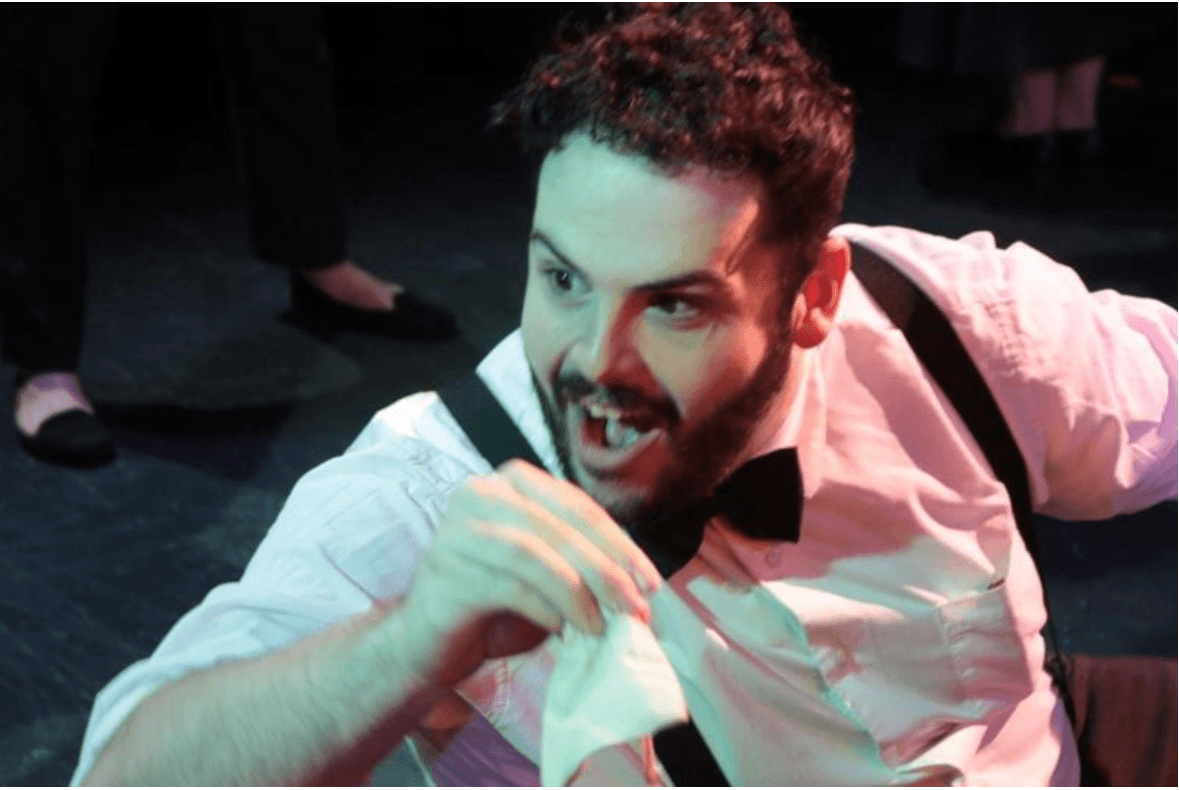
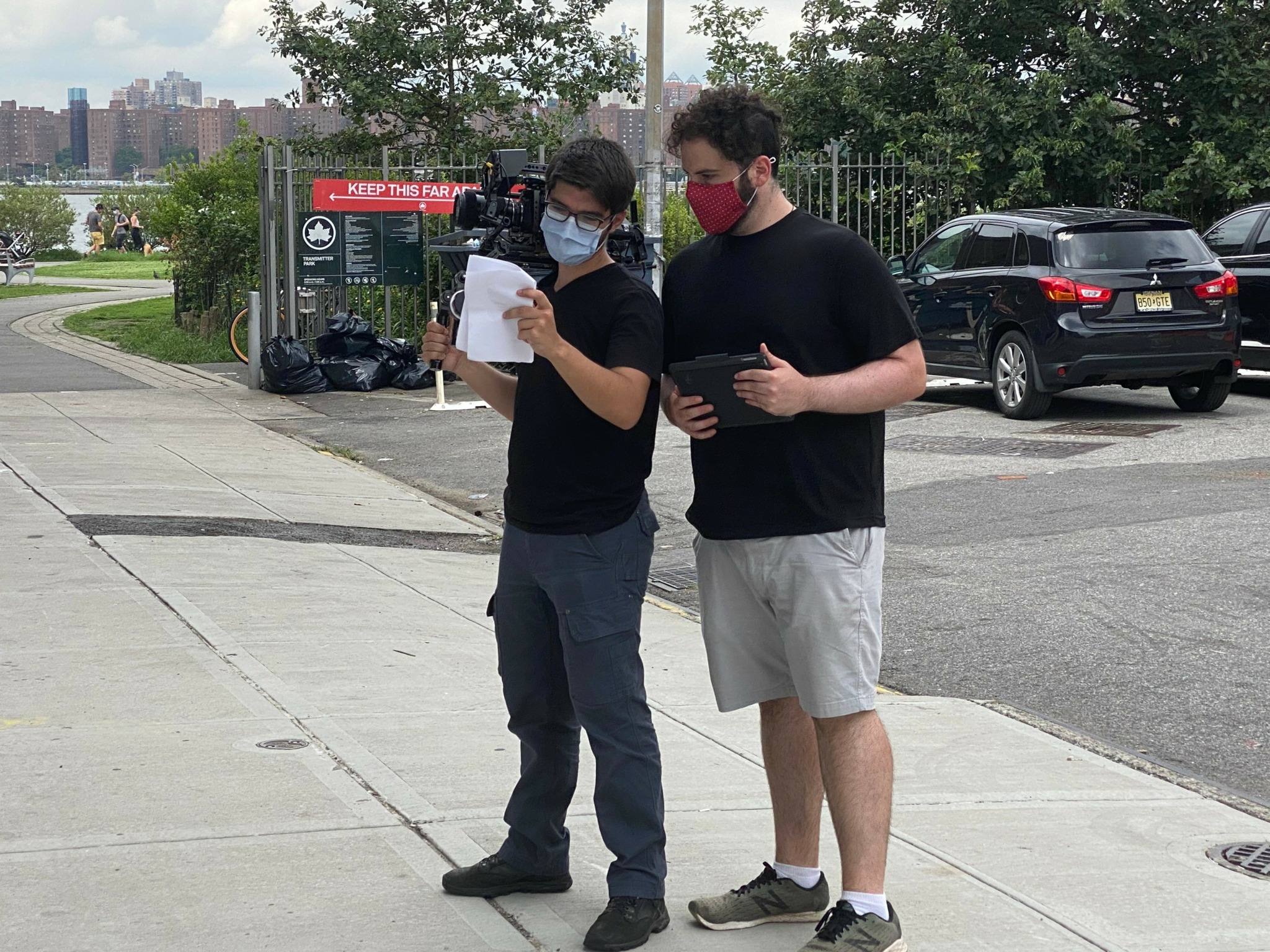
My way into the industry was through Acting. I am incredibly grateful to my parents for taking me to see “The Music Man” when I was five years old. That is probably the first time I knew I wanted to be an actor. I can remember feeling mesmerized and invested, even when there was much I didn’t understand. I was also fortunate to have teachers who saw something in me and would give me monologues or solos in our school productions. As I got older, being a teenager got in the way of my love for performing, so it wasn’t until I was 21 that I decided I was going to commit to a life of an actor. I trained at HB Studio in their Hagen Core Training Program. I am thankful to my teachers at HB Studio for preparing me for the realities of the industry. Lots of rejection. Knowing to expect rejection certainly didn’t make it any easier, but it did plant the seed of self-producing. In 2017, I was very tired of waiting for someone else to cast me in something, so I got together with my dear friend Joanna Pinto and produced an Off-Broadway production of “Spike Heels” by Theresa Rebeck. That experience made me realize there was so much more I could be doing. Soon after, I started to teach myself how to write screenplays and eventually found myself Directing. In the last 10 years, I’ve also worked as a crew member on a variety of indie film projects. I’m proud to have worn many different hats for different projects, and I think that’s what makes me stand out. I’m proud of my path, and while I’ve not yet achieved all of my dreams, I know each project makes me a better storyteller and collaborator.
Is there something you think non-creatives will struggle to understand about your journey as a creative? Maybe you can provide some insight – you never know who might benefit from the enlightenment.
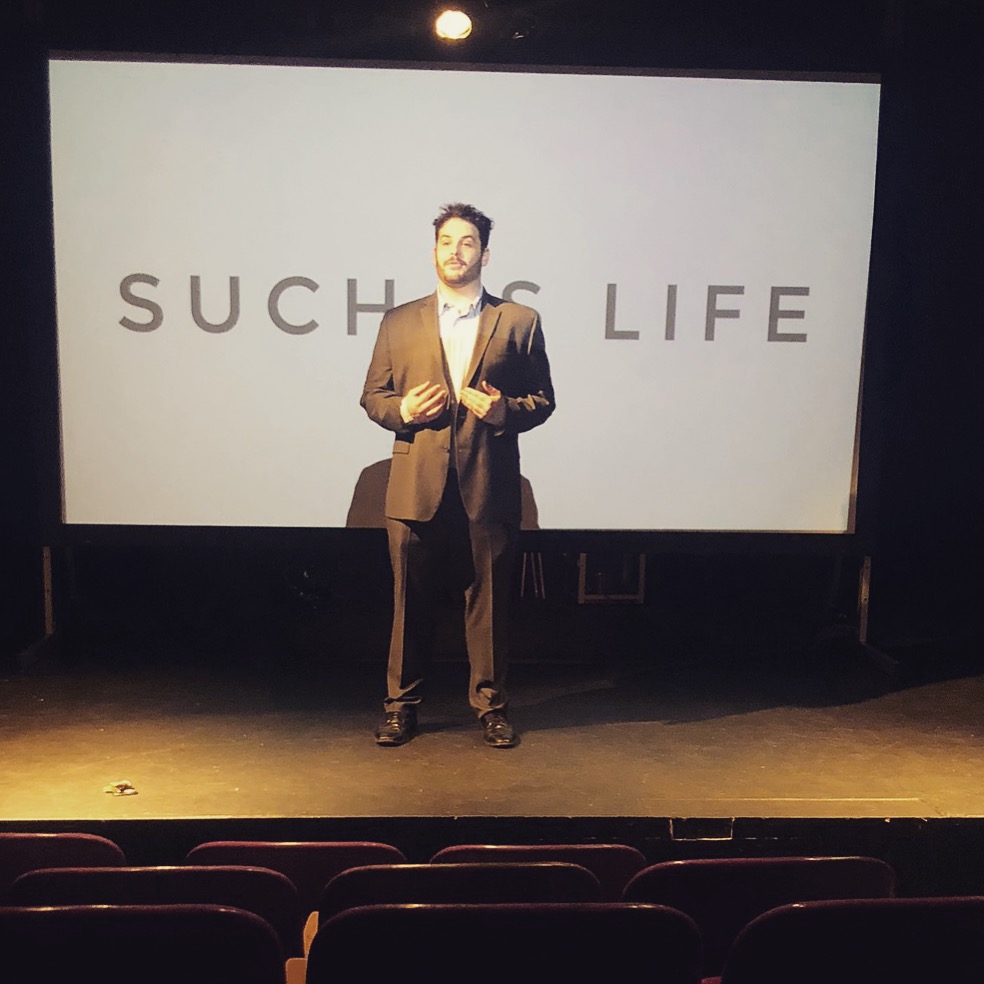
I think many would struggle to understand why I’m still here trying to “make it happen” after I’ve already admitted it doesn’t pay my bills, I experience constant rejection, and my name is still unknown. The only explanation I can offer is that I believe in myself and I’m not afraid of unfavorable odds. Society and culture need artists and storytellers, and not just the commercially successful ones. In fact, I would argue it’s the unknown artist who really gets to hold the mirror up to society. I believe we play an important role because we aren’t necessarily doing it for the money or fame, but because we actually have a story to tell. I wanted to write an occult horror concept about grief and inspired by Greek Mythology, so I wrote a short film that I’m currently submitting to festivals. It is unlikely I will see profits from this project, but I had an idea, executed, and can now hopefully show it to people other than my close friends, and maybe garner interest from someone who has the funds to help us develop it further. Success looks differently to different people and that should be exactly how society functions.
In your view, what can society to do to best support artists, creatives and a thriving creative ecosystem?
In my view, first we have to give the artists space to be artists. This starts when we are young, exposing kids to the arts and giving them room to explore their imagination without shame or judgement. There are other places in the world that really value the arts and the craft it requires to make it. I don’t think that’s the case in the United States, so we have to work a little harder to keep these traditions alive.
I also firmly believe in the concept of ‘put your money where your mouth is.’ If there’s an artist you support, go see their show or their exhibit. Buy their work. Of course, this can feel difficult when the cost of the world is overbearing. Maybe seeing the hottest Broadway ticket is out of the question for now, but you could go support your local High School’s seasonal production, or go to a local regional theater and support artists from your own community. Show them how much you appreciate what they do by helping them pay their bills and continue to do what they do. Be loud about your support, because an inspired population is a healthy one.
Contact Info:
- Website: https://www.zachshinske.com
- Instagram: @zachshinske
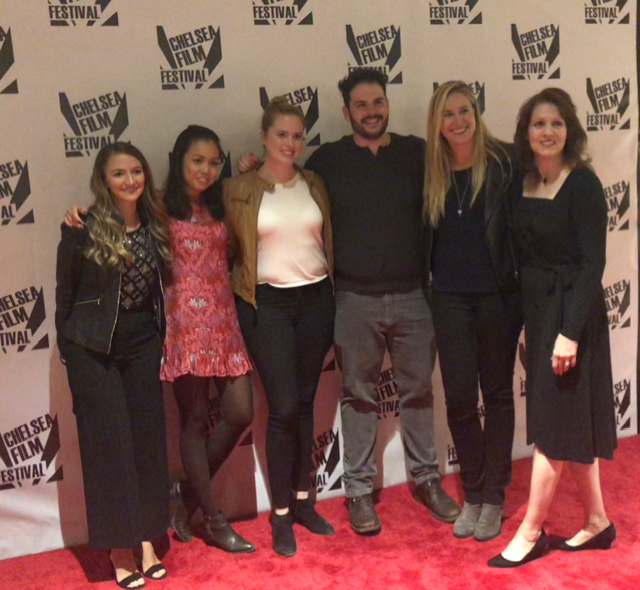
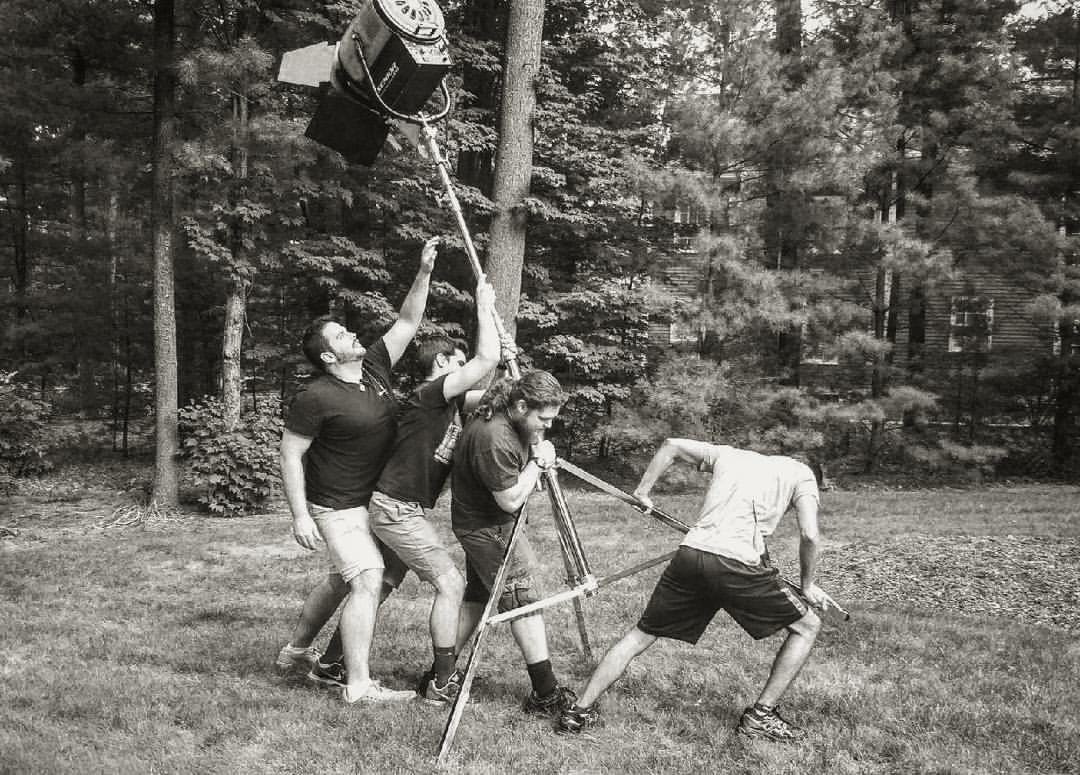
Image Credits
Personal photo/ Headshot credit: Jeffrey Mosier Photography