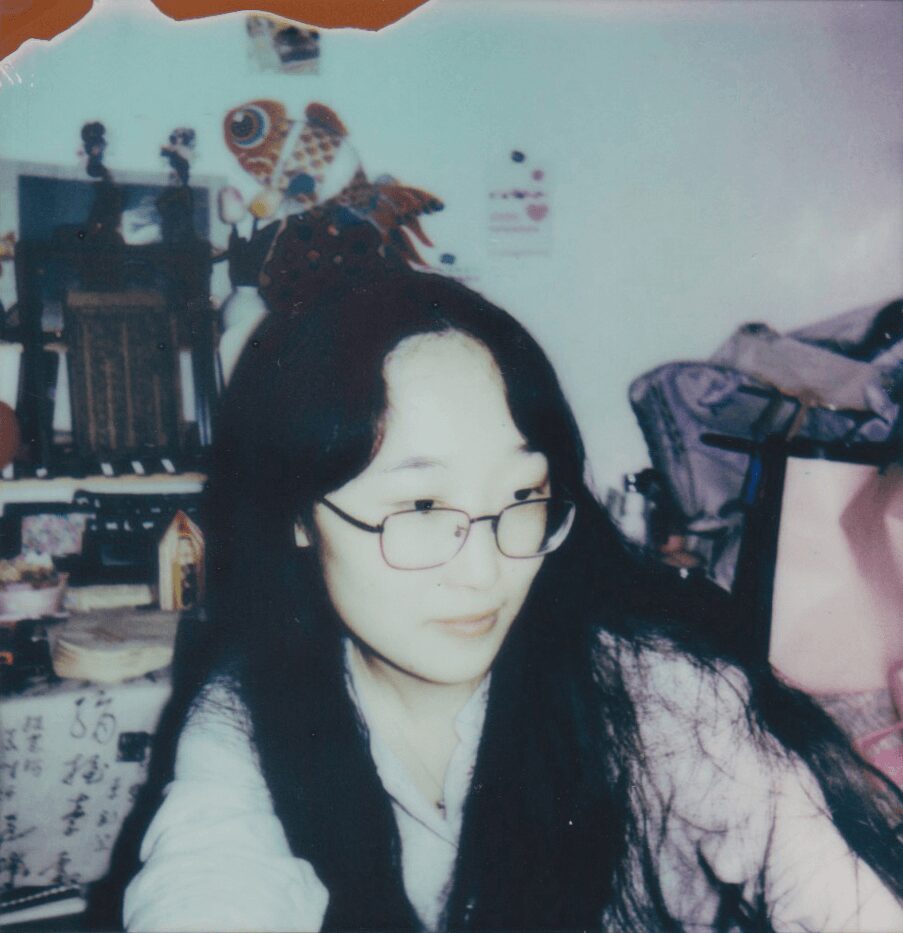

We’re excited to introduce you to the always interesting and insightful Yuqing Sheng. We hope you’ll enjoy our conversation with Yuqing below.
Yuqing, looking forward to hearing all of your stories today. I’m sure there have been days where the challenges of being an artist or creative force you to think about what it would be like to just have a regular job. When’s the last time you felt that way? Did you have any insights from the experience?
I didn’t start with the firm intention of pursuing an art career. Although drawing has been my hobby since I was a child. I, my parents, and everyone around me only saw it as a “hobby” – a way of regulating my daily life, not a serious career by any means. In the small city where I was born, most people had a limited perception of what art could be, as if a student could only study art if he or she had poor grades; being an “artist” was just an illusion, unless one was the best in the world; one could only be an art teacher after graduating from an art school (which was also considered a profession of little importance or skill).
However, I had to rethink this when I started high school because the major I would choose in college was directly related to my future career. At the time, my teachers and parents expected me to pursue a finance or law-related career, and I could barely breathe just imagining it. I might have to study math for many years or memorize the law day in and day out. It wasn’t a bad thing, but I wasn’t good at it and could only get stress from it. I suddenly realized that if I’m going to be in university for four years with a major I’m not that interested in, I will get pretty depressed. Therefore, I’m going to study art anyway. In fact, in all the years since I went to university, studying art, making a career out of it, and then going to an art college again, every step of the way has made that choice feel right.
I think I have always understood my preferences and I believe that one must do what one “likes”. The truth is that doing what you love is half the work and the opposite is twice the effort. Moreover, the professionalism of a career can only be achieved with dedication, and for me, only art can elicit such dedication. I am very happy as an artist, and there is probably nothing happier than having a hobby as a profession.
As always, we appreciate you sharing your insights and we’ve got a few more questions for you, but before we get to all of that can you take a minute to introduce yourself and give our readers some of your back background and context?
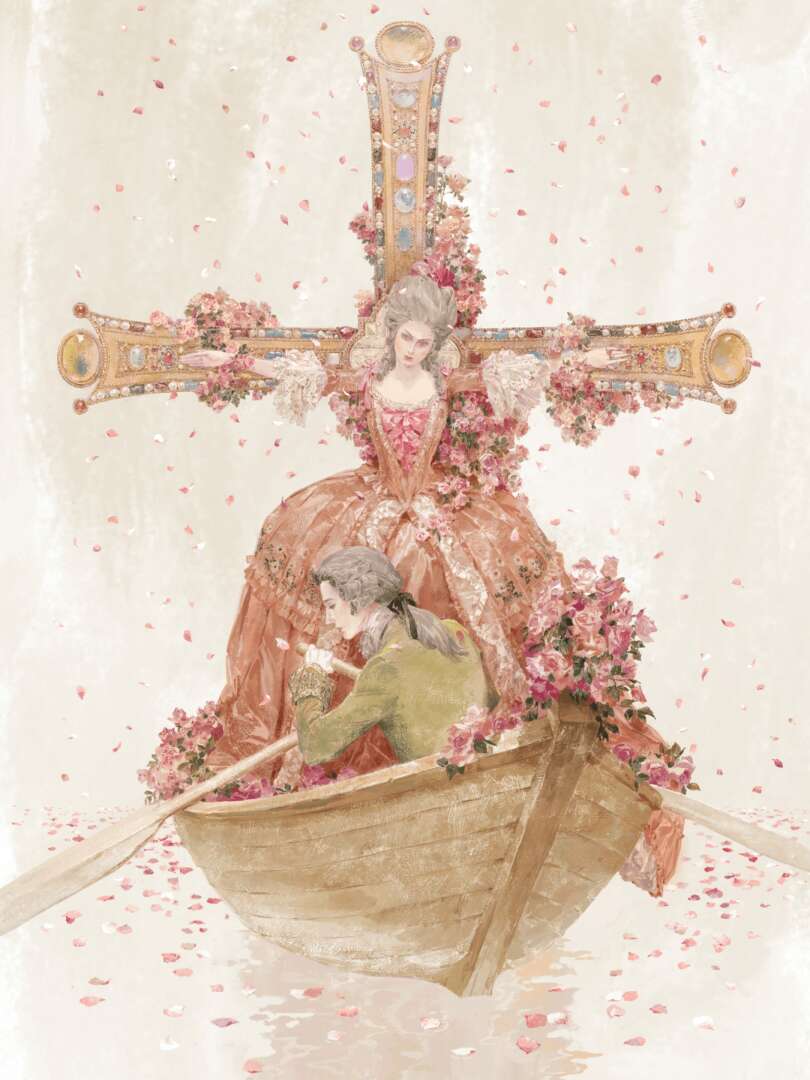
I wanted to be a game artist when I was in high school because I like to do design work that has a more hand-drawing nature, but I was studying graphic design in university and didn’t remember that I had the goal until I was about to graduate. Luckily, because of my hobby of drawing and releasing my work frequently during my university years, I had stable illustration commissions with several game companies. After I graduated, I successfully entered NetEase Games and provided illustration, character design, and comprehensive concept design for them.
My creative attitude is quite spontaneous, as I mentioned above, I only draw what I “like to draw”, which results in my works being very stylized. This may seem like a disadvantage for a game company with a process-oriented approach, but the company I work for needs this. They often develop new designs that add more artistic qualities and need artists with strong styles. It’s this more artistic work that I do at my company.
For me, the most important thing in this career is to express myself. I consider myself a person who likes to express myself, just not through the language of words, but the language of drawing, which makes my work more sensitive. I always hope to communicate emotionally with the audience with my works, which makes me feel less lonely.
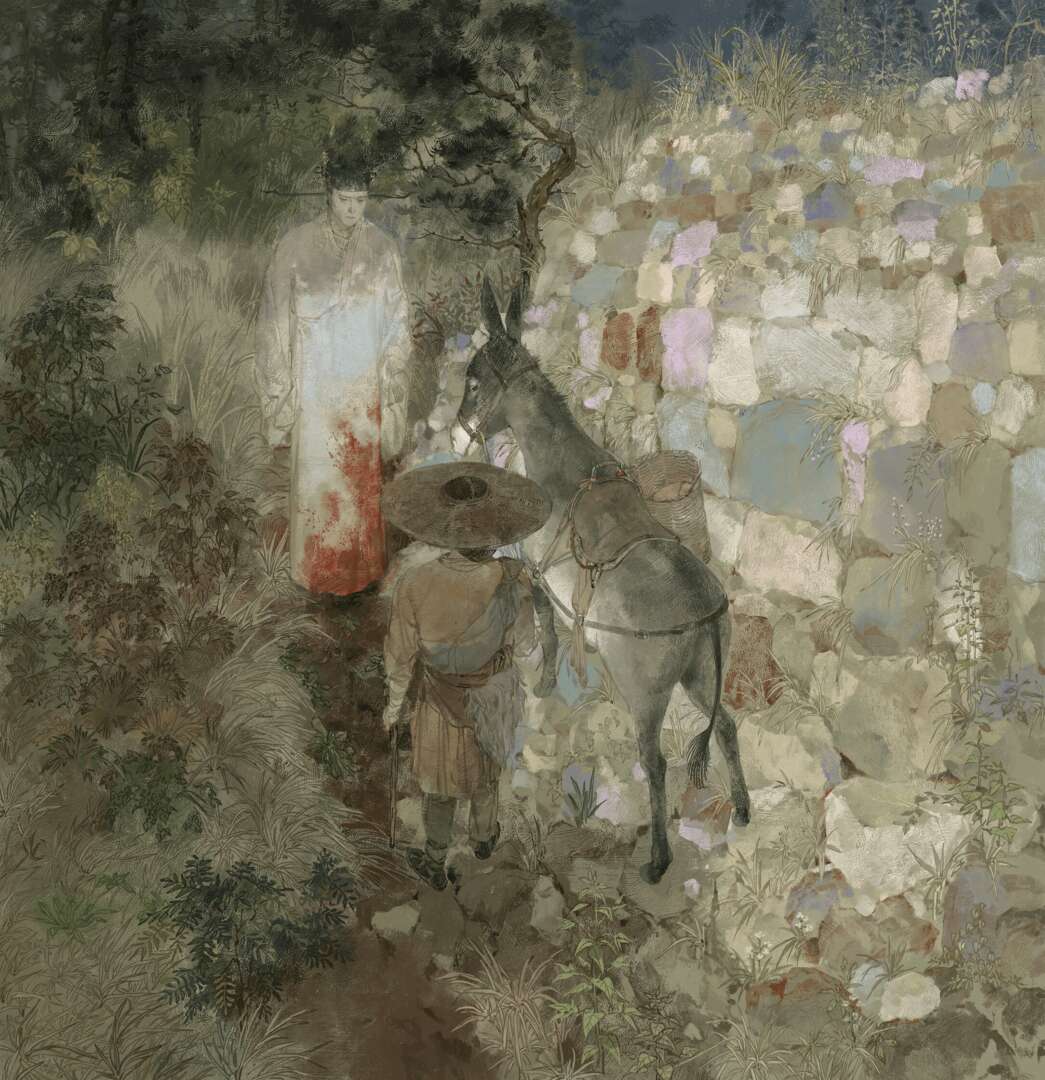
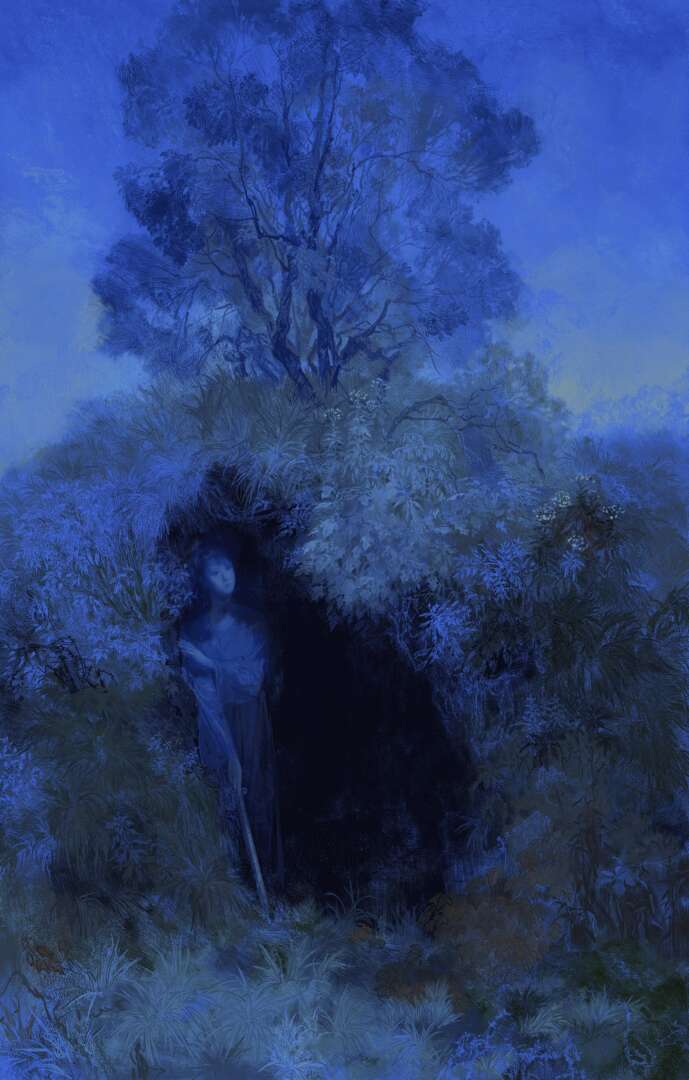
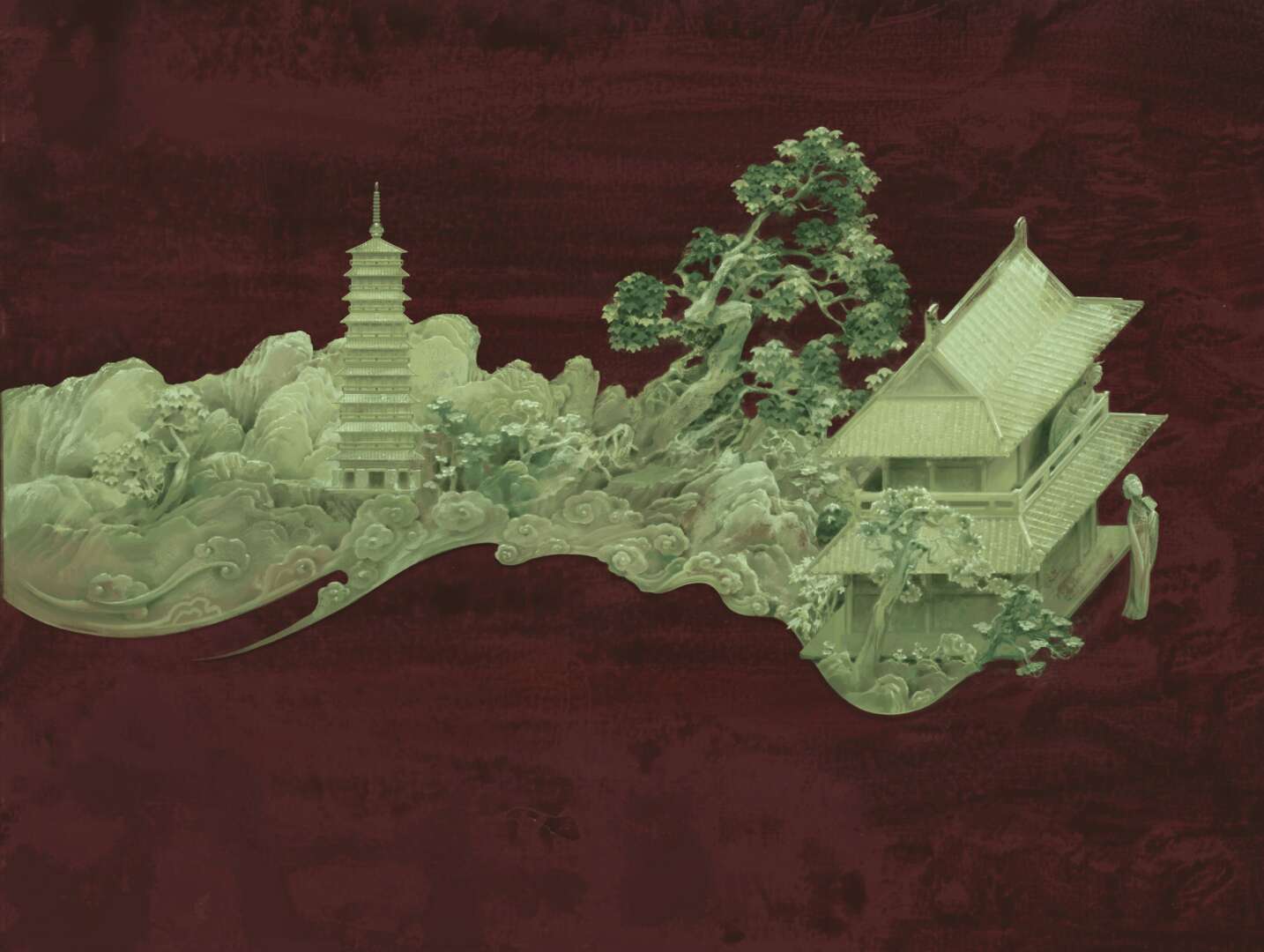
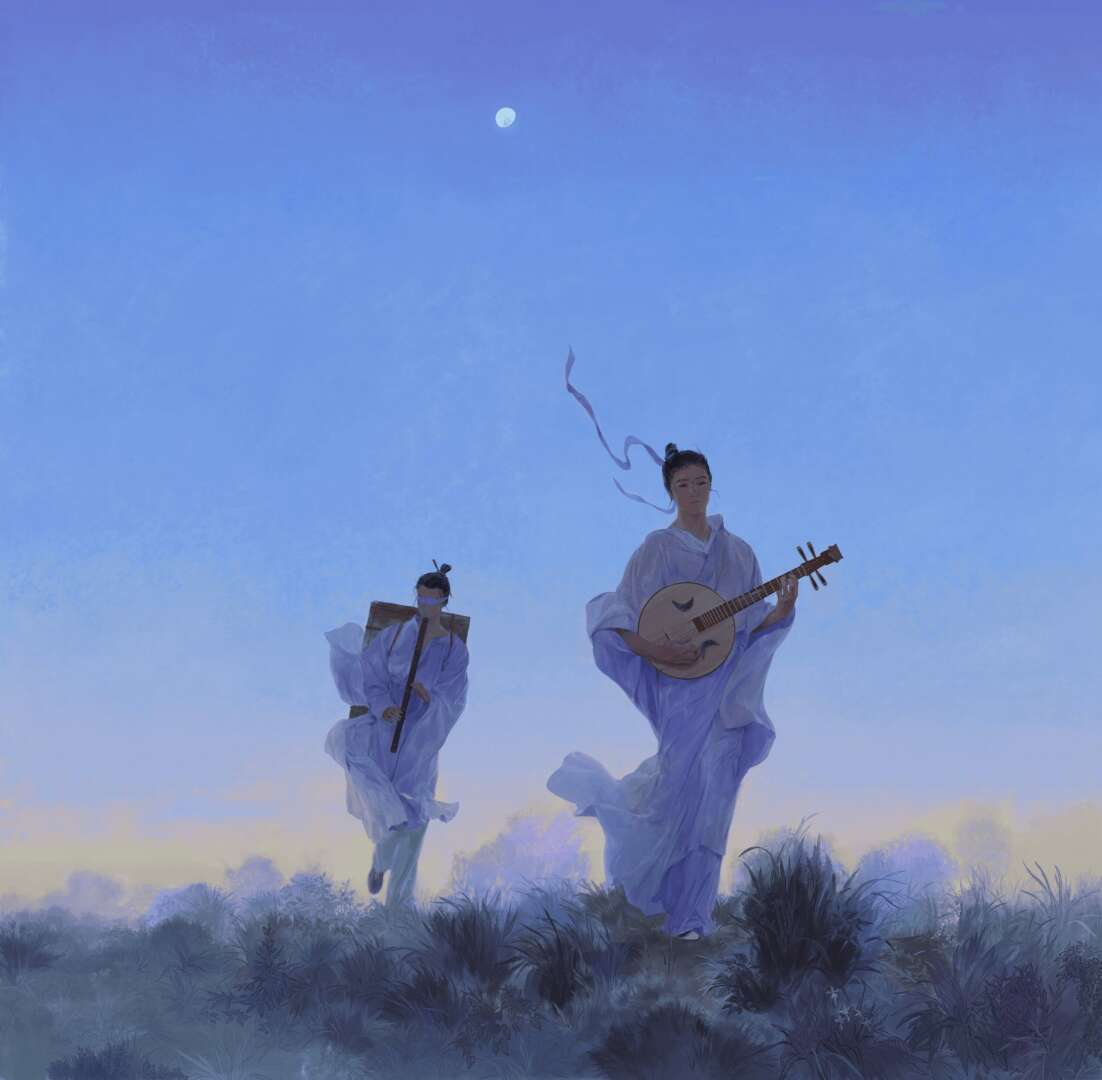
Due to my upbringing, I am currently interested in traditional Chinese art, and most of my works are based on traditional Chinese subjects and influenced by Chinese painting. In recent years, my three collections of illustrations have all centered on traditional Chinese art forms.
What’s the most rewarding aspect of being a creative in your experience?
Being liked by the audience and getting long, subjective comments is the most rewarding aspect. I put a lot of emotion into my work, sometimes hiding plots that I want the audience to see, feel, and relate to. Sometimes I get very heartfelt replies, and some people will spontaneously write poems and little essays about how they feel and what they associate with my works. That made me feel really good. It also shows that someone is taking my work seriously.
In your view, what can society to do to best support artists, creatives and a thriving creative ecosystem?
I think the most important thing is strict copyright protection. Especially in my country, copyright is somewhat of a serious issue, which in many cases extremely affects the work and life of creators. No one can feel comfortable creating something if it can be stolen at any time with no consequences. Especially with the advent of AI, this problem has even been exacerbated.
Contact Info:
- Website: https://bronzeandjade.com/
- Instagram: https://www.instagram.com/sun_lin2019/
- Linkedin: https://www.linkedin.com/in/yuqing-sheng-583978293/
- Twitter: https://x.com/Merasgar