

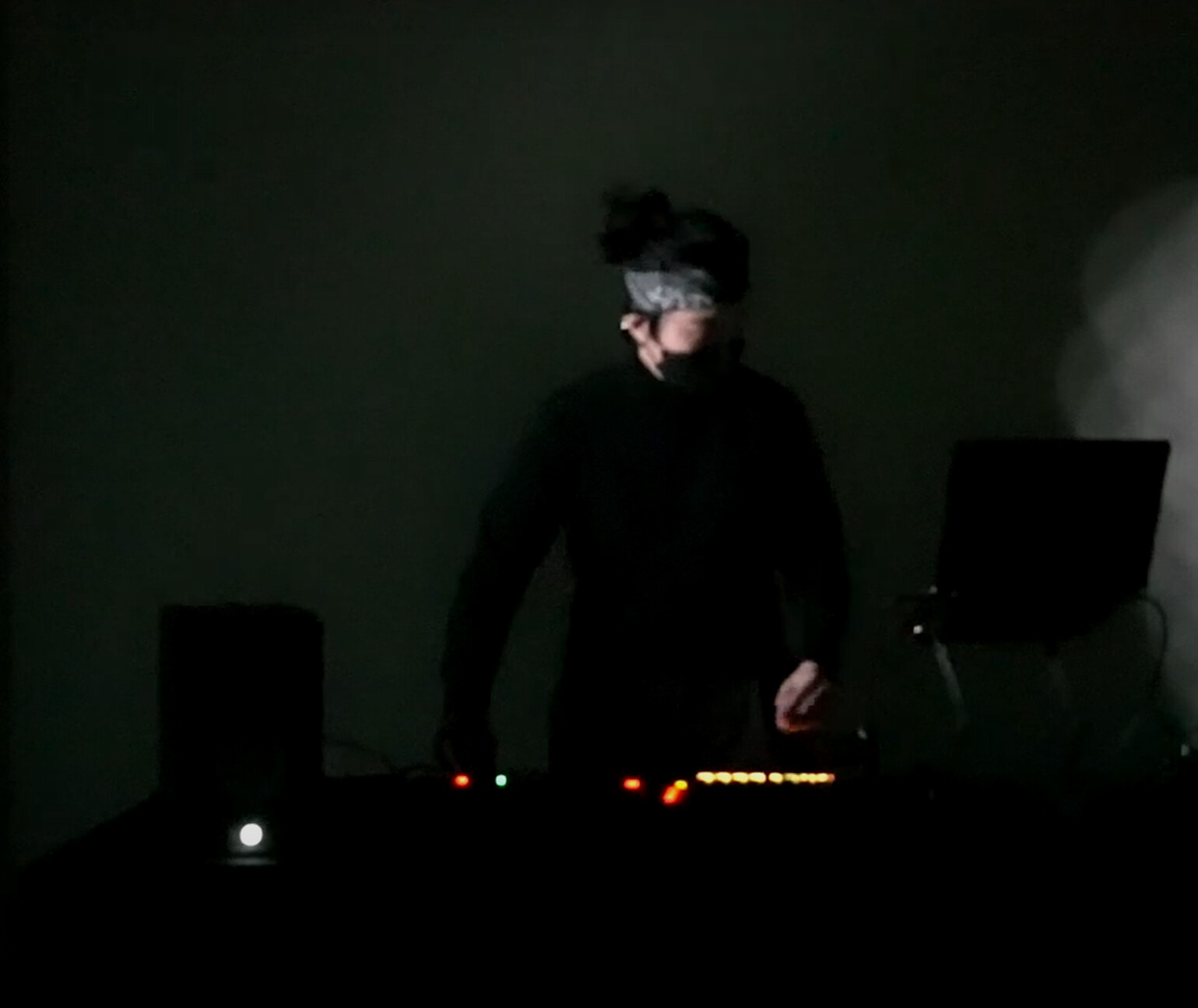

We recently connected with Yunhsuan Cheng and have shared our conversation below.
Yunhsuan, thanks for joining us, excited to have you contributing your stories and insights. We’d love to hear about when you first realized that you wanted to pursue a creative path professionally.
It all started during my sophomore year at university when global warming weighed heavily on my mind. I often found myself drawn to the shores of Hsinchu, exploring the intertidal zone in my spare moments. But amidst the peacefulness of nature, I couldn’t ignore the unsettling presence of discarded plastic. That experience sparked a deep sense of unease—and an even deeper craving for connection with the environment.
Determined to respond creatively, I began collecting fragments of ocean litter and repurposed them into my first electronic musical box. My goal was simple: to provoke thought and encourage proper waste disposal. I placed my design next to campus trash cans, hoping it would subtly shift people’s awareness. Though I never received direct feedback, I could sense its influence in the conversations it sparked. That small act of artistic intervention made me realize the power of art to engage with social issues, ultimately solidifying my path as a creative practitioner.

Yunhsuan, love having you share your insights with us. Before we ask you more questions, maybe you can take a moment to introduce yourself to our readers who might have missed our earlier conversations?
I am an multidisciplinary artist exploring the intersection of sound, technology, and identity. My work engages with cyber-feminism, queer discourse, and the absurdities of digital utopianism, often using humor and satire as tools for critique. Originally from Taiwan, I am currently pursuing my MFA in Art and Technology at CalArts, where I continue to expand my practice through interactive media, AI-driven sound art, and experimental audiovisual design.
My journey into this field began with a deep fascination for sound as both an expressive and political medium. Over time, I developed a practice that fuses electronic music, machine learning, and interactive participation to create immersive experiences. Whether it’s through sound installations, live performances, or AI-generated avatars, my work questions the ways technology reinforces stereotypes, while also imagining alternative futures that embrace fluidity and resistance.
What sets my practice apart is the way I intertwine personal narrative with larger socio-political themes, often reflecting on queer identity, gender politics, and the body’s relationship to the digital realm. One of my ongoing inquiries is the concept of Gender-Voice Mismatch as Artistic Expression, where I use machine learning to manipulate voice and sound as a way to challenge normative perceptions of identity. My recent projects have also explored genealogy, cybernetics, and techno music as a means of empowerment.
I take pride in creating works that provoke thought and foster engagement. Whether it’s an interactive performance that responds to audience participation, an AI-powered sound installation, or a satirical audiovisual piece critiquing power structures, my goal is always to challenge, disrupt, and invite new ways of thinking.
For those discovering my work for the first time, I want them to know that my art is not just about aesthetics—it is an ongoing dialogue with technology, queerness, and resistance. I hope my creations inspire others to question, reflect, and imagine new possibilities beyond the binaries and limitations imposed by society.
You can explore more of my work at www.yunhsuanart.com.
Is there a particular goal or mission driving your creative journey?
At the core of my creative journey is a desire to challenge conventional narratives surrounding technology, gender, and identity. My work is driven by a mission to disrupt stereotypes, amplify queer voices, and explore the complex relationships between the human body and digital systems. Through sound, AI, and interactive media, I aim to create spaces for critical reflection, empowerment, and resistance.
I am particularly interested in how technology shapes perceptions of identity—especially through voice, sound, and embodiment. My concept of Gender-Voice Mismatch as Artistic Expression explores how AI-generated and manipulated voices can subvert societal expectations of gender and queerness. By blending satire, humor, and cyber-feminist critique, I seek to expose the absurdities of digital utopianism while envisioning more fluid, inclusive futures.
Ultimately, my goal is to provoke conversations that challenge existing power structures and inspire audiences to rethink their relationships with technology, identity, and social norms. Whether through an interactive performance, an AI-driven sound installation, or a techno music composition, my work is an ongoing experiment in reimagining what is possible beyond rigid binaries and imposed limitations.
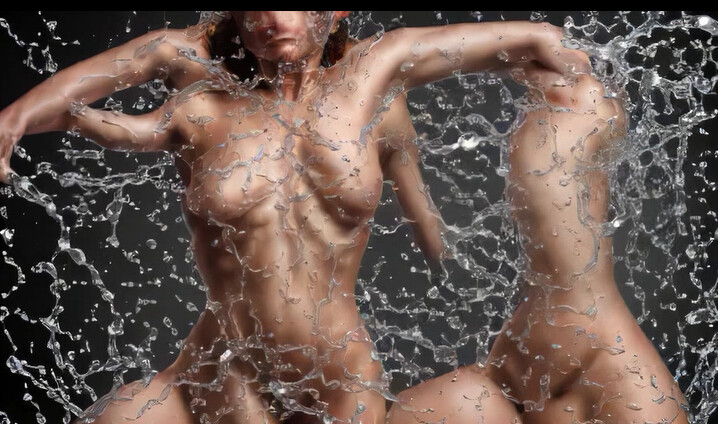
What do you find most rewarding about being a creative?
For me, the most rewarding aspect of being an artist is the ability to create spaces for dialogue, disruption, and reimagination. Art allows me to challenge dominant narratives, subvert societal expectations, and offer alternative ways of thinking about identity, technology, and queerness. Seeing how my work sparks conversations, provokes thought, or resonates with people on a personal level is incredibly fulfilling.
I am especially drawn to the interactive and performative aspects of my practice—whether it’s through sound installations, AI-driven experiments, or live performances. The moment when an audience engages with my work, whether through participation or reflection, is when it truly comes alive. I love that art has the power to unsettle, amuse, and inspire all at once.
Another deeply rewarding aspect is the freedom to explore and experiment. My creative practice constantly evolves as I navigate new technologies, challenge my own ideas, and push the boundaries of artistic expression. It’s an ongoing process of discovery—both about the world and about myself.
Ultimately, what drives me is the potential for art to be both a form of resistance and a source of empowerment. If my work can challenge someone’s assumptions, make them laugh at the absurdities of digital culture, or help them feel seen in ways mainstream narratives do not, then I know I’ve created something meaningful.
Contact Info:
- Website: https://www.yunhsuanart.com/