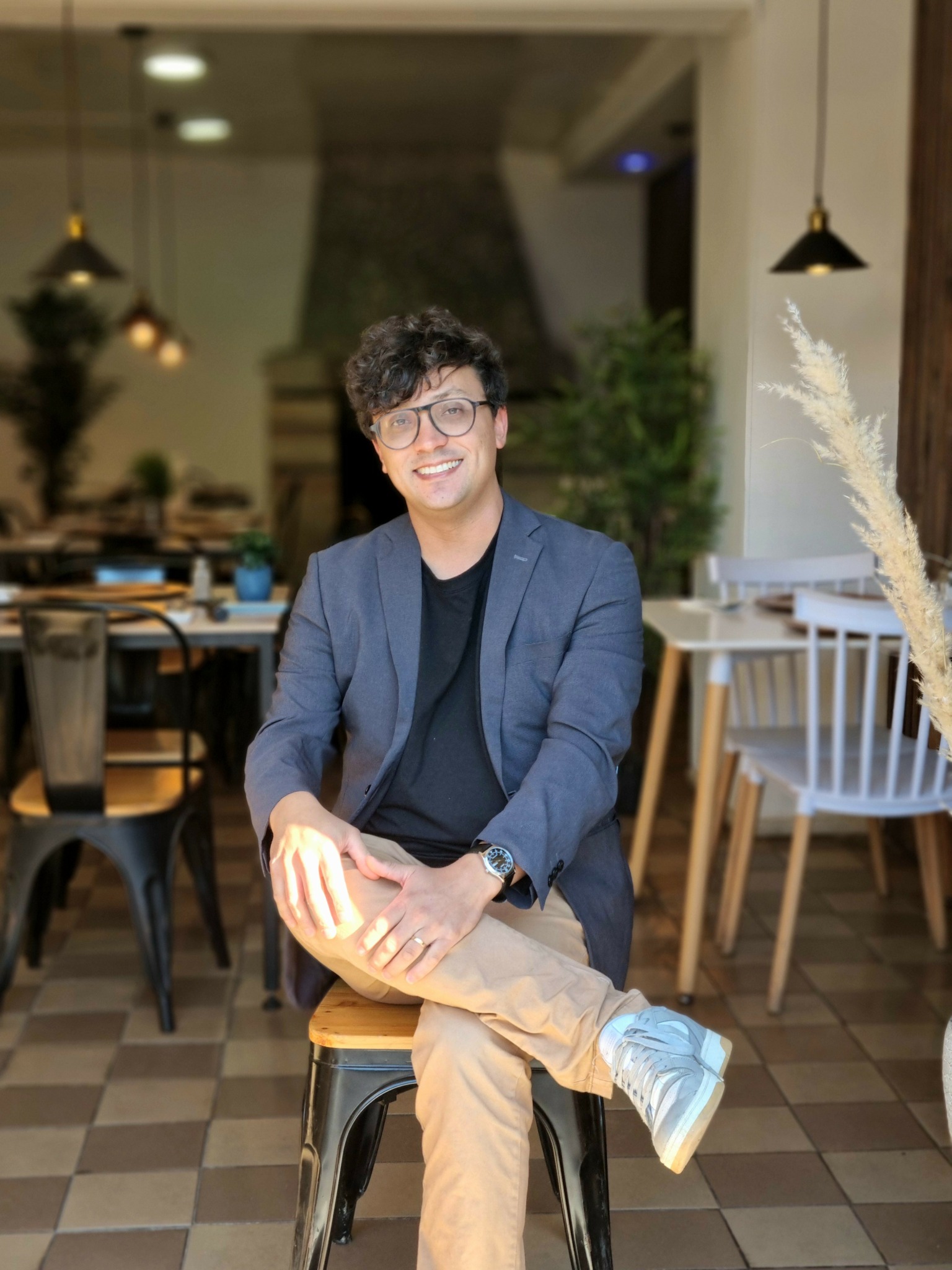

We’re excited to introduce you to the always interesting and insightful Yung Sam Chea. We hope you’ll enjoy our conversation with Yung Sam below.
Yung Sam, thanks for joining us, excited to have you contributing your stories and insights. What’s the backstory behind how you came up with the idea for your business?
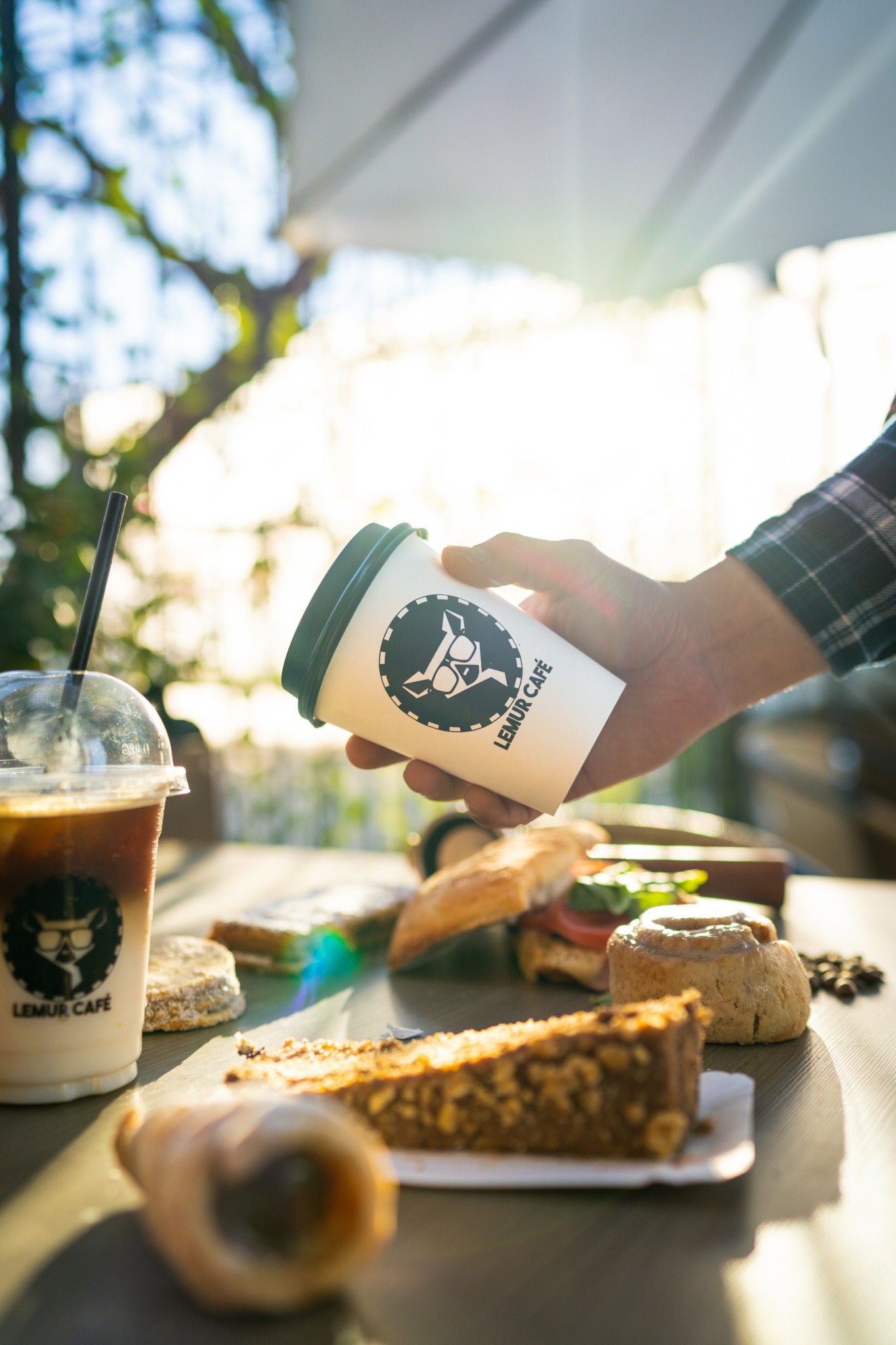
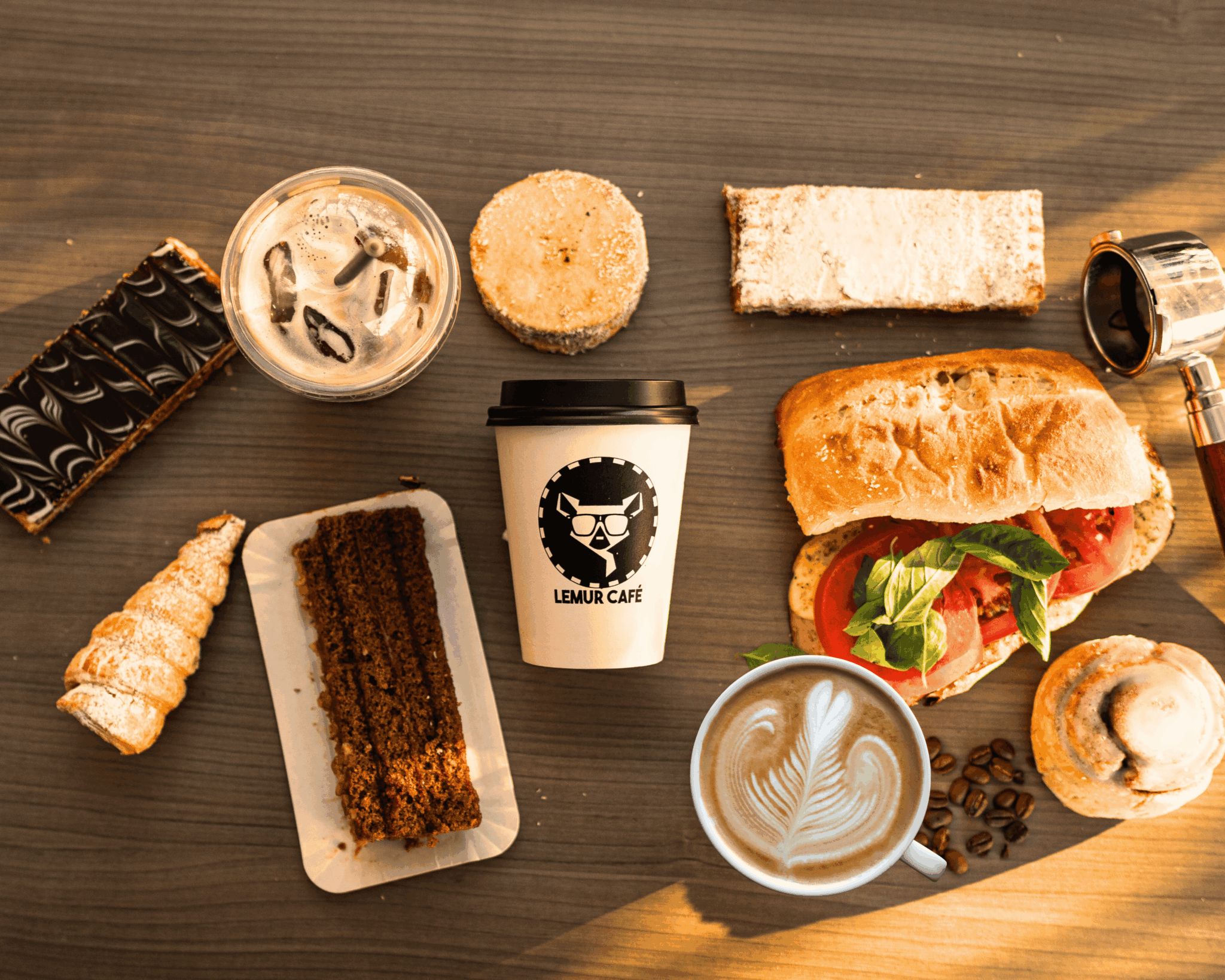
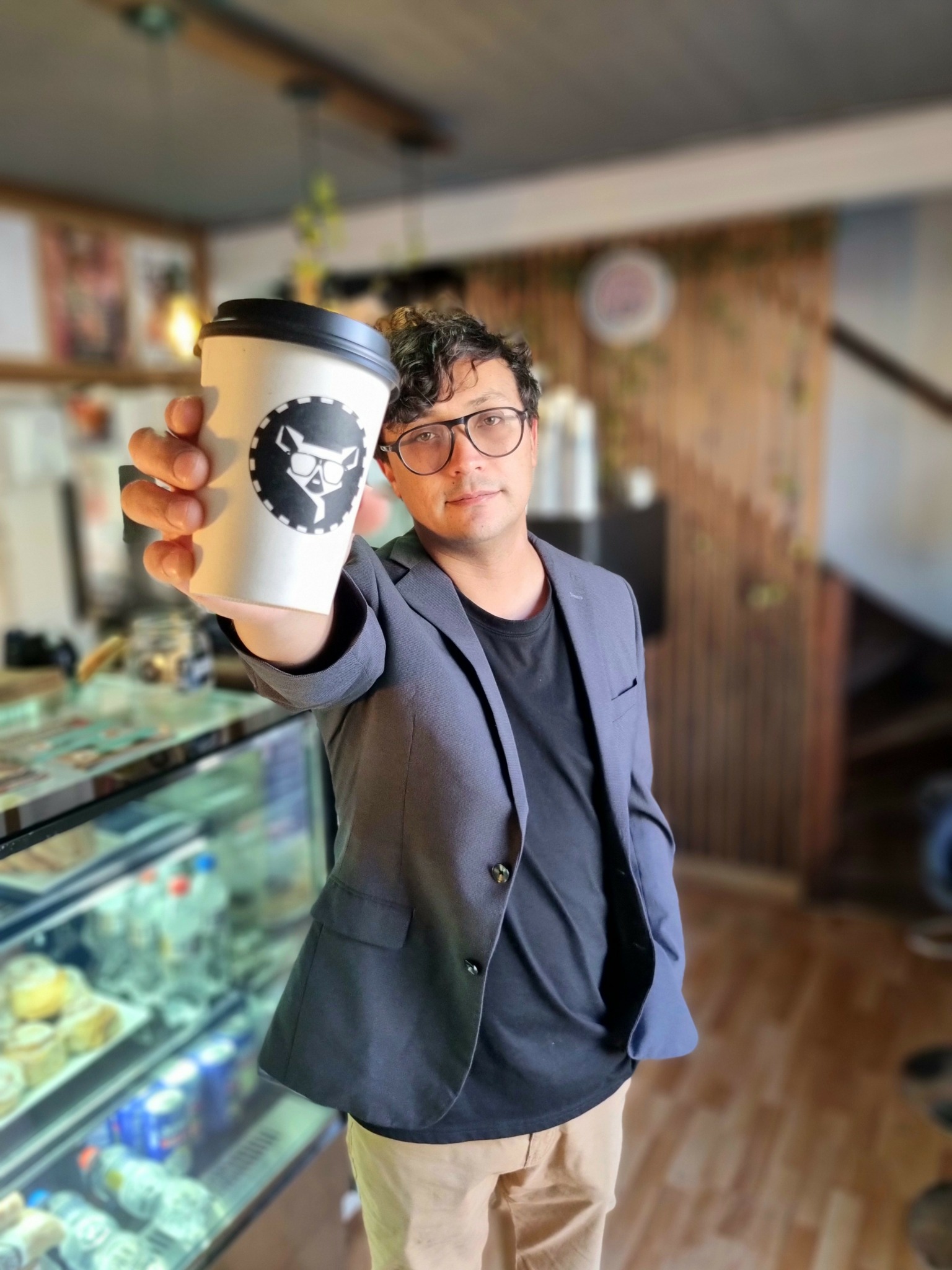
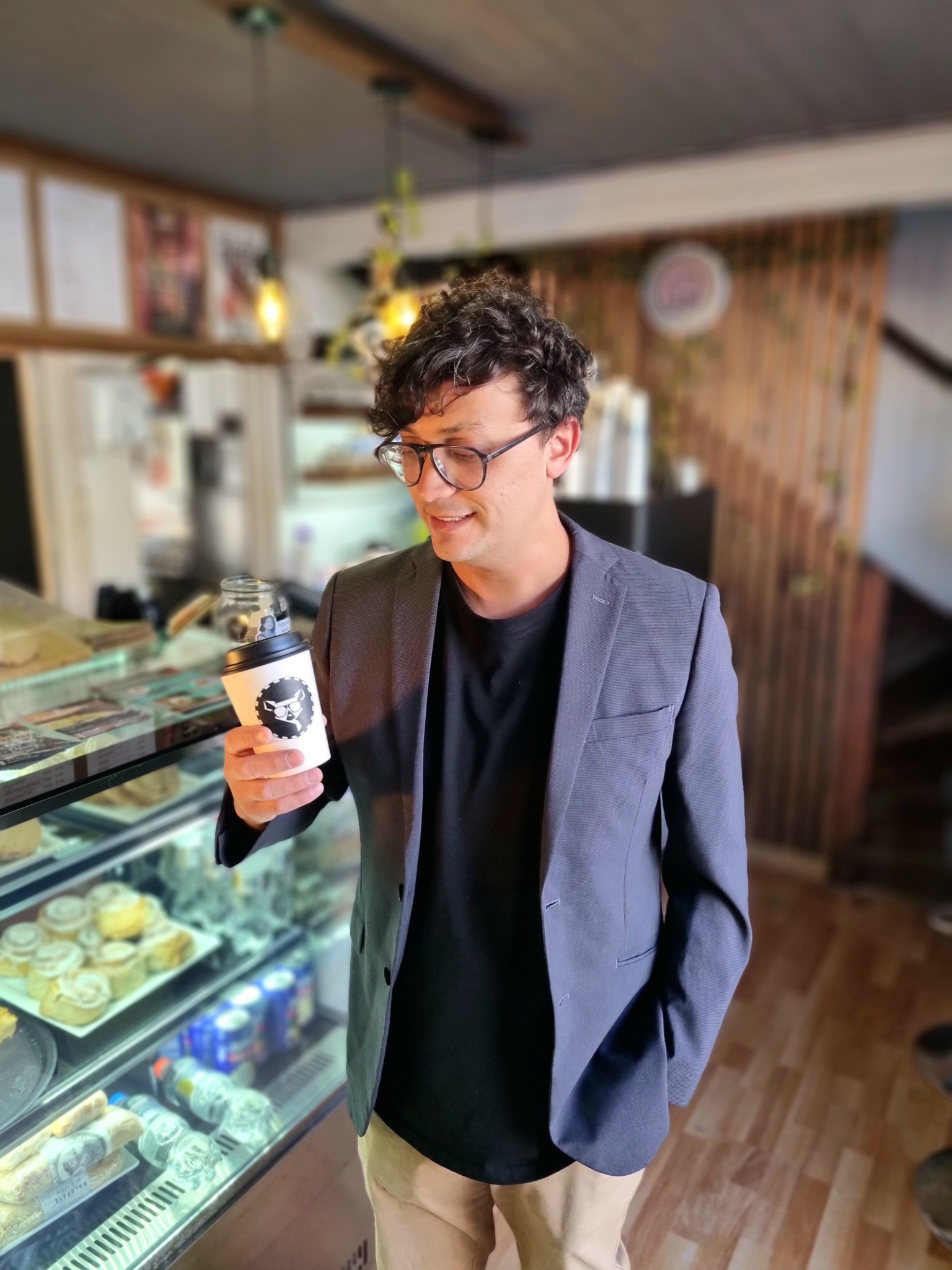
When my previous business fell through, I found myself in a really tight spot. I was unemployed, with a wife, a one-year-old at home, and another baby on the way. So, I did something that looked completely crazy to everyone else. An opportunity came up to lease a small space, and with literally the last $8,000 left in my bank account, I started Lemur Cafe.
The odds were completely stacked against me. I had never worked in a coffee shop, never taken a barista course—nothing. But I had this crystal-clear vision, and I decided to go all in. I spent the next year working completely alone, pulling endless hours doing the renovations by hand and dialing in the menu.
The space was right next to a cluster of major medical centers in my city, and it clicked for me immediately: this cafe had to offer something much deeper than just caffeine. When you are surrounded by hospitals, you see people dealing with heavy things every day—stress, anxiety, illness. You wouldn’t normally think a coffee shop could do much to help with that, but I truly believed it could.
We fell in love with the idea of building a sanctuary—a place for community, connection, and a genuine sense of belonging. We are incredibly intentional about it. We believe that a great cup of coffee combined with a warm interaction can completely pivot someone’s day. If you can provide that little positive spark every single morning, eventually, it changes a person’s life.
We do that by keeping top-tier specialty coffee affordable, and by training our baristas to lead with empathy and deliver an amazing experience. We even open up our walls so local artists have a platform to showcase their work. We built Lemur to be an oasis—a daily reminder of the bright side of life.
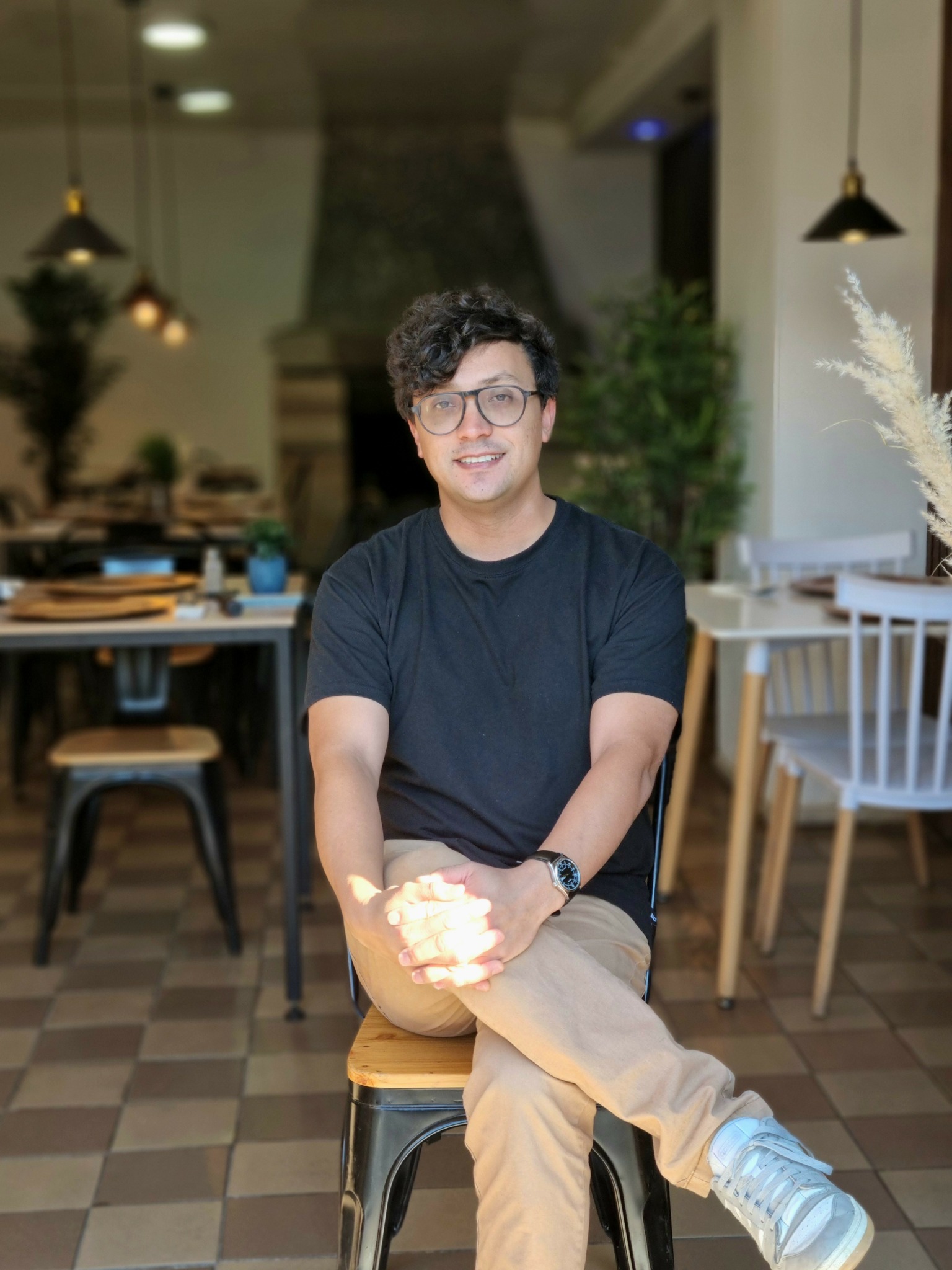
Yung Sam, before we move on to more of these sorts of questions, can you take some time to bring our readers up to speed on you and what you do?
I’m an architect by profession, but in 2022, I decided to apply that design mindset to the food and beverage industry as an entrepreneur. Today, I’m the founder and owner of two distinct concepts in La Serena, Chile: Lemur Café and Fiorentino. My work with these brands actually led to a massive honor recently—I was selected by the U.S. Department of State for the YLAI 2026 Fellowship, which connects top entrepreneurs across the Americas to build international alliances.
As an architect, I’ve always been obsessed with how people experience spaces, and that’s exactly what drove me into hospitality.
First, there’s Lemur Café. It’s a specialty coffee shop with a vibrant, young, urban energy, built entirely around a takeaway format. Our mission is simple: enrich people’s lives through small, unforgettable moments. We don’t try to be pretentious; we focus on natural, warm, and friendly interactions. We want a visit to Lemur to be the absolute highlight of your morning.
Then, two years ago, we launched Fiorentino. It’s a modern Italian restaurant where we bring that same passion for quality to life, serving incredible Italian cuisine and fresh, homemade pasta made from scratch every day.
How’d you build such a strong reputation within your market?
Honestly, I think my biggest advantage in building a reputation was that I came into this industry as an outsider. I’m not a chef, and I’m not a barista. Because of that, I look at everything strictly through the eyes of the customer.
Throughout my life, I’ve done a lot of different things that gave me a unique, well-rounded perspective. When I was younger, I volunteered heavily with non-profits, churches, and youth groups—leading teams, organizing big events, and learning how to truly connect with people. Combine that with my background in architecture, and it completely changed how I approach hospitality. Architecture is a beautiful profession because it teaches you to look at an environment, see its natural strengths, and work *with* them rather than forcing something that doesn’t fit.
This mindset shapes every business decision I make. It taught me to lead with empathy and an altruistic outlook. Sometimes beauty is right in front of us; we just have to sculpt it out. For example, when I looked at the locations for both of my businesses, I didn’t say, *’I want to force my own agenda here.’* Instead, I looked at the neighborhood and asked, *’What does this place want to become?’* Listening to the space and the community is exactly what led to the coffee shop, and later, the Italian restaurant. I think people in our market can feel that authenticity, and that’s what built our reputation.
Any advice for managing a team?
There is a famous Chilean architect named Alejandro Aravena who won the Pritzker Prize a few years ago—which is essentially the Nobel Prize of architecture. In the project he presented, the one he won the prize for, he said something that stuck with me: *’There is nothing worse than a good answer to the wrong question.’*
When running a business, we constantly have to ask ourselves: What is the question our business is answering? Is this a good answer, or is it the best answer for that question? Or do we even know what the question is?
I believe that when you have a clear vision and a true purpose, you finally have ‘The Question’ you are answering. And when you have that clarity, you will naturally find people who want to join you. High morale doesn’t just come from rules or incentives; it comes from purpose. Everybody wants to belong to something that is striving for something greater.
Contact Info:
- Website: https://lemurcafe.cl
- Instagram: https://www.instagram.com/lemurcafe.cl
- Linkedin: https://www.linkedin.com/in/yung-chea-50a804323
- Other: https://www.instagram.com/ys.chea/