We’re excited to introduce you to the always interesting and insightful Yujin Son. We hope you’ll enjoy our conversation with Yujin below.
Yujin, thanks for joining us, excited to have you contributing your stories and insights. How did you learn to do what you do? Knowing what you know now, what could you have done to speed up your learning process? What skills do you think were most essential? What obstacles stood in the way of learning more?
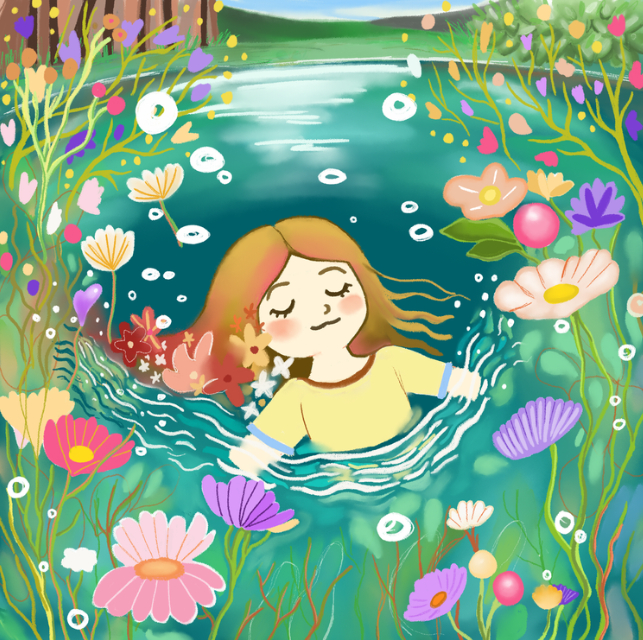
I’ve always learned by following my curiosity. When I first started drawing, I was surrounded with manga, internet culture, and cartoons, which naturally led me into illustration. I loved turning imagination into something real, so I taught myself with pen, colored pencils, and eventually painting.
As my ideas and observation grew, my practice shifted from 2D to 3D, from hand-drawn illustration and concept art to mixed digital media, and VR. Living in New York exposed me to a diverse creative community and new tools, which felt like stepping into another dimension. Most of my digital skills were self-taught through tutorials and collaborations. Over time I realized that speeding up the learning process doesn’t come from doing everything alone. Listening to others’ feedback, sharing and learning from their perspectives often helped me absorb skills faster and more diversely.
Sometimes it felt like the tools were taking over the art. I dabbled in many areas out of curiosity, but underneath was the fear of not doing enough. That fear often blurred my direction. A turning point came when I took on my first VR project in Seoul last year. It pushed me past those internal obstacles and showed me that growth comes through doing. Taking action, sharing work with the world, collaborating on projects, and learning through practice are the best way to grow.
Now I see the most essential skills as imagination, the ability to visualize it, and the persistence to refine your strongest tools. Shifting my mindset to the freedom of creation allowed me to focus on what I already had, regain confidence, and enjoy the creating process.
Yujin, before we move on to more of these sorts of questions, can you take some time to bring our readers up to speed on you and what you do?
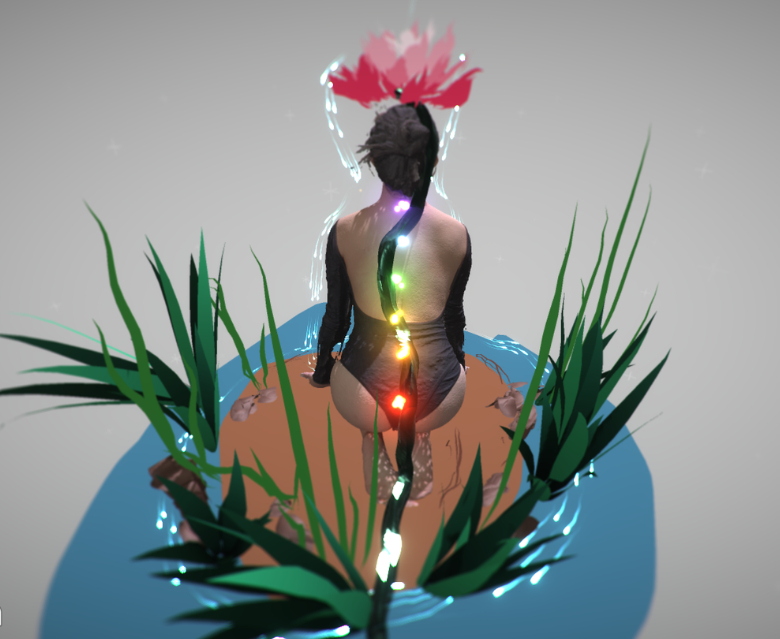
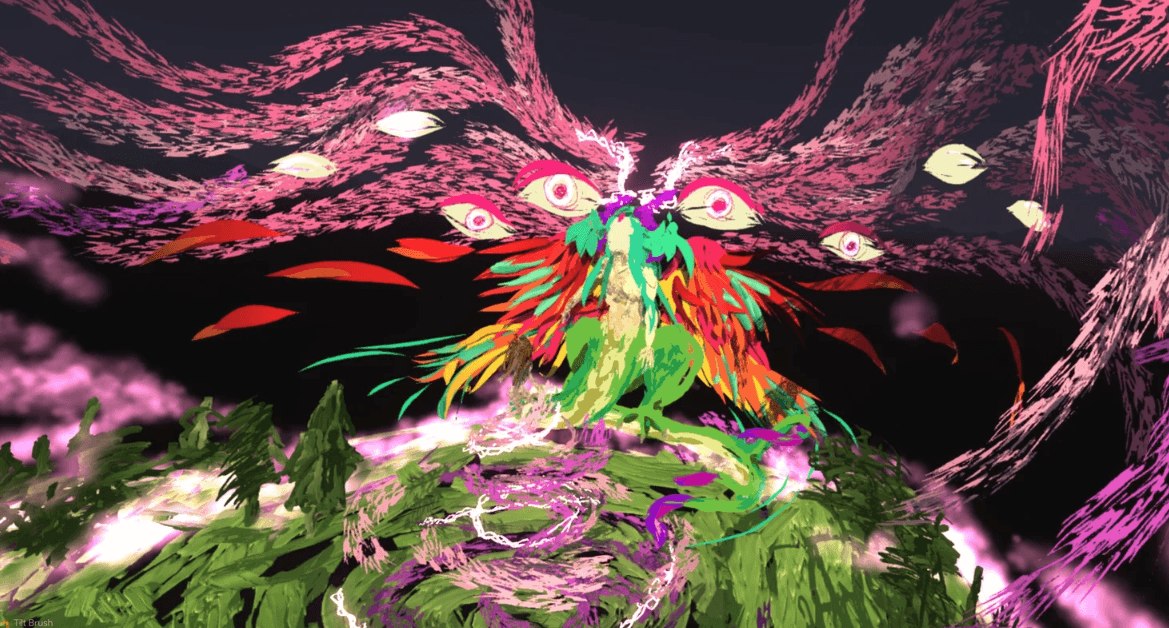
I am a multidisciplinary media artist who blends VR/XR, illustration, and explorations with AI tools to create storytelling artworks. Alongside this, I continue to illustrate children’s books, concept designs, and anatomical studies. Growing up in a developing city abroad, I spent much of my time online, which led me deeper into illustration and internet culture. Living between languages and cultures gave me an international perspective and taught me to see the world more as an observer, shaping my current artistic worldview. Over time, this perspective grew beyond surface identity and language into deeper questions about human consciousness and connection.
That journey gradually led me into the art field, where I have been working with artists, planning exhibitions and art programs, and collaborating with creative teams. I am also passionate about art education and hope to support students and emerging artists while continuing to pursue my own creative practice. Hopefully, I will become an art educator one day.
What I want people to know about my work is that I express honestly between the depth and lightness. I don’t always create in a bright or pretty tone (though sometimes I do, especially when exploring playful subjects like stickers, animals, or children’s illustrations.) My early projects dealt directly with emotional states; over time, they expanded into what I came to call “another mind”, the consciousness of AI. Using myself as a living example, I began to trace the connections between intellect, feeling, and the Buddhist notion of anatta, or no-self. This exploration led me to wonder how artificial intelligence might internally process concepts like compassion, or externally function in a world where even humans often struggle to uphold such ideals. The questions I pursue are both ethical and existential: if an AI could feel, would it ask, “Where is my ghost, my soul?”
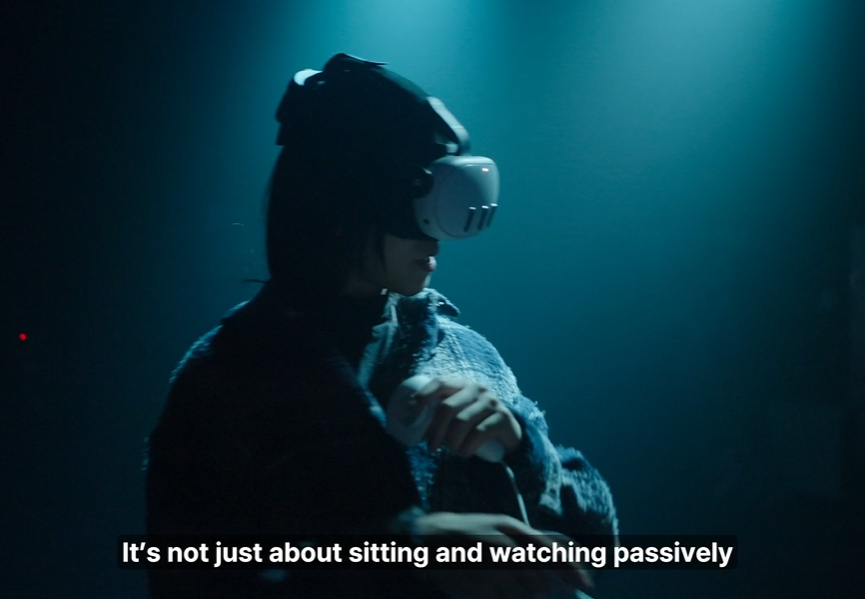
These ideas flow into the work I make today, including 360 VR video, interactive digital art, and VR performance projects that reinterpret Korean heritage for contemporary audiences. For me, digital tools are not the end but the means: how technology can reflect or challenge our spiritual imagination. Through my projects, I aim to create experiences of empathy, connection, and curiosity, while also exploring spirituality and consciousness. At the same time, I am drawn to collaborating with artists who ask big questions and approach them with joy and purpose.
We often hear about learning lessons – but just as important is unlearning lessons. Have you ever had to unlearn a lesson?
After spending nearly ten years away from my parents, it shocked me to see that the traits I once rejected in them had, over time, become part of me as well. That distance made me realize how rigid my expectations had been, how I thought they should be, how I thought I should be. Family relationships trigger the strongest emotions, and when left unresolved they can harden into thought patterns (Although, this was the trigger and the inspiration for my exploration about the human mind). I often overanalyzed, such as believing every action had a hidden cause, but later saw that much of it was compulsion rather than truth. Choosing to understand instead of judging or assuming became a turning point for my relationships, and my sense of freedom in both thought and expression.
This personal shift carried into my art. There was a time period when I believed my thoughts defined who I was, and I even censored my emotions, to fit how I thought I should feel in order to create. Unlearning those habits was liberating. I began to see each work not as proof of my identity but as an observation of ideas, a way to explore and enjoy without being trapped by them. Realizing that neither my thoughts nor my emotions are my entire identity allowed me to let them flow more freely and to trust that the authenticity would naturally shape the work. I had always made work honestly in my own style, but shifting my perspective and releasing that rigid period opened even more space to freedom, and creative play.
In your view, what can society to do to best support artists, creatives and a thriving creative ecosystem?
Society can best support artists by creating conditions where creativity is treated as essential, not optional. That means financial accessibility such as grants and residencies, so artists can focus on their work rather than mere survival. I was super grateful when I received a grant in 2022, which gave me breathing space and allowed me to focus more on creating. It also means education and mentorship, giving students and emerging artists both technical tools and a sense that their voices matter. Personally, I have led a few free drawing programs for students, and I would like to contribute more in this way.
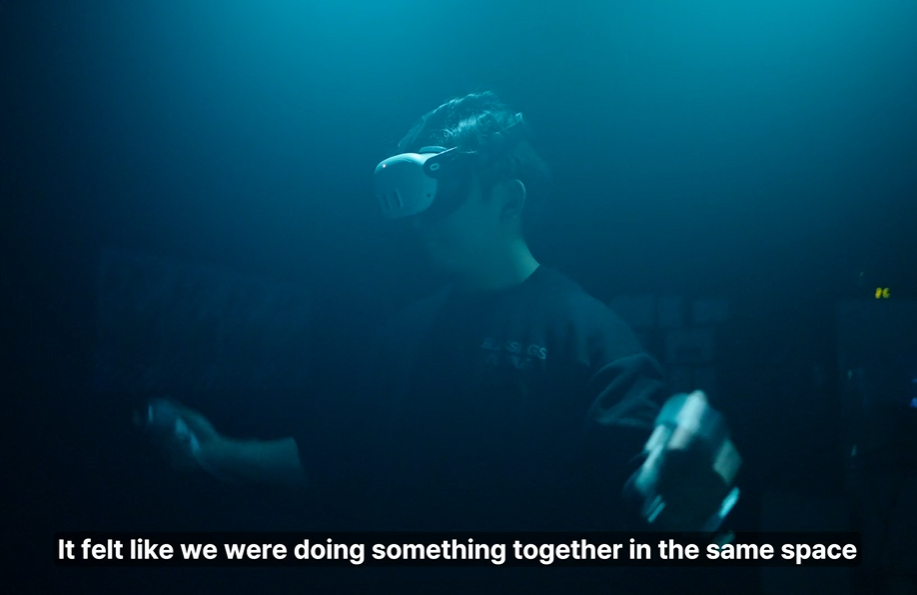
Just as important are communities: spaces where artists, audiences, and institutions meet and exchange ideas. Last year in Korea, I saw how vibrant and inspiring it was when many artists gathered together for workshops, and how good it is to keep that energy alive through networks. Governments and institutions also play an important role in supporting art and creative technologies. When there are accessible open calls, competitions, and prize-based opportunities, even entry-level artists can gain experience and confidence to grow.
Creativity suffers when artists are forced to survive only by what sells, or when institutions bury them in bureaucracy, there is no room left for experimentation. This could push artists into survival mode and reduce their practice to a hobby. I heard from many artists that this problem is amplified by social media, which creates the illusion that we should post today and reach a certain number of likes by next week. This creates urgency rather than having genuine stories and art being introduced. But true art takes time, process, and honesty. Artists shouldn’t feel like they have to censor themselves, chase trends or eventually lose their colors.
Contact Info:
- Website: https://yujinson.com
- Linkedin: https://www.linkedin.com/in/yujinson94
- Youtube: @yujinson2569