

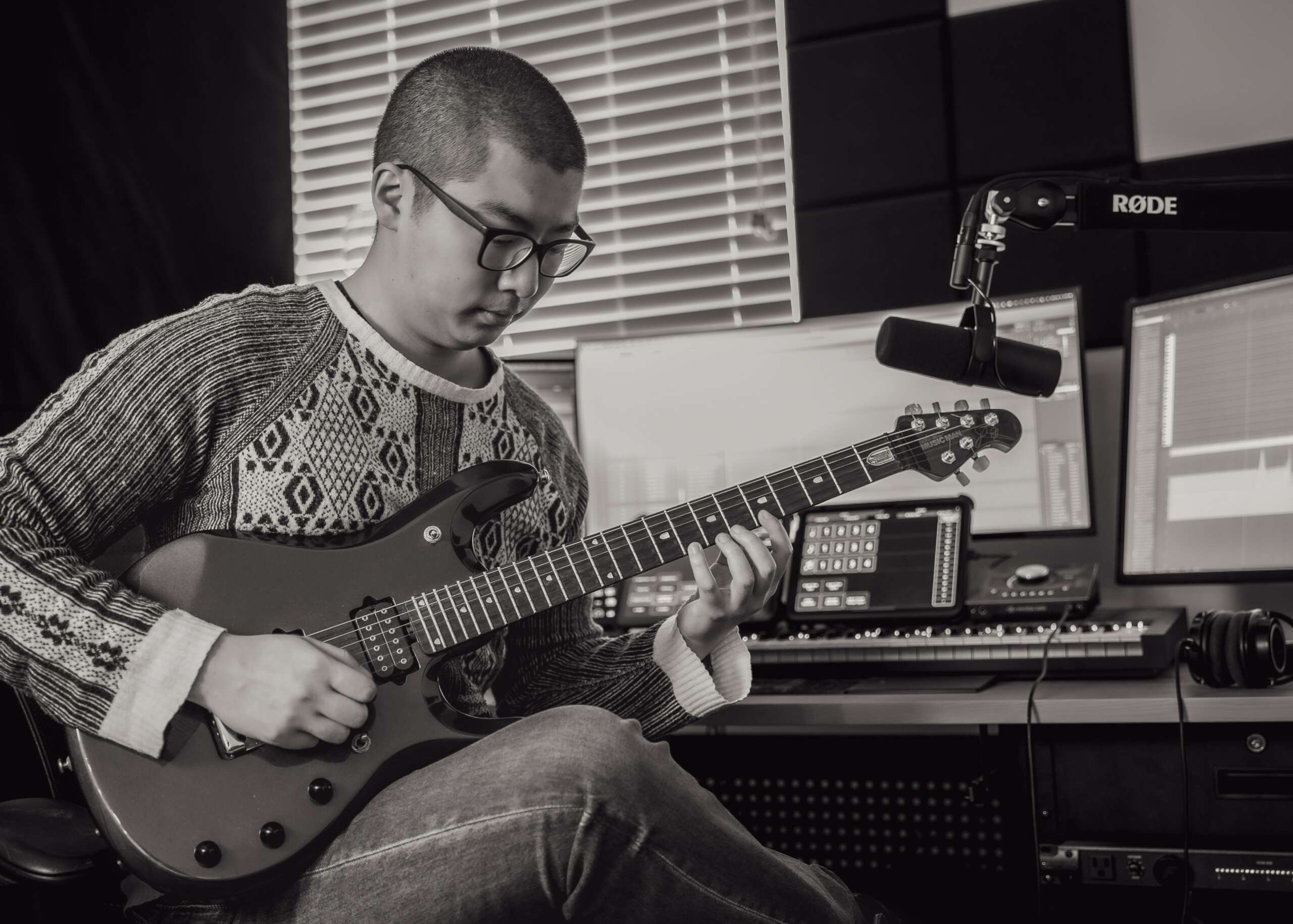

We were lucky to catch up with Yuheng Yan recently and have shared our conversation below.
Hi Yuheng , thanks for joining us today. What’s been the most meaningful project you’ve worked on?
In my time as a media composer and technical score engineer, I’ve been lucky enough to work on projects that are not just exciting but also deeply meaningful. Each one has taught me something new and has made me even more passionate about what I do.
Take the Australian documentary “BlazeAid: Spreading Like Wildfire”, for instance. It was incredibly rewarding to work on something that really mattered—helping tell the story of communities rebuilding after wildfires. Collaborating with the acclaimed Ruth Mendelson was a highlight for me; together, we crafted a score that really captured the spirit and resilience of those communities. It was one of those projects that reminded me why music is so powerful in storytelling.
Then there was the indie short “One Last Night in Austin, Texas”. This was a different kind of challenge, creating music that had to sync with the film’s coming-of-age story. It pushed me to think deeply about how music can subtly influence the narrative’s emotional flow. The film did great on the festival circuit, and it was thrilling to see how well the music resonated with audiences.
Working on big-name series like “Monsters At Work” and “My Adventures with Superman” was a dream come true. I mean, being part of the teams at Disney and Warner Bros. Animation? It doesn’t get much cooler than that. These experiences taught me so much about collaboration and working under pressure. I was right there, making sure our music supported these iconic stories, from the whimsical world of Monstropolis to the heroic tales of Superman.
For “Monsters At Work”, being able to add to the Disney legacy was genuinely a dream come true. It felt amazing to dive into that whimsical, heartfelt universe and ensure our music matched the beloved story’s vibe. And with “My Adventures with Superman”, it was about capturing the essence of one of the most iconic superheroes ever. Working alongside talents like Dominic Lewis and Daniel Futcher, we blended traditional heroism with new narratives that I hope will inspire a new generation.
These projects weren’t just jobs; they were opportunities that shaped me as an artist and fulfilled my dreams. They’ve sharpened my skills, broadened my perspective, and confirmed my belief in the incredible power of music. More than anything, they’ve shown me how the right score can bring stories to life, making them resonate with people everywhere.

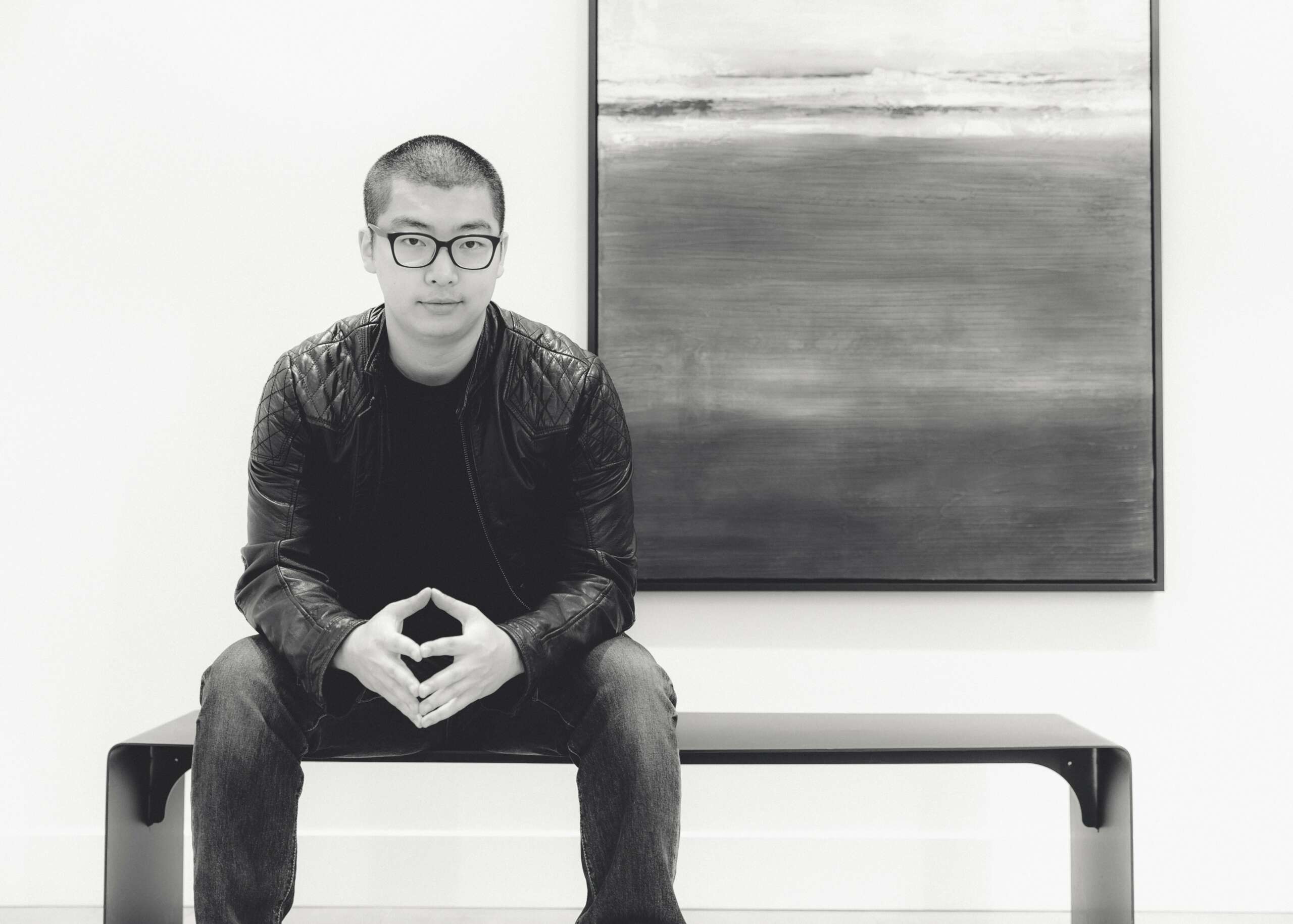
As always, we appreciate you sharing your insights and we’ve got a few more questions for you, but before we get to all of that can you take a minute to introduce yourself and give our readers some of your back background and context?
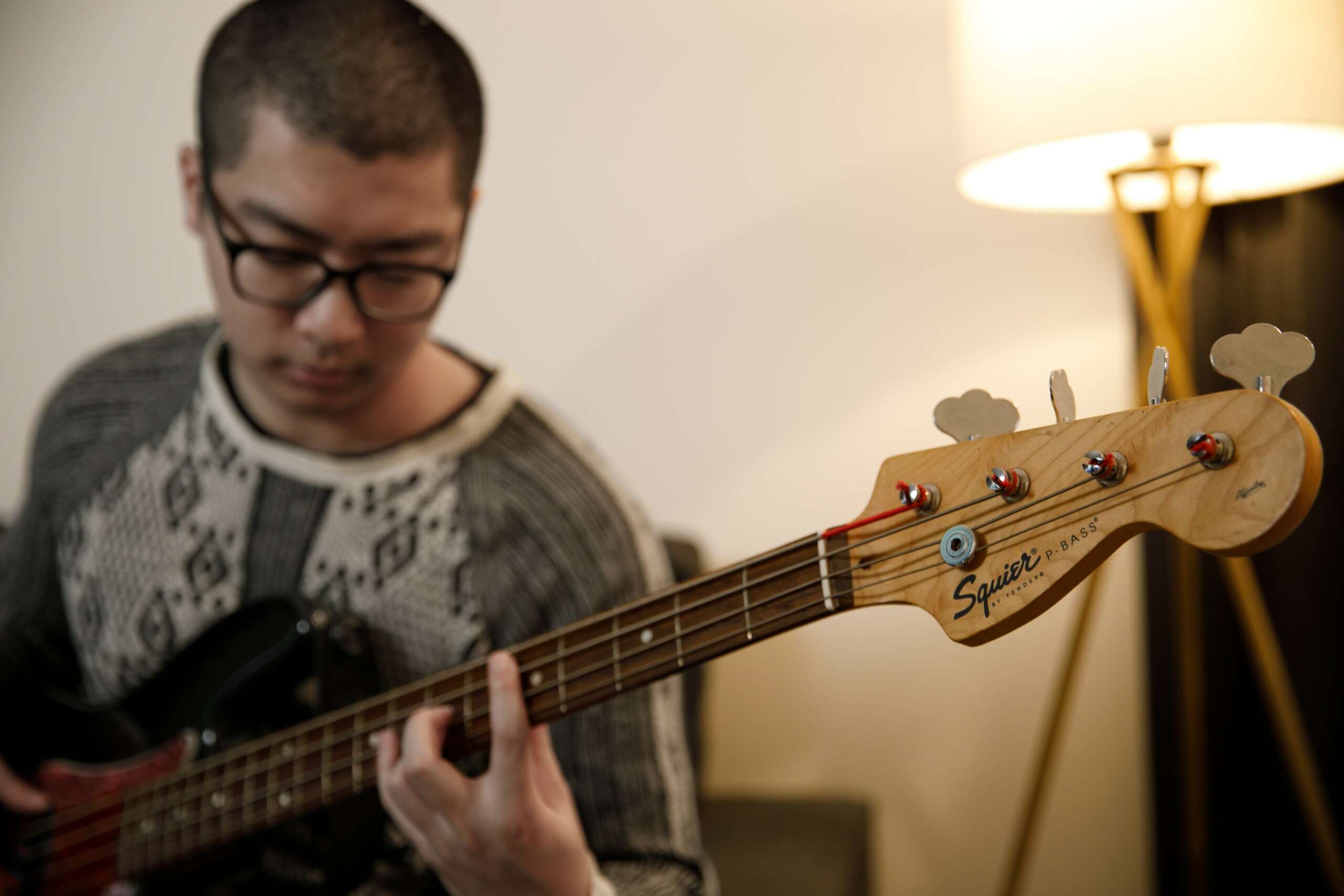
My journey into the world of film scoring and music production has been both unexpected and exhilarating. I started out as a child learning piano, but I’ll be honest, I didn’t enjoy it much initially due to the rigor and lack of free time. It wasn’t until after a break during my school years that I rediscovered my passion for music—this time through the electric guitar. This shift from piano to guitar wasn’t just about changing instruments; it was about finding my true calling in music, something that truly excited me.
Fast forward to today, and I’m deeply involved in creating music for film and television. What sets me apart in this industry is my background in both performance and technical aspects of music. I’ve had the privilege of working with some fantastic talents like Dominic Lewis and Philip Giffin on projects ranging from indie films to major studio productions like Netflix’s ‘Lift’ and Warner Bros.’ ‘My Adventures with Superman.’
One thing that’s unique about my approach is how I blend traditional composition techniques with modern technology to tell stories through music. I believe that music in film should not only support the narrative but also stand out on its own. This delicate balance is what I strive for in every project—ensuring that my music serves the film effectively while also being enjoyable to listen to independently.
I’m most proud of how I’ve navigated the challenges in this field. Starting from those early days of struggling with piano lessons to facing down challenges at Berklee, where I pursued a double major in guitar performance and film scoring. Each hurdle has strengthened my resolve and deepened my love for this craft.
For anyone getting to know my work, I want them to see not just the end products but the passion and effort that go into them. Whether it’s a blockbuster movie or an indie project, my goal is to bring the same level of creativity and professionalism, making sure that every piece of music tells a story as powerfully as the visuals it accompanies.
Finally, looking at my journey, from my initial music explorations to my current projects, it’s clear that adaptability and a deep passion for storytelling through music have been my driving forces. I’m thrilled to continue on this path, learning and growing with each project and hopefully leaving a memorable mark on the world of film music.

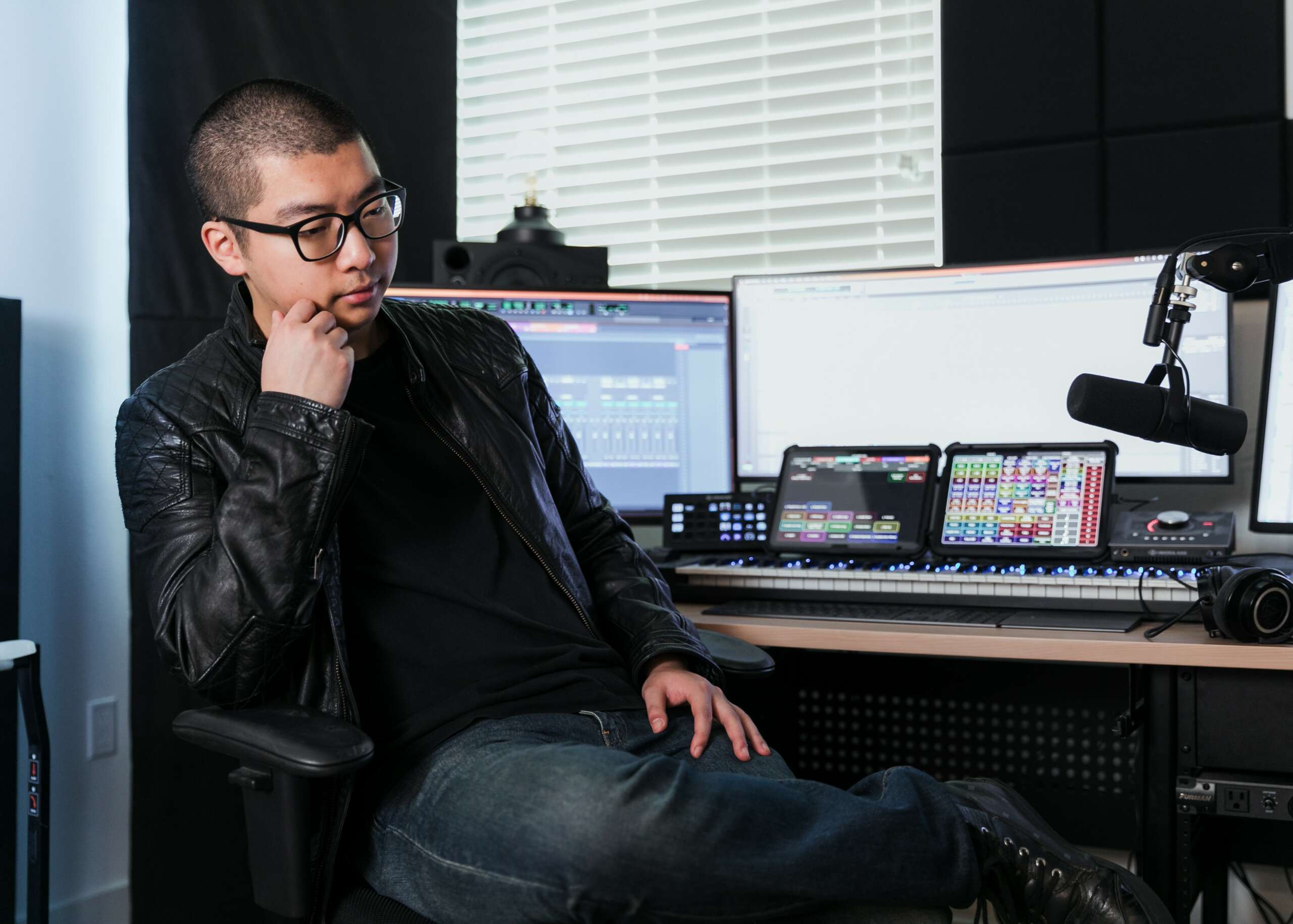
Can you share a story from your journey that illustrates your resilience?
My journey in music has really been a story of resilience, and it started pretty early on. You see, I began playing the piano when I was just five. It was tough—between endless lessons and schoolwork, I hardly had any free time, and eventually, I grew to resent it. I even quit piano in middle school, which felt like a huge relief at the time.
But then something interesting happened. After my high school entrance exams, I felt this urge to get back into music, not with the piano, but with something totally different—the electric guitar. My parents were a bit taken aback; they probably thought I’d go back to the piano. But I was drawn to the guitar, inspired by bands like Dream Theater, and I managed the whole learning process myself this time.
Starting out was tough. My fingers would bleed from the strings, but I didn’t mind. It was my passion fueling me, not obligation. That shift in attitude made all the difference. My guitar teacher eventually noticed my dedication and even suggested I switch to a more experienced teacher to push my skills further. That was a major turning point.
When it came to applying for music college, I knew it wouldn’t be easy. Berklee required a series of auditions that were incredibly demanding. I remember recording pieces where everything had to be perfect in one take, which meant playing flawlessly or starting all over again. I was so committed that I practically lived in the studio during auditions, sleeping on the couch to save time.
Getting into Berklee was a dream come true. It was a validation of all the hard work and a real turning point in my life. At Berklee, I started with guitar but soon got into film scoring, which opened up a whole new world for me. It was challenging, sure, but it also felt right, like I was finally where I was supposed to be.
Since graduating, I’ve worked with amazing composers and contributed to some fantastic projects. Each experience has taught me something new and reinforced that early lesson in resilience I learned. Looking back, every challenge, every setback, they weren’t just obstacles—they were opportunities. Opportunities to grow, to improve, and to really thrive in this field.
So, yeah, my path wasn’t straightforward, but all those tough moments? They were absolutely worth it for the doors they’ve opened and the music I’ve been able to create and share with the world.
For you, what’s the most rewarding aspect of being a creative?
For me, the most rewarding aspect of being an artist, especially one who specializes in film scoring, is the ability to tell stories through music. There’s something truly magical about crafting a piece of music that not only enhances the emotional depth of a scene but also connects with audiences in a profound way. It’s not just about the notes themselves, but about weaving feelings and narratives into a soundtrack that complements the visuals on screen.
Each project is a new opportunity to delve into different emotions and narratives, which is incredibly fulfilling. For example, working on projects like ‘Monsters At Work’ and ‘My Adventures with Superman,’ I got to immerse myself in diverse musical landscapes that brought those characters and their journeys to life. The process of translating a director’s vision into musical language, of adding that extra layer of emotional resonance to a scene, is both a huge responsibility and an exhilarating challenge.
What sets this apart for me, though, is the collaborative nature of the work. Being part of a creative team, bouncing ideas back and forth, and seeing how your music affects the final product—it’s a collaborative synergy that drives the entire project forward. And then, when you see the finished product and hear from viewers how the music moved them or enhanced their experience of the film or show, it’s incredibly rewarding.
So, I’d say the most rewarding part is seeing and feeling the impact of your work—how it moves, touches, and engages people. It’s about knowing that your creative expression is not just heard but also felt, and that it contributes meaningfully to the storytelling process. That connection with the audience, knowing you’ve perhaps shifted their experience or deepened their understanding of the story, is why I love what I do.
Contact Info:
- Website: https://yuhengyan.com/
- Instagram: https://www.instagram.com/yuhengyanmusic/
- Facebook: https://www.facebook.com/profile.php?id=100010155851657
- Youtube: https://www.youtube.com/channel/UCZ5VsJOINDWayaygUpRQX_w
- Other: IMDb: https://www.imdb.com/name/nm12130784/?ref_=nv_sr_srsg_0_tt_7_nm_1_q_Yuheng%2520Yan
Image Credits
Eric Van Arsdale