

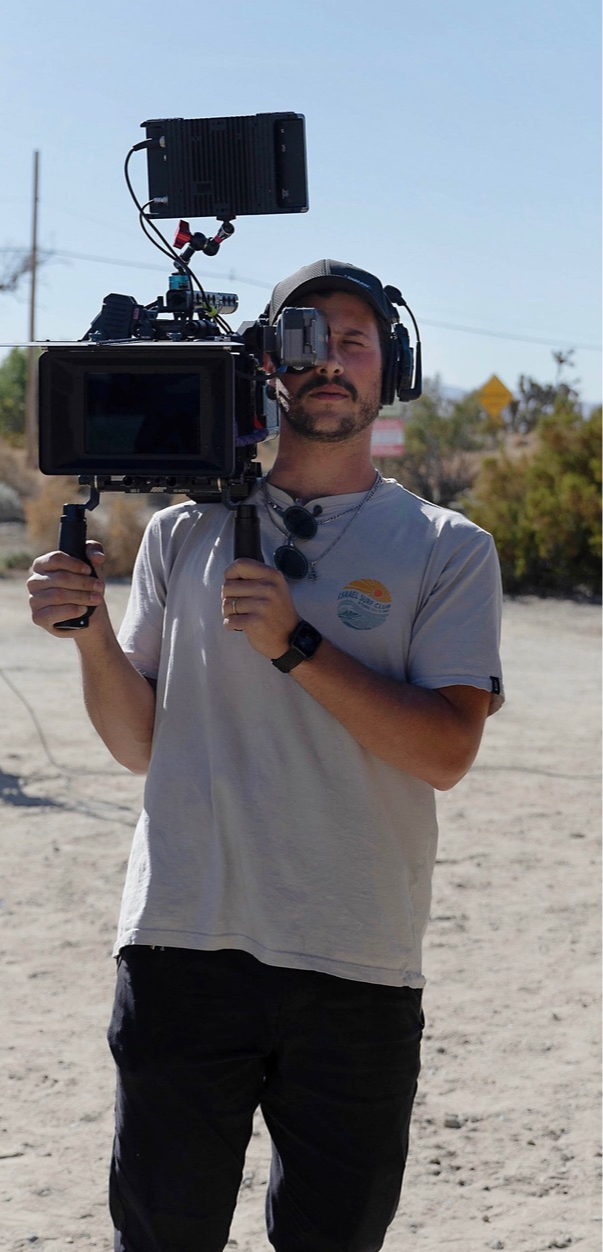

Alright – so today we’ve got the honor of introducing you to Yoni Coen. We think you’ll enjoy our conversation, we’ve shared it below.
Yoni, looking forward to hearing all of your stories today. Can you talk to us about how you learned to do what you do?
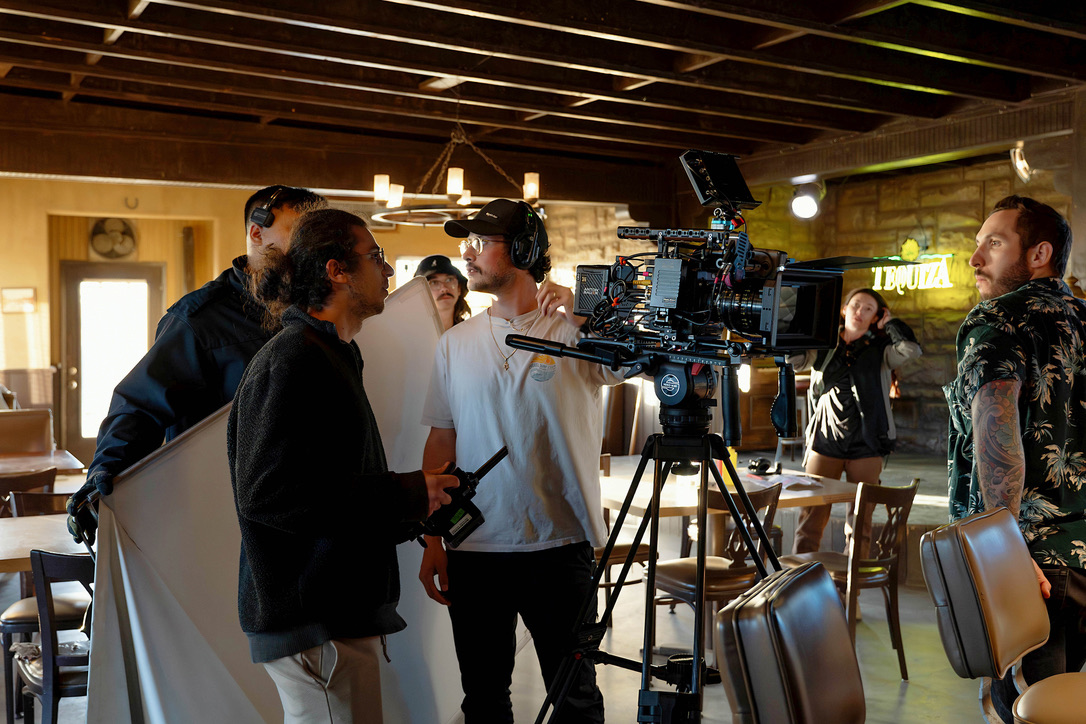
I’ve always been a hands-on learner. For me, the most valuable education came through doing—being on set, making mistakes, figuring things out as I went. You can sit in a classroom and learn how to frame a shot or light a scene, how to rig up a 12x frame or set a book light, but unless you are putting in the work and problem-solving in real time, that knowledge doesn’t truly stick.
When I first started, I didn’t have any formal training in cameras, editing, or lighting. I didn’t really know what I was doing. I just grabbed my camera, got some friends together, shot something, and cut it together myself. That DIY approach was foundational. It not only helped me build technical skills, but also gave me a clear sense of my strengths, weaknesses, and creative instincts.
Film school came later, and with it, the theory and technical knowledge I had been missing. But even then, I jumped into the deep end—working on various projects and all kinds of sets, applying what I was learning immediately. That real-world experience accelerated my growth more than any textbook or classroom setting ever could.
Looking back, the one thing that might have sped up my process would’ve been seeking mentorship or getting onto professional sets even earlier. But ultimately, the trial-and-error approach—failing, adjusting, trying again—was what shaped me. The most essential skills were adaptability, curiosity, and the ability to take initiative without waiting for permission.
Yoni, love having you share your insights with us. Before we ask you more questions, maybe you can take a moment to introduce yourself to our readers who might have missed our earlier conversations?
Let’s see. Where do I even begin? The first time I ever thought about dipping my toe into filmmaking was when I sat and watched my dad edit a montage video for my upcoming Bar Mitzvah. I thought, “Hey, this editing thing is pretty cool. I’d like to try it myself.” That moment sparked something. I started cutting together my own photo and video montages, and eventually added a camera to the mix—shooting and editing videos for school projects, my high school youth group, and anything else I could get my hands on.
After graduating high school and spending a few years abroad, I decided to fully pursue my passion and enrolled in the Los Angeles Film School. I graduated Magna Cum Laude with a degree in Film Production and Cinematography, and during my time there, I really gravitated toward lighting—understanding how to shape mood and tone with light became a huge part of my creative toolkit.
From there, I launched my own production company which has since grown into a one-stop shop for camera, lighting, and post across branded content, music videos, documentaries, and narrative films. At the same time, I worked as a freelancer in the camera and lighting departments, crewing short and feature films, commercials, TV shows, and music videos.
Most recently, I took on a full-time role as Director of Marketing and Media for Magen Am, a Jewish nonprofit security organization based in Los Angeles. It’s been a rewarding challenge that allows me to flex my creative muscles in new ways while still staying connected to the film world and continuing to take on select freelance projects.
A close friend and I also started “Weekend Pictures”, where we write and shoot short films with a rotating cast of actor friends. Over the past year or so, we’ve completed more than 10 shorts and currently have both a TV series and a feature film in development. It’s been an exciting and creatively fulfilling outlet to experiment, take risks, and sharpen our voice as filmmakers.
What sets me apart is my hybrid skill set—I’m as comfortable designing lighting on set as I am behind a camera or in the editing bay. I understand how each part of the process affects the final image, which makes me a more versatile collaborator and a reliable problem-solver. Whether I’m rigging lights for a stylized music video, capturing an emotional interview, or cutting together a tight branded piece, I bring both precision and passion to the work.
Some of the recent projects I shot that I’m most proud of include my first feature-length dark comedy, a powerful piece on campus antisemitism, an ongoing documentary I’ve been filming, and a recent short film shot with a real budget that’s currently doing the festival circuit and has already picked up some awards.
At the end of the day, I’m a storyteller who believes in craft, care, and collaboration. I want people to know that when they work with me, they’re getting someone who’s all in—from first concept to final frame.
What do you find most rewarding about being a creative?
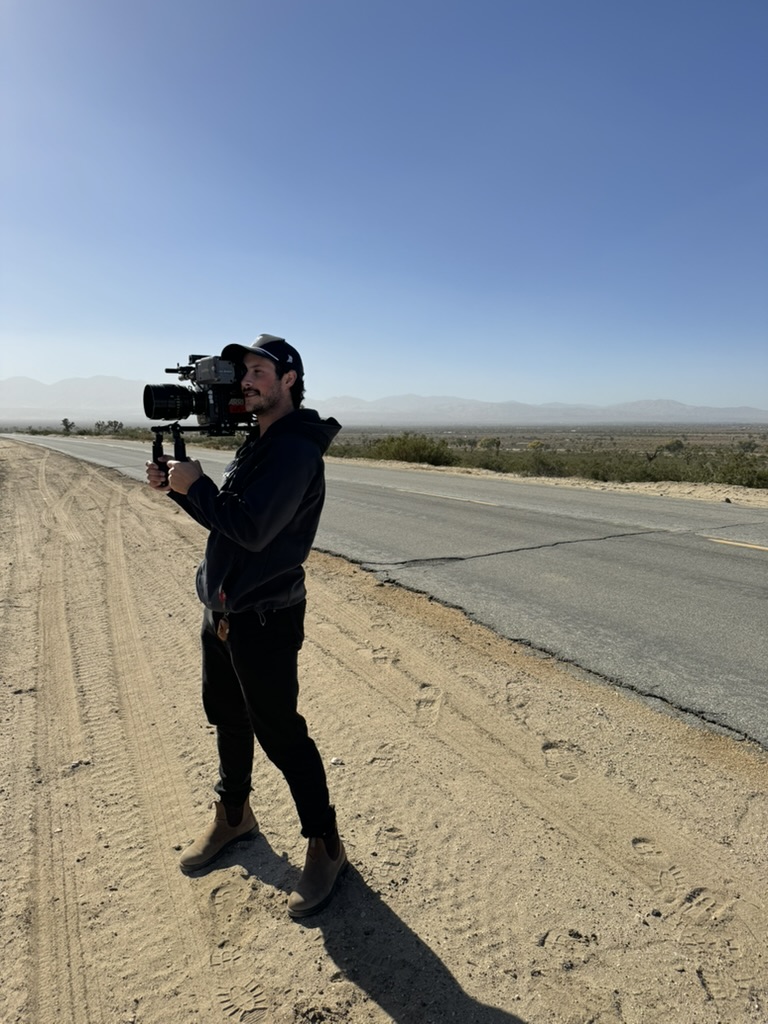
I think for me, the most rewarding aspect of being a creative is seeing the work come to life and resonate with people. There’s something incredibly fulfilling about taking an idea and shaping it into a finished piece that others can experience. Whether it’s a fun branded video I shot that’s being shown at a conference, a short film screening on a big screen in front of an audience, a music video I lit that premieres on YouTube, or even something more personal—like my family sitting in the living room, watching a project I worked on—it all means a lot.
There’s a certain magic in seeing how something that started in your head, or in collaboration with a team, transforms into a real, tangible piece of art. You remember the hours on set, the challenges, the problem-solving, the creative decisions—and then you see the final product play out in real time. That payoff, where the thought and care you put into each shot, each cut, each lighting choice actually lands with an audience, is what makes it all worthwhile. It reminds you why you put in the work in the first place.
Have you ever had to pivot?
There were a few moments in both my life and career where I pivoted. After high school, I knew I wanted to pursue something creative—specifically, film. My initial plan was to attend a school with a film program on the East Coast where I could also play ice hockey. When those plans fell through, I pivoted and spent a year abroad in Israel, studying while also volunteering with Magen David Adom, Israel’s version of the Red Cross. The following year, I drafted into the military and served for about a year and a half before a serious shoulder injury led to my discharge.
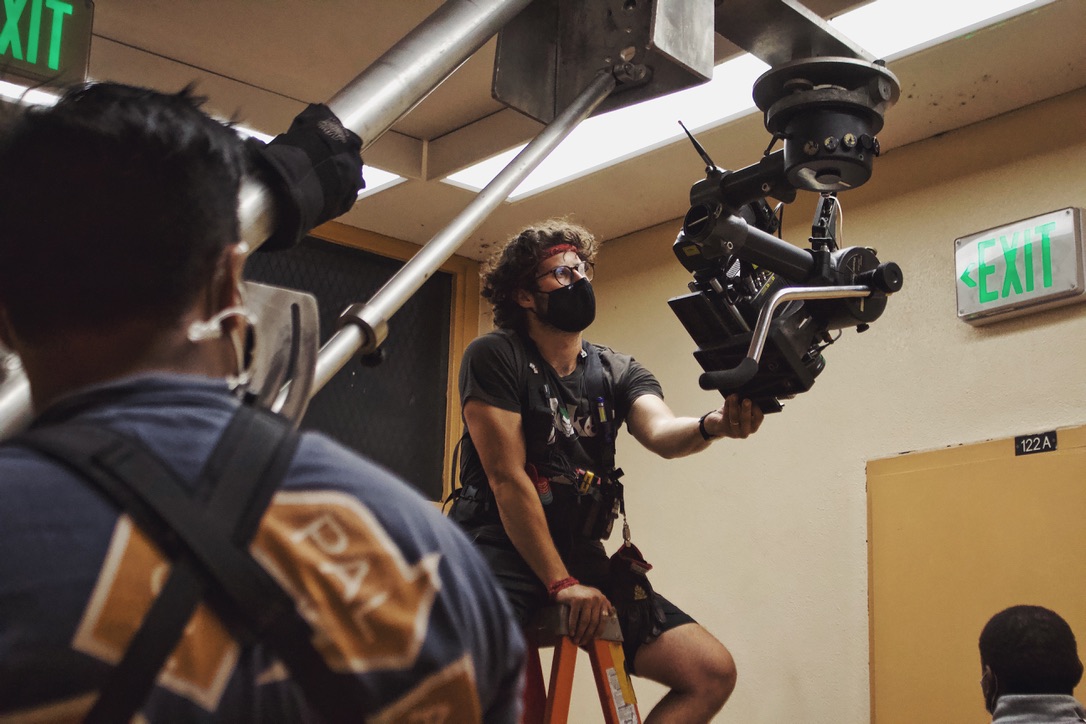
When I returned to Los Angeles, I enrolled in film school, where I earned my degree in Film Production and Cinematography. I spent the next few years working in the industry, primarily in lighting. Then, when the COVID-19 pandemic hit and production work came to a halt, I made another pivot—this time into the private security field, where I stayed for a few years. All the while, I continued to create video content.
Eventually, I dove back into film, this time shifting my focus more heavily from lighting to camera. I started getting hired more frequently as a cinematographer and worked to build out my visual voice and style. I continued freelancing and expanding my reel until recently, when I accepted a full-time position as Director of Marketing and Media at Magen Am, a Jewish nonprofit security organization. It’s allowed me to merge my creative skill set with a mission I care deeply about, all while staying active in the film world.
Contact Info:
- Website: https://www.yonicoen.com
- Instagram: @coenematographer
- Linkedin: https://www.linkedin.com/in/yonicoendp/
- Other: IMDb: https://www.imdb.com/name/nm10227534/
Weekend Pictures: https://www.weekendpicturesproductions.com
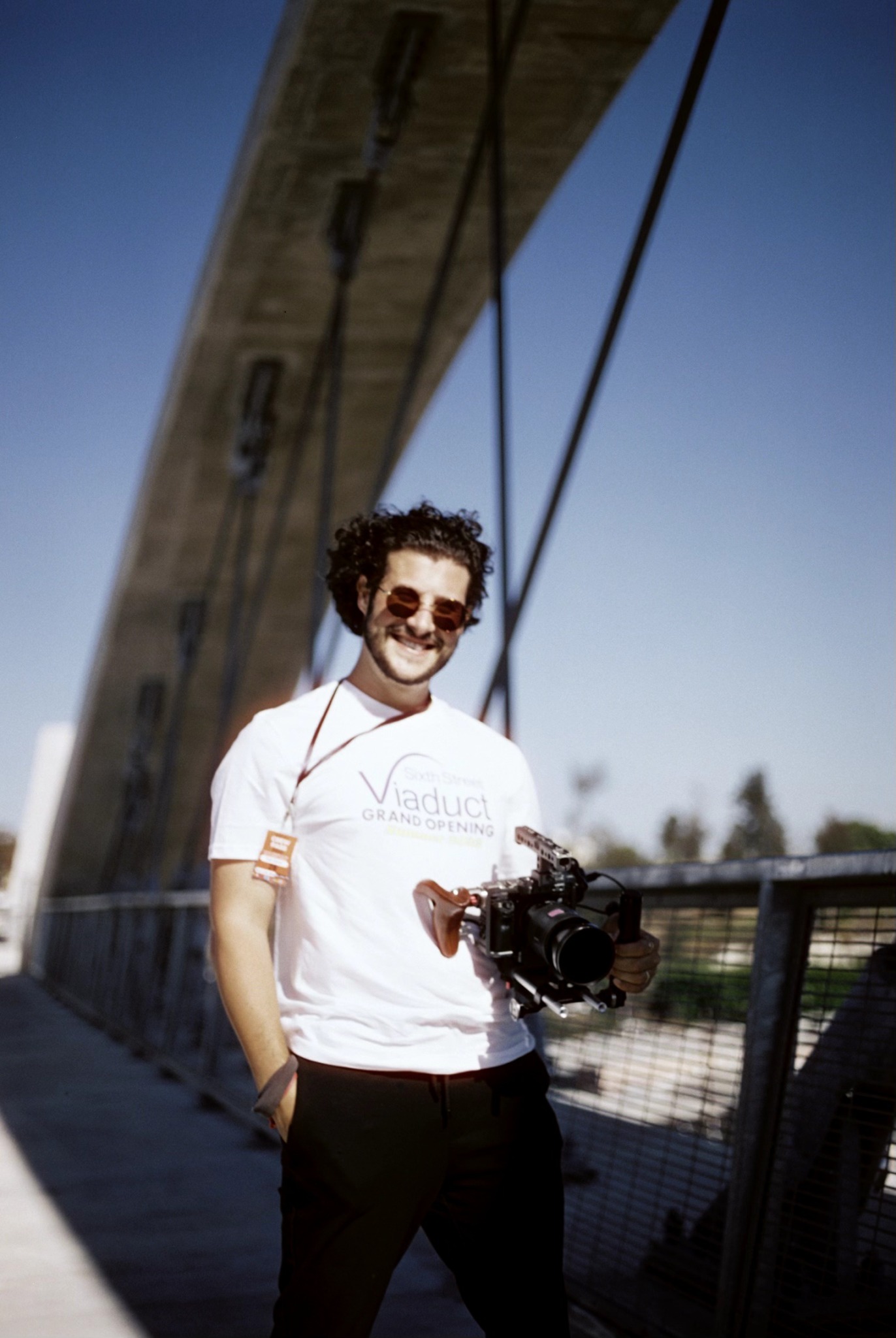
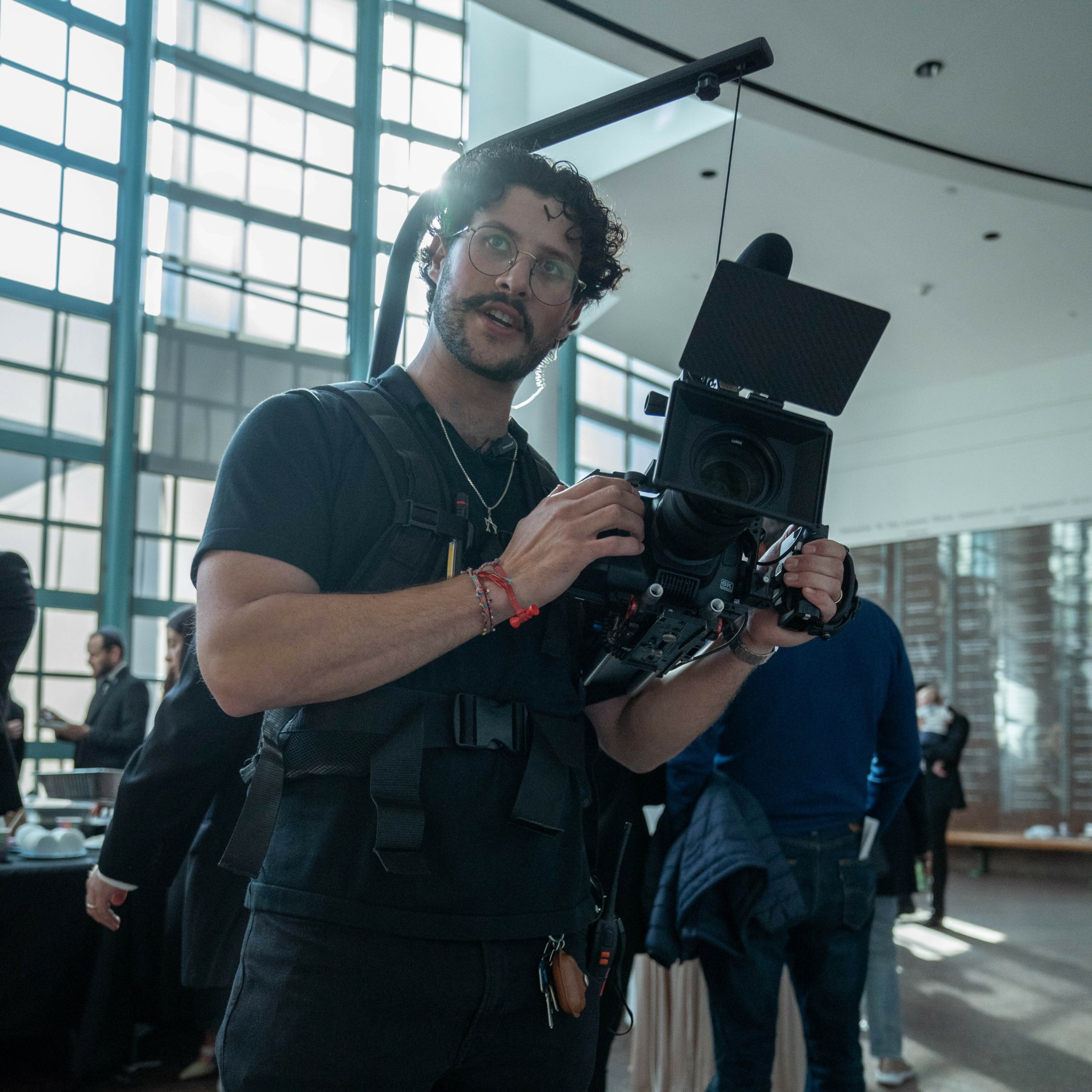
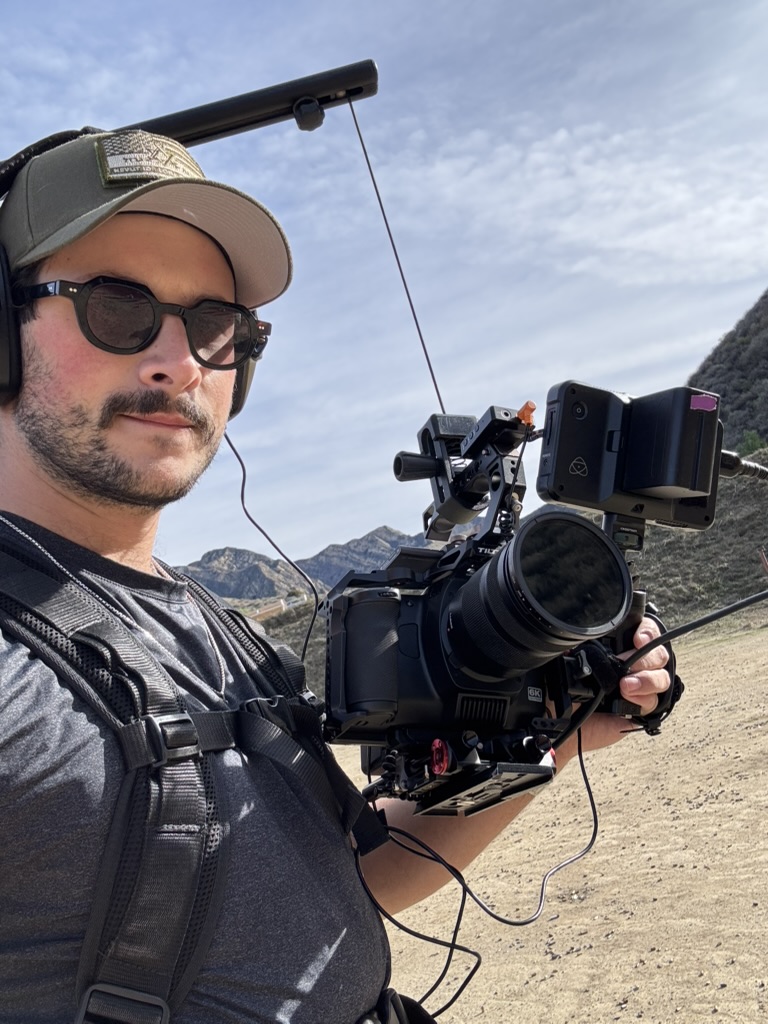
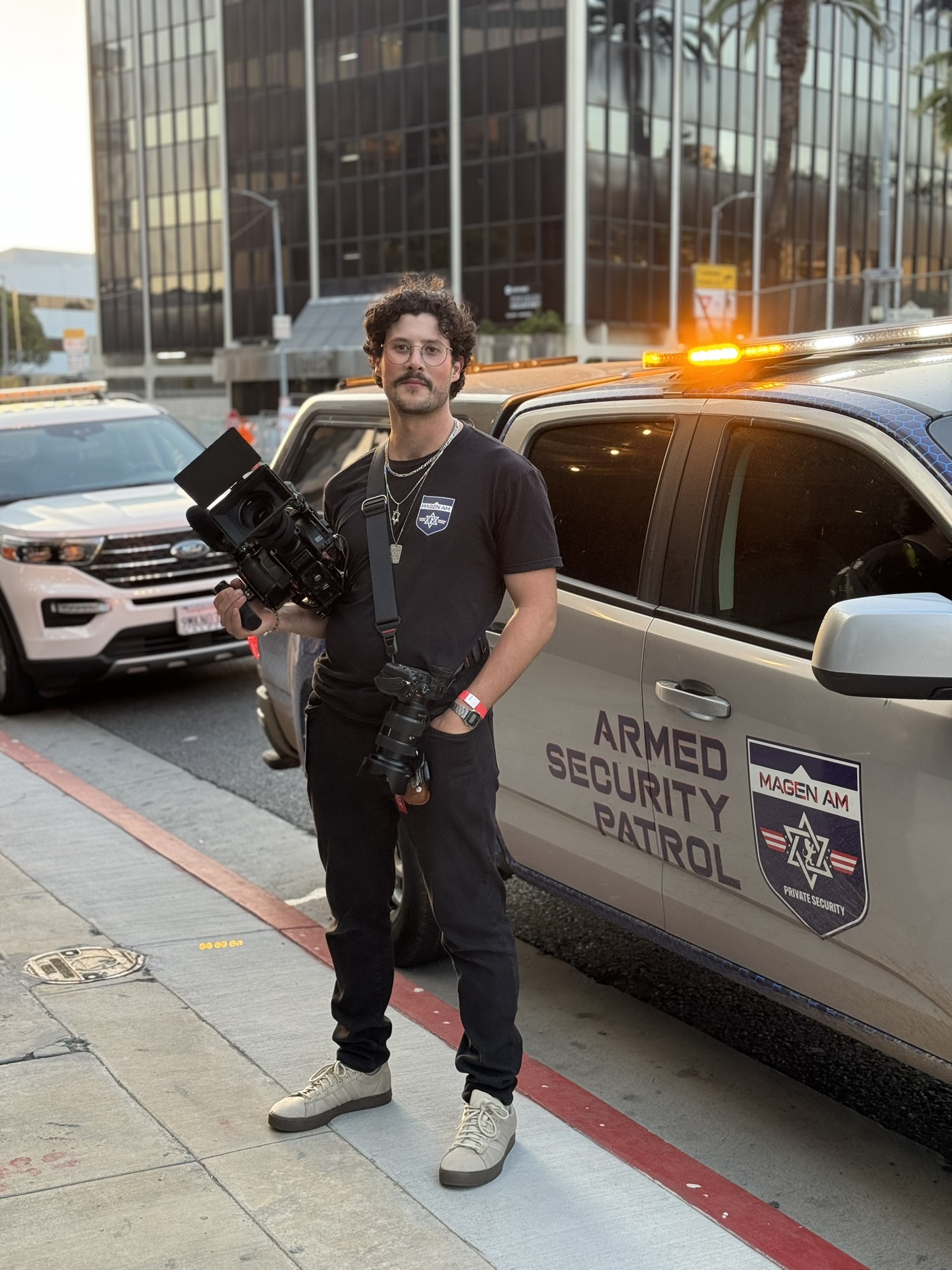
Image Credits
Mackenzie Bakersmith, Dylan Pritchett, Aron Cagan, Daniel Tansley, Triston Teamor