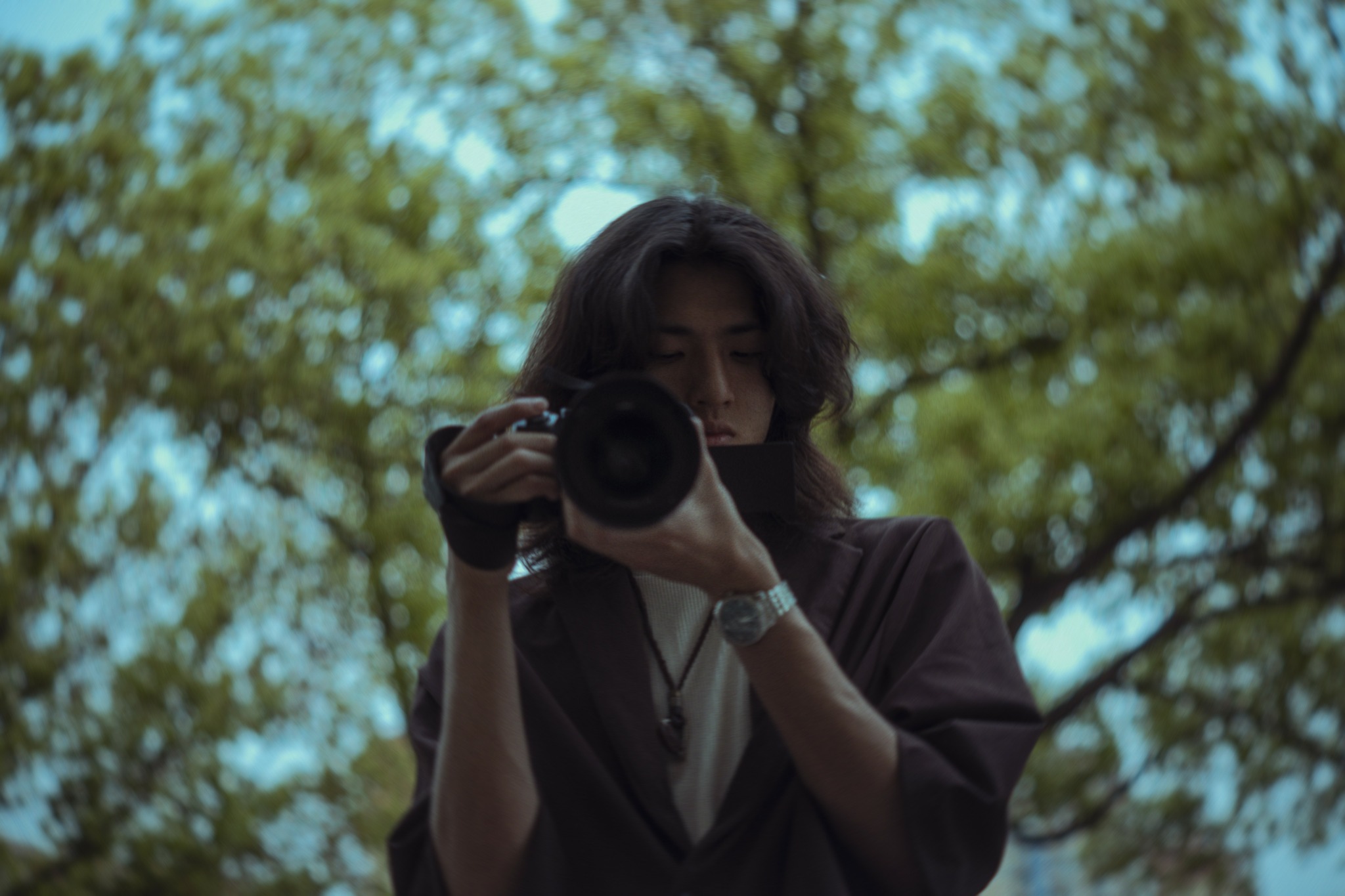

We caught up with the brilliant and insightful Yongyan Chen a few weeks ago and have shared our conversation below.
YONGYAN, thanks for taking the time to share your stories with us today We’d love to hear about when you first realized that you wanted to pursue a creative path professionally.
If I were to trace the origins of my creative impulse, it might stem from an instinct so primal that it defies definition. As a student, my weekends were spent in the darkened embrace of a nearby movie theater, completely immersed in the interplay of light and shadow. When the end credits began to roll and the overhead lights suddenly flickered on, I would find myself frozen in my seat—my palms still damp with condensation from an ice-cold Coke, the lingering chill of the air conditioning brushing against the back of my neck, yet my chest burning as if a molten ember had been placed inside it. At the time, I didn’t understand that this was a form of withdrawal—an abrupt severance from fiction, yanking me back into reality.
Instinctively, I tried to hold onto that feeling. I began collecting ticket stubs, pressing them into my journal in chronological order, as if by preserving these fragments, I could momentarily trap the emotions they carried before they faded away.
Years later, I realized what was really happening in that brief moment when the lights came on: the most fundamental mechanism of human empathy was being activated. The story had ended, but the soul lingered, still adrift in that fictional world.
For a time, I became afraid of watching movies. Every time I left a theater, it felt like being yanked from a warm bath and thrown, shivering and exposed, into the cold air of reality. That changed when I was in middle school, and a friend gave me an old DV camera. I soon discovered that this small device was like a keyhole into dreams. With it, I could capture, rearrange, and reshape fragmented images as I pleased, turning them into a vessel for emotions that had no other place to go. That was the beginning of my earliest creative explorations.
Last year, while sorting through old belongings, I came across that journal filled with hundreds of ticket stubs. The paper had yellowed, the ink had faded, yet the emotions they once held remained intact. In that moment, I understood that, perhaps without realizing it, I had been using images and words to push back against the relentless passage of time. And maybe that’s where creation begins—when you realize that certain moments are too beautiful and too fragile to let slip away, and the only way to keep them alive is to carve out a new space for them to exist.
YONGYAN, love having you share your insights with us. Before we ask you more questions, maybe you can take a moment to introduce yourself to our readers who might have missed our earlier conversations?
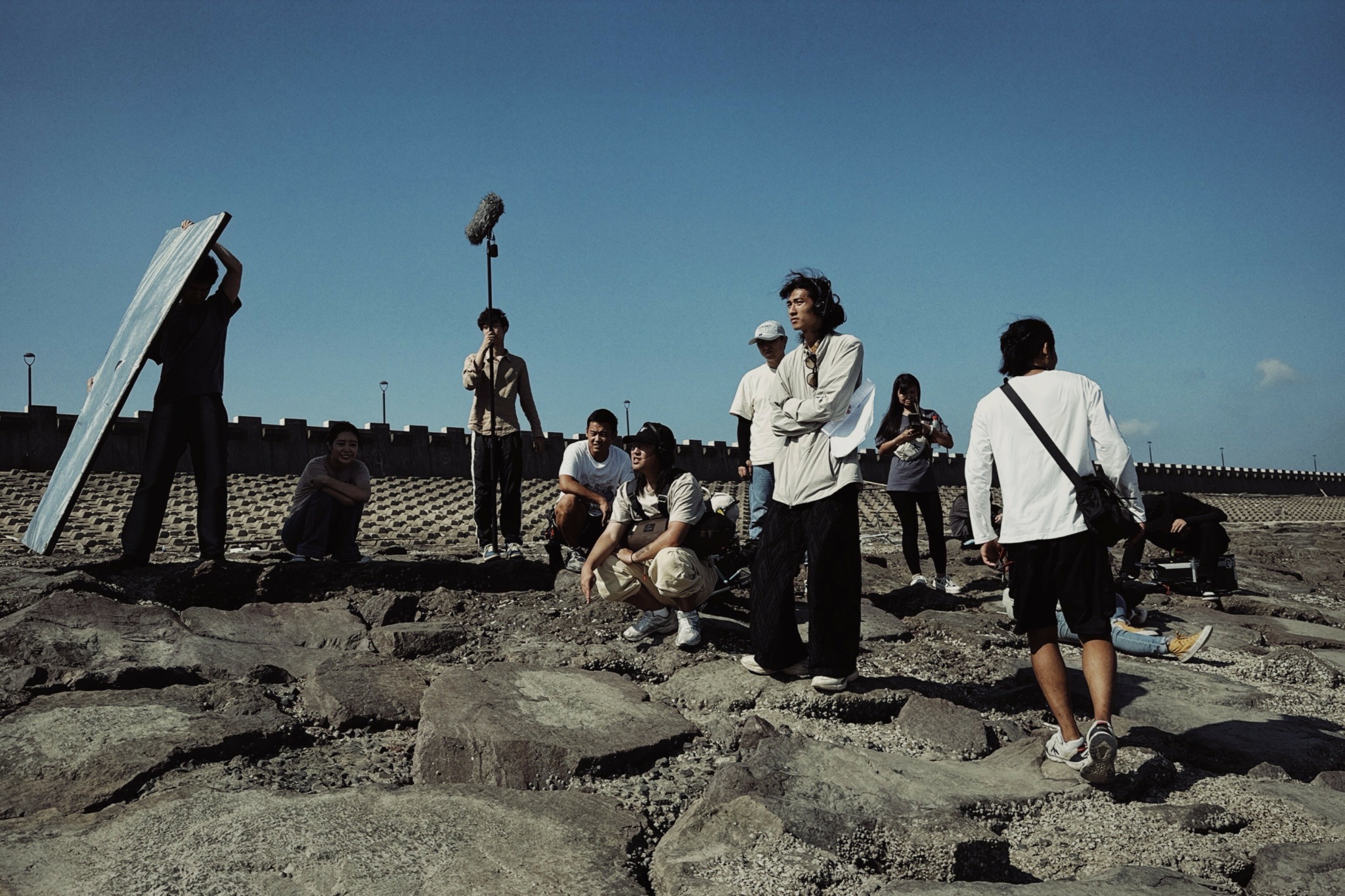
I am an emerging filmmaker, working across narrative shorts and experimental visuals. My creative approach often involves using fictional stories to dissect human nature while capturing subtle details at the edges of reality. To be honest, I still see myself as an apprentice standing at the threshold of cinema. Like many newcomers in the industry, my résumé may not yet boast prestigious awards, but each experiment and attempt marks a step in my creative evolution.
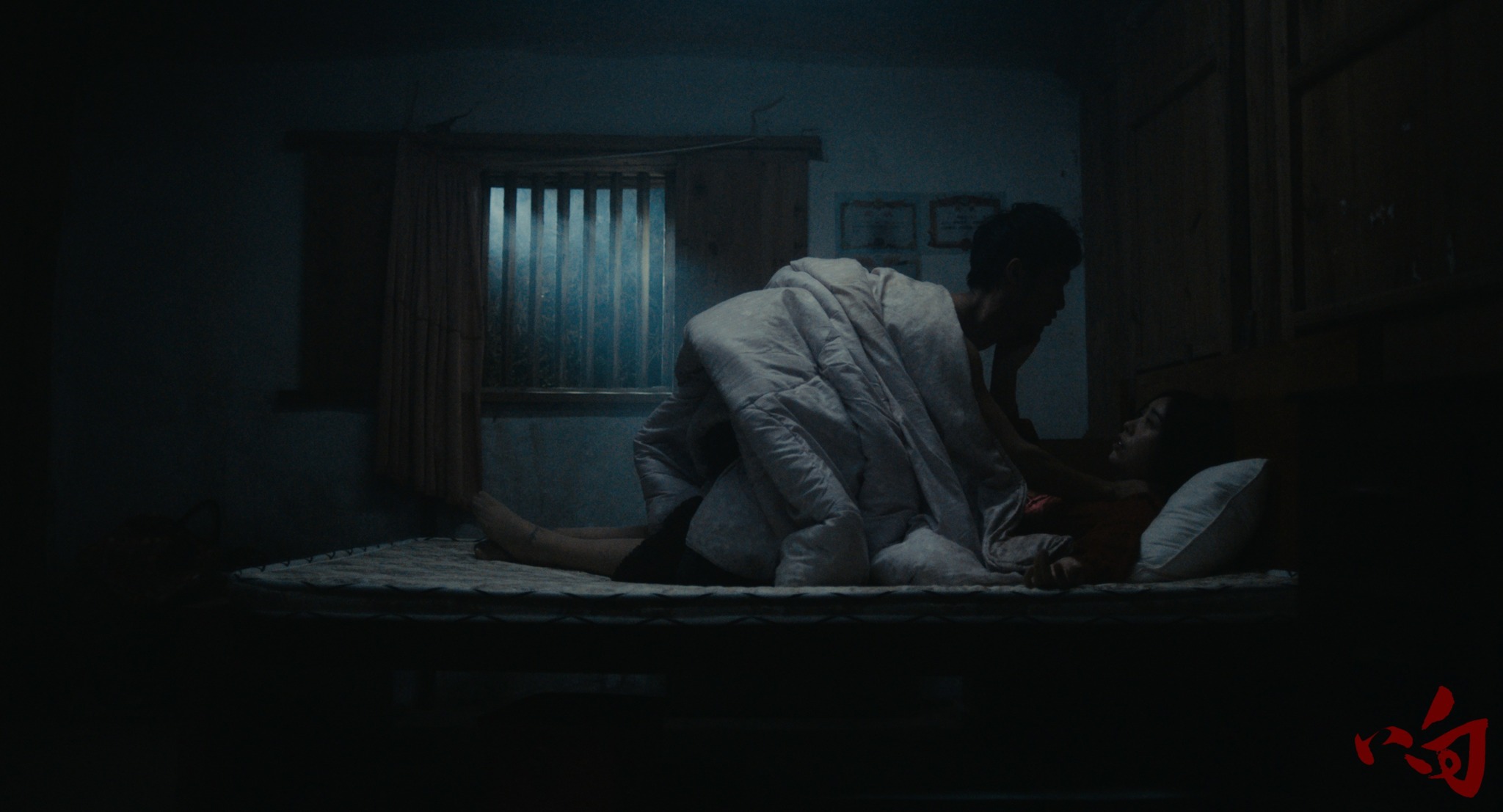
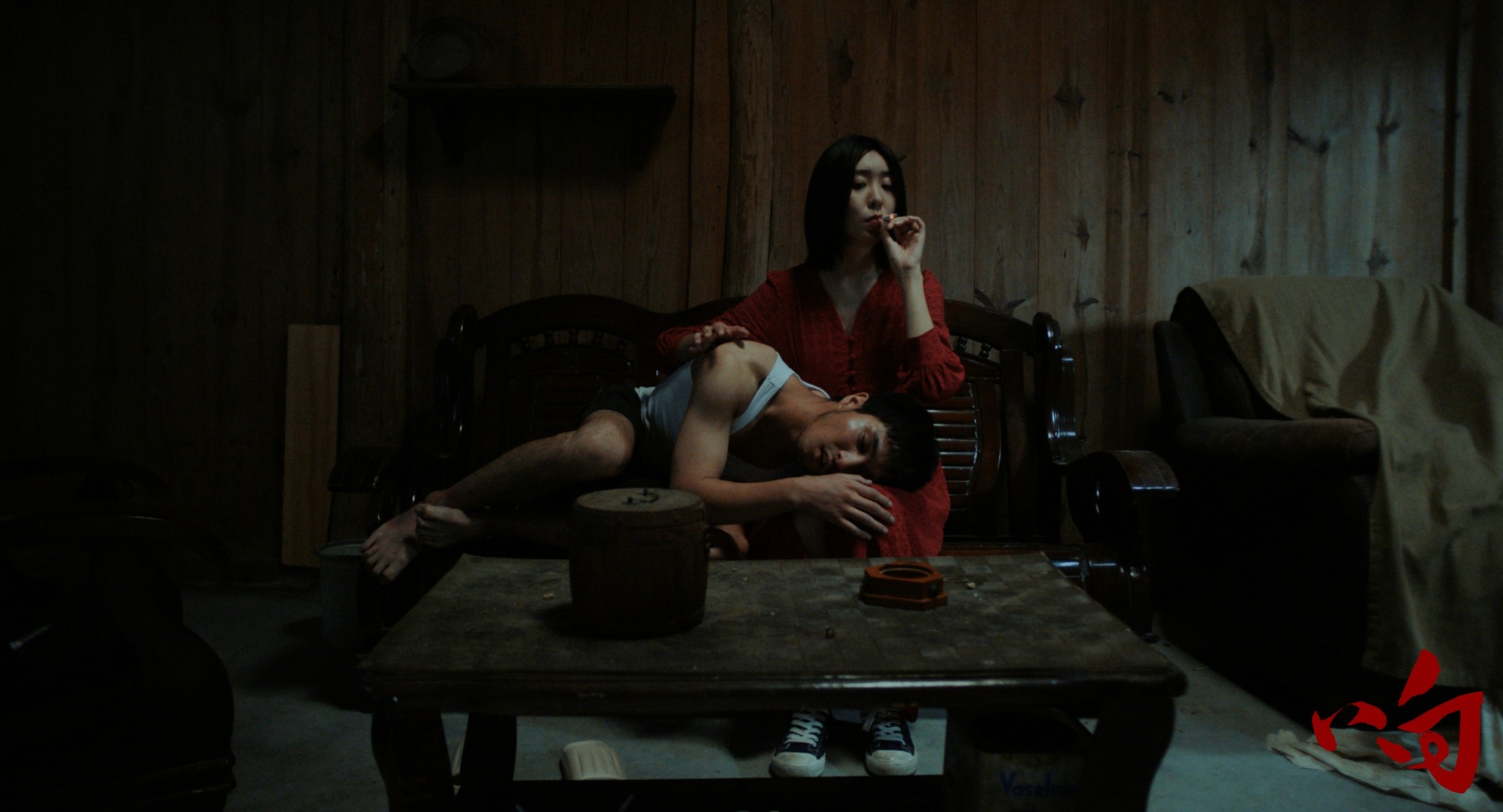
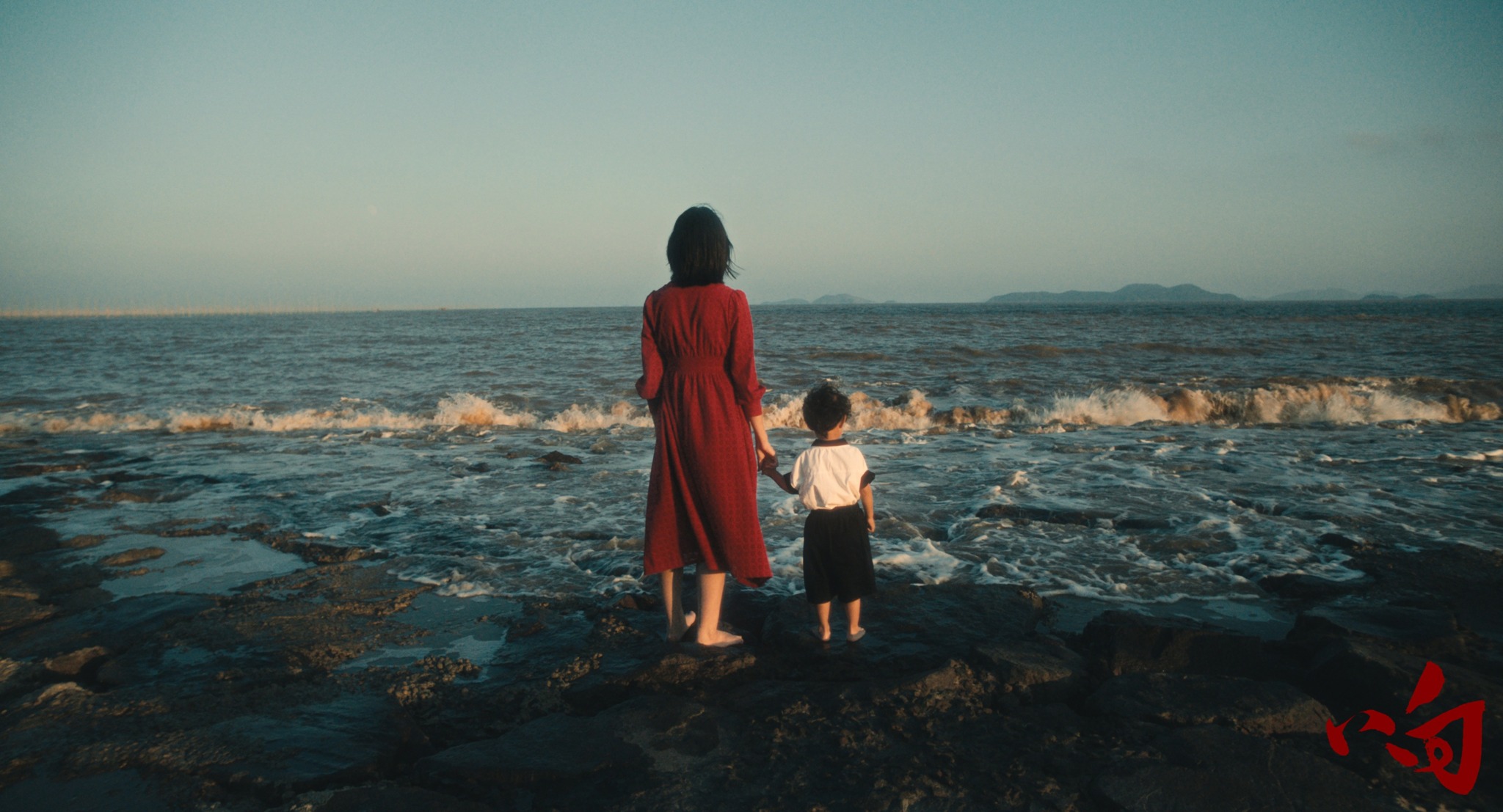
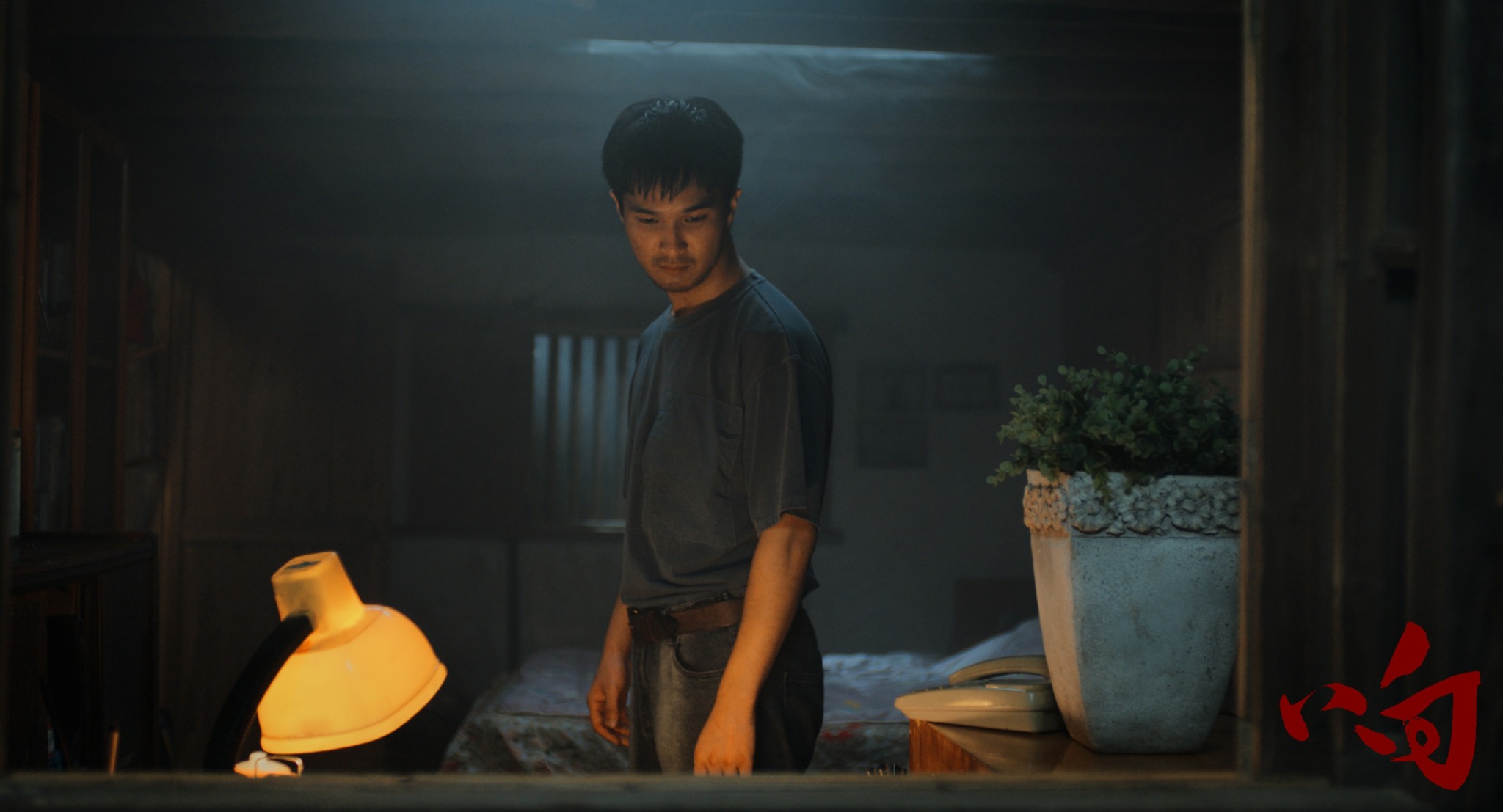
Last year, I completed Creep, a short film inspired by one of my surreal dreams. In the dream, I found myself chasing a phantom—an embodiment of my own emotional projections. That sense of unease led me to explore the parasitic nature of emotional dependency. Rather than simply crafting a story, I was building an emotional laboratory—an enclosed space where emotions were amplified and distorted. The protagonist, Xiang, entrusts his entire sense of self to an illusion of a mother figure, making this phantom a necessary condition for his existence. Through this narrative, I sought to examine how childhood voids manifest in one’s psyche.
This emotional intensity is also present in my experimental short Toilet. Within the confined space of a restroom stall, I observed strangers performing intimate, habitual rituals—adjusting their collars, retouching their makeup, taking deep breaths. These socially conditioned gestures, when viewed through a surveillance-like lens, reveal an absurd yet poetic quality. During filming, I deliberately preserved the raw texture of ambient sounds—the rush of flushing water, the clank of locks, the rustling of paper—allowing these auditory elements to create a dissonant rhythm with the visuals.
In recent years, I have become deeply interested in the power of “imperfection” in storytelling. While reviewing my shooting logs from the past three years, I noticed that some of the most moving moments were born from unexpected errors—a camera thrown off balance by a sudden movement, the muffled hum of a microphone dampened by rain, or even an accidental black screen. These unintended fragments, in their raw and unfiltered state, may be the most honest expressions of creation.
Can you share a story from your journey that illustrates your resilience?
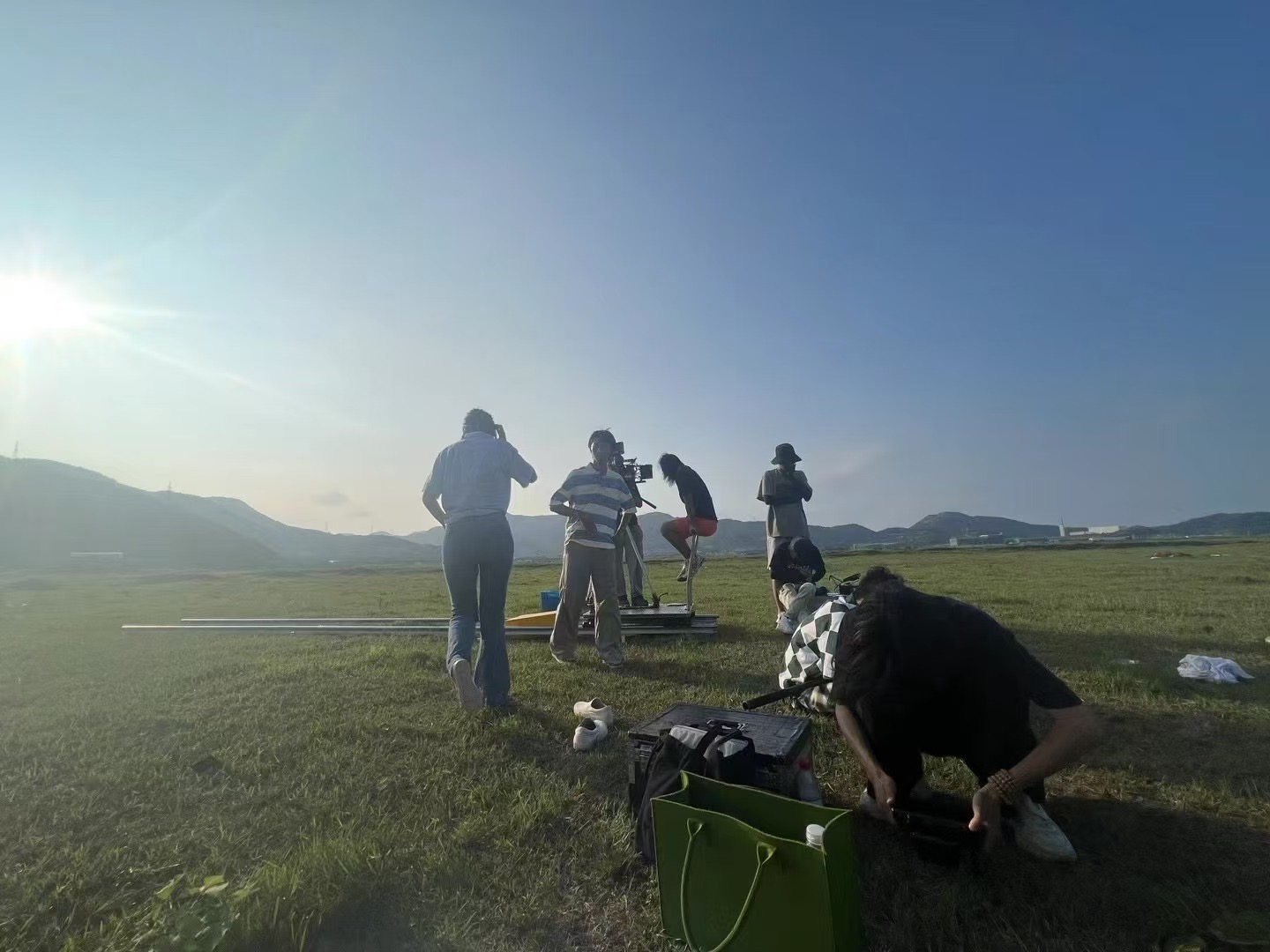
During the filming of Creep, I faced one of the most challenging moments of my creative journey—a test that not only disrupted our production but also forced me to adapt, problem-solve, and push forward despite the obstacles.
Just as we had begun shooting, one of the lead actors had to leave the project due to personal reasons. Unfortunately, because our crew was still in the early stages of working together, the first day’s shoot had been slow, and we hadn’t completed all of her scenes. This left us in a difficult situation. With a limited budget, finding a replacement at the last minute was not an option. Her character was integral to the story, and her sudden absence threatened to unravel the entire narrative structure.
With no time to dwell on frustration, I had to quickly come up with a solution. I decided to revise the script, consolidating two roles into one so that another actor could play both characters. This was a risky move—not only did it require major structural adjustments to the script, but I also had to ensure the emotional depth and narrative cohesion remained intact. The process of rewriting was grueling, and there were moments when I doubted whether the story would still hold the same impact. However, my team stood by me, brainstorming ideas and refining the script together. With their support, I found a way to make the changes work while preserving the essence of the story.
But that wasn’t the only challenge we faced.
We were filming in a rural location when an unexpected conflict arose between one of our crew members and the local residents. The tension escalated quickly, and before long, our production was disrupted. The issue started when a group of locals gathered near our set and began talking loudly, affecting our sound recording. When a crew member approached them to ask if they could lower their voices, they misinterpreted it as an attempt to drive them away. Feeling disrespected, some of them started making intentional noise, making it impossible for us to continue filming.
Realizing that this situation could derail our entire production if not handled properly, I stepped in alongside our producer to diffuse the tension. Instead of confronting the issue with frustration, we took a different approach—we listened. Through conversation, we learned that some of the residents were under the impression that we were a commercial film crew invading their space without permission. Although we had obtained the necessary permits, we had not properly communicated our plans to the community. Moreover, some of our crew had unknowingly overstepped boundaries, using local amenities without first asking, which further fueled the misunderstanding.
Once we understood the root of the issue, we changed our approach. First, we sincerely apologized for any unintentional disruptions and reassured them that we respected their space. Then, we invited them to observe our filming process, explaining our project in detail. We even offered some of them the opportunity to appear as background actors in a few scenes, making them feel included rather than excluded. Slowly, their attitudes shifted. By the end of the day, not only had they stopped interfering, but some even began assisting us—helping with props, guiding us to better shooting locations, and offering advice on how to navigate the area more efficiently.
This experience reinforced an important lesson: filmmaking is not just about telling a story—it’s also about communication, collaboration, and problem-solving in real time. Challenges will always arise, but resilience is about adapting, listening, and finding creative solutions. Despite the setbacks, we completed the film, and I walked away from this experience with a deeper understanding of what it truly means to be a director—not just someone who tells stories, but someone who navigates obstacles with clarity and purpose.
Do you think there is something that non-creatives might struggle to understand about your journey as a creative? Maybe you can shed some light?
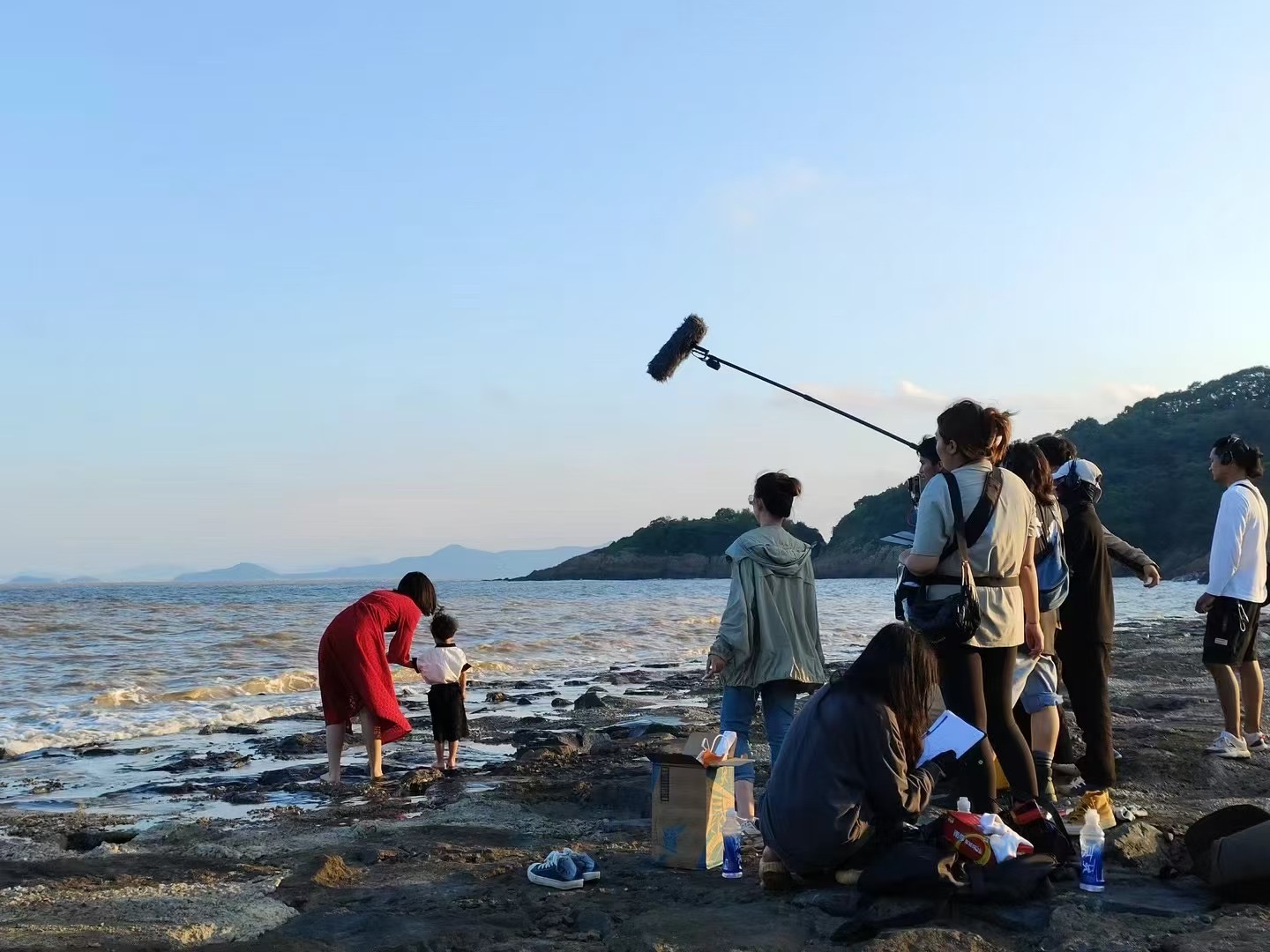
The creative journey is a long and solitary road. Those who walk it often feel like they exist in a state of detachment—observing the world, documenting it, dissecting it—trying to capture some kind of truth through images, stories, and frames. Yet, the deeper you immerse yourself in creation, the more distant the world sometimes feels.
To outsiders, the life of a creator might seem liberating—we are not bound by rigid office hours, we don’t follow a conventional career ladder, and we have the freedom to choose how we express ourselves. But on the other side of that freedom lies an endless state of uncertainty. Most careers have a clear trajectory, a predictable cause-and-effect between effort and outcome. But for creatives, there is no such guarantee. You could spend months, even years, crafting a story, only for it to go unnoticed. You could obsess over the finest details, pouring every ounce of emotion into a piece of work, only to have no control over how—or if—it resonates with an audience. Creation is not an equation with a definite solution; it is stumbling through the dark, holding onto hope, yet never fully knowing if you are moving in the right direction.
And then, there is self-doubt—the ever-present shadow that follows every creator. It’s a constant push and pull. On one hand, you have something to say, a vision you want to bring to life. On the other, you are plagued by the relentless questioning: Is this story worth telling? Will it mean anything to anyone? Am I even good enough? I have lost count of how many times I have scrapped an idea, rewritten the same line over and over, or stared at my own work in quiet frustration, fearing that it may never live up to what I imagined. And yet, I keep going, reworking, refining—trapped in an endless cycle of self-critique—until, at some point, exhaustion sets in, and I finally accept that it’s time to let the work go.
But still, I cannot stop creating. I once read a quote from a manga artist I deeply admire: “Creation is about making people laugh and cry while holding onto their own questions. If the creator isn’t moved by their own work, then how is that fair?” That idea stayed with me. I believe that creators and their audience should stand on equal ground—it is not a one-sided act of expression, but rather a dialogue. We create not just to put something out into the world, but to respond to it. And when an audience finds a piece of themselves in our work, in that moment, we are connected.
I don’t know how far my work will reach. But I do know that if it is honest, it will find its way to someone, somewhere. The significance of creation is not measured by how many people see it, but by whether it leaves something behind. If a single image, a single line of dialogue, or even just an indescribable feeling stays with someone—if, for even a fleeting moment, my work makes someone pause and reflect, in the quiet of a lonely night or during the rush of a morning commute—then I will feel that it meant something.
And so, despite the uncertainty, the self-doubt, and the solitude, I will keep creating. Because creation is not just a profession—it is how I make sense of the world, how I leave my mark upon it. And if, someday, my work reaches someone and offers them a moment of connection amidst the chaos of life, then every struggle, every doubt, every sleepless night will have been worth it.
Contact Info:
- Website: https://youtu.be/xyycUm2a_B4?si=3Y0Z0AG_xl4Kt6uS
- Instagram: antisehenes_kuno
- Youtube: https://youtube.com/@pearlchen-c6b?si=UonqqjK9_Vb8Qdif