



We caught up with the brilliant and insightful Yolanda Yang a few weeks ago and have shared our conversation below.
Yolanda, appreciate you joining us today. We’d love to hear about a project that you’ve worked on that’s meant a lot to you.
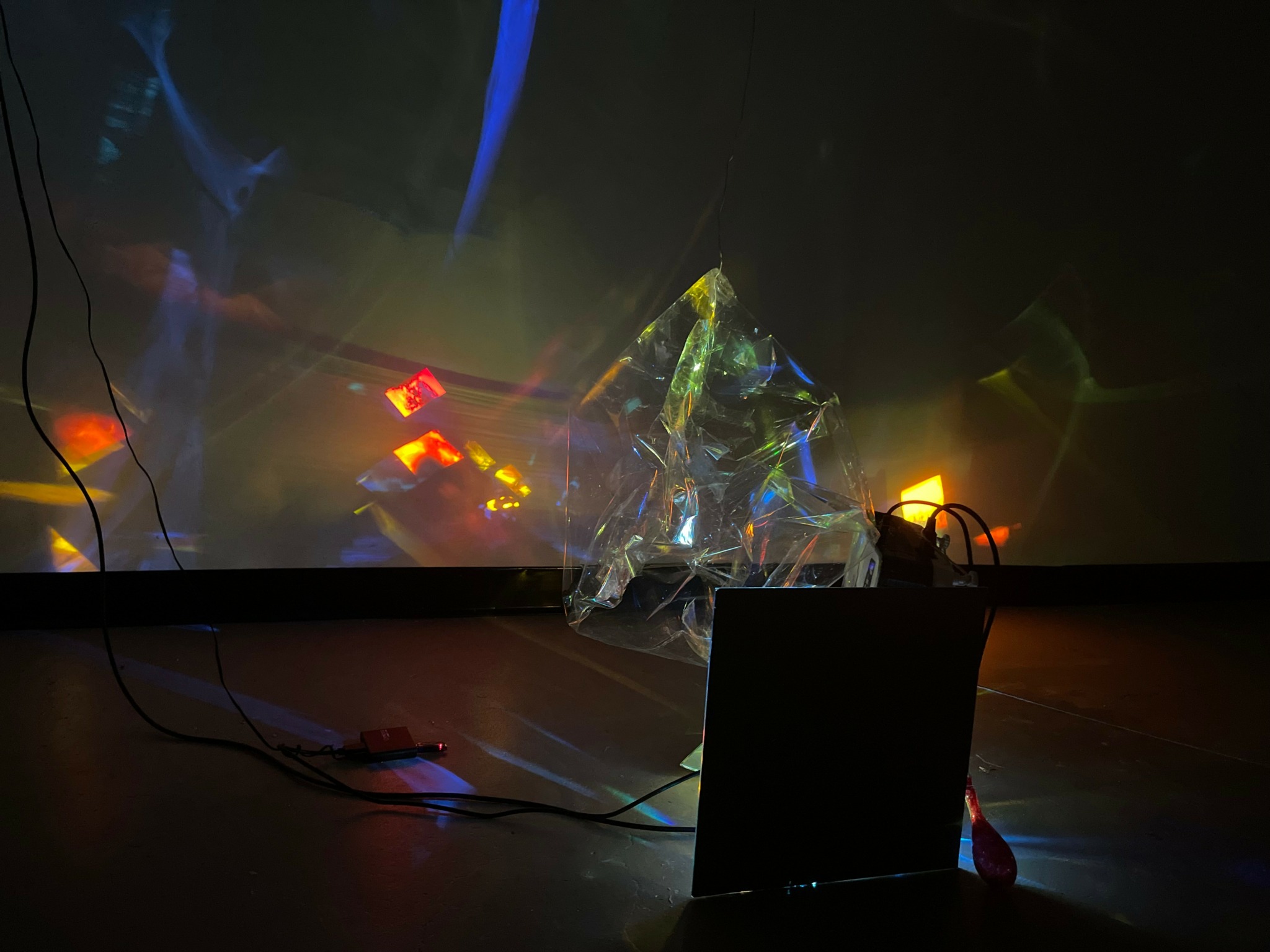
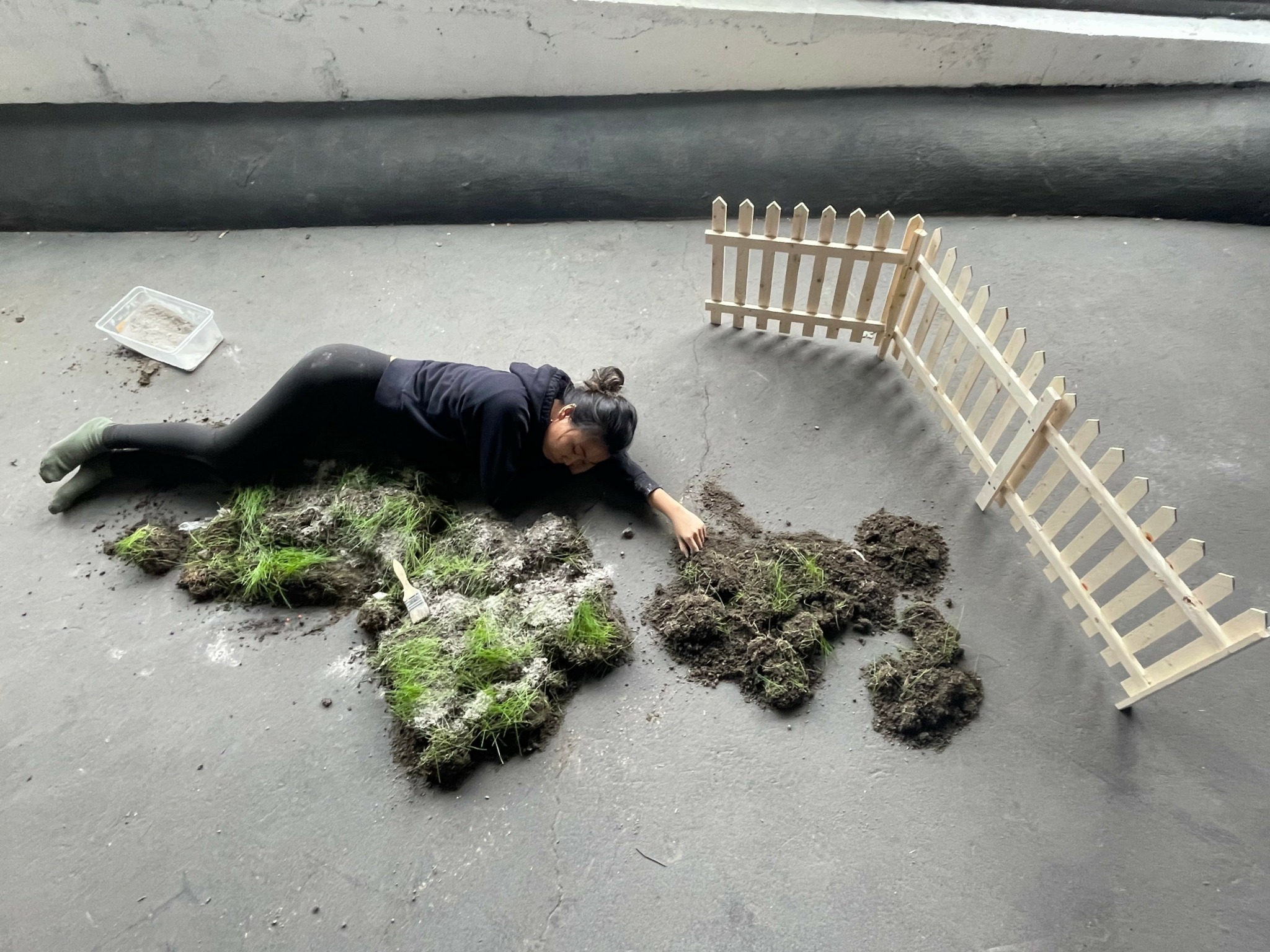
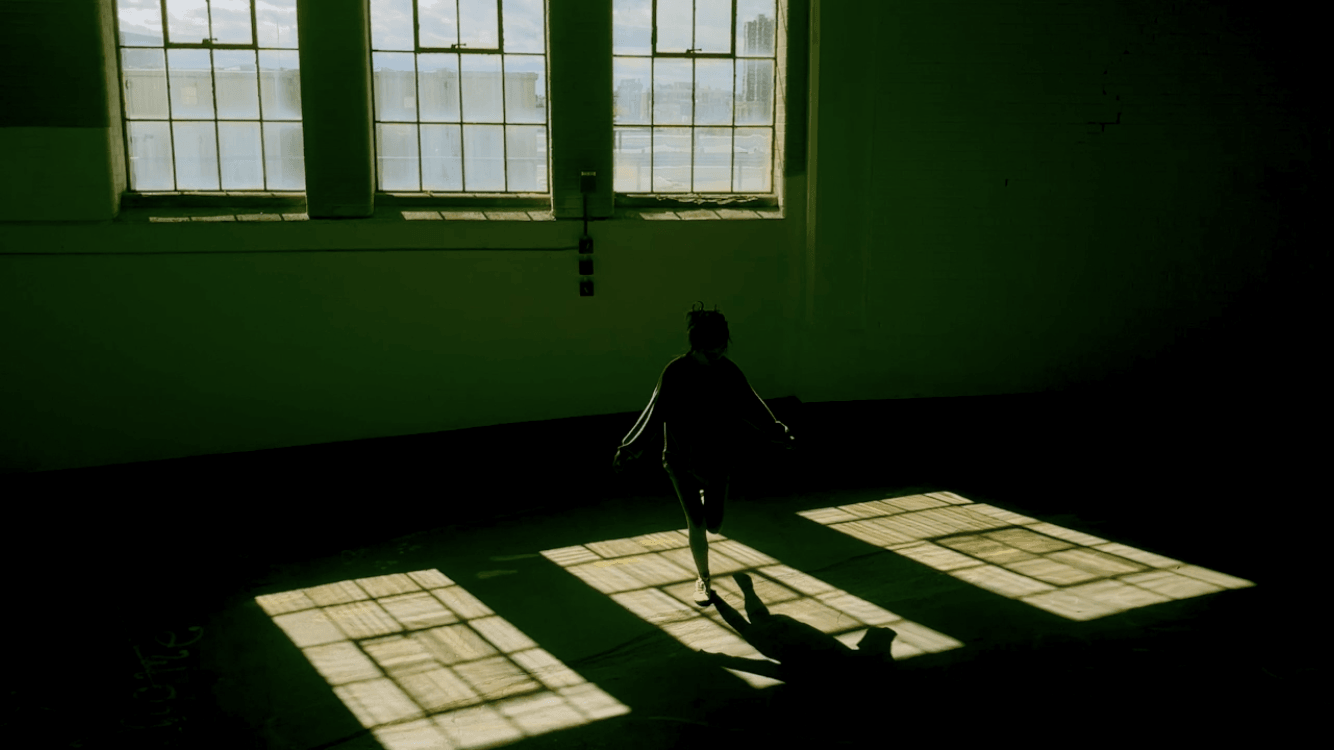
“Itchy Grief” is a narrative & movement-based, participatory performance centered in commemoration and remembrance. It examines the tension between permanence and impermanence, reflecting on the erosion of identity over time. Engaging with the earth, the performance uses stencils on radical reading materials to inscribe letters to loved ones, symbolizing the fragility of personal and collective memory.
Central to the work is the acknowledgment of grief and the importance of “holding” space for one another. The performance emphasizes communal healing by creating a shared space where “fragile monuments” emerge from everyday objects, universal childhood songs, and play. These fragile monuments serve as markers of collective care, inviting viewers to be present and attentive to themselves and each other, fostering deeper connections in a world where both identity and belonging are transient.
As always, we appreciate you sharing your insights and we’ve got a few more questions for you, but before we get to all of that can you take a minute to introduce yourself and give our readers some of your back background and context?
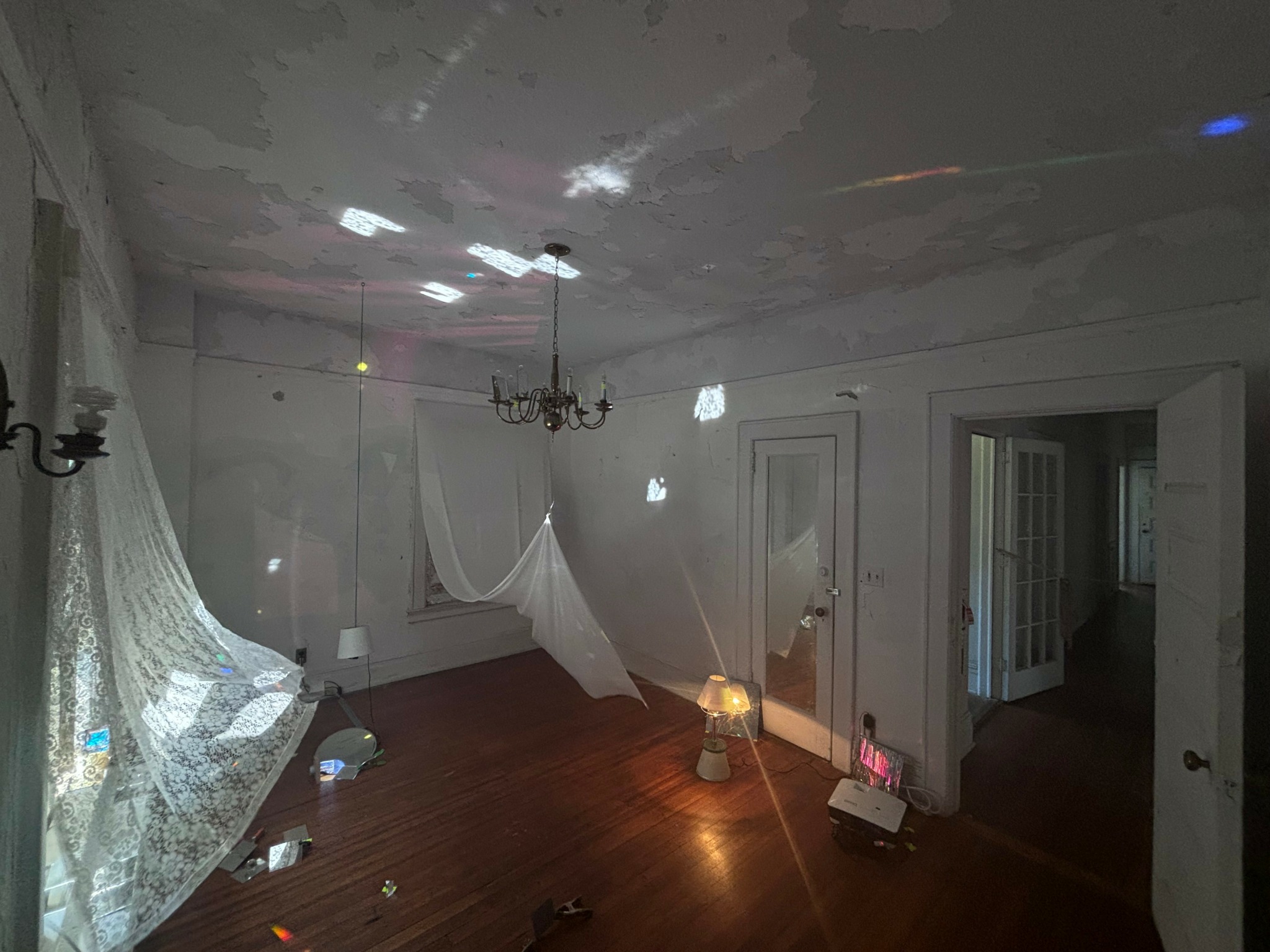
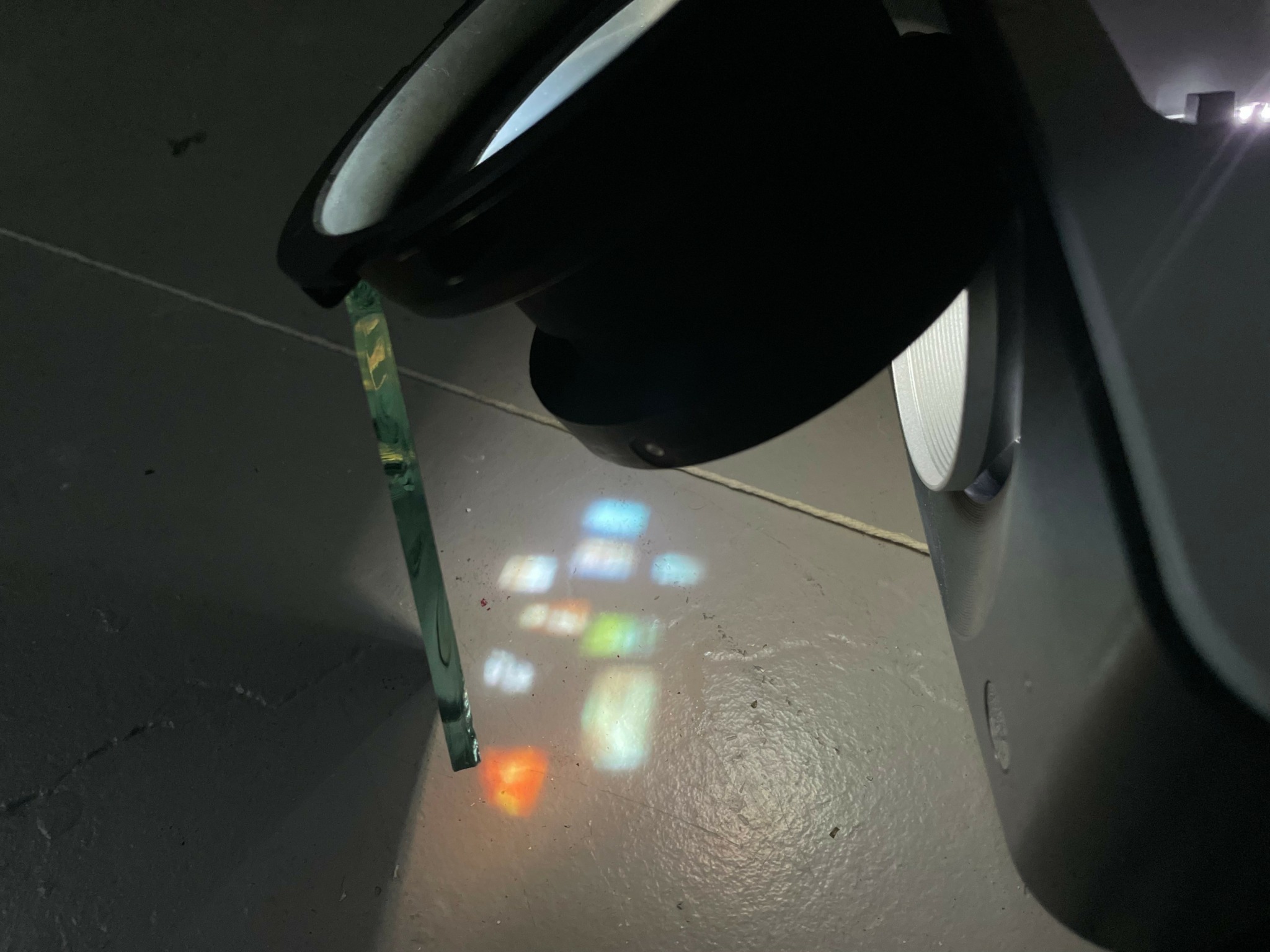
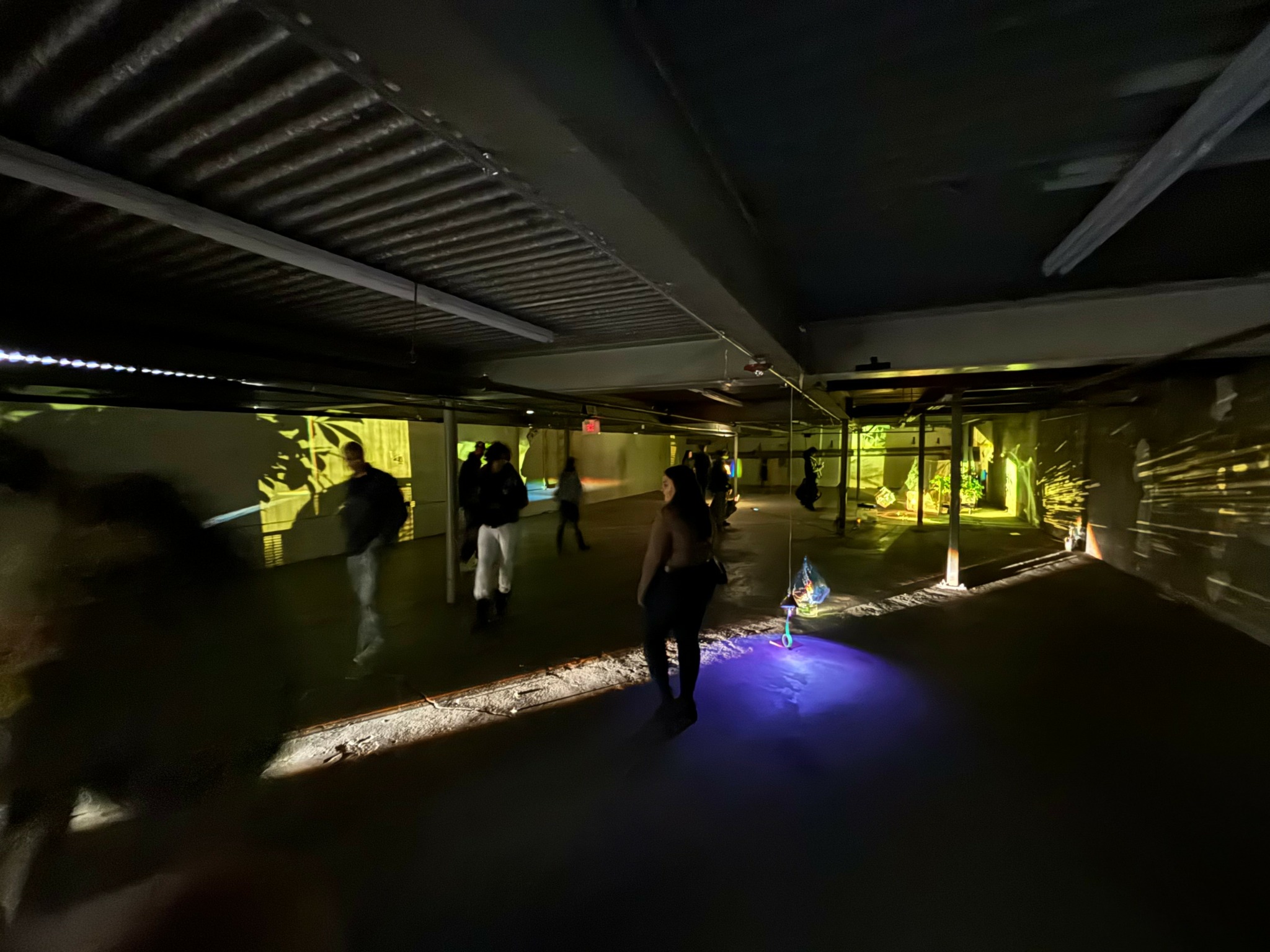
I am a very process-driven explorer. Fusing photography, body movement, performance, video, and sculpture, my installations unveil the hidden layers of emotion embedded within aspects of the optical experience. I aim to offer poetic presentations that invite viewers to experience space as it exists beyond its surface appearance, suggesting the complete rupture of boundaries between inside and outside, space and time. Through subtle adjustments and slight re-orientations of objects, my work challenges conventional notions of “meaning” while advocating for the power, resilience, and possibility found within fugitivity and delicacy. I invite viewers to explore the intimate immensity of these concepts while engaging with the politics of space and body, prompting reflections on their societal and personal implications.
In my public art work, I seek to engage communities through civic projects. By responding to site conditions and the realities of our contemporary world, I create urban installations that explore beauty, equity, and communication. My practice nurtures a sensibility of feelings, awakening people’s awareness of interconnectedness. Recent examples of my public art include from here and now to Napalm Test #1 at Brookline Arts Center ; Winter Optics – Sculptures with Lights at The Rose Kennedy Greenway; Blank Paper – Public Art Demonstration in Response to Censorship in China, and Napalm Test #1.
I’m also the initiator and caretaker of Behind VA Shadows – a community-based project that highlights working artists in art museums. Through my multifaceted practice, I continue to push boundaries and explore new ways of engaging with art and the world around us. I was awarded as Advocacy and Organizing Fellowship 2025 from the statewide organization MassCreative to enhance the advocacy creative skill for the Public Art Behind VA Shadows.
Born in a Catholic family in North China and now based in Boston, I spent my childhood moving through various places I remember as homes, schools, and playgrounds. These experiences continue to influence my work, which spans personal studio projects and public art installations.
For you, what’s the most rewarding aspect of being a creative?
For me, the most rewarding aspect of being an artist is the profound opportunity to bridge individual expression with collective experience. My practice extends beyond the traditional boundaries of art, engaging with diverse communities through public art, interdisciplinary projects, and participatory installations. Art, for me, is a medium of connection—a way to explore and express complex emotions, social issues, and environmental realities in a way that invites others to share in the journey.
In my public art projects, such as Winter Optics at The Rose Kennedy Greenway and from here and now to Napalm Test #1 at the Brookline Arts Center, I’m reminded of the power of art to create a sense of belonging and dialogue in public spaces. Engaging local communities in these projects, particularly through workshops or interactive installations, is one of the most fulfilling parts of my work. Seeing participants express their own narratives and experiences through art—whether it’s high school students painting balloons for an installation or museum workers contributing to my Behind VA Shadows project—brings an incredible sense of shared ownership to the creative process. Art becomes not just something I create, but something we build together, making the work deeply participatory and reflective of the community’s voice.
As someone who blends sculpture, performance, photography, and video in my practice, I find the interdisciplinary nature of my work allows for rich layers of storytelling. Each medium opens up new ways to engage with both the personal and the political. Whether it’s exploring the politics of space and body or reflecting on themes of fugitivity and resilience, I see art as a powerful tool for advocacy and social justice. My work isn’t just about aesthetics; it’s about fostering dialogue around important issues—about inequity, environmental change, and the power of collective action.
The most rewarding aspect, ultimately, is witnessing how art can move people to think differently, to feel more deeply, or to see their world in a new light. Art becomes a vehicle for change, for healing, and for celebrating the resilience of communities. When my work sparks that sense of connection—whether between people, their environment, or their inner worlds—I feel I’ve achieved something meaningful. Being an artist allows me to facilitate those moments of transformation, both for myself and for the people who engage with my work, and that’s what makes the journey so rewarding.
What can society do to ensure an environment that’s helpful to artists and creatives?
As an artist deeply involved in community-based projects and interdisciplinary practices, I believe there are several ways society can better support artists and the creative ecosystem. First and foremost, one of the most impactful ways is to recognize that art is essential—not just as a luxury or aesthetic addition to life, but as a vital element of culture, social progress, and even mental health. That recognition can lead to more sustained and meaningful financial support, whether through public funding, grants, or private partnerships.
For artists to thrive, we need better infrastructures that provide us with stability. More affordable housing and studio spaces, especially in urban areas, would help enormously. Cities like Boston, where I’m based, often see artists pushed out of neighborhoods due to rising rents. Artists contribute so much to the cultural vibrancy of cities, but the lack of affordable living and working spaces can make it incredibly challenging to sustain a long-term practice. I think creating artist residencies, public studio programs, and affordable live-work spaces would help nurture a more robust and diverse creative ecosystem.
Another aspect is fair compensation. Society often underestimates the labor that goes into creative work—whether it’s public art, performance, or community engagement. Ensuring artists are fairly compensated for their time, creativity, and contributions is essential. This applies not only to commissioned works but also to participation in community projects, exhibitions, and educational programs. Often, artists are expected to work for exposure rather than for payment, which devalues our work and limits who can afford to be an artist.
Community and institutional support also play a crucial role. Organizations and educational institutions can act as bridges, providing artists with opportunities to connect with the public and with one another. Mentorship programs, professional development workshops, and networking events can help artists, especially emerging ones, navigate the often-complex landscape of the art world. Building these support systems fosters a sense of belonging and shared purpose, which is crucial for nurturing creativity.
Lastly, society can support artists by integrating art into more aspects of daily life. This includes creating more opportunities for art in public spaces, supporting interdisciplinary collaborations between artists and sectors like education, science, or urban planning, and encouraging businesses and local governments to invest in the arts. Public engagement with art should not be limited to museums and galleries; we should be making art accessible and relevant to a wider audience. When art becomes a part of everyday life, it builds empathy, reflection, and a deeper connection to one another.
Supporting artists and the creative ecosystem is about valuing the cultural, emotional, and intellectual contributions that art makes to society. It’s about recognizing that art has the power to inspire change, foster connection, and reflect our collective humanity.
Contact Info:
- Website: https://YOLANDAYANGHE.COM
- Instagram: YOLANDAHEYANG_ARTS
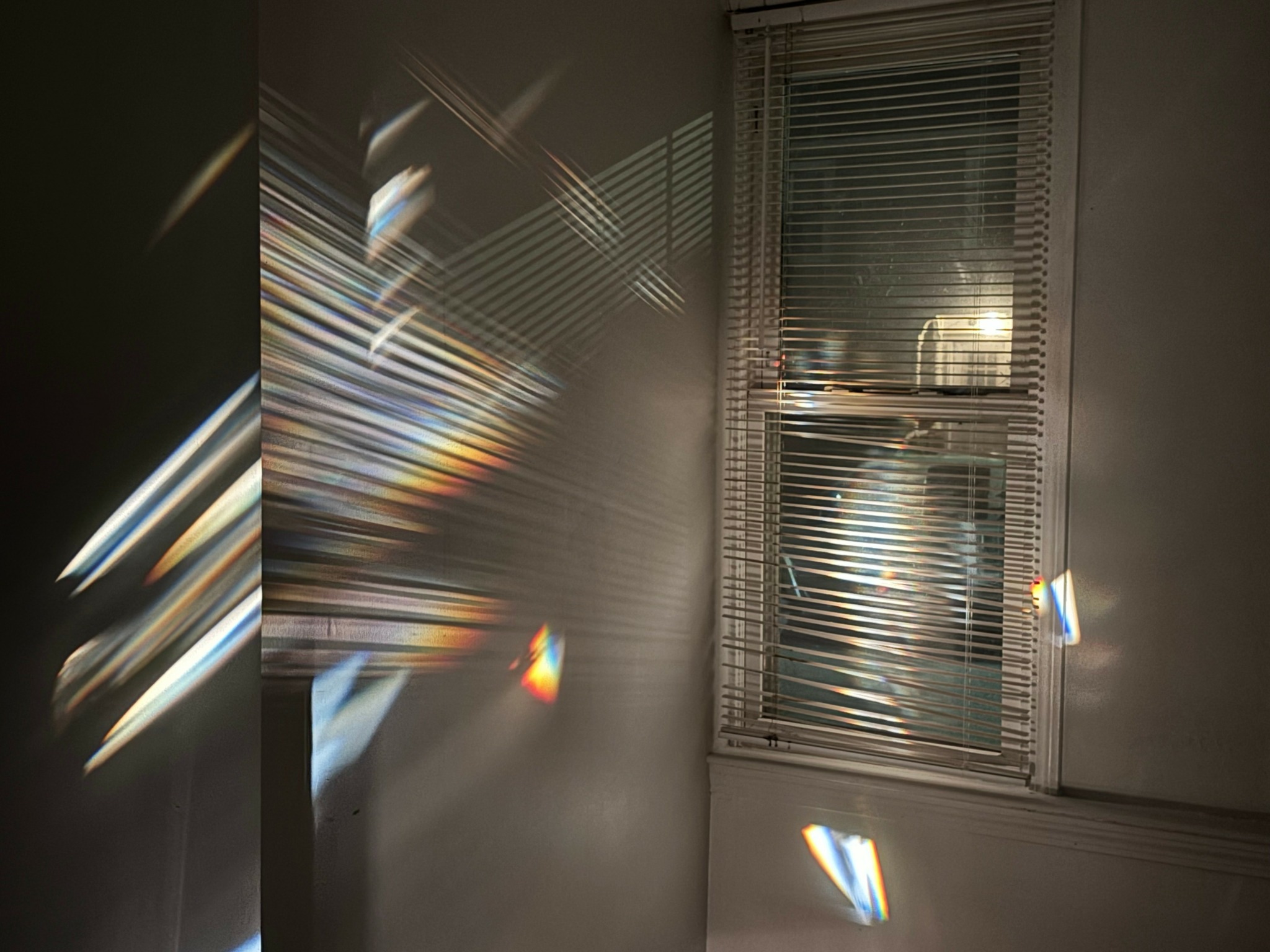
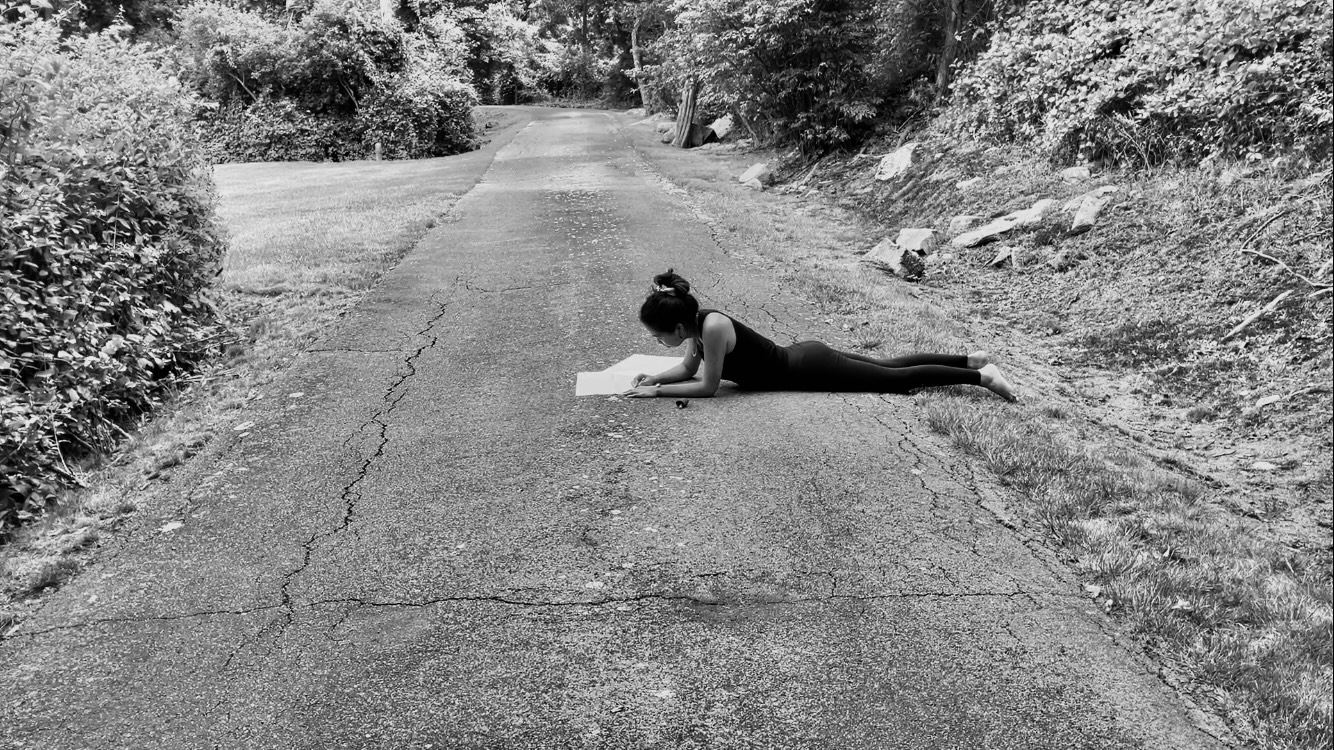
Image Credits
credit: Yolanda He Yang (the artist)