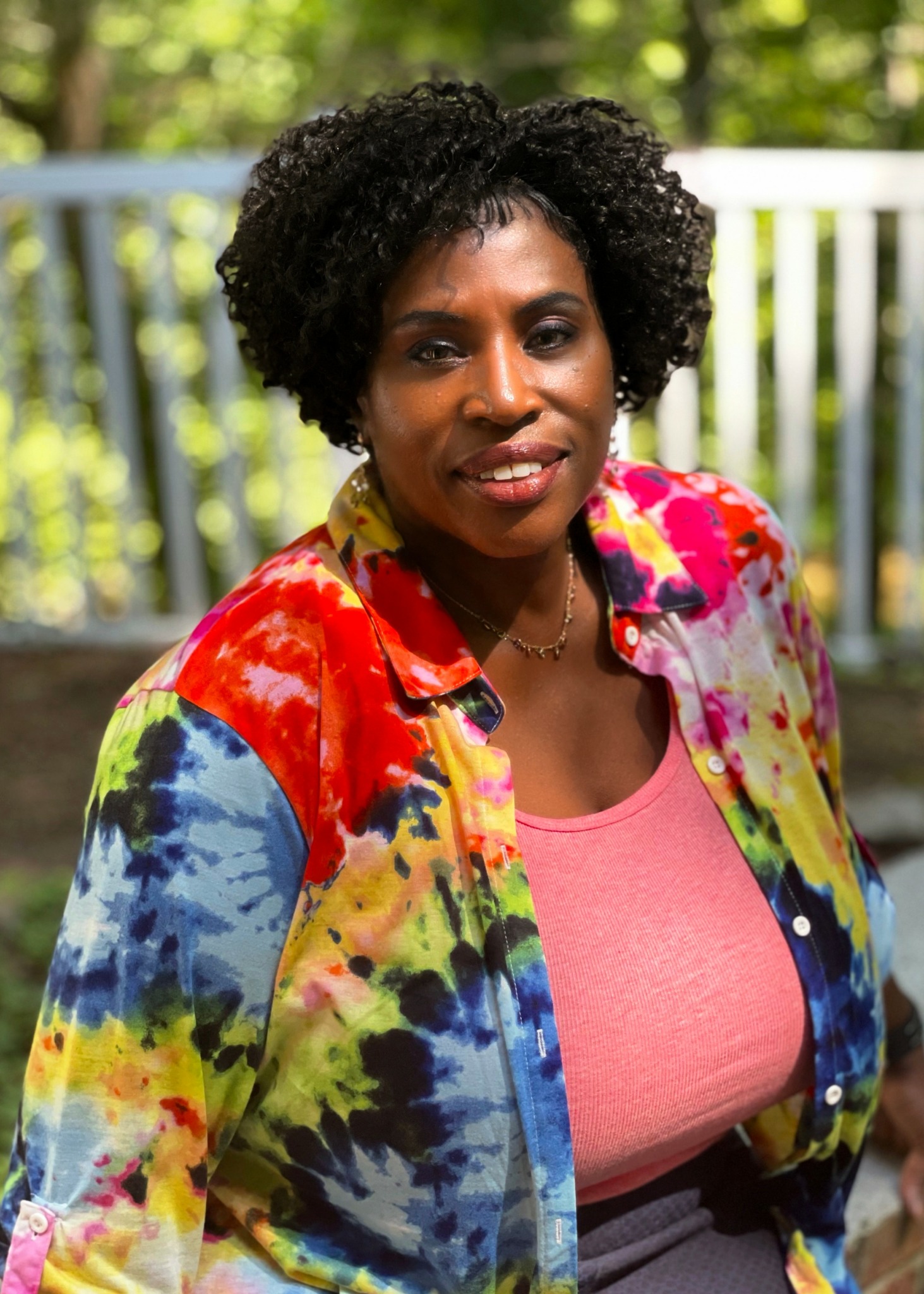

We caught up with the brilliant and insightful Yolanda Wright a few weeks ago and have shared our conversation below.
Yolanda, thanks for joining us, excited to have you contributing your stories and insights. Can you share a story that illustrates an important or relevant lesson you learned in school
I graduated from the Joseph Business School (JBS) Entrepreneurship program in Chicago, IL, in January 2022. The mission of JBS is to eradicate generational poverty and create generational wealth for the glory of God. As a graduate of Tuskegee Institute, William S. Winston, the founder and CEO of JBS, was deeply inspired by the life and legacy of George Washington Carver (head of the Agriculture Department at Tuskegee University). In many respects, the school’s vision was inspired by the impact Mr. Carver had on former slaves, business owners, this nation’s economy, and leaders of this nation. JBS’s 9-month program was rigorous, constantly challenging, pragmatic, intense, and inspiring. I completed the program remotely, and during that time, we met virtually as a class each week. However, the graduation was held on their 33-acre campus in Forrest Park, IL. Words can’t describe what it felt like to see what the founder accomplished through the same principles we’d been taught in the 9-month business program. What was once an abandoned shopping mall has been turned into a thriving community hub that provides goods and services to a once-neglected community, generating income for the local economy and proving that hope, vision, and leadership can turn forgotten spaces into places of opportunity and renewal. Seeing this with my own eyes, touring the massive facility that included a bookstore, a restaurant, a grocery store, an auditorium, and the Carver Innovation Center (which houses equipment to encourage the development of inventions), drove home the most impactful lesson I learned from the business school: The importance of vision.
Vision was the starting point and a frequent reference point throughout the 9-month program. However, the message was solidified as I stepped onto their campus for the first time. I was amazed and immediately reminded of vision. Vision reminds me of who God made me to be. Vision helps me recognize I have something of value to bring to the marketplace. Vision encourages me to see myself as a business owner, not just someone with a good idea. And vision helps me to see what I want my business to achieve 5, 10, or 20 years down the road.
For me, vision is a safety net. It keeps me on the right path and simplifies daily decisions. From marketing to financial planning, personnel management, and community involvement, it is integral to all my choices.
Yolanda, love having you share your insights with us. Before we ask you more questions, maybe you can take a moment to introduce yourself to our readers who might have missed our earlier conversations?
I am a wife, a mother, an entrepreneur, a writer, a public speaker, and a community advocate who has had enough life experience to understand that the most valuable thing we possess isn’t something we can touch—it’s that awareness of who we are. I am passionate about helping children discover and tap into that early in life through public speaking. My journey carried me from being a naturally outspoken child who lost her voice to an adult who reclaimed it through public speaking and the personal growth it sparked. I’ve worked in government, banking, and probate law, and each role taught me that people—not possessions—truly matter. My work is fueled by making a real difference in the lives of children and families through time, attention, and genuine care. I believe deeply in demonstrating the love of God in a way that says, “I see you, you matter, and I’m here to help”—with no hidden agenda. Today, I pour that belief into Stats Free Living by empowering children to know who they are, strengthening families, and uplifting the communities we serve.
My path into this business wasn’t planned; it evolved. While homeschooling my son nearly two decades ago, I found myself stepping into an educator’s role, even though I’d actively avoided it all my life. As a teen, my son enrolled in a public speaking program that impacted him so much that he joined a national communications tour program and taught what he learned in public speaking classes to other students. Seeing its impact on his life was impressive. A few years later, I joined a public speaking organization to overcome my own apprehensions, and watched my confidence grow. Observing its impact on both my son and I made me passionate about helping children experience the same breakthrough.
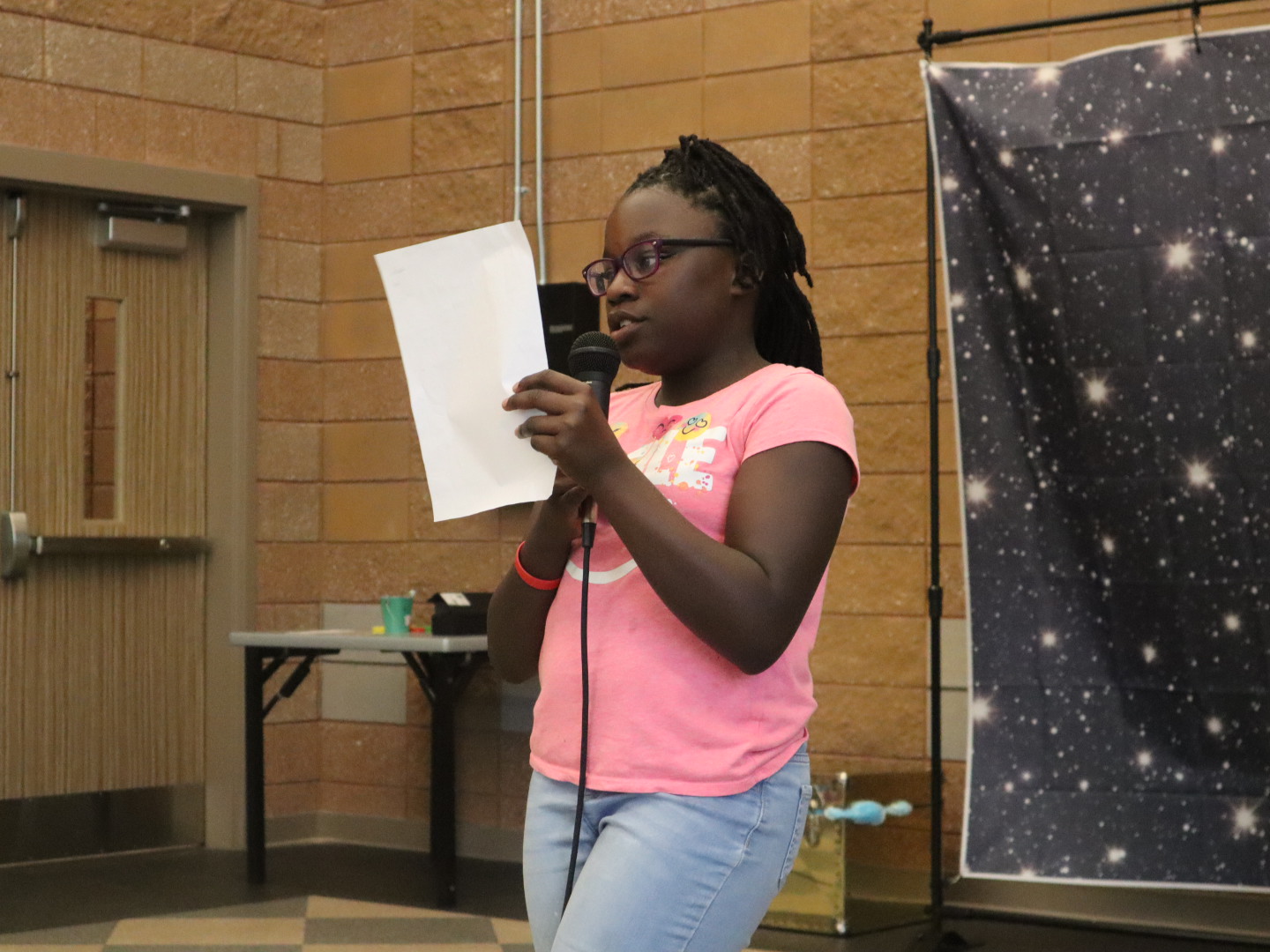
I began offering public speaking classes in the community, and parents quickly began asking for more programs. When the demand grew beyond what I could manage on my own, I realized this wasn’t just a passion—it was a calling. That’s when Stats Free Living (SFL) was born.
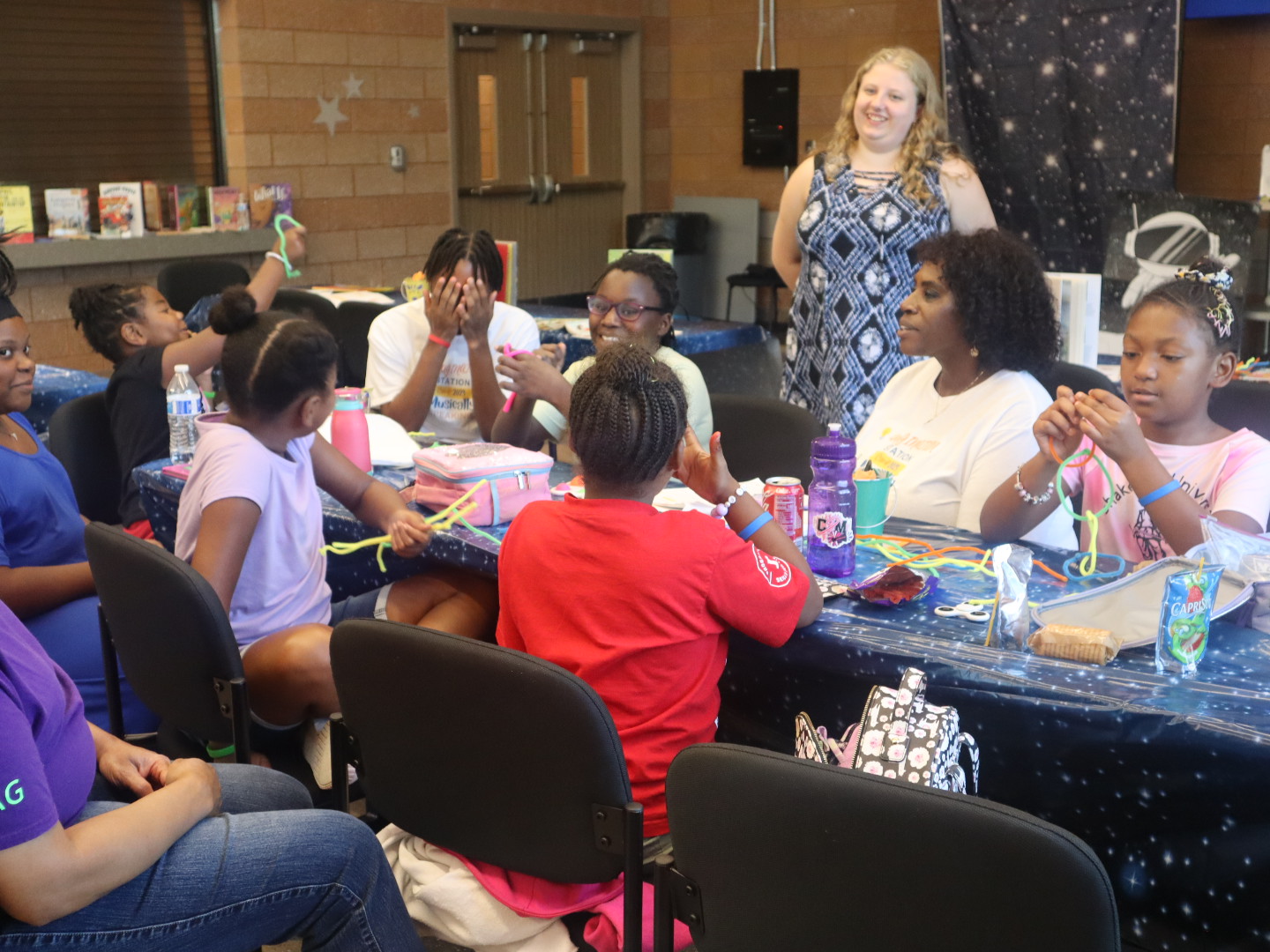
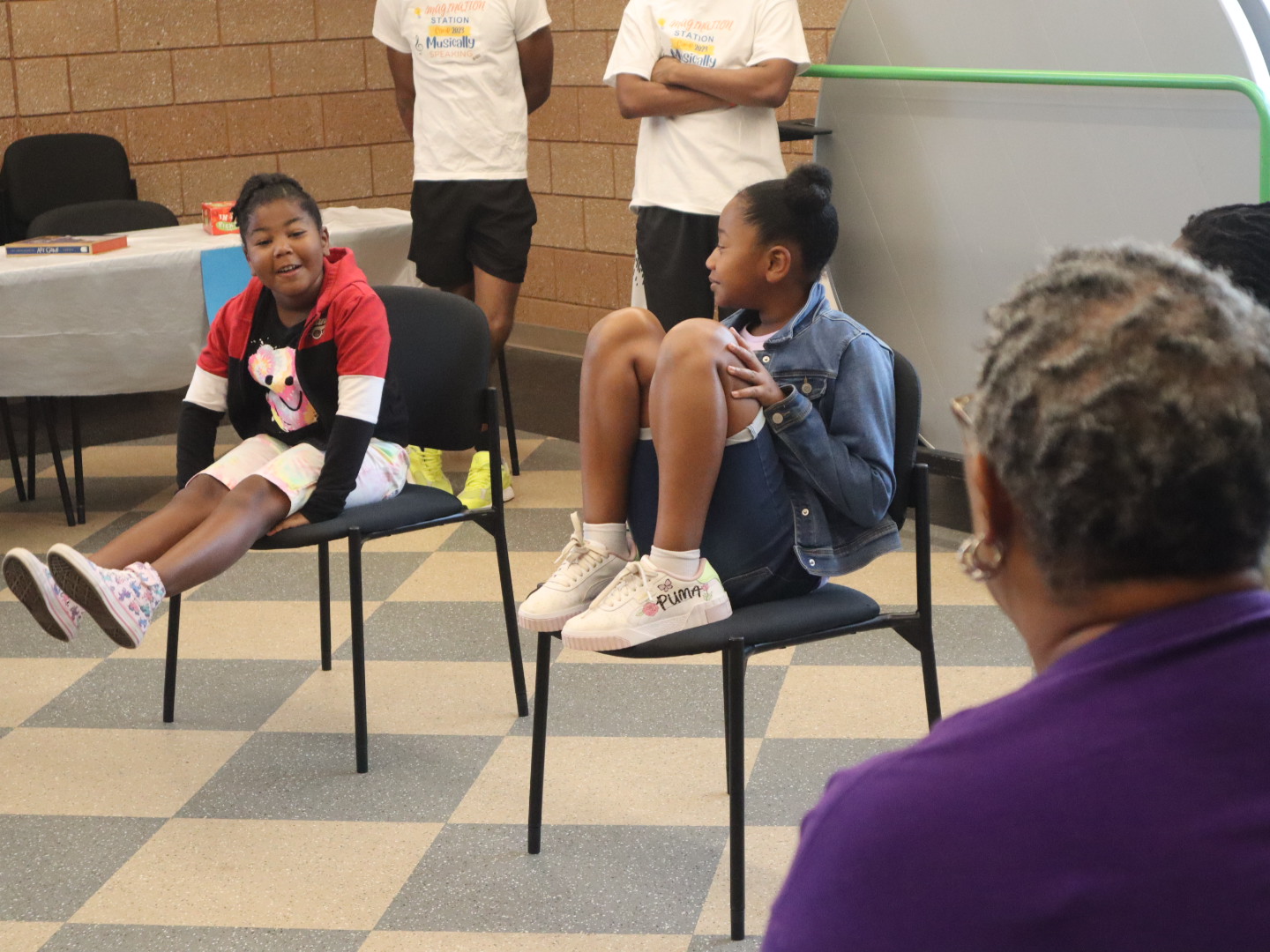
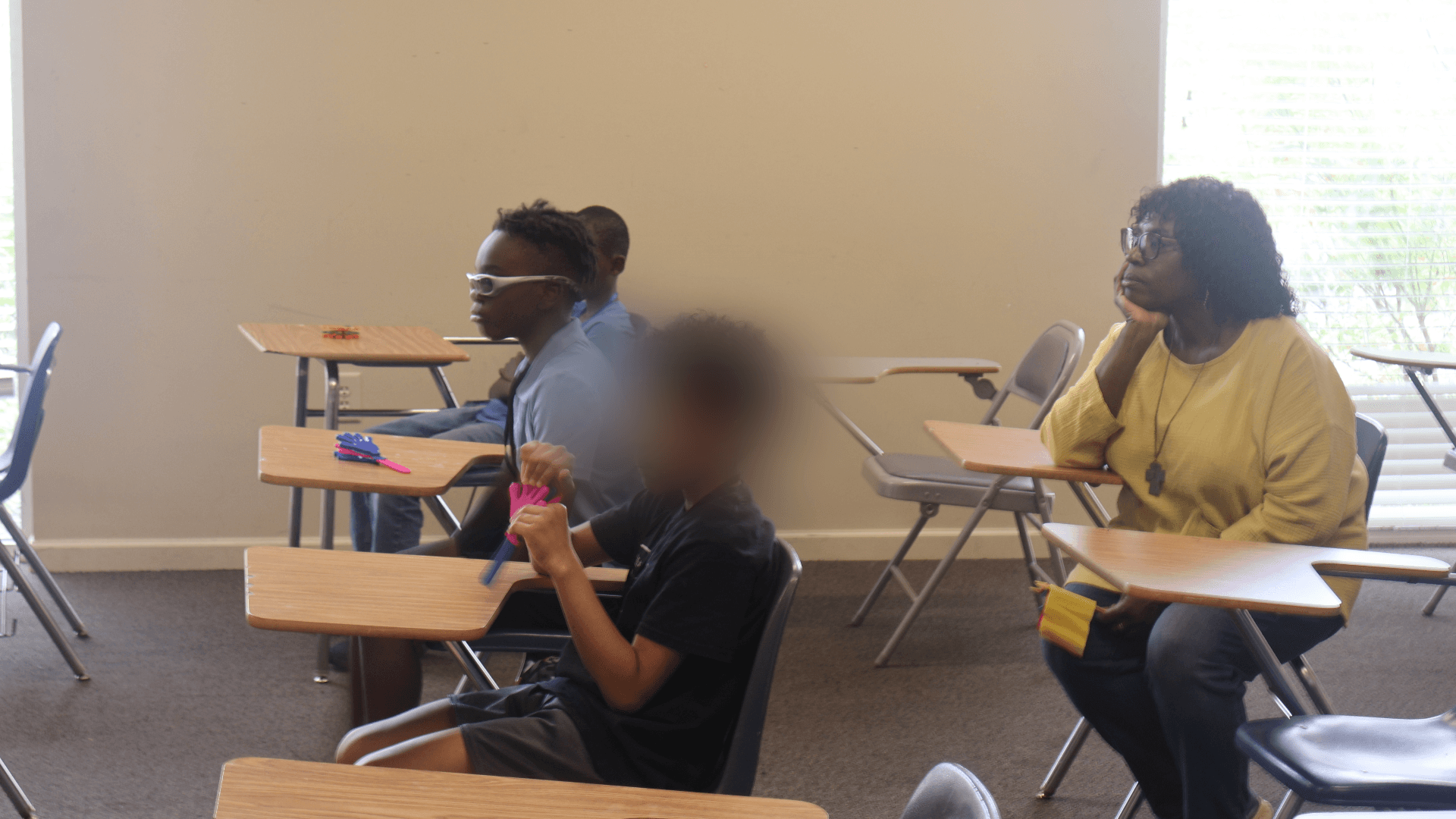
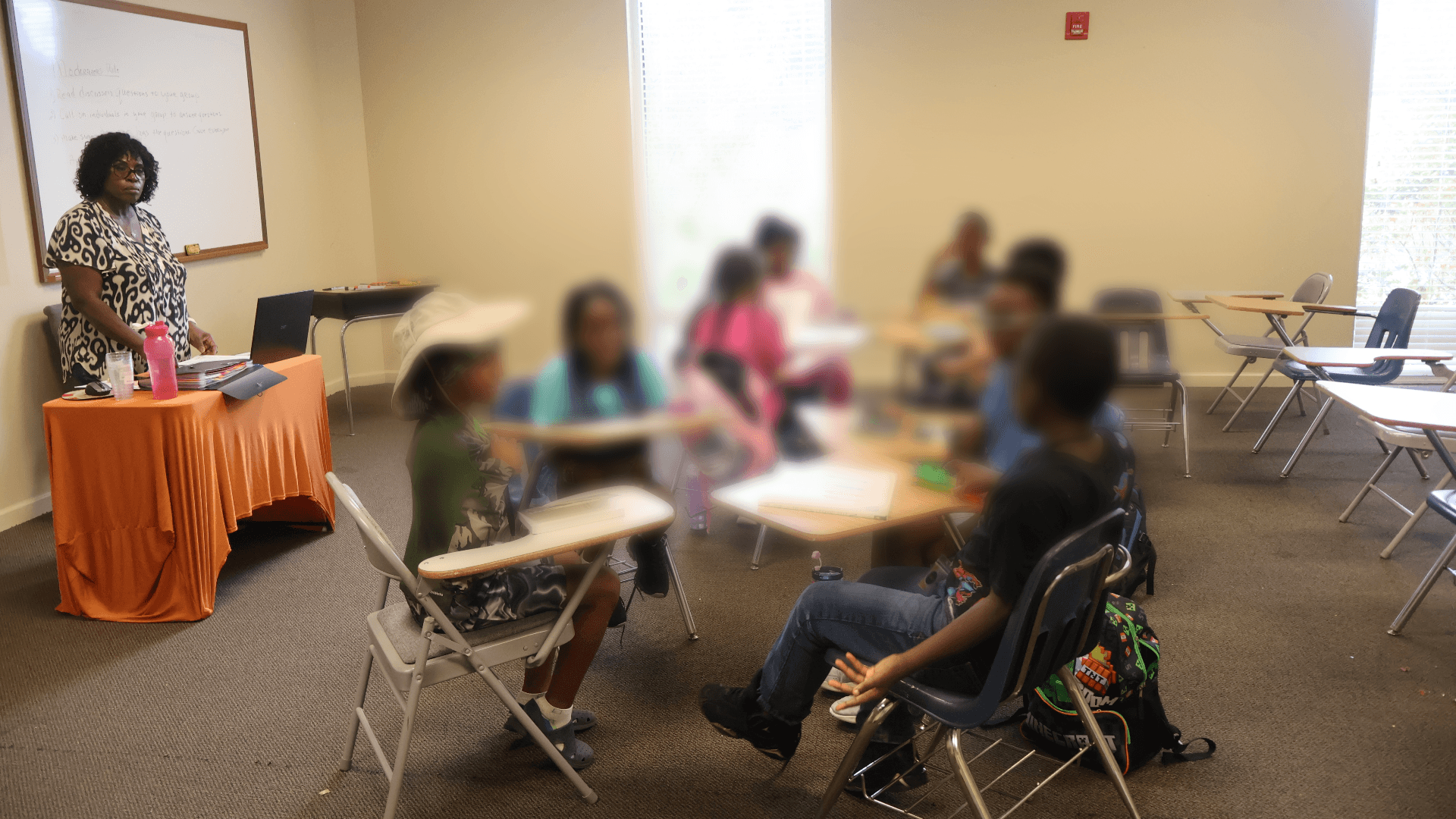
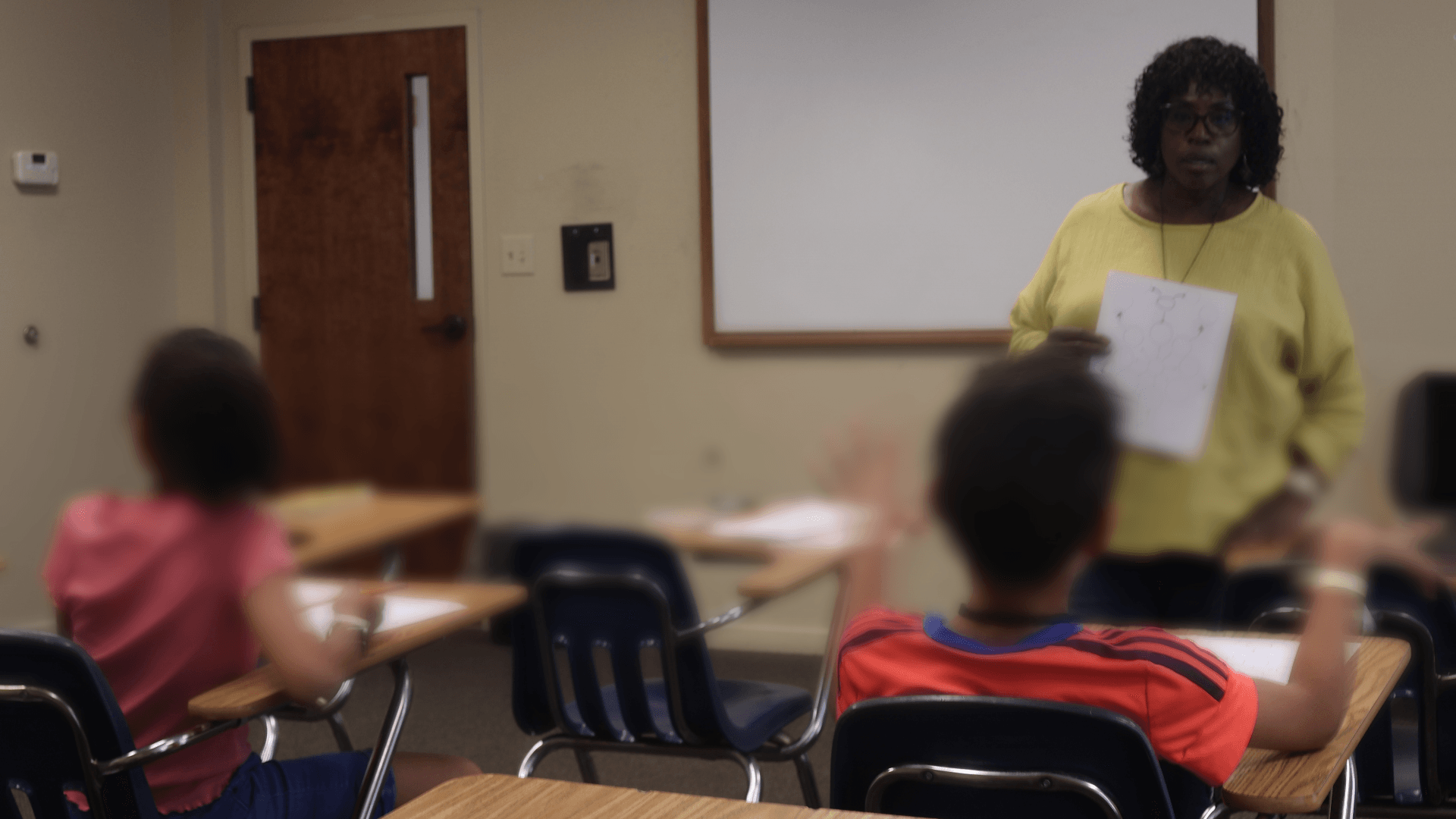
SFL is a non-profit educational organization that brings public speaking programs to children. Our mission is to assist parents, schools, and community groups by giving children communication tools that build self-confidence, improve analytical skills, demonstrate their intelligence and creativity, and pursue opportunities in life once considered out of reach. Our vision is to be the leading youth empowerment organization supporting children with tools and public speaking opportunities that enrich their lives and changes the world around them.
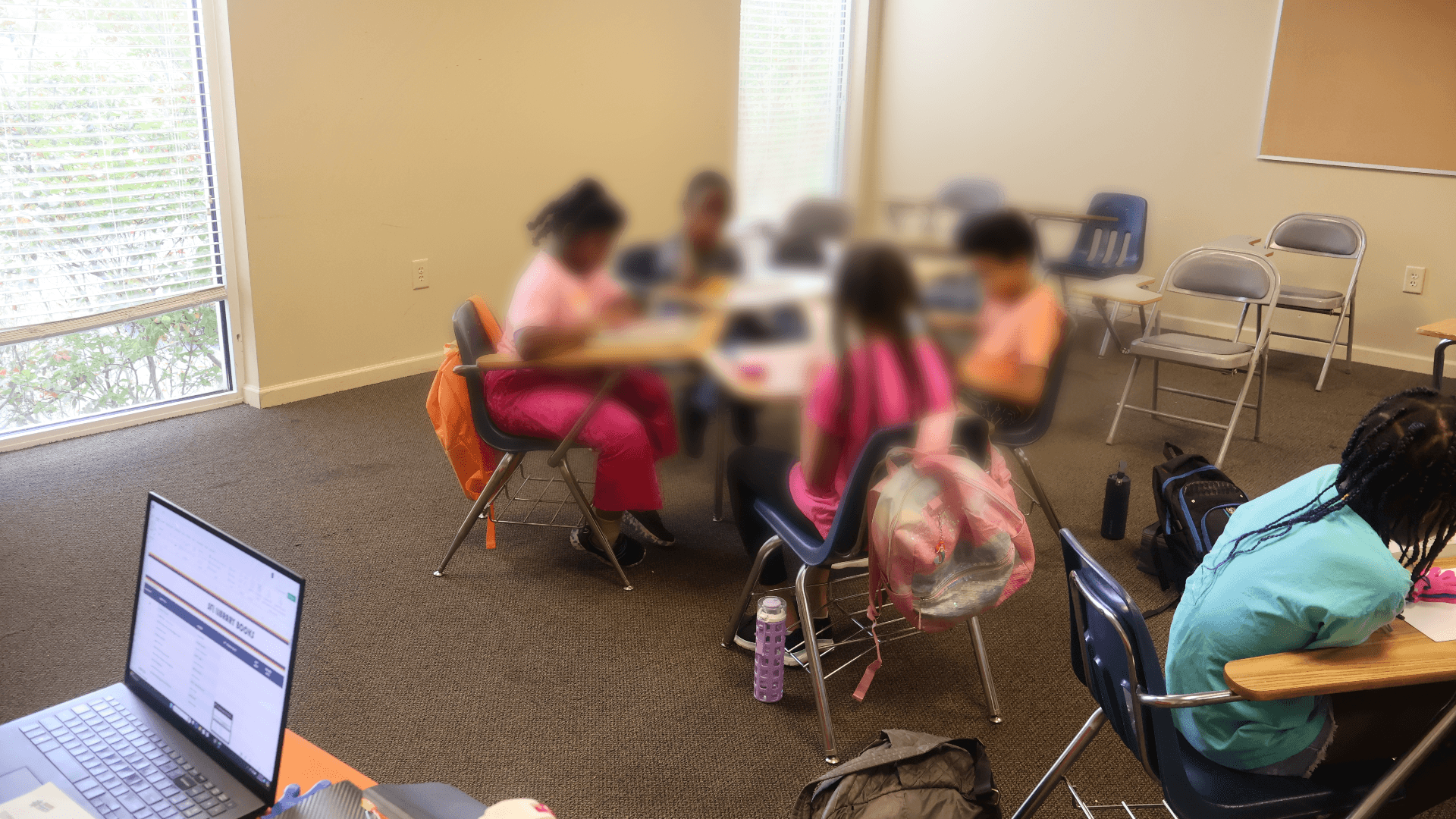
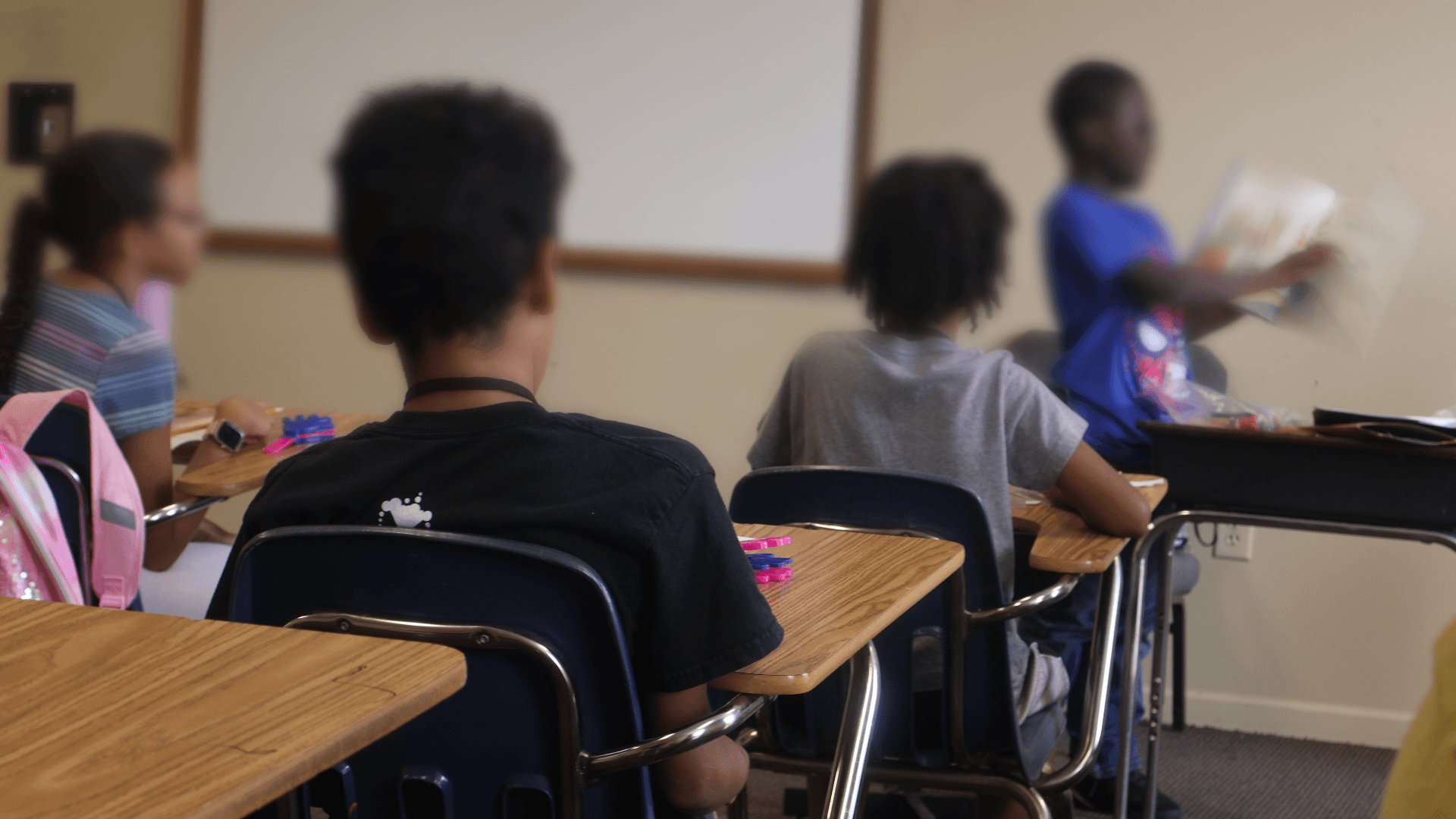
SFL provides public speaking classes for children that improve communication and thinking skills, stimulate imagination, build self-confidence, and promote leadership development. We help students tap into who they are— their strengths, talents, and natural abilities—while giving them communication tools that will serve them for life. Our programs combine skill-building with social and emotional support so students learn not just how to speak, but how to believe in themselves as they grow academically, socially, and personally.
The help we provide to students also helps the concerned parent, the overwhelmed parent, or the frustrated parent who wants to improve their child’s communication skills but doesn’t feel equipped to help them achieve it. Parents want their children to be confident, resilient, academically prepared, and able to express themselves clearly—but sometimes don’t know where to begin or what resources are available. We fill that gap.
We help all children, especially those who may feel unsure, overlooked, or misunderstood, learn to recognize their value and communicate it. We guide them in building confidence, strengthening their thinking skills, and developing leadership skills. When students gain the ability to express themselves, they perform better in school, make wiser choices, and develop a stronger sense of identity. For parents, this provides relief, support, and the reassurance that their child is becoming more prepared for life’s opportunities and challenges.
SFL is the product of life experience. I personally know what it feels like to lose your voice and what it takes to fight to reclaim it. I understand the impact of a child feeling confused, afraid, and isolated because they don’t know how to process what’s happening in their head, turn it into words, and say it out loud. That understanding and that empathy shapes everything we do.
We don’t just teach public speaking; we use it as a tool to help children grow from the inside out. Our programs focus on identity, confidence, and creativity. We show students how to turn mistakes into momentum and fear into courage.
What makes us different is our belief that every child already has something powerful within them—we help them identify it and use it to impact the world around them.
Developing strong communication skills has a way of awakening or igniting an interest, confidence, or ability in a child that had not been awakened before. Watching our students discover their own strengths and step into their potential fills me with joy. Seeing that transformation is both a joy and an honor to be a part of. As we’ve observed students strengthen their communication skills, we’ve also seen doors of opportunity open for them that might never have otherwise. These skills are foundational and relevant in every area of life. Furthermore, these skills build self-confidence, empowering students to open doors for themselves. Although some children are fortunate enough to have had the opportunity to develop these skills, many more have not. These children are the ones we are passionate about reaching. We are passionate about reaching children who have not had the opportunity to learn and develop these skills due to social, educational, or economic conditions. I believe every child has unique potential, and it is SFL’s goal to equip them with the necessary tools to take advantage of these opportunities.
How’d you build such a strong reputation within your market?
My reputation in the market has been built primarily by three things: consistency, continuity, and patience. Consistency & continuity – Because of the multitude of variables involved in caring for and raising young children, parents need and appreciate consistency and continuity. Since children and their various needs can often be unpredictable, it really helps to offload some of the caregiving pressure parents face by having consistent, continuous services for their child’s care. We provide this by offering ongoing classes during the Fall and Spring semesters through our host partnerships. It is helpful to parents because it is one less decision or one less accommodation they need to make to their daily routine. It may seem minor to some, but navigating a young child’s needs and pivoting can sometimes upset the apple cart. Knowing that we will be back at the same time and location, providing the same high-quality care and engagement for their child, brings them back and generates referrals.
The other element that helps build our reputation in the market is patience. Obviously, business is competitive because it needs a customer base to survive. And businesses have to compete with other businesses to attract customers. However, from my perspective, I’ve come to recognize the importance of quality over quantity. Which means that while there is a temptation to have the latest, greatest, fastest, and most impressive product or service, it’s essential not to overlook the quality of its delivery in the process. This may mean (and every business is different) slowing down your approach so you can connect with, understand, and truly satisfy your customers’ needs. This approach may delay the rollout of new products and services, but it can also deepen and strengthen the relationship with the existing customer base, ultimately creating more business opportunities.
For example, I had the opportunity to conduct classes at several different sites, which was great. But at the time of this opportunity, I had been conducting public classes through a particular homeschool coop. The students enjoyed the classes, and the parents asked us to customize our curriculum to cover specific areas of interest for the students. At that point, I had the option to respectfully decline and continue churning out the “mass-produced product,” or create a customized program (which would demand more of my time to develop, implement, and test). Patience is why I selected the latter: it not only strengthened my customer relationships but also expanded my product line and became an avenue for generating new client referrals. Thus, growing my client base.
Alternatively, I could have declined the request and continued presenting the existing successful programs to families and while pursuing different facilities with the goal of expansion. Patience encouraged me to better understand and meet my clients’ needs. Initially, it can appear to slow down the growth process. But ultimately, it is worth it because of the gains it yields.
Have you ever had to pivot?
As an entrepreneur, pivoting is ‘par for the course’ and should become a skill either you or a leader in your organization is good at. While pivoting is an important skill for business survival, it can also be a tool for clarity.
For example, SFL partnered with another non-profit to bring our classes to a group of young adults. The 12-week program went well, and we were asked to repeat it with a second group of adults. However, unbeknownst to me, the audience would be different. The second class consisted of re-entry males with varying literacy needs. The literacy needs, ages, and backgrounds of the students required us to pivot in how we presented the material, how we engaged with the students, how we taught it, and who taught it.
Nevertheless, we successfully implemented the changes while modifying a few goals and finished the class. However, the specific demands of that class requiring the pivot made it clear to me that we had been operating outside SFL’s mission. The pivot took us off course and produced additional complications that could have been avoided if we hadn’t been in the partnership. While the initial class was within the scope of our mission, the evolution of the second class was not, resulting in the need to terminate the partnership. That pivot was a learning experience and helped me clearly define our boundaries from a practical perspective.
Contact Info:
- Website: www.StatsFreeLiving.org
- Instagram: https://www.instagram.com/statsfreeliving/
- Facebook: https://www.facebook.com/StatsFreeLiving/
- Linkedin: https://www.linkedin.com/company/stats-free-living-inc