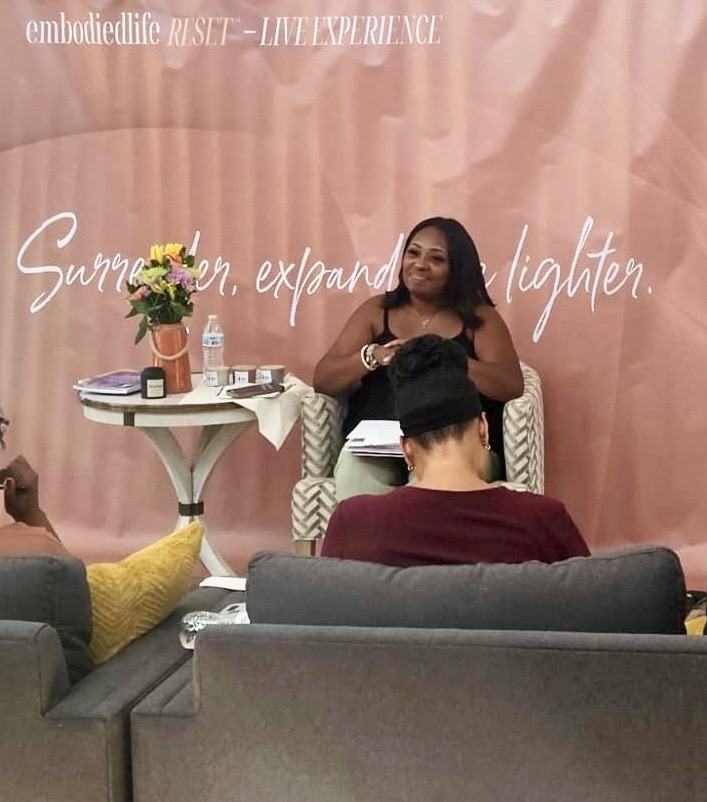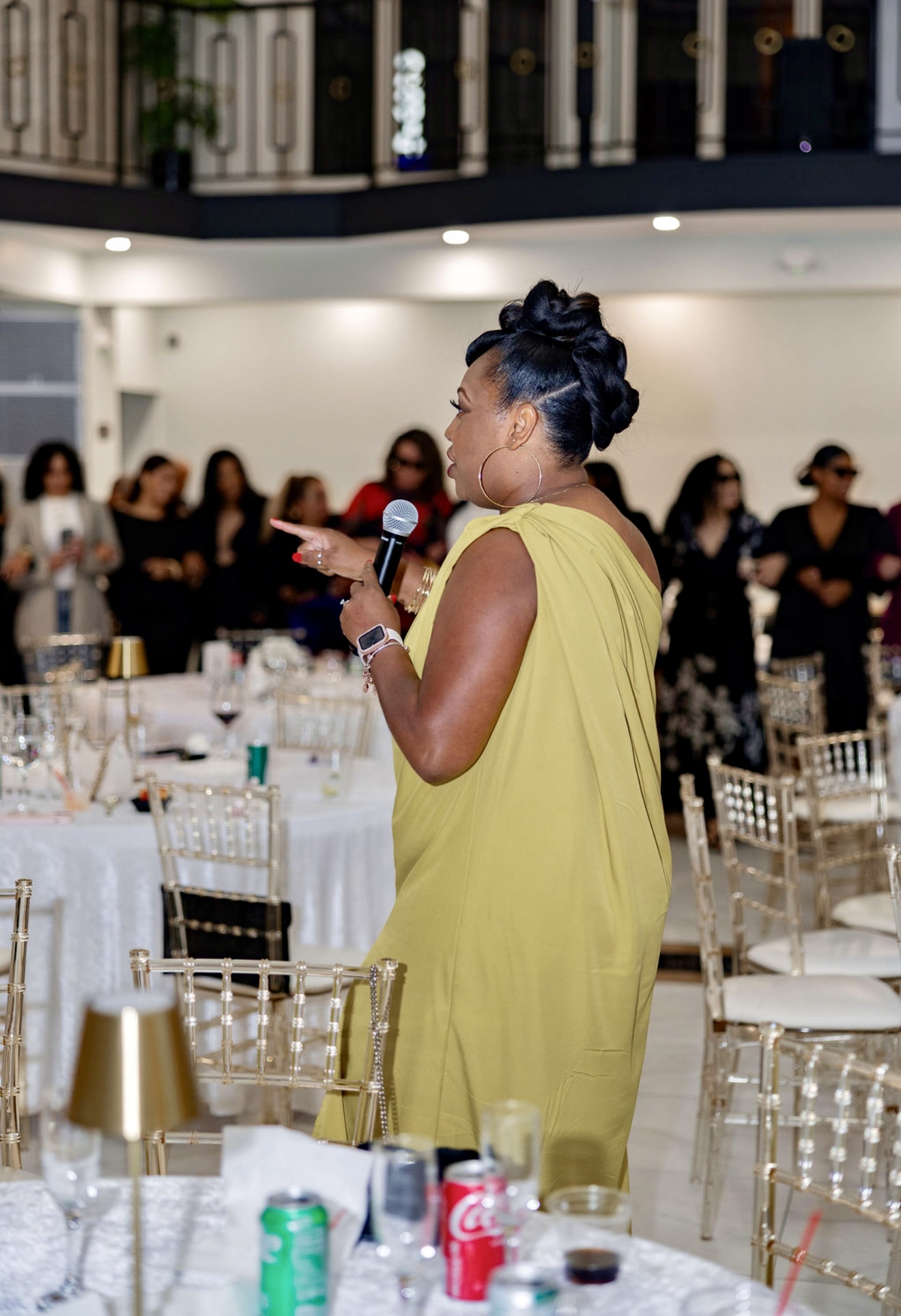

Alright – so today we’ve got the honor of introducing you to Yolanda Lewis. We think you’ll enjoy our conversation, we’ve shared it below.
Alright, Yolanda thanks for taking the time to share your stories and insights with us today. How’s you first get into your field – what was your first job in this field?
My first job in this field didn’t come with a title, a roadmap, or a clear sense that I was stepping into a “career.” It came with a small room at the Boys & Girls Club—the timeout room.
At the time, I was young, curious, and deeply observant. I have always known that I wanted to work with people, but I didn’t yet have language for trauma, somatics, or healing. I simply knew that something about human emotion felt important to me.
I was peer leader who ended up being tasked to supervise children who were having behavioral issues, which often meant sitting with them while they were upset, dysregulated, or shut down.
One afternoon, a young girl was brought into the timeout room completely overwhelmed—angry, crying, and unreachable. As a 14 year old teen, I didn’t know what to say. I didn’t know what the “right” intervention was. So I did the only thing that felt honest in my body at the time: I handed her a piece of paper and some crayons and told her, “You don’t have to talk. Just draw how you feel.” It was the thing that helped me when I entered that same realm of emotions.
She drew quietly. She cried. And when she was ready, she showed me the picture.
On one side of the page was her stepfather. On the other side were her mother, sister, and brother. The space between them said more than words ever could. As she explained the drawing, something shifted. Her breathing softened. Her body relaxed. She left the room lighter than she entered, and she never came back.
I began doing the same thing with every child who entered that room. No pressure. No forced conversations. Just paper, crayons, and permission. Slowly, something unexpected happened: the timeout room became empty. Children stopped coming. Eventually, the room was shut down altogether because there were no longer behavioral outbursts requiring isolation.
That was the moment I realized something profound.
It was about expression. About safety. About giving the body and the soul a language when words are unavailable.
Ironically, the success of that approach meant there was no longer a role for me in that position. But I was never meant to stay there. It was later that I would learn just how much my mission to help people heal would be creative and give access to their inner world through the body, emotion, and expression.
Looking back, I couldn’t have asked for a better way into the world of trauma. It shaped everything. It taught me that healing doesn’t always come from answers—it comes from space. And that lesson lives at the heart of EmbodiedLife Wellness today.
Awesome – so before we get into the rest of our questions, can you briefly introduce yourself to our readers.
At the core, I am a healing guide and space-holder. My work has always been about helping people come home to themselves—especially those who have learned to survive by disconnecting from their bodies, emotions, or inner voice.
I didn’t enter this work through a traditional door. I came through lived experience, deep listening, and years of extensive work and research in trauma, somatic practices, and narrative healing. Long before I had clinical language, I understood that the body remembers, that emotions carry wisdom, and that healing requires safety. Over time, that understanding became EmbodiedLife Wellness.
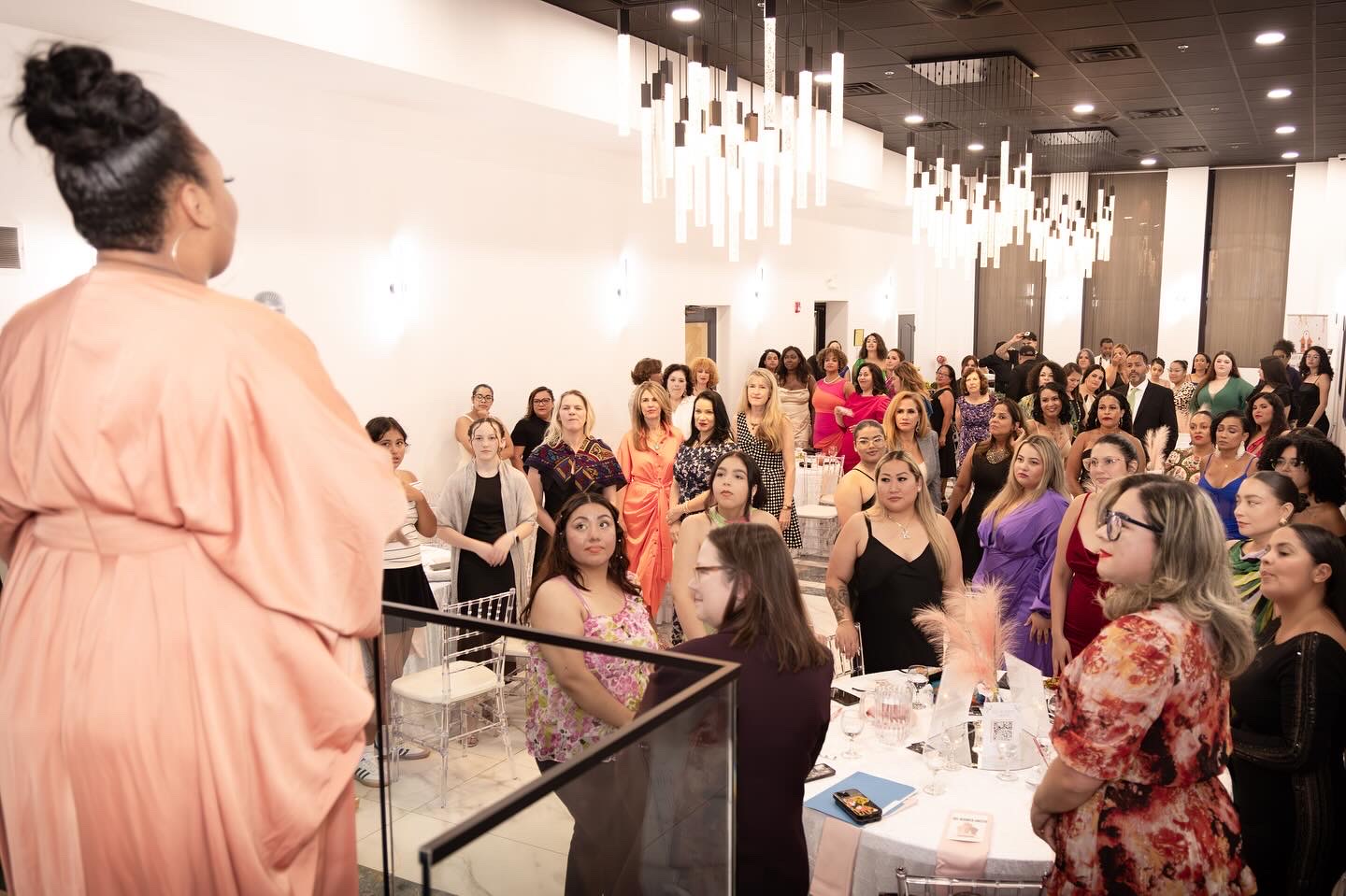
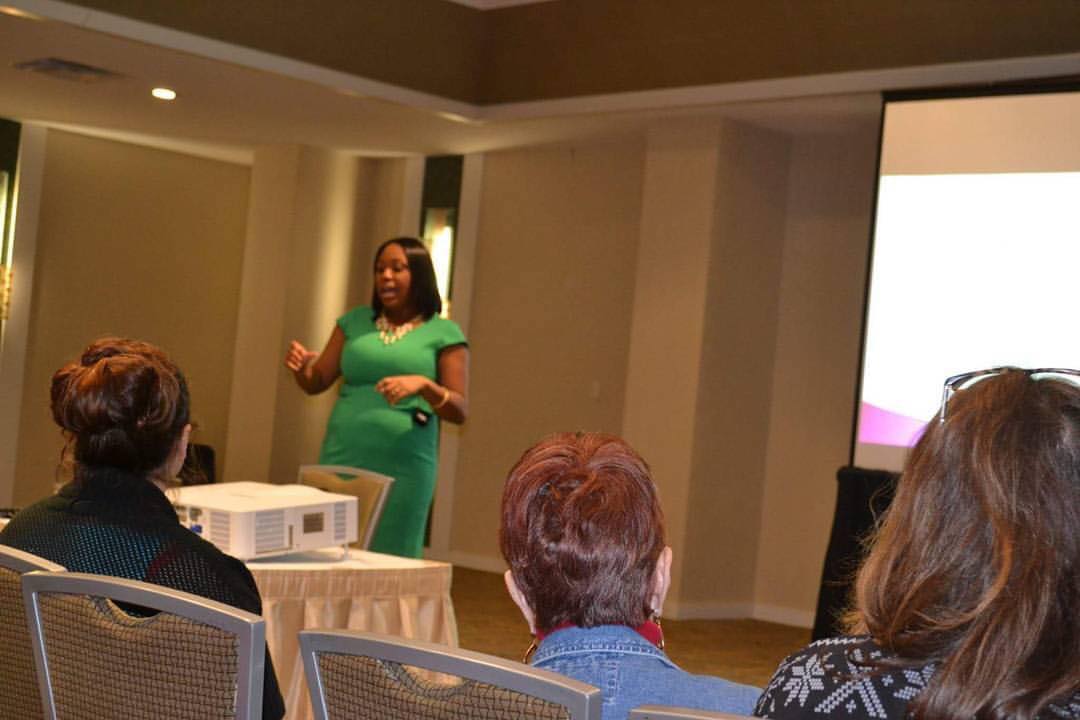
Through EmbodiedLife, I offer trauma-informed healing experiences that integrate body awareness, breathwork, emotional mapping, guided reflection, and creative expression. My work shows up through workshops, group experiences, educational tools, and written work designed to help people release stored emotional weight, reconnect with their inner wisdom, and live with greater clarity and alignment.
The people I serve are often high-functioning, deeply capable, and quietly exhausted women who have carried too much for too long. They may look “fine” on the outside while feeling disconnected, overwhelmed, or unsure of themselves on the inside. I help them slow down, listen to their bodies, and access the parts of themselves that already know how to heal.
What sets my work apart is that I don’t rush the process or bypass the body. I create soft, structured spaces where healing unfolds naturally—without retraumatization, over-analysis, or pressure to perform. My approach is restorative and honors the intelligence of the nervous system and the soul.
What I’m most proud of is the quiet transformation I get to witness when someone exhales for the first time in years, when their body softens, and they collapse in the clarity that has replaced confusion. Those moments matter to me more than metrics or milestones.
What I want people to know about my work is simple: you don’t have to be broken to deserve healing. You don’t have to explain your pain for it to be valid either. And most importantly, you don’t have to do it alone.
EmbodiedLife exists to offer safety, presence, and a gentle path back to yourself.
What’s a lesson you had to unlearn and what’s the backstory?
One of the most important lessons I had to unlearn was the belief that vulnerability is weakness.
For most of my life, I had learned how to hold myself together—how to stay composed, productive, and “fine,” even in moments of loss. Then a close friend passed away. We had done meaningful work together and were looking forward to continuing. Her death was unexpected, and I remember calling my mother to tell her the news—especially because she had met my friend at one of my events.
After I hung up, I was standing at the window adjusting my curtains when I noticed my face felt wet. I remember thinking, What is this? When I reached up to wipe it away, I realized I was crying.
It wasn’t that I didn’t feel sadness. It was that my body had become so accustomed to holding emotion in that I didn’t immediately recognize what release felt like. My nervous system had learned containment, not expression. Even grief needed permission.
That moment stayed with me. It showed me how deeply we can disconnect from our own emotional signals—not because we are unfeeling, but because we have learned to survive by staying strong. Unlearning that pattern took time and intention. It required learning to trust my body and allowing emotions to move instead of managing them away.
What I know now is this: vulnerability isn’t weakness, it’s communication. It’s the body’s way of telling the truth words may fall short to describe. And allowing that truth to move through us is one of the most courageous things we can do.
How about pivoting – can you share the story of a time you’ve had to pivot?
The pivot I’m in right now has been one of the most meaningful of my life.
For years, my work in publishing has centered on helping people tell their stories—shaping narratives, bringing voices to the page, and guiding others through the power of expression. That work isn’t ending. It’s evolving. I’m repositioning my publishing company so it can stand firmly on its own, while I step more fully into EmbodiedLife Wellness.
What I’ve come to understand is that story doesn’t live only on the page—it lives in the body. And many women leaders are carrying stories shaped by trauma, responsibility, and survival that were never meant to be carried alone. This pivot allows me to meet them in a deeper way.
Through EmbodiedLife, I now help women leaders rewrite their narratives using a trauma-informed, body-based approach—one that honors the nervous system, restores safety, and creates space for clarity and purpose. This transition isn’t about leaving something behind; it’s about aligning my work with who I am now.
The pivot is still unfolding, but it feels right. And sometimes that’s the clearest sign you’re moving in the right direction.
Contact Info:
- Website: https://www.embodiedlifewell.com
- Linkedin: https://www.linkedin.com/m/yolandalewis
- Youtube: https://www.youtube.com/@softspacespodcast