



We were lucky to catch up with Yoko Kohmoto recently and have shared our conversation below.
Yoko, appreciate you joining us today. We’d love to hear about the things you feel your parents did right and how those things have impacted your career and life.
I wouldn’t be where I am now without my parents’ patience, trust, and support. Actually, my mom was the first person to suggest that I might be a good film producer. A few years out of college, I realized I had no idea what I wanted to do with my life, and I was having frequent meltdowns. Then one day, my mom (who, by the way, has never worked in the film industry) asked if I’d ever considered trying film producing. I said no, I have no idea what that is. She didn’t either, or not much anyway, but she had watched and supported me as a high school drama club stage manager and basically producing creative projects with friends growing up. I am so grateful to her for seeing me in that way. Now she might be worried that I’m just doing this because she said I should, but I actually genuinely have found something that I can see myself doing forever. That’s only one example of how much my parents have supported me, and that combined with watching them work so hard yet gracefully for all of my life, has been the perfect combination to get me to where I am today. My parents are very smart people, but they’re very humble about it. I try to carry that humility with me as well.
Great, appreciate you sharing that with us. Before we ask you to share more of your insights, can you take a moment to introduce yourself and how you got to where you are today to our readers.
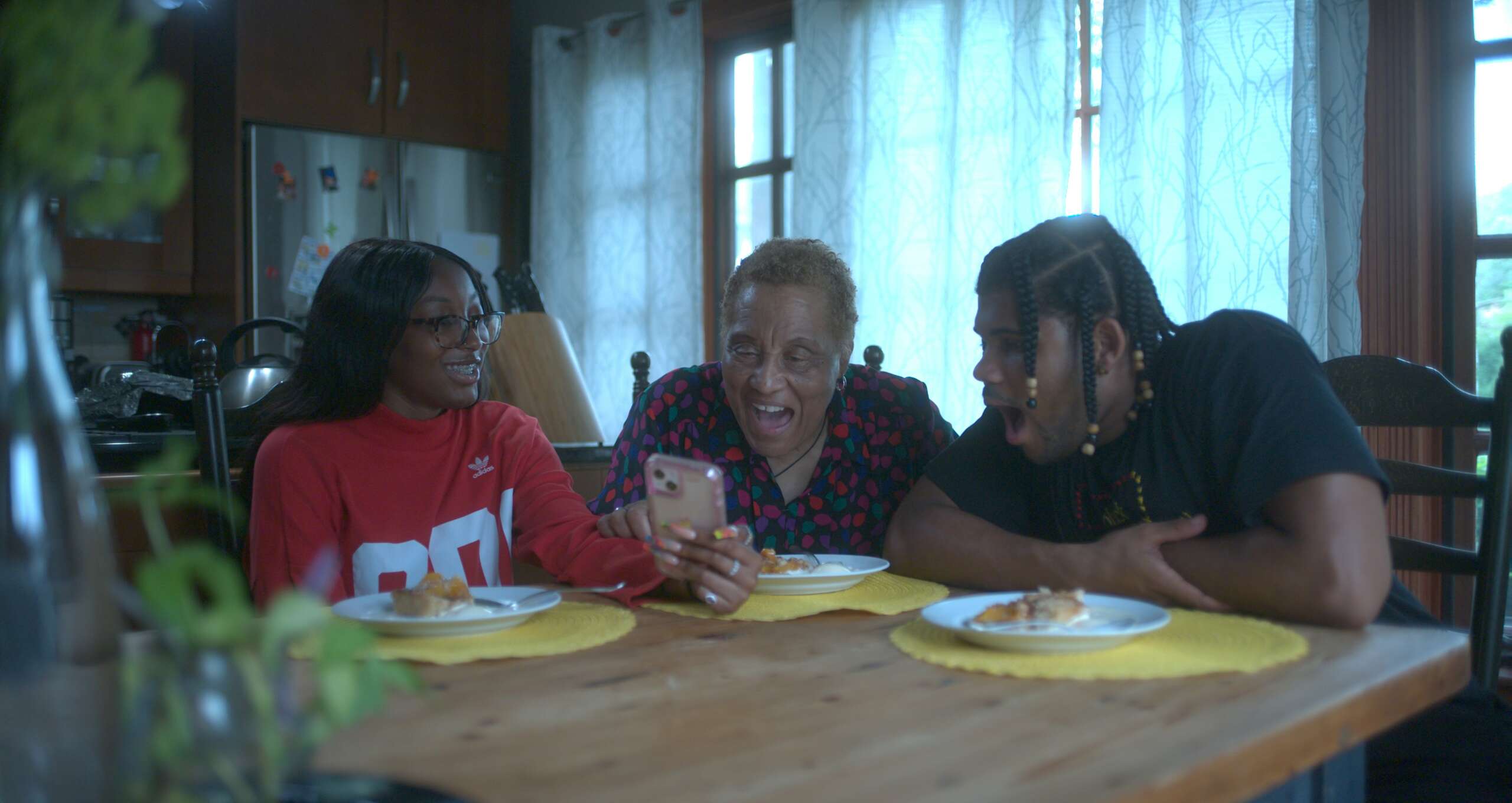
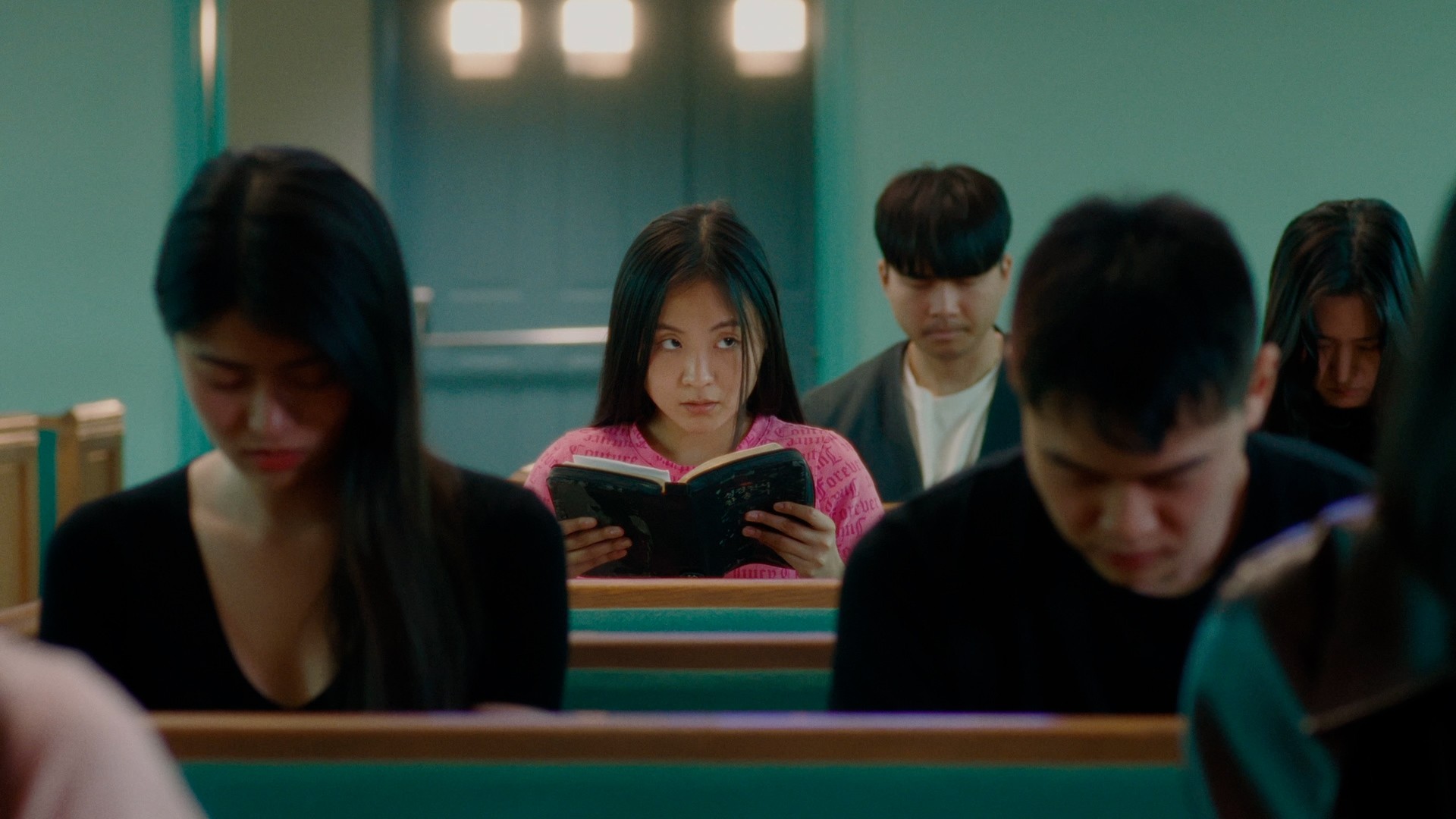
I’m currently working as an independent producer in NYC. So far, I’ve produced several short films and music videos, but I’m expanding into feature films this year. I used to want to build a career in tech, but after deciding to pivot to filmmaking, I got my MFA in Creative Producing from Columbia University in NYC.
What I love about producing is that I get to be a part of telling so many different kinds of stories. I feel so lucky looking back at what I’ve been able to make since starting out in 2020 – and most importantly, all the friends I’ve made along the way. Because you can’t really make good films by yourself, collaboration is crucial to the process, which is what I love.
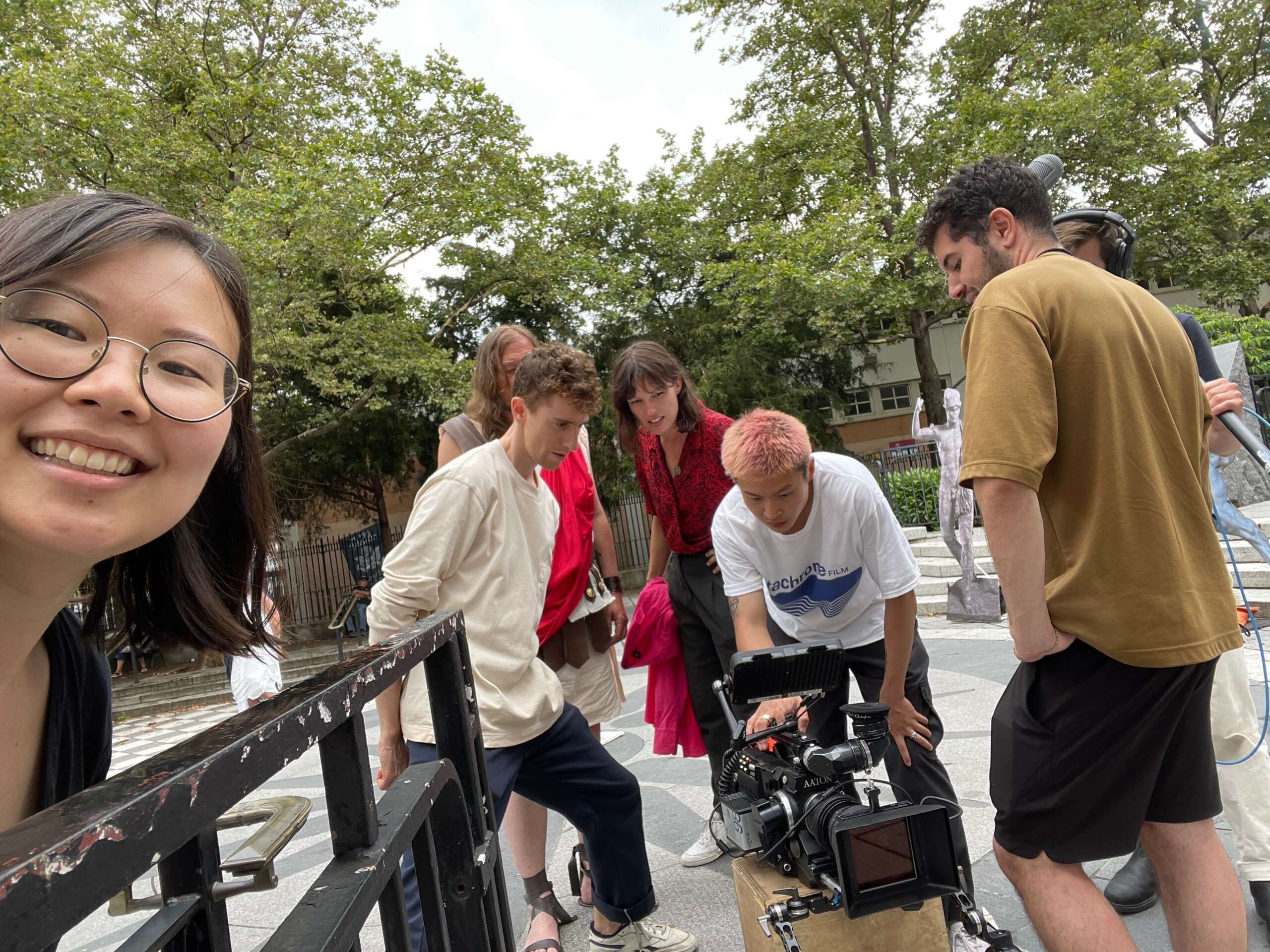
My favorite parts are crafting the story and building the team. I work with the writer and director to develop the script and make sure that it makes sense (which is harder than it sounds), ensure its intended message comes across, and sharpen any dialogue. At this point, I usually start to think of potential collaborators for making the film come to life. Sometimes I think about it like matchmaking – like “oh, this person would love to work on this story,” or “these people would really get along and work well together.” I also enjoy seeing all the prep work come together on set and making sure the shoot goes smoothly. Beyond that, I oversee the filmmaking process from beginning to end, often times with producing partners – and even after it’s completed, I continue the matchmaking by trying to get the film to the right audiences.
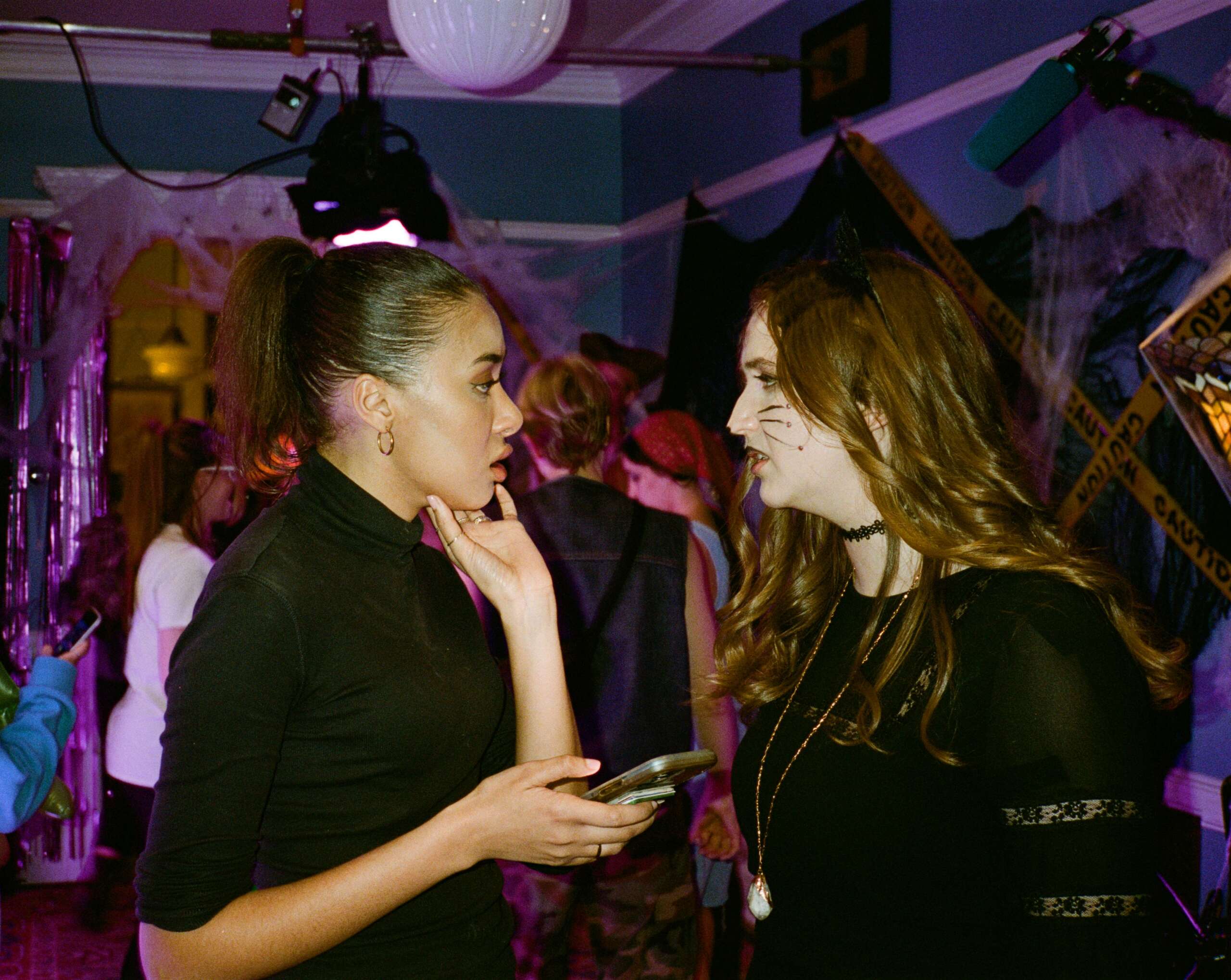
I also founded an initiative for women and nonbinary people of color in the NYC film industry. We don’t have a name yet, but it aims to create spaces – including mixers, screenings, and workshops – for us to connect, talk openly, share and sharpen our work with people who really understand it, and build community. We have about 200 people in our community; definitely early stages, but excited to see that it’s growing.

Is there a particular goal or mission driving your creative journey?
The main goals and core values that guide me as a producer are:
1. Working against the model of mining marginalized storytellers for their stories (which often means for profit) without taking care of them and their stories in their creation process. We need to create space for listening, conversation, healing, and rest in order to tell stories that are genuine, told in the way they are meant to be told, and don’t harm people in the process.
2. Safety safety safety. In all senses of the word – everything from people’s identities and past traumas being respected to making sure there is absolutely nothing that could be prioritized above someone’s life.
3. With every project, I want to contribute to making the industry a bit less toxic and a bit more diverse.
Any stories or insights that might help us understand how you’ve built such a strong reputation?
This might sound silly, but maybe just being myself, whatever that looks like in the moment. I can’t overthink it otherwise I’ll spiral. But being honest with myself as much as I can, so that I can be honest with the people I’m working with, has gone a long way – honesty about my assessment of my capacity, honesty about my views on the world and its inequities, honesty about mistakes I’ve made. Part of being honest is having a sense of humor about it too. Like sometimes the truth is embarrassing or unfortunate and you have to be able to laugh about it. These have all taken time to develop, and I still mess up for sure, because it’s hard, but I do my best.
Another thing I like to say and embody that I learned from my mentors in film school is that “it’s just a film.” I don’t believe in suffering being a necessary ingredient to good filmmaking. At the end of the day, we’re so lucky to be able to do this, and making a movie that doesn’t play Sundance or Cannes is not going to kill you, nor does it mean you’ve made a bad film. Of course, we always strive to make a great film that we love, and we will do everything we possibly can to make that happen, but not at the cost of any life or community. We have to remember that. And most importantly, have fun!
Contact Info:
- Website: yokokohmoto.com
- Instagram: instagram.com/middleofanegg
- Linkedin: linkedin.com/in/ykohmoto
Image Credits
Derin Çelik