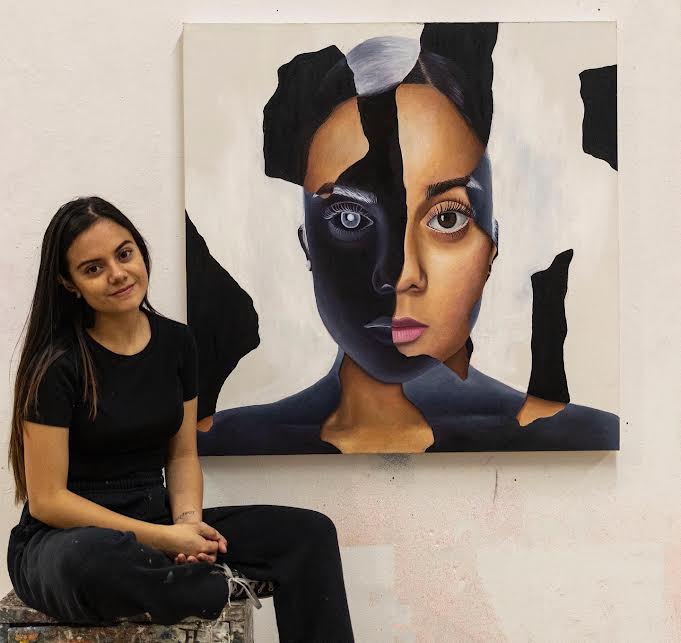

Alright – so today we’ve got the honor of introducing you to Yigsy Magaly. We think you’ll enjoy our conversation, we’ve shared it below.
Yigsy, looking forward to hearing all of your stories today. When did you first know you wanted to pursue a creative/artistic path professionally?
I graduated from Rutgers University in May 2020, right in the thick of COVID. With all my job offers cancelled, I took a position at Michaels to make ends meet. At first, working as a cashier felt comfortable, but I soon realized I was spending less and less time on my art. The 9-to-5 grind drained my creative energy; I’d come home exhausted, too tired to even think about picking up a brush. Sure, I had a few commissions here and there, but my personal projects weren’t a priority anymore.
As I transitioned from cashier to framer—earning more money but losing my joy—I felt my mental health decline. The isolation of working in the frame shop was tough. I missed the customer interactions I once had and found myself frustrated with even the smallest things. I often wondered if I was wasting my time at a company that could easily replace me. The owner of this big chain didn’t know I existed, let alone care about my or anyone else’s mental health.
I started looking for signs, anything to confirm that pursuing art was the right path. That’s when I began seeing the number 222 everywhere—on receipts, clocks, even phone numbers. It felt like a cosmic nudge, especially when I was deep in thought about my future. But despite these signs, I struggled to make a move. It wasn’t until one day when the store manager walked into the frame shop and asked if everything was okay that something cracked open inside me. I burst into tears, venting about how miserable I felt. I realized I was wasting my time working for someone else instead of pursuing my passion for art. I had this gut feeling telling me I wasn’t meant to just work for someone else and forget about my own dreams and goals.
I decided I needed to put in my two weeks’ notice. The manager urged me to think it over and sleep on it. I went home, and as if on cue, I saw 222 again on my phone. I knew what I had to do. The next day, I marched into the office, ready to resign, but the manager had already left for the weekend. When I came in on Sunday, I was shocked to hear he had quit unexpectedly. Later that night, he called to thank me, saying our conversation had inspired him to follow his passion for interior design. He needed that push, and our talk had given it to him. Even though he left so suddenly, I was glad he found his direction.
I couldn’t leave the remaining managers high and dry, especially since I was the only one in the frame shop, so I stayed until they found new workers. Two months later, I finally left Michaels and started my own art business. From that moment on, I began painting every day and discovering new opportunities.
Today, I’m in a much better place with my art. I found a part-time job that allows me to balance work and creativity. I know I wouldn’t be where I am now without taking that risk and leaving Michaels. It was the best decision I could have made, and I don’t regret it for a second. Sure, I struggled financially as a full-time artist, but I had a great support system by my side and kept pushing through the challenges. Art was meant for me, and it always will be.
As always, we appreciate you sharing your insights and we’ve got a few more questions for you, but before we get to all of that can you take a minute to introduce yourself and give our readers some of your back background and context?
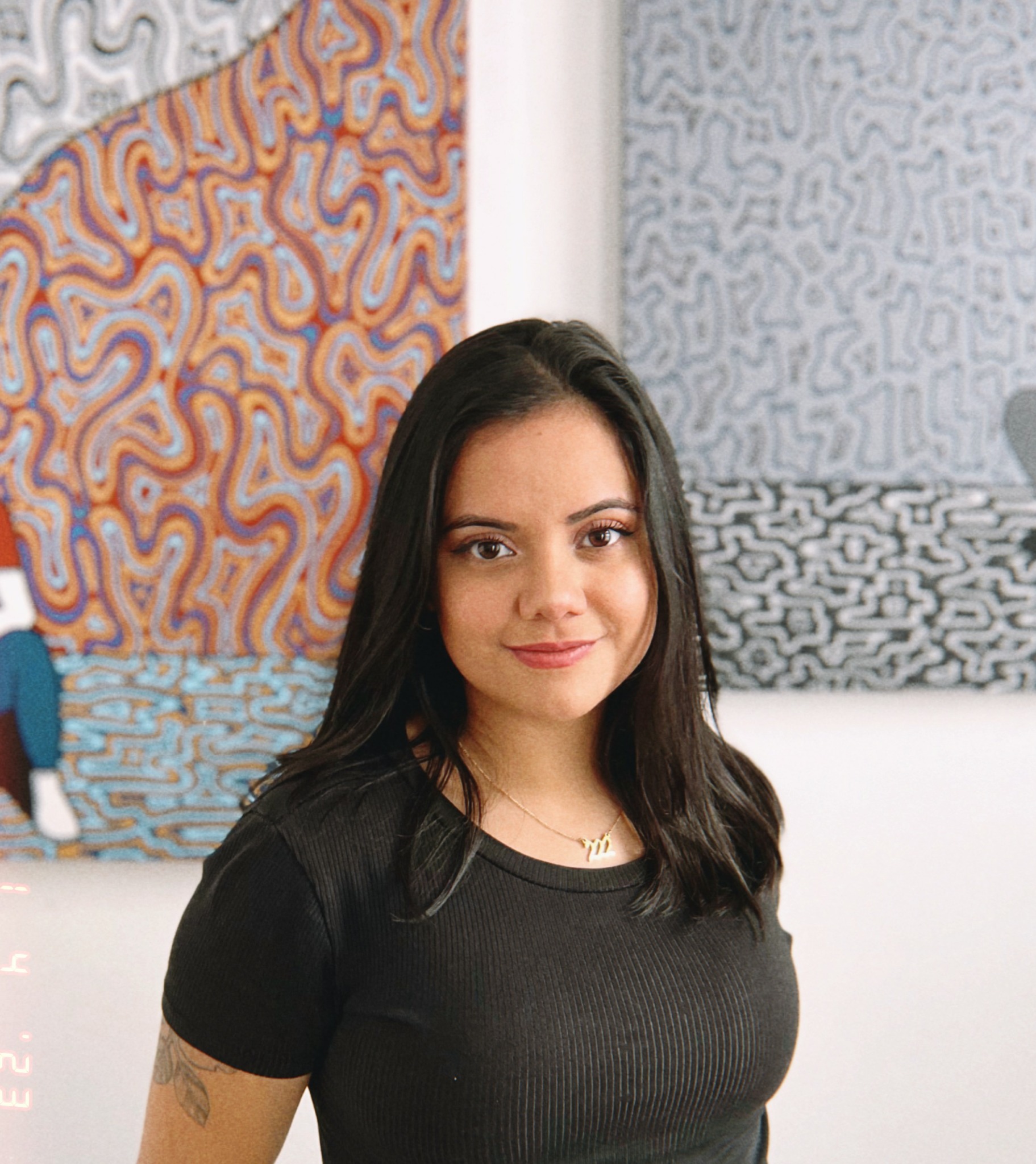
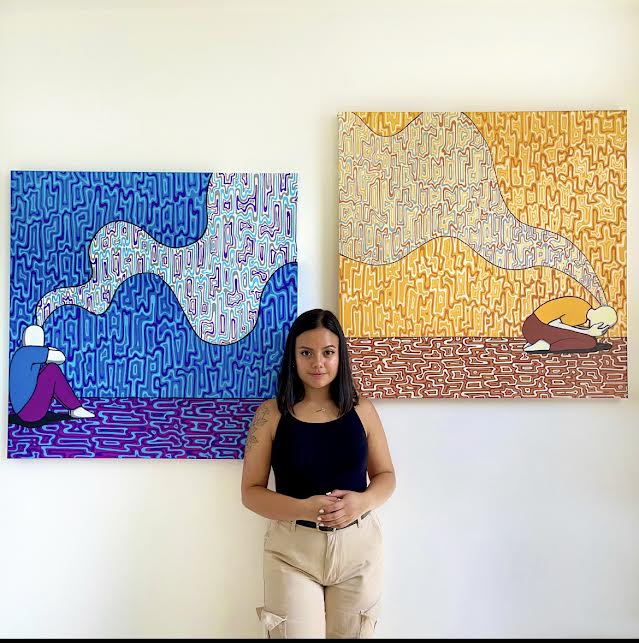
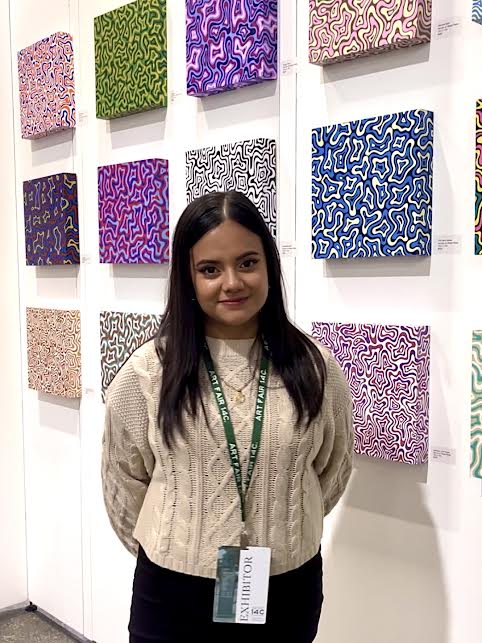
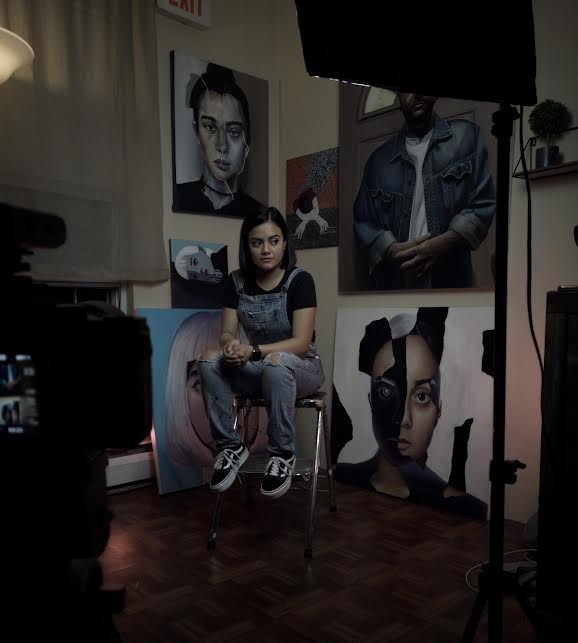
I’m Yigsy Magaly, a Salvadorian-American artist born in El Salvador and raised in New Jersey, where I’ve built my creative practice. My love for art began at a young age, spending countless hours drawing as a form of escape and self-expression. What started with simple doodles evolved into realism and portraiture, and now I’ve found my voice in minimalism through line patterns.
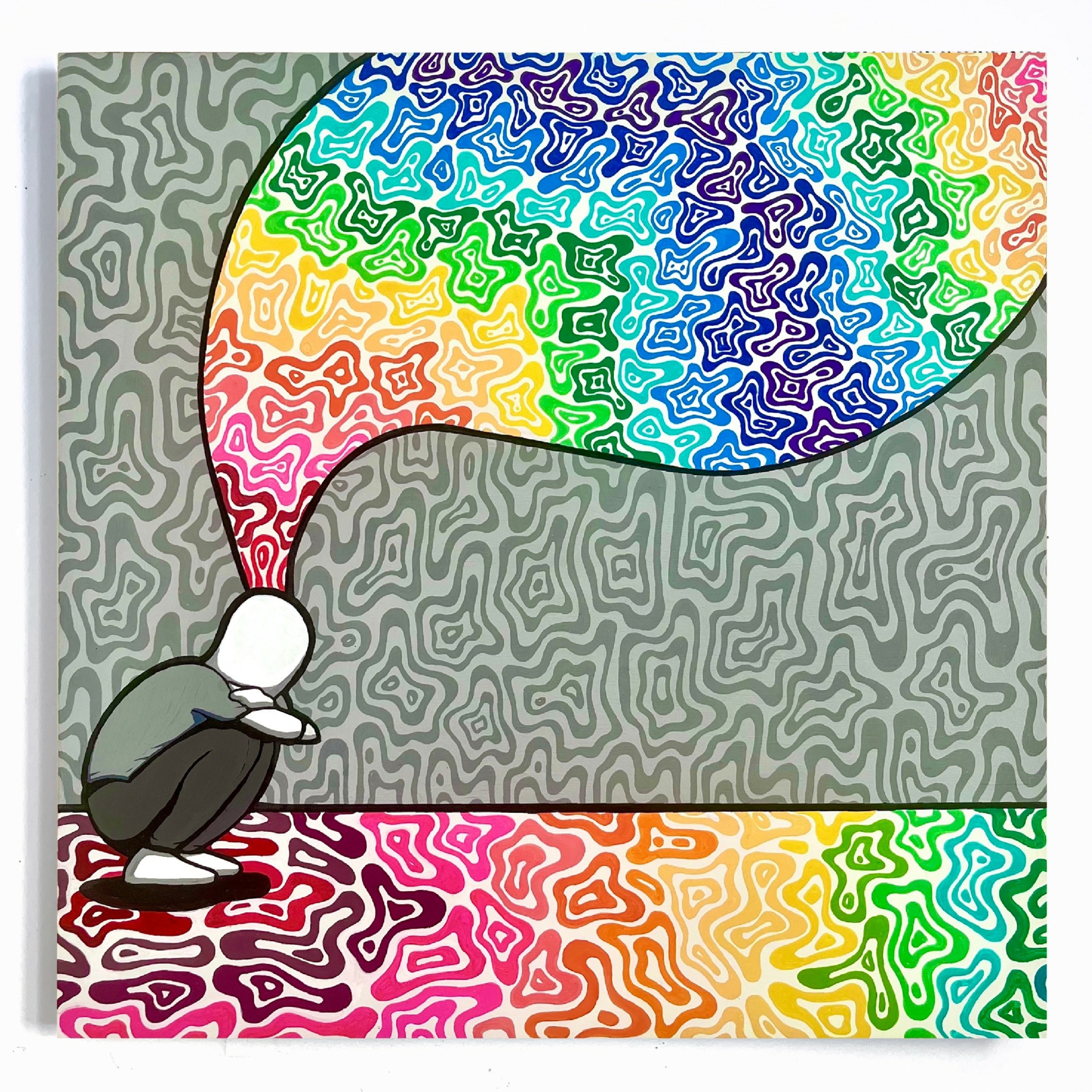
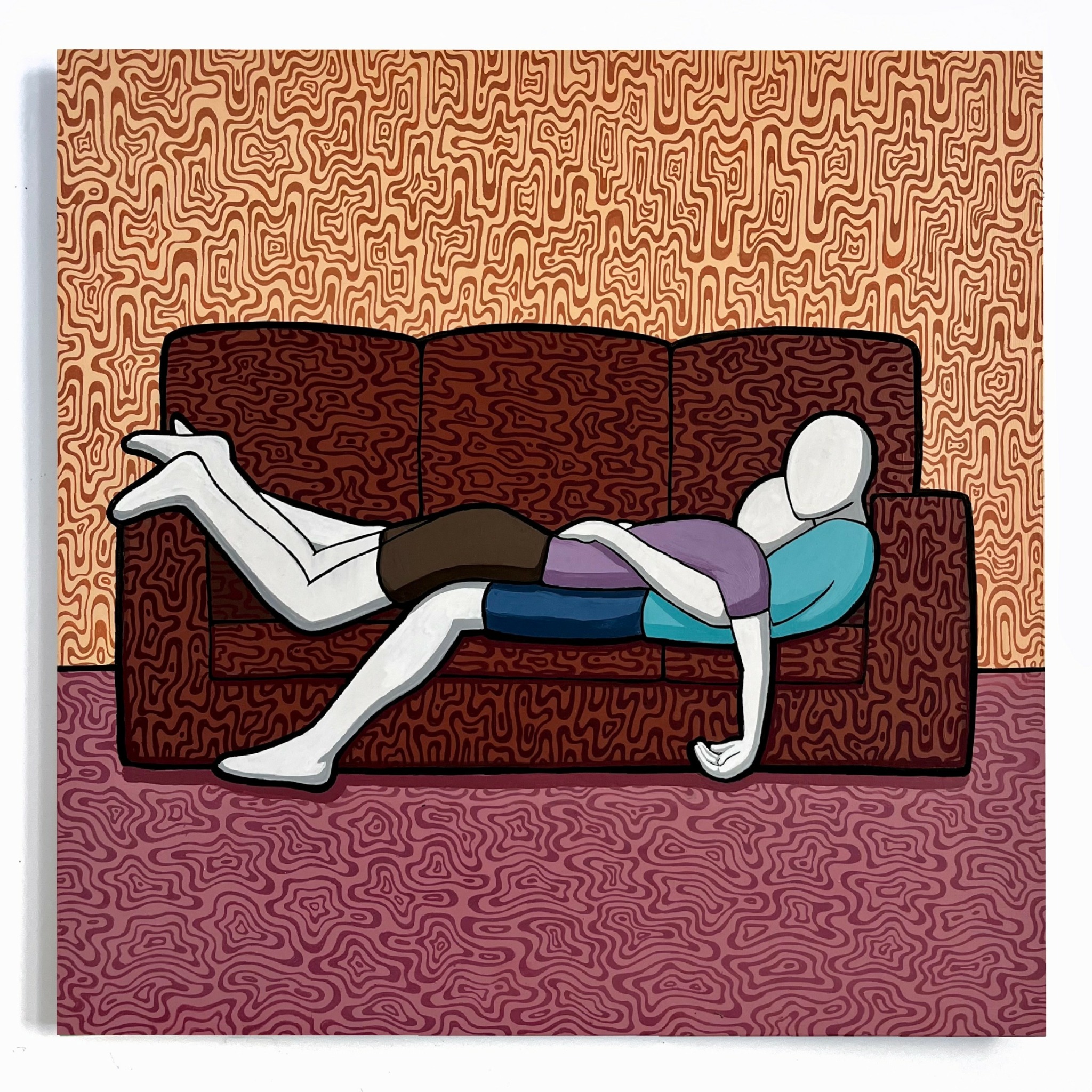
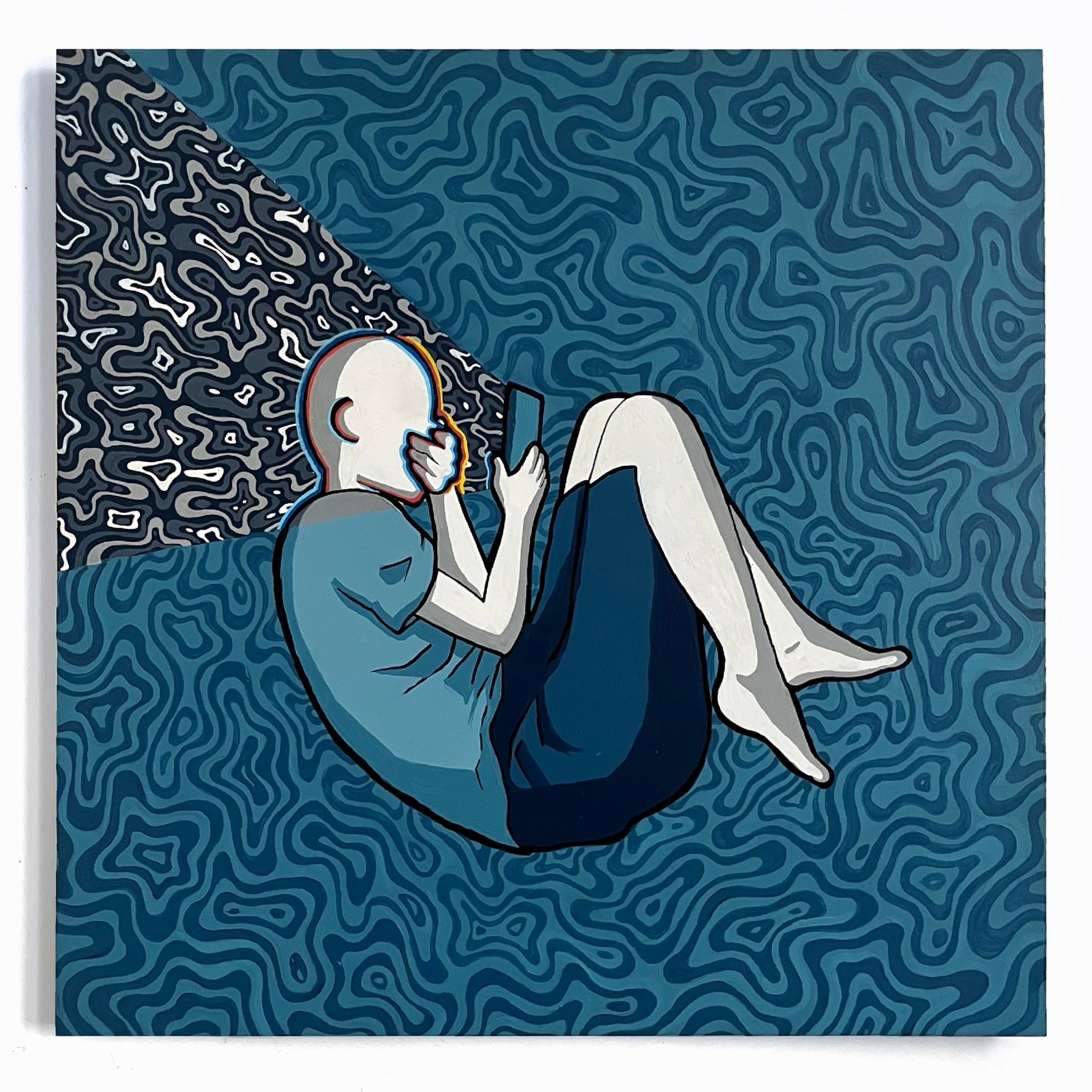
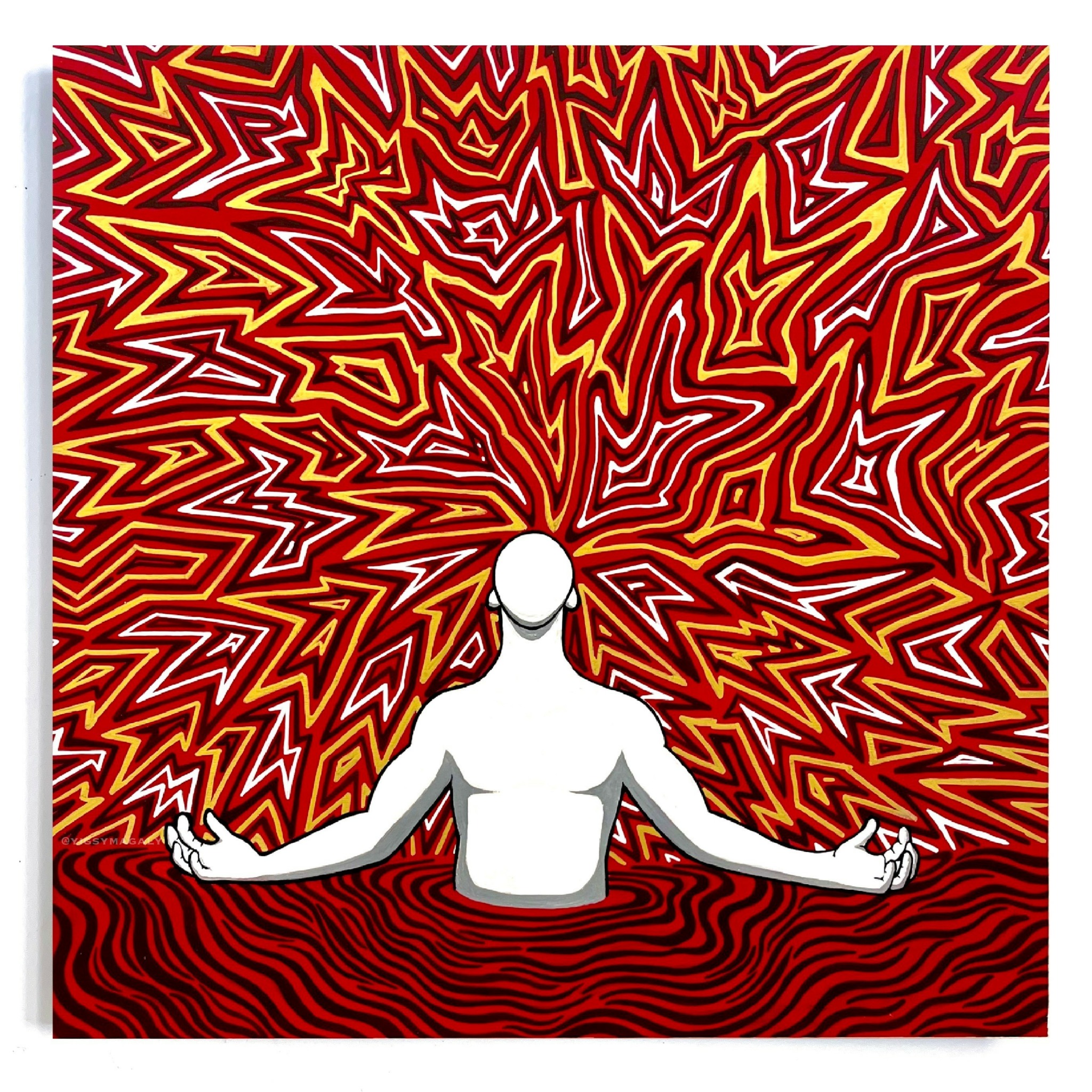
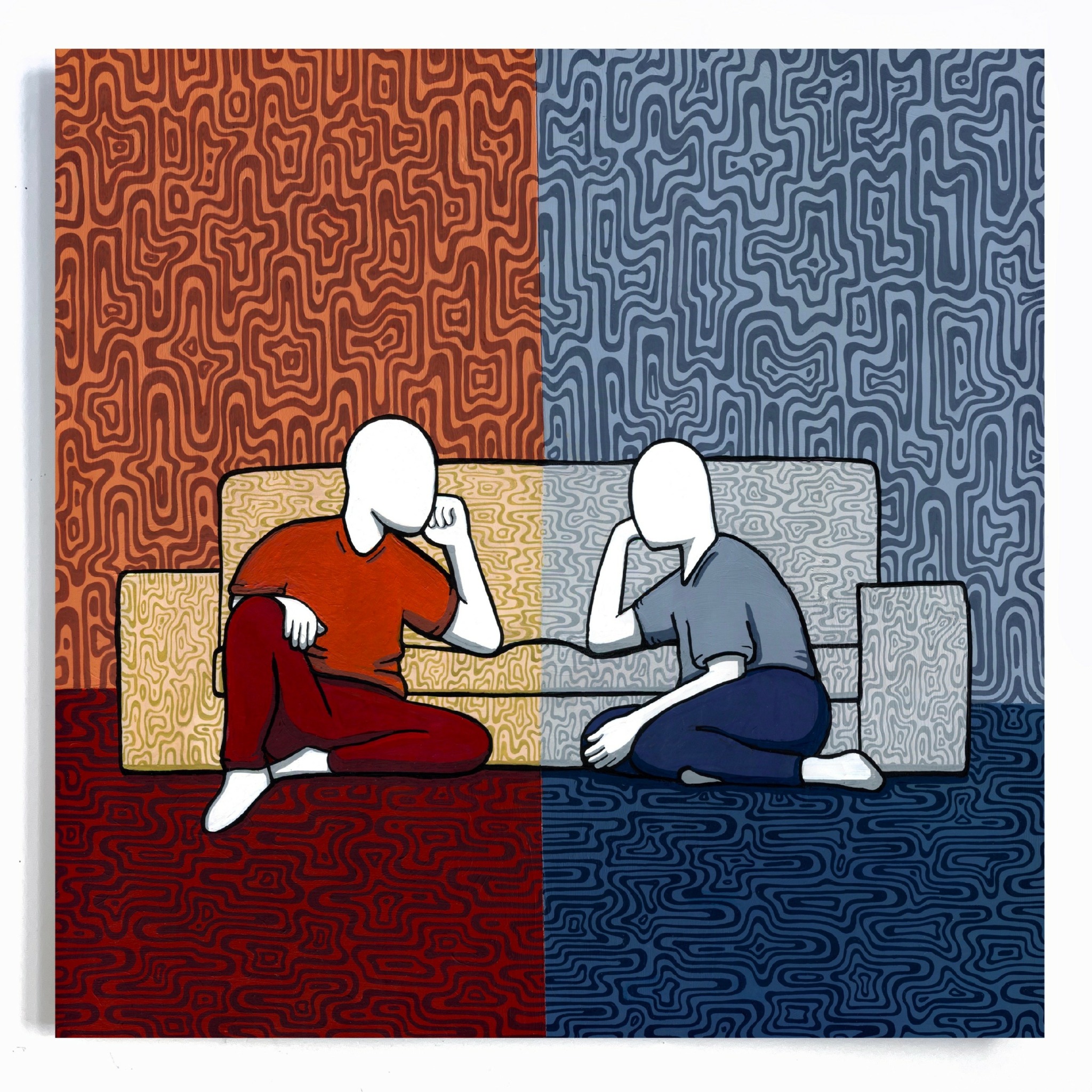
My work aims to explore and communicate complex emotions using a minimalistic aesthetic that challenges traditional norms. In my “Blanxs” series, I leave out facial expressions, focusing instead on the power of body language, lines, and color to convey meaning. My goal is to create space for viewers to have their own introspective experience, connecting with the work in a way that feels personal to them. One of the things that sets my work apart is my choice of tools—I use paint markers instead of brushes, pushing the boundaries of my medium to create immersive pieces that extend beyond the canvas.
I’m most proud that my work has allowed me to collaborate with brands, paint murals, and exhibit in places I never thought possible—like Newark Airport’s Terminal A. But beyond these accomplishments, what matters most to me is creating art that resonates, that leaves an impression on those who see it. I want people to walk away feeling something—whether it’s introspection, connection, or simply the pull of color and line.
For those following my journey, I hope they see that my work is about more than what meets the eye—it’s about emotion, connection, and creating a space where others can see parts of themselves reflected within my world of colors and lines.
How about pivoting – can you share the story of a time you’ve had to pivot?
I actually hated the idea of painting growing up. I was all about drawing—whether it was with pencils, colored pencils, or sharpies. I tried painting once and found it messy and difficult, so I stubbornly refused to pick it up again. I stuck to drawing, convinced it was all I needed.
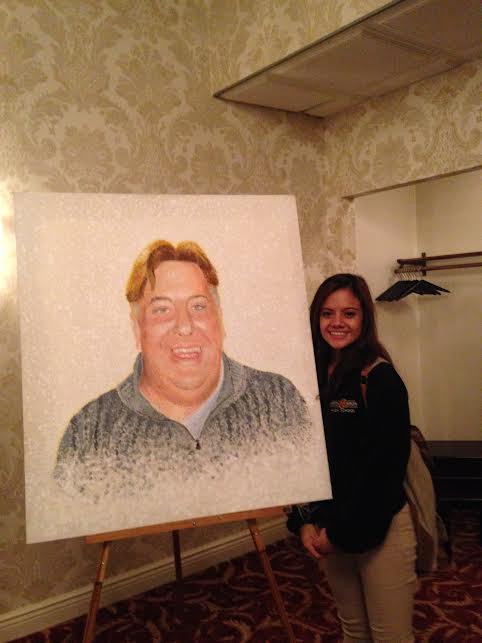
That mindset didn’t change until my senior year of high school when, by accident, I promised a painting for an important event, rather than a drawing. It happened after the unexpected passing of Mr. Rogers, my public speaking teacher and senior moderator, who suffered a heart attack early in the school year. He had such a profound impact on so many lives that you could feel the sadness hanging in the air the very next day. I remember walking into my first class and seeing my English teacher, who was seven months pregnant and a close friend of his, with puffy, red eyes. She was too heartbroken to teach and told us to just read the next chapter of our book. The entire room was filled with an overwhelming, heavy silence.
As the only artist in the class, I suddenly felt compelled to do something in Mr. Rogers’ honor. Without thinking, I raised my hand and volunteered to create a portrait of him—but in my excitement, I accidentally said a ‘painting’ instead of a drawing. Before I could correct myself, my teacher excitedly ran to tell the head of the English Department that a painting would be made. Seeing how happy and hopeful they were, I didn’t have the heart to take it back, so I stuck with it.
They rushed me to the art department to gather materials since the wake was only three days away. I had no experience with painting beyond one messy attempt, and only five colors to work with. But despite that, the piece I created became one of the best I had done at the time. The real moment of impact, though, came at the wake. Seeing the painting displayed in honor of Mr. Rogers, with people shedding happy tears, was a life-changing experience for me. It opened my eyes to the true power of art—how it can touch people, create connections, and offer comfort even in the hardest times.
From that moment, I promised myself to never close my mind to new experiences, especially in art. What started as a mistake became one of the most meaningful moments of my life, and it taught me the importance of being open to growth, even when it’s unexpected.
For you, what’s the most rewarding aspect of being a creative?
For me, the most rewarding aspect of being an artist is the connection I get to build with others through my work. Art has this incredible ability to convey emotions and experiences that words sometimes can’t express. When someone sees a piece of mine and feels a personal connection—whether it brings up a memory, sparks an emotion, or just resonates with them on some level—that’s what I find most fulfilling.
What really makes it special is when people see something of themselves in my art, or they walk away feeling moved in a way they didn’t expect. It’s like this unspoken dialogue between me, the viewer, and the piece itself. That connection, that moment where something I created can evoke a feeling or inspire someone, is what drives me. It’s a reminder of the impact art can have, and why I’m passionate about continuing to create.
Contact Info:
- Website: https://yigsymagaly.com
- Instagram: yigsymagaly
- Other: