



We caught up with the brilliant and insightful Yeonjoo Kim a few weeks ago and have shared our conversation below.
Hi Yeonjoo, thanks for joining us today. We’d love to hear the backstory behind a risk you’ve taken – whether big or small, walk us through what it was like and how it ultimately turned out.
As one of many international students who moved abroad, leaving behind my beloved family and hometown, I can confidently say that my biggest life changing risk began the moment I arrived to U.S. A few years ago, my younger sister attended high school in Maryland, but I had literally no idea about the costs of living in here, and I didn’t even understand how to apply for or organize my course schedule. Neither of my parents had any information about studying abroad, so I truly had to navigate everything on my own, feeling completely alone.
I still remember the moment I needed to submit my vaccination records before starting my freshman year. Lacking information on the necessary vaccinations, the locations to obtain them, and the submission process, I found myself at a loss. Fortunately, a senior from my high school, we weren’t that close to, actually, helped me to submit everything just in time to meet the deadline. Similarly, I was able to apply for my class schedule by asking a friend of a friend for help. Losing $340 in a single day from a taxi scam at the airport was one of the toughest experiences I faced here, too.
Despite these challenges, numerous joyful moments provided me with the strength to overcome sadness and continue my journey. Some of my happiest memories include having a picnic with my first year friends in Central Park, laughing as we drew each other, receiving an unexpected gift from someone, joking around with my professor, and getting an internship offer from a gallery I had really wanted to work with.
It wasn’t only the big events that helped me, but the little moments of happiness in everyday life allowed me to forget my sadness. Those positive experiences also gave me the strength to keep going, even when I found myself in silent tears, reminding me to stay focused on my goals and aspirations.
To be honest, I still get a bit jealous when I see families walking together on the streets, laughing and talking to each other. Whenever that happens, I try to think about something my mom once told me: “Everyone has their own role to play. You’ll do your stuff in New York, and I’ll do mine in Korea. All you have to do is be faithful to the role you’ve been given.” I’m really grateful that my parents support me being here, but I still feel a strong sense of responsibility for the opportunities that come my way.
Life inescapably includes challenges. While trials may arise, small but significant joys would help us get through them. If we remain dedicated to our roles, happiness will definitely come our way, for real!
As always, we appreciate you sharing your insights and we’ve got a few more questions for you, but before we get to all of that can you take a minute to introduce yourself and give our readers some of your back background and context?
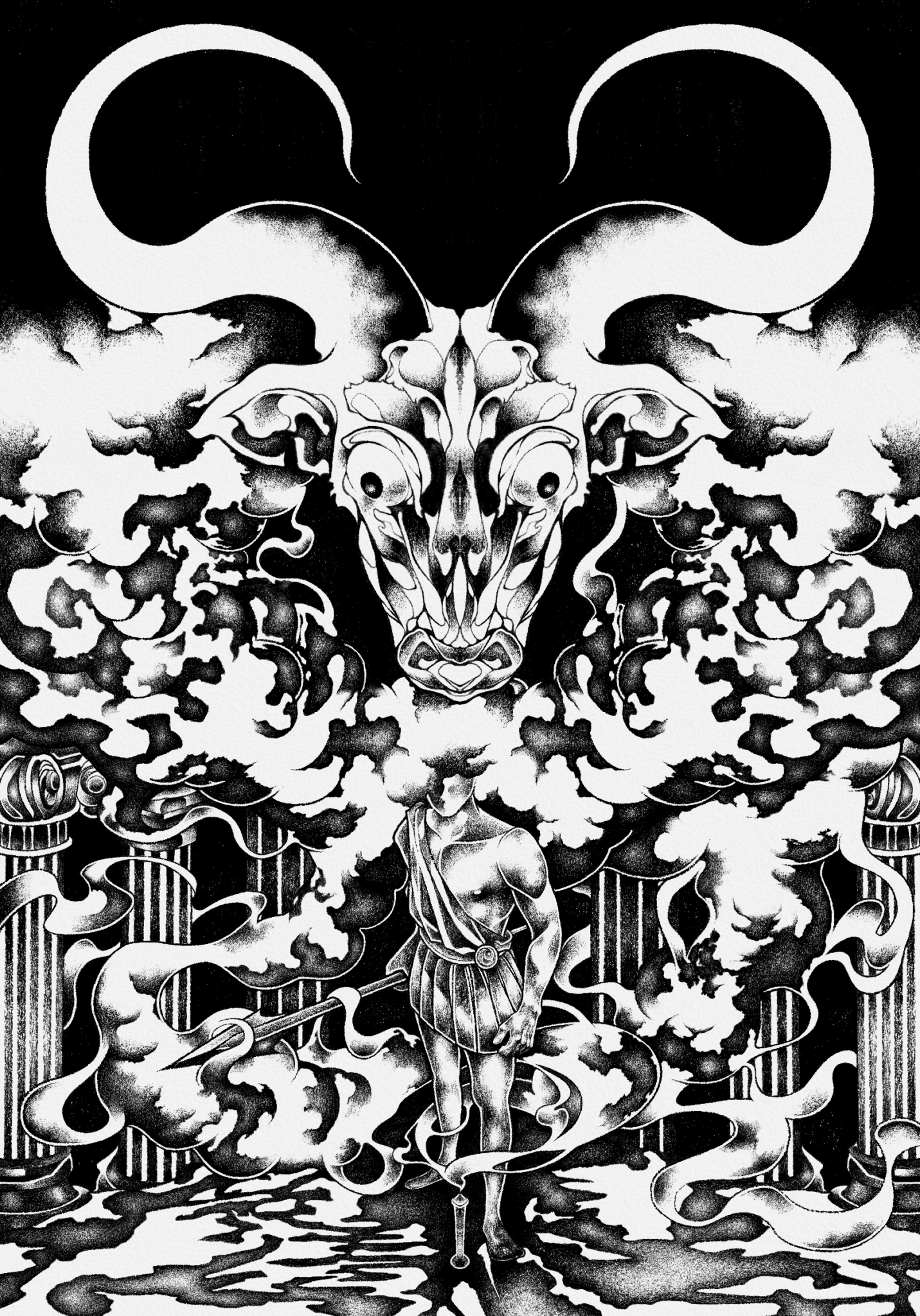
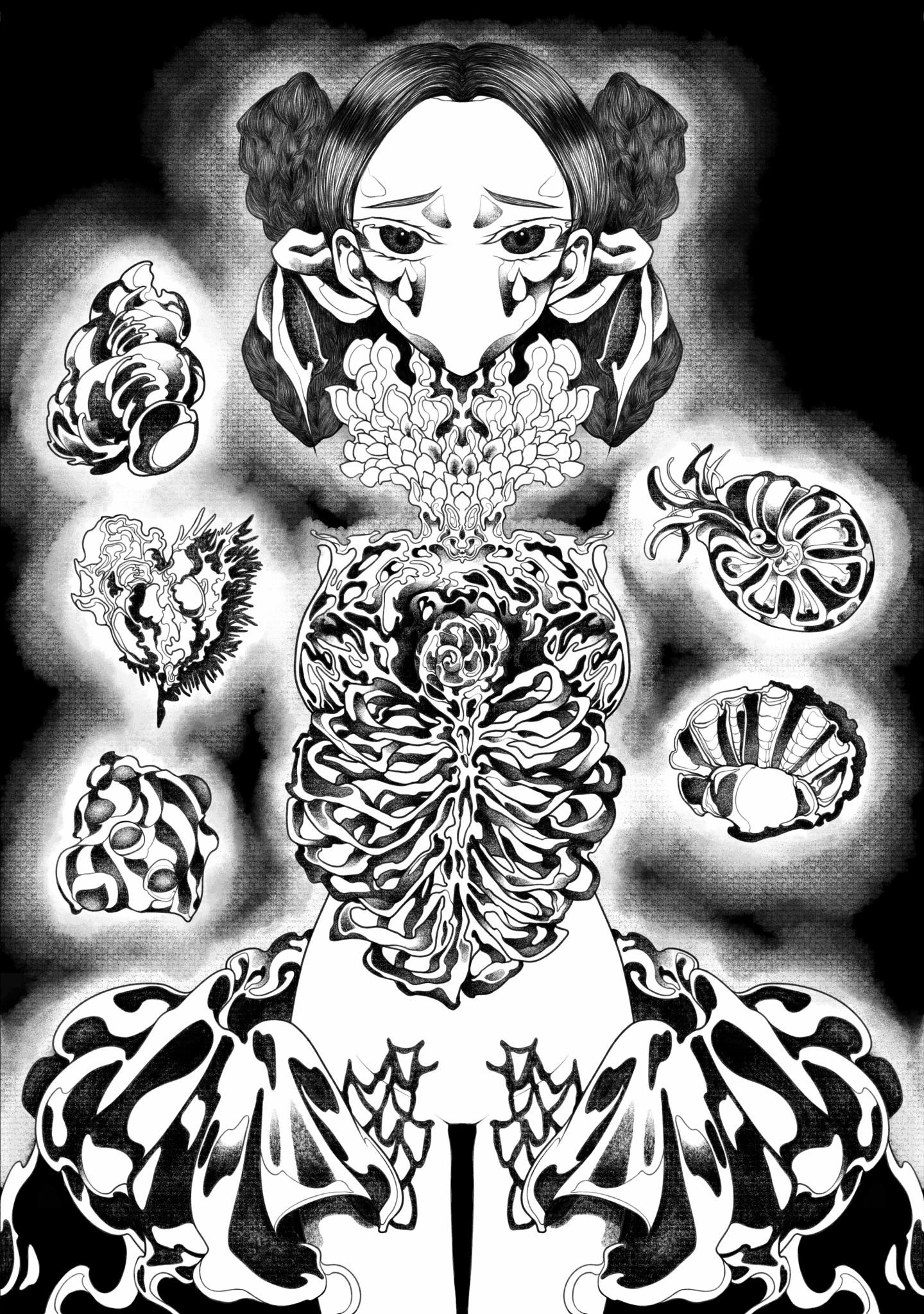
I’m Yeonjoo, a visual illustrator and designer based in New York and South Korea, attending the School of Visual Arts as an illustration junior. I’m also part of the Honors Program, which offers more in-depth humanities classes and facilitates diverse events and discussions. I believe that being Korean is a significant part of my identity, as I’ve spent my entire life in Korea before coming here for college. As an artist, my goal is to draw on my Korean background to create art that reflects traditional Korean culture, art, and history within the U.S.
Additionally, as a cradle Christian, I find great happiness in incorporating Christianity into my art. I’ve studied a variety of religions, including Buddhism and superstitions like Tarot cards using for my assignments at SVA. This exploration has provided me with valuable insights into different faiths, particularly Korean Buddhist art, which is considered as an essential aspect of Korea’s artistic heritage. As a result, I’ve discovered a deep passion for creating religious art, and I aim to direct my artistic focus towards blending elements of Korean culture with Christianity.
Currently, I’m working as a Gallery Exhibition Management Intern at Japan Society, which has been a dream opportunity for me. My interest in Japanese culture and art was sparked as soon as I saw the internship announcement, and I remember putting extra effort into my resume and cover letter. Since starting this summer, I’ve been primarily responsible for creating the exhibition guide. Actually, I was stumped when first being assigned this project because I’m not a design major and was the only design-illustration intern on my team. However, it turned out to be an enjoyable challenge, prompting me to conduct extensive research and study.
Moreover, I’m grateful for the opportunity to learn from my amazing supervisors and fellow interns. I really hope to gain further experience in the future, which will be beneficial in solidifying my career here.
We often hear about learning lessons – but just as important is unlearning lessons. Have you ever had to unlearn a lesson?
I had to unlearn my old belief that perfection creates better work.
Since I was young, I have obsessed with teeny-tiny details in my works and often found myself dissatisfied until just before the deadline. However, when I started college, my professors and fellow classmates repeatedly emphasized that “completion is more important than achieving perfection.” This advice allowed me to realize that I was missing a significant level of completeness by dwelling on the finer details.
Details are surely important, but for an illustrator who relies on finished work, perfectionism can be detrimental. I’m working to let go of that old belief and learning the significance of completing my projects. The shift in mindset is leading both myself and my works to become more free and expressive.
Are there any books, videos, essays or other resources that have significantly impacted your management and entrepreneurial thinking and philosophy?
I’d like to introduce a book called “The Magic Mountain” by Thomas Mann, which has currently had a significant influence on my life. In the class titled “One Book at a Time” at the School of Visual Arts, all students have spent the whole semester exploring this book, allowing us to engage with it on a deeper level and discover a lot of fascinating aspects. Hans Castorp, the main character, plans to leave the sanatorium in the beginning, but ultimately becomes deeply involved in it through falling in love, gaining philosophical insights, receiving life advice from various individuals, and confronting the reality of death among the sick. Additionally, Mann embodies different cultural elements, including Christianity and Roman mythology, which have greatly increased my interests in this book. I found Hans’s character slightly connected to those of us who are struggling in modern society, which had a profound impact on me, even though I had only read the book for three months. Plus, my classmates engage in passionate discussions about it every week, so I highly recommend it!
Contact Info:
- Website: https://yeonjookimportfolio.myportfolio.com/work
- Instagram: https://www.instagram.com/yeonjookim_art/
- Linkedin: https://www.linkedin.com/in/yeonjoo-kim610/

Image Credits
Lorna Li – playground and forest images