

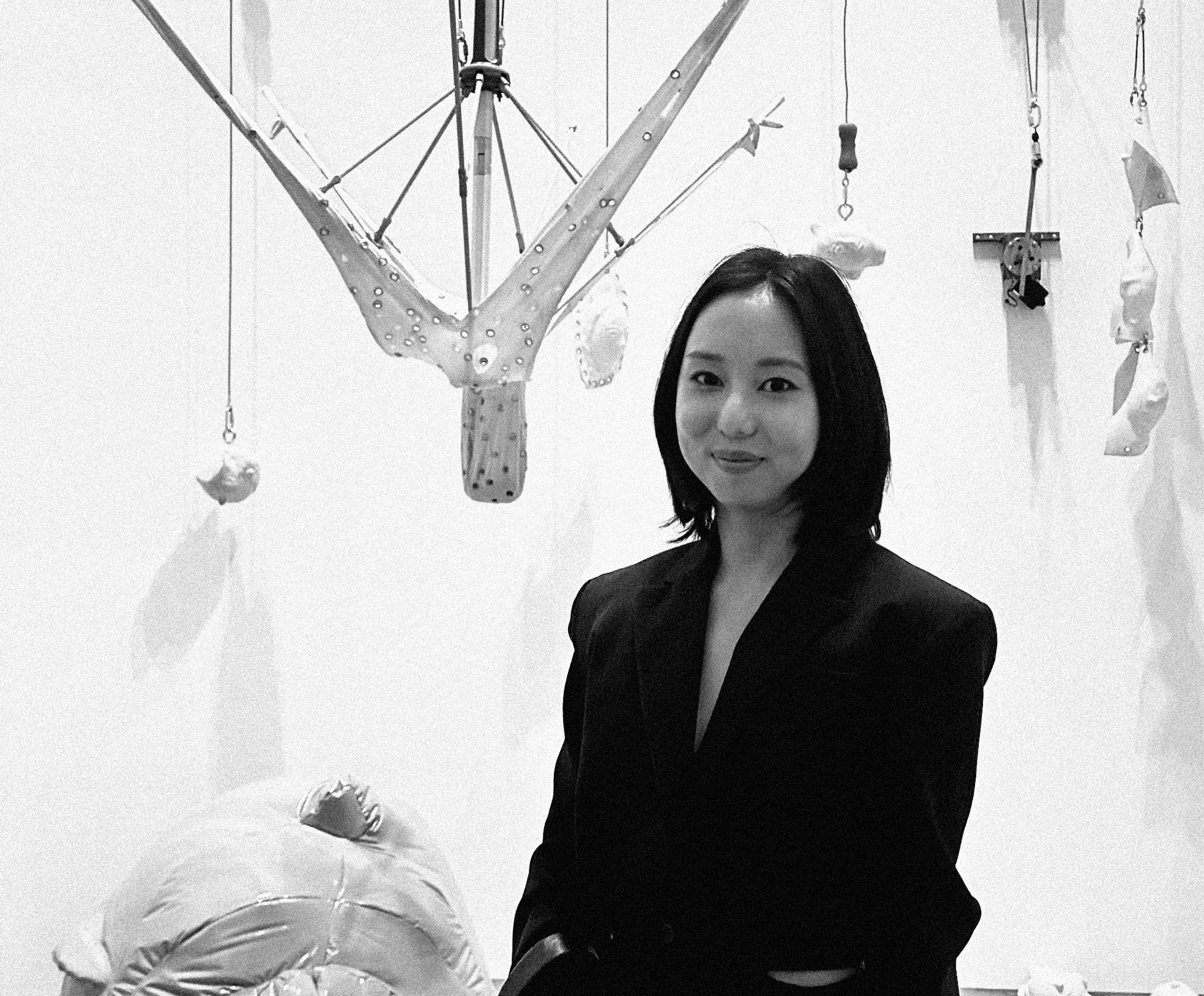

We’re excited to introduce you to the always interesting and insightful Yeejae Kim. We hope you’ll enjoy our conversation with YeeJae below.
Hi YeeJae , thanks for joining us today. We’d love to hear about a project that you’ve worked on that’s meant a lot to you.
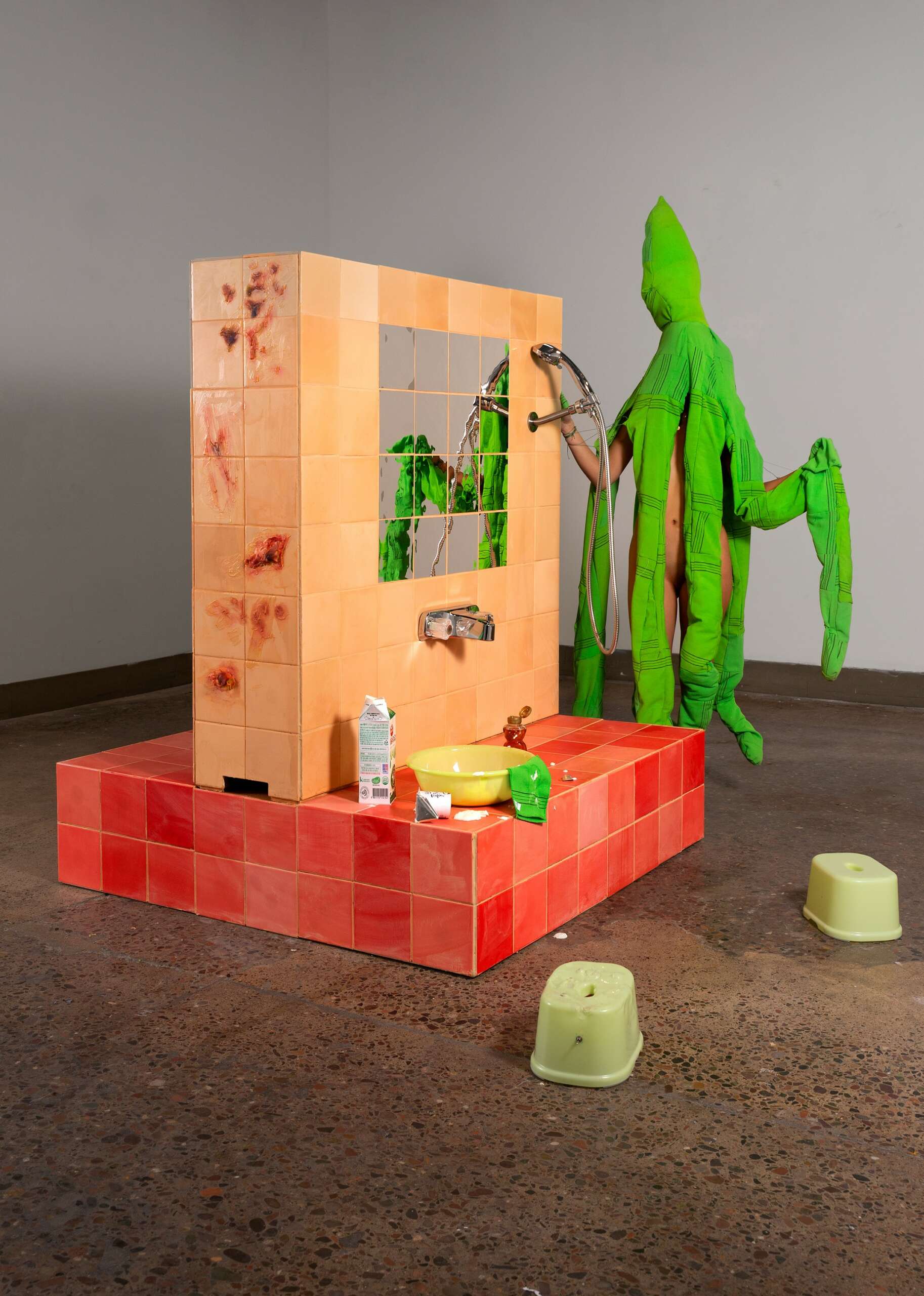
One of the most meaningful projects I’ve worked on is Mogyoktang (목욕탕), a performance piece that became the foundation for my later works, including the Happy series. Mogyoktang, meaning “bathhouse” in Korean, explores my childhood experiences with colorism and the attempts to whiten and erase my body.
Growing up in Korea, I vividly remember my grandmother applying body masks made of milk, yogurt, honey, and egg, scrubbing my skin raw with a loofah in a small-town bathhouse in Busan. Adults at the bathhouse would comment that I needed constant exfoliation to make my skin “lighter” and “cleaner.” Over time, I internalized and perpetuated this treatment of my body.
In this project, I became a monstrous loofah—the very tool of my injury—as a way to reclaim power and confront my trauma. I constructed a ceramic-tiled shower booth to represent my body as the victim of violence. The tiles, varying in tone, symbolize my skin, while the angry red tiles at the base embody the rawness of abraded flesh. Through the performance, I used loofah-covered hands to remove scabs and squeeze green ooze from the tiles, metaphorically and literally purging the colorism ingrained in my identity.
Mogyoktang allowed me to confront societal pressures and reflect deeply on my identity as a Korean woman, victim, and enabler of these harmful standards. It was a transformative project, both personally and artistically, shaping how I address complex issues in my work.
Awesome – so before we get into the rest of our questions, can you briefly introduce yourself to our readers.
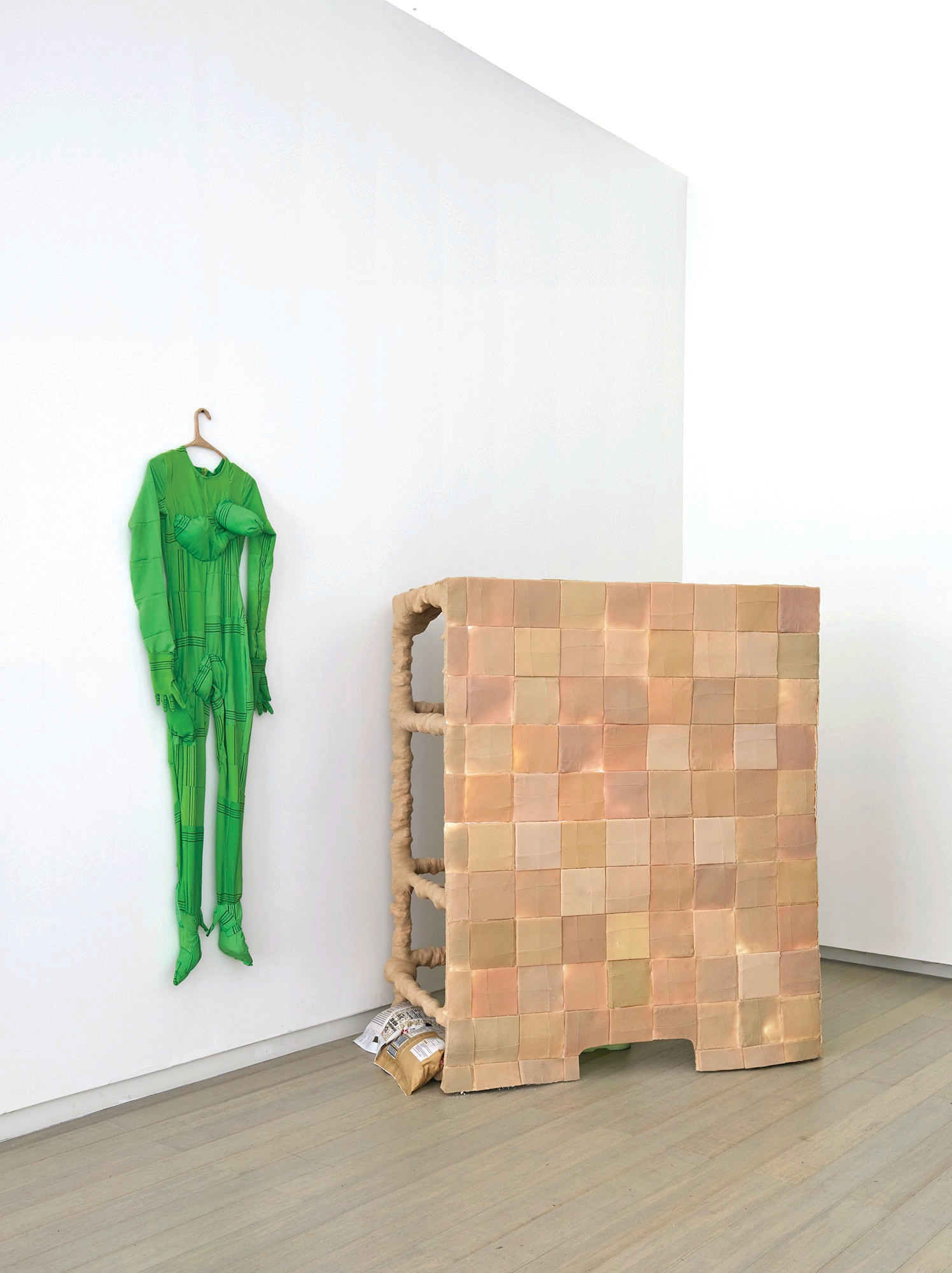
I’m YeeJae Kim, an interdisciplinary artist working in sculpture, performance, video, and installation. My work explores societal pressures, beauty standards, and identity, often inspired by personal experiences growing up in South Korea and living in the United States. These contrasting cultural landscapes have deeply shaped my practice.
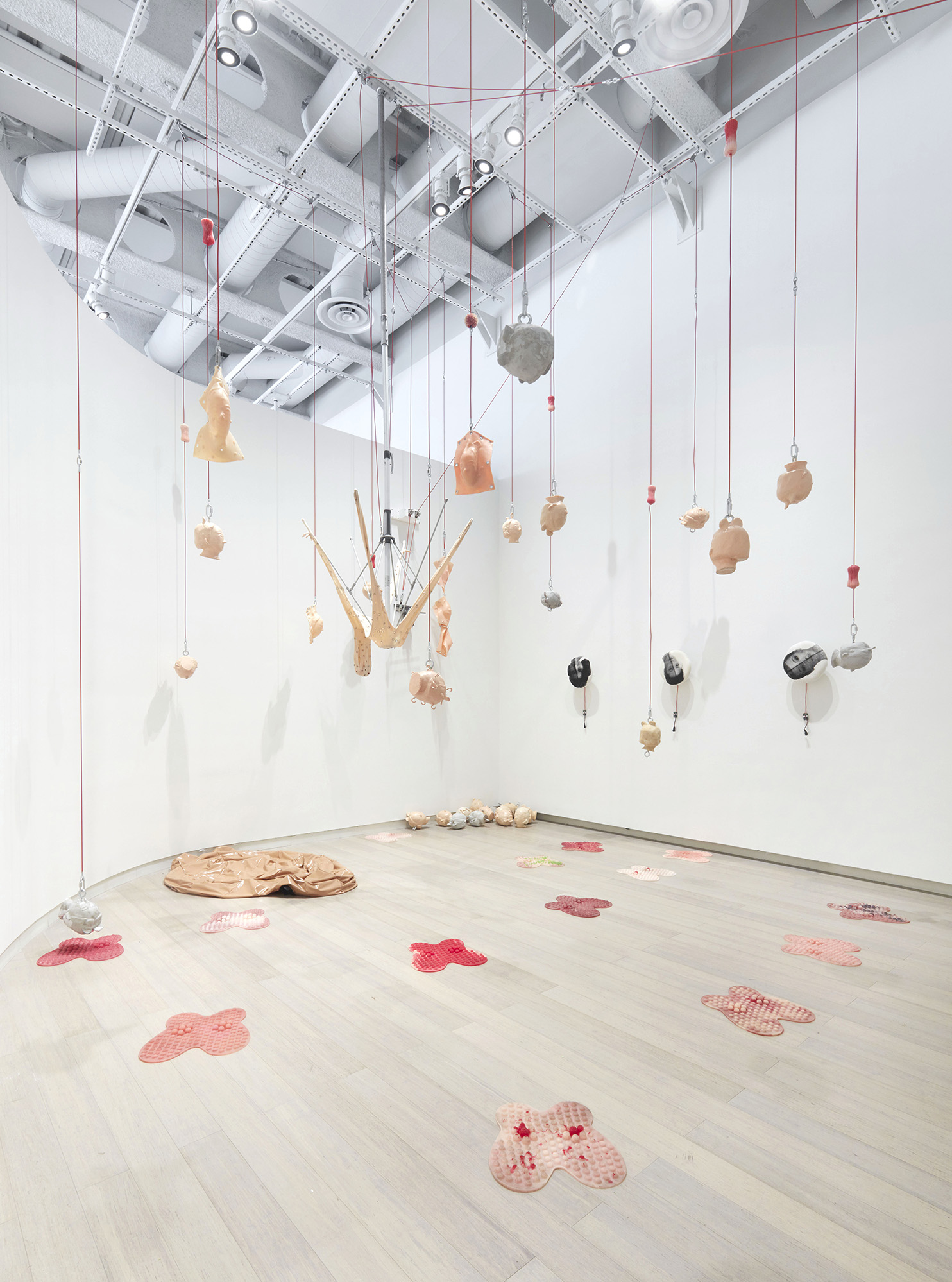
I began drawing and painting as a child but committed to art as a career during college, encouraged by mentors who helped me see its power to challenge norms and tell personal stories. My projects often explore the tension between care and violence, especially in beauty and wellness rituals, using these as metaphors to critique colorism and generational pressures. Recently, I’ve focused on creating kinetic sculptures and interactive installations that invite viewers to reflect on these issues.
What sets my work apart is my willingness to embrace vulnerability. By drawing on my own struggles and discomforts, I create art that resonates on a universal level. I’m particularly proud of projects like Mogyoktang and my Happy series, which transform personal pain into commentary on global issues like colorism and unattainable beauty ideals.
To followers and collaborators, I want to emphasize that my art is less about providing answers and more about creating space for reflection and dialogue. I aim to push boundaries in concept and form, striving to make my work both meaningful and impactful.
For you, what’s the most rewarding aspect of being a creative?
For me, the most rewarding part of being an artist is the freedom and flexibility it offers. Ironically, this came from a negative experience during college. I was surrounded by people studying economics, science, and other fields that promised a clear “future” after graduation. One person told me, “Anyone can do art. It’s easy and powerless. You won’t have a future doing it.” I remember feeling devastated, crying all the way home, and wondering how someone who didn’t even know me could make me feel so small.
But eventually, I flipped that perspective. I realized that I didn’t want a 9-5 office job, where I had little control and had to follow orders from higher-ups. The uncertainty of being an artist can be tough, but it’s also liberating. I’m grateful I can come to my studio—my sanctuary—and create work that challenges and excites me. Looking back, I almost want to thank that person because their words helped me discover what truly matters to me.
What do you think is the goal or mission that drives your creative journey?
My creative journey is driven by a desire to critically examine the systems and structures we’ve built, particularly those that shape our identities, hierarchies, and sense of worth. From a young age, I became acutely aware of how societal expectations and beauty standards enforce rigid molds that we feel pressured to fit into. However, it’s not only about beauty—it’s about the larger system at play. The constant competition to be “the fittest” within these systems perpetuates a cycle of comparison, self-doubt, and hierarchy.
Through my work, I aim to expose the absurdity of these systems and the ways in which they shape our perceptions of ourselves and others. I’m interested in how societal constructs influence our value, creating a space where individuals are pitted against one another, constantly striving for validation or success defined by external measures. My work seeks to break down these barriers, encouraging viewers to question and challenge the systems that govern their lives.
Ultimately, my mission is to create art that prompts reflection on the complexities of identity, power, and competition within these systems, while offering a chance for empowerment and self-awareness beyond those external forces.
Contact Info:
- Website: https://www.yeejaekim.com
- Instagram: @mynameisnot_yee
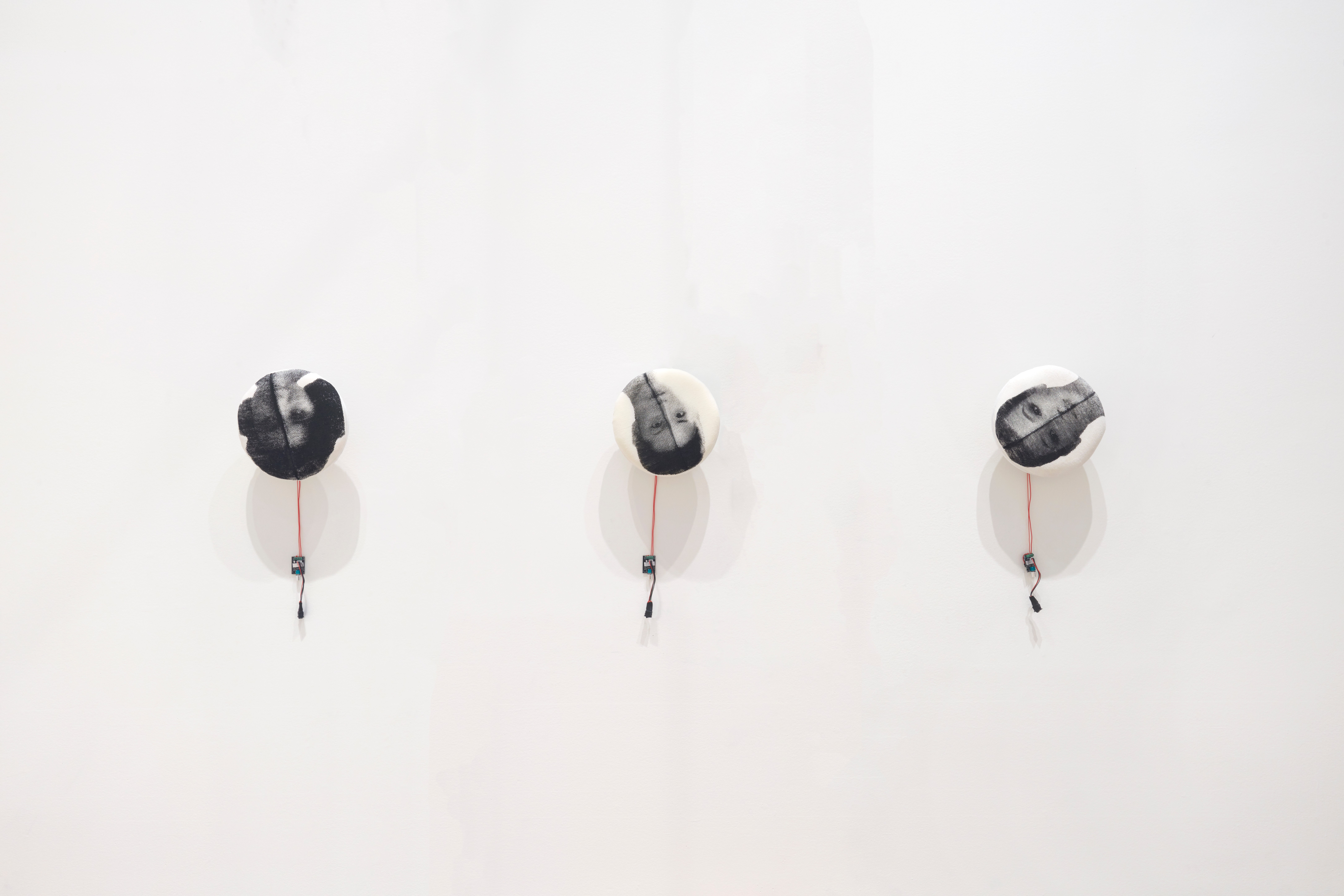
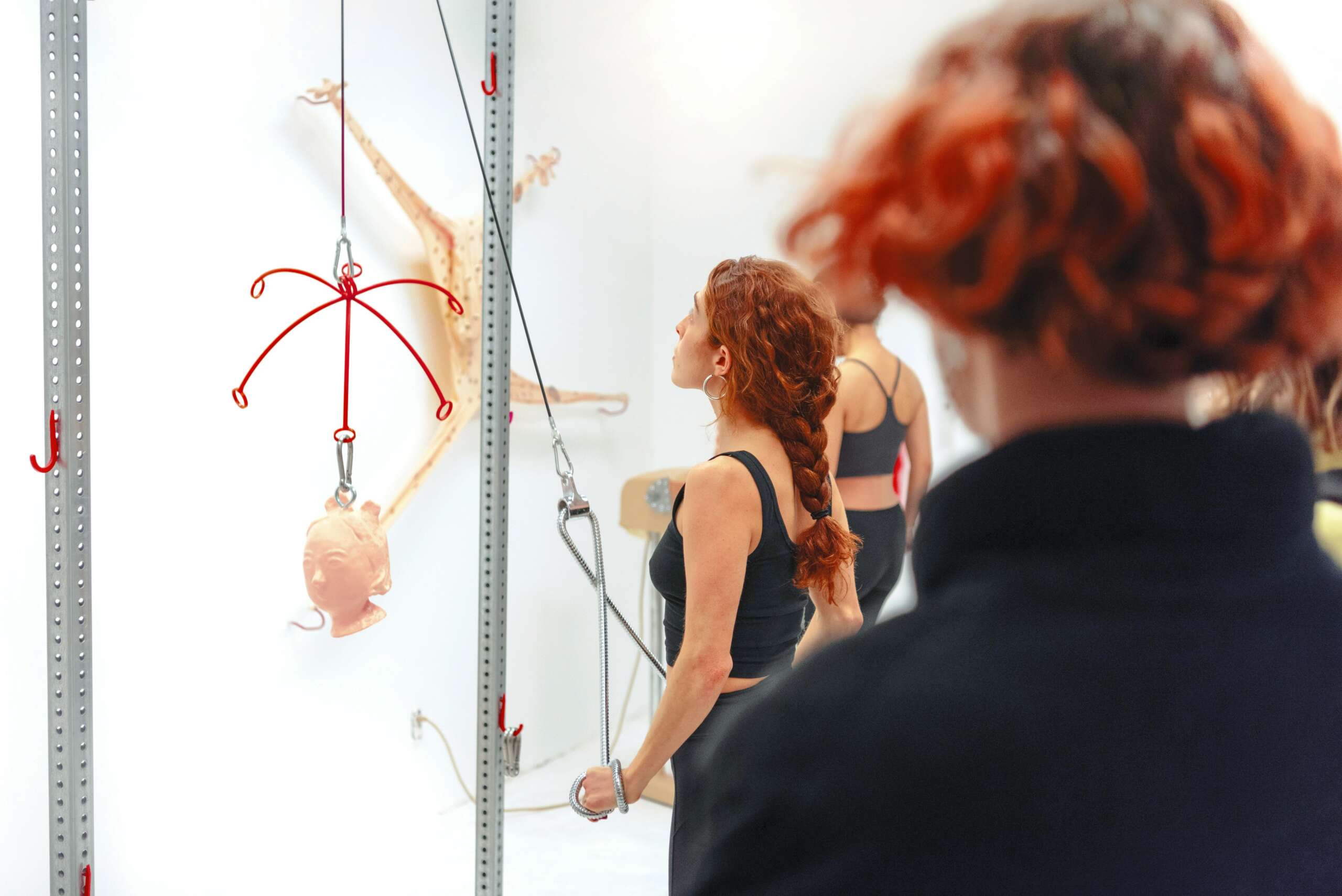
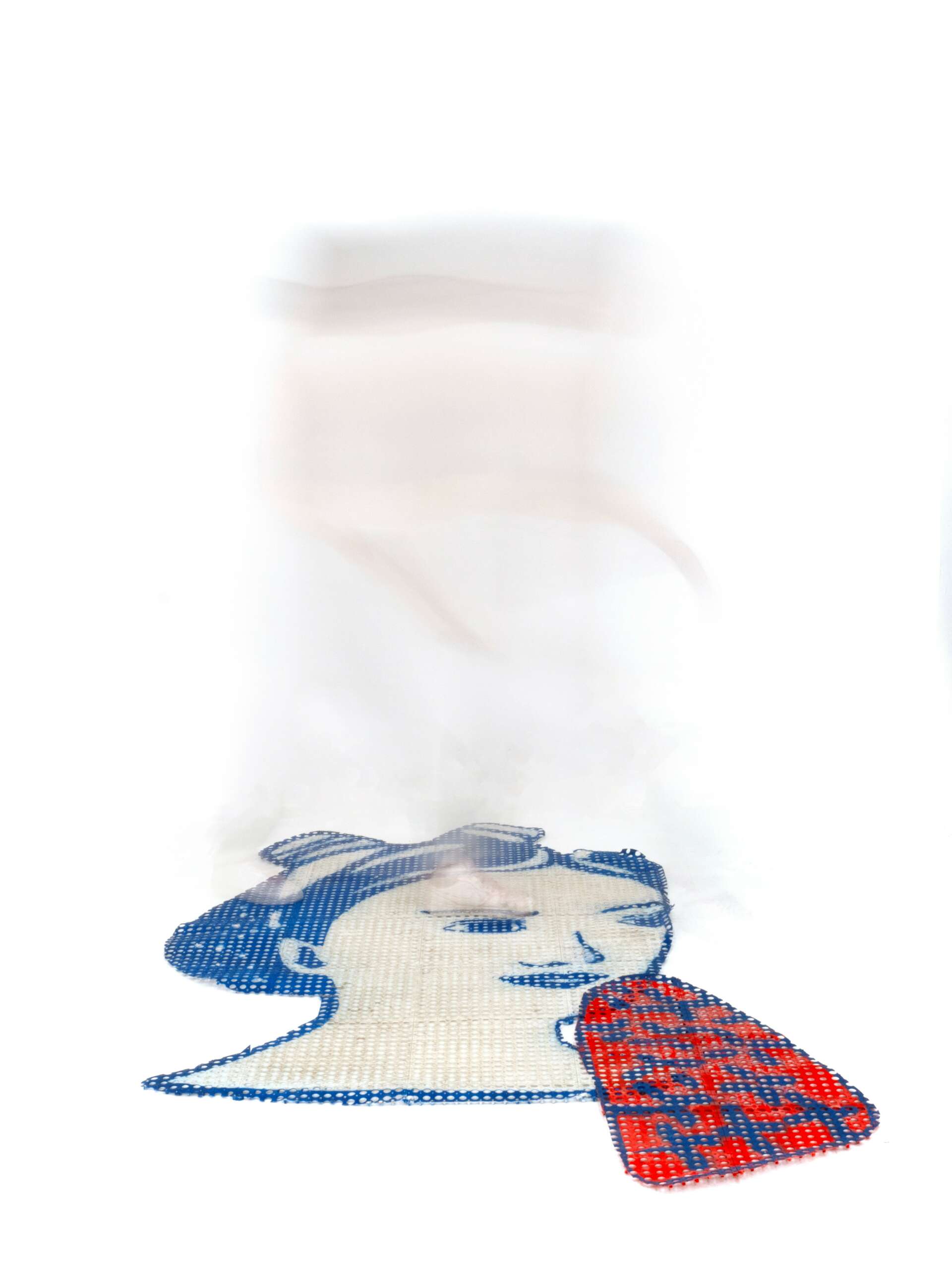
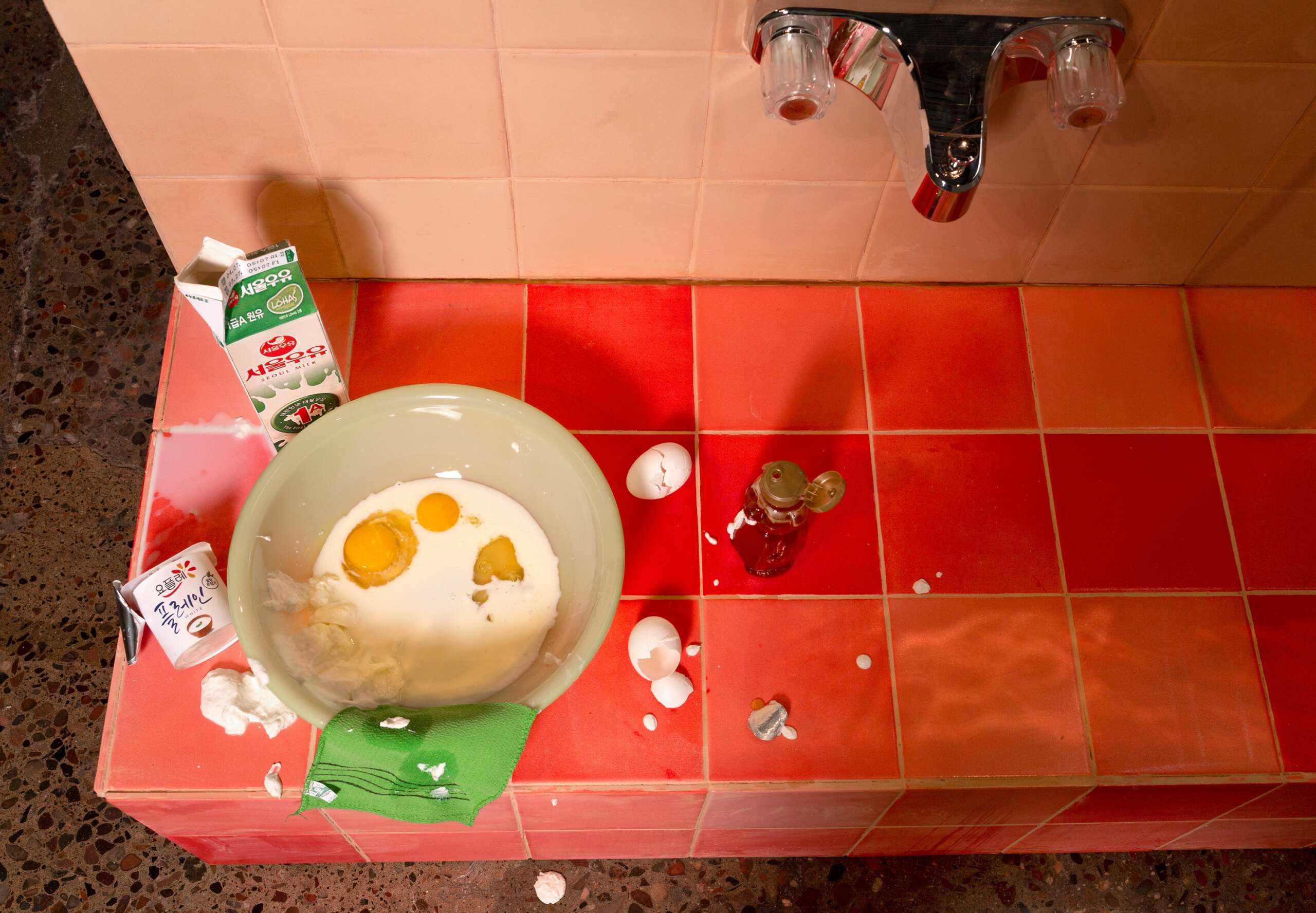
Image Credits
emma sobel, Alan Weiner, and Joel Jares