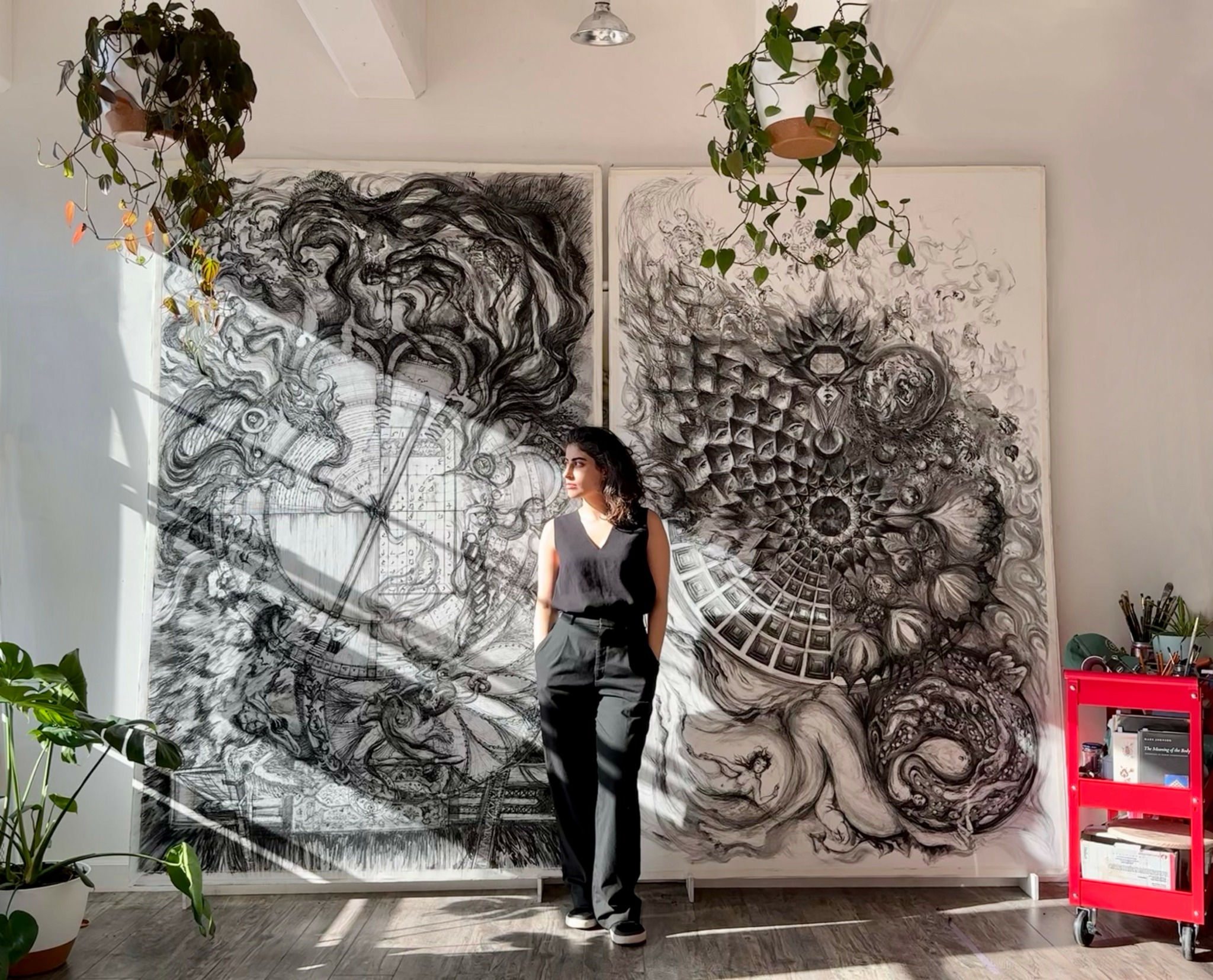

We caught up with the brilliant and insightful Yassi Deylami a few weeks ago and have shared our conversation below.
Yassi , appreciate you joining us today. When did you first know you wanted to pursue a creative/artistic path professionally?
Art always held a quiet, powerful place in my life. It was the one class where I stood out effortlessly, where praise came even when I hadn’t tried to impress. Something about it felt instinctive, different, like a part of me I didn’t have to explain.
But growing up in Iran, and later moving to Sydney, pursuing art professionally never felt like a real option. In the immigrant experience, stability carries immense weight. Your success — or failure — isn’t just your own; it echoes through your entire family. So I chose architecture: the closest thing to engineering that still allowed space for creativity.
I built a solid career in that world, but no matter how many firms, project types, or clients I worked with, something always felt missing. I loved parts of it, but it never fulfilled me.
Then came the pandemic. I was at the height of my architecture career, working independently at a boutique residential firm in Sydney. In the midst of global uncertainty, I unexpectedly lost someone very dear to me back in Iran. That loss shook something loose in me. Like many, I began questioning everything — not just what success looked like, but why I was chasing it.
I realized that true success, especially as an immigrant, isn’t just about financial security. It’s about honoring the legacy of those who sacrificed everything so you could have choices. That was my turning point. I began shifting — fewer workdays, more studio time — until eventually, I moved to New York to study art full-time.
That was three years ago. Since then, I’ve begun to find my voice — and more importantly, my place in the world. I now create with the hope of reaching others through a language that doesn’t need to be spoken — one that comes straight from the heart.
Yassi , before we move on to more of these sorts of questions, can you take some time to bring our readers up to speed on you and what you do?
I’ve always carried art alongside me quietly, persistently, even as I pursued other paths. I began practicing art professionally after graduating from the New York Academy of Art in 2024, but in truth, my creative journey started much earlier. Art was always my constant companion, the space where I could express what words couldn’t.
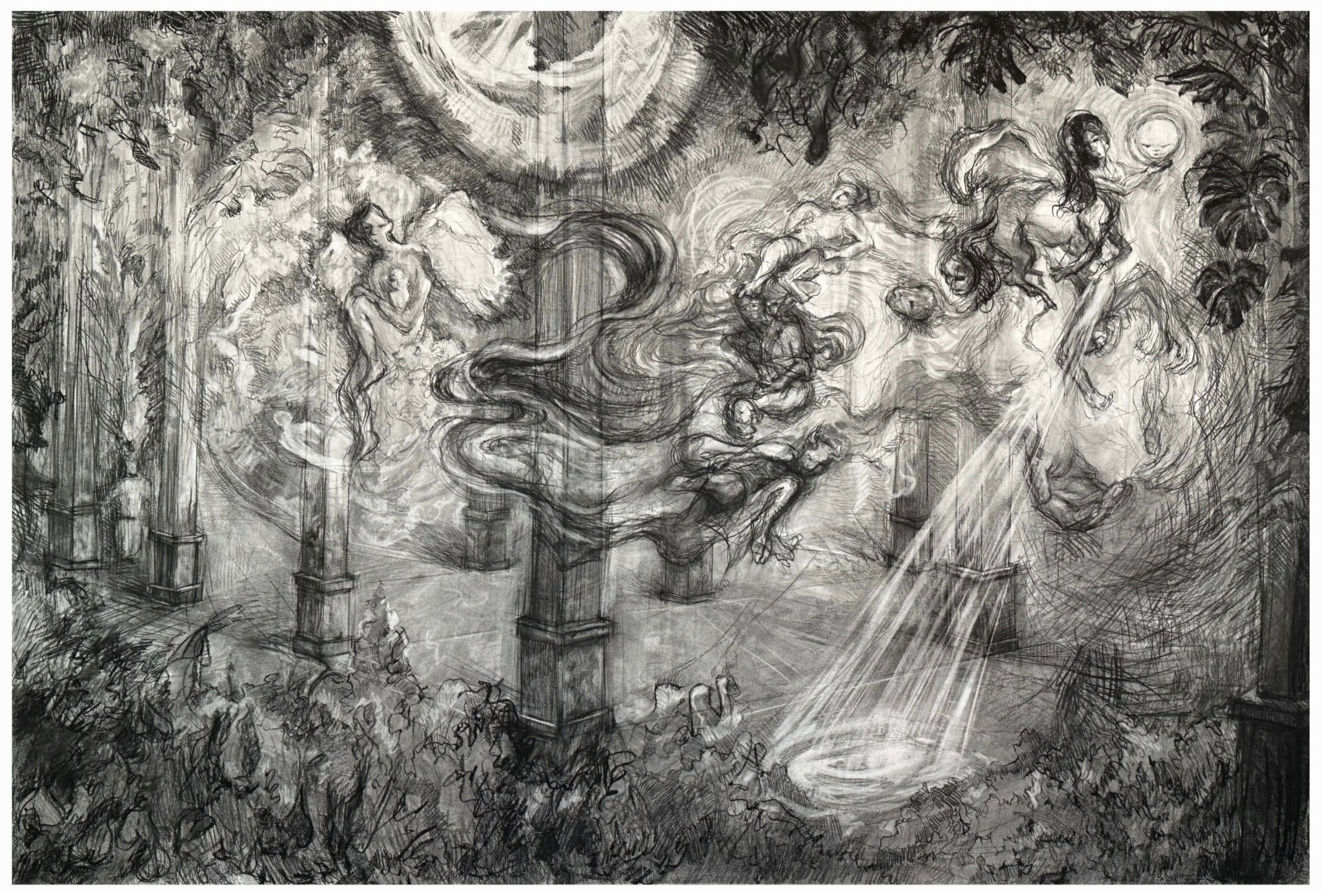
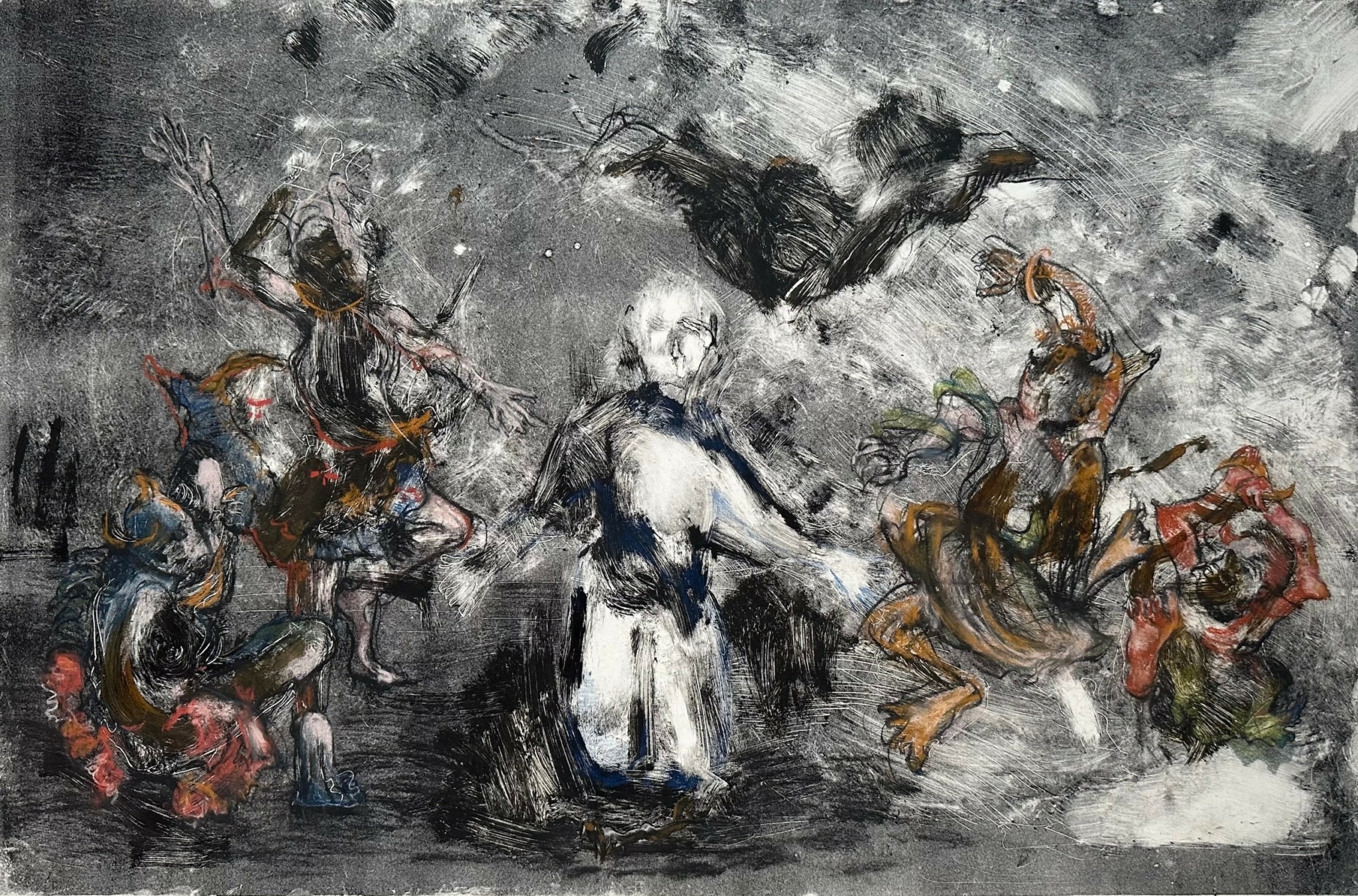
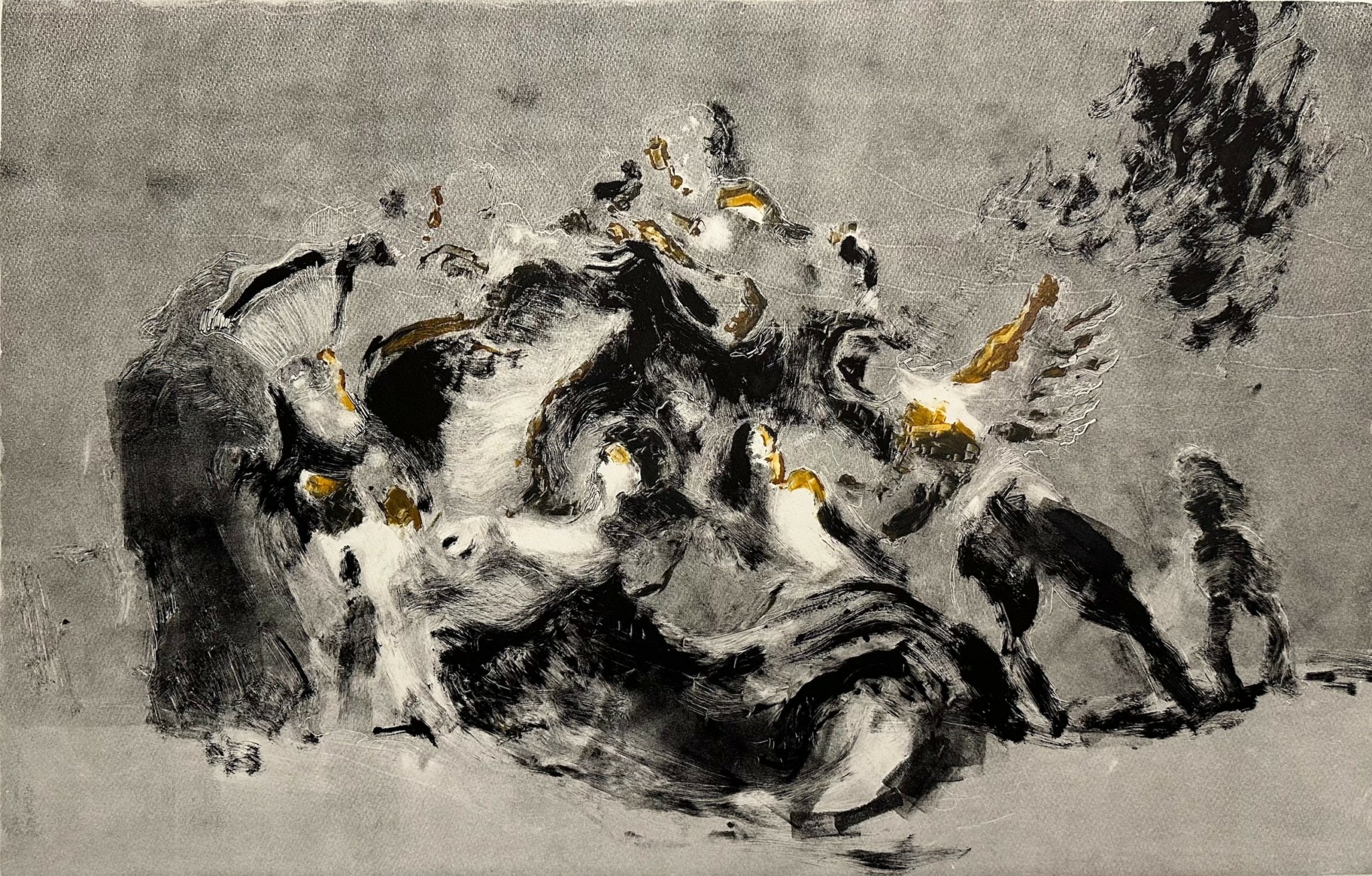
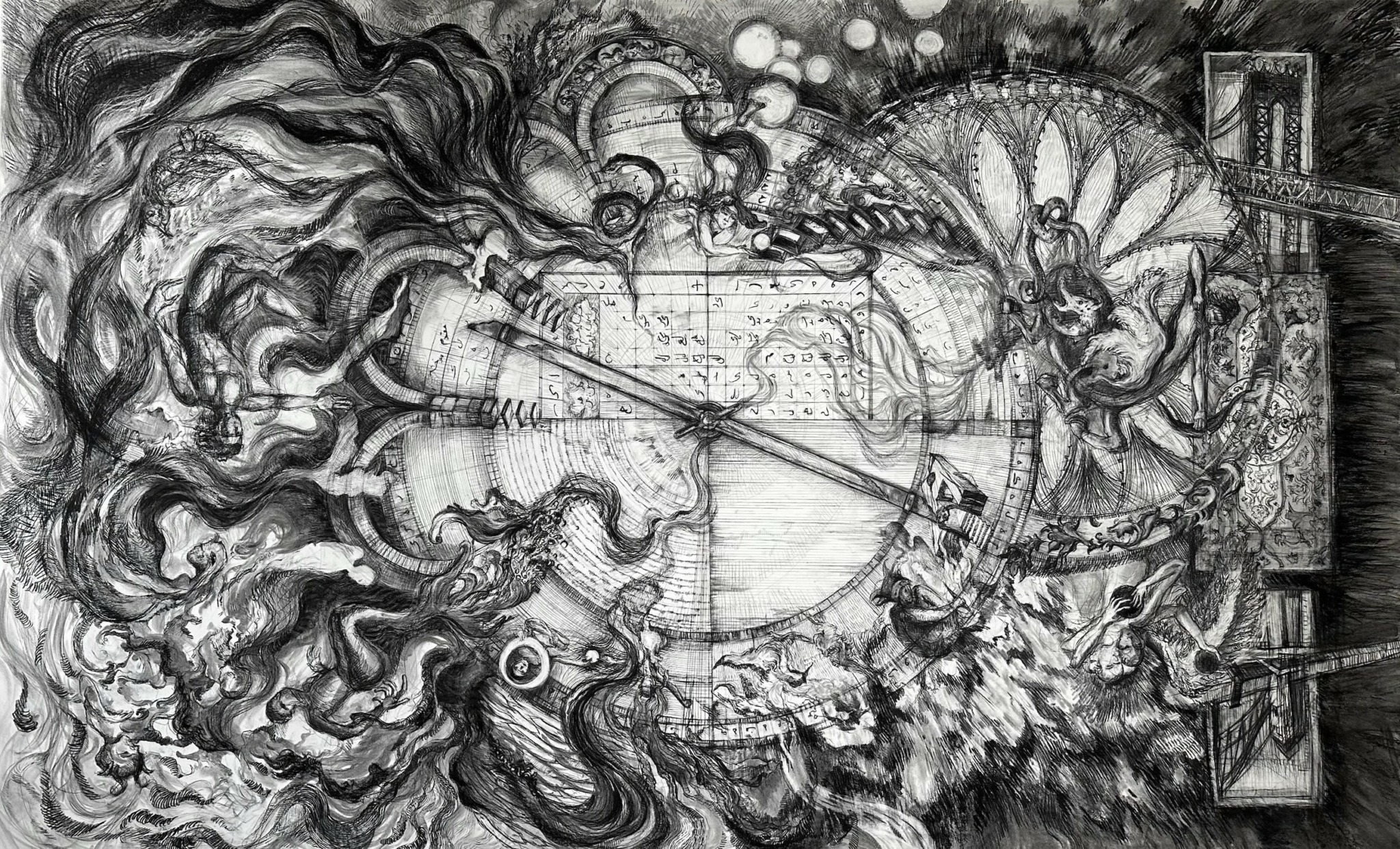
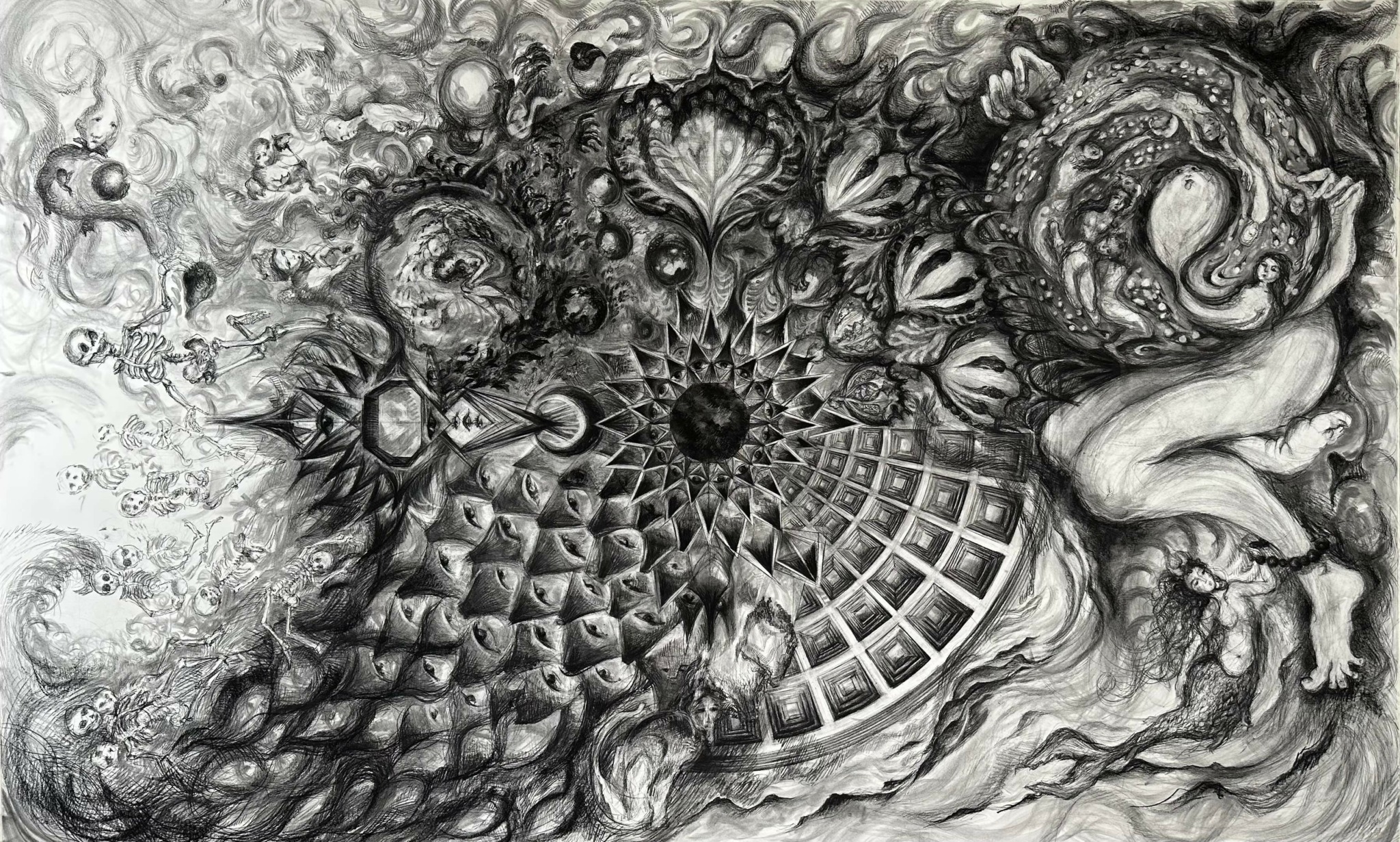
My work stems from two seemingly opposing forces. On one side, there’s the logic and structure I developed through my background in architecture, a discipline that taught me to see balance, symmetry, and precision. This comes through in my black-and-white, high-contrast works: pieces that are emotionally raw, stripped down, and rooted in inner truth.
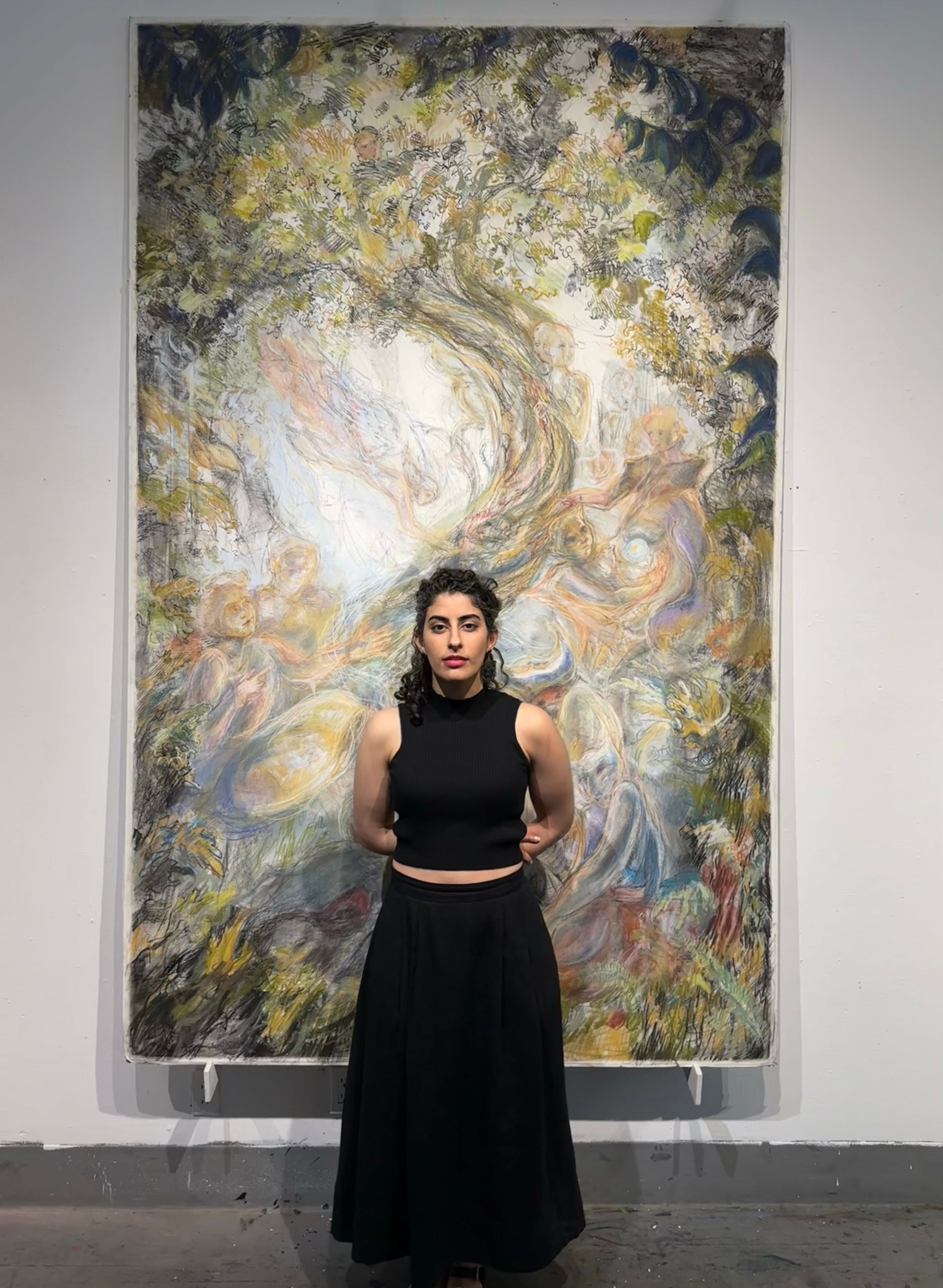
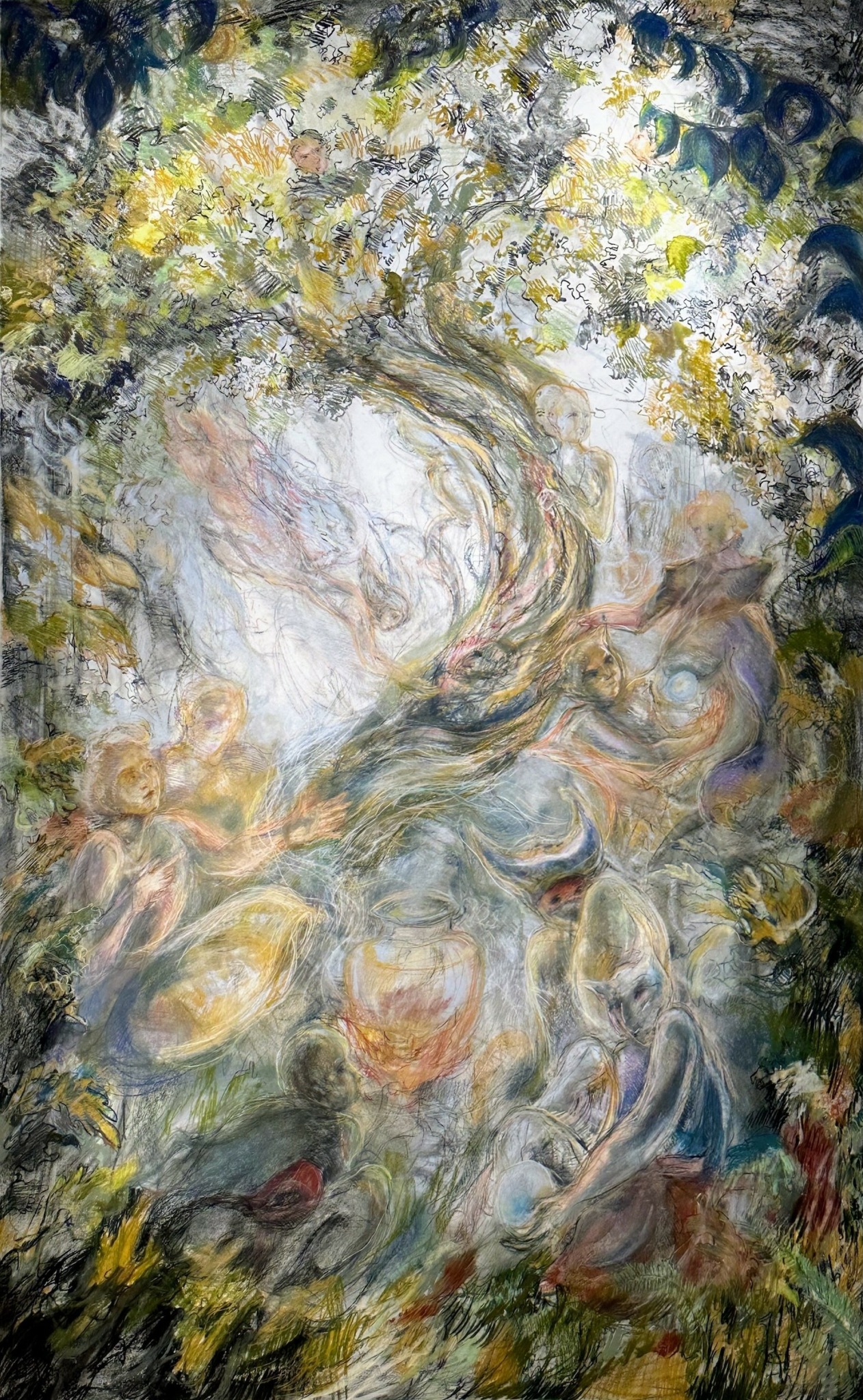
On the other end, I create colorful, dreamlike worlds full of hidden figures and masked creatures. These works feel softer, more ethereal. They invite slow looking — a kind of gentle wandering. The masks, for me, are a way of stepping outside societal expectations and embodying something truer, more instinctive. They give me permission to play, to feel, and to explore without judgment.
At the heart of my practice is a belief in the emotional power of art. I want my pieces to be something you stand in front of and feel — not just see. Something that changes with every viewing. That allows you to go at your own pace, to find hidden symbols that speak directly to whatever you’re holding in that moment. I believe good art leaves space for the viewer’s own story to enter the work.
One of the projects I’m most proud of was a recent commission for a family of six, created in memory of their grandmother who had recently passed away. They came to me for the softness and dreamlike quality in my work — something that offered comfort, especially to the mother of the family, who found solace in the piece during her grieving process. That experience reminded me of the deep emotional purpose art can serve. Sometimes, it’s not about solving a problem directly — it’s about offering a space for feeling, reflection, and healing.
I also believe that powerful art reflects the problem-solving process of the artist in a way that the viewer can intuitively tune into — and in doing so, perhaps find their own path forward. That’s the level of connection I strive for. I want my work to be a kind of emotional mirror — personal, symbolic, and open-ended — offering people a place to pause and reconnect with themselves, even if just for a moment.
Is there something you think non-creatives will struggle to understand about your journey as a creative? Maybe you can provide some insight – you never know who might benefit from the enlightenment.
One of the most challenging parts of being an artist is navigating how others perceive your identity, especially outside creative circles. There’s a common assumption that art is a hobby, something you eventually grow out of or do “on the side” of a more practical life. The question that often follows when I say “I’m an artist” is, “And what do you do after that?” As if the work itself isn’t enough.
New York has been pivotal for me in shifting that narrative. It’s the only place I’ve lived where saying “I’m an artist” is met with genuine curiosity — “Tell me more about your work.” That shift in language and mindset makes a huge difference. It acknowledges that this path isn’t secondary, it’s serious, layered, and often incredibly demanding.
Stepping away from the structured 9-to-5 world, I can say with confidence that being an artist requires a level of discipline that isn’t often talked about. You’re not just making work, you’re creating your own schedule, holding yourself accountable, working in isolation, switching between creator, critic, and salesperson, all while offering something deeply personal to the public. You’re essentially opening up your internal world — like a diary — and inviting people to engage with it.
Being in New York helps. There are still traces of a community here that values art beyond its commercial worth. People still believe in the emotional and cultural significance of creative work. But even here, the journey can be isolating. It takes resilience to keep going, especially when your work isn’t always understood or measurable in the ways society usually values success.
What I wish more non-creatives could understand is that this path isn’t a detour from real life — it is real life. It’s a way of moving through the world with curiosity, sensitivity, and a desire to connect more deeply. And in its own way, that’s a form of work with incredible responsibility and impact.
Is there mission driving your creative journey?
At the heart of my creative journey is a belief in the higher power of art to open up neutral ground for honest conversations.
We live in a time where being different has become a marker of value, a sign of uniqueness, strength, or superiority. But in the pursuit of standing apart, we’ve lost something vital: our ability to truly connect. We cancel anyone who doesn’t fit neatly into our ideals, and in doing so, we spiral further into isolation and loneliness.
In a world of constant change, where identity is often defined through ‘otherness,’ how do we rediscover a sense of unity without erasing our individuality? How do we rebuild community without compromising authenticity?
At its core, my work challenges the illusion that life is black and white. Internally, we hold complexity — we live in the grey. But externally, we’re taught to label others as wrong in order to feel right. That dissonance creates a deep emotional divide.
My sacred spaces are a response to this tension, a search for connection, for belonging. These mythological landscapes strip away surface-level logic to tap into something older, something deeper, the universal stories and emotional forces that have carried humanity across time and culture. By removing the markers of nationality, politics, or status, I try to reveal the shared threads of being human.
The worlds I create are continuous, inhabited by characters navigating their place within society, breaking free on one end, and rebuilding on another. The black-and-white pieces represent chaos, inner conflict, and investigation. The colorful, sacred worlds offer grounding, a soft place to land, a space to feel and to remember what connects us.
Ultimately, I hope my work invites people to pause, reflect, and maybe even feel a little less alone, to find themselves in something unfamiliar, and recognize a shared truth.
Contact Info:
- Website: https://yassideylami.com
- Instagram: @yassideylami
- Other: https://www.canva.com/design/DAGY7cFPuBQ/Ouj_fRQHAs_57_OWgkz4fg/view?utm_content=DAGY7cFPuBQ&utm_campaign=designshare&utm_medium=link2&utm_source=uniquelinks&utlId=hdebf7903b8