
We recently connected with Yasmine Tanres and have shared our conversation below.
Alright, Yasmine thanks for taking the time to share your stories and insights with us today. How did you learn to do what you do? Knowing what you know now, what could you have done to speed up your learning process? What skills do you think were most essential? What obstacles stood in the way of learning more?
I got into TV hosting and journalism by experience rather than any formal education. During my German and Modern Language studies at King’s College London I came across a media training scheme for young adults wishing to deliver news features for a couple of TV networks in the UK. I was able to get into the program once I completed my studies. There, in the first couple of months I learnt how to pitch newsworthy stories, film using a broadcasting camera, professionally edit videos, and interview a variety of personalities from celebrities to politicians and your everyday hero. It was the most fulfilling and eye opening experience, which obviously provided me with the skills to become a multimedia journalist, and what is now considered as useful for social media content creation. During and after the training I delivered several news features, and continued my journey from London to Los Angeles, where I was able to get into more entertainment and local news reporting. With the support of people in the industry and friends made along the way, I have luckily been continuously active in my field. Although, I sometimes do wonder where my path would have led me had I taken a journalism studies program. Perhaps this could have provided me with a greater sense of confidence, network and stability. As the freelancer that I am, I have always had to trust and rely on my own instincts, and observe other professionals in the field on how to best navigate my role in the industry.
I have learnt that the most essential skill to have as a TV host and journalist is to listen. When interviewing anyone, it’s so vital to listen to what they are saying and not dismiss anything for the sake of hitting all questions or being too preoccupied with your own presentation. It’s also important to understand what is being said vs what is not being said, because this can inform where to dive a little deeper or when to back off. In general, people seek to be understood, to be heard and seen. This to me is the most vital responsibility that a TV host and journalist has, and to share the information obtained to engage, inspire or empower the audience.

Awesome – so before we get into the rest of our questions, can you briefly introduce yourself to our readers.
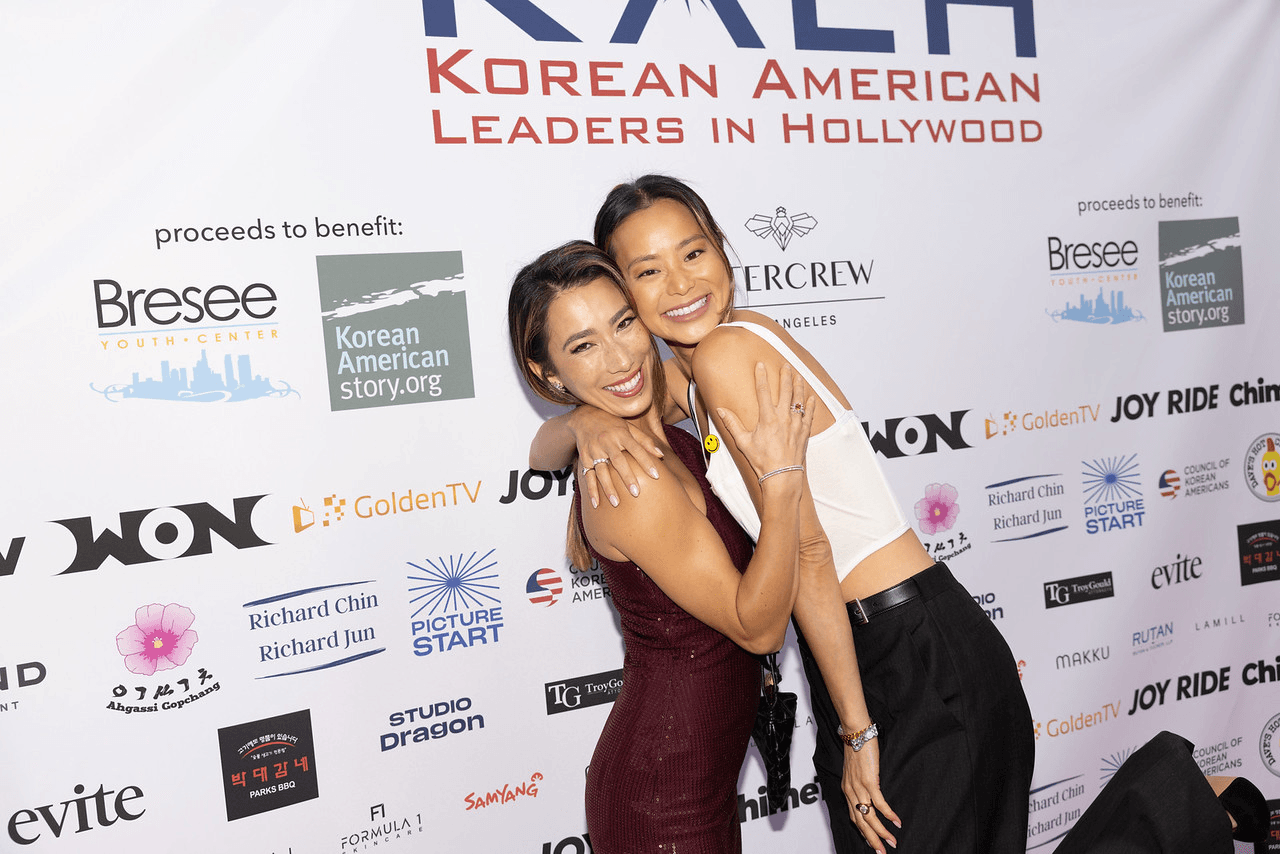
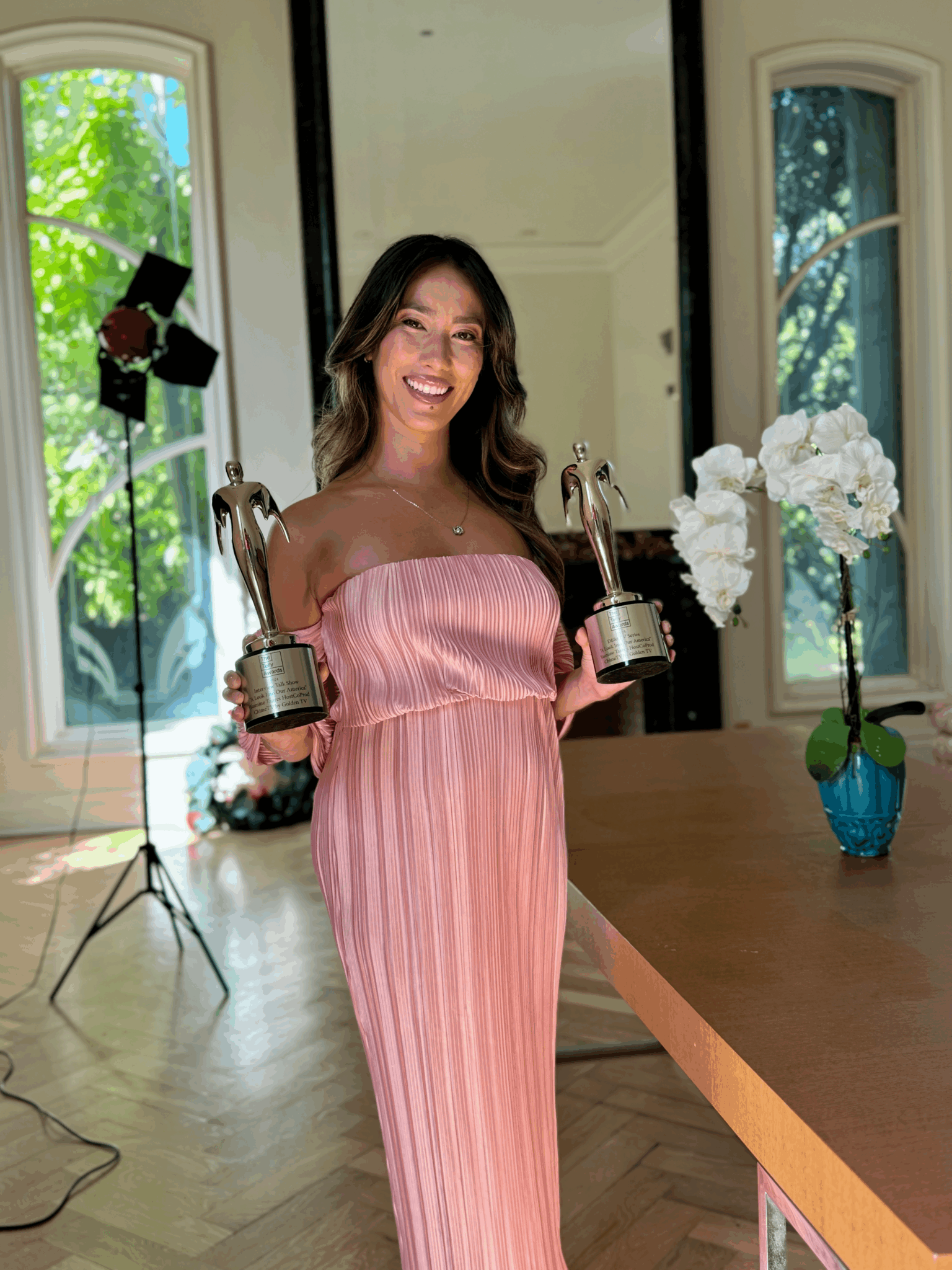
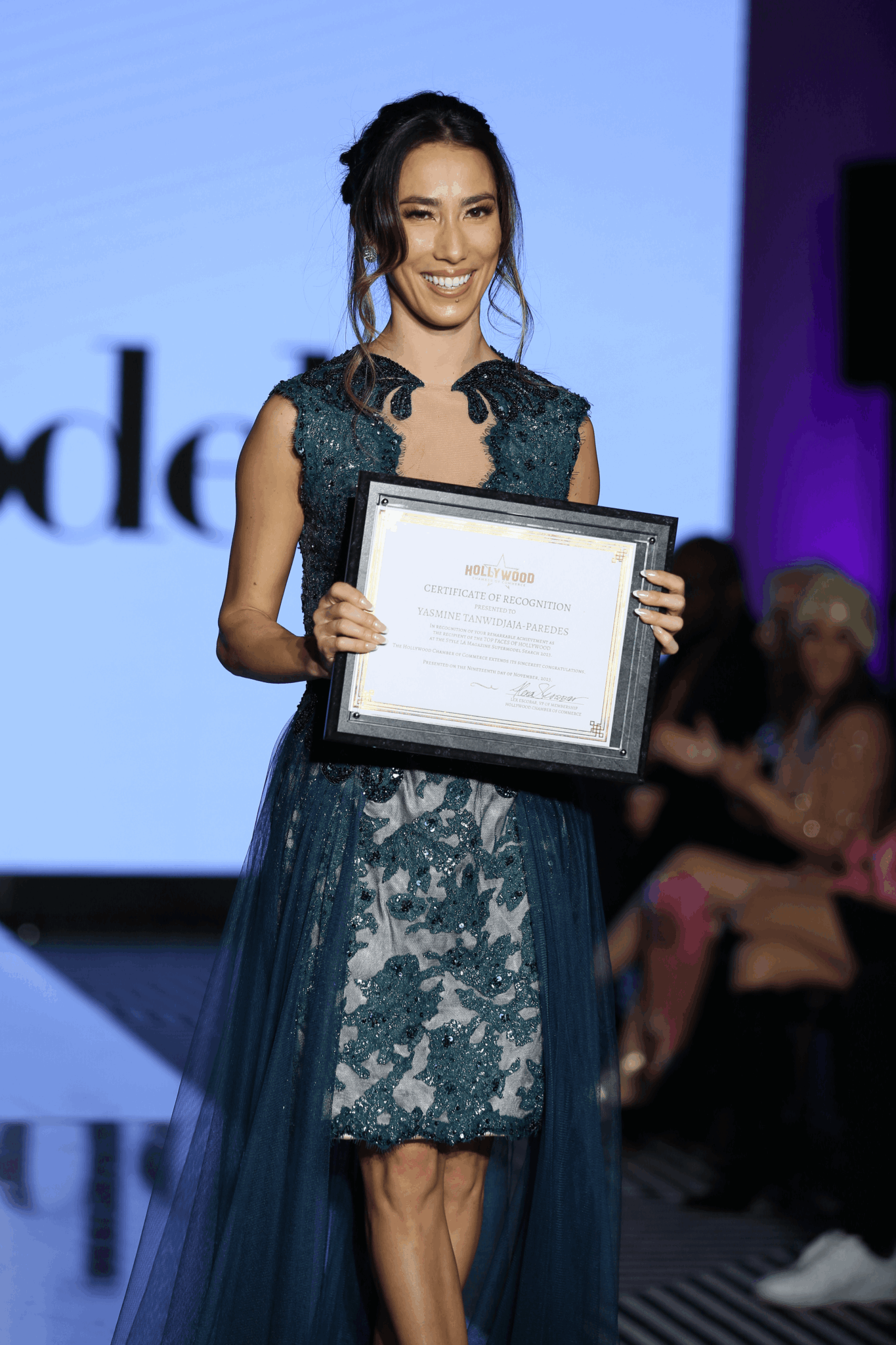
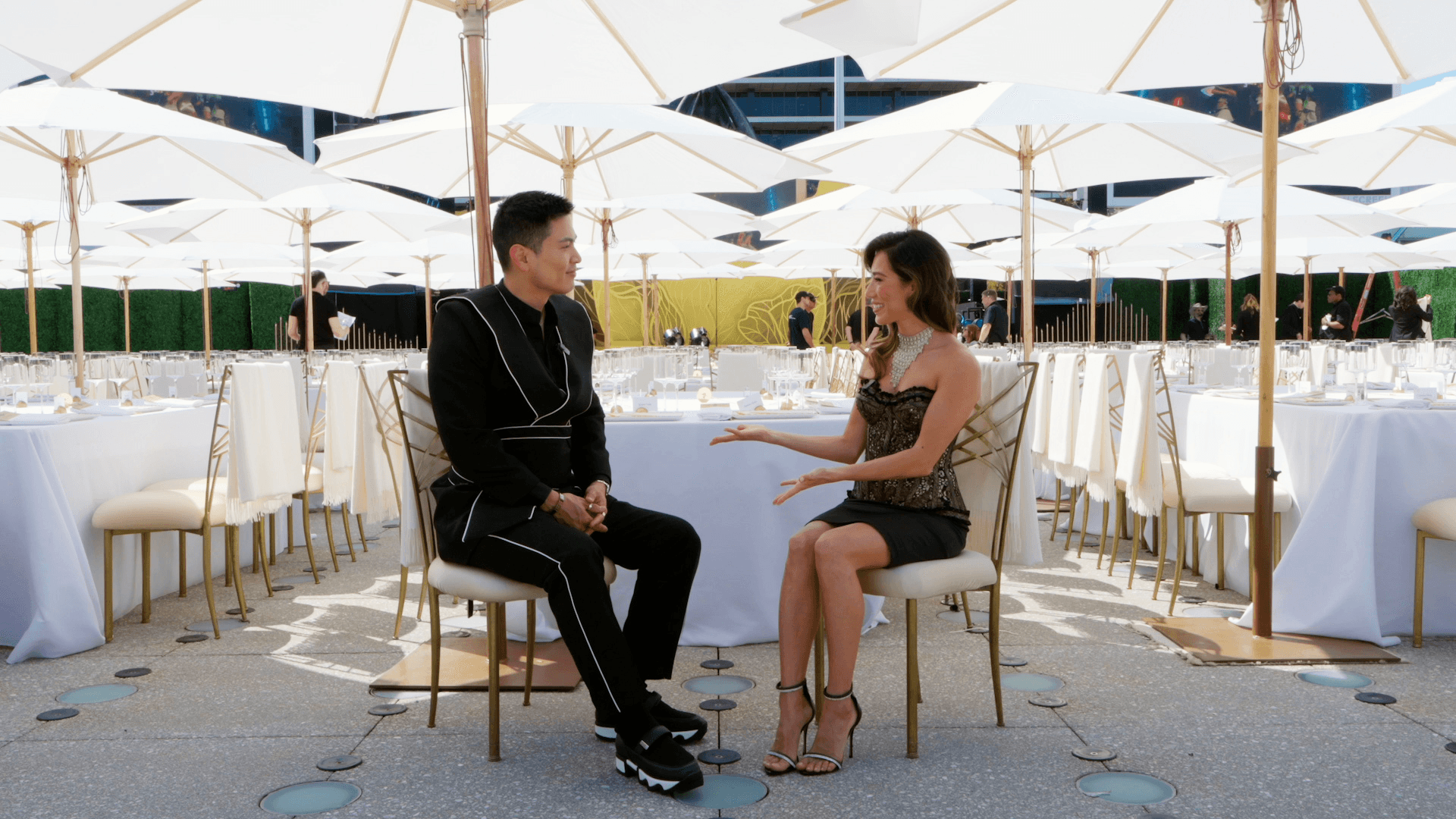
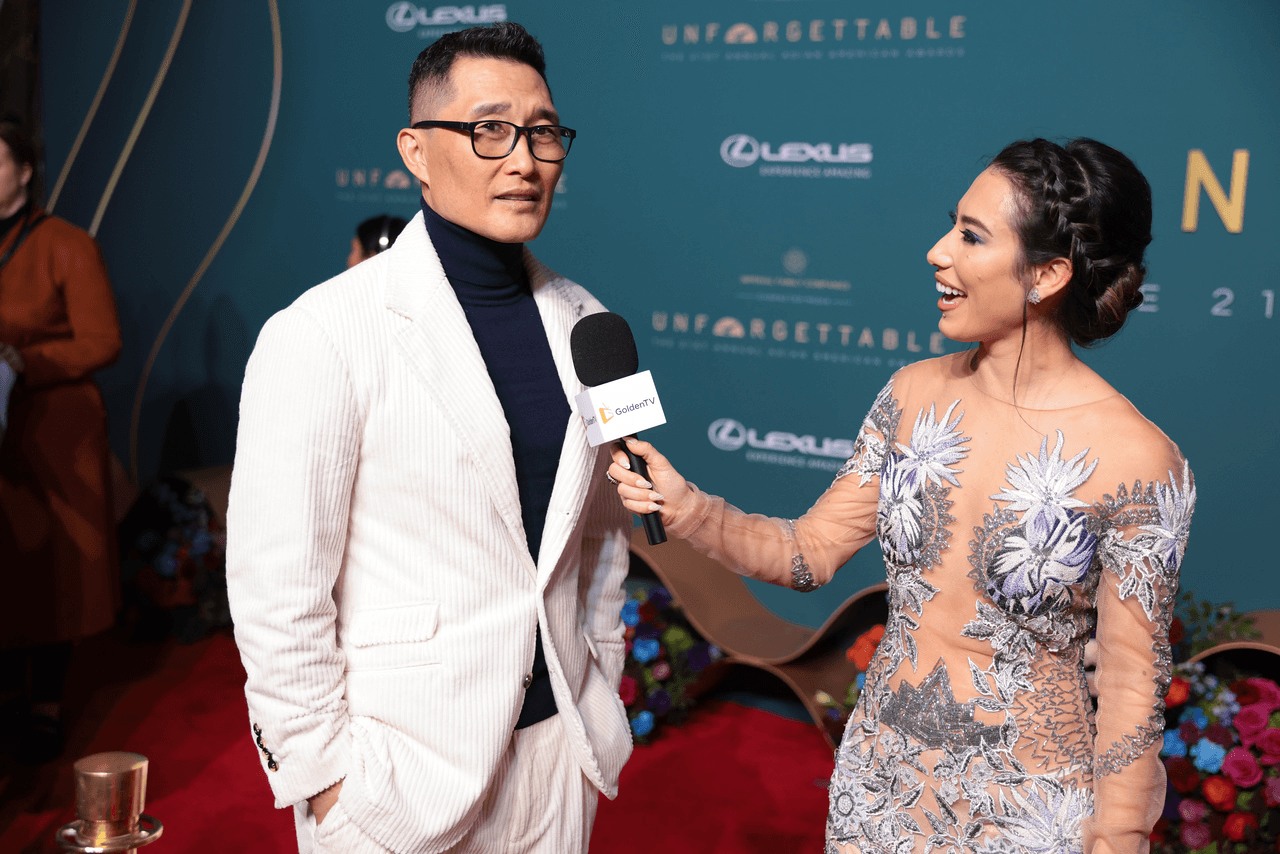
There’s a multitude of hosting and journalism avenues that exist today. For me, I always enjoyed focusing on empowering diverse communities and ensuring that their stories are more widely known. In the last couple of years, I have more heavily focused on the Asian, Pacific Islander (API) group in the US and have been able to champion their stories on a couple of API content led networks. In summer 2023 I was then given the opportunity to co-create, produce and host my own show ‘A look into our America’ broadcast on Chime TV and Golden TV. In this 30-minute show we seek to balance public affairs and entertainment segments through compelling conversations and interviews hosted by myself and a correspondent. This is to positively affirm and authentically represent the people from this community, and as a result break down stereotypes and the minority mindset. For my efforts as a host, I have been recognized by the City of Los Angeles and Hollywood Chamber of Commerce in November 2023. Most recently, my team and I received two Telly Awards in categories DEI (Diversity, Equity and Inclusion) and Talk Show/ Interview for the show ‘A look into our America’. These accolades of course have been my most proudest moments thus far, however, it’s not just for the sake of receiving the recognition that I celebrate these moments, but because I finally feel that these stories are what matter now too to the wider public.
Do you think there is something that non-creatives might struggle to understand about your journey as a creative? Maybe you can shed some light?
Especially since entering the States and working on productions in LA, I have noticed that nothing ever goes as planned. This may be hard for a non-creative, since structure makes any person feel more stable and any last minute ‘hiccups’ can feel dis-regulating. However, in my industry anything can come up and fall through right at the last moment. Therefore, any creative knows they got to be flexible, adaptable, accepting and resilient. Coming from London, I used to be a big planner and wanting to know what’s next without anything throwing me off, but now I’ve become used to being prepared for what is ahead of me, whilst at the same time having a plan B to avoid disappointment or dis-regulation.
What do you find most rewarding about being a creative?
The most rewarding aspect in my field is to provide people who have defeated mounts of challenges in life a platform and voice to share their stories, which in turn gives hope and inspires the masses. On a personal level, it fills me when a person feels heard and understood, and when that is reciprocated by someone who’s watching or listening. Aside from the story-telling, I feel fortunate to have been in spaces that I could have never imagined to have been in when growing up.
Contact Info:
- Website: https://www.yasminetanres.com/
- Instagram: https://www.instagram.com/yasminetanres/?hl=en
- Facebook: https://www.facebook.com/yasminetanres/
- Linkedin: https://www.linkedin.com/in/yasmine-tanres-3402a656
- Twitter: https://www.threads.net/@yasminetanres
- Youtube: https://www.youtube.com/channel/UCyeQ9QyWJ1wUU08pCl53jhg
- Other: https://app.castingnetworks.com/talent/public-profile/9442af94-d61c-11eb-9627-6337c4397db9