

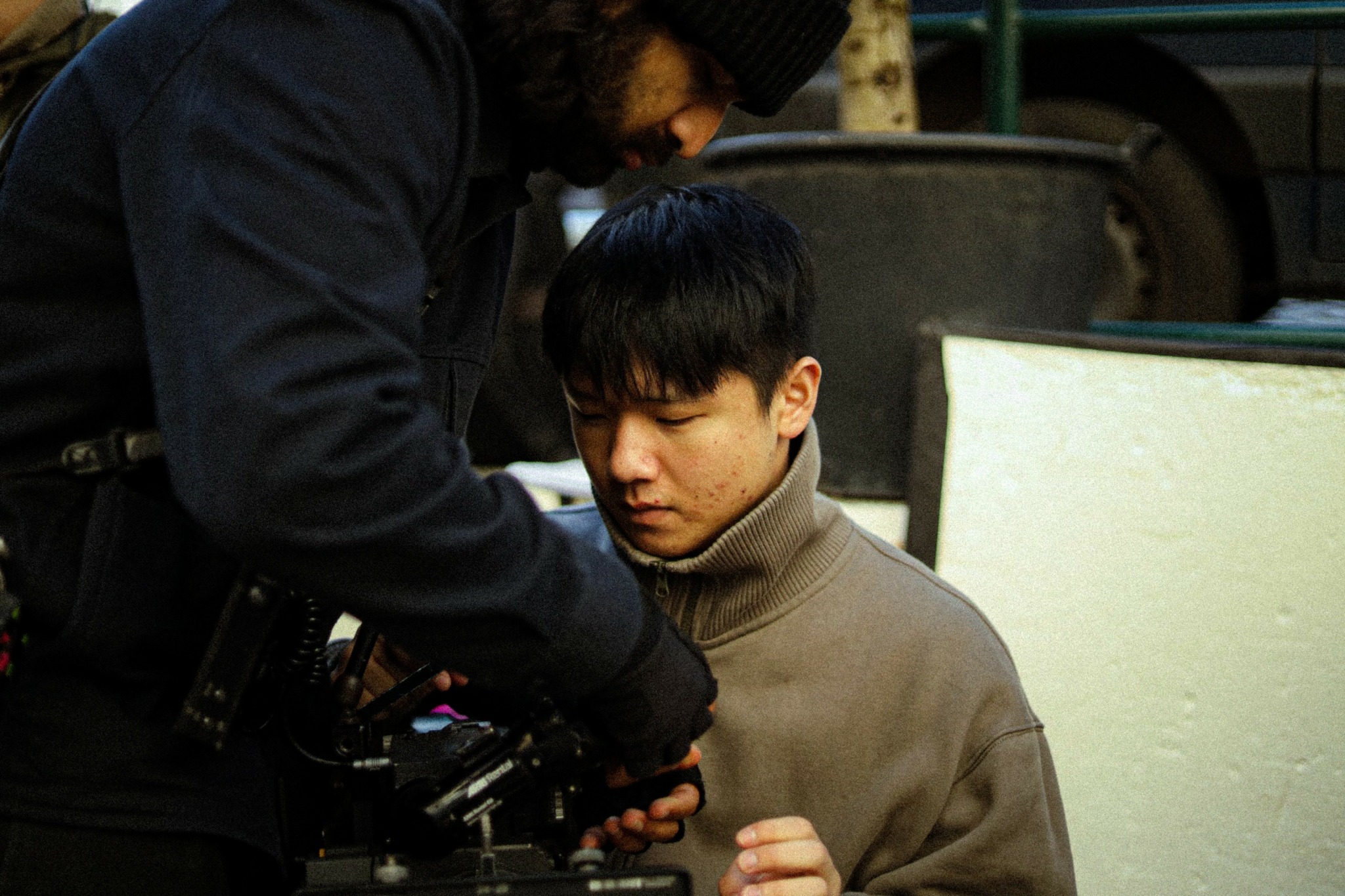

We recently connected with Yao Xiao and have shared our conversation below.
Alright, Yao thanks for taking the time to share your stories and insights with us today. Are you happy as a creative professional? Do you sometimes wonder what it would be like to work for someone else?
Last summer, I reunited with my old friends from high school in Australia. We had shared everything during those formative years—boarding school, shared experiences as international students, and a collective sense of figuring out who we were. Coming back together was nostalgic and heartwarming, but it also made me realize how much our paths have diverged, especially in the stability of their lives compared to mine.
They have what most would consider a “normal life”: stable jobs, predictable schedules, weekends off, paid holidays, and even the flexibility to take time off without risking their careers. They can make plans with certainty, knowing when they’ll be free and that their income will arrive consistently. Their world operates on a secure and established rhythm, where stepping away for a break doesn’t mean missing out on an entire project or potentially being overlooked for future work. Seeing this contrast was striking. It felt like they had this whole other way of living that was, to me, almost foreign.
As a cinematographer aspiring to work in narrative films, my career path is anything but stable. Freelancing means that both my income and my schedule are unpredictable. Corporate gigs, which offer a degree of stability, are hard to come by and not ideal for where I want to go creatively. I’m often at the mercy of the next project, wondering when or if it’ll come, balancing an ever-shifting schedule, and knowing that stepping away from my market could mean lost opportunities. It’s a life with highs and lows that often feel out of my control. This path can be isolating, too; not only is it difficult to relate to my old friends’ stability, but the demands of freelancing often keep me within a closed circle of others in the industry. There are moments when I wonder if I’ve lost touch with the “outside world”—if I can even understand what a more stable life might be like.
Yet, despite this isolation and instability, I find a kind of fulfillment that I don’t think I could experience any other way. The thrill of creating, of working on a new project, of being immersed in visual storytelling—these are things that fuel me to keep going. Each project requires something new from me, pushing me to find fresh perspectives, to explore both in my art and in life. This constant need for creative input has shaped me to remain curious, engaged, and open to the world in ways I might not have if I’d chosen a different path. The unpredictability of freelancing and the creative process itself keep me growing, adapting, and finding excitement in the unknown.
Looking back, I realize that my approach to life and my perspective have been shaped by this creative drive. The curiosity that fuels my art also keeps me seeking growth in all areas, helping me stay open to new experiences and connections. While the path I’m on has created distance between me and my old friends, I’m grateful for the richness and depth it brings to my life. I may wonder at times what a non-artistically focused life would feel like, but ultimately, I wouldn’t trade what I have now.
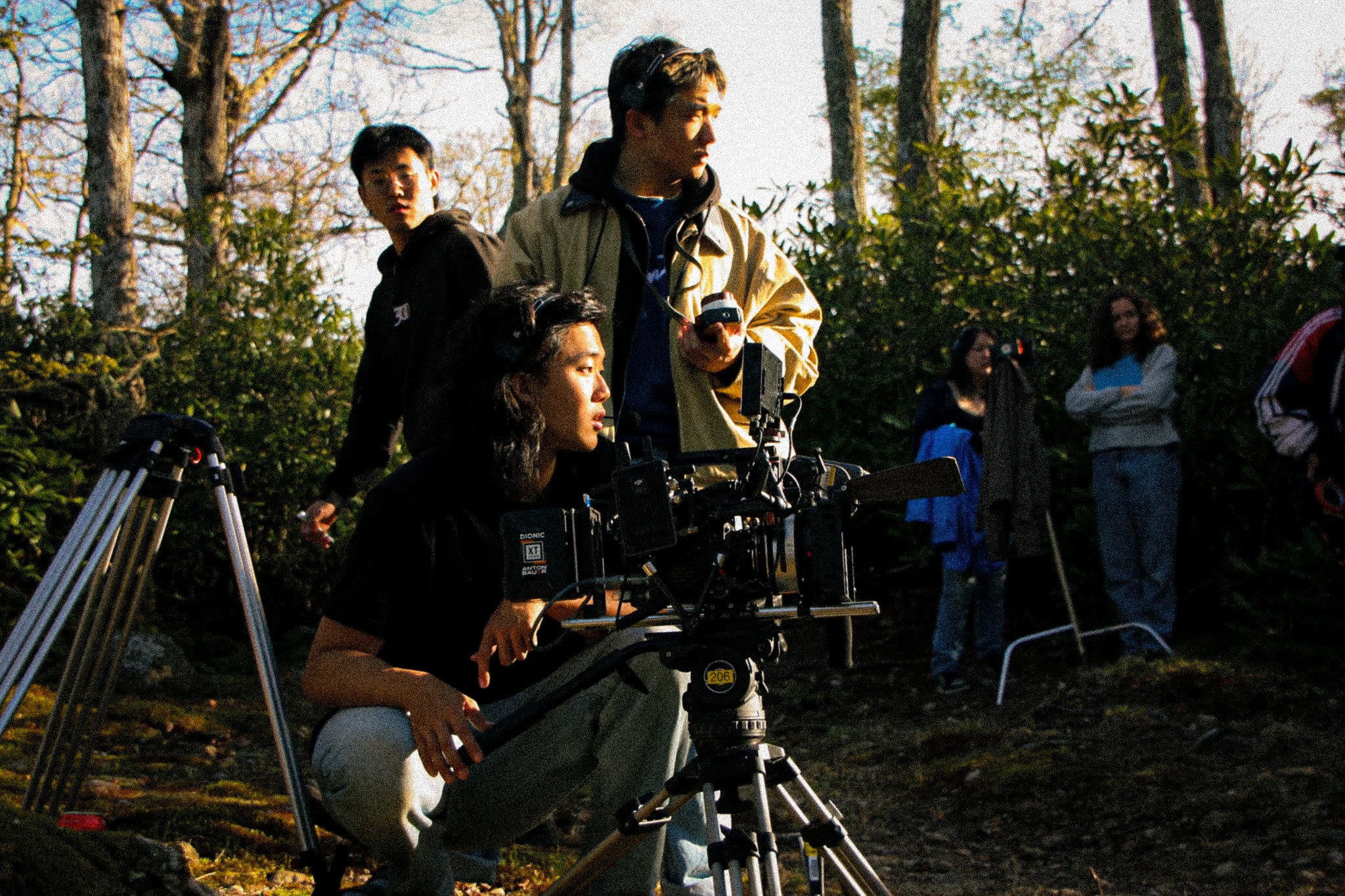
Awesome – so before we get into the rest of our questions, can you briefly introduce yourself to our readers.
I was born and raised in China, and I moved to Australia when I was 14. I studied through middle school and high school in Australia before coming to the US. I was originally a Biomolecular Science major at NYU, and at one point, I decided to take a leap of faith and change to a film major. It wasn’t that I didn’t like my previous major, but I just could not resist the constant calling deep in my heart. I think it all started during the pandemic, when I watched a significant number of movies, and I had the time to think about every single one of them. I was amazed by the power of bringing a person out of one reality and put into another one, and I wanted to do that, too. Although it was difficult to get into a line of work in which I have almost no previous experience, I enjoyed every moment, both the happy ones and the struggles, during my path towards where I am today. I guess I started out wanting to be a director like most filmmakers, and I tried that for two years. However, I slowly realised my strong preference for the visual aspect of filmmaking over the storytelling aspect. That then led to my change of focus to become a cinematographer rather than a director.
I am a freelance cinematographer based in New York. Ultimately, my goal is to work as a narrative film cinematographer. I love telling stories through visual languages, so I am most interested in working with a strong narrative-to-visual connection. I believe that my mixed cultural background and my previous engineering experience have given me a very unique perspective and approach to my visual storytelling that is a blend of rational and intuitive ways of thinking. I would like to think of myself as a rigorous cinematographer. Because of my previous experience as a director, I would try to think outside of the cinematographer’s “box” and try to prepare my work with regard to what the director might want or need. I love what I do, so I will always try my best to make my work the best work I have ever done.
What do you find most rewarding about being a creative?
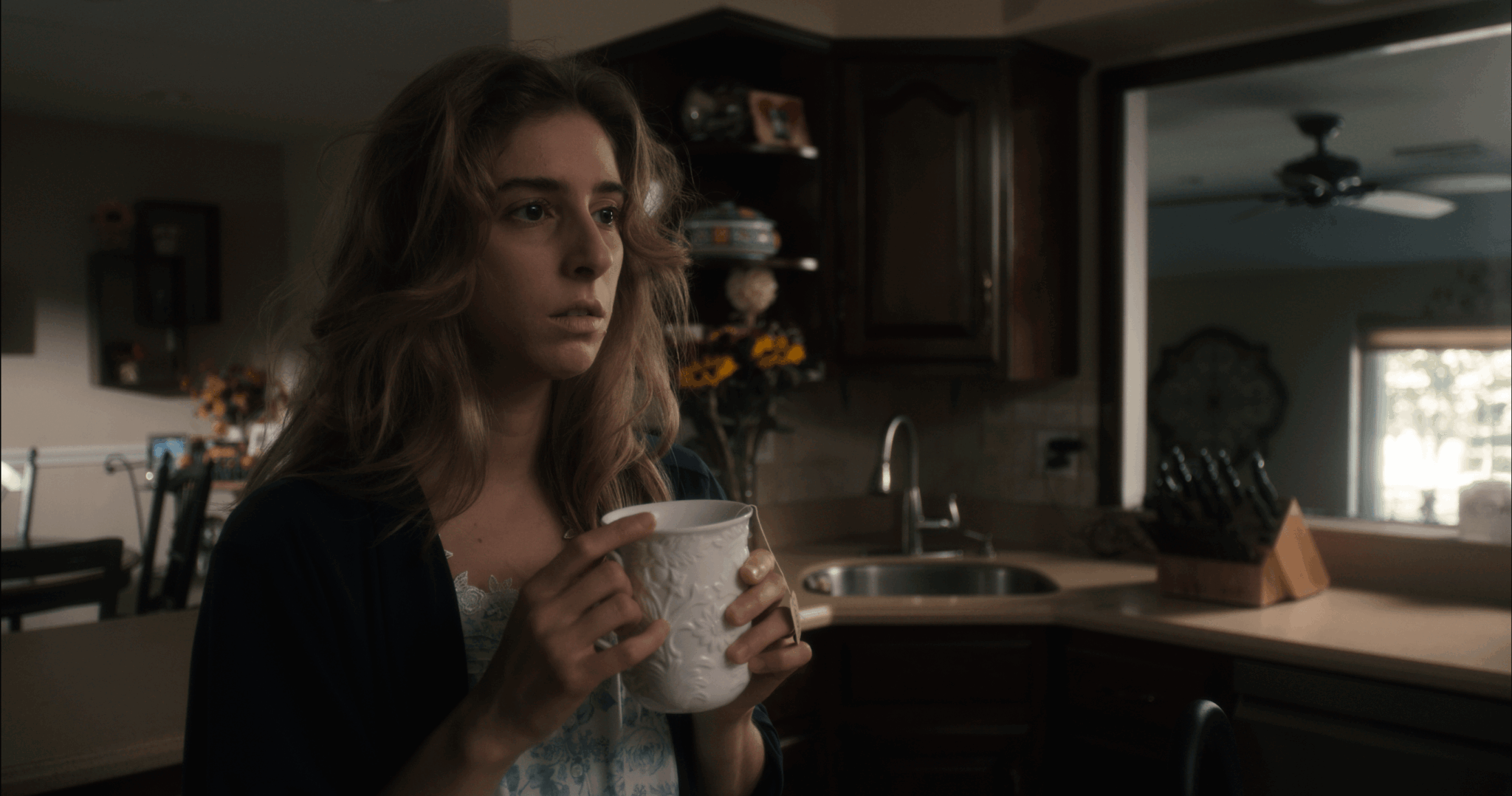
As a cinematographer, I find that one of the most rewarding aspects of the creative process is seeing preparation transform into reality on set. Personally, I believe the groundwork laid in pre-production is crucial. Some filmmakers favor a more spontaneous approach, allowing for unexpected magic to happen naturally during filming. While I appreciate both approaches, my background in engineering has shaped me to be meticulous in preparation before stepping onto a set. For me, there’s a unique satisfaction in planning every detail—the lighting, the camera movement, the composition—so that we have a clear vision of what we’re aiming to achieve.
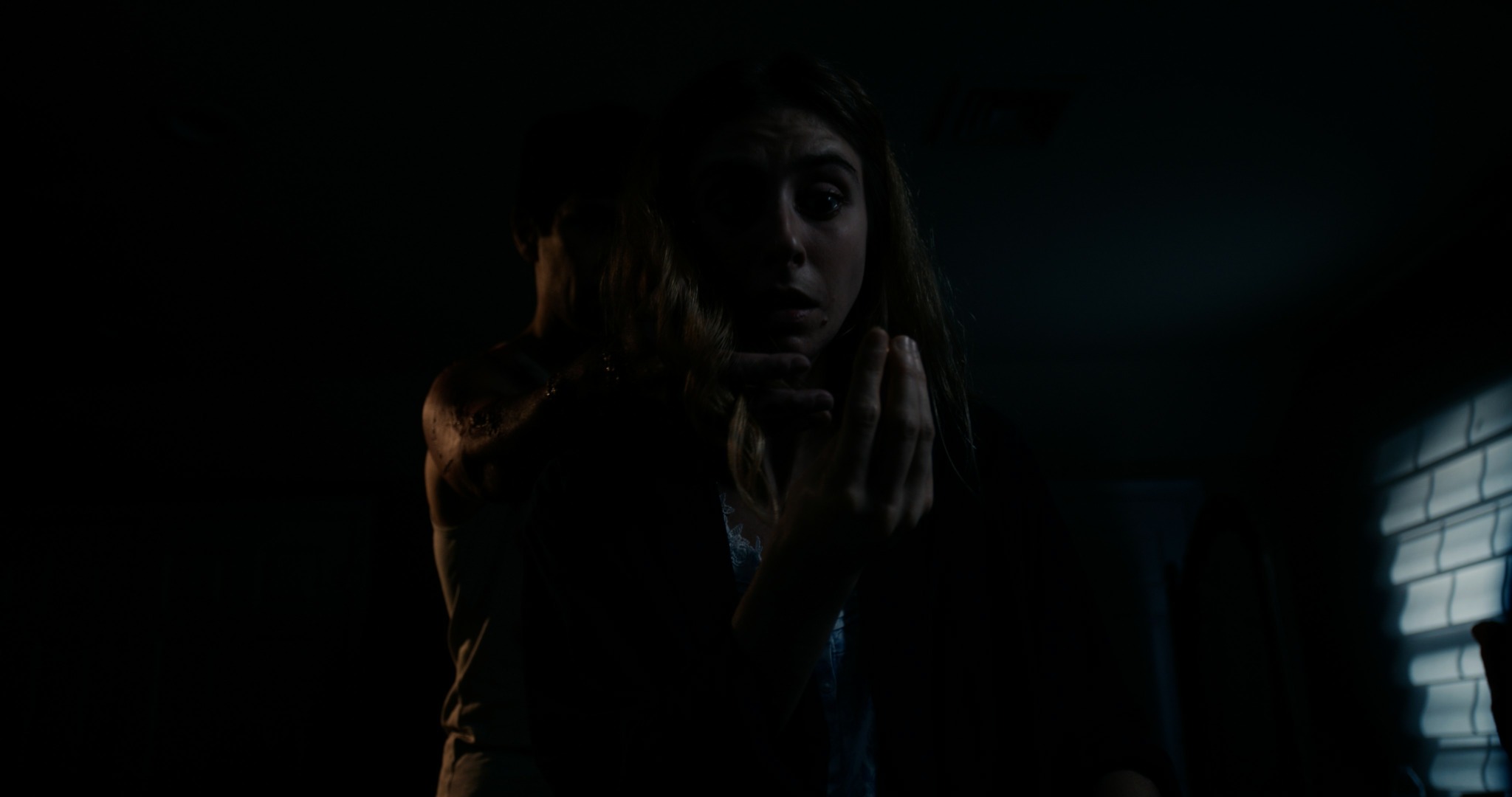
The most fulfilling moment for me is when the camera is set, the lights are perfect, and the talent moves through the frame exactly as planned—or, sometimes, even better. In that instant, it feels as though a world I envisioned has materialized in front of me, precisely as I imagined it. It’s a feeling of pure accomplishment, of having taken an idea and brought it fully to life. It’s a blend of art and precision, and it’s a thrill I can never get enough of.
Do you think there is something that non-creatives might struggle to understand about your journey as a creative? Maybe you can shed some light?
I believe one of the most challenging things for non-creatives to understand about the journey of a creative worker is the balance—or often, lack of it—between passion and stability. While many recognize that a career in the arts can be unstable, few understand the depth of commitment it requires to keep moving forward despite the unpredictability. Switching from engineering to film was both exciting and daunting. My family and friends reminded me of the security I was giving up, but my passion pushed me to make the leap. That passion still fuels me today, despite the uncertainties.
For many filmmakers and creatives, this passion isn’t just a preference; it’s a driving force that leads us to accept an unpredictable lifestyle. We care deeply about our work, and that often means sacrificing stability, work-life balance, and a broader social circle. Our schedules are erratic, sometimes isolating, and our lives become closely tied to the creative community—people who understand the sacrifices we’re making. This can seem limiting to outsiders, but for us, it’s a vital support system.
Explaining this to friends and family can be difficult. The irregular hours, unstable income, and intense commitment aren’t just “parts of the job” but conscious sacrifices made for the love of our craft. For us, work isn’t simply a means to an end; it’s both the journey and the destination. While this lifestyle may appear unusual from the outside, it allows us to grow, stay curious, and continuously explore what it means to create.
Contact Info:
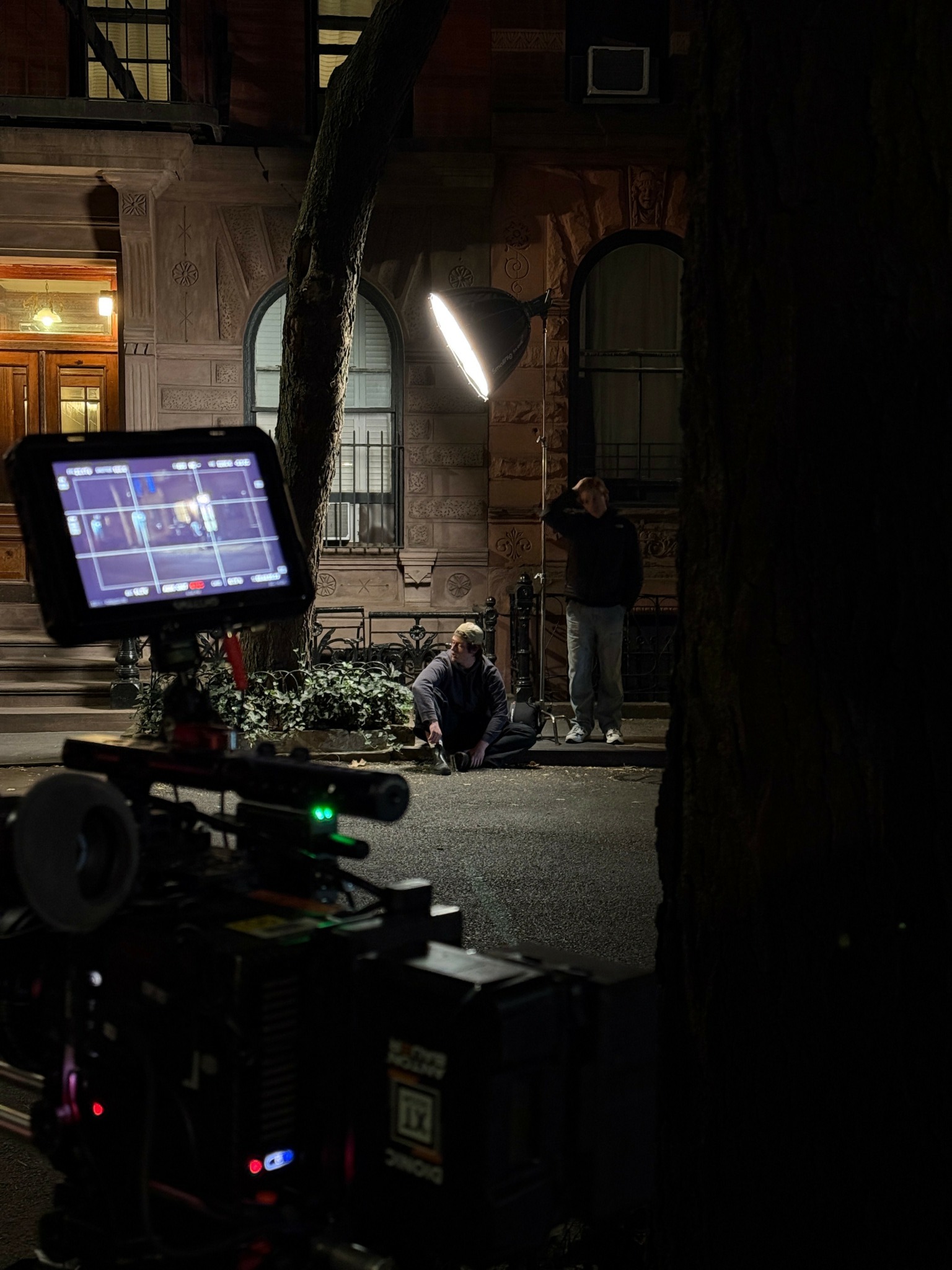
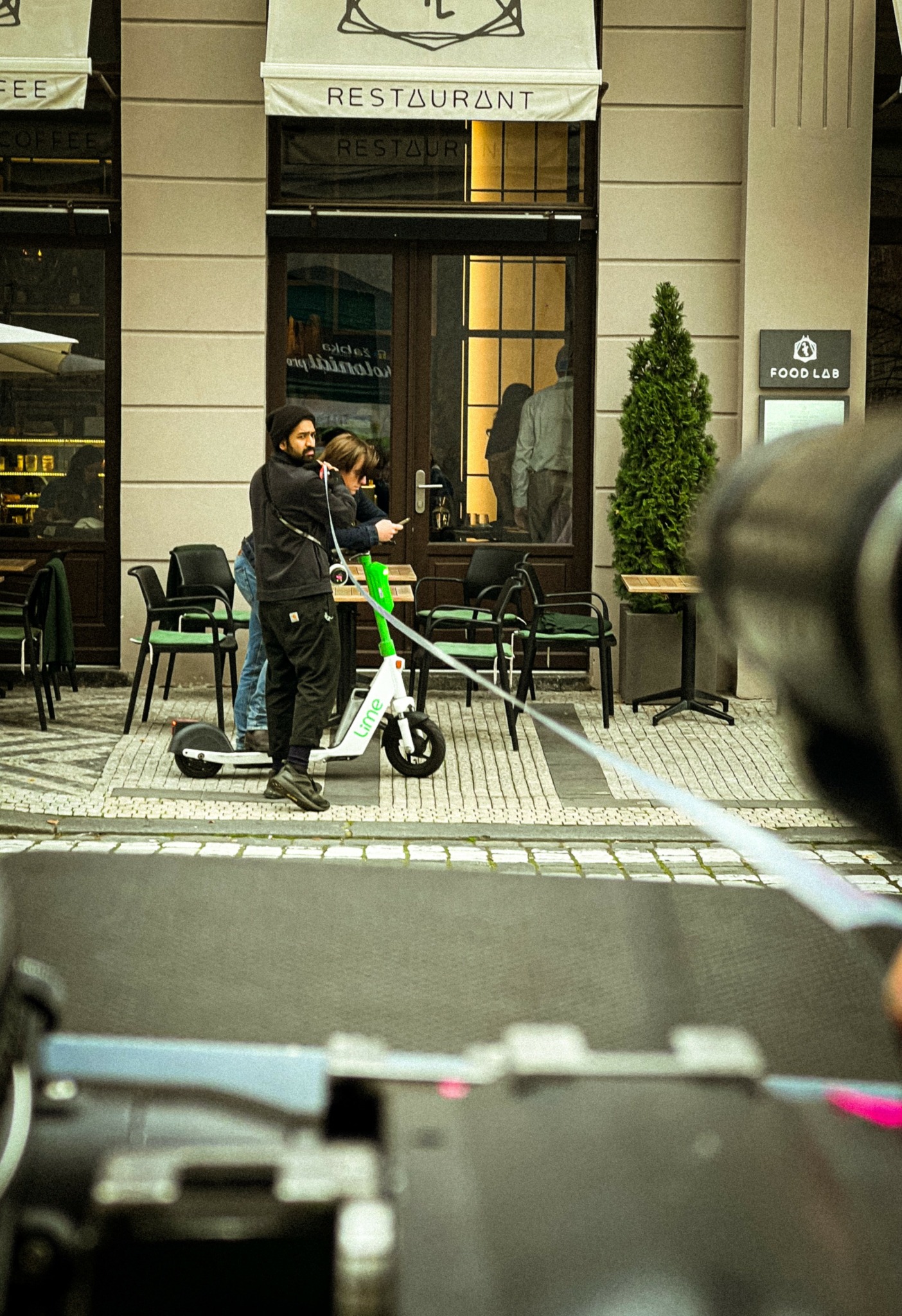
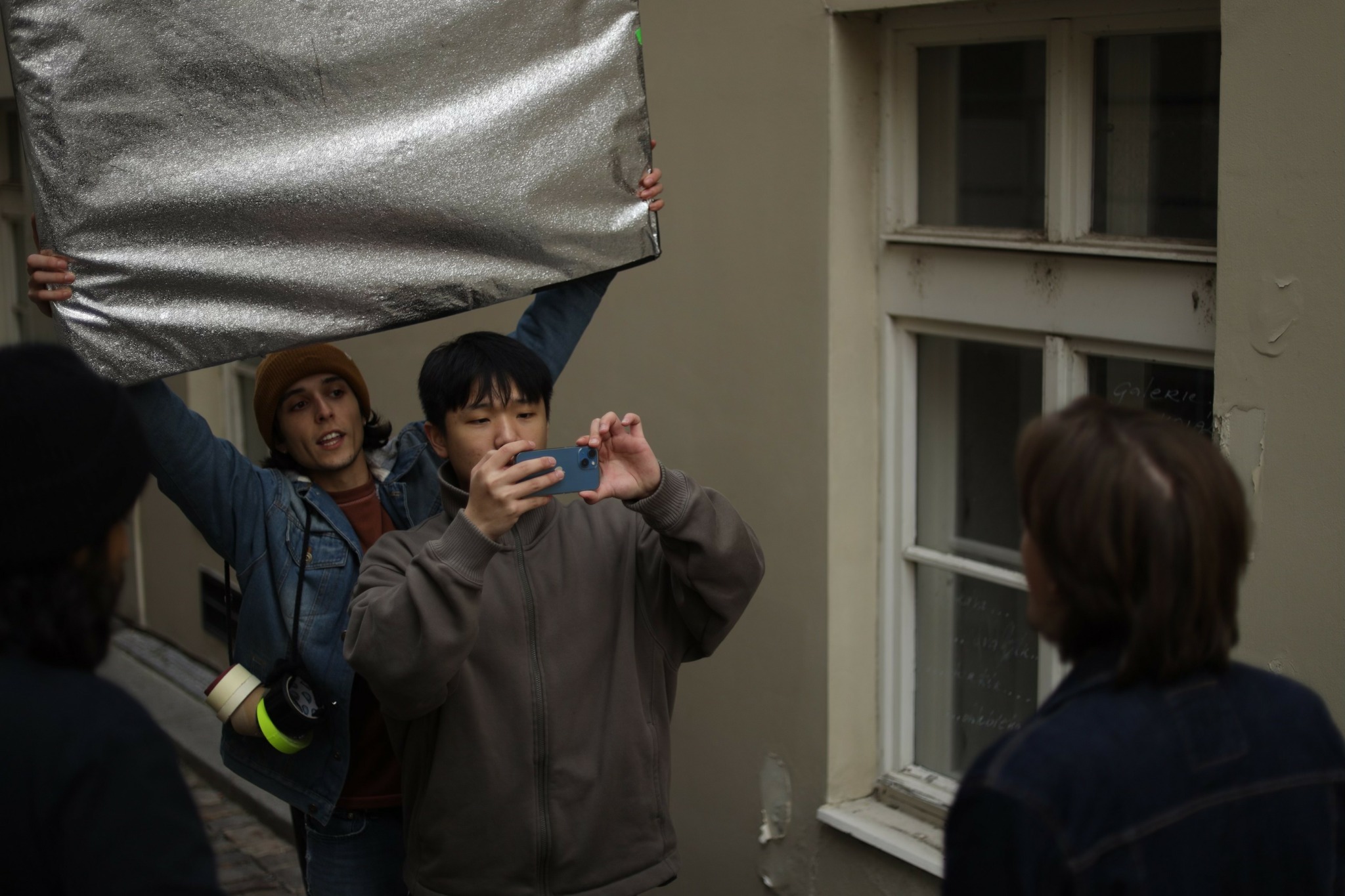
Image Credits
Max Zhuang, Phoebe Yung