

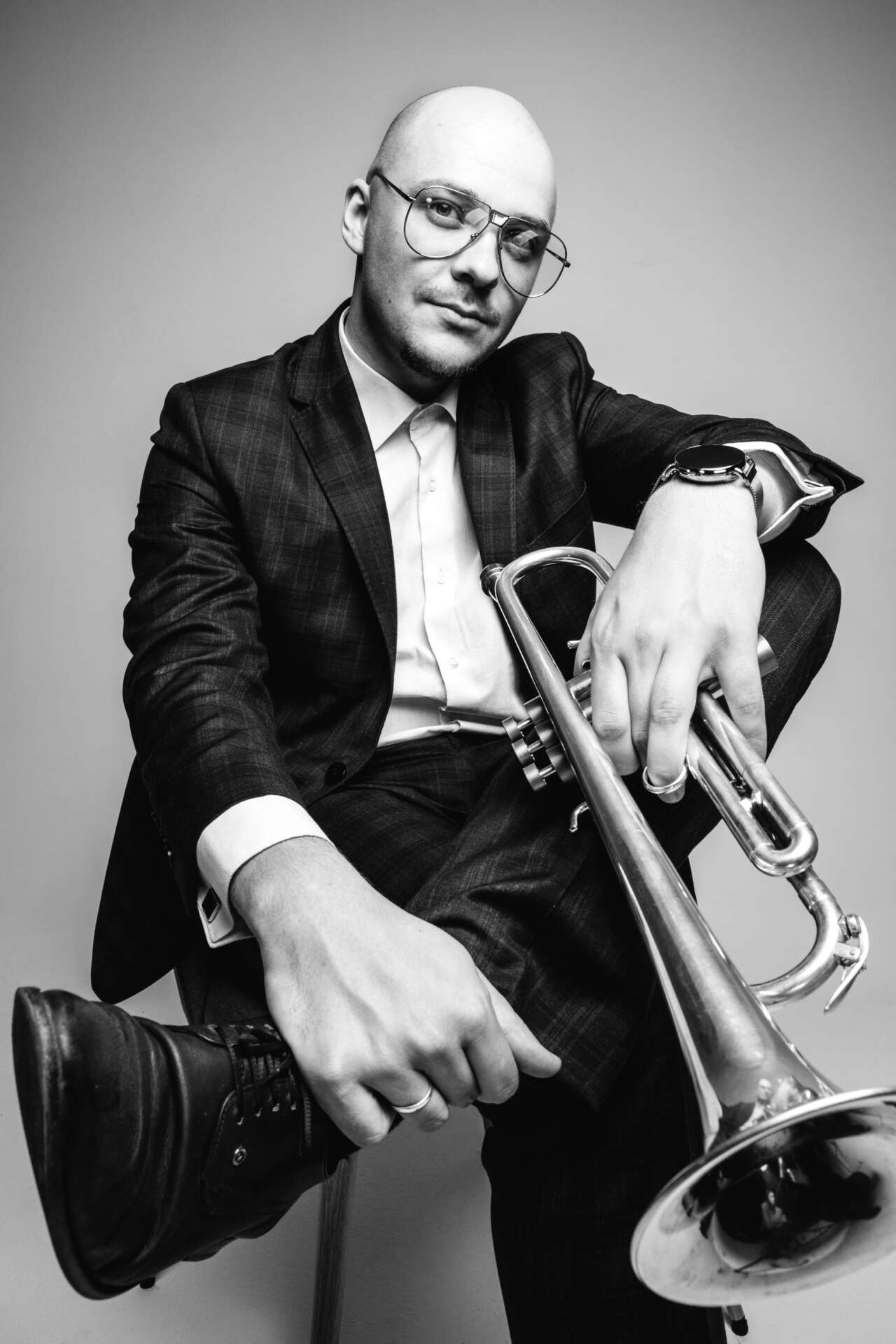

We recently connected with Yakiv Tsvietinskyi and have shared our conversation below.
Yakiv, thanks for taking the time to share your stories with us today Learning the craft is often a unique journey from every creative – we’d love to hear about your journey and if knowing what you know now, you would have done anything differently to speed up the learning process.
I had quite an unusual creative path for a jazz musician. I grew up in a Ukrainian village and received a formal classical music education. In those times, jazz was not an existing thing in my area. So when I started college in Dnipro as a classical trumpet player, I had to figure out everything on my own. I listened to records by Miles Davis, Chet Baker, Thelonious Monk, Glenn Miller, Count Basie, etc. But listening couldn’t replace true mentorship. There was no community, and no one knew how to improvise. And since it was post-Soviet Ukraine, jazz was still considered an alien culture by the classical musicians. I was lucky to meet a few like-minded musicians who could help me. We played in a band together and worked everything out through trial and error. One of those musicians, whose name is Yuriy Buzilov, worked on cruise ships before and could speak good English. He translated dozens of theory books that became my primary source of information on how to play jazz. At some point, I started composing my own music. I thought I had no reason to learn the traditional jazz repertoire since there were no real jam sessions at the time. But through writing, I found a good starting point to develop as an artist. Slowly, we established a young jazz community, started hosting jam sessions, and created a real jazz program at the music academy. This experience got me into the Fulbright program, and I went to Western Michigan University to continue my studies. Surprisingly, I discovered that, despite being self-educated, I intuitively made the right choices. And because it was such a chaotic process, I had a quite deep understanding of the matter. I made all possible mistakes and tried all the wrong ways, so I knew the exact reasons why something worked or didn’t. Also, in Michigan, I met many musicians that I still work with, including my close friend Stratøs.
After graduation, I kept teaching and developing jazz in Dnipro. I started performing nationally and became known in Ukraine. Later, I had a chance to be a part of the Focusyear Basel, an ensemble residence program in Switzerland. I became a part of an international group that performed with some top-tier jazz artists and toured in Europe. There, I started to take lessons with one of my biggest heroes, Ambrose Akinmusire. He became my mentor. Later, I auditioned for the Herbie Hancock Institute program in Los Angeles. I was surprised that I got selected and that I will continue to study with Ambrose, who is now the musical director of the Institute. I’m lucky to be a Ukrainian villager who is now a part of the LA jazz community.
For a long time, I thought about myself as disadvantaged and simply slow in my learning. But recently, I understood that real-life experiences are what shape your music. I wouldn’t become who I am now if I knew all the right answers right away. Maybe it is a longer road; maybe speeding up the process is not the point. But it doesn’t make the artistic outcome less valuable. You have to embrace your failures, because true art is not about playing it safe. Simple fear is the main obstacle, but with enough commitment and creative curiosity, you can overcome it.
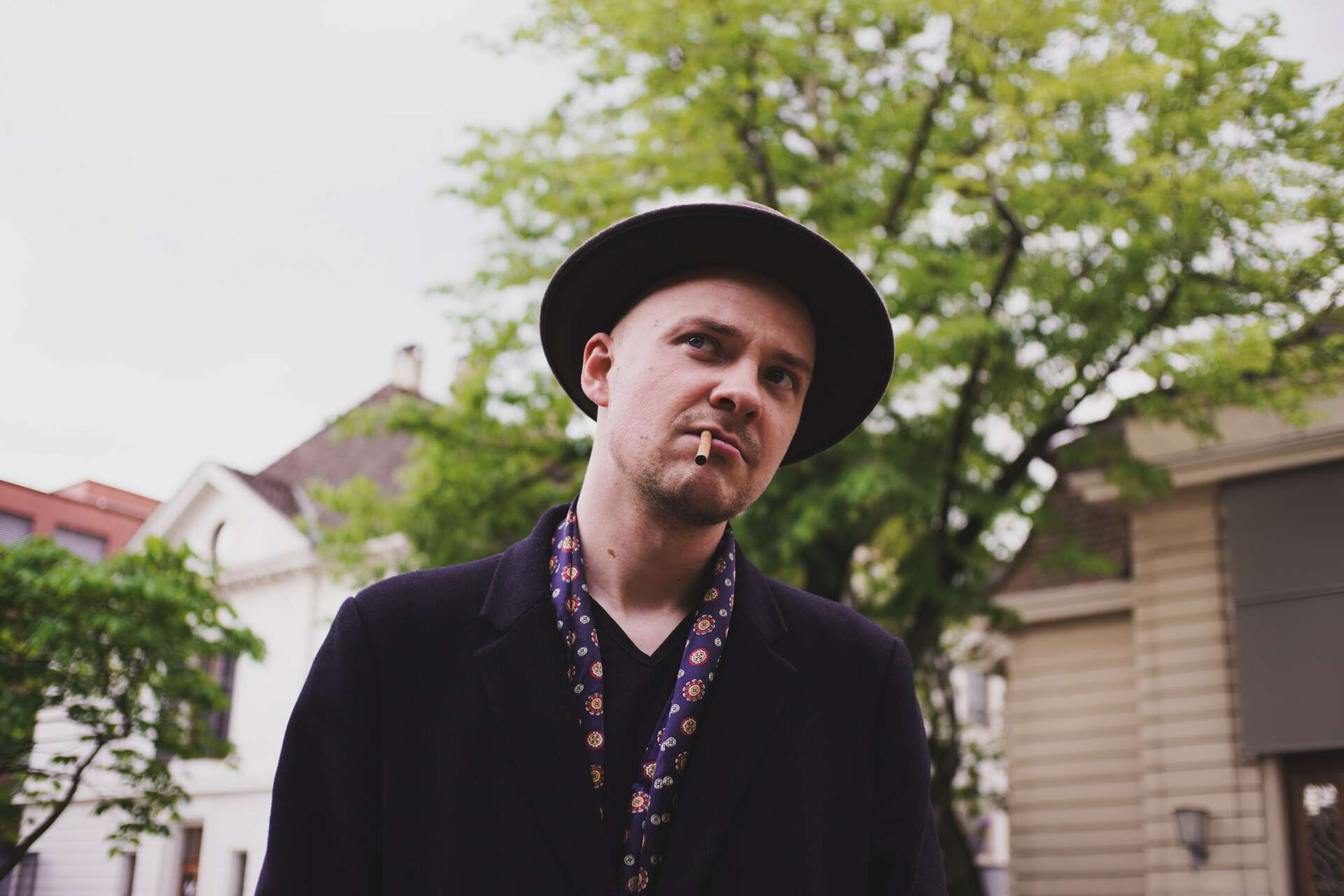
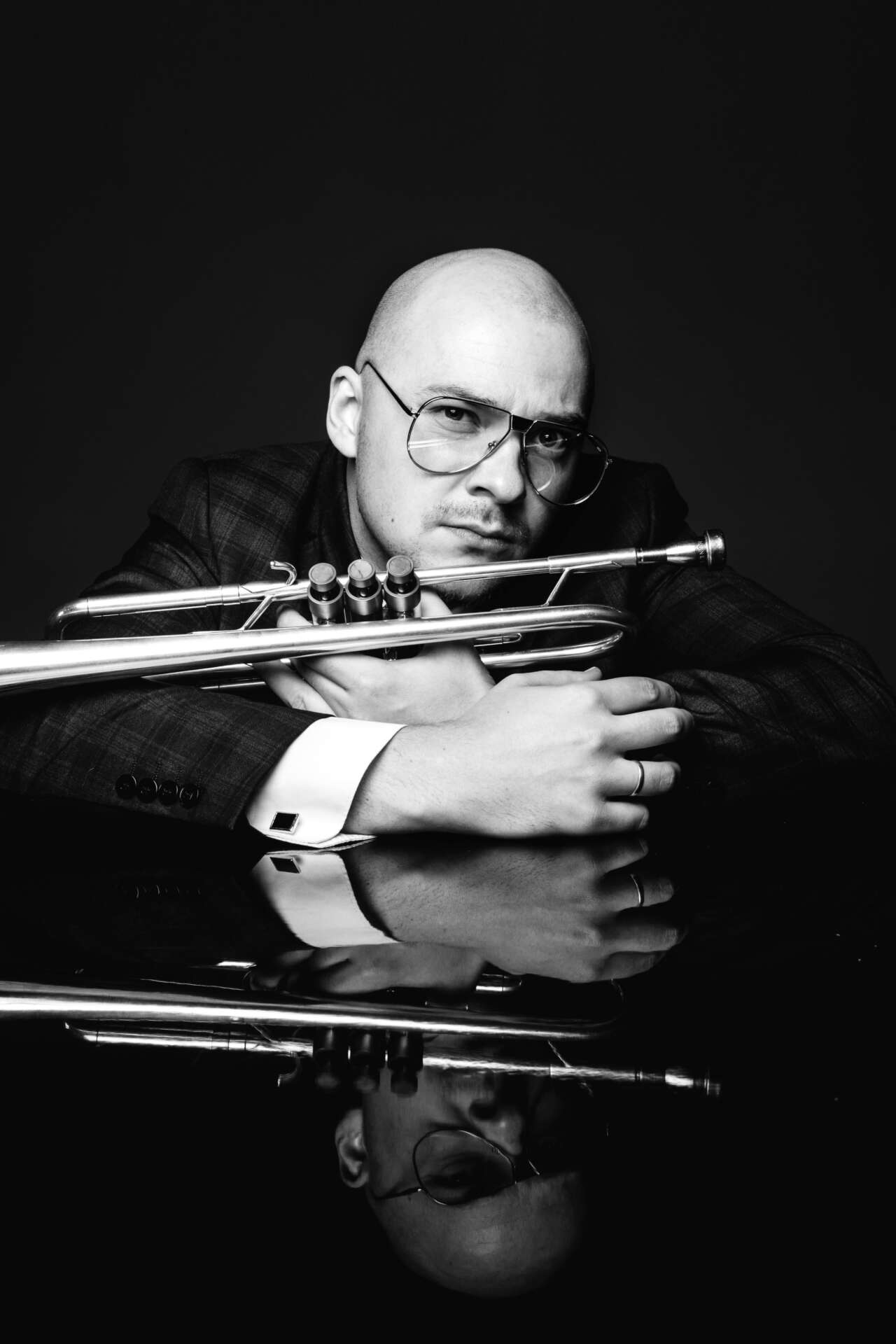
Great, appreciate you sharing that with us. Before we ask you to share more of your insights, can you take a moment to introduce yourself and how you got to where you are today to our readers.
My name is Yakiv Tsvietinskyi. I know that for many people it’s difficult to pronounce, but that’s my real name. I am a jazz trumpet player and a composer from Ukraine, currently based in Los Angeles. My current mission is to represent my culture and community in the United States, and I feel that, especially now, there are many important stories to share. My music is a blend of jazz, classical music, and Ukrainian folk traditions. Many musicians work in a similar direction as I do, but very few have my perspective. I know what war is, and I know what it sounds like. Only those who have experienced true loss know the meaning of life. And that is what my art is about. I have one album under my name, “Minimalist,” that provides an inside view of the industrial city of Dnipro, the subtle beauty of the brutalist architecture, and the kindness of the people. In addition, I have multiple other projects and collaborations that are available for the listener, like my project Double Quartet (with the Tone Art String Quartet) and Mykola (dedicated to my cousin, who was killed in the war in 2022).
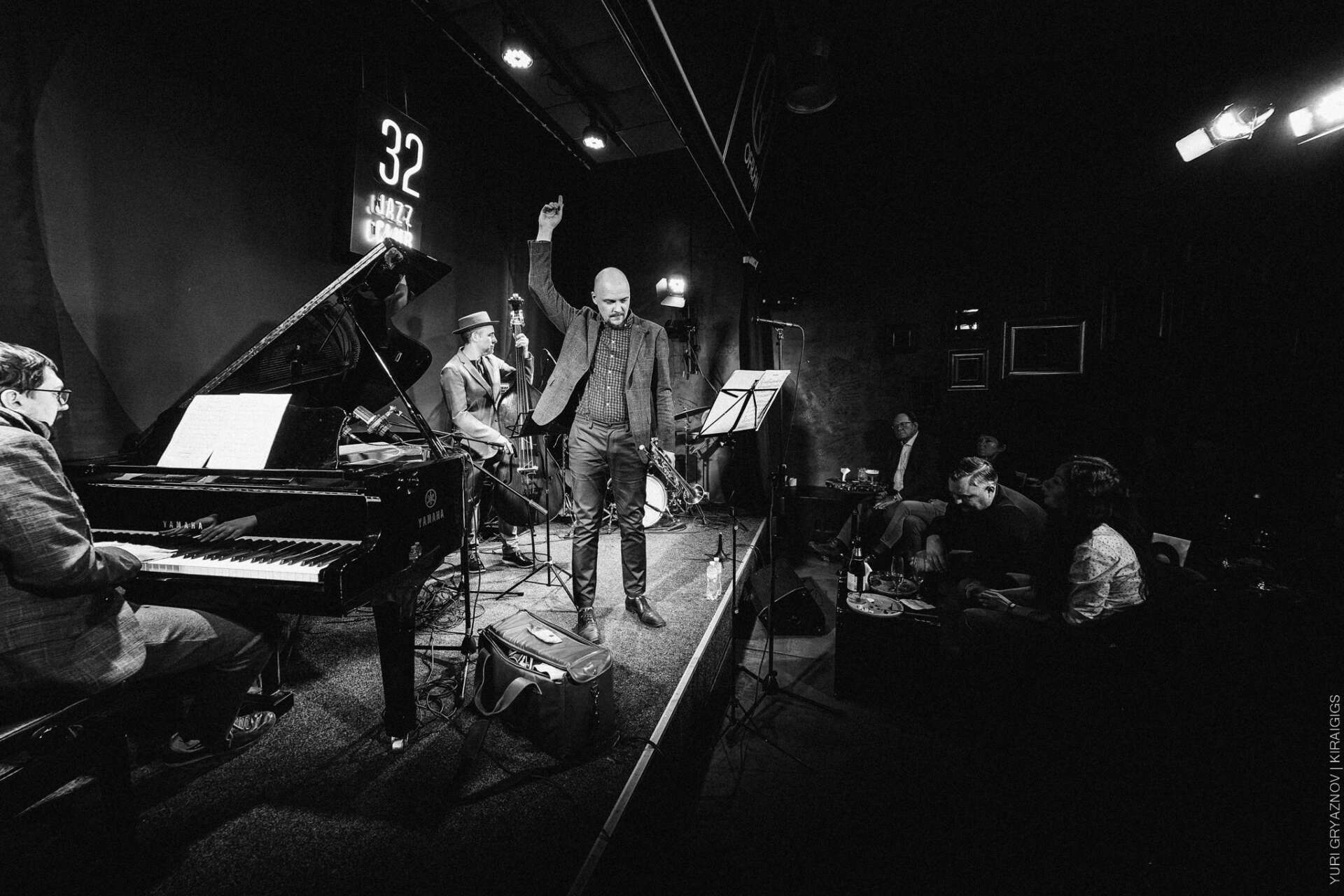
Currently, I am a part of the Herbie Hancock Institute band and perform regularly in LA venues, other US cities, and abroad.
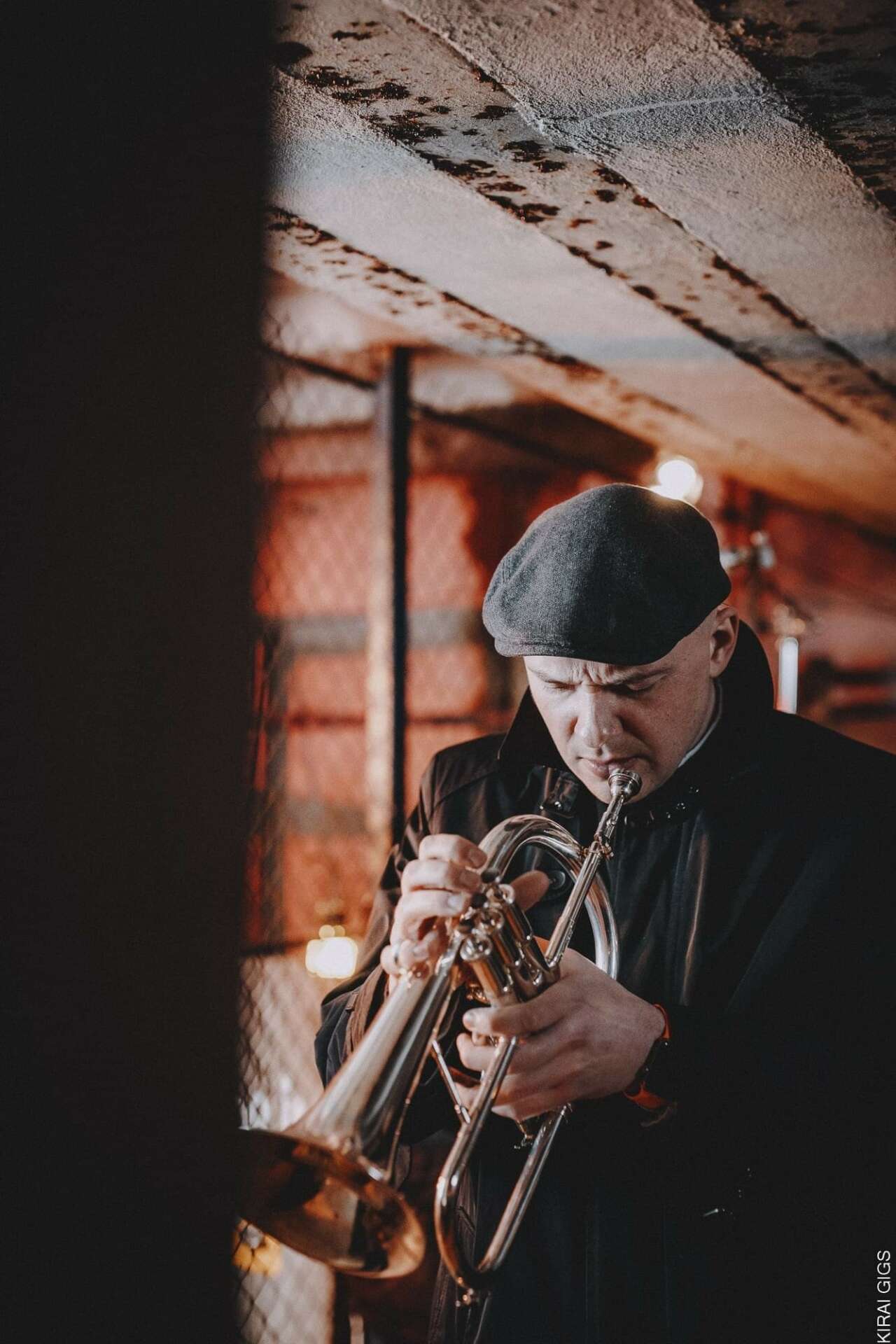
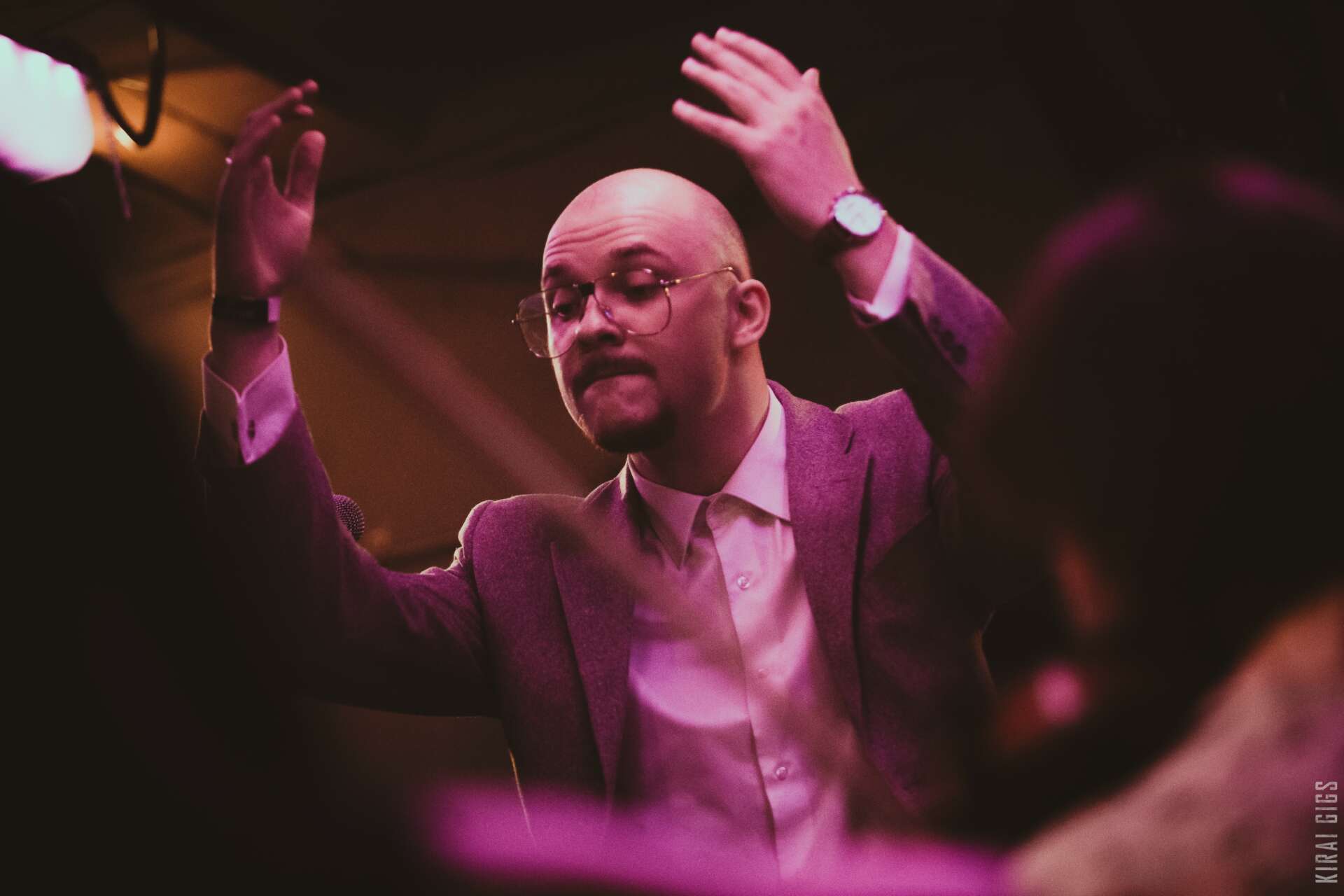
Let’s talk about resilience next – do you have a story you can share with us?
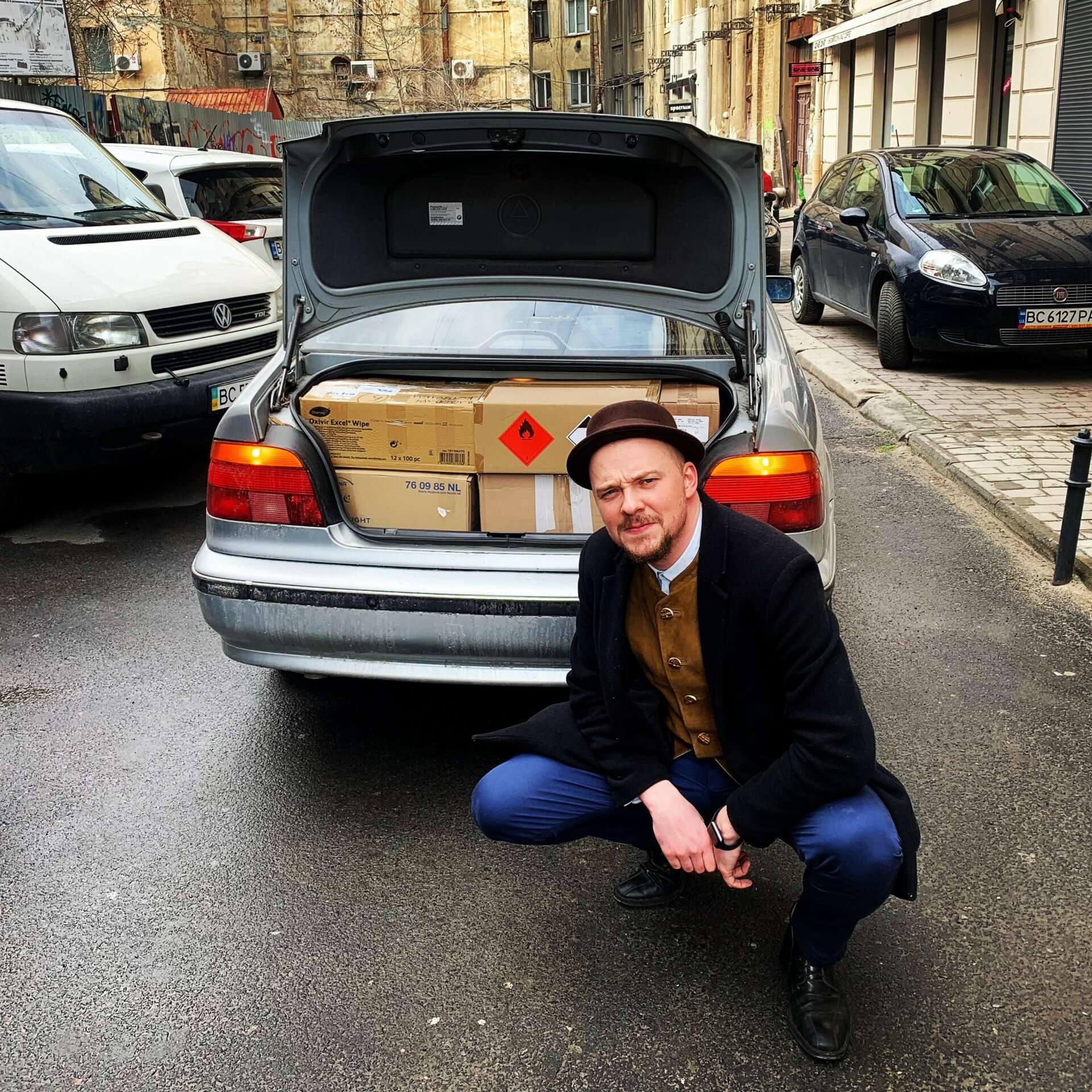
When russia started the full-scale invasion in 2022, I stopped playing the trumpet. The music felt unnecessary and meaningless when all the people you love are now under such a threat. I thought of joining the territorial defense unit, but my friends talked me out of it. At that moment I lived in Lviv, next to the Ukrainian-Polish border. The jazz community mobilized into a volunteering team. Every day we performed different tasks, made sandbags for the military reinforcements until our backs broke, helped the refugees at the unimaginably crowded train station, delivered humanitarian aid. At some point, we started working at the warehouse where trucks with all kinds of aid were delivered, sorted, and re-distributed. It was an intense period, the whole place looked like an ant nest. Coltrane, Miles Davis, and Kendrick Lamar were our soundtrack and kept us motivated, even though no one played their instruments at the time. But later people started to ask us to play charity concerts. I didn’t care about the music, but we raised enough money to buy military trucks, scopes, and drones for our friends in the army. Since that period jazz became the true music of freedom, a shield, and a sword in our fight against the oppressor.
It took me a long time to find my way back into the music. When my cousin got killed in a battle near Vuhledar, his brother told me that Mykola gave his life so I could play the trumpet. Something snapped within me, and I realized that I had to return to the art. But this time I could no longer fake it, everything that I do from that moment has to have power and real meaning.
For you, what’s the most rewarding aspect of being a creative?
Art is a tool way more powerful than one can imagine. It’s hard to build something with music; it cannot replace water or food. However, the artist’s purpose is to create a vision of the past, present, or future in a way that will help a person make the right decisions. It can be something simple, like your morning jogging playlist that keeps you moving, or a song that can help you deal with the loss of a close friend. But also, every country has a national anthem representing the national idea; there are battle songs and spiritual chants. The artist has the power to help with a sense of direction and purpose. But it is a responsibility as well. That’s why artists should work on their human side as much as on the art itself. For me, that’s the most rewarding part of being a musician and composer—to witness your music fulfill its purpose and to help people in their struggles.
Contact Info:
- Website: www.yakivtsvietinskyi.com
- Instagram: https://www.instagram.com/yakivtsvietinskyi
- Facebook: https://www.facebook.com/yakiv.tsvietinskyi
- Youtube: www.youtube.com/@YakivTsvietinskyi
- Other: https://distrokid.com/hyperfollow/yakivtsvietinskyi/minimalist https://soundcloud.com/yakiv_tsvietinskyi
Image Credits
Photo credits: Yuri Gryaznov (Kirai gigs) Oleg Samoylenko Ethan Cohn