We recently connected with Xueying Luo and have shared our conversation below.
Hi Xueying, thanks for joining us today. We’d love to hear about when you first realized that you wanted to pursue a creative path professionally.
I have always been a science student, excelling in math and physics, which led me to major in Computer Science and Technology in college.
It was during an elective course that I first got hands-on experience with creating 3D animations. I will never forget the feeling I had when I made a character walk cycle for the first time—it felt like I was breathing life into it.
Before that, I never considered entering the field of art because I wasn’t good at drawing and didn’t particularly enjoy it. Despite my lifelong love for animation, I never imagined I could be part of it until I met Maya. After that course, I decided to pursue a career in this field.

As always, we appreciate you sharing your insights and we’ve got a few more questions for you, but before we get to all of that can you take a minute to introduce yourself and give our readers some of your back background and context?
I chose Savannah College of Art and Design (SCAD) for my master’s degree because I wanted to systematically study animation production in an academic environment. My years at SCAD were incredibly fulfilling, thanks to the many excellent professors from whom I learned a great deal.
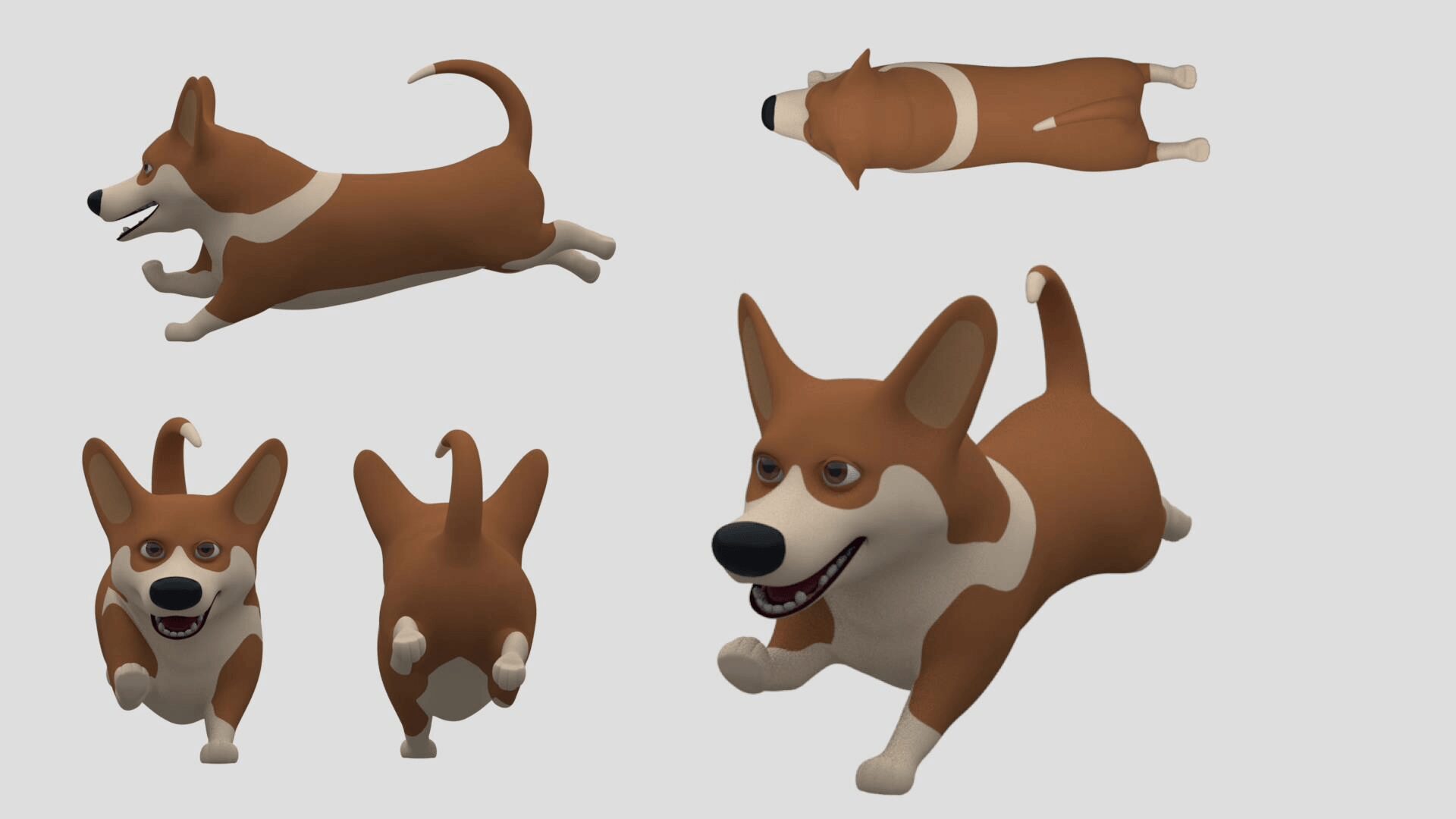
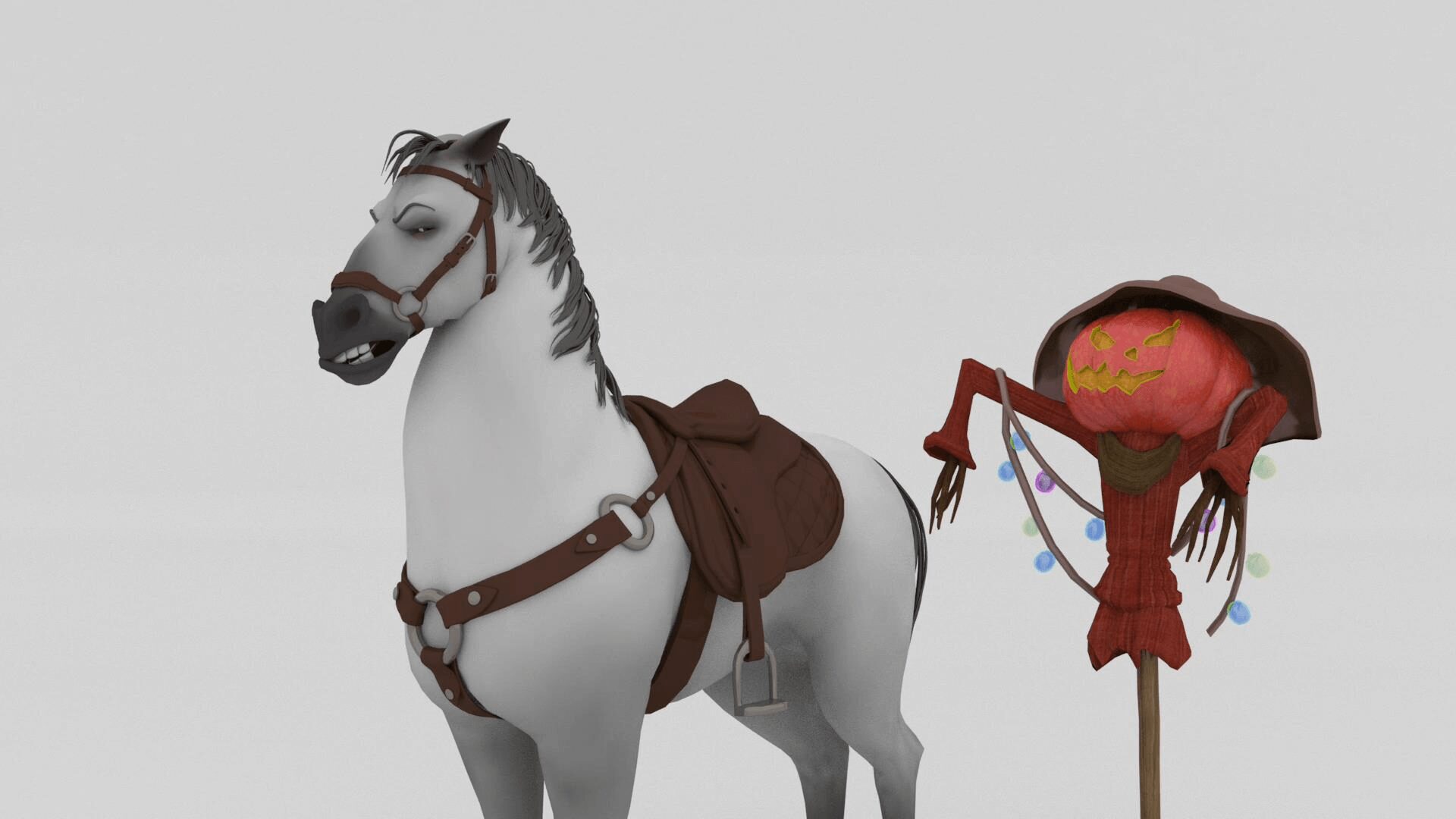
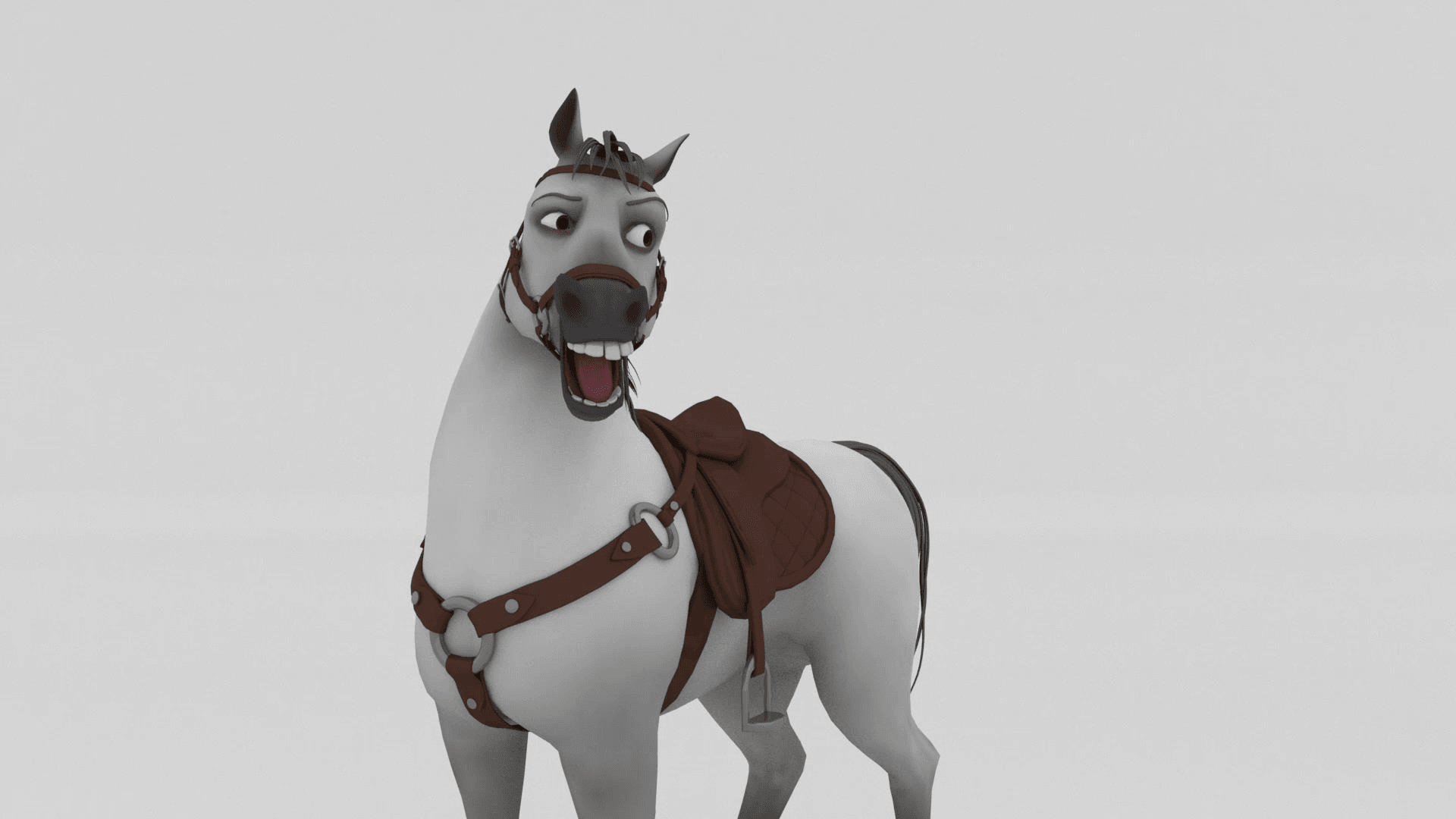
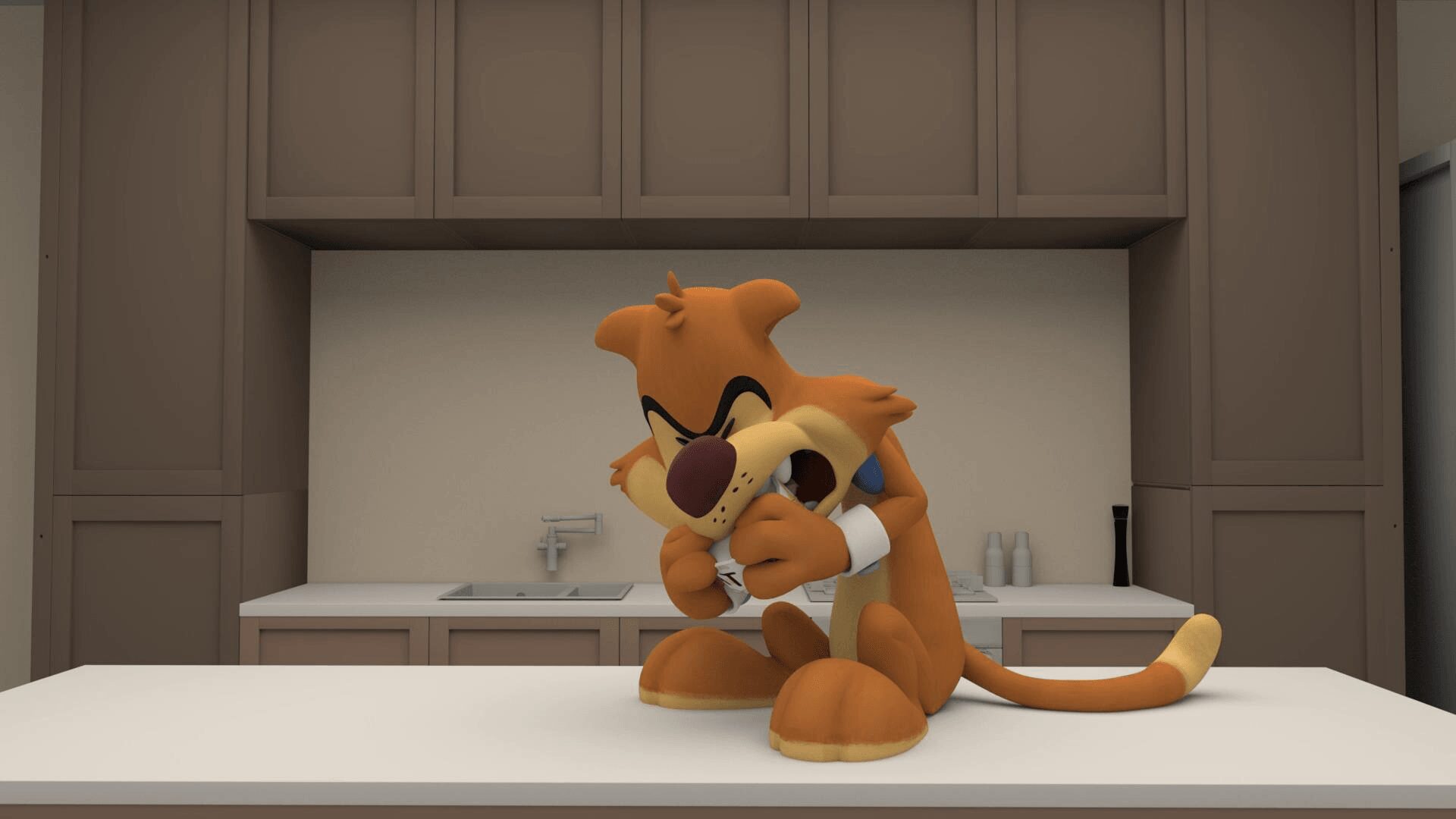
I specialized in 3D character animation, a field with limitless possibilities. It allows for a wide range of animation styles, from highly dramatic and cartoony to very realistic animations for games or films. An animator’s primary task is to make the audience believe in the character, to make them feel that the character is real. It’s akin to acting, but in a highly technical manner—deciding precisely where every part of the body should be positioned in each pose.
How can we best help foster a strong, supportive environment for artists and creatives?
This is a challenging question. I do believe that there is significant room for improvement in societal support for the arts. However, the reality is that art is not a priority area for development. When people struggle to meet basic needs like food and survival, they are not concerned with the state of the arts. Only when the overall economic environment improves can there be greater capacity to focus on the development of the arts.

Is there mission driving your creative journey?
Of course, I believe that everyone who chooses this field has a certain degree of a dream—we are all pursuing a vision. I hope to be part of the production team for the animated films I love, to see my name in the credits, and to play a significant role, even as a lead.
However, realistically speaking, the arts are a field where investment and returns are unstable. We might invest a lot and end up with nothing to show for it. As human beings, everyone has basic needs to meet. Therefore, most of us face the dilemma of whether to compromise with reality. But I believe that temporary compromises are acceptable as long as we don’t give up on our dreams. As long as hope exists, even if it’s small, it’s worth pursuing.
Contact Info:
- Website: https://xueyingluo77.wixsite.com/mysite
- Linkedin: https://www.linkedin.com/in/xueyingluo77/