

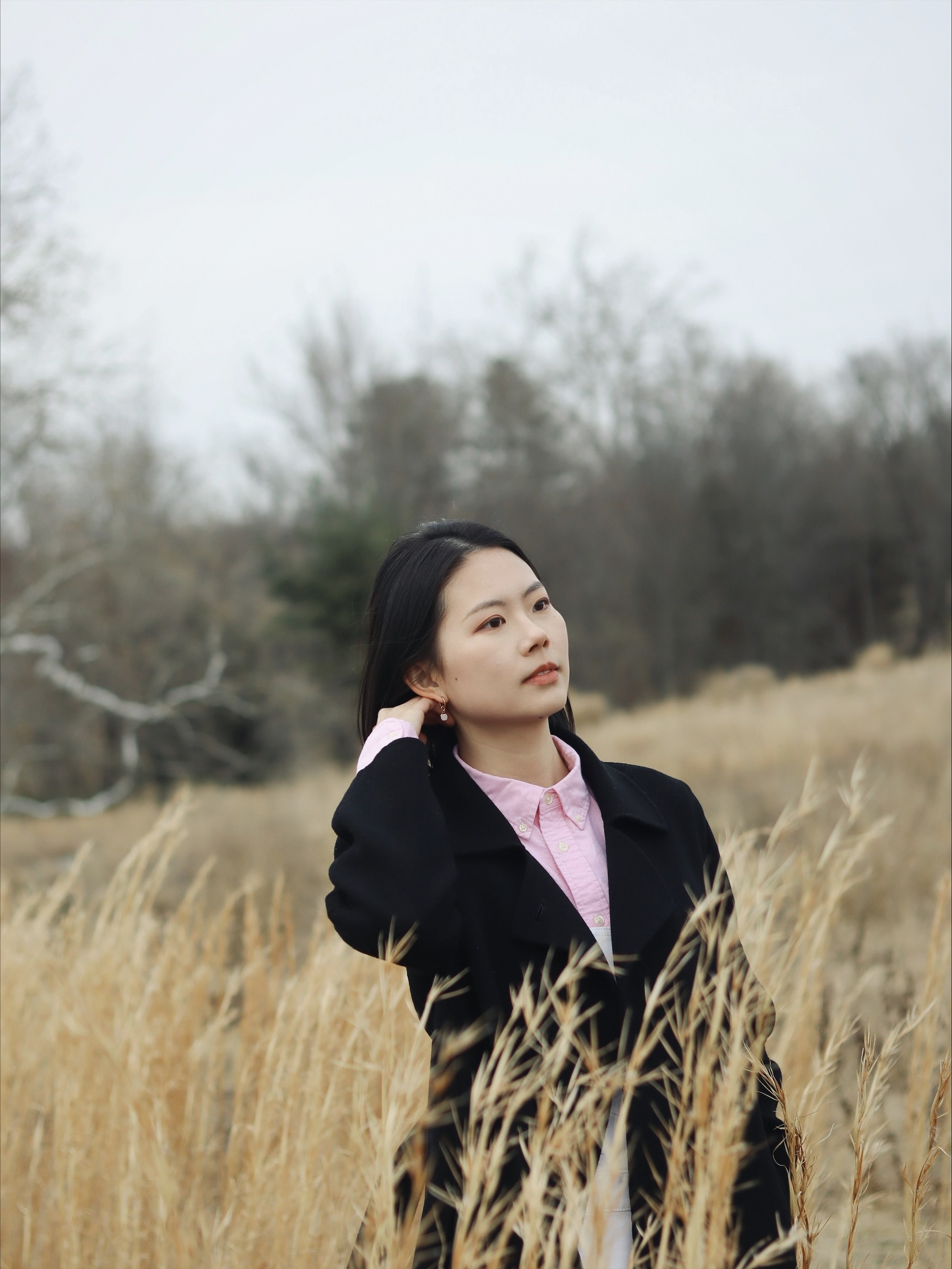

Alright – so today we’ve got the honor of introducing you to Xiesiyuan Shu. We think you’ll enjoy our conversation, we’ve shared it below.
Alright, Xiesiyuan thanks for taking the time to share your stories and insights with us today. So, let’s start with trends – what are some of the largest or more impactful trends you are seeing in the industry?
In recent years, several trends have been shaping the landscape design industry.
The first one is sustainable design. In sustainable landscape design, the focus is on creating outdoor spaces that minimize environmental impact and promote biodiversity. One aspect of this trend is the use of native plants. Native plants are well-adapted to the local climate and soil conditions, reducing the need for supplemental watering, fertilizers, and pesticides. They also provide habitat and food for native wildlife, contributing to ecosystem health.
Additionally, sustainable landscape design incorporates renewable materials such as recycled wood, stone, and metal. Using recycled or reclaimed materials reduces the demand for new resources and minimizes waste. These materials can be used in features like pathways, retaining walls, and garden structures, adding unique character to the landscape while reducing environmental impact.
The trend towards outdoor living spaces reflects a desire to extend the usable area of the home into the outdoors, creating multifunctional and inviting spaces for leisure and entertainment. One popular feature is the outdoor kitchen, which typically includes a grill, countertops, storage, and sometimes appliances like a refrigerator or sink. Outdoor kitchens allow homeowners to cook and entertain outside, enjoying the fresh air and natural surroundings while preparing meals.
Overall, the trend towards outdoor living spaces reflects a desire to connect with nature, entertain guests, and enhance the functionality and enjoyment of outdoor living areas. By incorporating features like outdoor kitchens, fire pits, seating areas, and pergolas, homeowners can create inviting and comfortable spaces that seamlessly blend indoor and outdoor living.
As always, we appreciate you sharing your insights and we’ve got a few more questions for you, but before we get to all of that can you take a minute to introduce yourself and give our readers some of your back background and context?
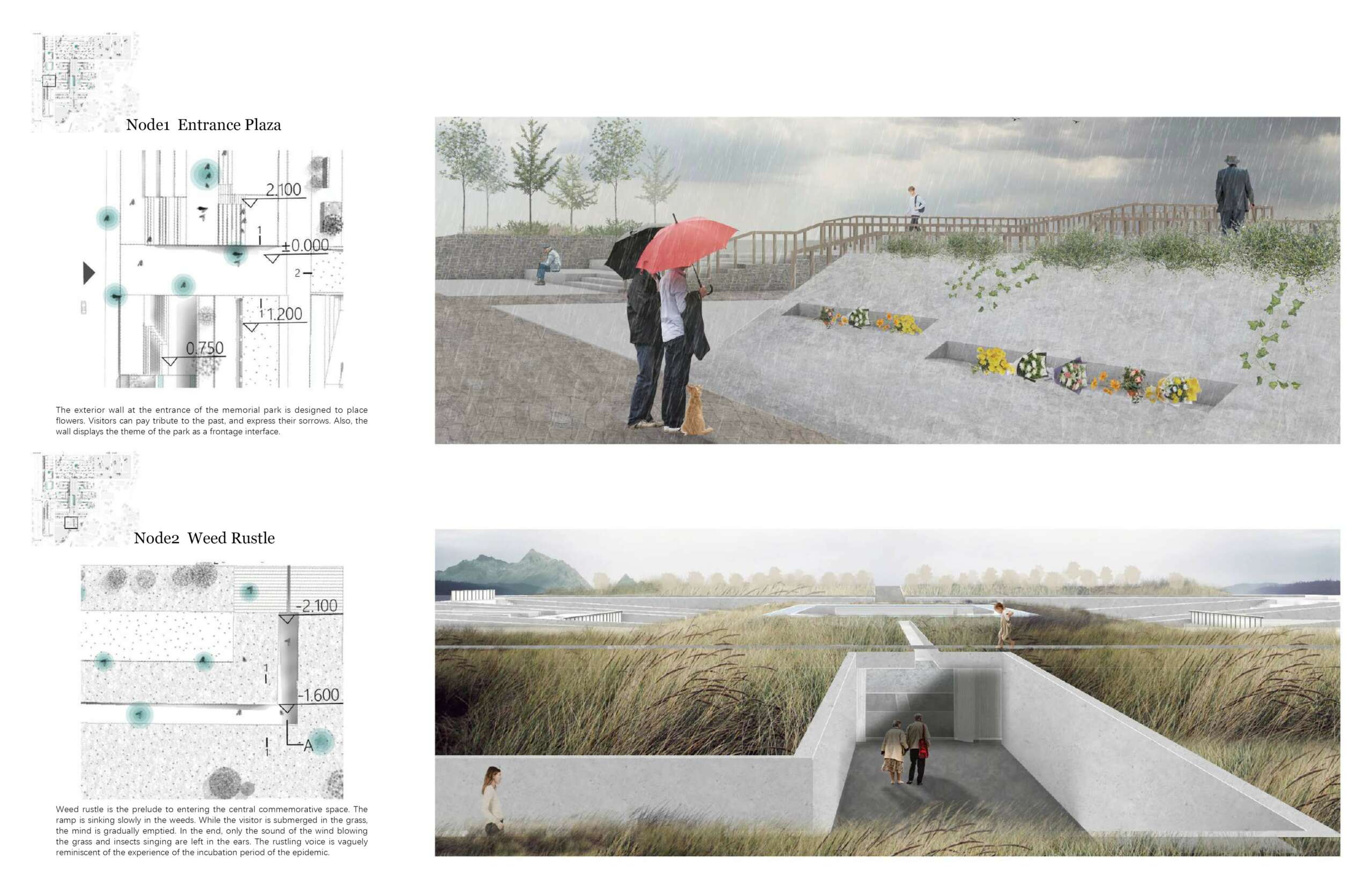
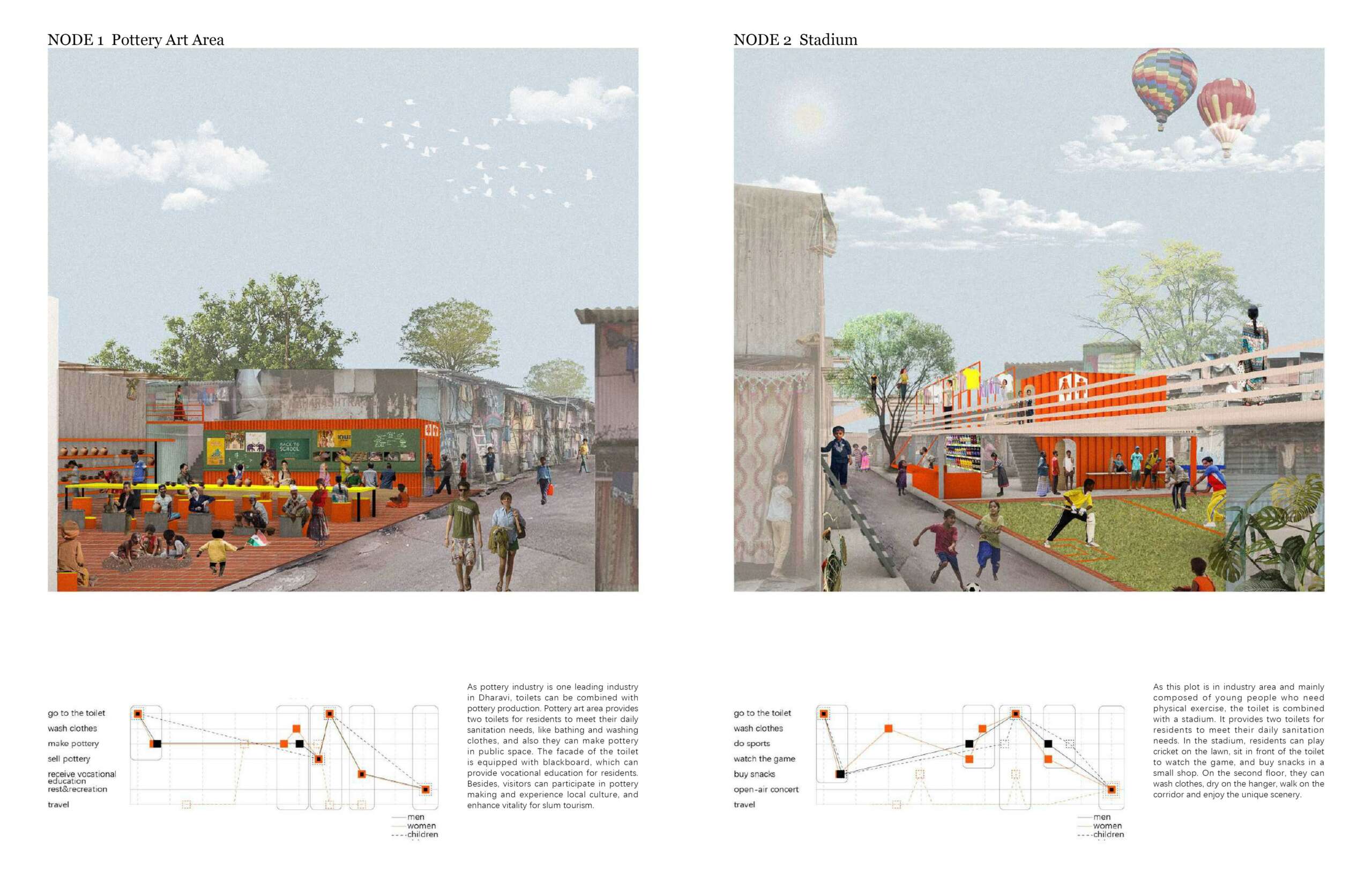
As a landscape designer specializing in public spaces, my journey into this field was deeply rooted in my childhood experiences of painting alongside my grandfather, where my love for the environment and nature first blossomed. It was a documentary featuring a renowned Chinese landscape architect that truly enlightened me to the potential of landscape architecture as a career path that harmoniously blends all my passions. Thus, I embarked on this path.
In my current role, I provide invaluable project support, contributing to the development of graphics for presentations, revising CAD drawings based on redline markups, and assisting in the production of planting plans and schedules. Through dedicated effort, I have honed my technical skills to create illustrative plans and drawings for significant multifamily projects, enhancing their visual appeal and functionality.
Approaching my work with an unwaveringly positive attitude, I am always ready to accommodate any necessary changes and collaborate effectively with colleagues. Over the course of my tenure, my technical proficiency has grown significantly, enabling me to contribute meaningfully to the success of our firm’s projects.
For you, what’s the most rewarding aspect of being a creative?
For me, the most rewarding aspect of being a designer is the ability to express myself. Through my creative work, I can channel my emotions, thoughts, and experiences into tangible forms that resonate with others. There’s a profound sense of fulfillment in knowing that my creations have the power to evoke emotions, inspire reflection, and even spark meaningful conversations. For instance, through landscape design, I have the opportunity to mold public spaces according to my unique style and express my conceptual vision. By carefully crafting the environment, I aim to create inviting spaces that beckon all to interact with the site and experience its essence.
Additionally, the creative process itself is incredibly rewarding. It allows me to explore new ideas, experiment with different techniques, and push the boundaries of my creativity. There’s a sense of joy and satisfaction in the journey of creation, from the initial spark of inspiration to the final realization of a finished piece.
Overall, the most rewarding aspect of being a designer is the ability to express myself and engage in the creative process. It’s a deeply fulfilling and enriching journey that brings joy, inspiration, and meaning to my life.
Are there any resources you wish you knew about earlier in your creative journey?
Looking back, I wish I had discovered online communities and forums earlier in my creative journey. These platforms provide invaluable opportunities to connect with fellow creatives, offering support, inspiration, and feedback. For example, within the landscape industry, organizations like ASLA (American Society of Landscape Architects) serve as hubs for designers to share ideas and communicate with peers. Engaging with like-minded individuals in these spaces not only fosters personal growth but also expands one’s creative network, opening doors to new opportunities and collaborations.
Image Credits
Xiesiyuan Shu