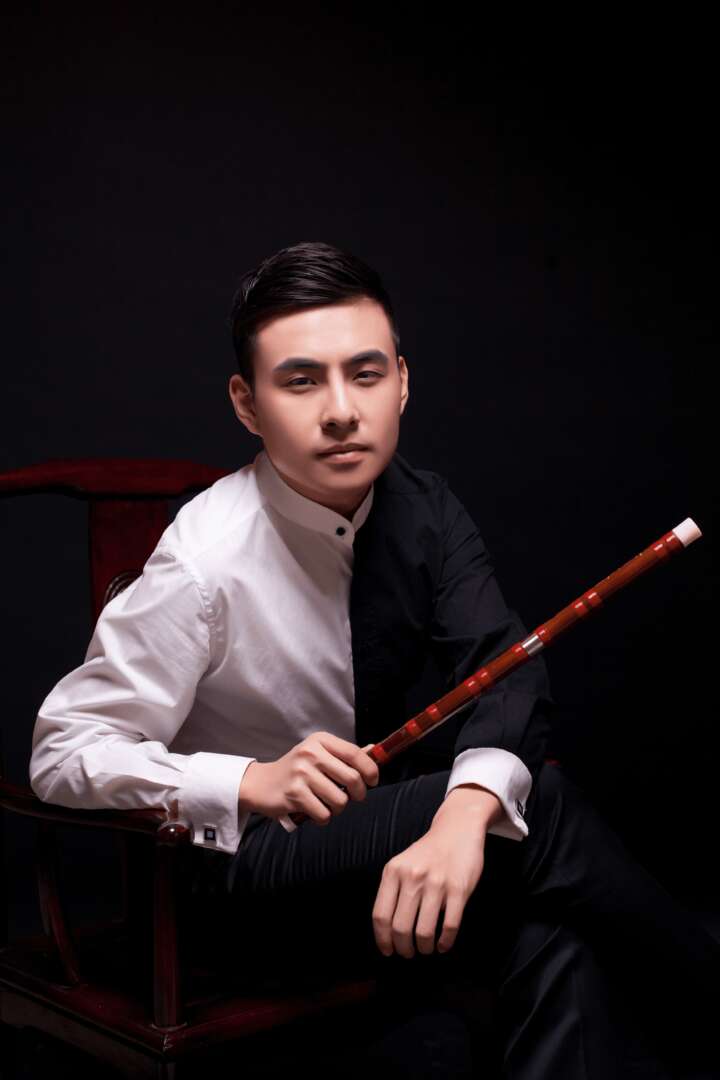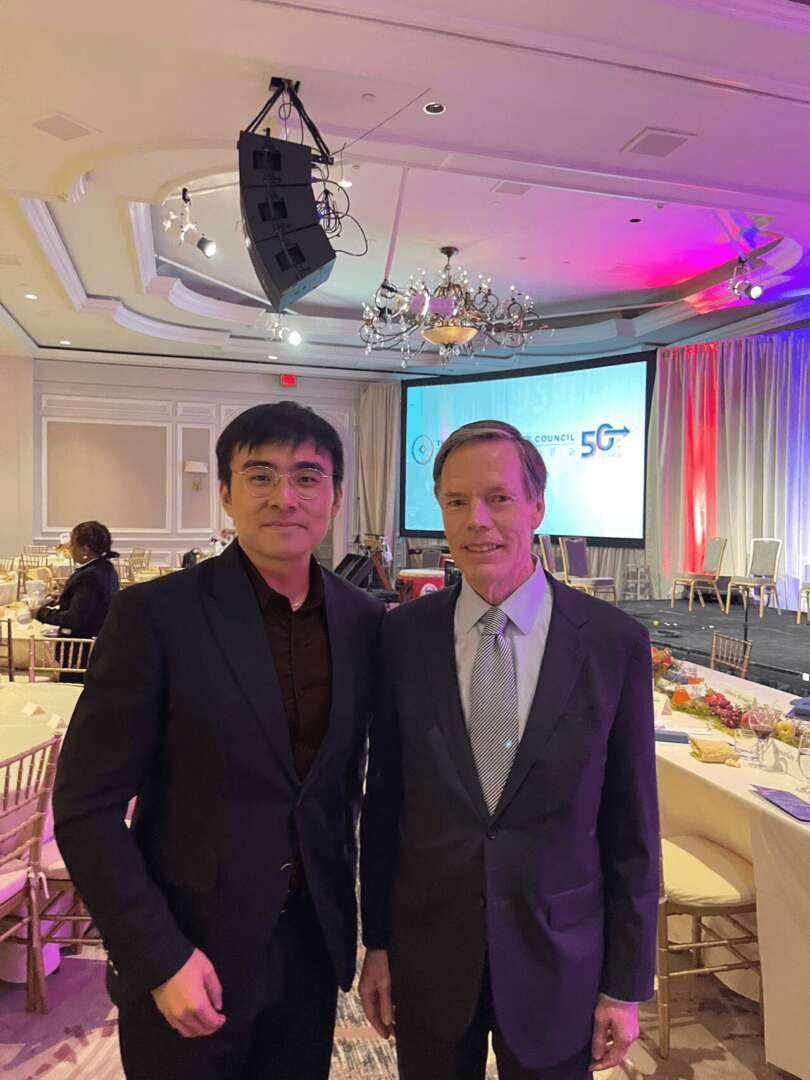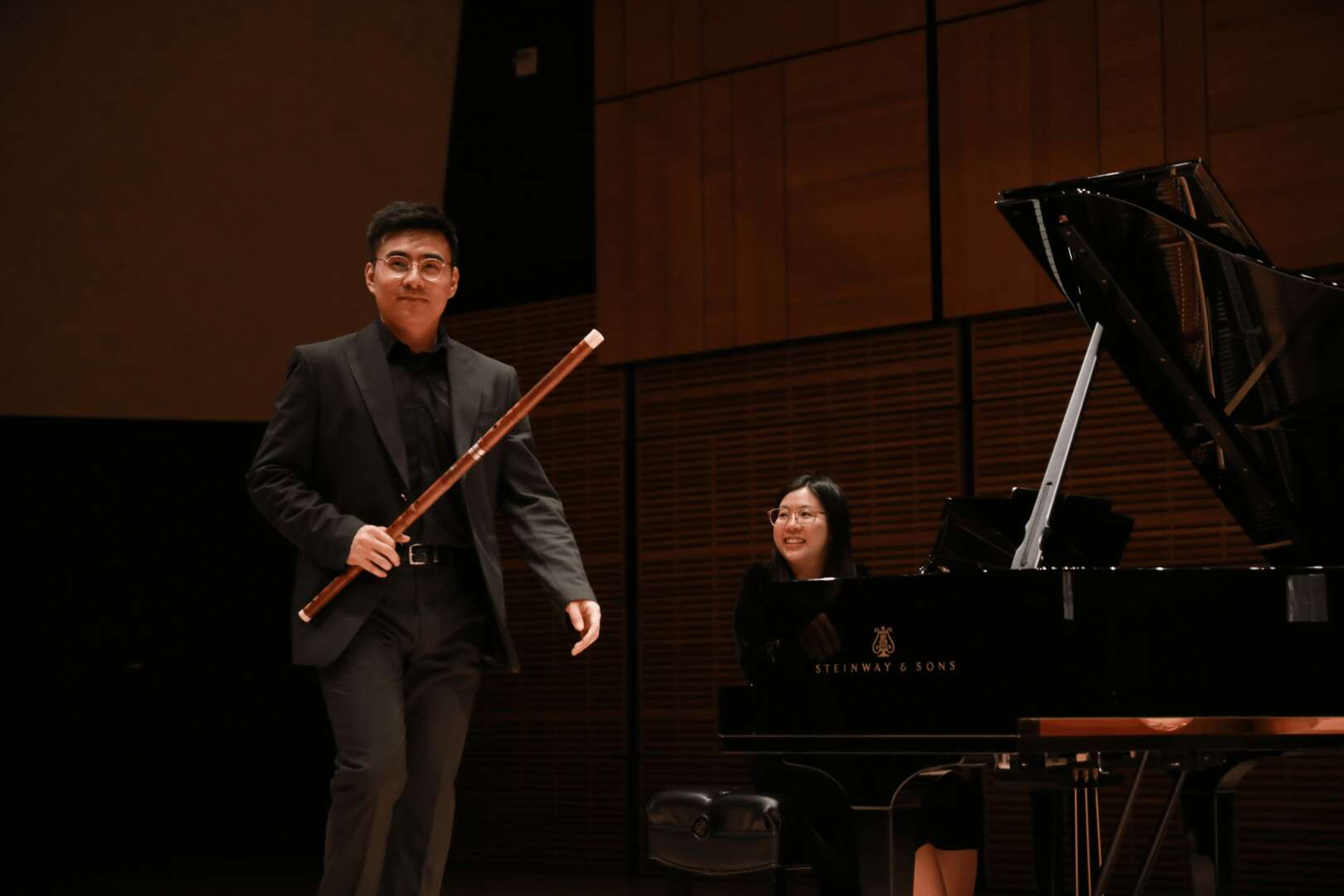

We were lucky to catch up with Xiaoran Liu recently and have shared our conversation below.
Alright, Xiaoran thanks for taking the time to share your stories and insights with us today. I’m sure there have been days where the challenges of being an artist or creative force you to think about what it would be like to just have a regular job. When’s the last time you felt that way? Did you have any insights from the experience?
In fact, right after graduating from graduate school in the United States, I worked in another industry due to the pandemic. I mainly studied music performance (Chinese bamboo flute) and arts management in school, but when COVID first broke out, no arts organizations or institutions were hiring. By chance, I ended up working at the Louis Vuitton flagship store on Fifth Avenue in the United States. I have to say that the work experience during those two years was very helpful. For example, it made me less nervous about speaking English in conversations, helped me integrate into New York’s diverse society, and taught me a lot about luxury goods as well as large event management and organization.
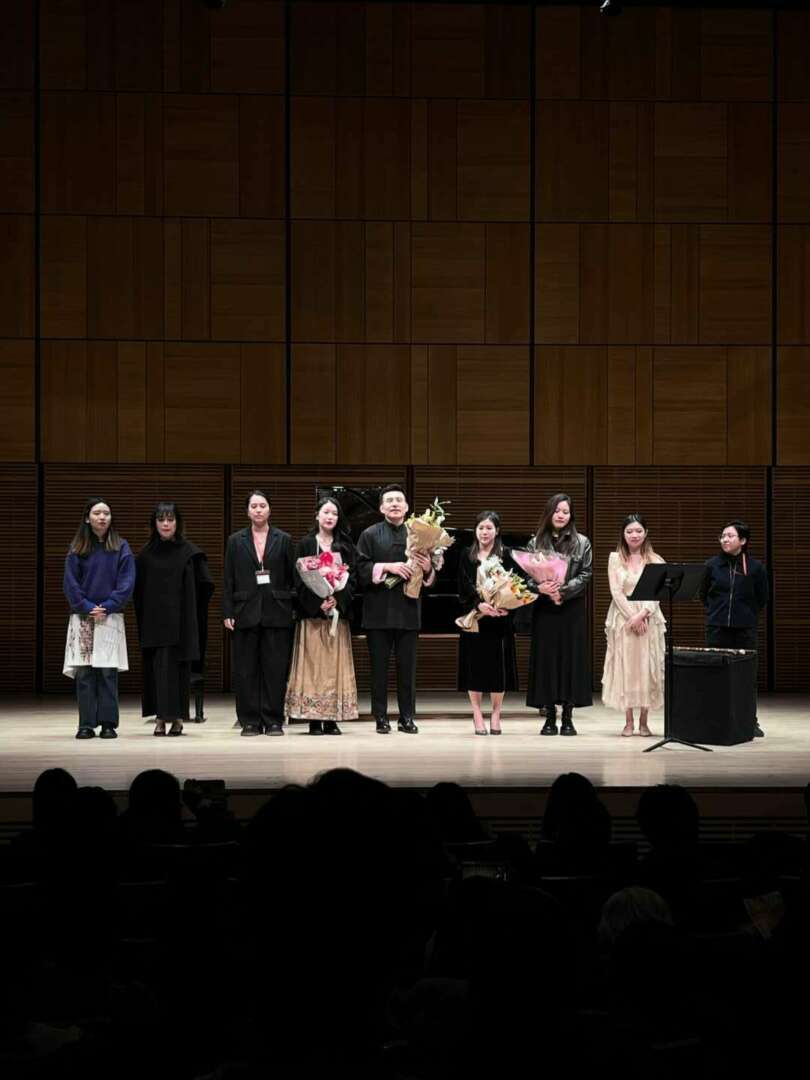
However, even though I did quite well in that industry and was promoted several times over those two years, I often missed the time when I was studying music and performing on stage. That was my profession of over ten years and my childhood dream. So, when the pandemic situation slightly improved, I began collaborating with the New York Chinese Music Ensemble. At the same time, I started preparing for my solo concert at Carnegie Hall, which was the first Chinese bamboo flute concert in the history of Carnegie Hall. Standing on stage, I felt alive again. I can handle working in other industries, but I still love music and the stage more, as well as everything related to performance management. I hope people recognize me as a musician.
Great, appreciate you sharing that with us. Before we ask you to share more of your insights, can you take a moment to introduce yourself and how you got to where you are today to our readers.
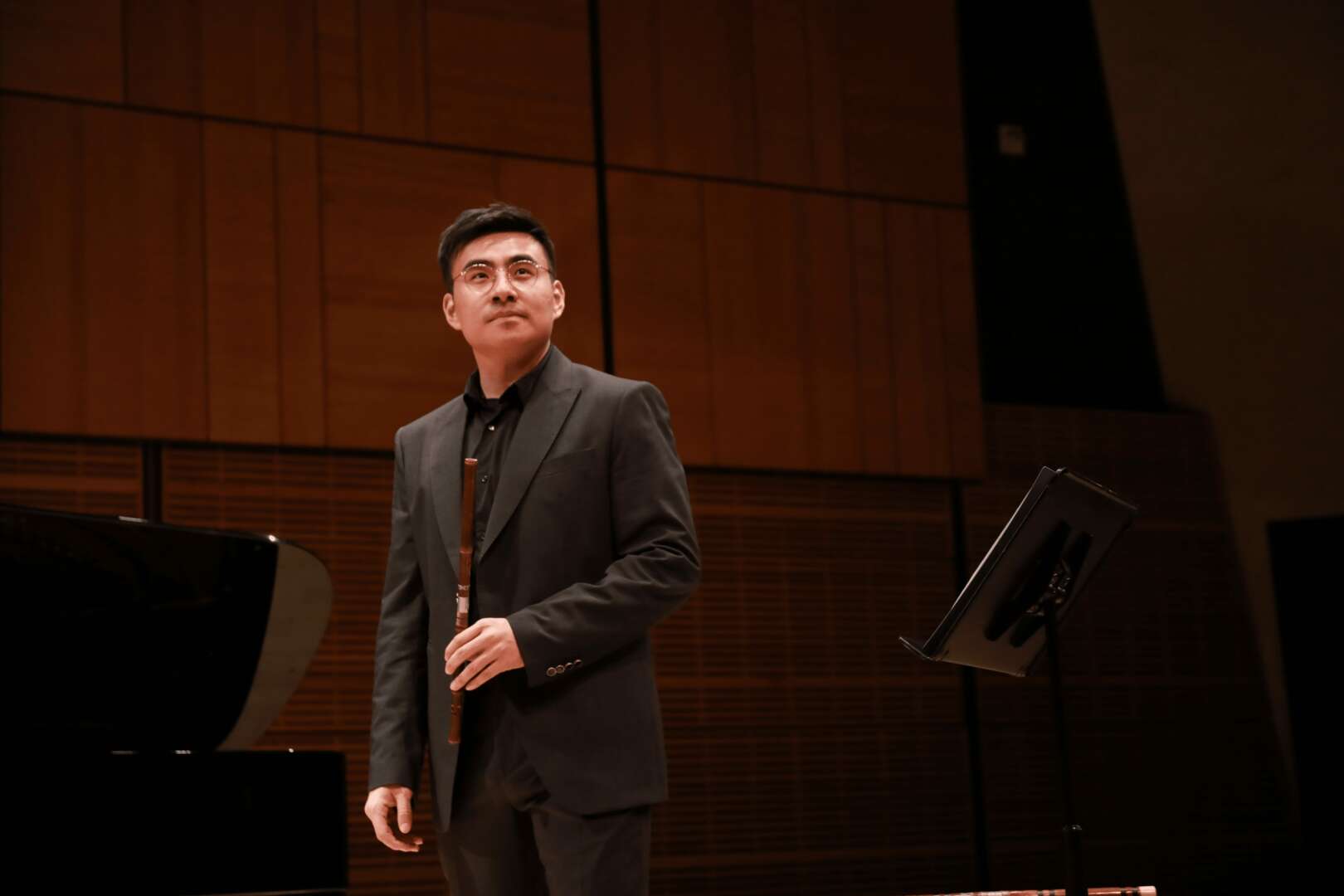
On January 21, 2024, Chinese bamboo flute player Xiaoran Liu held a bamboo flute concert titled “Horizon” at Carnegie Hall in New York, United States. This was the first concert in the history of Carnegie Hall dedicated to the traditional Chinese instrument, the “Bamboo Flute,” as a special concert for a solo instrument. As a leader in the new generation of bamboo flute players, I have studied under several renowned masters in China, including Mr. Xiao Hequan, a folk bamboo flute player; Mr. Wang Xi, a professor at Minzu University of China; Ms. Chen Yue, a professor and doctoral advisor at the China Conservatory of Music; and Mr. Yuan Feifan, a professor and doctoral advisor at the Central Conservatory of Music.
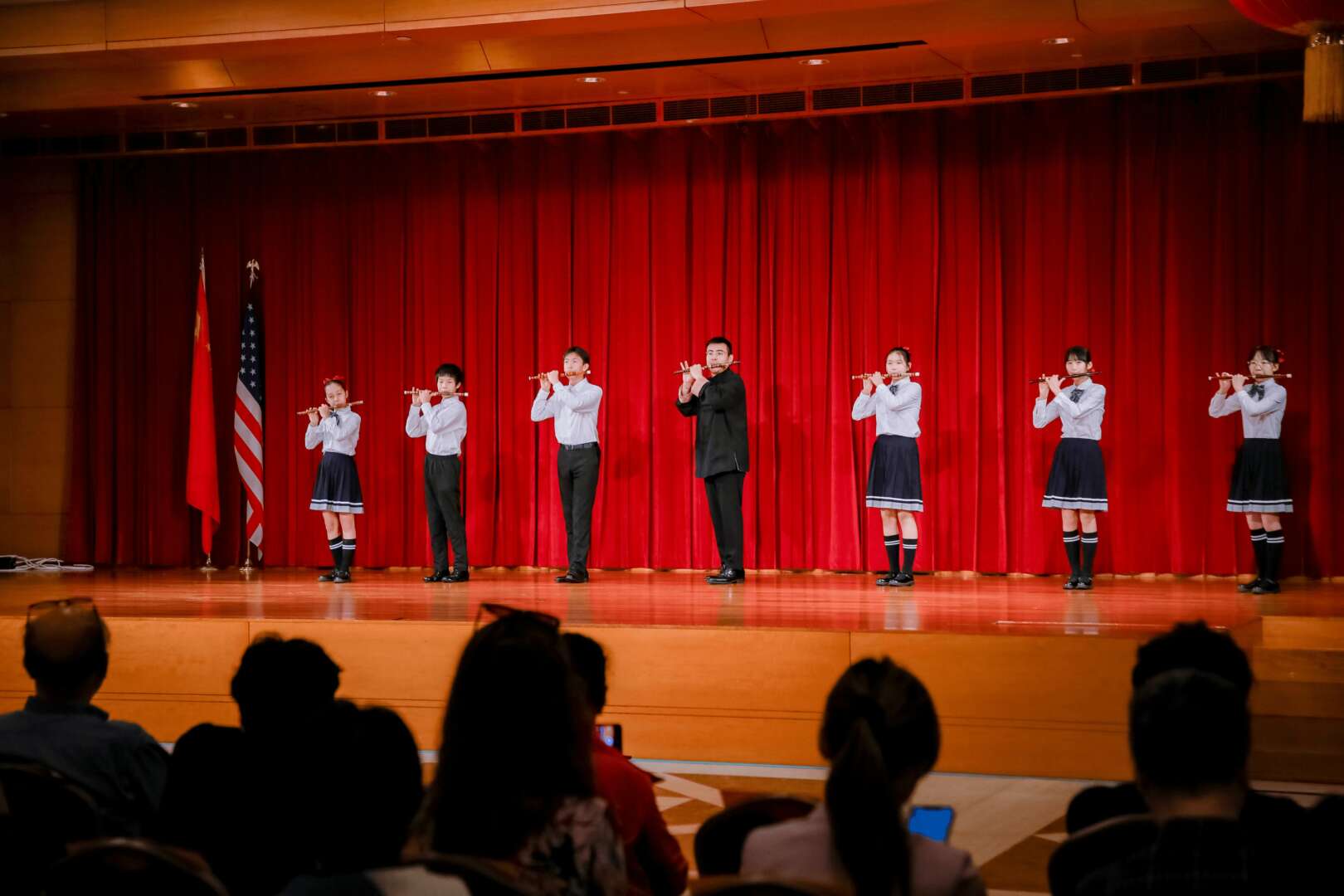
I have collaborated with famous orchestras such as the Asia Philharmonic Orchestra and the China National Song and Dance Ensemble numerous times. Since 2011, I have been active on the international stage, committed to promoting Chinese national music overseas, primarily the “bamboo flute” and “xiao.” I have performed at many events, including the Singapore Chinese Arts Festival and the International Youth Music Festival, and have collaborated with overseas orchestras such as the Chinese Music Ensemble of New York and the Bard East/West Ensemble of New York.
Currently, I am based in New York, where I serve as the principal bamboo flute player and the Director of Operations for the New York Chinese Music Ensemble. The New York Chinese Music Ensemble has a 63-year history and is comprised of musicians from diverse backgrounds. Our goal is to promote traditional Chinese music in the multicultural society of New York, ensuring both the preservation and innovation of Chinese music. In the ensemble, I am primarily responsible for operations management, marketing, fundraising, and event planning and leadership.
Additionally, I have established my own cultural company, “FUCEAN.” The name “FUCEAN” derives from “Fusing the Ocean,” reflecting our mission to promote outstanding Asian artists and musicians in New York, ultimately creating a community platform for artistic exchange and communication. Of course, promoting Chinese music, especially the “bamboo flute,” which I am most familiar with, remains my ongoing endeavor.
Is there mission driving your creative journey?
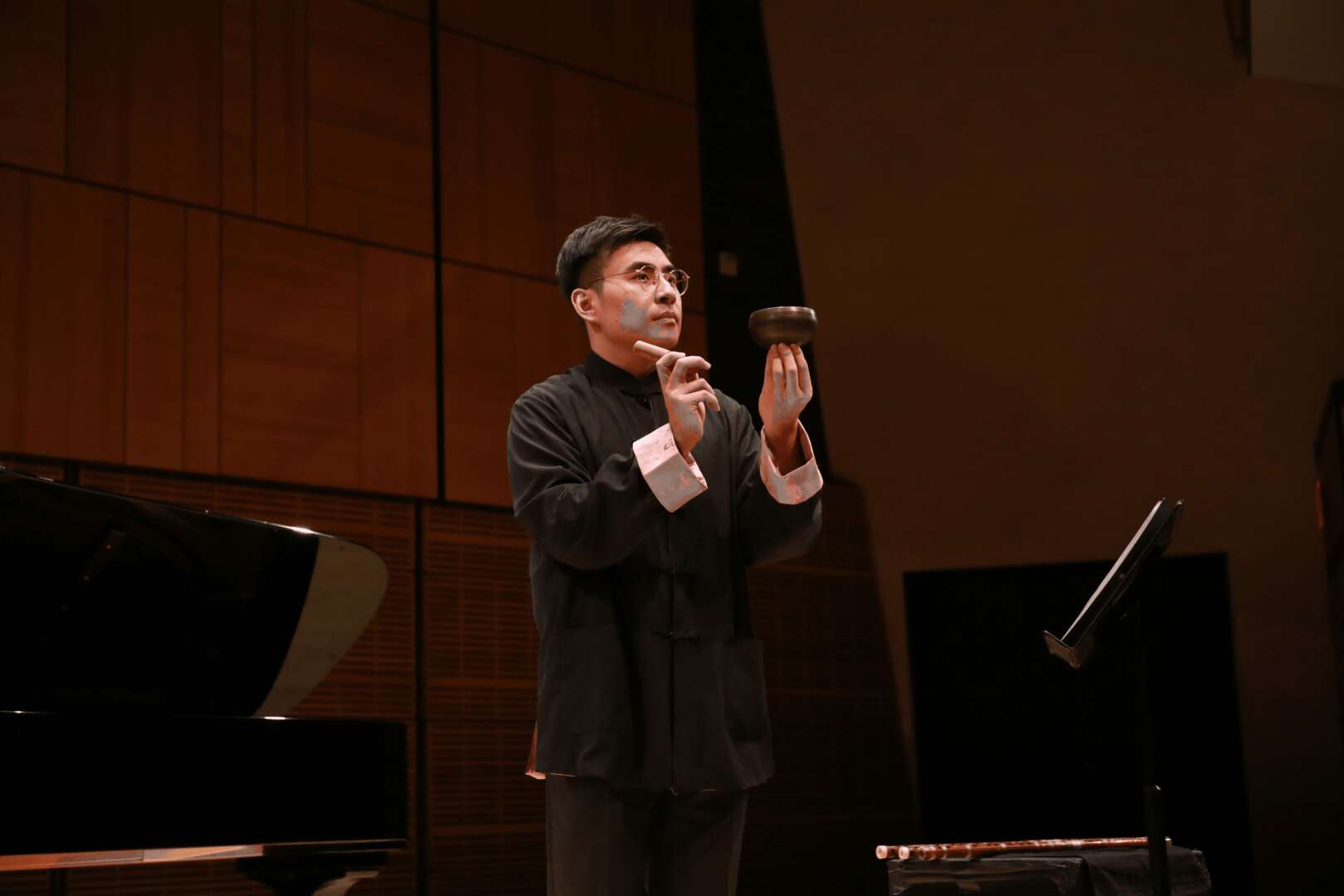
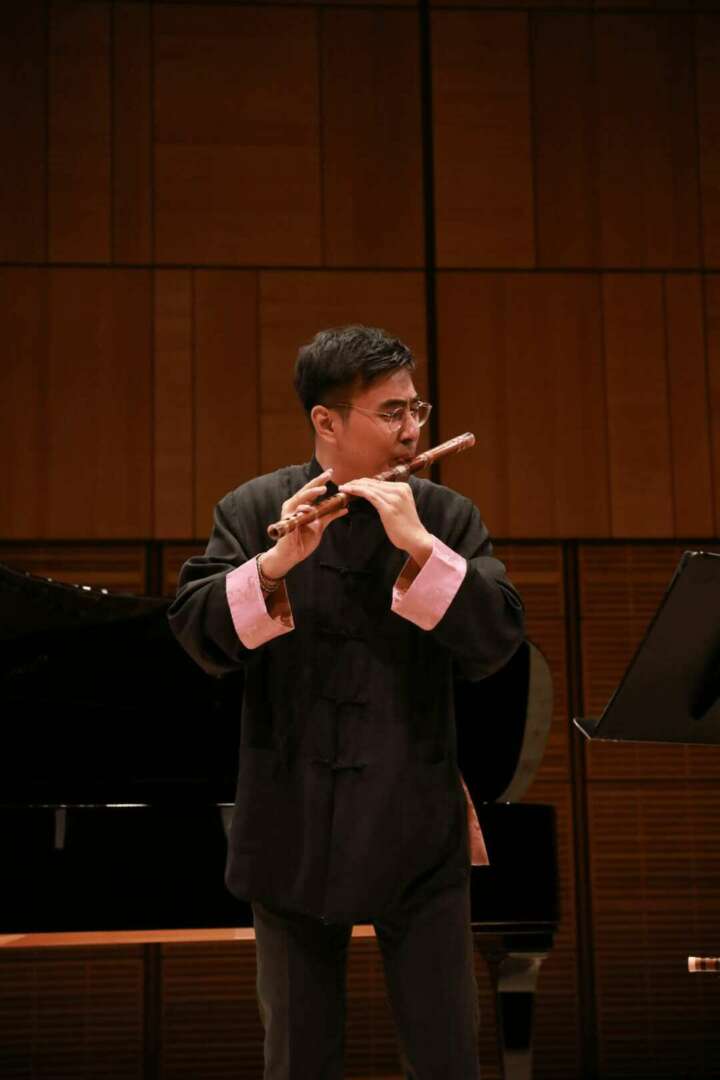
You know, the bamboo flute is one of the oldest musical instruments discovered in archaeological history, with a history of around 9,000 years. Every country in the world has its own ethnic or regional transverse flute, and the major genres today are the Asian or Chinese bamboo flute and the Western flute often seen in symphony orchestras. However, all these wind instruments are, to some extent, related; they have evolved into different styles over time, influenced by different regional cultures, languages, and other factors. This not only applies to wind instruments but also to all forms of music. If you study the history, you’ll find a commonality in human wisdom. For example, the bowed string instrument found in ancient Persia spread to Europe and gradually developed into the violin, while moving eastward, it evolved into our erhu. Understanding these aspects makes you realize the commonality in human culture, showing that our roots were, or at least, had similar origins many years ago. Knowing this, you become more open-minded and less desiring of centralized power.
This is the core motivation and goal of my continued pursuit of Chinese music in New York. New York is the most diverse city in the world, where you can find various cultures, languages, and ethnicities. Different cultures naturally intersect and blend in this city, creating a unique culture that belongs to New York. The bamboo flute, with its long history and rich development process, is a cultural treasure belonging to all of humanity. My advanced playing skills and extensive stage experience, combined with my study and life experiences in the United States, give me a unique perspective compared to bamboo flute players in China. I believe it is my mission to promote, preserve, and develop traditional Chinese wind instruments in the cultural capital of the world.
Any insights you can share with us about how you built up your social media presence?
I recently discovered that social media is an incredibly useful tool and platform for artists to market themselves. I uploaded clips of my performances at Carnegie Hall and Lincoln Center to Douyin (the Chinese version of TikTok), and two of the videos have already garnered over 20 million views combined. One video received nearly 700,000 likes and over 30,000 comments. My follower count has increased from just over 300 before I started actively using social media to now over 9,000. Every time I open TikTok now, I see numerous messages from fans, saying things like they didn’t pay much attention to the Chinese bamboo flute before, but now they have started following it because of me. There are also many voices supporting and encouraging me, which I find very gratifying.
My only advice for marketing oneself on social media is to ensure the content is of high quality and stays fresh. Simply put, while others can play the same pieces, my performance makes the audience feel more at ease, and that is not something achieved through social media management alone, but rather the inevitable result of years of practice. Therefore, for all artists, whether in music or performance, having real, substantial skills and a high level of professional expertise is key.
Contact Info:
- Website: https://www.fucean.com/
- Instagram: https://www.instagram.com/ericliuxiaoran?igsh=MTNjcnBqdW96dWRqdA%3D%3D&utm_source=qr
- Linkedin: https://www.linkedin.com/in/xiaoran-eric-liu
- Youtube: https://youtube.com/@user-ml8yw1br3t?si=7G_msdbsM5o7x73Y