



We were lucky to catch up with Xiao Lyu recently and have shared our conversation below.
Alright, Xiao thanks for taking the time to share your stories and insights with us today. What was the most important lesson/experience you had in a job that has helped you in your creative career?
As artists, we often work alone, but sometimes we collaborate with others. I have learned a lot and grown from my past collaborative experiences.
For two years, I ran my own graphic studio with a college classmate. We had been close friends since our undergraduate days, frequently working on group projects together. Having known each other for years, we stayed in touch and shared similar aesthetics and interests. This eventually led to us formally working together at what felt like the right time. However, misunderstandings and disagreements gradually arose. Over time, we found ourselves accusing each other of issues that the other was unaware of, but that had been brewing for a while, leading to a very unpleasant closure of the studio.
I realized that many times, when differences or dissatisfaction with each other’s actions or words arise, we hesitate to openly express our concerns due to the purpose of maintaining friendship or harmony. Instead, we rely on subtle hints, hoping the other person will pick up on them. When they don’t, it leads to frustration, making it seem as if they are not taking the collaboration seriously. This, in turn, creates further misunderstandings and escalates tensions, trapping both parties in a slow and repetitive vicious cycle, ultimately killing any futural possibilities.
From this experience, I learned that the initial excitement of collaboration may stem from shared interests, the recognition and appreciation of each other’s talents, and even the possibility brought by the common points and complementary points of each other’s personalities. But just like a relationship, after the initial passion for cooperation has passed, what really makes cooperation go on for a long time is to return to rational cognition, rather than letting emotions dominate the subsequent cooperation; it’s about actively managing the working relationship, rather than assuming mutual trust alone will sustain it; it is honest communication and being frank, rather than holding back words and hoping that the other party will read your subtext; and it is to treat differences with an attitude of solving problems, rather than being controlled by temper when problems arise.
Awesome – so before we get into the rest of our questions, can you briefly introduce yourself to our readers.
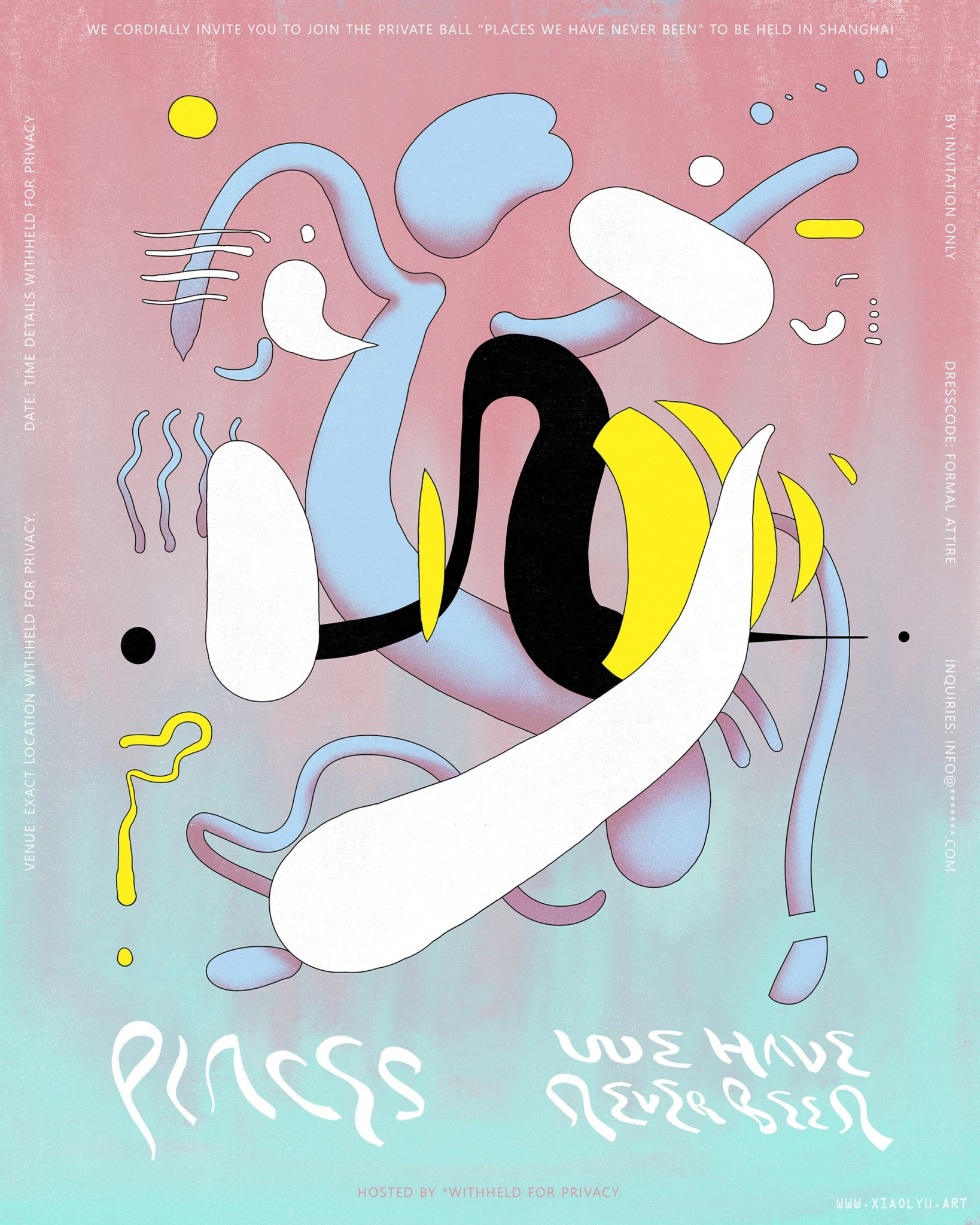
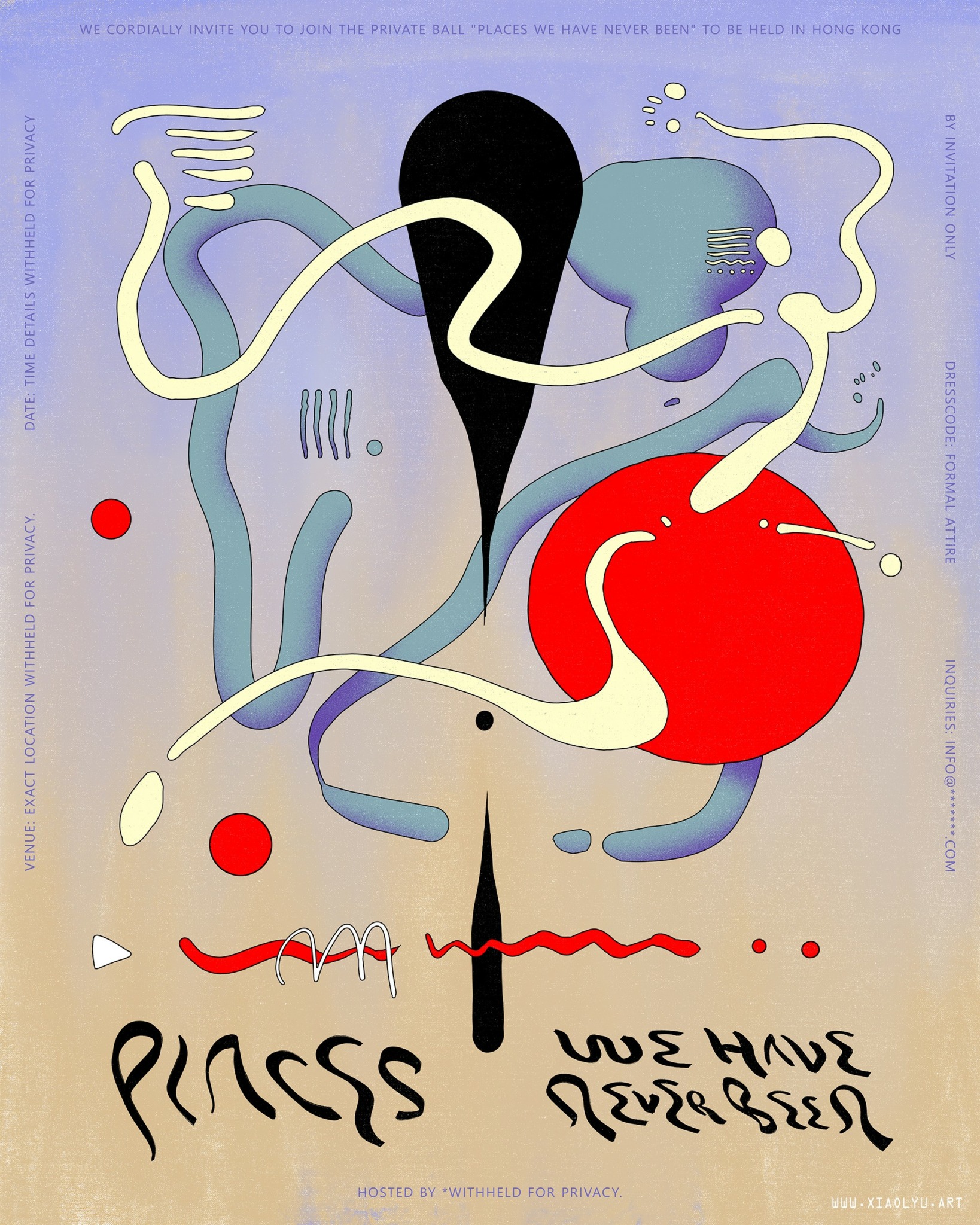
I believe visual art creations should be open-minded and diverse. Growing up and living at the intersection of East Asian and North American cultures, I take pride in my cultural diversity. This diversity is a defining feature of my art and fuels my passion and curiosity to engage with different and exciting visual art projects continually.
I used to be a graphic designer and 2D game artist with many years of experience, and photography has always been one of my hobbies. However, as I took on more projects like character design, illustrations, and promotional posters, I found myself increasingly passionate about illustration. I wanted to dive deeper into understanding my own preferences, studying the differences and commonalities across various illustration genres, and shaping and emphasizing my personal path and style.
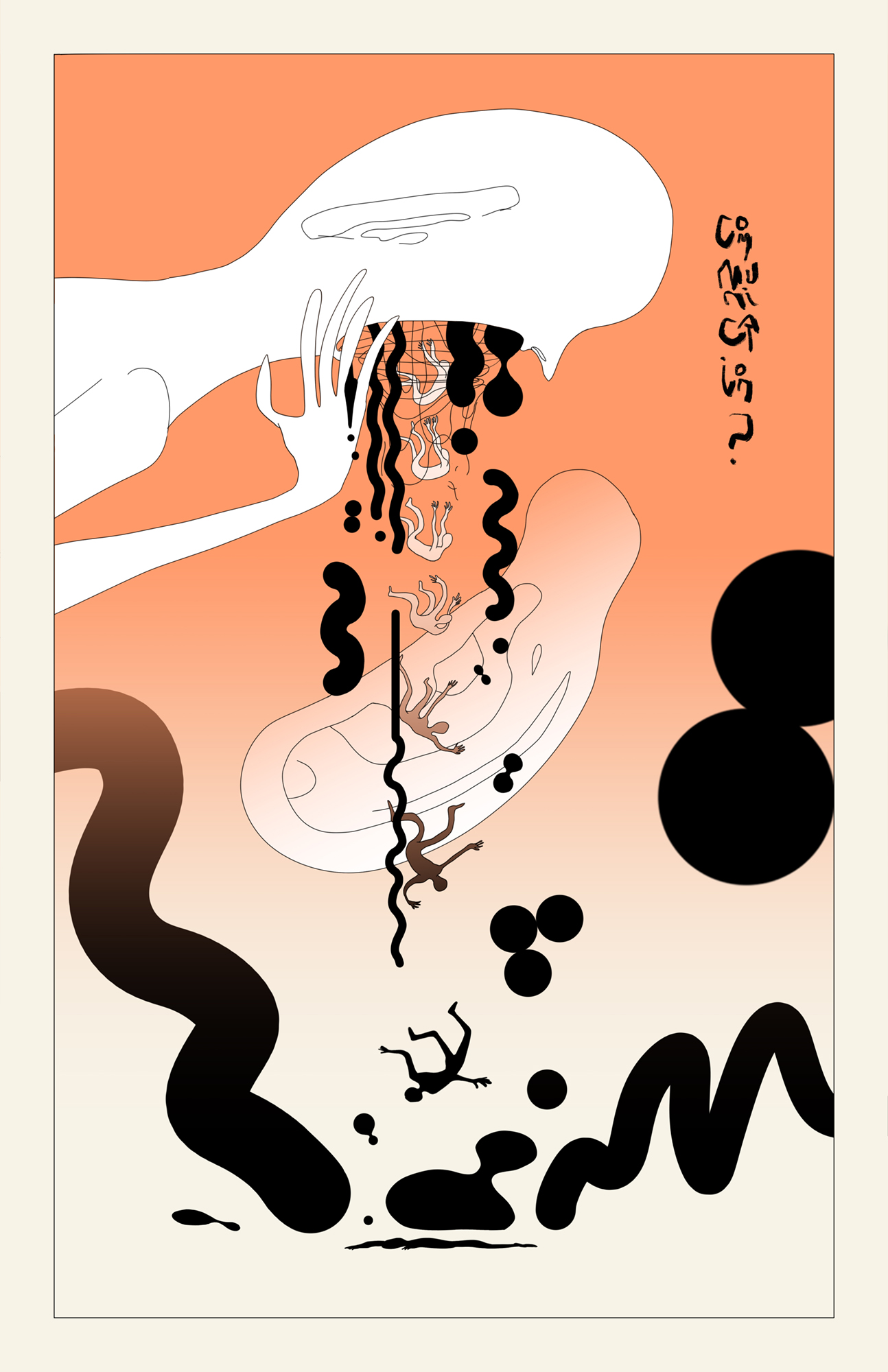
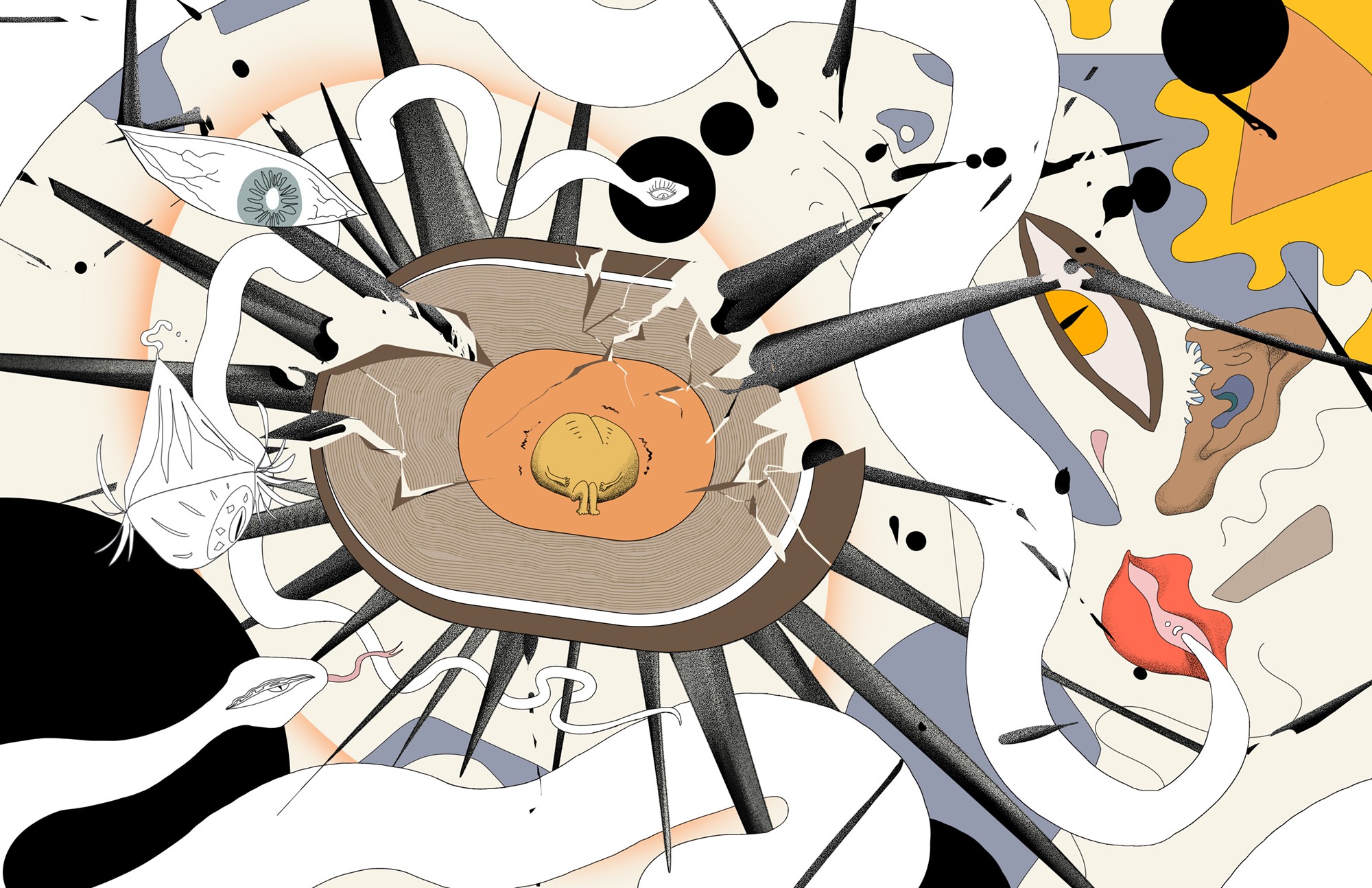
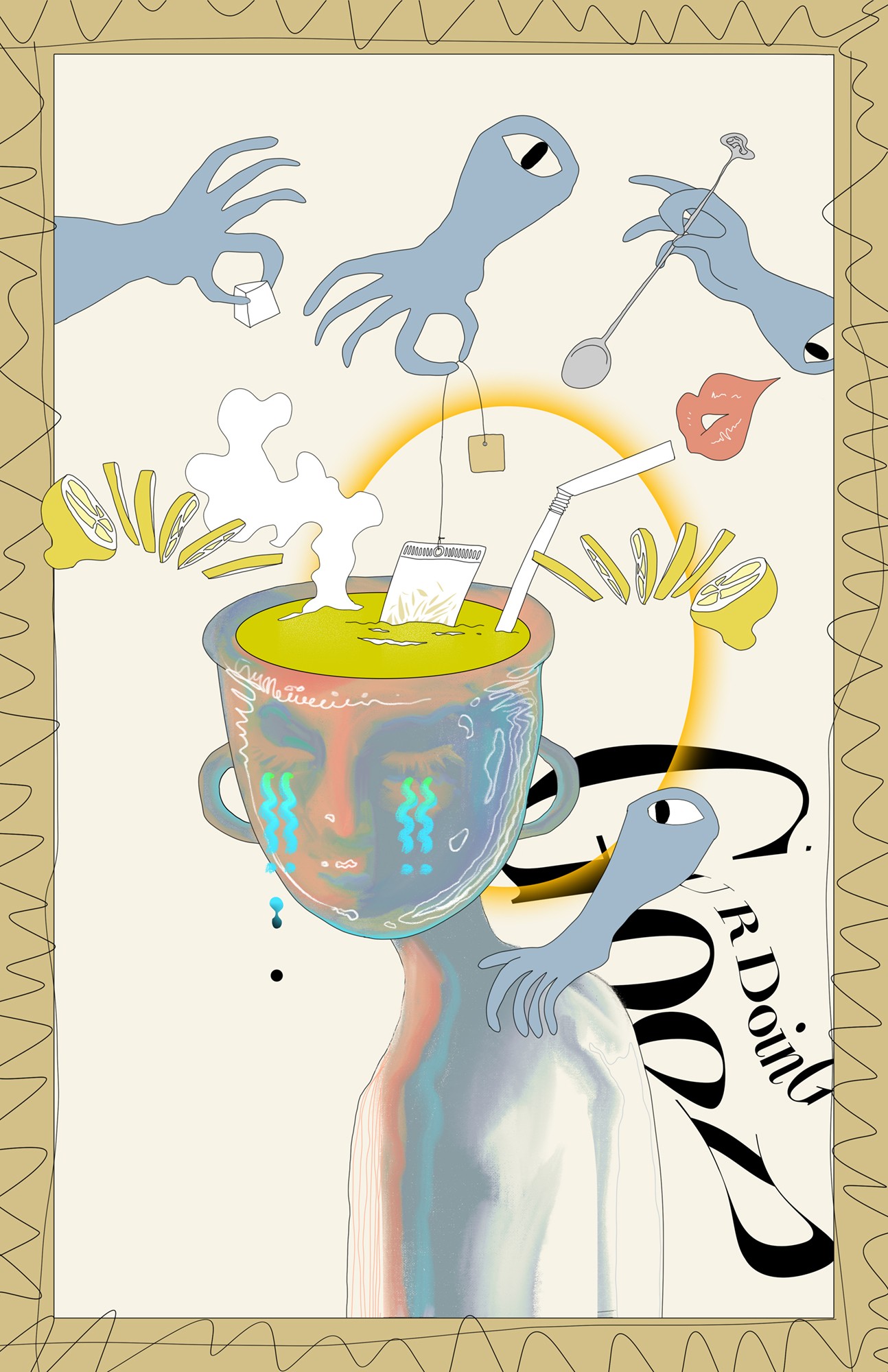
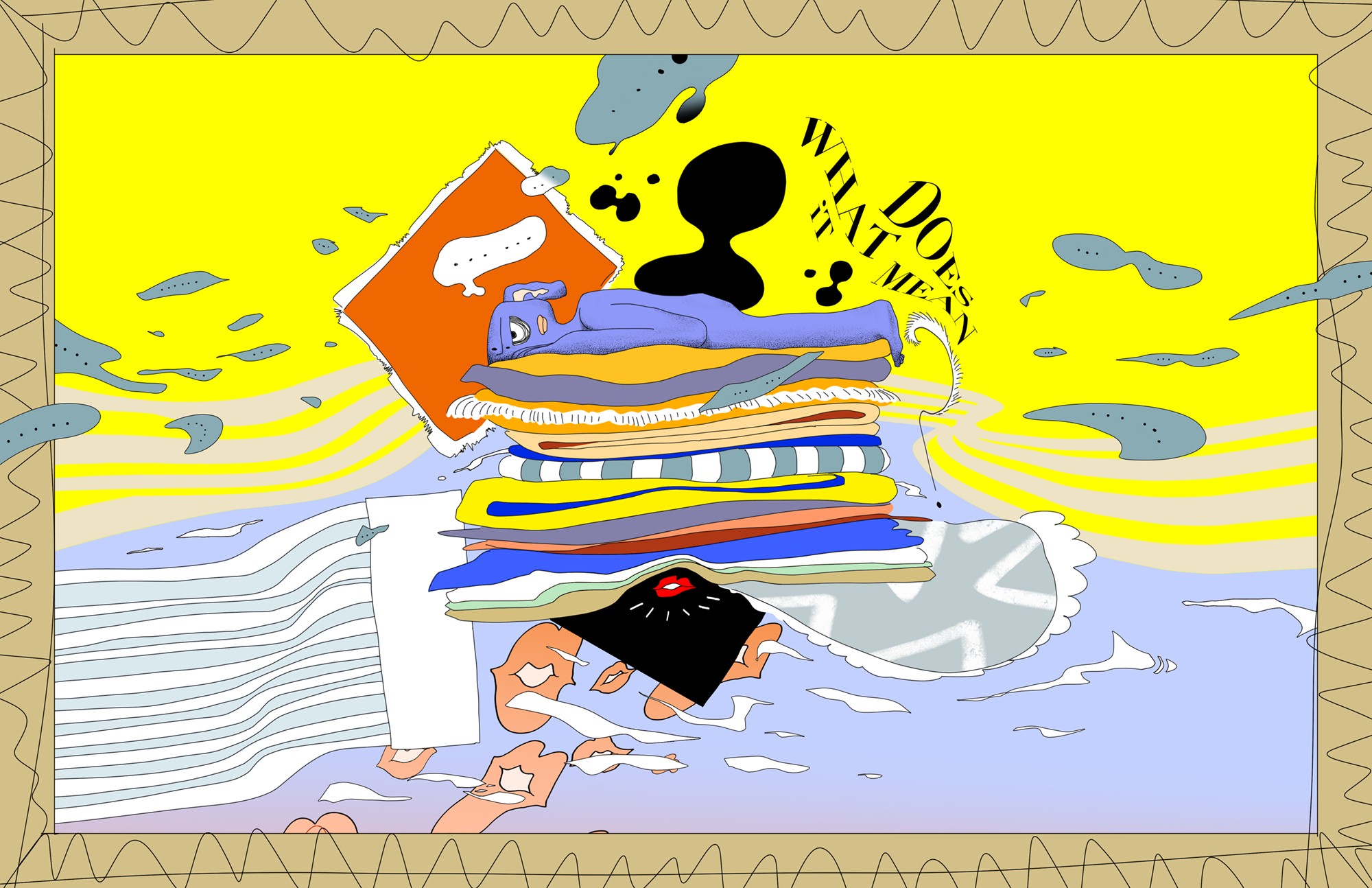
I came to the United States, with its different markets, academic atmosphere, and artists from diverse cultural backgrounds, which gave me a fresh perspective on illustration. After completing my graduate program at the Fashion Institute of Technology in New York, my style evolved significantly and eventually stabilized after three years of experimentation and growth. Change was challenging and sometimes confusing, but now I truly enjoy and excel at striking a balance between interpretable abstraction and surrealism, and between complexity and simplicity. This approach aligns with my desire to explore new possibilities, and it allows my work to maintain a personal signature while with the flexibility that is able to meet the diverse needs of different types of illustration commissions by adjusting the level of abstraction or surrealism.
My background in design has also greatly enhanced my skills in concept, composition, and layout, enabling me to take on more specialized work. I’m able to apply this style across a variety of projects, whether editorial illustrations that emphasize opinions, inspiration, and critique, more experimental or personal commissions, or commercial work like book and album covers, posters, ads, and product packaging. I thoroughly enjoy the process and excel at understanding clients’ true needs through communication and presentation, fine-tuning the details to achieve the ideal result.
If you have any exciting or imaginative collaboration ideas or work opportunities, feel free to reach out to me!
What do you think is the goal or mission that drives your creative journey?
I can’t say it’s a goal or mission, but there is one thing that always makes me wonder and keep discussing with people, trying to figure out: does an artist have to maintain a certain ‘personal style’ to achieve enough ‘sufficient recognition’? Not gonna lie, I was ambitious in exploring the various possibilities of visual design when I was a designer, and didn’t focus much on “personal style.” As long as the project aligned with my aesthetic standards, the client’s required style would be my style (during that time).
But it seems is not working when it comes to illustration, especially when I just was new to this professional field and still on the journey that exploring myself years ago, I kept jumping between totally different art styles in different classes and attempted to show them all to people, but not only my clients but also my friends, classmates, and professors would also wonder, Xiao what is exactly your personal style? My Sagittarius soul always refuses to be trapped by the same thing and keeps encouraging me to do something different, however, it became a problem how do I identify myself and be accurately located by editors, art directors, and clients if I didn’t maintain a certain style?
My current answer is: ‘flexibility’ is different from ‘doing everything in different styles’. It is essential to keep a distinctive personal style to give a clear impression to people to be remembered as ‘me’, but it could keep the flexibility to make it able to expand and apply to different projects and fields. So I would say that keeping the flexibility of my personal style and pursuing more possibilities is the particular goal or mission driving my creative journey.
We’d love to hear your thoughts on NFTs. (Note: this is for education/entertainment purposes only, readers should not construe this as advice)
NFTs are very interesting to me, especially if you understand the current private character design market, you can regard character design as an extension of NFTs. This area is not particularly widespread in the West, but it is very popular in Japan and China.
After a famous artist designs a character image, with a set of character personality settings and appearance settings, it will be publicly auctioned. The artist’s fans, people who come for the artist’s name, or other people in the market who are simply interested in this character will bid, and the copyright of the character will be completely bought out by the winner; after the winner obtains this character, he will often continue to “cultivate” this character like his own child. He will further conduct commercial commissions with other artists to design more appearances for this character, including different styles of clothes, accessories, etc., and will also find illustrators to draw illustrations of various themes to satisfy his desire to cultivate the character, just like parents constantly provide their “children” with a rich life.
Today, the NFTs market has gradually lost its initial short-lived hot momentum and returned to normal heat. I think this kind of segmented and sustainable benign development is a very good direction for NFTs.
Contact Info:
- Website: https://xiaolyu.art/
- Instagram: https://www.instagram.com/xiaolyuxiao/
- Linkedin: https://www.linkedin.com/in/xiaolyuxiao/
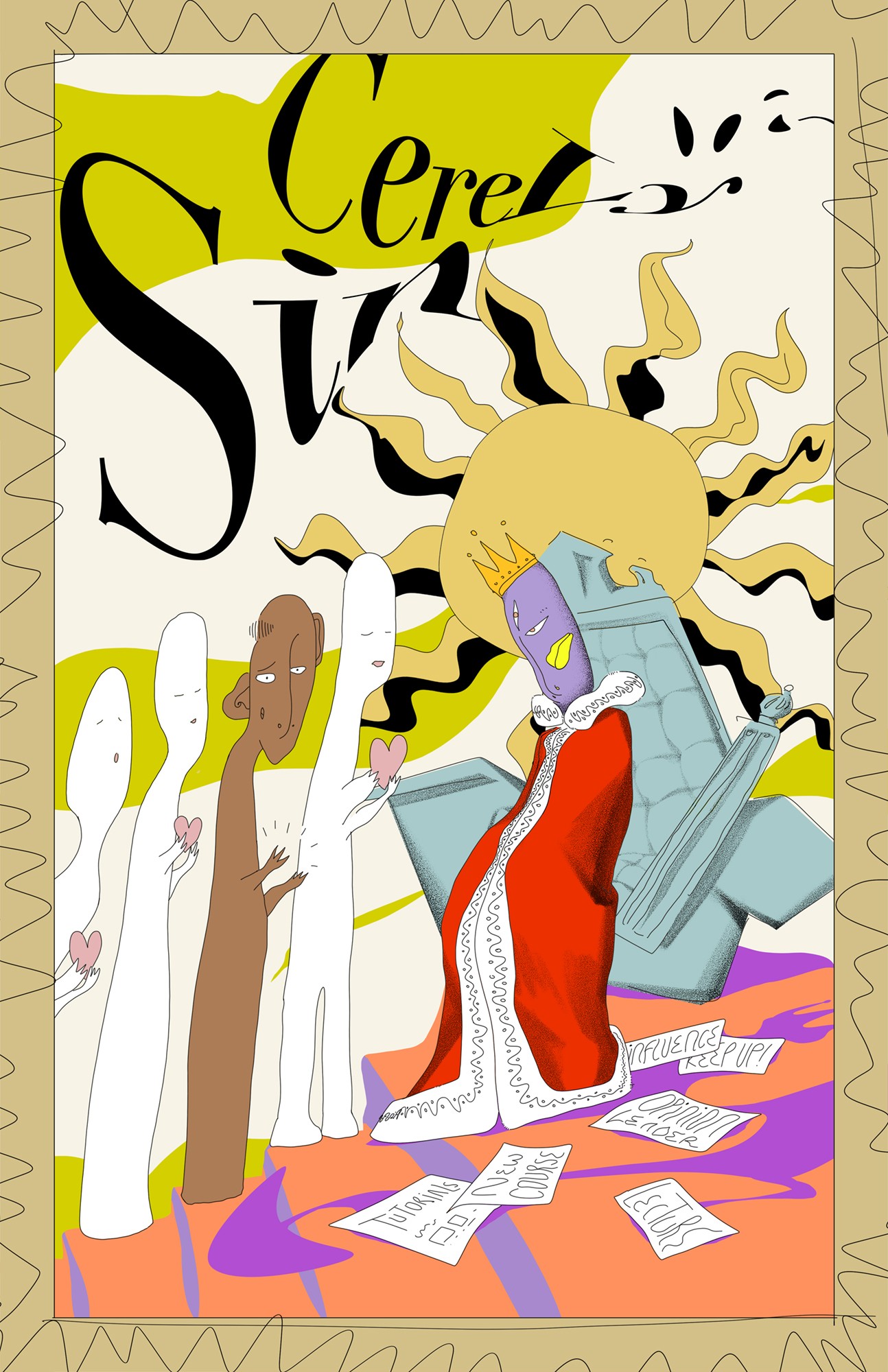
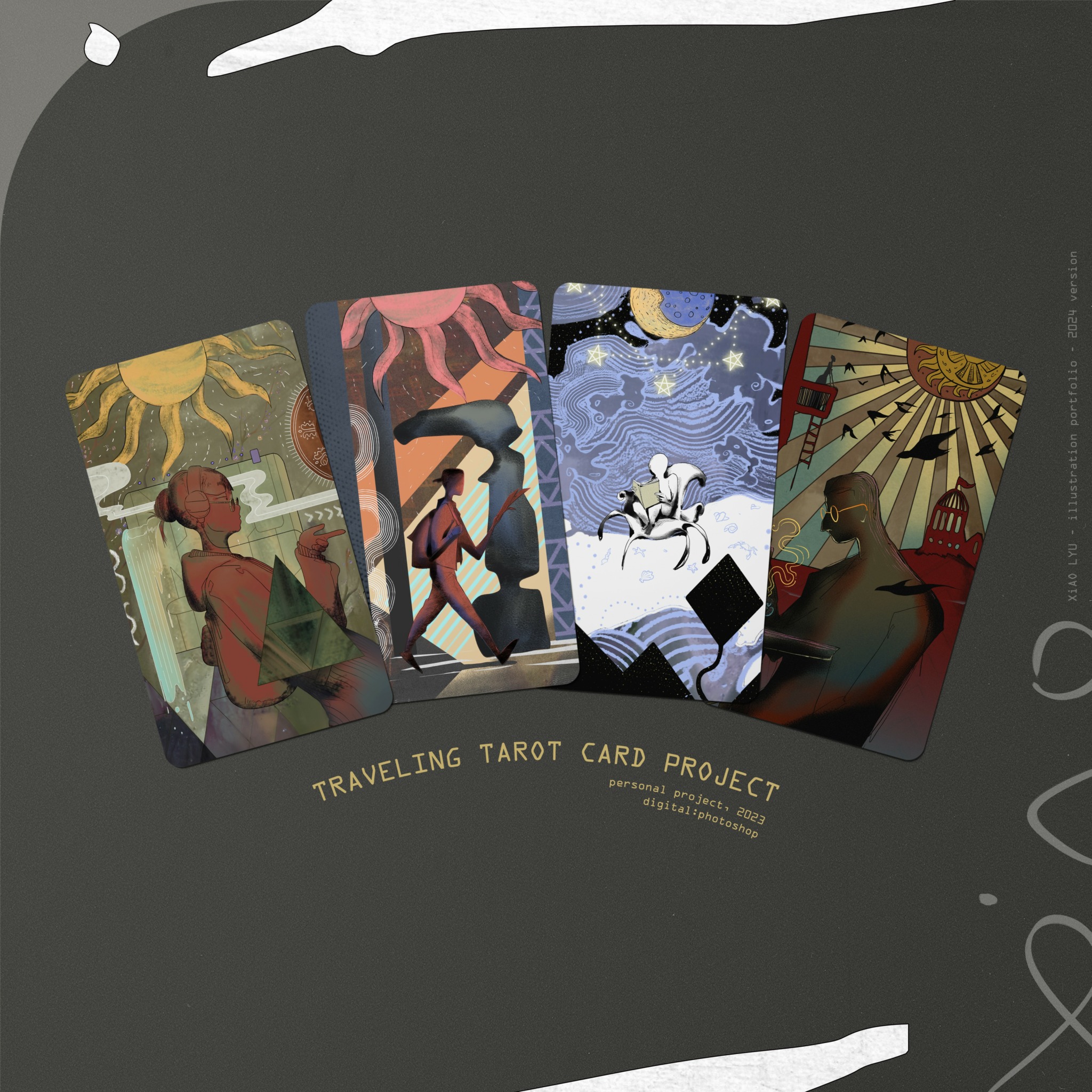
Image Credits
Xiao Lyu