



We’re excited to introduce you to the always interesting and insightful Xiao DaCunha. We hope you’ll enjoy our conversation with Xiao below.
Xiao, thanks for joining us, excited to have you contributing your stories and insights. Are you happier as a creative? Do you sometimes think about what it would be like to just have a regular job? Can you talk to us about how you think through these emotions?
I am definitely the happiest when I’m creating. I do get my phase wondering if I should keep going, but since I don’t have a regular job to begin with (I run a digital marketing agency and work fully remote), I don’t get the urge of finding a regular job. For me, being able to create whatever I want without the pressure on worrying about sales, marketing, or even reach/exposure in general is a luxury, and luxuries need to be earned. My mentality is I’m going to do what I’m best at professionally, continue to grow my revenue stream, so I never have to worry about selling my creations. Running your own business takes up a lot of time and energy, and sometimes I get so burnt-out that I have no capacity left for creating. So those were the moment when I wondered if I should get a regular job. But frankly, I don’t think that will ever happen. I’m too comfortable with having full control over my schedule and perfectly merging my painting/creativity sessions into my job/work routine. It would be devastating for me to try to adjust to a 9-5 schedule lol.


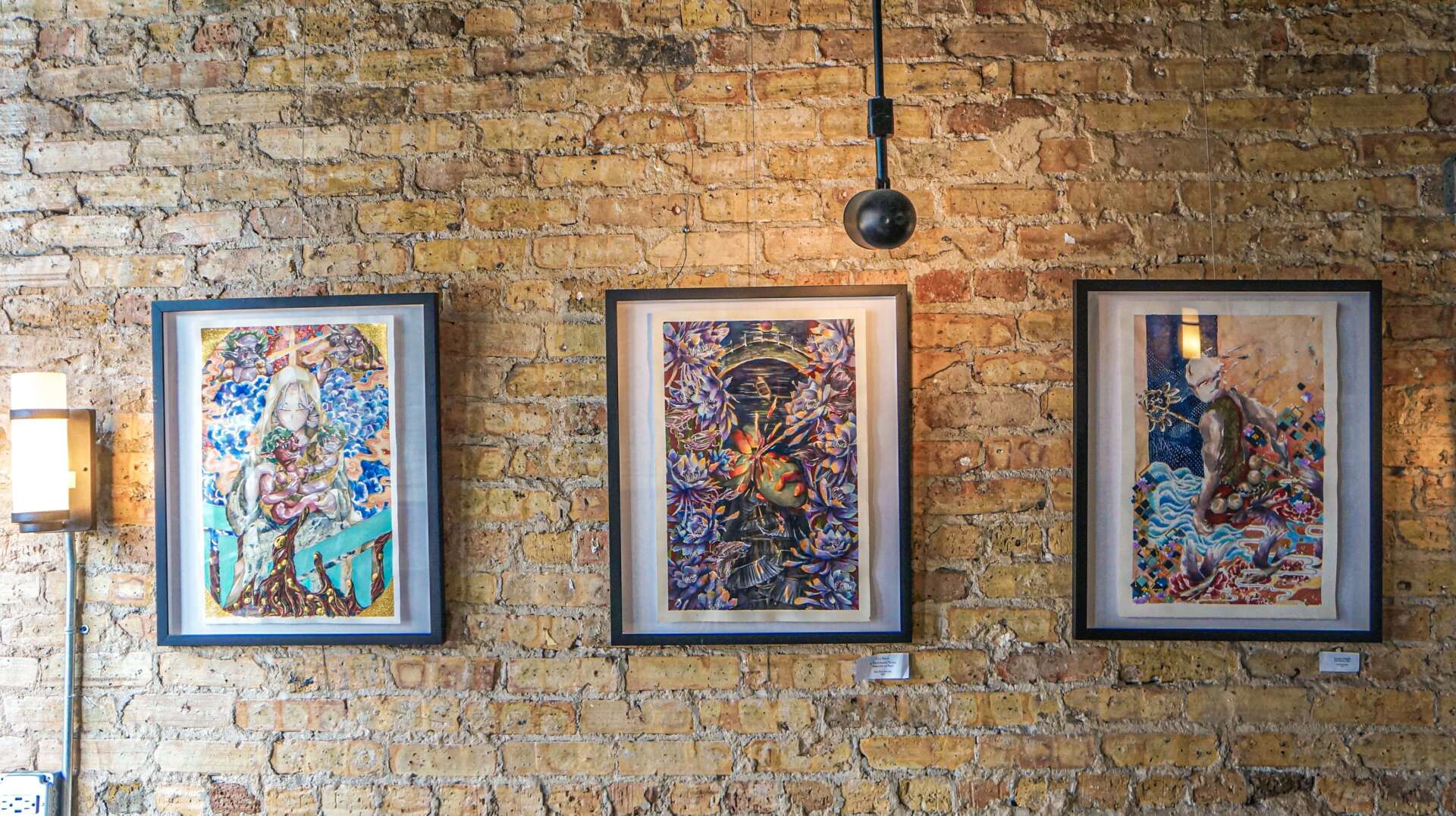
As always, we appreciate you sharing your insights and we’ve got a few more questions for you, but before we get to all of that can you take a minute to introduce yourself and give our readers some of your back background and context?
Most of you probably knew me from my previous interview as a the owner of a digital marketing agency/an entrepreneur. So lemme provide more background on my creative venture this time. :)
grew up in Shanghai, China with my parents and my grandmother. I lived a careful, regular life, and I learned to live up to the expectations of those around me. I was a straight-A student, the class monitor, and the student representative. I followed the path my family designed for me, until a void grew inside me a little bigger everyday.
That was when I discovered my own creativity. At first it was writing. I dreamed up the wildest stories among many sleepless nights and gradually ventured into the visual art world. At some point, my words failed me. I was at such a low place that letters became meaningless and I was no longer able to hold onto the adventures I created for myself and my readers. But painting never left. The things that I wasn’t able to say, I was able to visualize. My art helped me through my darkest period in life, and built me a powerful community whose members truly wanted the best for each other.
In the past few years, I have gone through some of the lowest points in my life. I have felt worthless, ashamed, and at one point, wanted to end my life. But I am proud to say that I have stepped out of that place and am ready to live fully, appreciate everything and everyday, and give back the love and support I have received from others, to others.
Have any books or other resources had a big impact on you?
First of all, as an FYI, I’m a very old-schooled reader and haven’t read anything that could be considered new (published within the past ten years) for quite a while, so my recommendations are going to be a bit “dated” in a sense. But here we go:
Robert A. Heinlein — Stranger In a Stranger Land
My all time favorite book that basically shaped the foundation of my world view and core philosophy. It also helped me clarify many ideas I try to convey through my paintings.
Anything by George Bernard Shaw
His humanitarian view on things, his general philosophy on creativity and creation, and his humorous approach to serious subject matter are all things I’d wish to see myself accomplish in my career.
Samuel Beckett’s plays
His approach to nihilism helped me navigate through a lot of abstract concepts I explore both in my paintings and my writings.
Art books
Quality art books from artists with unique styles are gold. They’re the best way to learn new techniques and experiment on my own work.


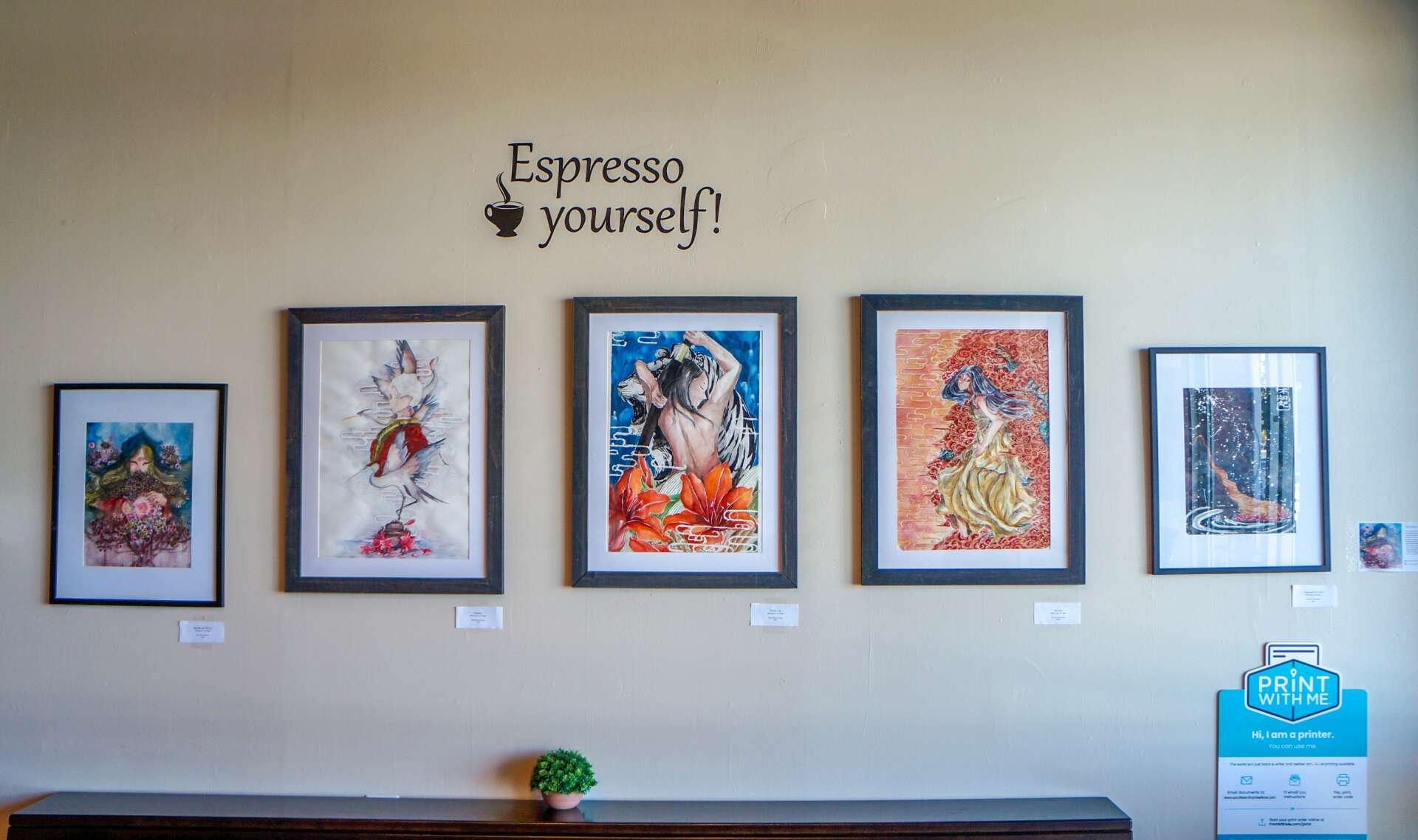
How can we best help foster a strong, supportive environment for artists and creatives?
The best thing any organization or institution to do is actually by educating the public with art history and elevating their aesthetics, or art appreciation abilities. There is nothing wrong with supporting your friends and families who have a creative passion, but, ultimately, there are good art and bad art. There are artists with higher-level techniques and those who stay at a hobbyist’s level. Professional artists often have a whole different set of goals and pursuits for themselves, and if the general audience is incapable of telling apart better-developed art from mediocre pieces or even sloppy pieces, it is going to hurt those artists who dedicated more of themselves to their art — this might sound mean, but this is a fact.
Think of how an AI-generated piece won a recent art contest and the controversy it brought. Most people got upset with the generative tools. But the real issue is, we’re talking about a professional art contest and the judges cannot tell apart the difference between a conceptual sketch created by artificial intelligence versus hand-crafted pieces by human artist. And that’s a WAY bigger issue than AI creating cool visuals.
Contact Info:
- Website: https://xiaochineseart.com
- Instagram: @xiaochineseart
- Linkedin: https://www.linkedin.com/in/xiaofariadacunha/
- Twitter: @xiaochineseart
- Other: Medium Column: https://medium.com/@xiaochineseart
Image Credits
Xiao Faria daCunha