

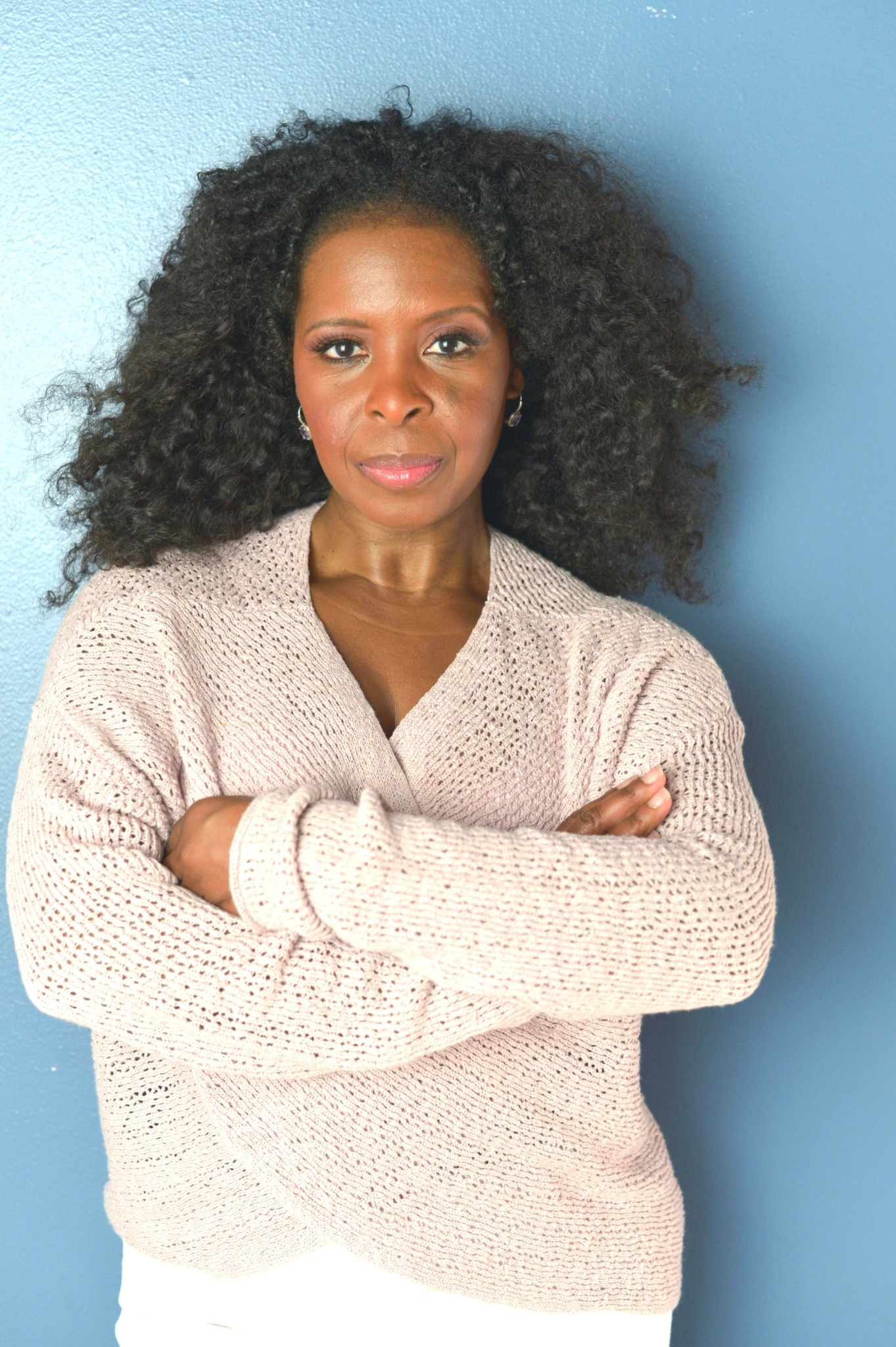

Alright – so today we’ve got the honor of introducing you to Wiyatta Fahnbulleh. We think you’ll enjoy our conversation, we’ve shared it below.
Wiyatta, thanks for taking the time to share your stories with us today Do you wish you had started you own firm sooner?
Yes and no. The reason I say “yes, I wish I had started sooner” is that if I had started sooner, I believe I would be in a different place in my business, further than I feel I am. But looking deeper into that thought, it’s probably coming from a place of comparison or from feeling inadequate in some way, and feeling like I should be in a different place in life. But when I sit in my stillness and really evaluate where I am, how I’ve gotten here, and all of the experiences that I’ve had, and the people that I’ve met along the way, I’ll say “no.” No, because I am exactly where I’m supposed to be. If I had started earlier, I wouldn’t have had the experiences that I have now. I officially launched my business in November of 2020, in the middle of the pandemic. If I had started sooner, I would have been okay, but I don’t think I would have been excellent or thriving initially because I would have been winging it. I always knew I was going to be an entrepreneur, but I wanted to start from a place of knowledge. I wanted to start from a place of really knowing what I was doing, what I was getting into. I knew there would be things I would have to learn along the way, but I didn’t want to have to learn everything along the way. At the time I launched my business, I had clarity about what I wanted my business to look like, how I wanted to run it, who my ideal clients were, and the pain points they faced. Everything fell into place, so I knew it was the right time.
Being fully transparent, I wouldn’t say I want to go back and start sooner, because doing so would have erased the experiences I had. Those experiences have prepared me for my business, for building a strong company, for facing challenges, and for navigating the world now as a woman in business.
Awesome – so before we get into the rest of our questions, can you briefly introduce yourself to our readers.
While in college, I was a double major in Drama and Psychology. I went to school for three years straight, never taking a semester or a summer session off. After three years, I completed my drama degree and decided to move to New York to go after my dreams of acting, singing, and dancing. I always felt like maybe someday I would return to school and earn an advanced degree to work as a psychologist, but I didn’t know when or if that would ever be a reality. Returning to New York as an adult was exciting, as I had lived there for part of my teenage years. I eventually moved to Los Angeles, and things were going well, but my acting career never fully went the way I had hoped. I had always been interested in the criminal mind. In understanding why someone would harm another person, what goes through the mind of someone who harms others? Interested in what happened in someone’s life that would lead them down a path of criminal behavior and how that behavior impacts their families and their loved ones?
The pivotal event that changed the course of my life, which decided the direction of my career, was Michael Jackson’s death in 2009. I remembered thinking at the time of his death that Michael Jackson, with all his accomplishments, fame, and accolades, was “trying to make a comeback.” At least that’s how the media put it. Hearing that made me think even more about my life and what I wanted. I had always wanted something different, and the way I was living wasn’t it. My life was not what I had thought it was going to be. It certainly did not look how I imagined it would look at that stage in my life.
I knew I did not want to be 40 or 50 years old, still trying to “get an agent,” “make it in Hollywood,” and barely making ends meet, that could not be my life. I had always wanted to make a difference, but I may have been too focused on doing it one way all along. I was at a crossroads and I needed to figure it out. I really yearned for a change, but I didn’t know how to make it happen.
Like so many other times, I was sitting at my desk at a temp job a few weeks after Michael Jackson’s death when his song “Man in the Mirror” came on. Something about the words hit me differently that day. My eyes welled up with tears, and I pushed away from my desk quickly because the room seemed to get smaller, and I desperately needed to get some air. The tears were coming down faster than I could wipe them. I did not want anyone to see me crying because I couldn’t really explain why I was crying. I walked to the nearest hallway and made it outside. When I got to the door, I took a few minutes to get myself together and collect my thoughts. I said to myself, “Okay, I’m good.” I began to walk back into my office. While walking, I whispered, “Oh God, if you’re listening and if you’re really there, I really need you to tell me what I need to do. I need you to be really clear, talk to me like I’m a two-year-old.”
I always say that to God when I am confused. And just like that, in my mind, I heard, “Go back to school.” I was baffled by that because I had been wanting to go back to school and had been searching for schools in Los Angeles for about 7 years, without finding one that fit my lifestyle and needs. I went back to my desk, went online, and typed in “clinical forensic psychology schools Los Angeles,” and for the first time in about seven years, my Google screen filled with information on forensic psychology programs in Los Angeles. Then I saw it, the Chicago School of Professional Psychology had opened a campus in downtown Los Angeles in January of 2009. Every emotion came over me. I contacted the school that day, began the arduous process of getting into grad school, and was in school by August. That’s how I started the journey of becoming a psychologist.
I studied clinical forensic psychology. After getting my doctorate, I worked in the correctional and prison system for several years. While working as a psychologist, I went through my own fertility struggles. While I was going through fertility treatments, my reproductive endocrinologist suggested that if I wanted, I should consider speaking with a psychologist who specializes in reproductive mental health. I didn’t even know that was a thing. I didn’t know there was a reproductive mental health industry. After hearing about that, I started researching reproductive mental health, and with all I was coping with emotionally while going through the treatments, I knew that I wanted to work in reproductive mental health.
Also, while working in the prison system, my female colleagues would always come and talk to me. I was always helping the female staff, talking to them about the challenges they faced at work and in their personal lives, and helping them balance their lives and their mental wellness. It happened naturally.
Then management began asking me to facilitate training sessions, staff trainings, and organizational trainings. I would speak with management about implementing different systems to make our work lives more efficient, effective, and less stressful.
Fast forward to 2020, when I launched my practice, I focused on therapy for professional women facing career transitions, job loss, workplace difficulties, and significant life changes, and women and couples struggling with infertility. I later expanded my services to include third-party fertility services: intended parent consultations and donor evaluations. Now I consult with organizations, speak at conferences, and provide organizational trainings.
What I am proud of as a clinician is that I have the opportunity daily to be a soft landing for vulnerable issues, no matter how scary or big they are.
Together with my clients, I create a space where they can safely process, explore, and experience their feelings without judgment. In that space, they learn to separate from their emotions enough to understand them, become fully aware of their thoughts, and navigate those thoughts rather than being trapped by them. This work happens both individually and within systems/organizations. I help women uncover the patterns that keep them small and move toward growth. Because to truly thrive, you have to understand the thoughts behind the behavior. I help women live balanced, bold, and brave lives.
Learning and unlearning are both critical parts of growth – can you share a story of a time when you had to unlearn a lesson?
I had to unlearn what “not being enough” meant. When I really sat to explore what that meant, I realized the idea attached to “not being enough was never mine. I had gotten it from someone else. It had likely come from someone or in my case a multitude of “someones” who were dealing with their own pain, heartaches, broken dreams, childhood traumas, and were passing those on to me and defining who I was, and how I was to move and see myself in this world. I was taking those words on and making those words my reality. When I allowed myself to sit with what that meant, I saw how the mindset prevented me from experiencing life and doing things I wanted, because they seemed impossible. Contrary to the fact that I had done other things that seemed impossible before. The little voice would so softly and almost inaudibly kick in, telling me, “You know you can’t do that, you know they won’t let you do that.” To avoid disappointment, heartache, and that feeling of not being good enough, I would sit, and time would pass as I would strategize and wait and wait some more and strategize. When I accepted that being enough had flaws and imperfections, and being enough was always learning and not knowing everything, I allowed myself to explore, try things, and start over when I didn’t get it right. That helped me grow and be okay with who I am and where I am, even on the days that I struggle with self-judgment.
What do you think helped you build your reputation within your market?
Trust, relatability, and authenticity.People relate to what I share and how I care for them as human beings. Colleagues and clients trust me because I have been honest and vulnerable when it was appropriate. There is no performative aspect to what I do. There are individuals in the industry who have respect for me as a colleague because of how I have shown up personally and professionally. I have always shown integrity in my work, my relationships, and my words. People whom I admire have brought me into rooms and to tables because they respect my honesty, my desire to learn, and my willingness to share what I have learned. I am sometimes amazed by the tables I am sitting at, blown away by who else is there, and humbled and grateful to be in those rooms. Along with walking in confidence, humility, and openness, knowing that I show up prepared for the task at hand has also been helpful. People also know that they can trust that when they ask, I will show up ready and equipped to do the work.
Contact Info:
- Website: www.drwiyatta.com
- Instagram: drwiyatta & fertilitycounselingnow
- Facebook: drwiyatta
- Linkedin: drwiyatta
- Other: Tiktok: drwiyatta
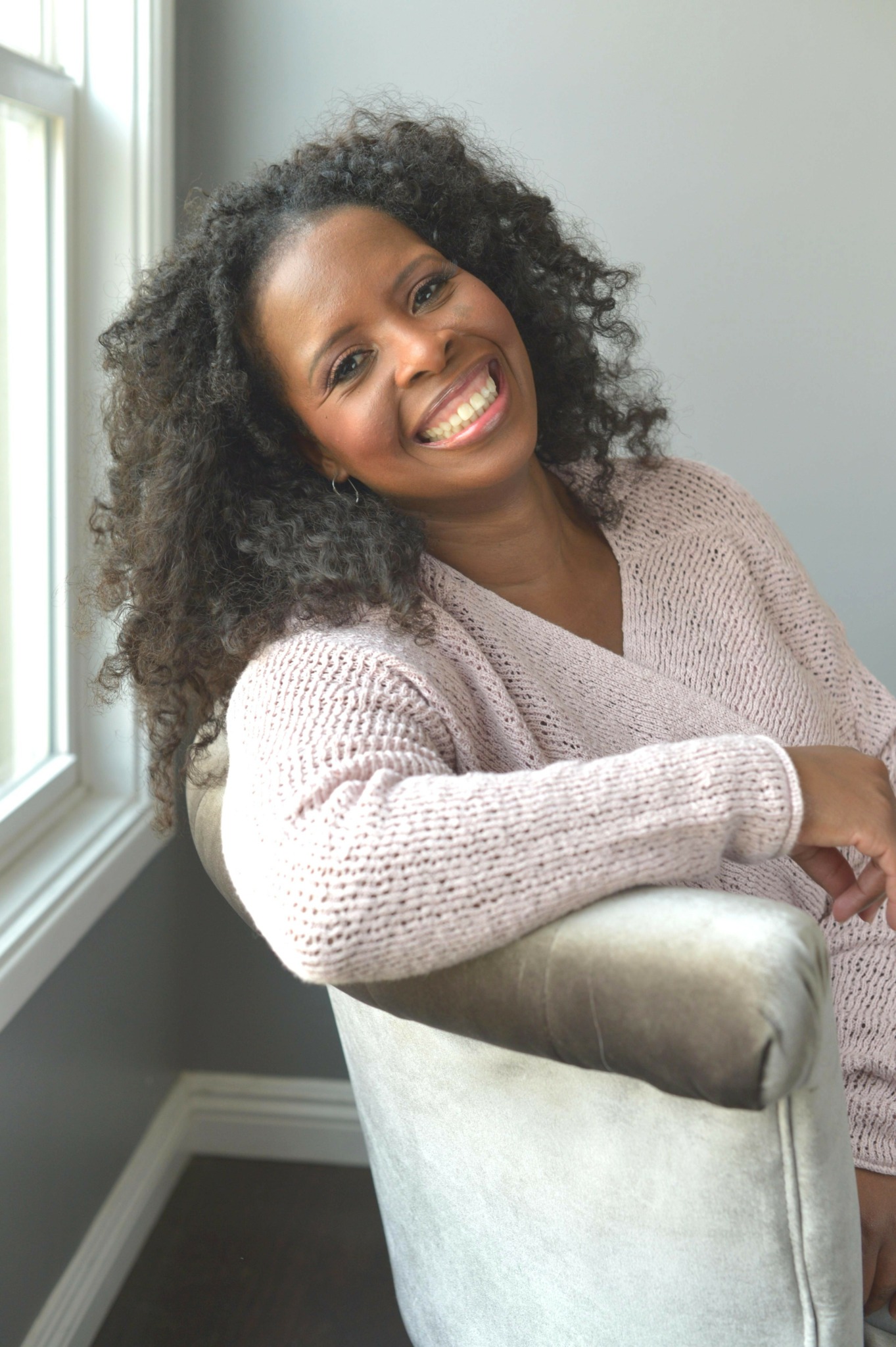
Image Credits
Femi Corazon