


We caught up with the brilliant and insightful Winston Zhou a few weeks ago and have shared our conversation below.
Hi Winston, thanks for joining us today. What do you think Corporate America gets wrong in your industry?
Being someone who has worked on both sides of the freelance/corporate coin, I think that the pain points in the in-house vs freelance relationship tend to be pretty consistent. That being said, consistency means a certain amount of predictability, and reasonable ability to work around that. Obviously there are exceptions and none of these are true for every freelancer and every business. These are just a few of the trends that I’ve seen as a professional still life photographer.
As a [food and still life photographer], the top three things I think would help businesses work with freelancers are:
1. 5 W’s
2. “Too many cooks”
3. The budget determines how good a fit you can afford.
Each of these three could be their own blog post on their own, but I do want to briefly touch on each point:
1. Communication patterns that help both parties.
The evergreen conversation I see between clients and photographers is:
Client: I need a [insert genre] photographer.
Photographer: I’d like to help. Do you have additional details?
Client: What’s your rate? Are you available on X date?
Photographer: It depends on the project. What are we shooting/what kind of deliverables do you need/when do you need deliverables/what’s your budget?
Client: [Ghosts]
Even after years of experience on both the requestor and provider side of the equation I don’t understand ghosting a vendor because they asked for details about a project. There are specific budget needs for each project. We all know this. But it doesn’t make sense to expect 3rd parties to understand what you need before you’ve even communicated anything. By communicating the details of a project, you can make sure that everyone is on the same page, and more importantly: you’re hiring the right photographer to begin with. We’re all adults here. Properly communicate the who/what/when/where/why and it will undoubtedly make ever subsequent communication that much smoother. I promise.
Every photographer wants to be properly prepared heading into each job, and every client wants the photographer take the utmost care in preparing for their project, lest both parties waste time, energy, and money.
2. Too many cooks in the kitchen makes a bad soup.
So you have a fresh and exciting project you’re launching! You’ve spent months and months in preparation and you’ve found a photographer that has the exact vibe of what you’re trying create that also fits within your budget you have! This is a fantastic place to be for a business. But you’re not out of the woods just yet.
It takes many players for a photoshoot to be successful. There’s the photographer, the photo assist, the digital tech, the lighting tech, the prop stylist, the props assist, the food stylist, food assist, the producer, the business owner, the creative director, the art director, the producer, a production assistant, any any number of other parties involved. That alone is 13 people! Obviously not every project needs that many people (and many of the projects I work on don’t have nearly that many people), but could you imagine the chaos it would be if every single one of those people was trying to steer the direction of the final photos? The solution to this is a bit nuanced, but ultimately still straightforward. The only parties that are relevant on a set are the people in charge of creative. Making sure your own team is aligned on the project vision before shoot day helps ensure that the feedback being given is always towards a commonly shared goal. Sometimes, certain items are aspects that you cannot compromise on and that’s okay. Creative teams can always work around those specific needs. But sometimes, relinquishing control and trusting your creative team is the path towards the best possible end product.
Remember: the creative team you hire will always be happy to bounce ideas with you during the planning and pre-production stages. But spending the whole day bouncing ideas between 6 different people on actual shoot days is not best use of time, or money. Let the people who have it in their job description take care of it.
3. The rate is the rate.
One of my friends has a cross stitch in their apartment entrance with the quote “F*ck you, pay me” and it has to be one of my favorite pieces in the whole world. Budgetary constraints are real. But the cost of doing business, and living expenses are also real. Getting projects completed will always come back to the triangle of work.
There is a triangle from which you can always only pick two:
1. The work is done well.
2. The work is done fast.
3. The work is done cheap.
I’m happy to elaborate on any of these if you’re interested. Feel free to shoot me an email at winston[at]winstonzhou.com if you have any questions about what it’s like to work as a freelance photographer, or if you’re a business looking to work with a photographer.


Winston, before we move on to more of these sorts of questions, can you take some time to bring our readers up to speed on you and what you do?
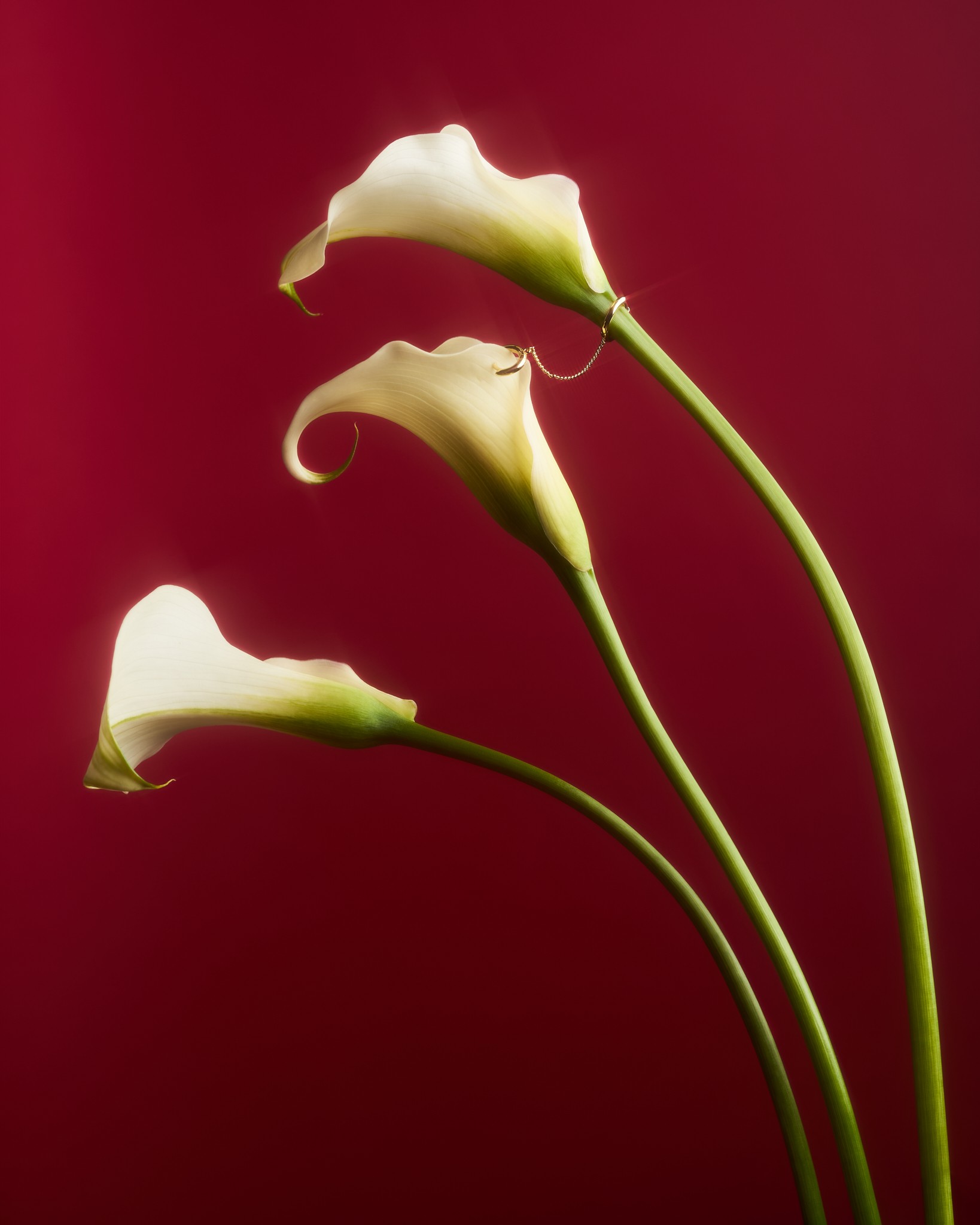
Okay, hej! I’m Winston Zhou, a food and still-life photographer based out of the Lehigh Valley, and Baltimore areas. My journey into professional photography was a gradual, but tumultuous one. As a child, my interest in photography didn’t extend past casual documentation of my friends and I for many years. Believe it or not, I was studying to become an orthodontist in school. Insane. That dream was dramatically cut short when one day during course registration, an audacious venture to enroll in Organic Chemistry resulted in a That’s So Raven style premonition of a black eye, torn ACL, multiple broken bones, locker stuffing, and loss of my lunch money. I was not a good student. STEM was not in my destiny, nor was I equipped for it. Since then, I decided to work with the only other tool I could think of: my camera. I explored every genre of photography I could get experience with — I dabbled in wedding photography, real estate and architectural photography, sports photography, event photography, portrait photography, medical photography, esports photography, and even a very brief stint in military photography. Since then I’ve landed on food and still-life photography and haven’t looked back since.
The biggest problems that I see businesses struggle with is having high quality visuals that represent their brand. Some may tout AI as a great equalizer in this regard, I’d have to firmly disagree. As a professional still life photographer I think that AI images make businesses look cheap and unimaginative. As farfetched as it might seem, AI images represent a paucity of gravity placed on the visuals that represent a brand. Customers deserve brands that care about more than just the bottom line. Full stop.
All that being said, I think it’s untrue that AI has no place in the creative process. AI has the potential to be a great tool in the iterative nature of creative work—the issue is when AI is used as a one-stop-shop instead of a tool. It lacks the human touch in a figurative, and literal sense. All of this is also not even mentioning the legal issues that come with training LLM’s, but I digress.
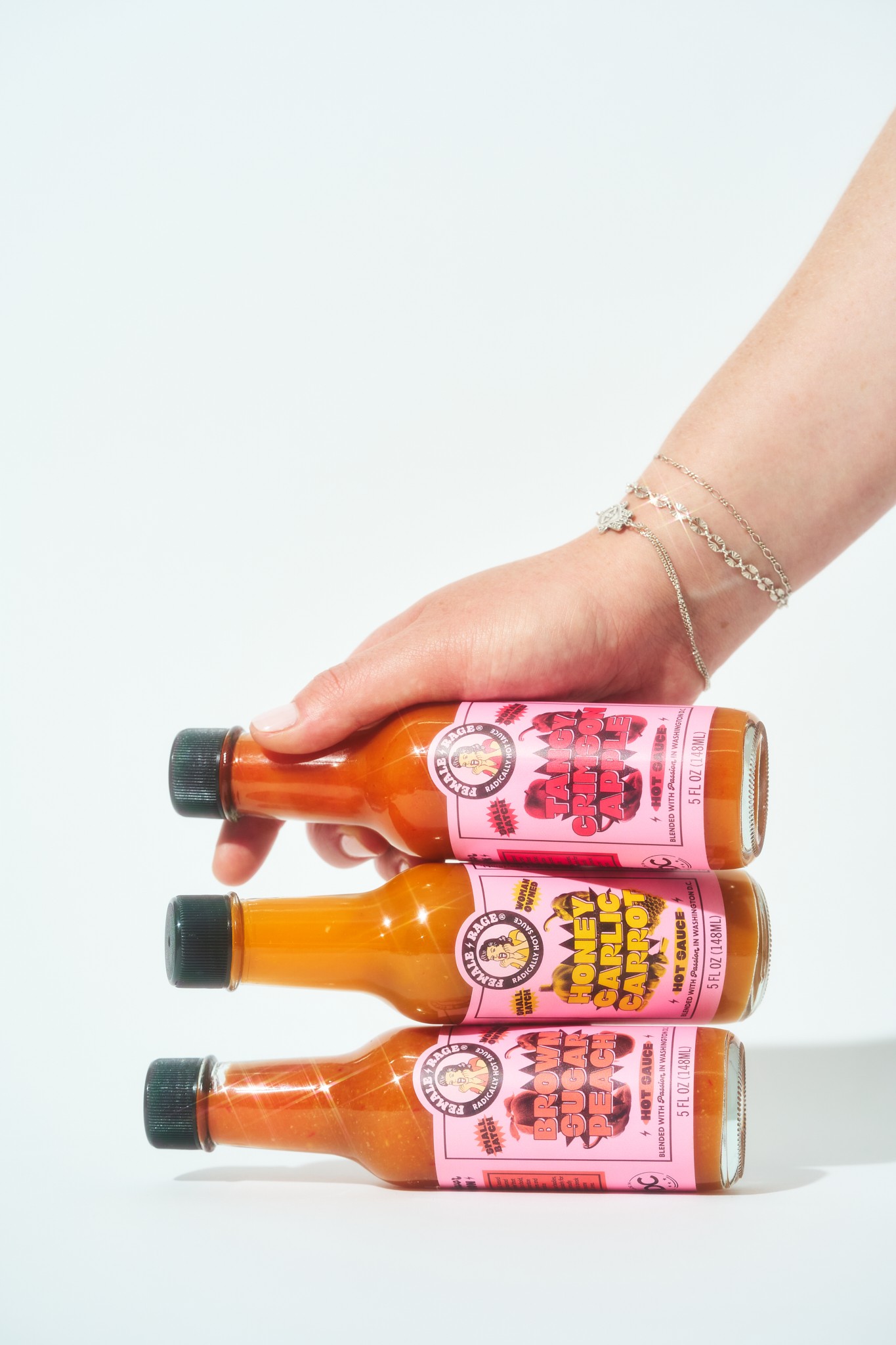
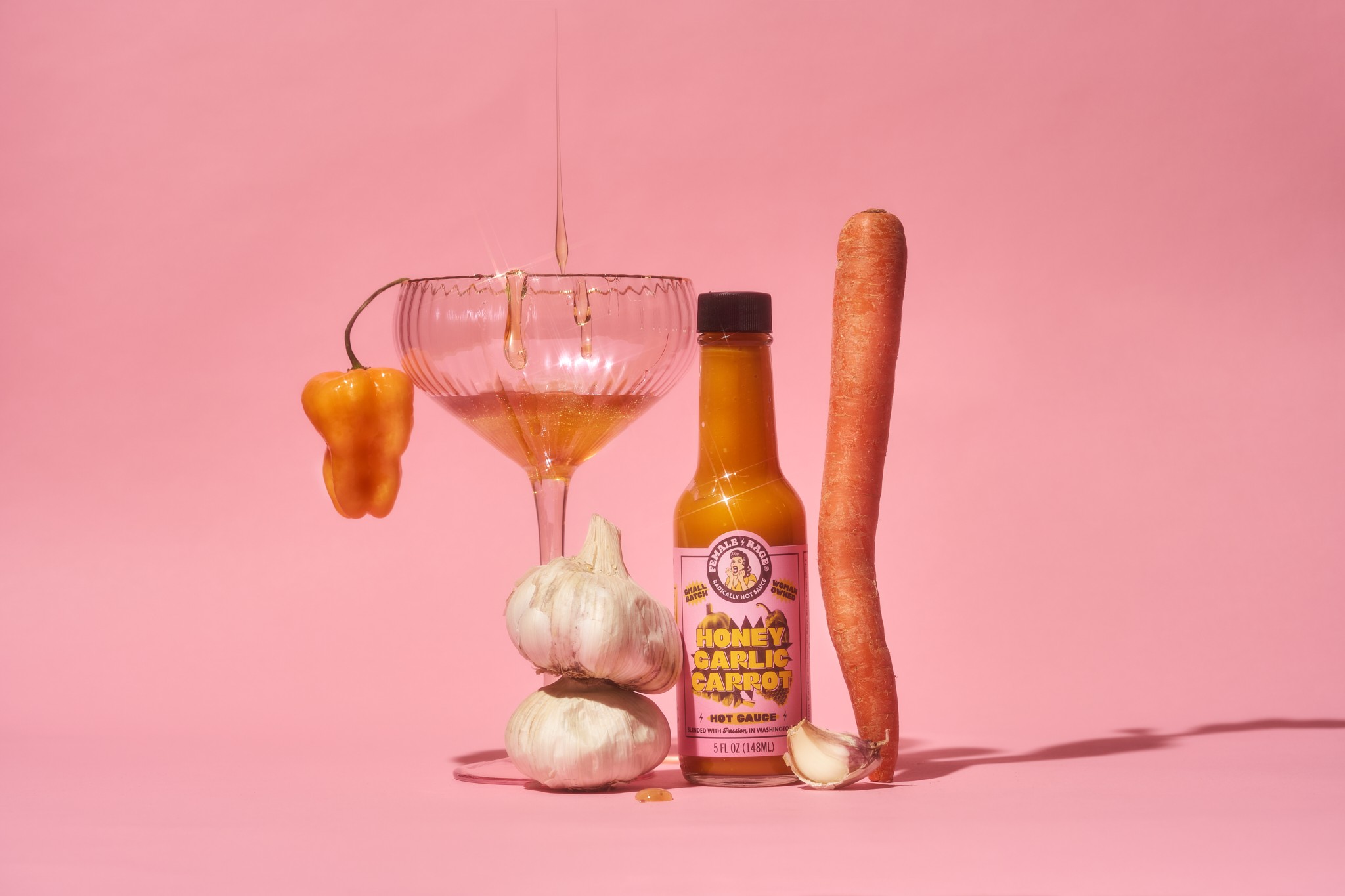
What I provide as a professional food and still life photographer is creative, bespoke photography that serve as a vehicle into a business, or brand. I help businesses bring the words and ideas that represent their brand into reality. If your business is selling to real life humans, It’s important to have real images, made with real life humans, made for real life humans.
What sets me apart from other still life photographers is the depth of experience I have in other areas of the industry outside of food and still life photography. Not only have I been able to immerse myself in so many different genres of photography, I’ve also been able to get years of experience in motion, print publication, producing, and art direction too. All of this diverse experience continuously guides and informs my work today. For all of that, I am grateful.
What I’m proud of, and what I want people to know about me is my commitment to having fun with the work I create with my clients. I’ve quite literally worked with clients on both ends of the diaper spectrum: as young as 2 years old, and as old as 100+. There will always be challenges when it comes to work, but what’s the point if you can’t have a laugh about it, yknow?
We often hear about learning lessons – but just as important is unlearning lessons. Have you ever had to unlearn a lesson?
Years and years ago when I was in college, I had an internship in a research lab doing work around basal cell carcinoma, otherwise known as skin cancer. While the subject matter of the work was quite serious, I was surprised at how jovial the atmosphere of the lab was. Sometime in the future when I would go on to take some of my first professional photography clients, I would arrive to the location with a nervousness tantamount to marriage proposals or skydiving. The projects were everything but serious, and yet the attitude I was approaching them was comparable to what one would hope their open heart surgeon to have. And for what?
As someone who’s naturally tightly wound, it’s been so important to understand that not all moments deserve the same amount of gravity. It’s important to work hard—but holding that in tandem with the knowledge that at the end of the day, the vibe you bring to a set can truly make all the difference.
A simple production day can become effortless, or it can become like filing taxes. If people working in literal cancer research can be putting forth their maximum effort while having a laugh, why can’t I do the same as a creative professional?


What’s the most rewarding aspect of being a creative in your experience?
To me, the most rewarding aspect of being a creative is equal parts the process, and the product resulting from it. As much as I’m a little embarrassed by it, I’m very much a results driven individual. Simultaneously, slowly coming to terms with the reality that being a creative demands retrospection, and an appreciation of the journey towards the beautiful end result. I love working with other creatives, I love working with clients from different walks of life, and I love making beautiful, funky, refreshing photos.
Contact Info:
- Website: https://winstonzhou.com/
- Instagram: https://www.instagram.com/winstonqzhou
- Other: Bluesky: https://bsky.app/profile/winstonzhou.com
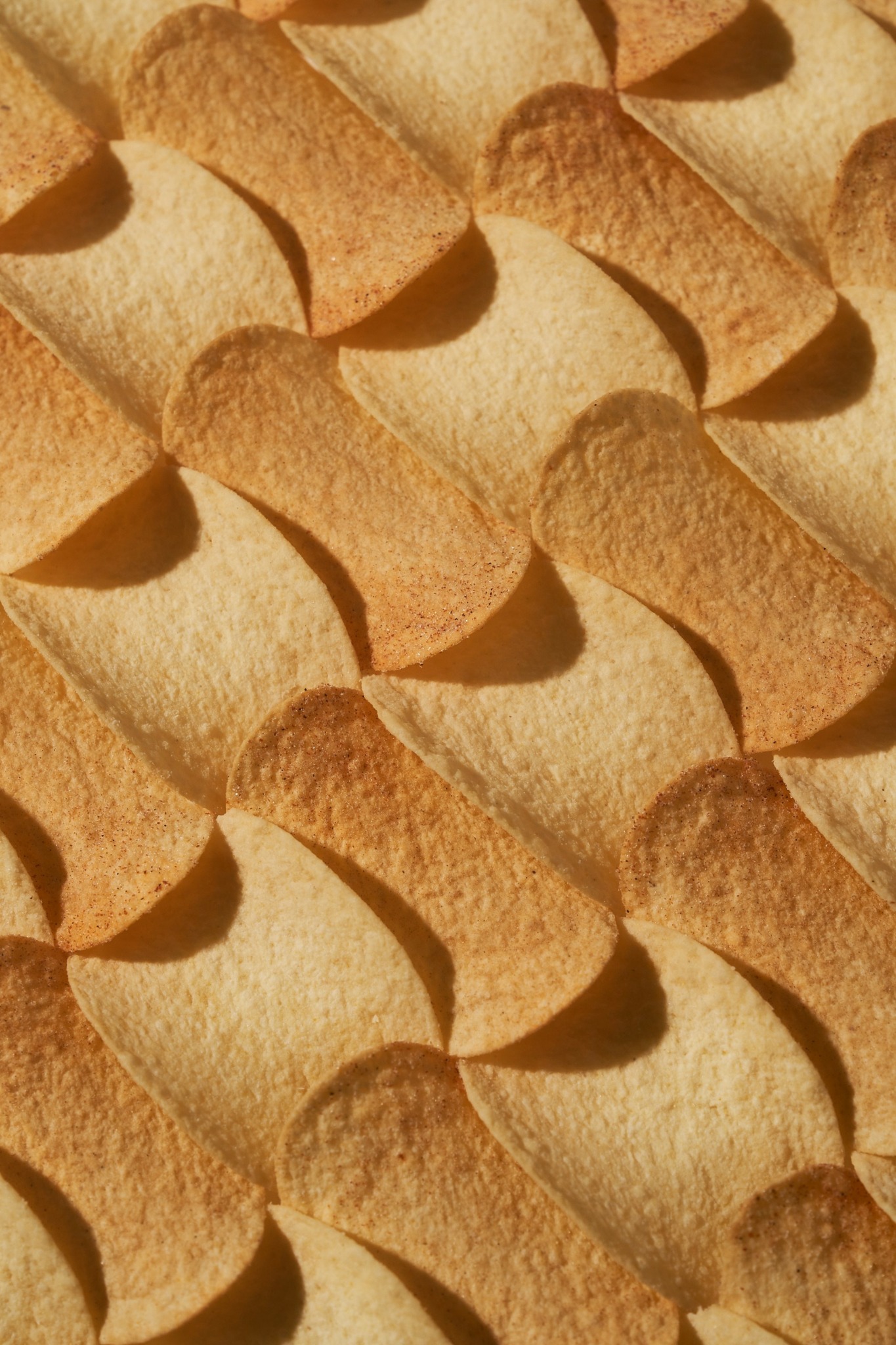
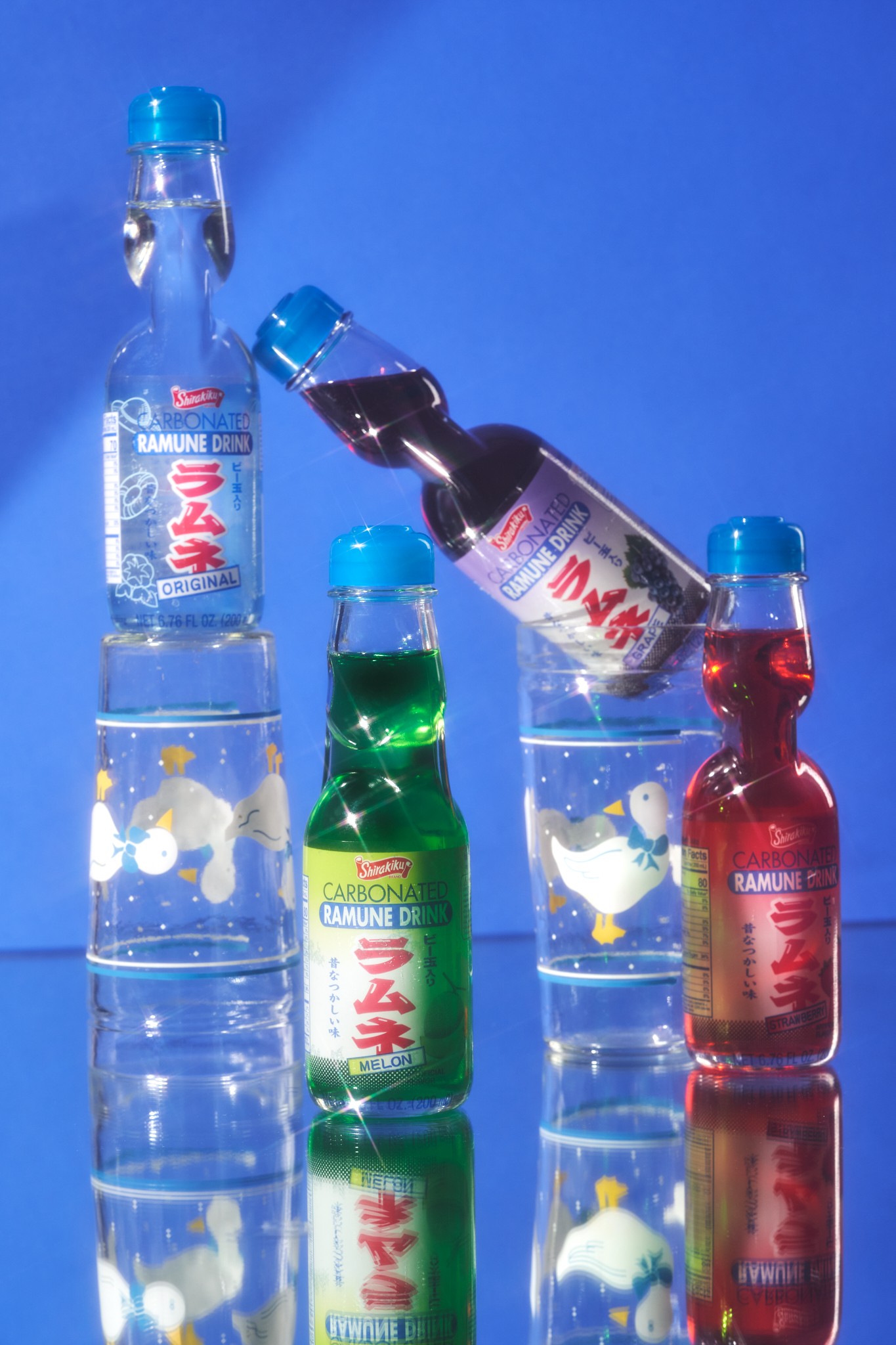
Image Credits
Photography by Winston Zhou / winstonzhou.com