

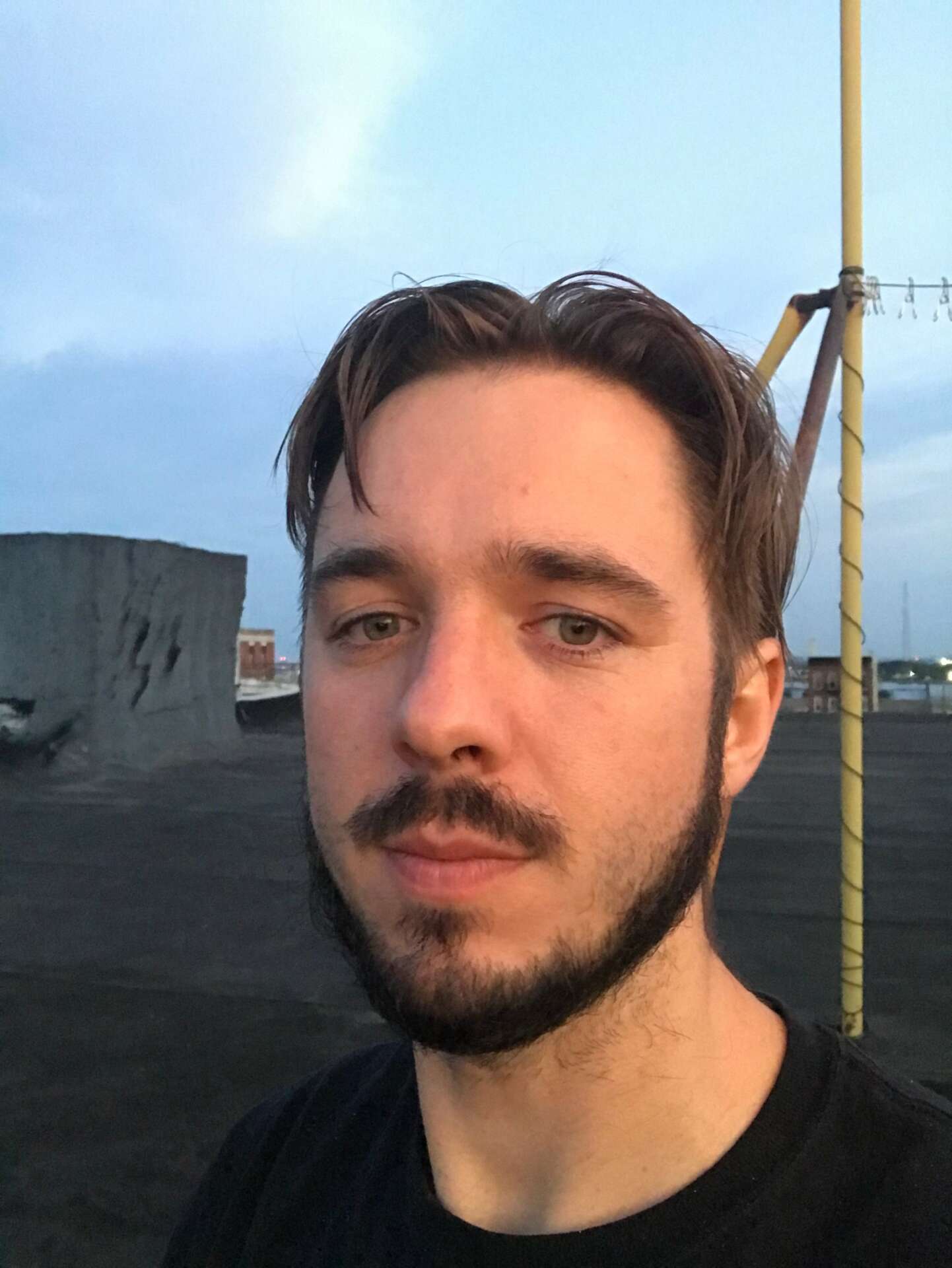

Alright – so today we’ve got the honor of introducing you to William Weygint. We think you’ll enjoy our conversation, we’ve shared it below.
William, looking forward to hearing all of your stories today. Do you wish you had waited to pursue your creative career or do you wish you had started sooner?
I had always been drawing as a kid as a means to pass the time on weekends or procrastinate with school work. It was an imaginative escape from the misery of post-standardized testing, public school-work. I never considered drawing “art” or self-identified as an artist; my parents were artists and I was inflicted with the bratty aversion to exhibiting any likeness to my them. I began taking visual art seriously however when my High School band members split up and went separate ways. The lack of control in this setting drove me (in my mid-twenties) to pursuing a different creative path and I began taking painting and drawing classes at a near-by Community College. When looking at the careers that some of my piers have had with a steeped background of art high schools (not simply art class in high school) and going directly from undergrad to MFA and than into residencies I regret my lack of creative direction in youth and do wish that I had a more creative path in my earlier years. This experience however has inspired me to grasp the moment and appreciate the numerous resources and inspirational network that I do have access to. I also feel that having a varied background gives me a lot of experience in settings that most artists haven’t been around. I therefore have an unusual worldview, skillset and array of stories to draw from when constructing a work of art.
In short, I do wish that I was exploring art-making a lot more in my youth and early adult-life but I have arrived at a really interesting place to work from and I feel lucky to have the support and network that is currently present so I remain content :)
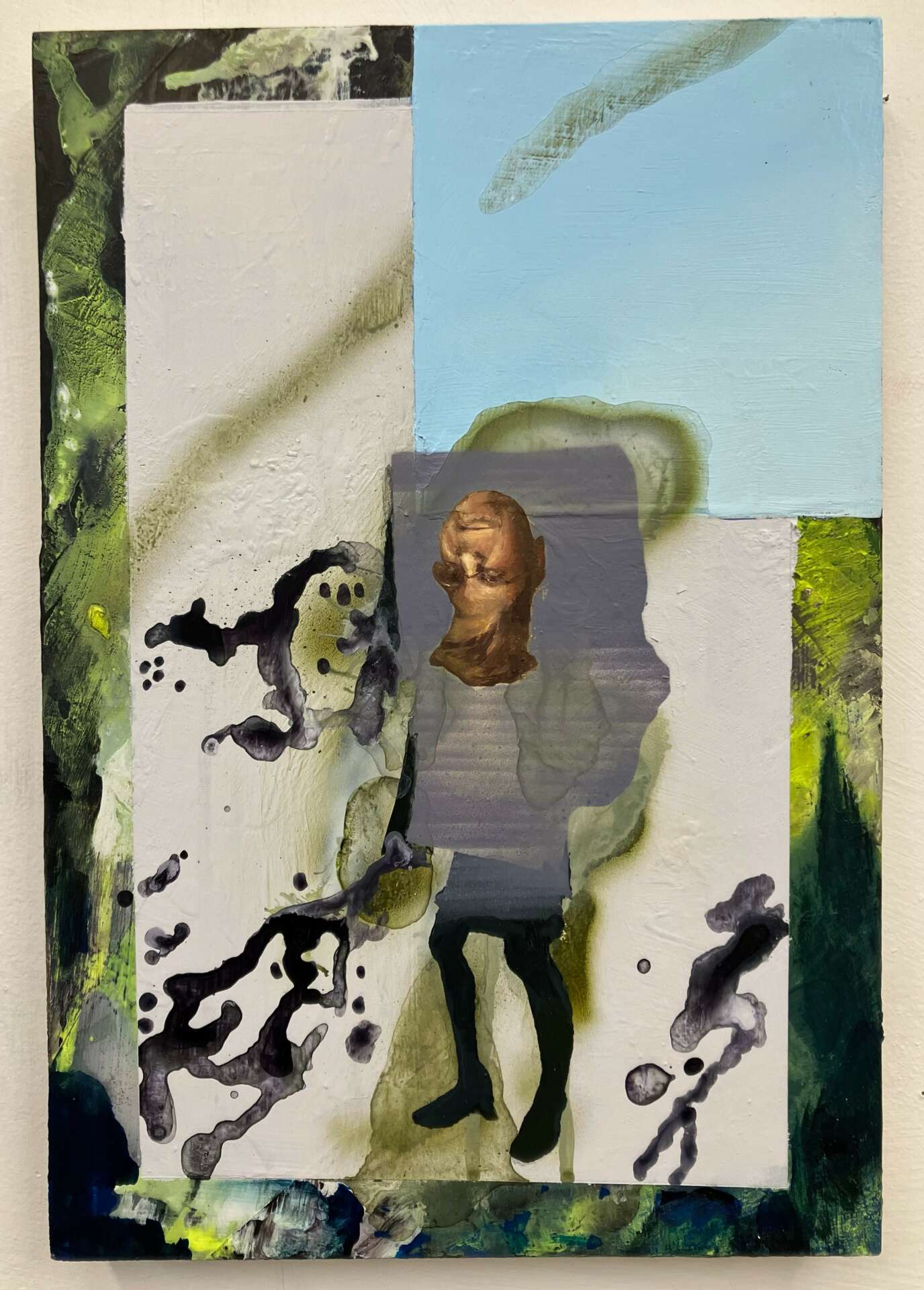
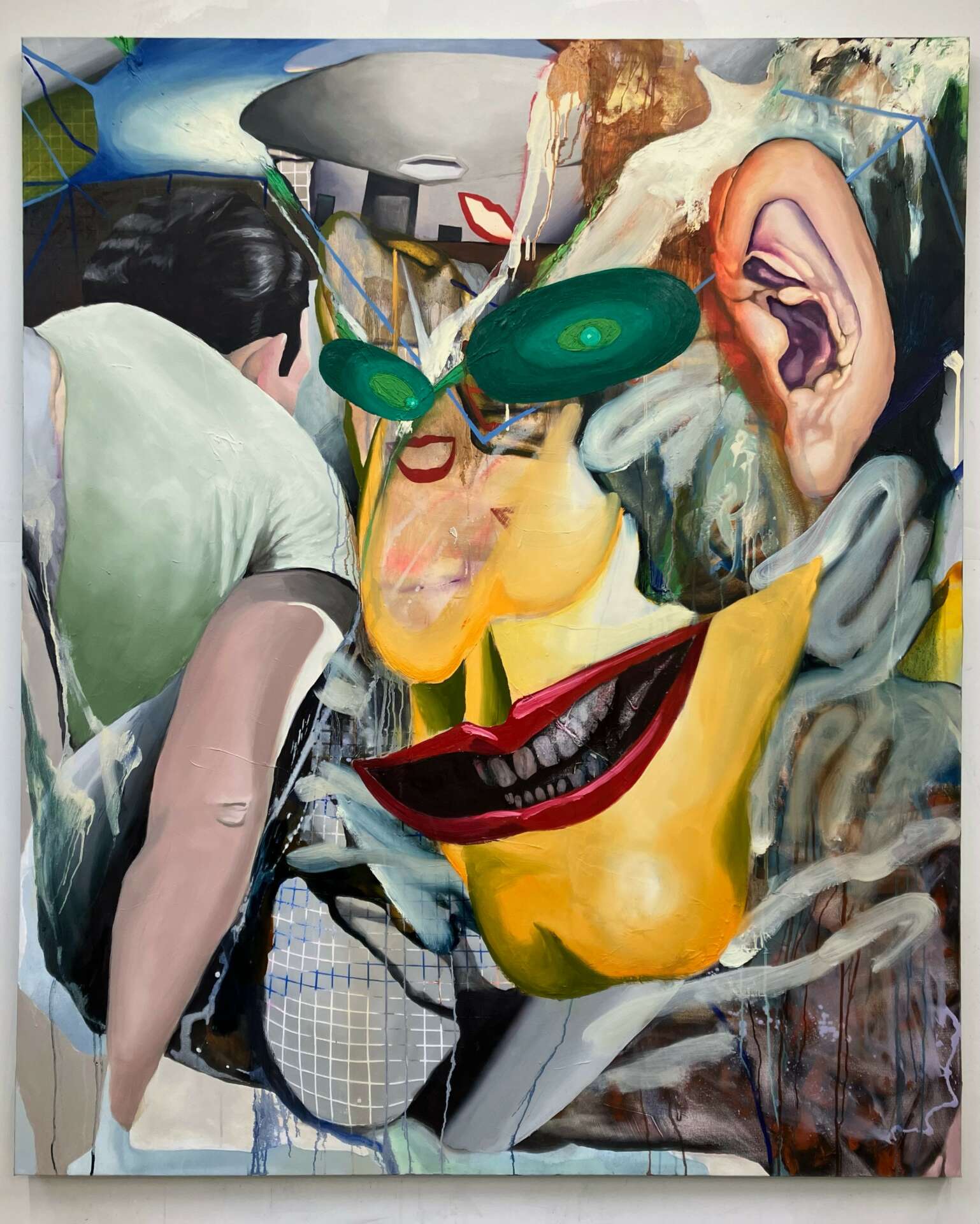
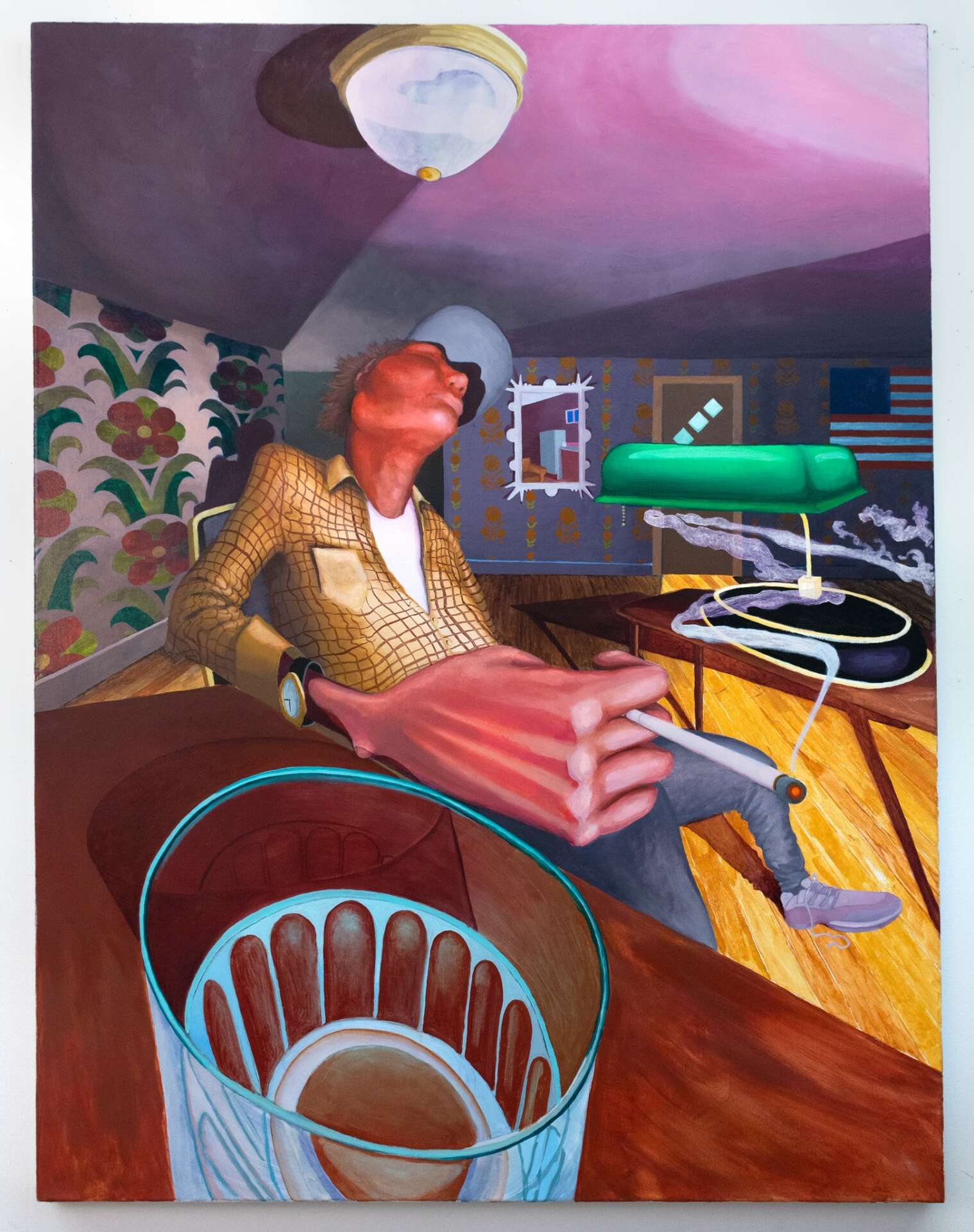
Awesome – so before we get into the rest of our questions, can you briefly introduce yourself to our readers.
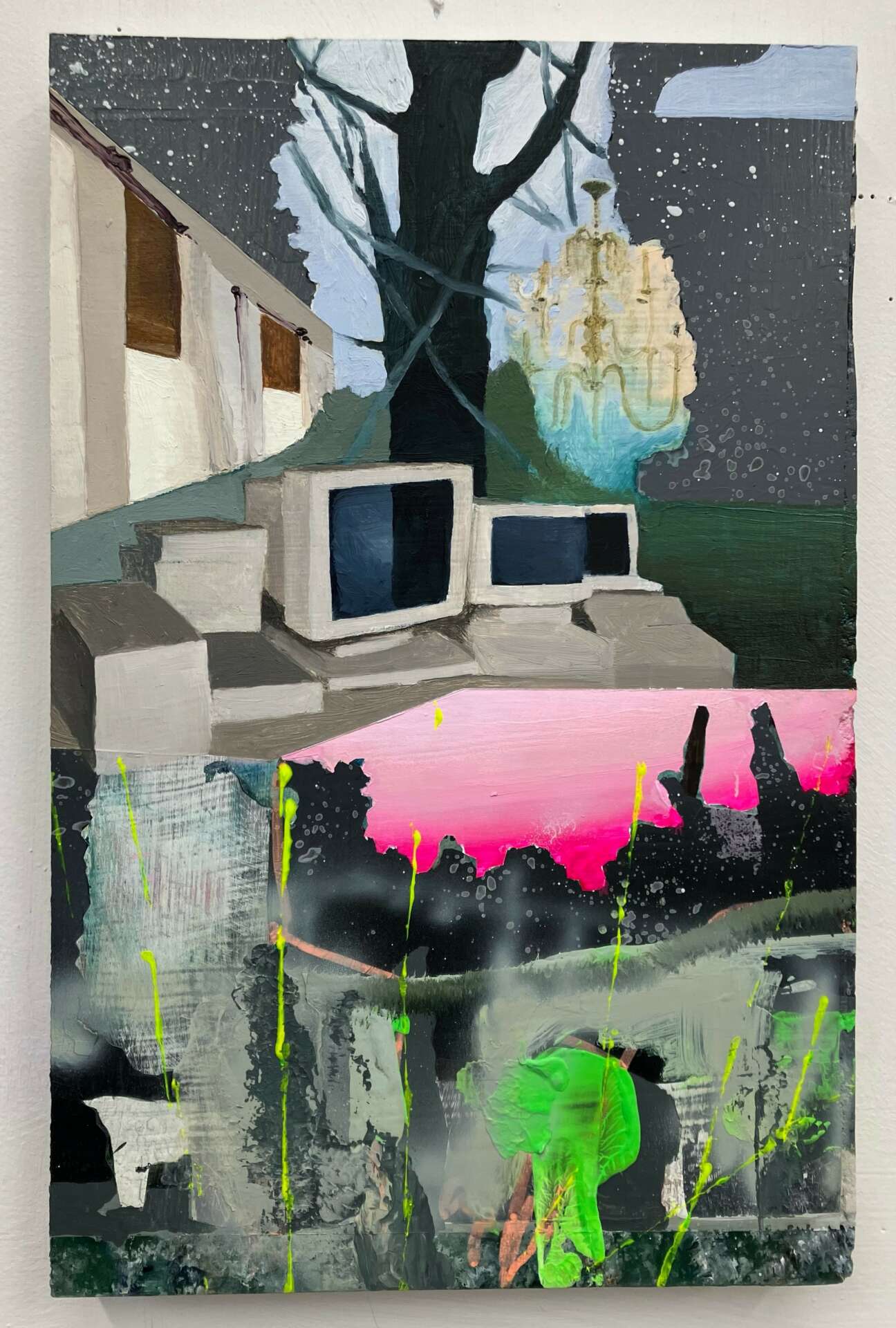
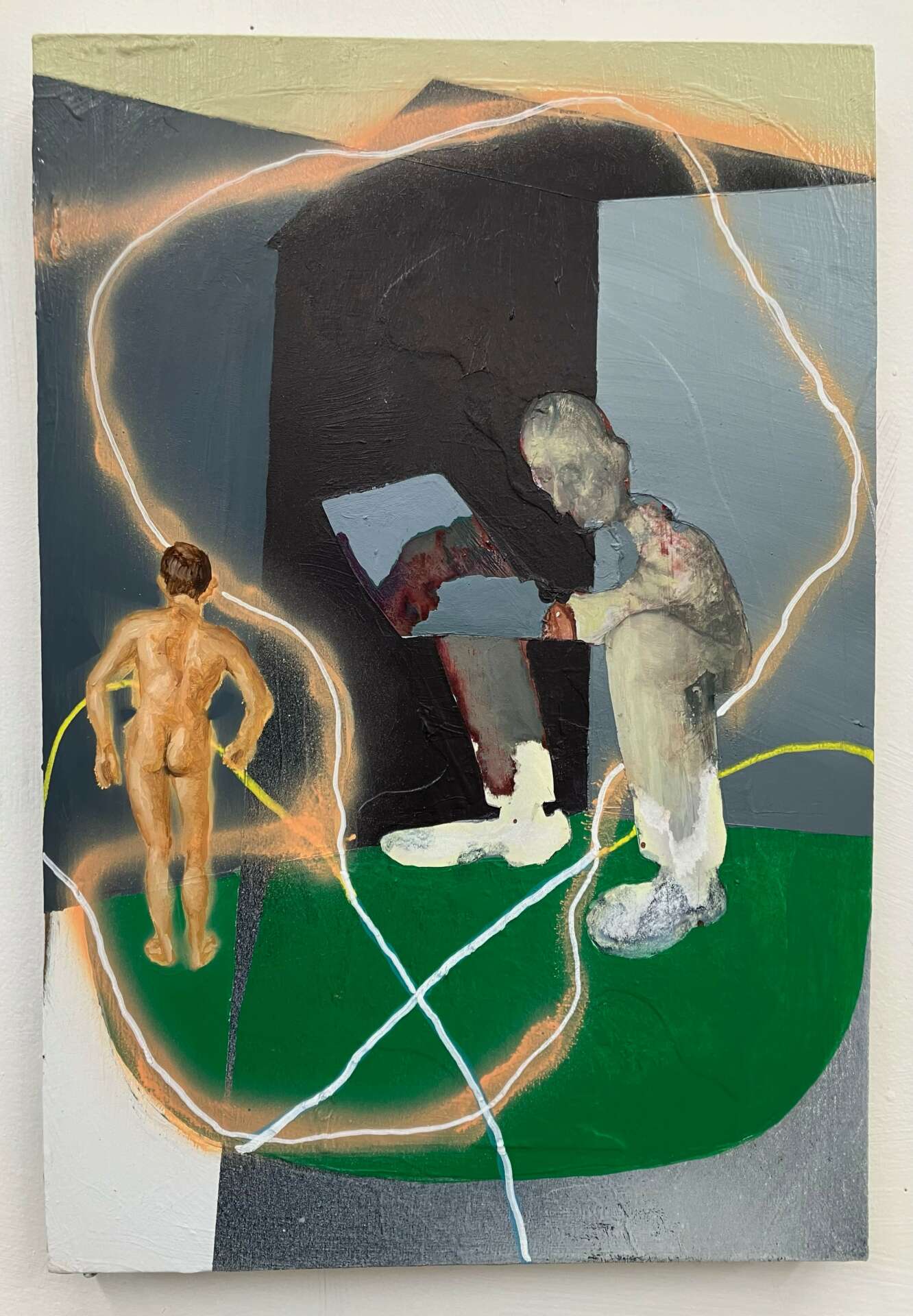
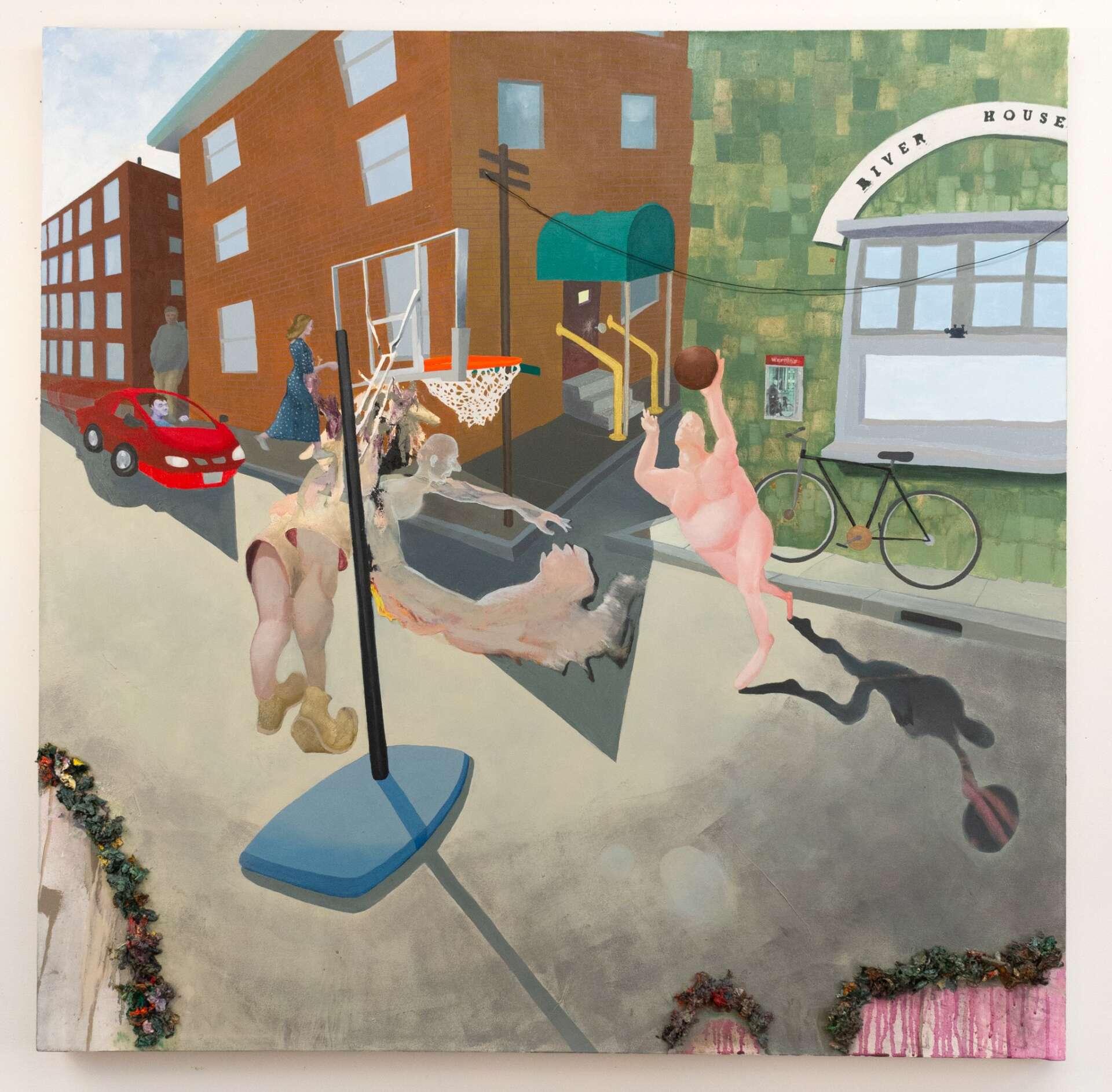
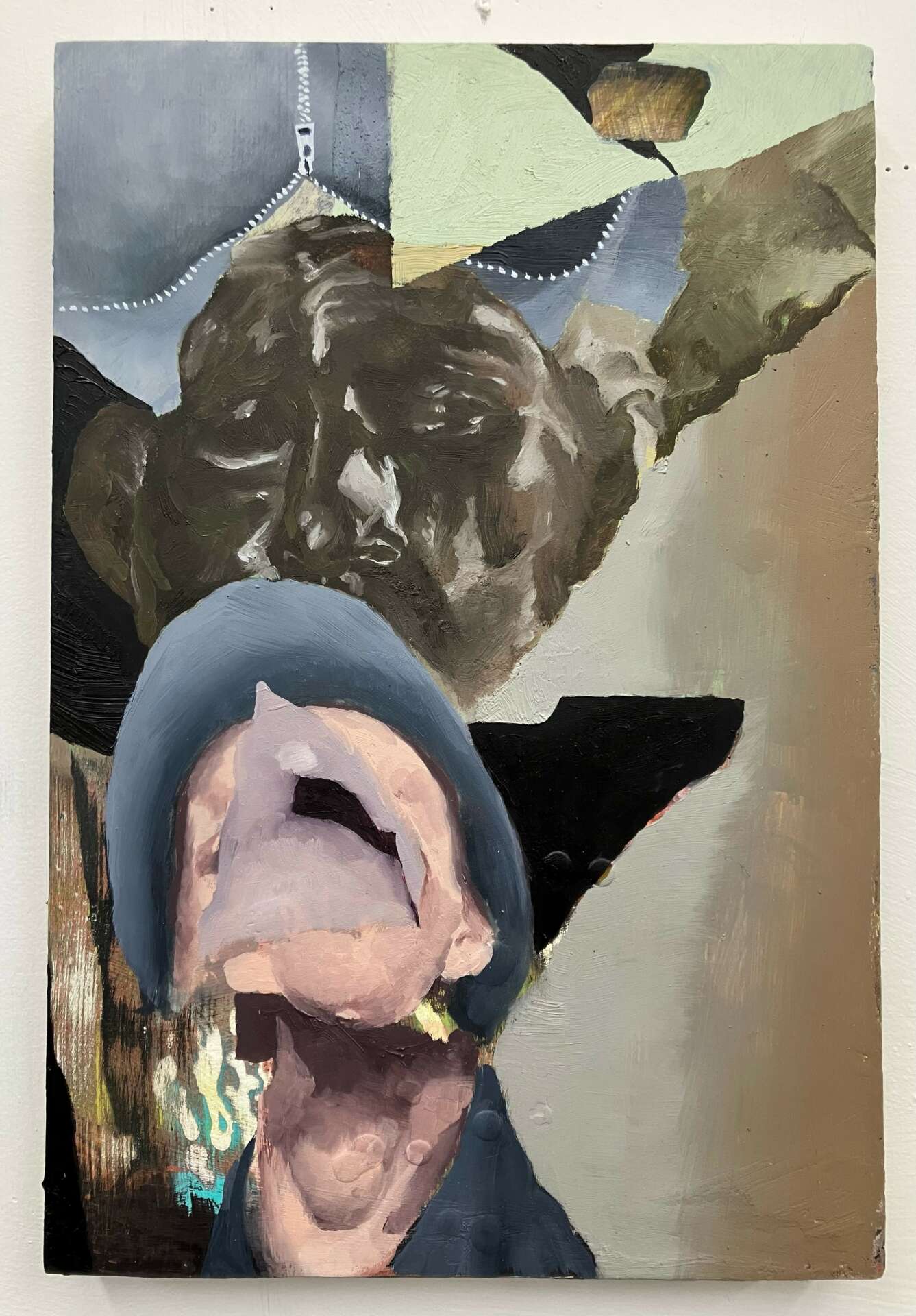
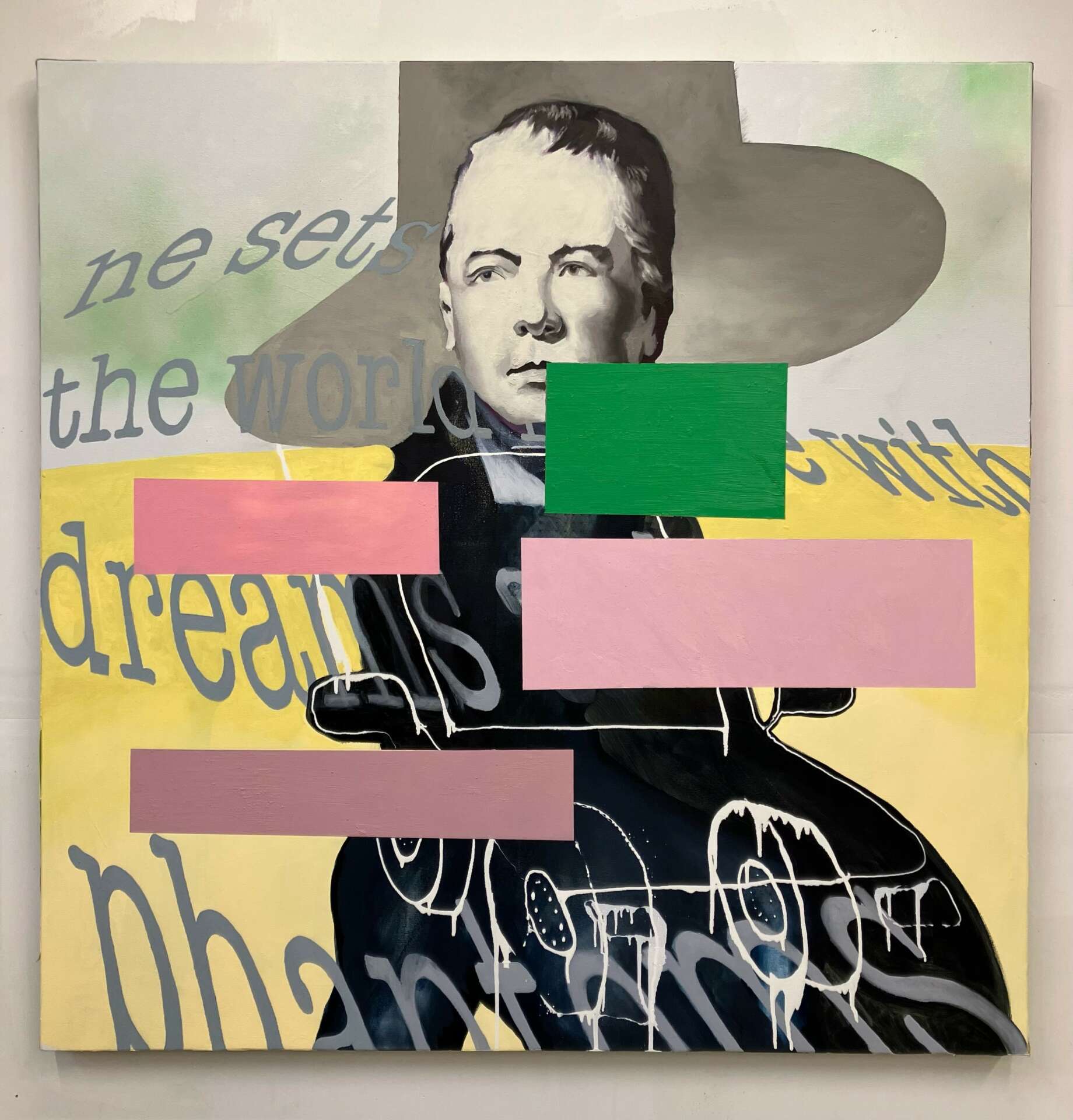
My current practice is seeking to voice an expression of resistance in conforming with the direction of a culture that is increasingly defined by corporate enmeshment. I aim to present material that awakens a viewer to examine their own history, relationship to nature and interior life in contrast to the hyper-stimulating environment of digital self-representation via social media. The pressure to constantly work in service of corporate interest has been increased ten-fold since the emergence of Facebook and the human toll of participating (or not) has become an alarming concern that I seek to draw attention to and better-understand through art-making and exhibition.
The work I am most influenced by are two groups of artists, the German Capital Realist painters: Albert Oehlen, Sigmar Polke, Daniel Richter and an American painter working in their influence, Michael Williams. I am also looking at the inter-disciplinary American artists who emerged in the 1980s and 90s: Mike Kelly, Jim Shaw, Rachel Harrison, and Paul McCarthy. My interest is more particularly focused at the confluence of these separate movements. Both groups confront a repressed desire for chaos within western culture characterized by a populous seeking dictatorial leadership within the constraints of polite society. In these groups, I view work aimed at recontextualizing conventional behavioral patterns, with absurdist visual language, amplifying the viewers awareness of grotesque actions performed in the pursuit of nationalistically projected dreams.
The identification of popular cultural symbols which have become tools in the formation of modern identity, is a subject that has been central in my studies. I look to events in the past few years surrounding the destruction and shrouding of confederate monuments. I find a meaningful analogy in comparing America’s attachment to confederate artifacts, with a more responsible political discourse, on the part of Germany, who has replaced all Nazi structures with public monuments, often commissioning Jewish artists. These monuments signal a devotion to confronting the wounds of genocide. In several of my works from the past year, the foreboding presence of a shrouded confederate monument is present. My aim in these works, is to underscore the tension one is confronted with when considering ideas that perhaps the monuments are being protected from protesters; or has the time finally arisen, when our culture has defined these monuments as profane symbols of human atrocity, to be crudely veiled, until their ensuing removal? The parsing-out of this tension does the work of analyzing the expanding polarity manifesting in our culture, between those who are progressively minded and those who are attached to old and dead symbols, of a fabled, regretful antebellum past.
A long-term goal that I have established, aims at forming an Artist Collective with the shared intention to marginalize white supremacy by initiating calls for Federal legislation declaring the display of Confederate symbols to be made illegal, as Germany has done with Nazi-ism. These goals envision curatorial use of public space, as sites of research-based historical remembrance of the iniquity of American slavery, commissioning public-facing artworks by African American and indigenous artists. It is through my research into the impact of public symbols at up-holding cultural identity, that I can imagine a more progressive future for America.
How can we best help foster a strong, supportive environment for artists and creatives?
To best support artists I would like to see the US Department of Housing and urban development designate former industrial sites as space for artists to reclaim as studio and exhibition. space. In addition to spacial reclamation, a registry for American artists to receive supplemental income while crafting collaborative or personal art projects, allowing time away from full-time employment would be a really meaningful branch of support.
We often hear about learning lessons – but just as important is unlearning lessons. Have you ever had to unlearn a lesson?
A really problematic lesson we are taught in America is that the primary virtue a person can attain is something like “excellent work-ethic”. The issue I have with this value of “work for work’s sake” is the absence of compassion and the loss of a sense of self, all in the interest of upholding a company’s bottom-line or performing to appear to do so.
The unlearning of this fixation on “work for work’s sake” has been less of an unlearn and more of an embrace of something more sustainable. I have learned to embrace self-compassion as a mandatory pre-requisite to any creative act. Acts of self-compassion come in the form of checking-in through writing in the journal, taking a nap, exercising, reading for entertainment, chatting with studio neighbors but most effective is engaging in playful activities. My former studio neighbor and artist friend, Chloe Wilwerding adopted a miniature Australian Sheppard named Odin who wouldn’t let me walk by him without some play-time. Having people and animals around who support you in this way has been deeply beneficial and when you create relationships that have reciprocal compassion built-in to creative production you begin to see your art-making in a much more rewarding light.
Contact Info:
- Website: https://www.willweygintstudio.com/paintings
- Instagram: @willweygint
- Linkedin: https://www.linkedin.com/in/will-weygint