

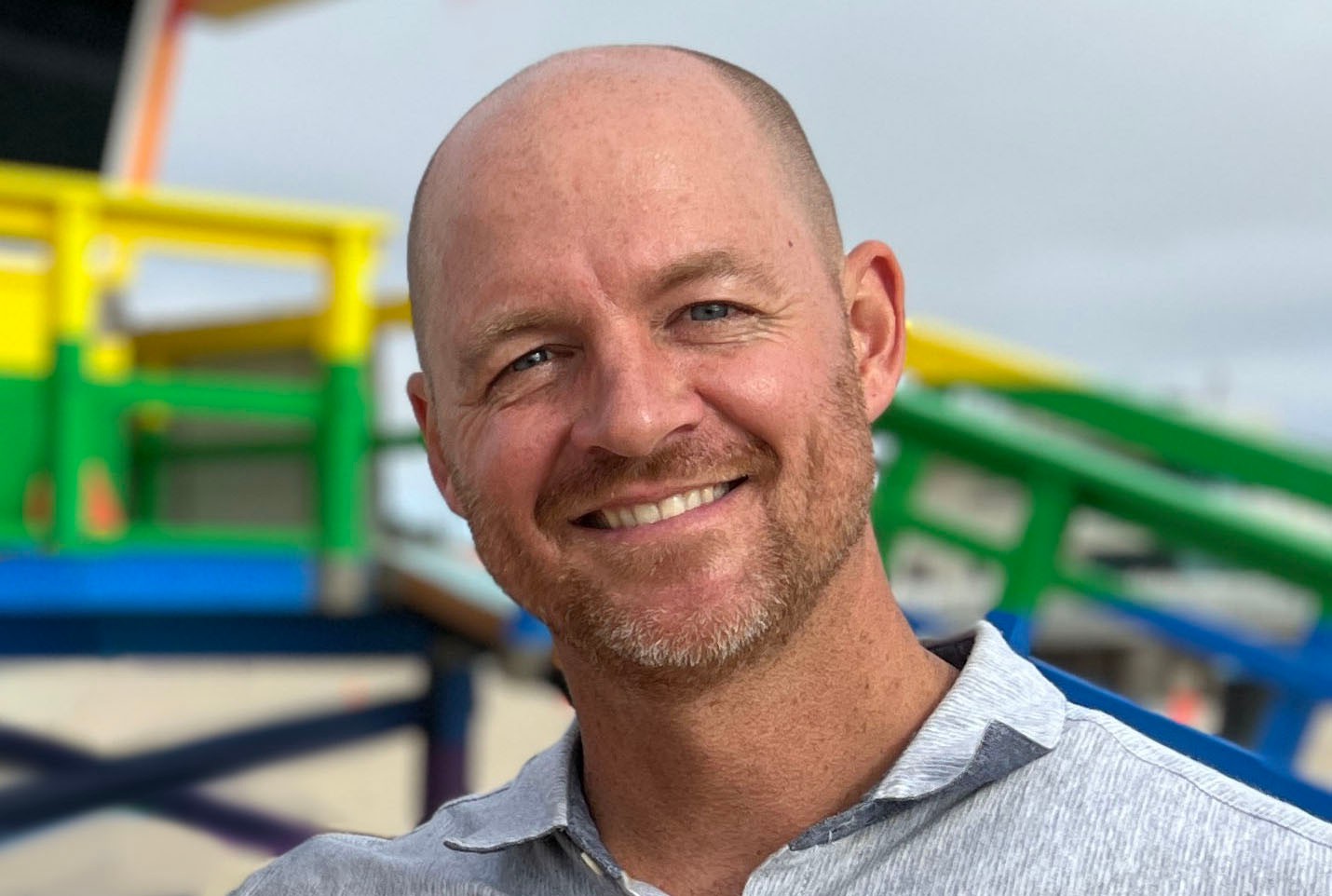

We’re excited to introduce you to the always interesting and insightful William Groebe. We hope you’ll enjoy our conversation with William below.
Alright, William thanks for taking the time to share your stories and insights with us today. We’d love to hear about when you first realized that you wanted to pursue a creative path professionally.
Being a professional artist, people often ask me “When did you start to draw?” My usual response is “When did you stop?”
You see, all children draw. They draw their families, their dogs, the sun, a rainbow, a dragon. Countless reams of paper as well as the occasional wall covered in kid scribbles. But for some reason as we get older most of us stop drawing. We stop being creative. Stop dreaming. That was never an option for me.
I always knew I would be an artist. Well, to be honest my plan was to become a professional ballet dancer and/or a professional baseball player, and create artwork on the side (because I knew I could do art from anywhere). Unfortunately for me I injured my legs when I was seventeen, so professional dance and sport went out the window. Therefore I focused on my remaining passion – art.
Great, appreciate you sharing that with us. Before we ask you to share more of your insights, can you take a moment to introduce yourself and how you got to where you are today to our readers.
When I was in high school I co-created a comic book with some friends. We each wrote and illustrated our own stories and printed them in one book called Xiola. We made seven issues and were distributed nationally, but we didn’t make any money and after high school we shut down our operation. But I had been given a hunger for creation and was determined to find a job as an artist.
Fortunately I knew someone who knew someone who was starting a video game company, so armed with our portfolios my friends and I marched into the offices of Ronin Entertainment and applied for jobs as concept artists. We couldn’t believe it when we were all hired. We were only to be paid minimum wage, but we didn’t care. We were working artists.
While I was working in video games my older brother got a job as a production assistant at George Lucas’ company Industrial Light & Magic. On the weekends the production assistants would shoot their own short films, and my brother Tom hired me (for free) to be the storyboard artist for their projects, designing the shots and sequences. Thus began my career as a storyboard artist.
During my time at Ronin I developed a passion for animation and soon became a full-time animator, then lead animator on such titles as The Lord of the Rings: The Two Towers, and Star Wars: Force Commander. But I was feeling antsy. I decided I wanted to work in film. And after applying many times to many different companies I was finally hired as an animator on the film Matrix Resurrections, and my work in film began.
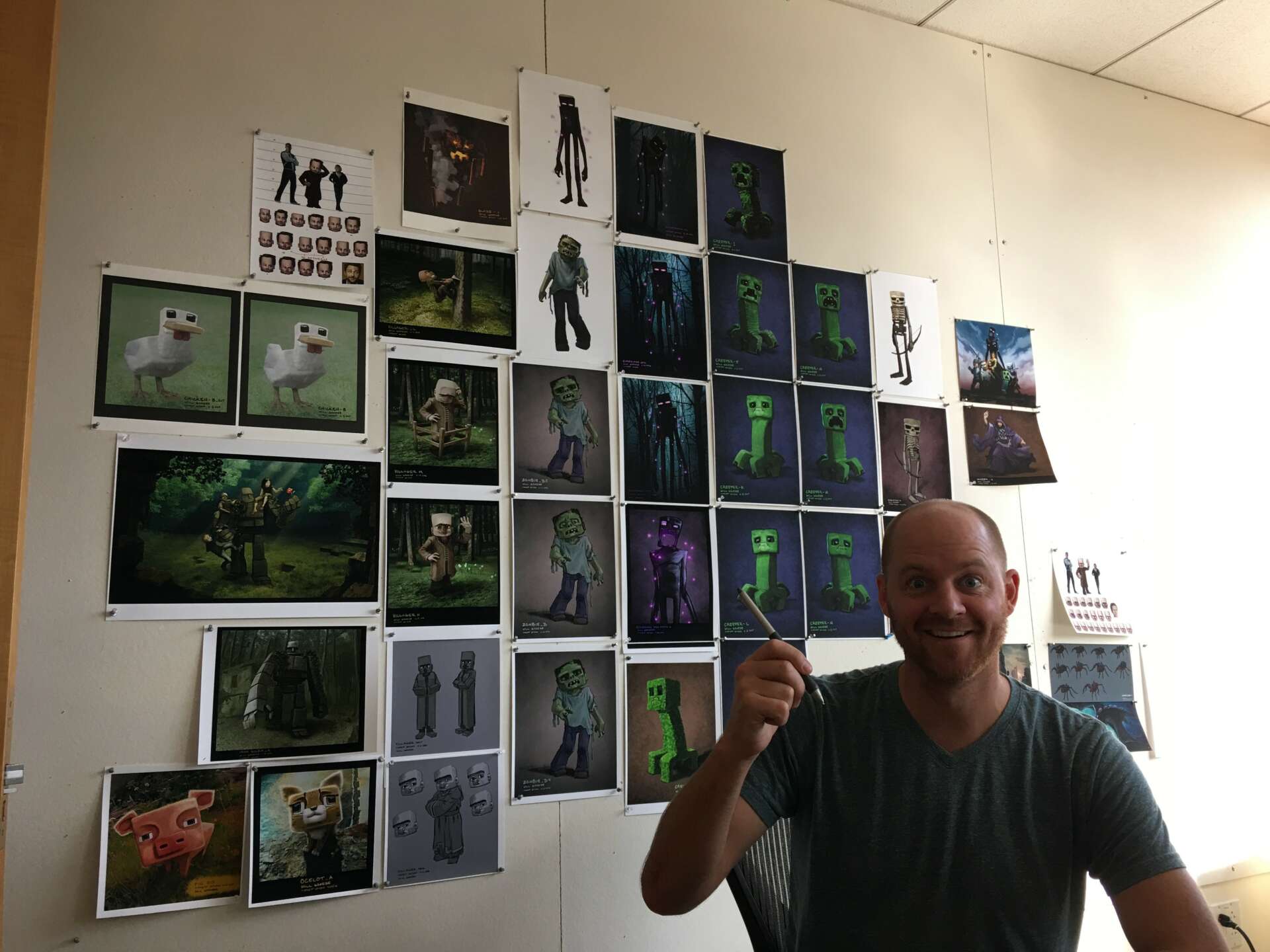
I spent 15 years as an animator and animation director at Tippett Studio in Berkeley, working on such films as Hellboy, Cloverfield, Charlotte’s Web, Smurfs, Teenage Mutant Ninja Turtles, Ted, and the Twilight films. I would also storyboard our sequences and contribute whatever concept art I could.
But I found myself getting antsy again. I had developed a passion for storytelling that could only be fulfilled by being a director. So I moved to LA, and have been working as a freelance storyboard artist while picking up any directing gigs I can get.
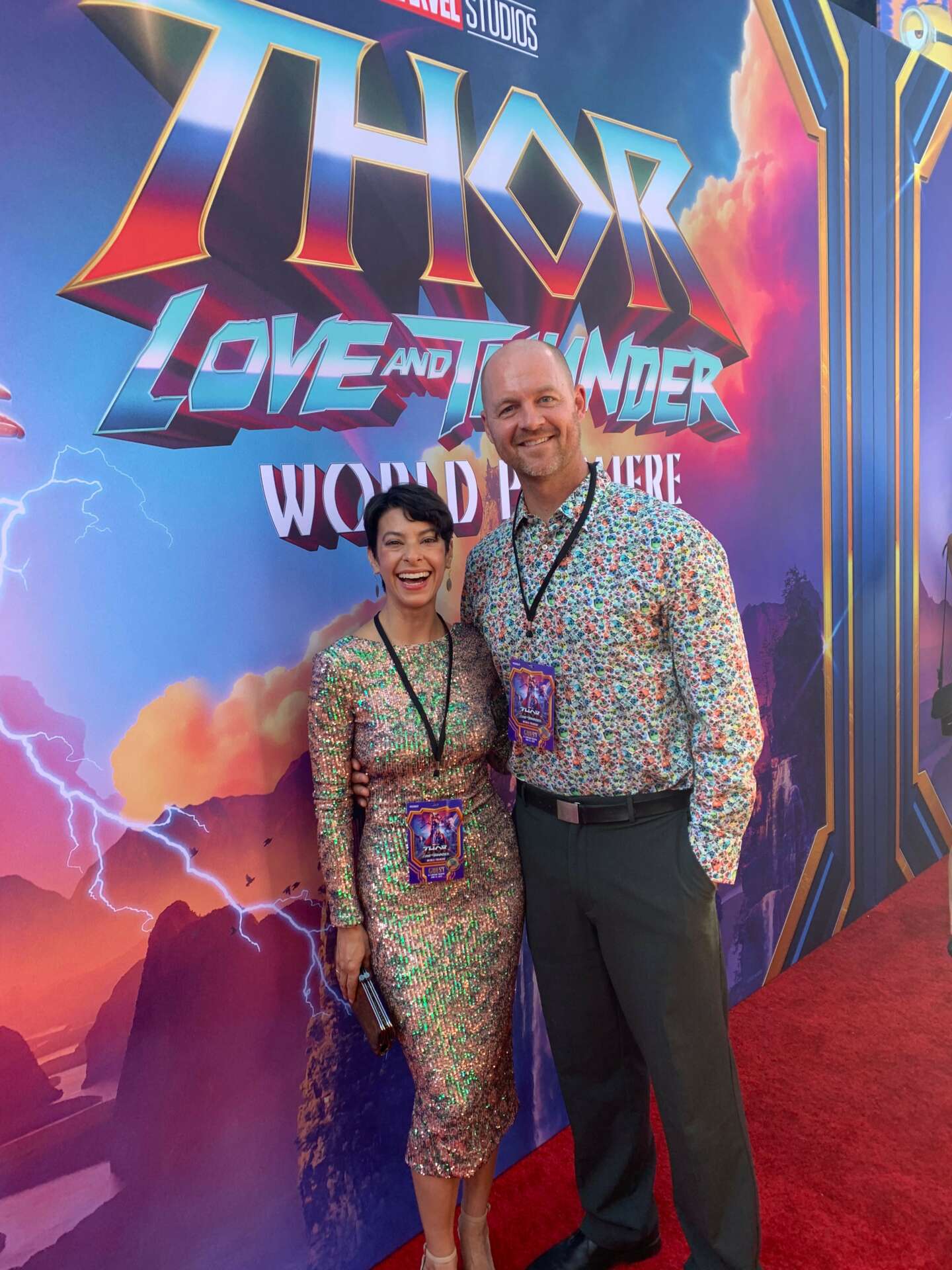
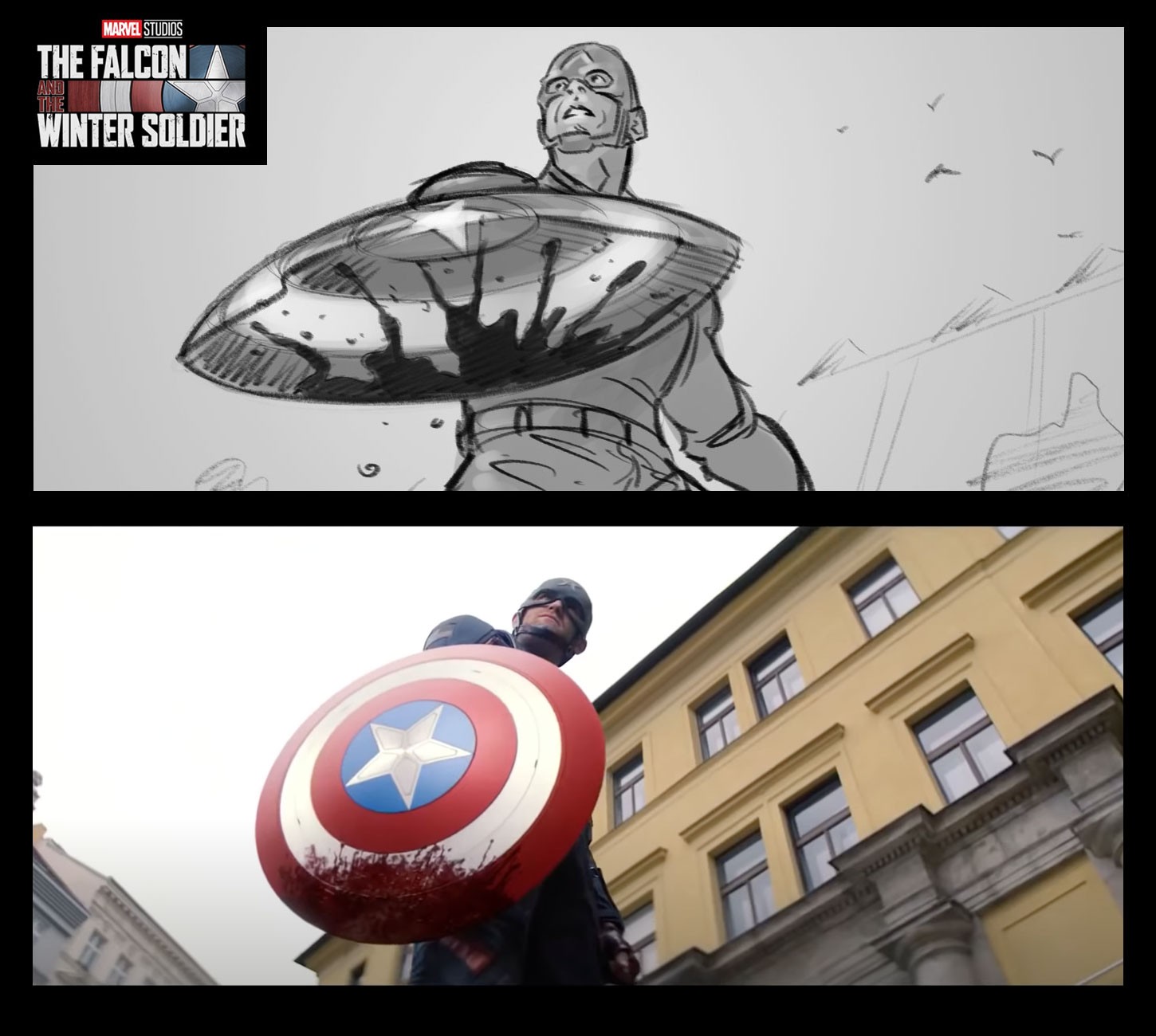
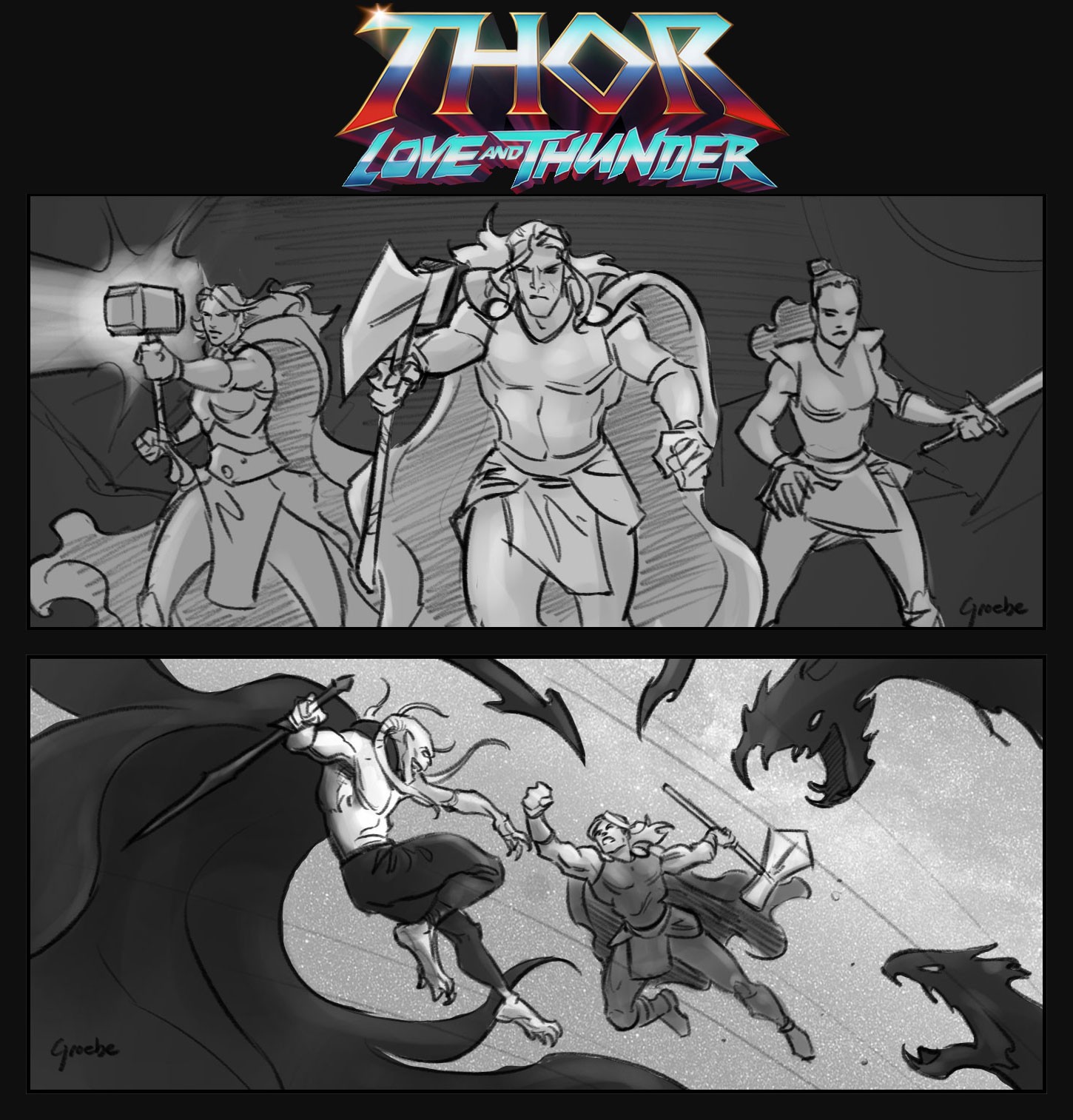
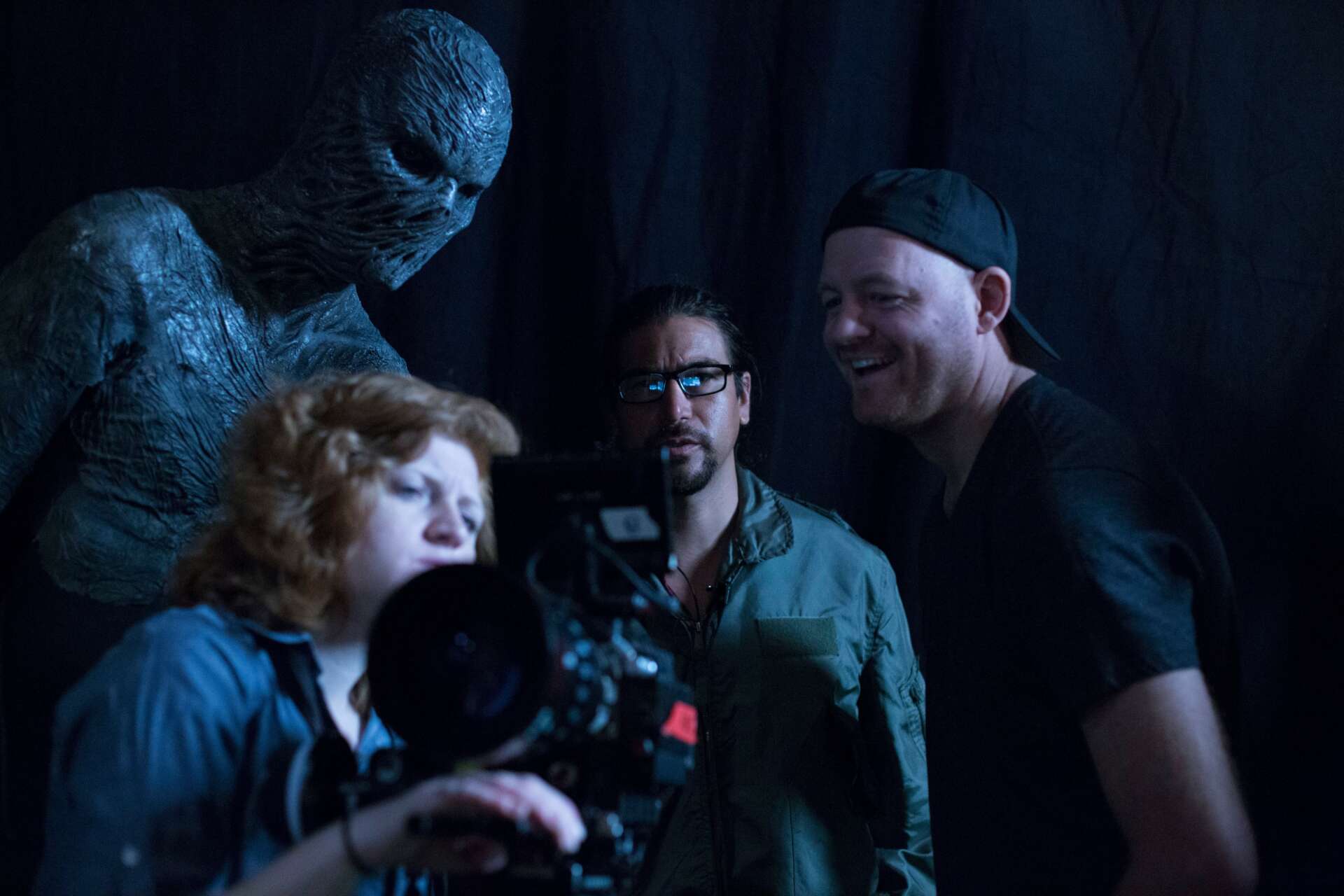
Since moving to LA I’ve contributed art direction and storyboards to dozens of films and TV shows including Deadpool 2 and 3, Stranger Things, Bullet Train, Free Guy, Thor Love and Thunder, The Falcon and Winter Soldier, The Adam Project and more.
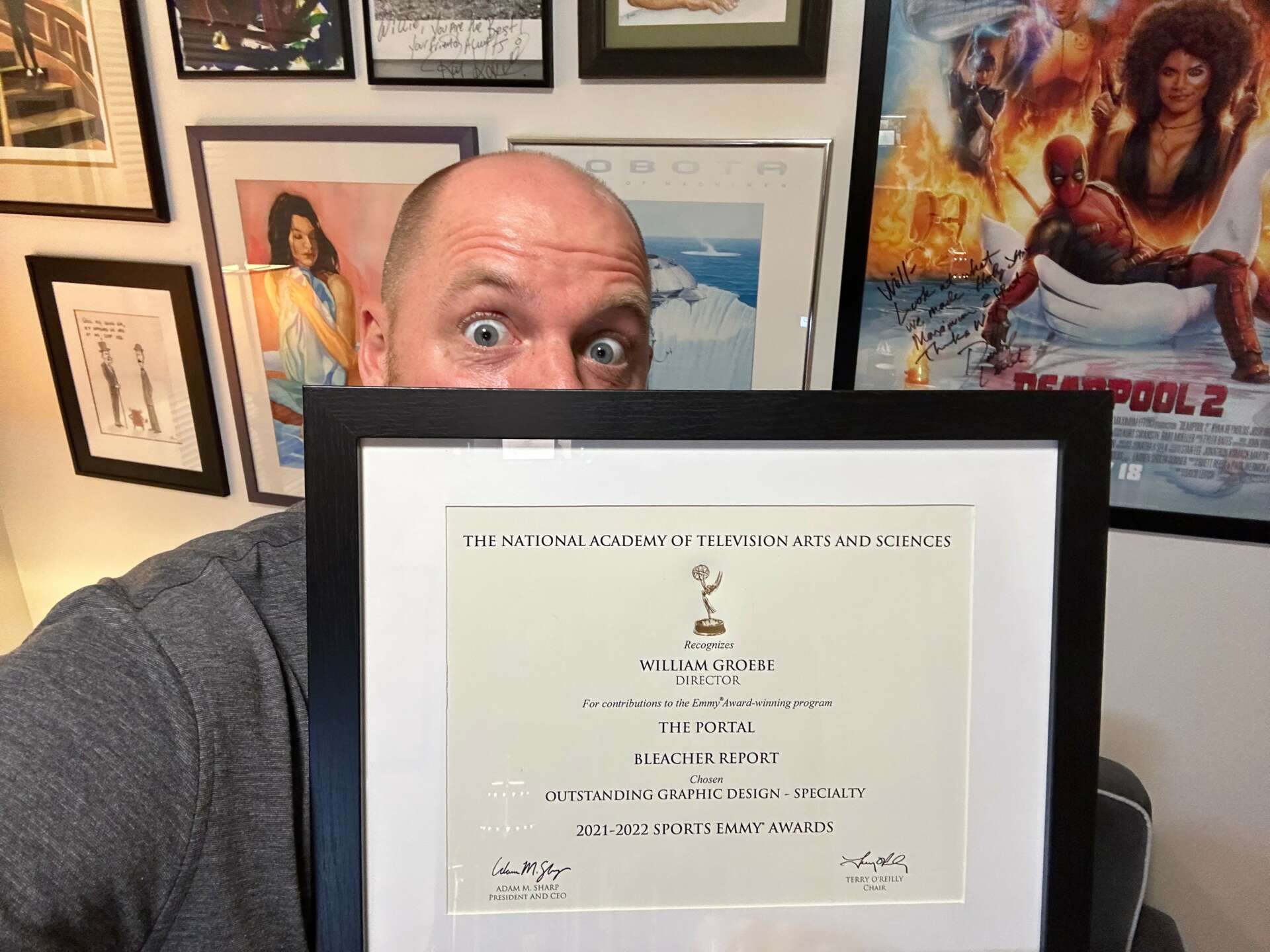
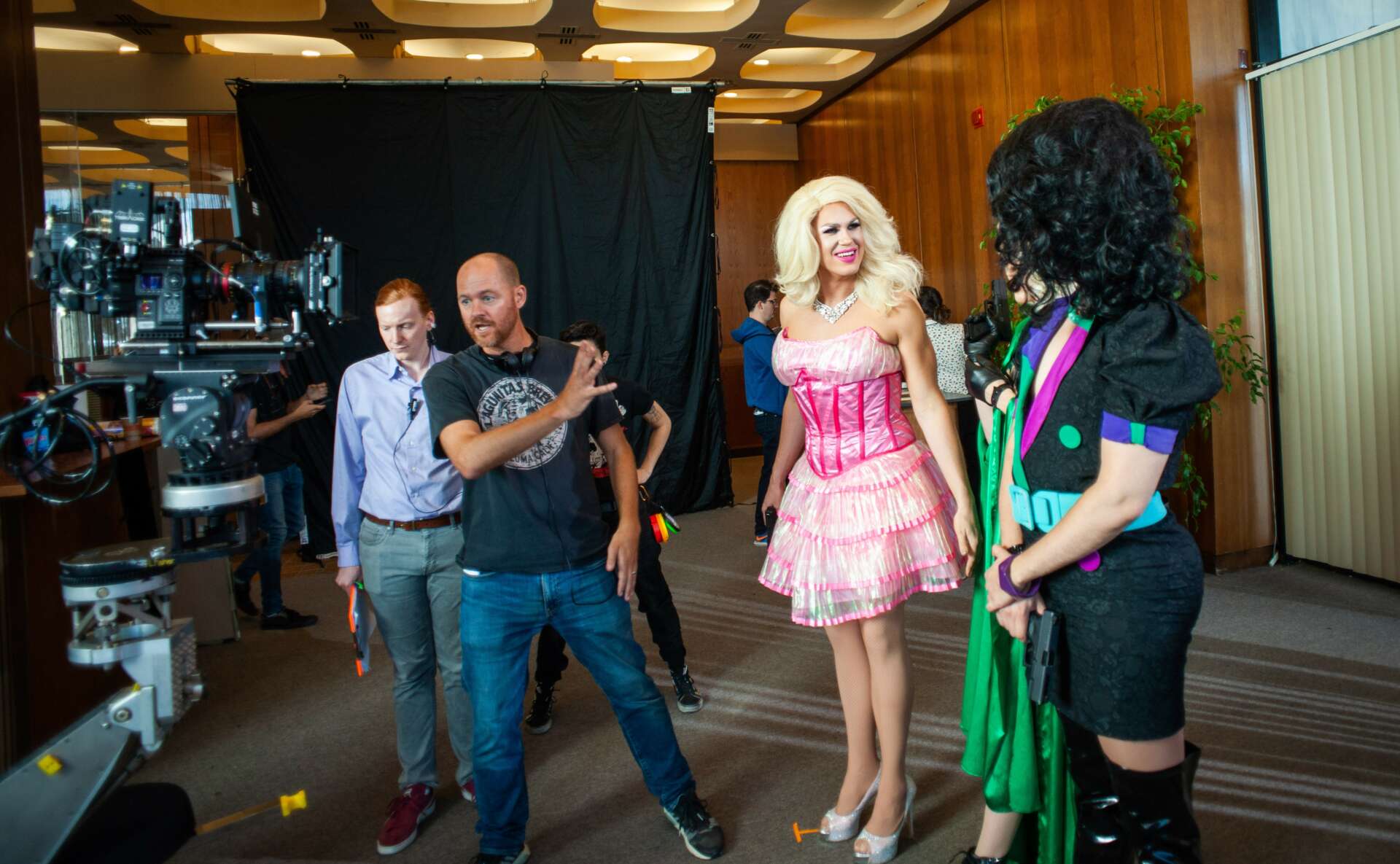
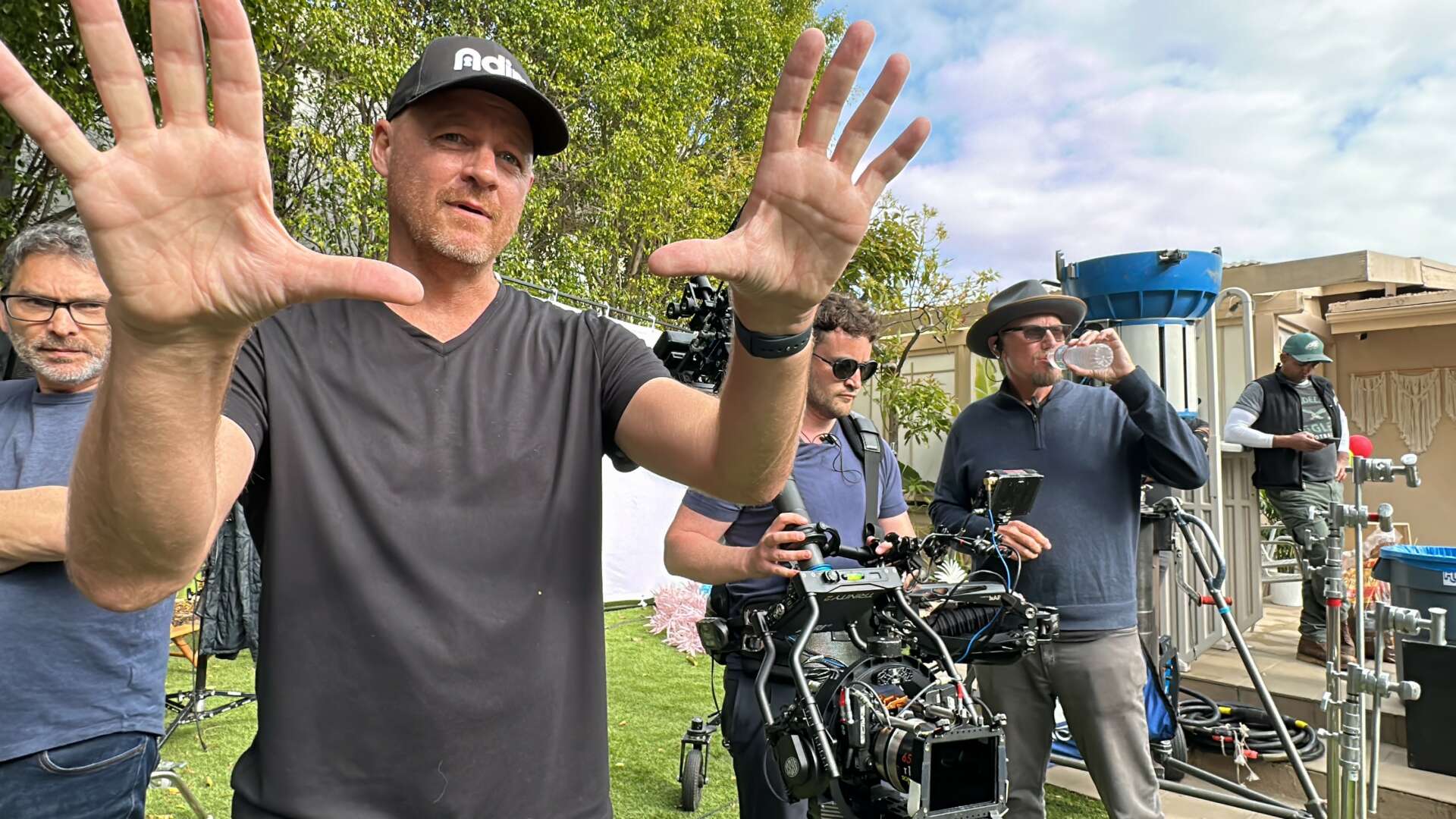
I directed the first season of Bleacher Report’s The Portal which won a Sports Emmy in 2022, as well as the short films Three Queens, and Suspended. Rob McElhenney hired me as an in-house director for his company Adim, and I drew upon all the experience I’d gained over my career in this job. I ended up designing the characters, storyboarding the sequences, planning the shoot, directing the film, working with our editorial team in post, and supervising our visual effects to make an amazing short film to be released sometime this spring. I can’t wait to share it with the world.
We often hear about learning lessons – but just as important is unlearning lessons. Have you ever had to unlearn a lesson?
One of my first jobs was as a concept artist at another now-defunct video game company. The art director often tasked me with designing characters I thought were pretty lame. Sometimes I would find myself putting less effort in the designs I thought were stupid. Why waste time on a lame idea?
Around that time I visited an artist friend of mine named Iain McCaig. He had been hired to do some illustrations of Furbies, those weird, bug-eyed, furry, beaked stuffed animals from the 90s. The toys were super lame, but Iain had created some of the most beautiful illustrations I had ever seen and they were of Furbies!? I was dumbstruck. Why had he spent so much time and effort to make these astonishingly gorgeous illustrations for something as trite as a Furby? I couldn’t understand it, so I asked him.
His response is something that I carry with me to this day. He told me that it takes no effort to make a bad idea look bad. You know what takes skill? Making a terrible idea look great. Don’t waste time proving people wrong, work harder to prove them right.
Ever since that day I changed my attitude. My job isn’t to prove to someone that their idea is bad, my job is to make even a mediocre idea look like a masterpiece.
For you, what’s the most rewarding aspect of being a creative?
The most rewarding aspect of being an artist for me is that I’m able to work in a creative field that I am passionate about and collaborate with fellow artists who inspire me. I’m happy doing what I do with the people I’m doing it with. Life is good.
Contact Info: