



We recently connected with Will Sterling and have shared our conversation below.
Will, thanks for taking the time to share your stories with us today Before we talk about all of your success, let’s start with a story of failure. Can you open up about a time when you’ve failed?
Failure, to me, is all about falling forward. I borrow this sentiment from the great Denzel, yes, Washington. A lot of people have talked about the idea of a “fallback” in case their primary goal or dream or objective falls through. In this way, if failure is experienced then the person is literally falling back onto either an alternative, less self satisfying goal or essentially racking up L’s in order to justify giving up.
On paper, I “failed” to get my novel published. I queried 66 agents and editors/publishers and of those 66, 2 requested the manuscript, 1 passed, and the other ghosted me. Everyone else passed or simply didn’t reply (the most common type of rejection in the arts) to my initial query. If I were holding steadfastly onto the model that a big publisher determined my success, this pile of failures would have tallied up high enough that it’s likely I would have assumed and then decided that my book was simply not good enough to be published and it would’ve hit my bottom desk drawer to collect dust. However, the road to getting the book into fighting shape was one I took very seriously and invested both a lot of time and money into and, despite the amount of rejections, I knew that I had written something valuable.
The world doesn’t turn its nose up at self publishing the way it used to, in fact a lot of now famously successful authors started out self published. And so, because I was determined not to fall back on anything but instead fall forward, the pile of “no’s” became my motivation to continuing to tighten, improve, and push the book out into the world. I found a small, independent press whom I partnered with and continued to work alongside editors and designers to create the novel I had always dreamed of.
I think a major part of an artist’s trouble with rejection is the belief that it is personal. In a way, this is both good and bad. If you believe your product is valuable then these rejections should feel personal enough for you not to take no for an answer. However, the rejections aren’t so personal that they should convince you to quit or give up. Most people in positions of power are too busy to actually issue personal attacks or vendettas against your work. Criticism is typically constructive, even when it feels jagged and biting. If the mindset is falling forward and not falling back then any and all amount of failure is fuel for your future.
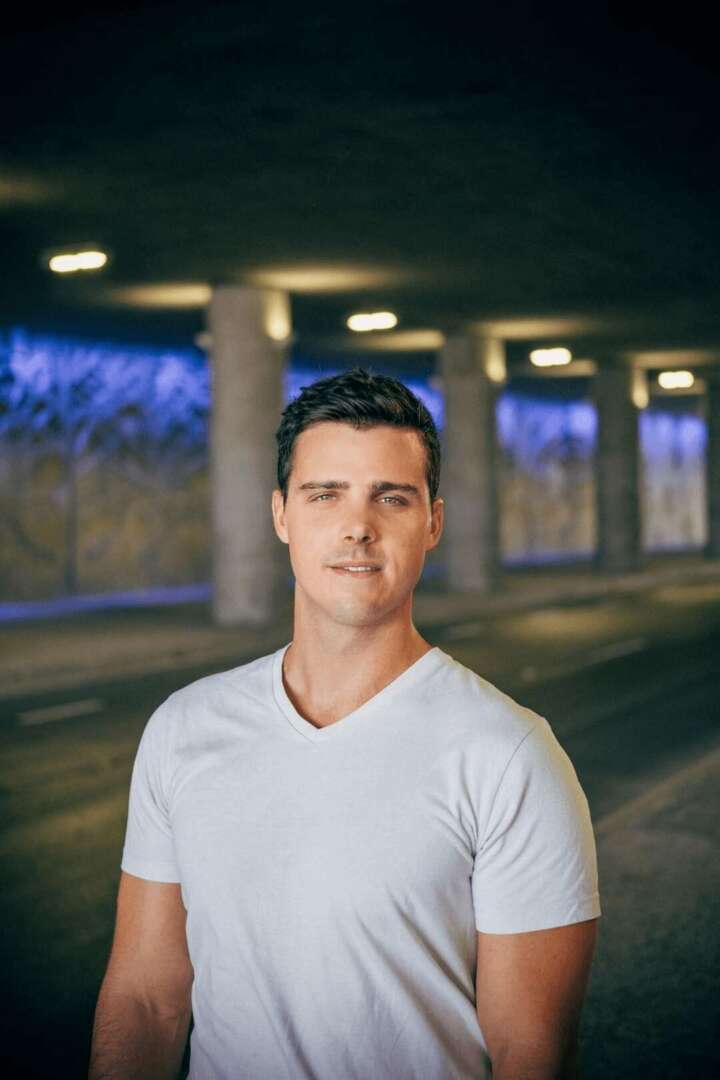
Will, love having you share your insights with us. Before we ask you more questions, maybe you can take a moment to introduce yourself to our readers who might have missed our earlier conversations?
Filmmaking as a broad profession, including writing, directing, producing, and acting, has always been my dream since I could remember. I’ve been a sponge for film and television since I was little but didn’t actually put two and two together until I saw an interview with Lindsay Lohan on the Disney Channel about how she booked her part in The Parent Trap. Yes, this is a story in which a lot of credit is due to Lindsay Lohan but listen, I’m an elder millennial so the trajectory for a lot of our artistic inspirations started to look like pop culture buckshot starting with 80’s brats haunting shopping malls. I didn’t know that a “career” in entertainment was a thing. I thought people became athletes or boring and I didn’t want to be either. Hearing about LiLo’s process of auditioning and booking a part was the Tetris pieces coming together for me. I could tell stories as my job, both by pen and by performance.
I was absolutely a born entertainer and hosted comedy shows for my family to sit down and watch me perform. I was always attracted to music, dance, acting, and storytelling, and I also wouldn’t put a lot of it together as being major flags for my own queerness until after college, but it was all there. My icons were Elton John and David Bowie because of their androgyny and lack of heteronormativity and, somehow, Sylvester Stallone for his sensitive portrayal of masculinity in the first “Rocky.” And once I discovered that Rock Hudson and he actually bore a pretty striking resemblance? Game over.
I started writing my own comics and stories around age 6 and never stopped. My grandma used to pay me a quarter to buy the comics I wrote and drew. That was the first money I ever made from my art and I’m sure it went toward paying for some action figures which were always the earliest versions of characters in my stories.
I think what’s always fascinated me is that a lot of people take, and I say this without criticism because all paths are different, a lot of time to figure out what it is they want to do with their lives. I always knew. And yes, LiLo and The Parent Trap opened the door on the possible future of a career in film and television and I stepped through and never looked back. Quitting has never been an option because I genuinely don’t feel that I am good at anything else. I’m “capable,” yes, but “good?” Nah. Anything I’ve done to make ends meet has always been a stepping stone and a way to reinvest into my dream, not as a legitimate alternative to my creativity. And as a writer, inevitably any life and work experience informs great stories, so it’s always been beneficial to work however I can in order to fuel both my living expenses and my creative ones.
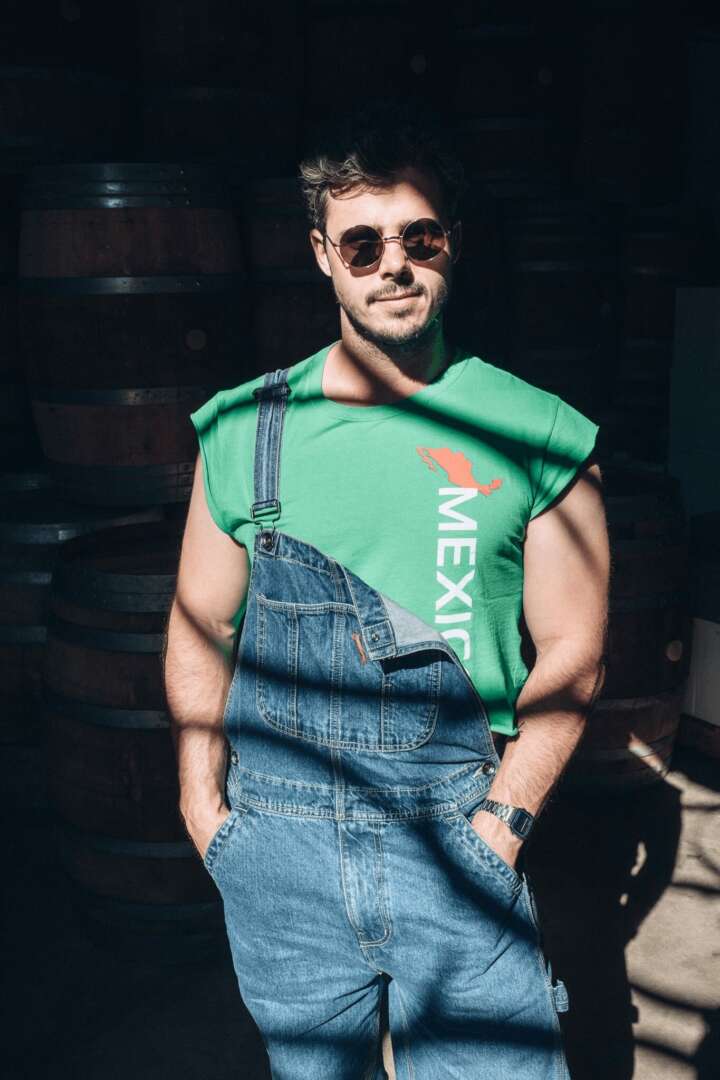
What’s the most rewarding aspect of being a creative in your experience?
Self actualization. Most of us are lucky enough to live in a world in which our base needs are already met. That’s privilege. And I don’t mean in a finger-pointy, check yourself kind of way, I mean, “what a luxury.” If you’re not fighting for food, shelter, air, or water then what will you fight for? If those needs are met, what a Blessing with a capital B.
American society is very good about encouraging dreams but also very good about shooting holes in them when kids come of age because of the pragmatism of falling back instead of forward and also because the nail that sticks out typically gets hammered in. Because of my refusal to believe in this almost dogmatic approach to “how to be successful,” I find my success in experiencing myself and my potential via my own creations. Not unlike Victor Frankenstein, for better or worse. I own both the successes and the failures.
Like all humans, I am a being of infinite potential. And I cannot experience that potential if I’m not putting out into the world and into existence the potential that exists as hypotheses inside myself. In my opinion, this is the artist’s greatest reward. Not money, fame, or accolades but an understanding of identity by seeing oneself the way one imagines oneself. All creativity, for me, is a path to becoming more fully realized. And because that realization, or actualization, is public in its display then not only do I get to experience my limitless potential but so too does the rest of the world. I don’t think people consider a lot of this when approaching art criticism but they should. And I don’t think it only applies to the arts. I wish for everyone to be able to say, without a shadow of a doubt, that their life pursuits are leading them in the direction of living a more rich and fulfilled life. One in which the self is not sacrificed for the ideas of others rather we understand we must sacrifice the ideas of others to save the self.
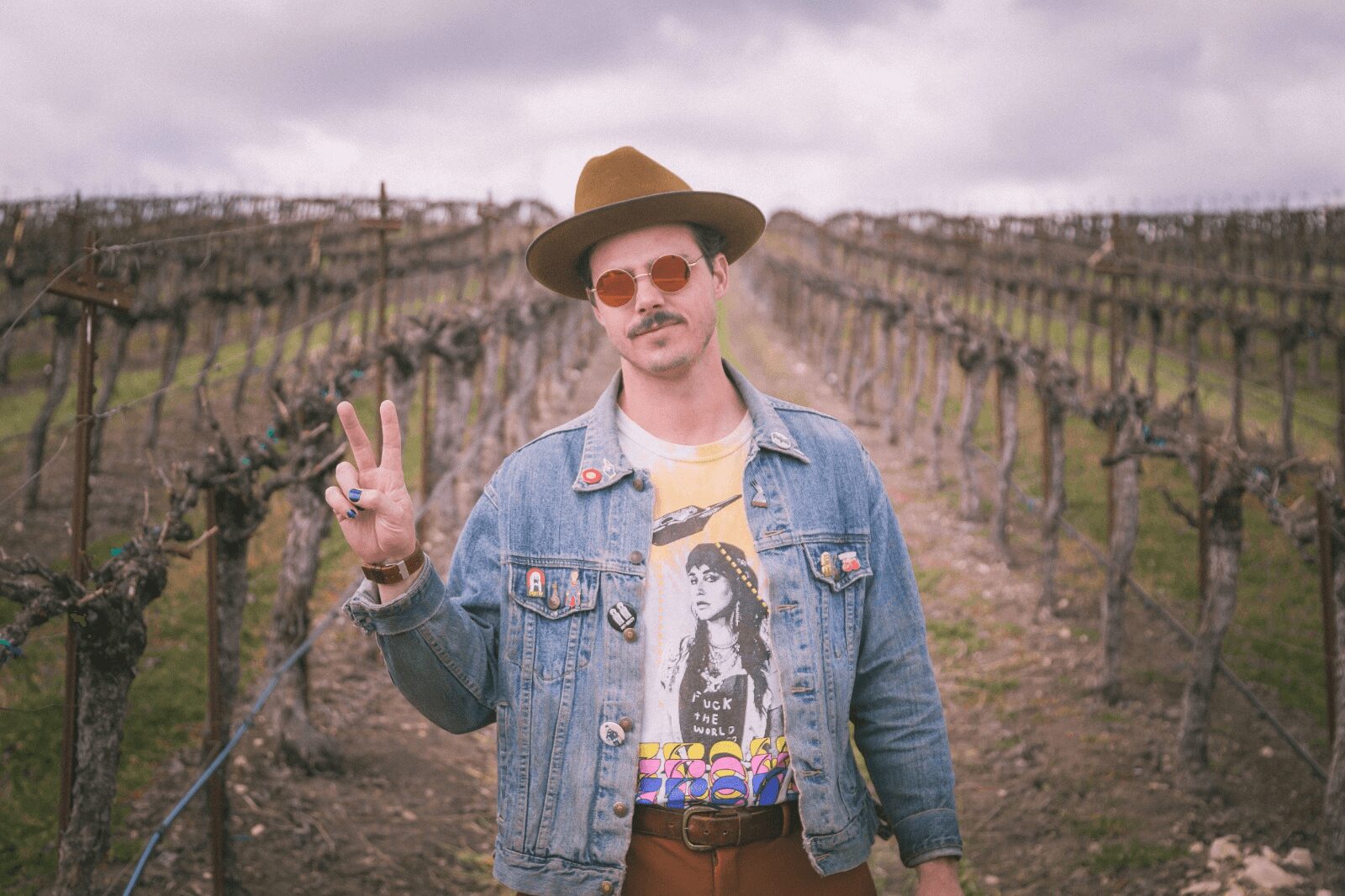
Alright – so here’s a fun one. What do you think about NFTs?
Pokemon cards for tech bros.
Contact Info:
- Website: https://willsterling.me
- Instagram: https://instagram.com/willsterling_
- Facebook: https://www.facebook.com/willsterlingwriter
- Linkedin: https://www.linkedin.com/in/william-sterling/
- Twitter: https://twitter.com/willsterling_
- Other: You can buy my debut novel, “Fame by Misadventure” on Amazon:https://www.amazon.com/dp/163755737X?tag=reediscowebs-20
Or check it out on Goodreads: https://www.goodreads.com/book/show/201871111-fame-by-misadventure?ref=nav_sb_ss_1_11
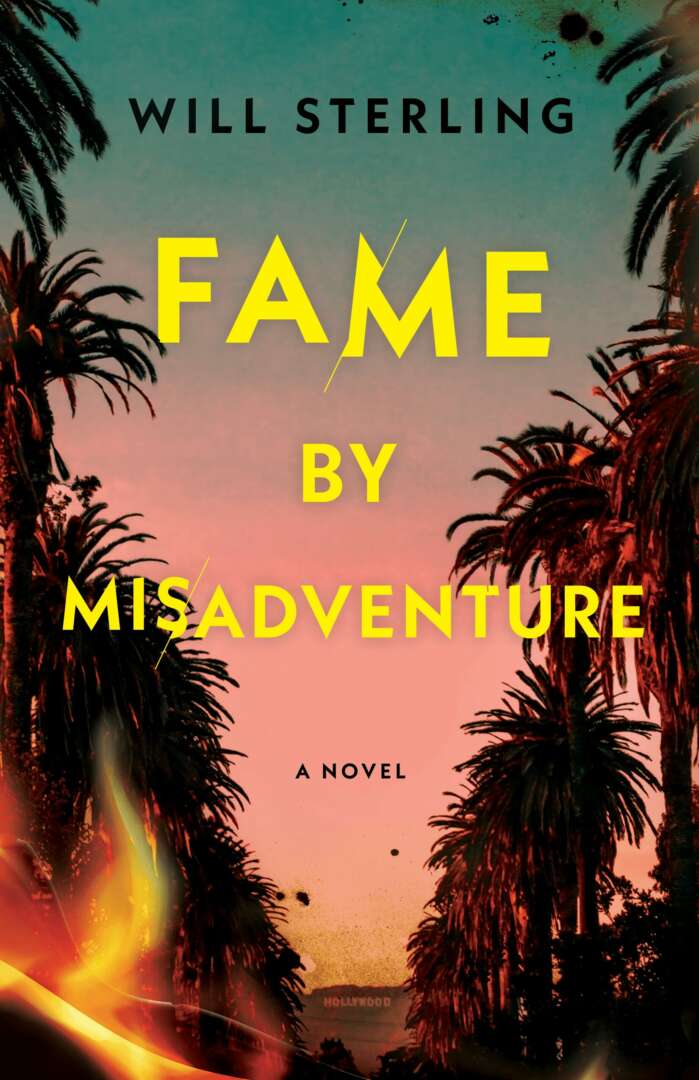
Image Credits
Jesus Lopez Vargas, Sarah “SJ” Huffman, Michael Amico.