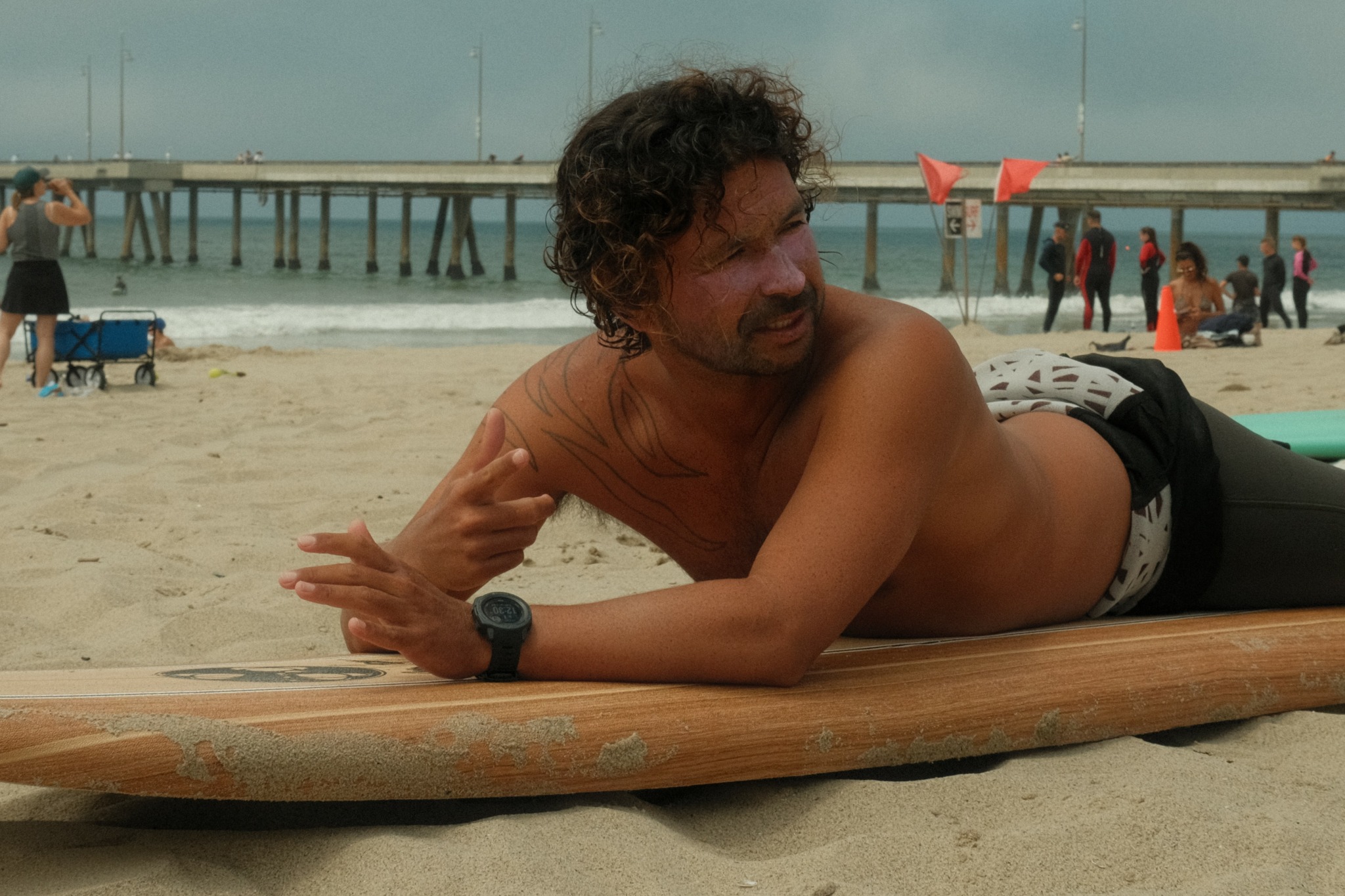
We caught up with the brilliant and insightful Will Adams a few weeks ago and have shared our conversation below.
Will , thanks for taking the time to share your stories with us today Do you think your parents have had a meaningful impact on you and your journey?
My parents divorced when I was 7 and were very different people with a very big age difference, so growing up it often felt like I lived in two very different realities depending on the day of the week. At my Mom’s things felt relatively stable, structured, and supportive. At my Dad’s there was not a lot of structure, but there was a lot figuring things out on my own and independence. I think as most kids/teenagers do, I found a lot of ways to resent the differences at the time.
As an adult and particularly as an entrepreneur, I think the experiences really helped me become more well-rounded. The independence and necessity to problem-solve at my Dad’s made entrepreneurship a natural path for me. While learning how structure begets stability from my Mom helped my business become more solvent despite what can often be a rocky path in a small business’s journey. If I leaned too hard into the independence, things would devolve into chaos. If I leaned too hard into the structure, I don’t think we’d do anything groundbreaking. So I think the balance in these elements of how I was raised have really helped me create a business that I’m extremely proud of.
Will , love having you share your insights with us. Before we ask you more questions, maybe you can take a moment to introduce yourself to our readers who might have missed our earlier conversations?
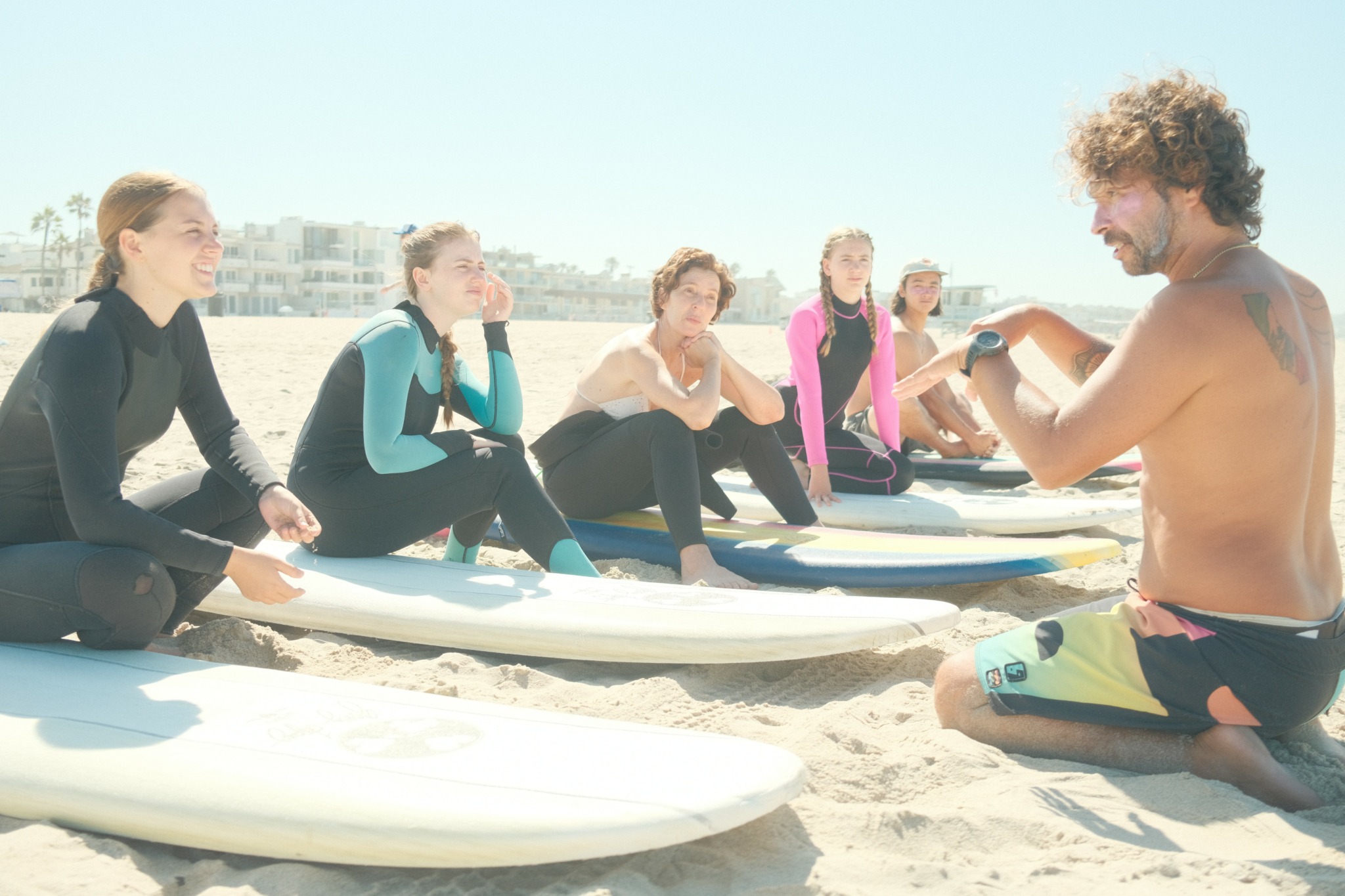
So at the most basic level, we are a surf school. Most school’s in the area run an intro-to-surfing program that’s largely homogeneous, short on information, and designed to get you standing on day one. There’s a lot of extremely bad technique that gets folded into these lessons which usually results in people taking years to unlearn bad habits they formed on day one. Most of these schools offer rentals and expensive private-lessons and that’s the extent of their business.
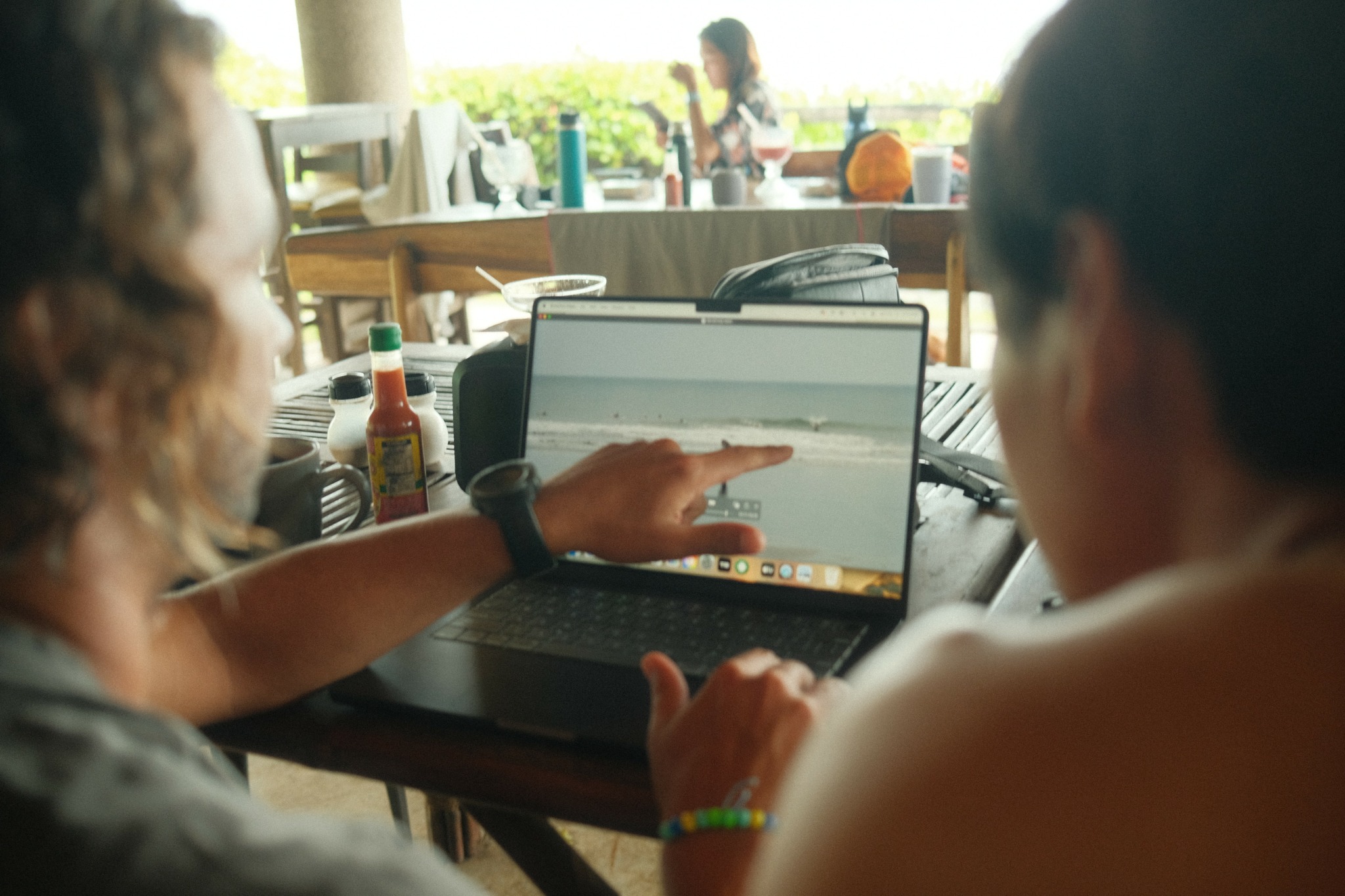
We try and do things quite a bit differently. Our beginner course is much more comprehensive, good-habit, and future-progress focused. We offer reasonable rates for privates and do offer rentals. Beyond that, we do video-coaching, surf-skate coaching, quarterly social events, and make high quality merchandise. Also, we just wrapped up a 5-day surf retreat in El Salvador.
We have spent a lot of time building out a cohesive program structure and our clients recognize that. I think we have more long-term regular customers than our competition. Many of our clients have tried other schools in the area and really prefer our no-frills approach. We genuinely invest ourselves into our clientele and their progress. The results become very self-evident as we see clients regularly turn into competent, independent surfers.
As to how we got here; I came into this in what I’d deem as an unconventional path. I never thought when I graduated college I’d be running a surf school. I spent the first 10 years of my professional career split between running operations for a factory and then starting and operating a product development company. When things politically started to get a little shakier with China, I stopped taking on new projects in product development. I ended up working construction and doing odd jobs here and there, one of those was working at a surf school. I loved the teaching and problem solving aspects of the job, but I hated the methods we were teaching, and I really didn’t like the values of the company/ownership that I was working for. So, I quit and pivoted my product development business into a surf school.
I think my experience in operations and product development shaped how I built our program; there’s a lot of focus on process, efficiency and a holistic approach with a final product always as the goal. The final product being: competent surfers who don’t drag down lineups from a safety or skill standpoint. If there’s something that doesn’t serve that goal or needs to be unlearned to get to that goal, it simply doesn’t have a place in our program.
Can you tell us about a time you’ve had to pivot?
I’ve had two major pivots with my business that really defined where things are now. When I stopped taking on new products while doing product development, it felt like a failure even though I knew it was more akin to a strategic retreat. Most of my contracts were back-loaded in terms of payment and the risk of spending 6-8 months on something to have the rug pulled out from under me financially just wasn’t something I wanted to mess with. When I did that, I didn’t really have anything to fall back on. I didn’t have have the experience level to land a lateral operations job. I couldn’t get an interview for ‘lower’ jobs because I was either overly-qualified or maybe showed too much of an independence streak on my resume. I didn’t really have anything actionable I could do with my business and never had planned for the environment I was operating in to turn sideways. I really struggled in every sense of the word, and was extremely lucky to have some real friends in otherwise low-times.
One of those friends said I could come work construction with him in the meantime. It kept me afloat for a few years, and when I was ready to start Venice Beach Surf Club, I leveraged everything I had for equipment and permit costs. I was in limbo for a year trying to get everything straightened out with the state, county, and city with pivoting my business. I got everything finally moving in January and even though it’s the slower part of the year it seemed like things were looking up. The pandemic hit in March and we were shut down.
Hitting pivot #2, I was much more prepared. It was certainly demoralizing, but I could draw on my previous experience, this time I had plans. I operated with an understanding no one was coming to save me, I just needed to make progress anyway I could. I worked construction again to keep the lights on. At night, I sharpened my tools for the business. I came up with a plan for the next few years, fully built out the program we use today and watched other schools fall apart making the same mistakes I had made during my first pivot. When things opened up, the competition had taken a step back or shut down completely but we were ready to hit the ground running.
We often hear about learning lessons – but just as important is unlearning lessons. Have you ever had to unlearn a lesson?
I really had to unlearn making the ‘goal’ the only thing.
Playing sports while growing up and generally being a bit of a dreamer, I felt for a long time that if you set the goal and simply outworked everybody you’d eventually get to that goal. That strategy generally served me well into my mid-twenties. As I got older, the strategy really became more to my detriment. I’d work for over 30 hours straight in my previous jobs to get something done. It would get done but the quality would suffer and I was miserable. I refused to acknowledge the quality issues and my own mental state as all that mattered was: mission accomplished. As I got older, I’d find myself doing these things and then not getting the goal done and it would really destroy me. I felt not only like a failure, but that I was losing my edge, and that my window for making things happen was closing on me. Every project and undertaking felt existential, it was absolutely not sustainable and I hated who it was making me.
I started doing Braziian Jiu Jitsu and the approach that is ingrained in the culture of that martial art in particular really changed how I approached things. It was pretty uncool to worry about belts and promotions. It was also pretty uncool to try and just absolutely dominate your partner (a far cry from wrestling in high school), getting called ‘strong’ was a pejorative that essentially meant ‘you don’t have any technique’.
It was there that I learned how to fall in love with the process. Make progress everyday. Some days will be bigger progressions, some not. If you already know the technique that’s being taught that day, this is you opportunity to get closer to perfecting it. If it’s new, it’s okay to suck at it; we all suck when we start. I took this outlook into business, you still often need a killer instinct to finish things, but being process-oriented will keep you moving in the right direction in a more balanced way. It’s also something that’s very applicable to surfing that I’ve tried to build into the program we use.
Contact Info:
- Website: https://venicebeachsurf.club/
- Instagram: https://www.instagram.com/vbsclub/
- Youtube: https://www.youtube.com/@VeniceBeachSurfClub