

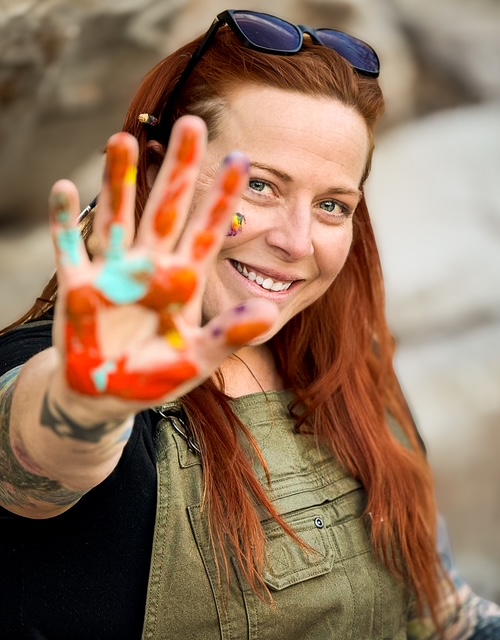

Alright – so today we’ve got the honor of introducing you to Whitney White. We think you’ll enjoy our conversation, we’ve shared it below.
Whitney, thanks for joining us, excited to have you contributing your stories and insights. Do you feel you or your work has ever been misunderstood or mischaracterized? If so, tell us the story and how/why it happened and if there are any interesting learnings or insights you took from the experience?
I’ve always thrived on creativity, but for much of my career I worked in environments that didn’t really support it. Because of that, I was often labeled “the dreamer.” I was told I was too loud, too much, and that my creative priorities were distractions from what I “should” be focusing on. And yet, every time I brought creativity into my work—whether through cooking camps, artistic displays, or community-based projects—the response was overwhelmingly positive. Those moments of connection, built through creativity, became the most meaningful and impactful parts of my career.
Things shifted when I took a promotion overseeing multiple venues. That’s when the misunderstanding became constant. My processes were questioned because they didn’t fit a rigid, neurotypical SOP. I spent 3.5 years trying to adjust, trying to bridge the gap, trying to make myself smaller or straighter so I could fit into a system that wasn’t built for how I think. In the process, I lost a big part of myself.
But those periods of friction often become turning points. Losing that integral piece—the part of me that finds joy through making and imagining—was what ultimately pushed me to realign my life. I realized the job no longer brought me joy, and that being misunderstood wasn’t something I needed to tolerate. I stepped back into a single-venue role, and in that space, my creativity resurfaced. I began painting again, reconnecting with the part of myself I’d muted for too long.
Now, I’m focused on expanding my artistic reach and finding the audience meant for my work. What once felt like a mischaracterization has become fuel—I’m no longer trying to fit into someone else’s definition of who I should be. I’m building a life that fits me.
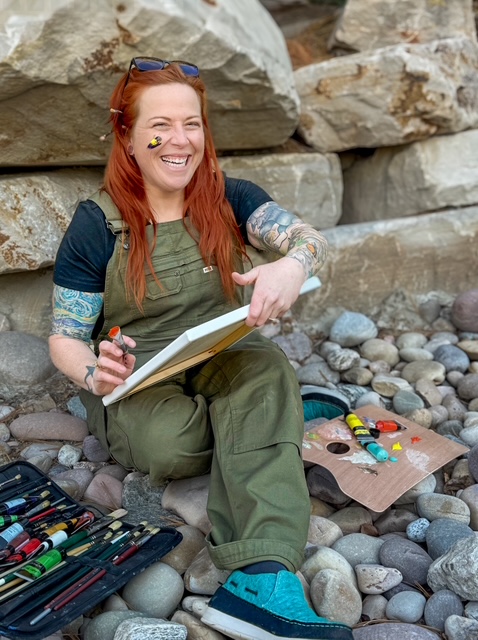
Whitney, love having you share your insights with us. Before we ask you more questions, maybe you can take a moment to introduce yourself to our readers who might have missed our earlier conversations?
I’ve loved art for as long as I can remember. I was the kid in daycare who insisted on painting two pictures instead of one, the sibling who drew on the walls, and eventually the only one in my family covered in tattoos—something my mom needed a little time to warm up to. As the youngest of three, I spent a lot of time entertaining myself. I had this activity book full of creative prompts, and I would sit for hours choosing something to make, bake, draw, or paint. Creativity wasn’t a hobby; it was the way I made sense of the world.
I studied Film/Video/Media at the University of Oklahoma through the School of Art, exploring drawing, painting, sculpture, and film. I fell in love with filmmaking, but I also struggled to find my footing in the program. Much of the art we studied felt performative and disconnected from what inspired me, and I didn’t have access to the tools or mentorship I needed. I wanted to make music videos and dive into extreme sports filmmaking—I even reached out repeatedly to DC Shoes’ video department for an internship, but they weren’t taking interns at the time.
After leaving college, I still wanted to find my way into the industry, so I took an internship at the Movie Studios of Las Colinas. I hoped it would be a springboard into film and video production, but it didn’t unfold the way I imagined. While I learned how the sound studio operated, how to maintain it, and how to troubleshoot on the fly, there was very little actual education about the industry I desperately wanted to be part of. Over time, the company began “collecting” interns to do menial tasks around the soundstage, and any real learning came to an abrupt halt. Even before that, during an internship with a marketing firm in college, I’d found myself rewinding VHS and Beta tapes all day. I kept trying to break into the creative side, but each experience chipped away at my resolve. The lack of stimulation and mentorship made it difficult to see where I fit.
Eventually, I stepped away and went into the service industry—but the creative spark never left.
In kitchens and hospitality, I found a new artistic outlet through food. I learned the culinary arts and brought creativity into every role—painting murals, designing menu boards, and finding small ways to keep making things with my hands. Creativity continued to shape my identity, even when it wasn’t my job title.
Fast forward to my late 30s and early 40s: I was in a leadership role overseeing multiple venues, and somewhere along the way, I lost my creative outlet. Managing teams required so much of me that I couldn’t pour into my own imagination anymore. It was a turning point. I felt like I was losing the part of myself that had always been my anchor. So I picked up a paintbrush again—and I haven’t looked back.
Painting reopened a door I thought had closed, but it wasn’t the only creative resurgence. Around the same time, I co-created the Use Your Fear podcast with my best friend—a dream she’d carried for years but struggled to launch. Bringing this project to life reawakened another part of me: my love for video and media. I stepped into producing, shooting, and editing our episodes, and together we’ve launched 13 episodes with no plans of slowing down. It reminded me that creativity can evolve and return in different forms when you make space for it.
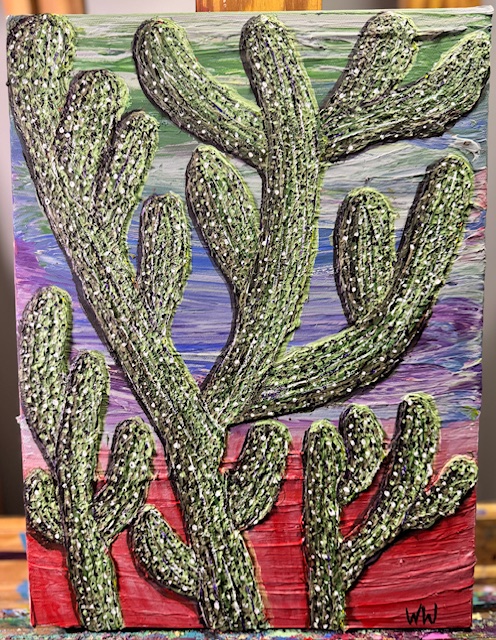
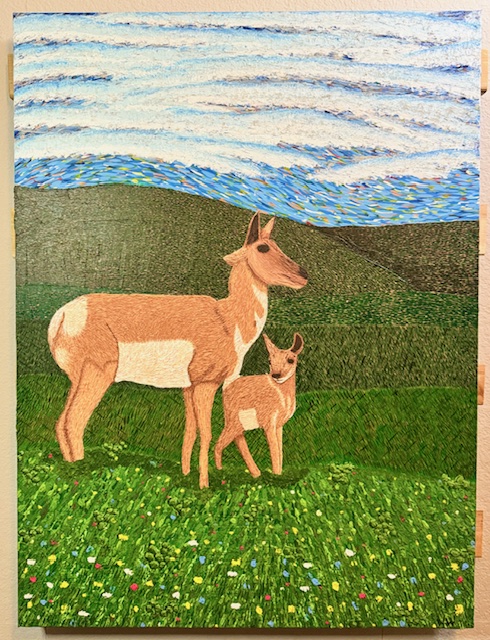
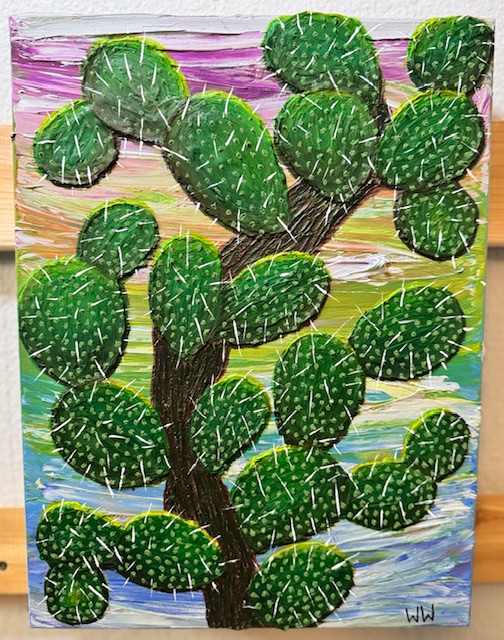
Today, I’m drawn to bright, bold, textured paintings that feel alive. I’ve found my voice in cactus and wildflowers—subjects that mirror the emotional energy, resilience, and rhythm of the natural world. Through impasto techniques, the paint becomes sculptural, part of the landscape itself. My work leans into expressionism and fauvism, prioritizing vivid movement and feeling over realism. Each piece is a dreamscape—a place where color, texture, and spirit converge.
I’m still emerging in this industry, but my journey has taught me something important: you’re never too old to reconnect with what makes you feel alive. Creativity always finds a way back if you’re willing to follow it.
In your view, what can society to do to best support artists, creatives and a thriving creative ecosystem?
I don’t think our society has always known how to truly support artists or understand the creative ecosystem. Even within the art world, I’ve often felt like I sit in between spaces—I’m not “straight-laced” enough for the traditional professional world, but I’m also not avant-garde enough for the more experimental art circles. For a long time, that made me feel like I didn’t belong anywhere. But the truth is, creativity exists on a spectrum, and there’s room for all types of makers. The narrative that artists must fit into one extreme or the other is limiting and outdated.
One of the biggest challenges for creatives today is identity—figuring out where we fit and how we want to show up. Social media has actually been a lifeline for me in that way. Connecting with other artists around the world, seeing their processes, and finding community through shared experiences has been incredibly grounding and encouraging.
If we want a thriving creative ecosystem, support needs to be more intentional and more personal. That means showing up for the creatives in your life while they’re still figuring it out—sharing their work, giving them feedback, participating in what they’re building, and simply acknowledging the effort it takes to put their art into the world. Support isn’t just financial; it’s emotional, relational, and communal.
Recently, I had a conversation with my mom about how different the support systems around my podcast feel. My co-host receives regular feedback, messages of encouragement, and shared episodes from her circle, while I often don’t hear anything at all. My family is proud of me, but the absence of active engagement can still feel discouraging. It reminded me how much a simple comment, a share, or a “Hey, I listened to this episode” can mean to someone who’s creating.
So if there’s an artist or creative in your life, don’t assume they already know you support them—tell them. Show them. Engage with what they’re making. Those small acts make a massive difference, not just for the individual creator but for the health of the entire creative community.
Is there mission driving your creative journey?
My creative journey is really about reconnecting with the kid I used to be—the one who wanted to draw all day, paint the driveway, and cover every blank surface with color. Somewhere along the way, I lost sight of her and the version of myself that felt most alive when I was creating. My goal now is to find my way back to that sense of freedom and curiosity.
Ultimately, I’d love for my creative passions to become my full-time career. But in the meantime, my mission is to keep growing—deepening my art practice, expanding my skills in video and audio editing, and sharing the beauty I see in the world through the work I make. Every painting, every project, every podcast episode is part of that process.
There’s a quote by Autumn De Forest, who was called a creative prodigy at just eight years old, that has always resonated with me: “My goal as an artist is to create art that makes people look at the world in a different way.” That’s the heart of what I want too—to help people feel something new, or see something familiar from a fresh perspective, through the colors, textures, and stories I share.
Contact Info:
- Website: https://www.useyourfear.com
- Instagram: https://www.instagram.com/whitney_w_art/ &. https://www.instagram.com/useyourfear/
- Facebook: https://www.facebook.com/profile.php?id=61569721324558 &. https://www.facebook.com/useyourfear/
- Youtube: https://www.youtube.com/@UseYourFearPodcast
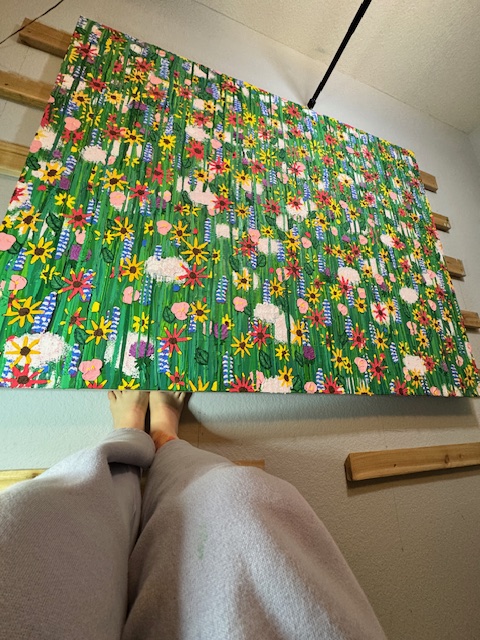
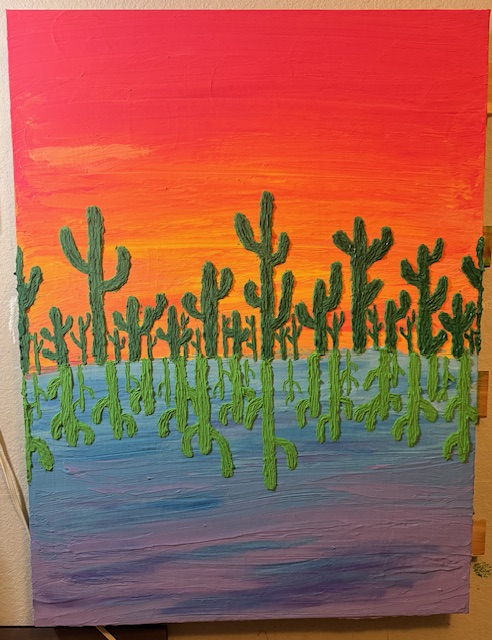
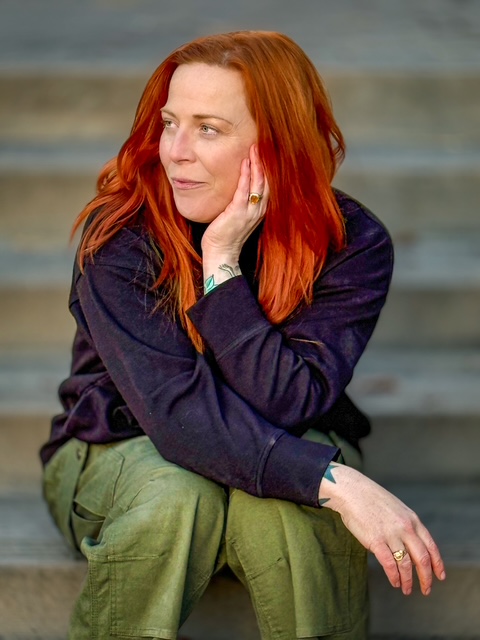
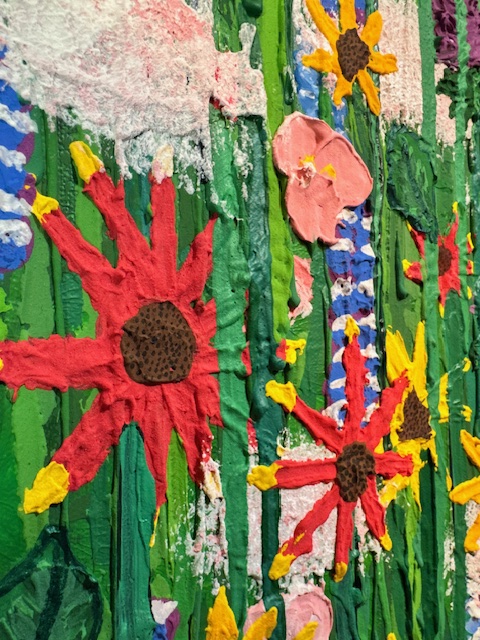
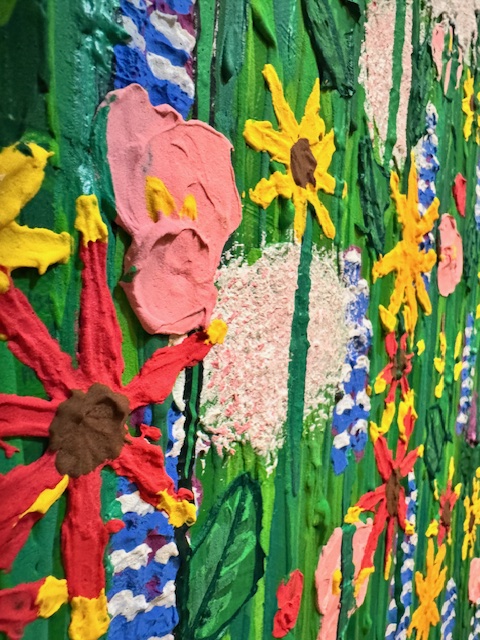
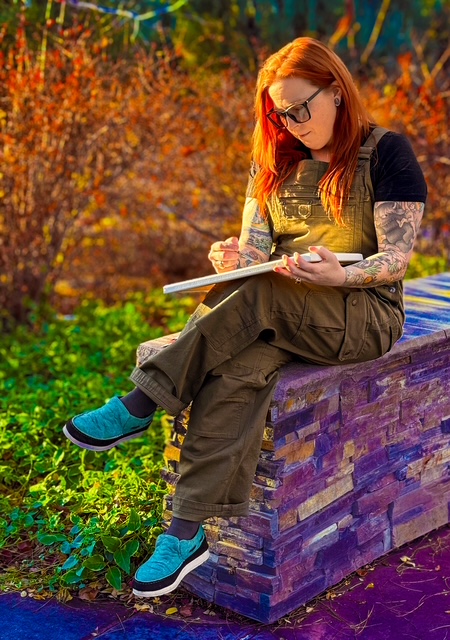
Image Credits
Self