We were lucky to catch up with Wes Kenney recently and have shared our conversation below.
Wes, appreciate you joining us today. Are you able to earn a full-time living from your creative work? If so, can you walk us through your journey and how you made it happen?
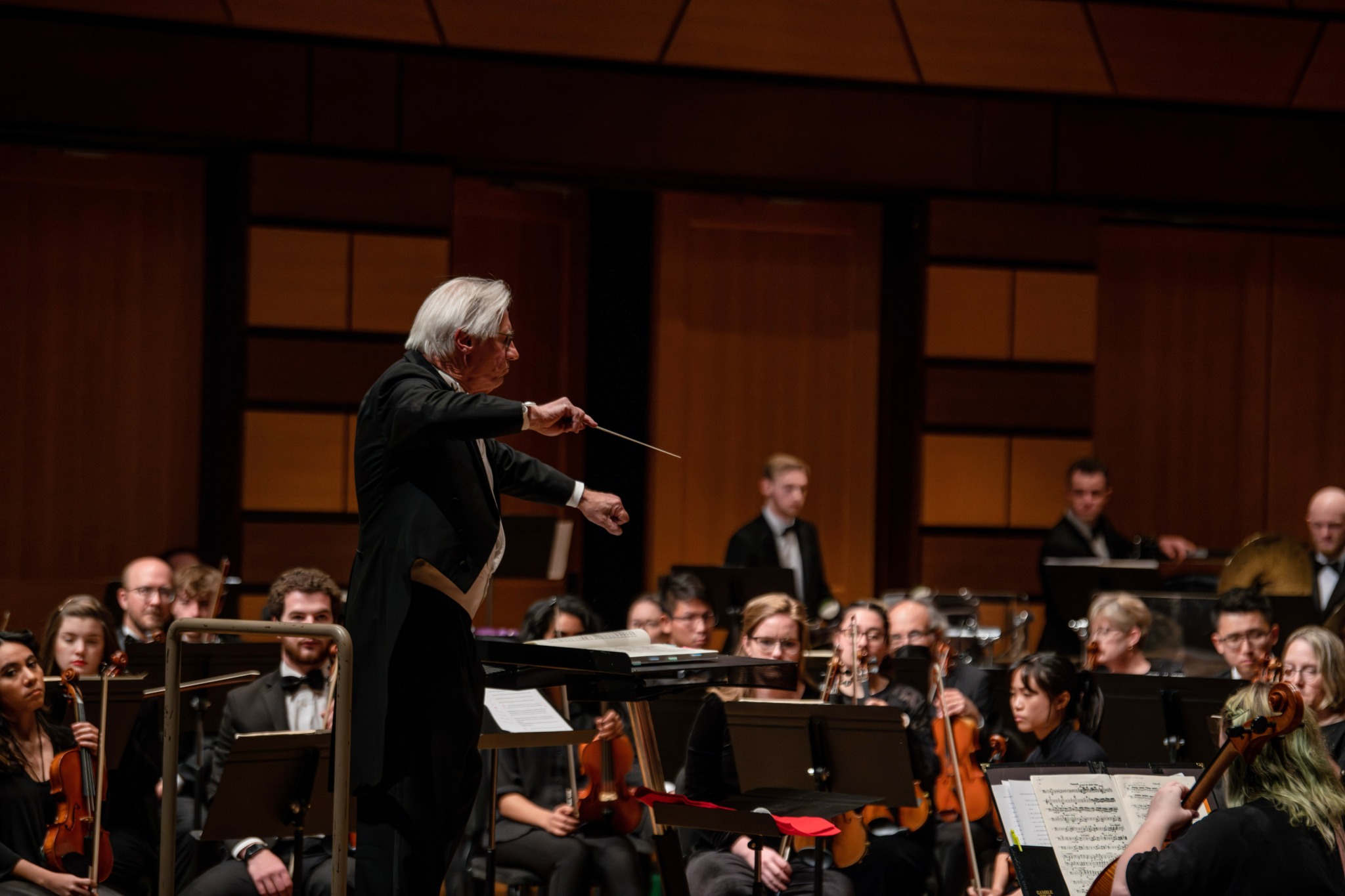
As my wife (who is also a professional musician and conductor) has pointed out, we have had a very rich life–just not very lucrative. When people ask me what I do for a living and I tell them I’m an orchestra conductor, they invariably ask, “what’s your day job?” Although my goal has been since I was 13 to be a professional orchestra conductor, making a full time living at it took quite awhile. Along the way, I painted houses, worked temp jobs, worked for a moving company–but because I never gave up on my dream, eventually a full-time living came through. In fact, before I retired from CSU, I was working in many ways three full-time jobs! Those were the professional orchestra (Fort Collins Symphony), university orchestra (CSU Symphony), and youth orchestra (the Denver Young Artist Orchestra.) Each ensemble afforded me different musical opportunities, but keeping up all three was certainly a stretch.
Having multiple jobs is nothing unusual for a musician and conductors often have multiple groups which they direct. This also includes guest conducting (which has taking me across the country and around the globe.)
As always, we appreciate you sharing your insights and we’ve got a few more questions for you, but before we get to all of that can you take a minute to introduce yourself and give our readers some of your back background and context?
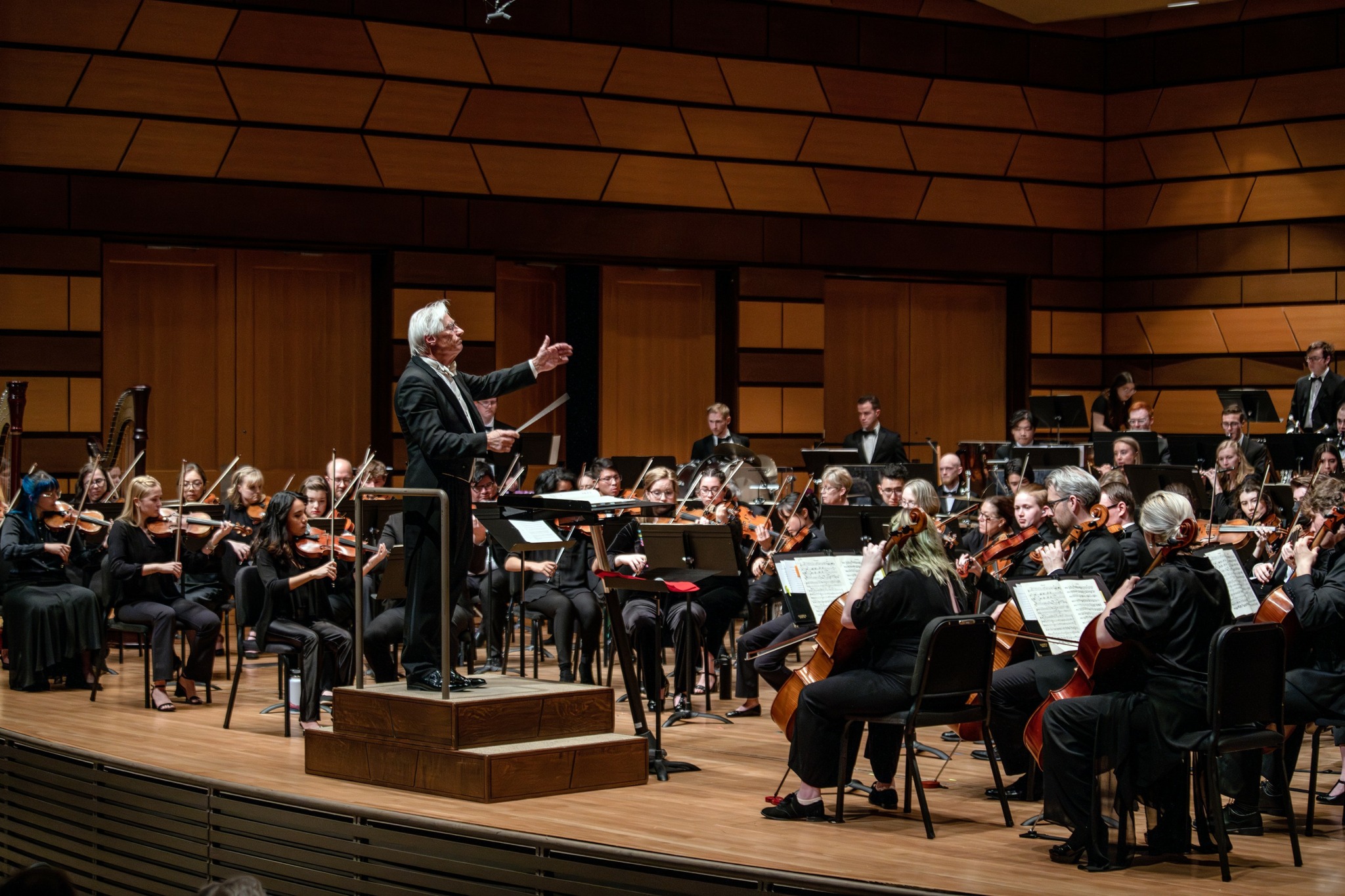
Music has been part of my life from birth. My grandmother sang to me as a young child and played the piano. My parents played music in the home and my father took me at the age of 6 to see the original Meredith Willson Music Man on Broadway in NYC. He introduced me to Robert Preston and Shirley Jones that night! They also bought me the cast album and I wore it out, especially “76 Trombones.” So no wonder after we had relocated to Los Angeles that a classroom teacher in elementary school listed a bunch of instruments and I ran home to tell my mother I wanted to play the trombone! That in turn took me into playing in bands and orchestras and eventually sparked an interest in conducting. Conducting continues to be a lifelong pursuit to my current position as the Conductor and Music Director of a fully professional orchestra.
Along the way I’ve conducted youth orchestras, All-State orchestras (the best high school players in a state), achieved full professor status (now professor emeritus as well as being a University Distinguished Professor) at a major university, full-time professional orchestras, and per-service groups of which the Fort Collins Symphony is one.
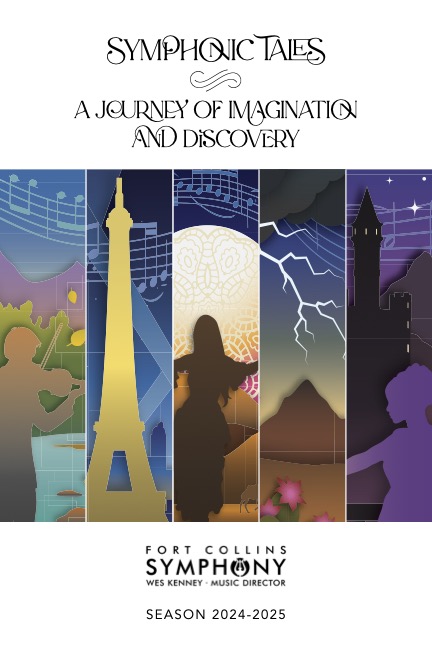
The Fort Collins Symphony plays five Signature Concerts (Masterworks), two major pops concerts, four Youth Concerts, one family concert, seven performances of the Nutcracker, and misc. other performances throughout the season. We recently played for Ben Folds at the Gardens at Spring Creek, but have also played for Stuart Copeland of the Police, and some other major artists as well.
During the pandemic, the Fort Collins Symphony was the only orchestra in the entire country to play a live concert on July 4, 2020. This was made possible by us being at the Holiday Twin Drive-In Theater. Our musicians were given work as much as possible during that challenging time.
We continue to grow as an ensemble and after 22 years at the helm the orchestra is as strong as ever. Proof has been American Prizes awarded for performance and programming.
In your view, what can society to do to best support artists, creatives and a thriving creative ecosystem?
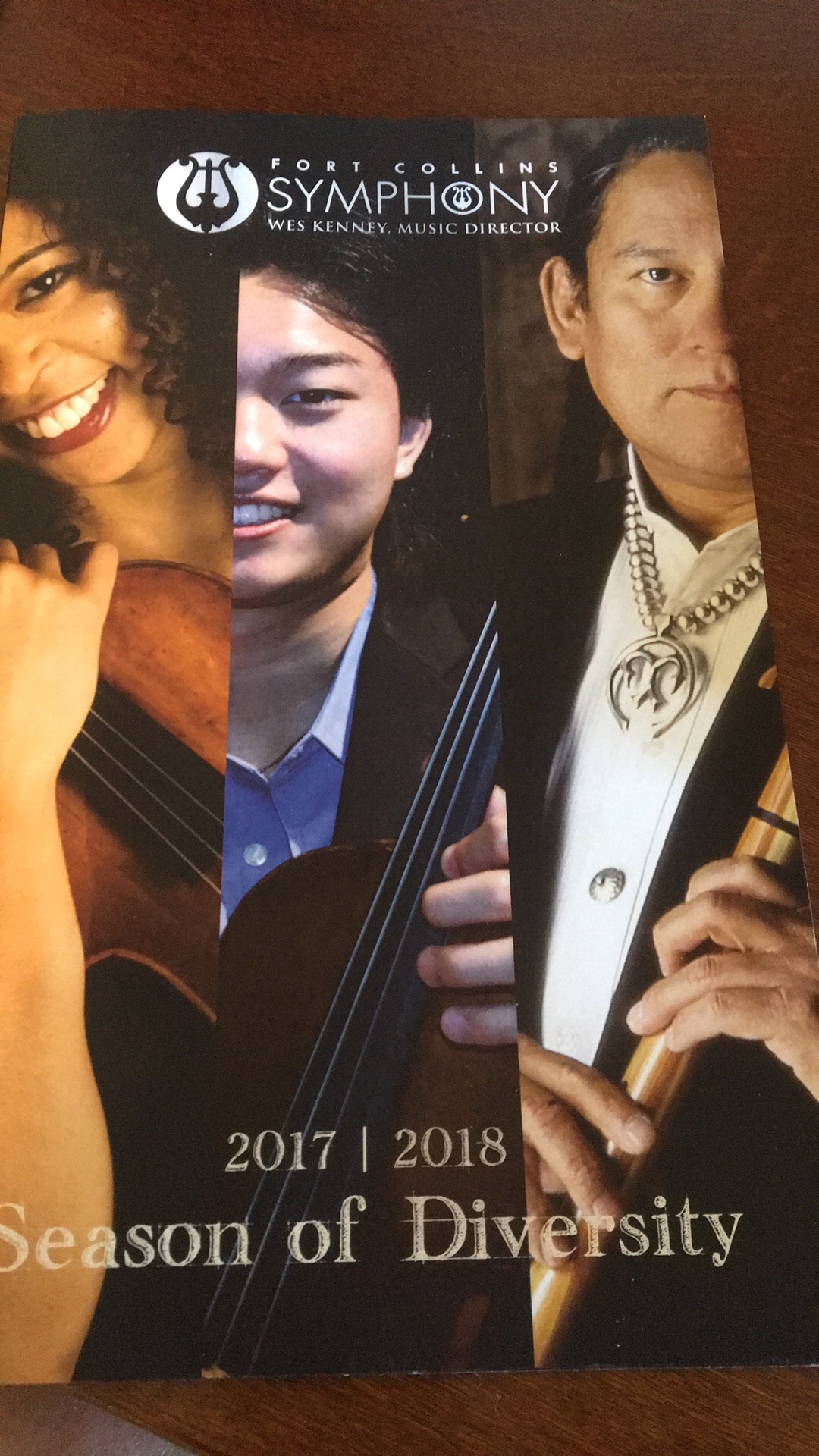
A symphony orchestra is a true asset in any community. Whenever the orchestra takes the stage, people come into the downtown area (in our case Old Town) and spend money in restaurants. A city’s orchestra also demonstrates a central desire on the part of its citizens to raise the quality of life. Our orchestra members are teachers, play in other performing groups, and collaborate with other arts organizations such as ballet and opera. The orchestra also exposes young students to some of the greatest music the world has known, or new works by ethnically diverse composers.
But, a symphony orchestra must also live on the community’s love. That love manifests itself in financial support so that our musicians can also make a living being musicians. This means grants, corporate and individual contributions are critical in keeping an orchestra financially stable. Attendance of the live concerts is also critical, but is only a fraction of what an orchestra needs. Keep in mind that supporting the arts means supporting the artists.
We’d love to hear a story of resilience from your journey.
At the end of 2022 I was diagnosed with Multiple Myeloma–a cancer of the bone marrow. The protocol for treatment is chemo, radiation, and finally in August 2023, a bone marrow transplant. Throughout this time I never missed a rehearsal or a performance. It was tough, but the music and my fellow musicians pulled me through. We opened the 2023-2024 season with the Beethoven Symphony No. 9, “Choral.” This is the work with the famous “Ode to Joy.” It took every ounce of my strength to pull through the performance on the first Saturday in October. However, the orchestra members and choral group were a source of great energy.
As we start the new season at the beginning of October 2024, I think back to that time and how much better I am physically, but also how much our organization supported me in that difficult period. For this I am truly thankful!
Contact Info:
- Website: https://fcsymphony.org
- Instagram: https://www.instagram.com/FortCollinsSymphony
- Facebook: https://www.facebook.com/FortCollinsSymphony
- Youtube: https://www.youtube.com/@FortCollinsSymphony