

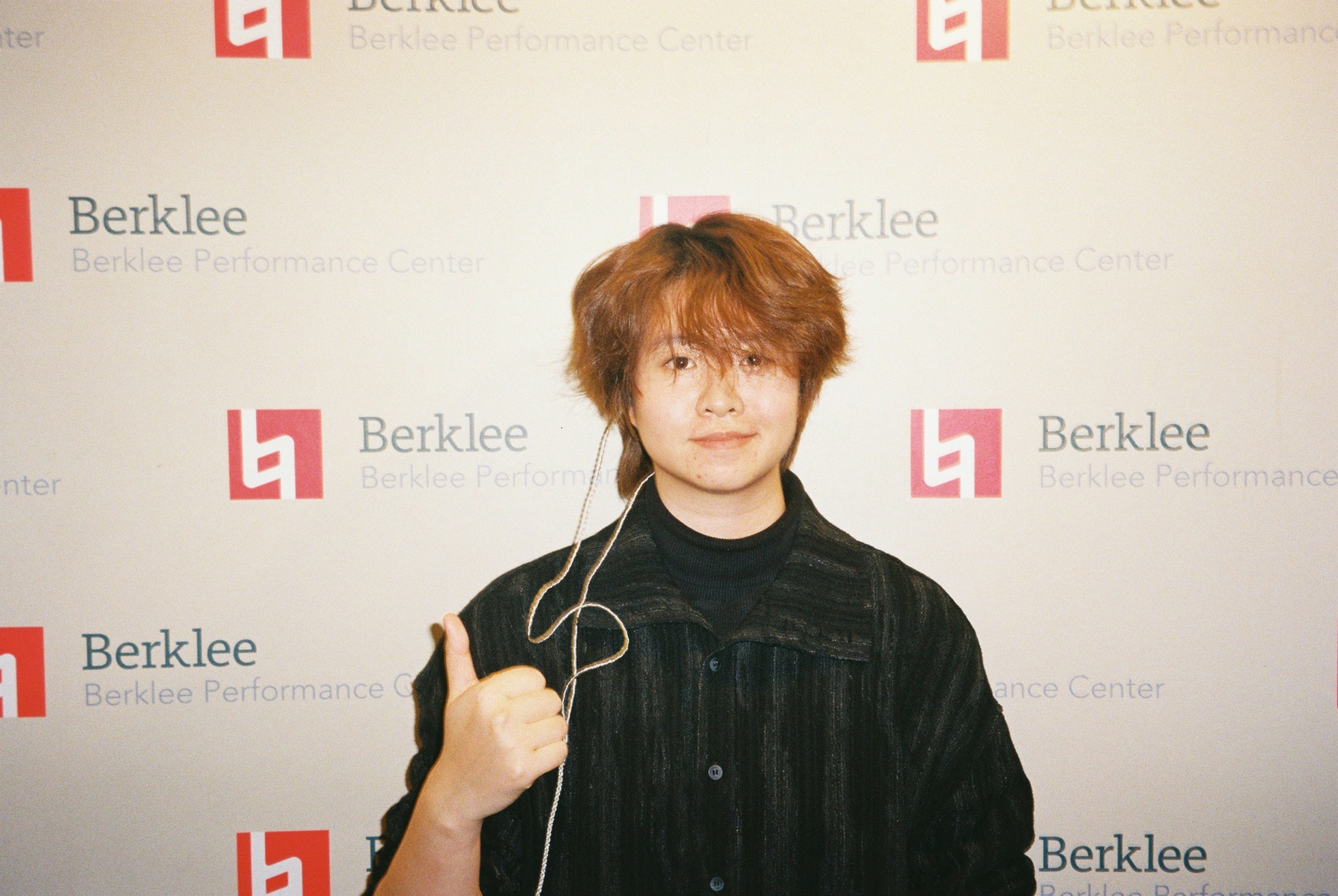

We caught up with the brilliant and insightful Wenying Erin Liu a few weeks ago and have shared our conversation below.
Wenying Erin, looking forward to hearing all of your stories today. We’d love to hear about when you first realized that you wanted to pursue a creative path professionally.
When I was a kid, like most Asian children, I found myself hopping between various tutoring and extracurricular classes. However, unlike the stereotypical image of children being dragged to these classes by strict parents, I was actually a volunteer participant. I loved learning everything—well, almost everything! Before I formally studied music, I was in a choir for 10 years. II was also a sports specialty student (which, in the Chinese education system, could help me score lower on the high school entrance exam). On top of that, I dabbled in radio direction finding, learned piano and guitar, made handicrafts, tried pottery, dabbled in painting, debated, danced, you name it. If it was something that could be learned near my neighborhood, I probably tried it.
So, what made me decide to pursue music as my lifelong career? It wasn’t a big event. In fact, it wasn’t even an event at all. It was more of a natural process.
I grew up in an old residential area, living on the seventh floor with no elevator. The hallway light? It was voice-activated. Yes, the kind that turned on only if you made noise. As a kid, I was terrified of the dark (and, let’s be honest, I’m still a little scared today). So, every night when I came home, I dreaded the climb up those stairs. My mom, though, never tried to force me to “man up” and overcome my fear. Instead, she would calmly sing with me as we slowly walked up the stairs together. We sang everything: Chinese folk songs, pop songs my mom liked, and even the random tunes I enjoyed back then. At some point, I realized I wasn’t scared anymore. The light would turn on, and I would draw energy from the music we sang together.
Music became my go-to comfort, and naturally, it was the thing I chose to dedicate the most time and effort to when I was deciding between all those other activities. Now, every time I return to China, I still walk up those same seven flights of stairs to go home. The voice-activated lights have long been replaced by bright LED lights, but whenever I walk up those stairs, I still remember the nights from my childhood, and the songs my mom and I sang together. It has become the “light” guiding me through my university applications and my current life journey.
Great, appreciate you sharing that with us. Before we ask you to share more of your insights, can you take a moment to introduce yourself and how you got to where you are today to our readers.
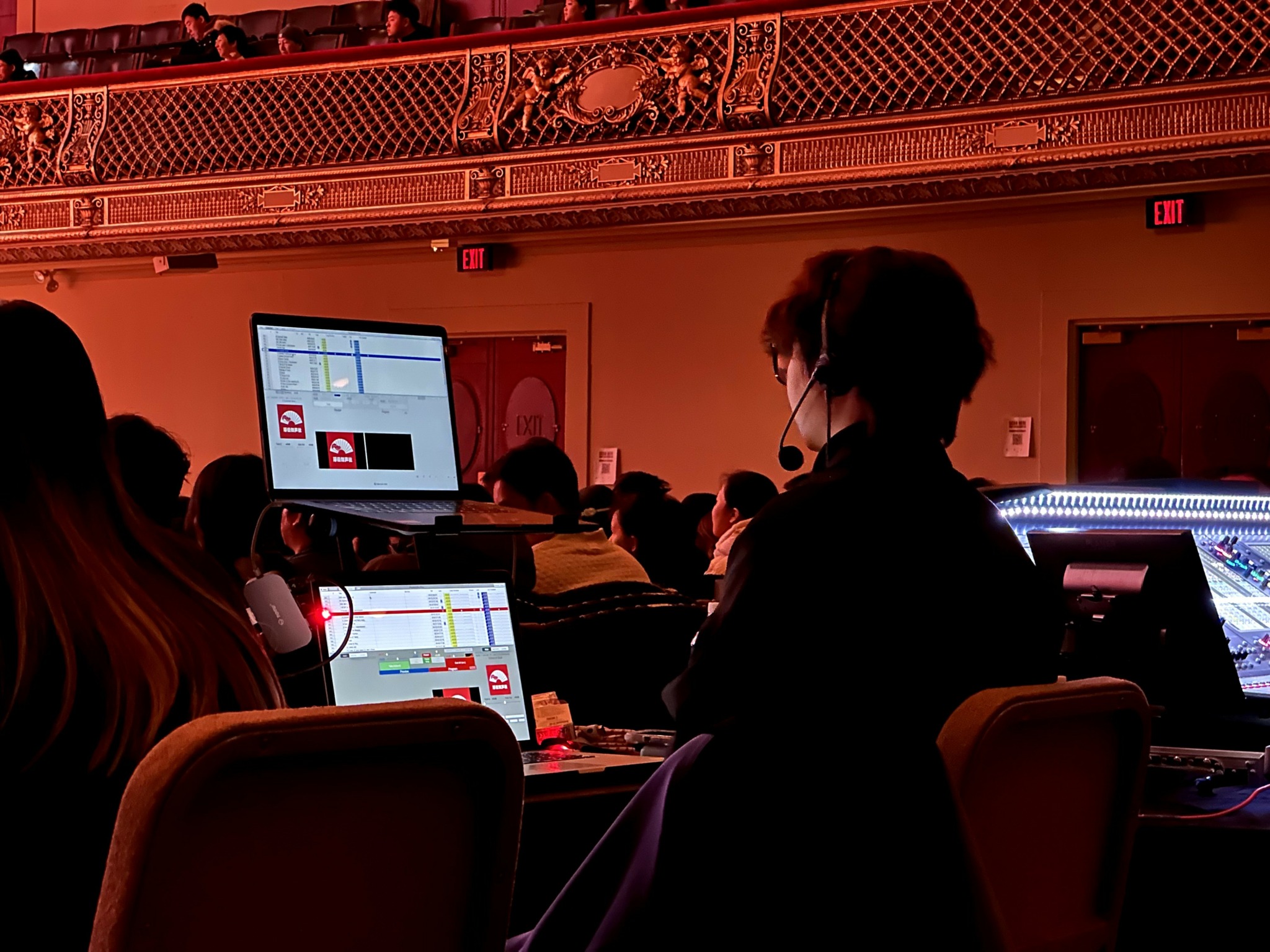
Hello everyone, I’m a musician, a singer-songwriter, music producer, and arranger. I’m about to complete my dual degree at Berklee College of Music in Contemporary Writing and Production, as well as Electronic Production and Design. My dream? Well, it’s to make a living off of music (just kidding… or am I?).
From pop to R&B, rock, funk, jazz, and hip-hop, my arranging and production styles span across these genres. Currently, I provide live performance arrangements and sheet music for many of my classmates at school. They often come to me with different instrumental lineups, and my job is to take the music they love, adapt it to their specific ensemble, and inject my soul into it—whether it’s someone else’s song or their own original compositions. I really enjoy collaborating with different people, as each new project brings a unique experience.
In addition, I’m also an EDI musician. EDI is a concept created by Berklee College of Music, and here’s how the official website defines it:
“What is an EDI?”
The EDI is a system based on three components:
A computer
User-configured software (EDI students must own the current version of Ableton Live Suite)
Performance controllers with grid, keyboard, and mix control capabilities
Combined, these act as a single instrument capable of a wide range of musical expression.
In simple terms, EDI is about injecting fresh energy into live music. We do things that acoustic instruments can’t, like creating unique sound effects or producing one-of-a-kind tones.
To those of you reading this, hello! It’s a pleasure to meet you, and thank you for taking the time to read my story!

What do you think is the goal or mission that drives your creative journey?
I’m driven by the desire to collaborate with the musicians I admire. They come from different countries, genres, and age groups, but I see my music career as something like collecting Pokémon cards. My goal is to collaborate with these incredible people who have influenced me and helped shape my musical journey.
Any resources you can share with us that might be helpful to other creatives?
I wish I had realized earlier that people are the greatest resource. When I first started my music career, I was always worried that I wasn’t good enough, so I kept myself isolated in my room, spending all my time practicing my instruments and creating. But it wasn’t until I started stepping outside, meeting more people through music, and collaborating with others that I truly began to grow. Many of the opportunities I’ve had came from people I’ve worked with and the connections I’ve made along the way.
Contact Info:
- Instagram: erin.nnnn06
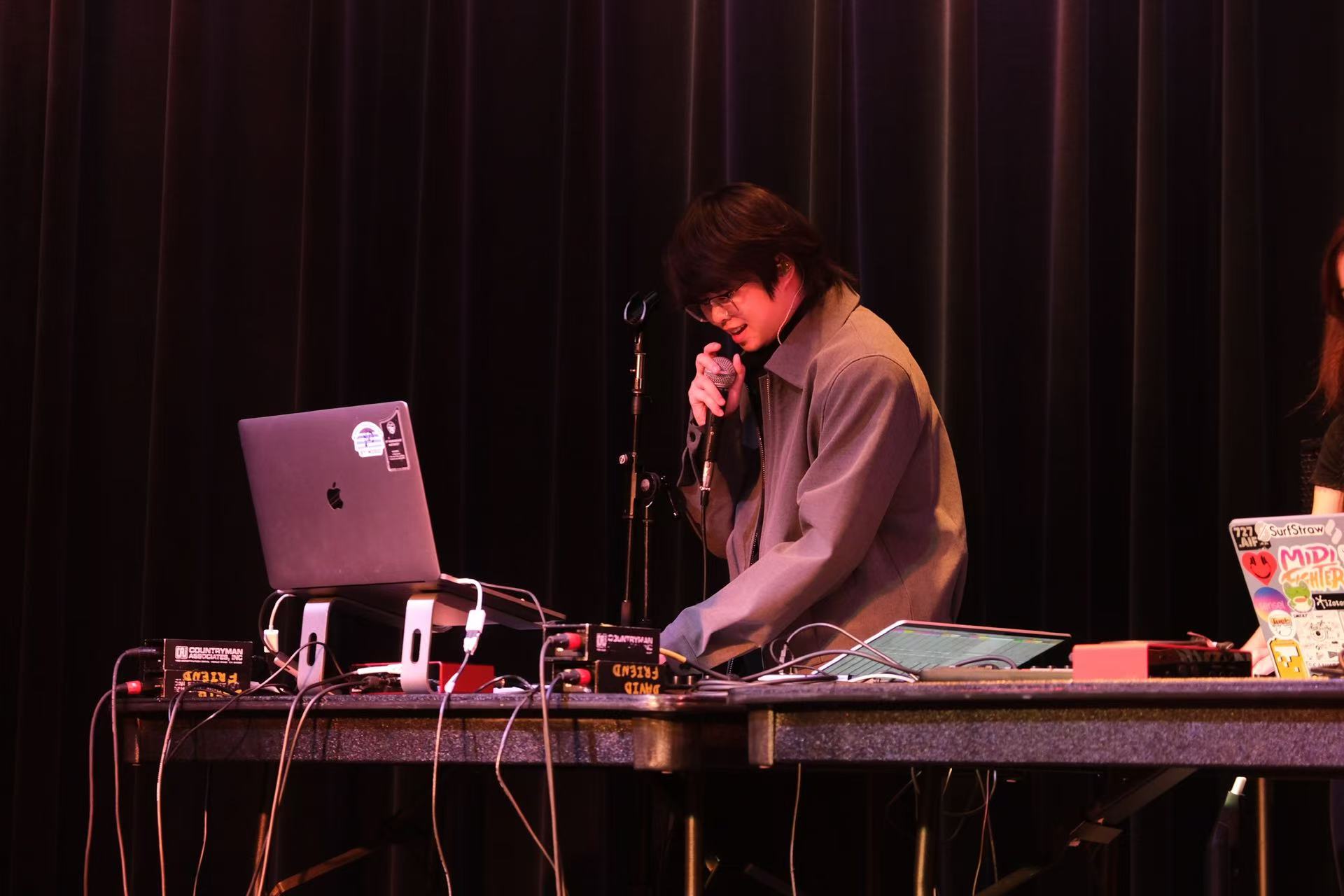
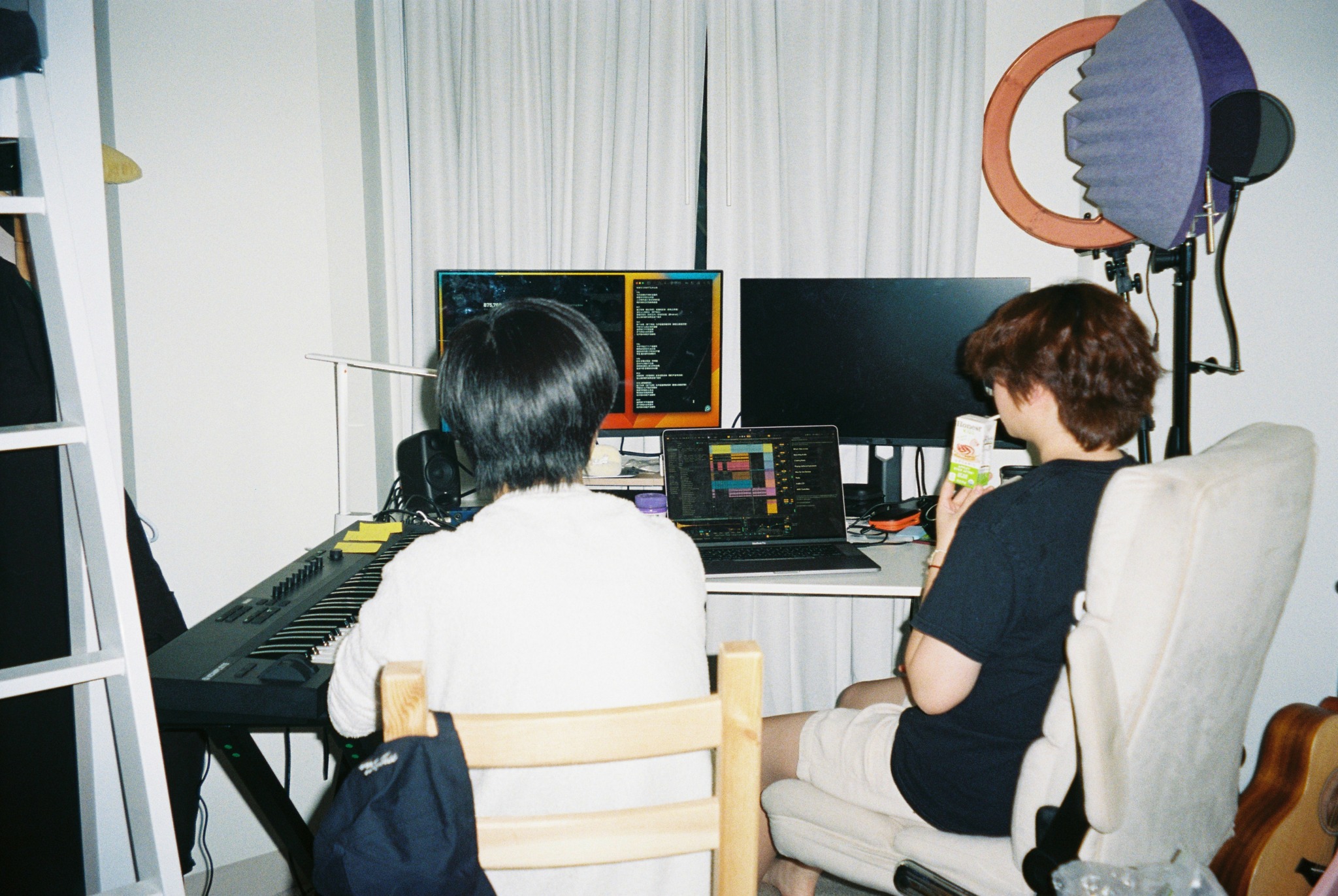
Image Credits
The picture with red lantern Leqi Yang @blacksheepyang