



We caught up with the brilliant and insightful Wendy Swiney a few weeks ago and have shared our conversation below.
Wendy , looking forward to hearing all of your stories today. How did you learn to do what you do? Knowing what you know now, what could you have done to speed up your learning process? What skills do you think were most essential? What obstacles stood in the way of learning more?
As a child and young adult, I always loved to read and write. When I married, I chose a career path that I thought would best benefit my family, never thinking that my love of writing and creating would be a viable career path. My daughter, Anna, became interested in acting as a teen and I had the priviledge of being on some major motion picture sets with her. She began to gravitate to behind the camera and along the way I saw a path emerging for me. We decided to start a small company called Salty Sloth Productions to be able to pursue our passions. In 2018, we made two short films, 7 minutes and 27 minutes long and entered them in film festivals. We then jumped into a large project. We made a documentary called “Thunder In The Making” about a local women’s football team. This actually got picked up by Amazon Prime Video and Tubi and is still being distributed. Along the way we had some help from some really seasoned professionals in cinematography, lighting, sound and all the aspects that go with making a film. We just saw what we needed and taught ourselves how to edit and film with trial and error and have just been going ahead full speed since then.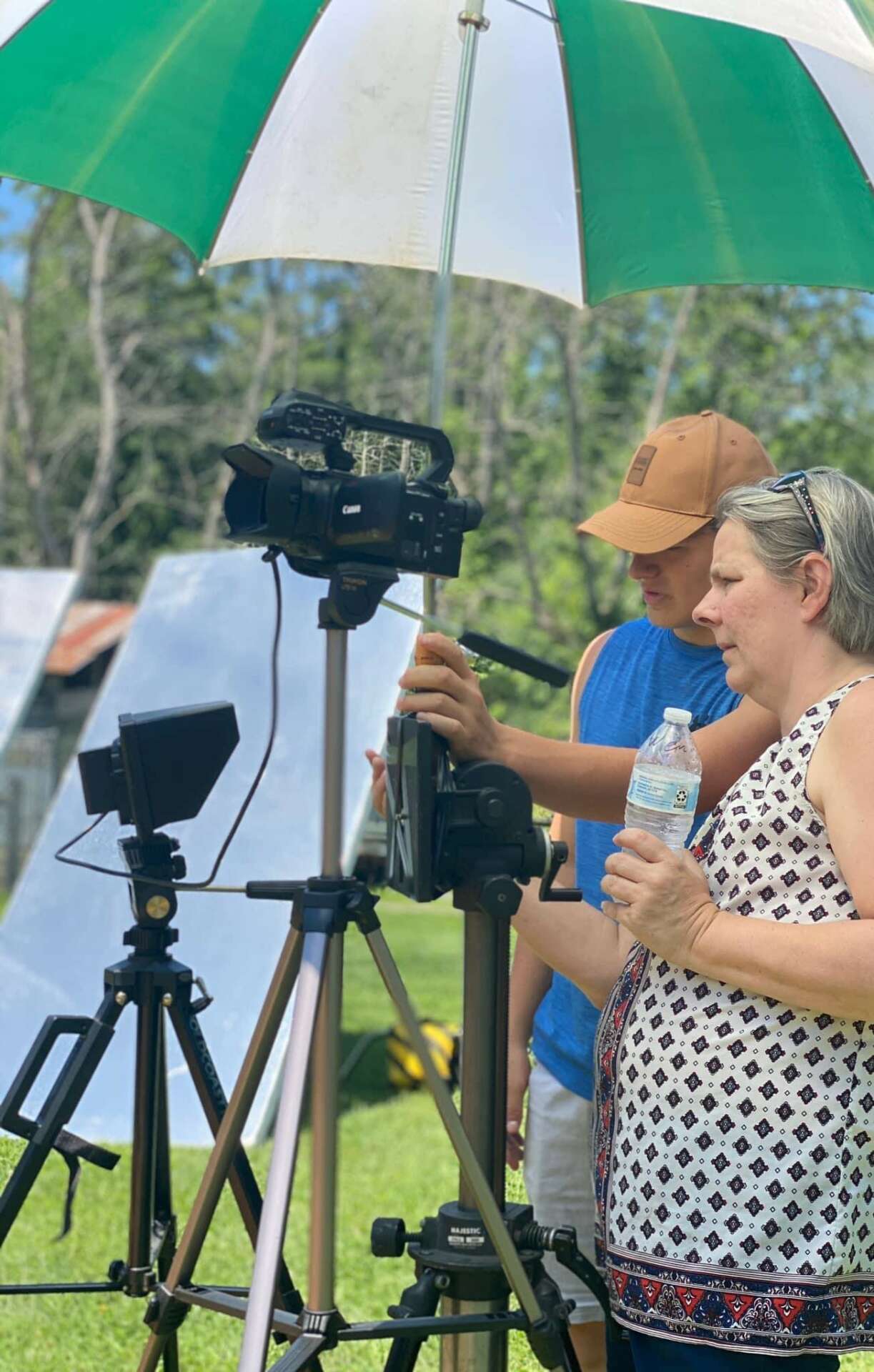
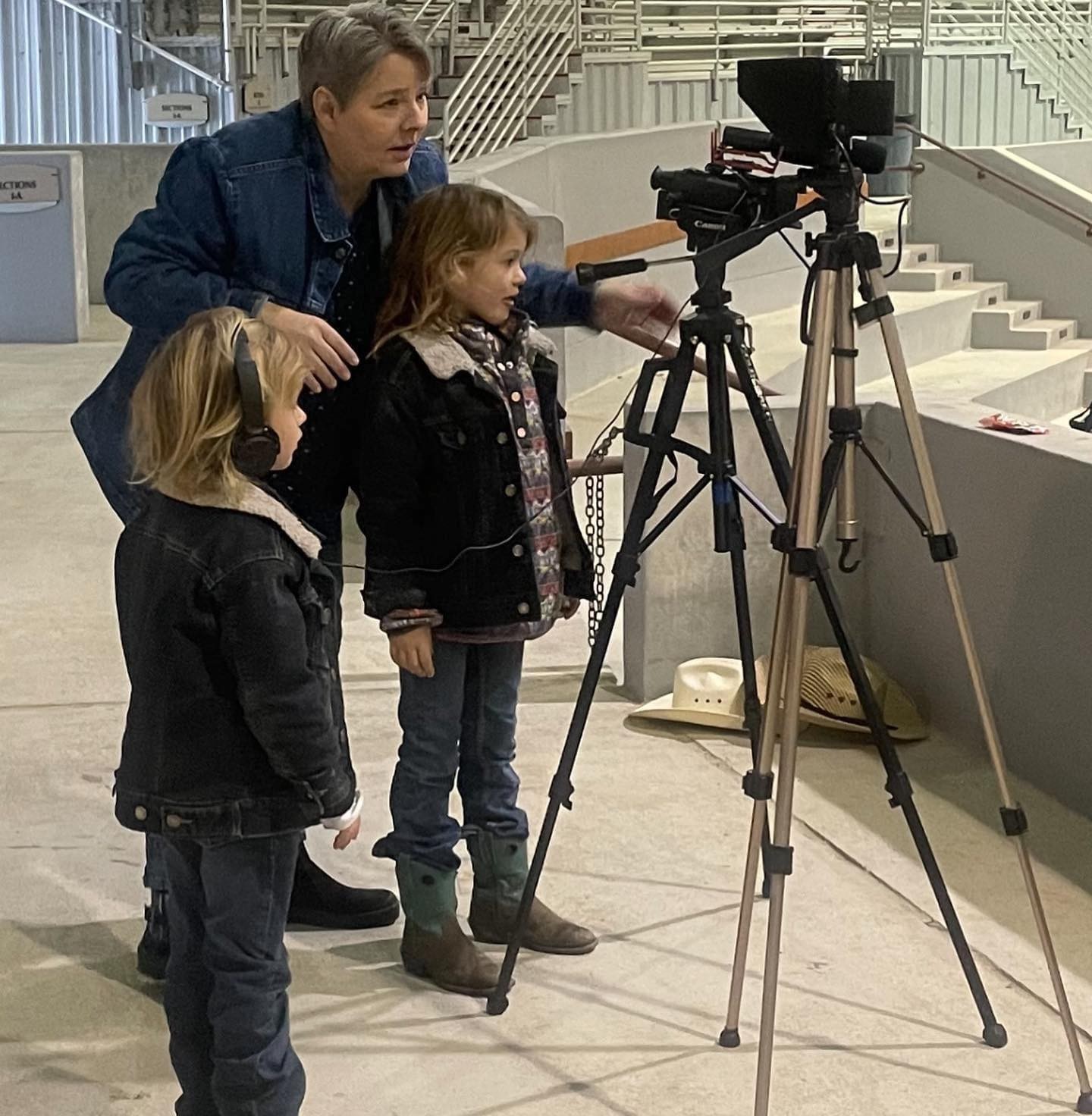
Wendy , before we move on to more of these sorts of questions, can you take some time to bring our readers up to speed on you and what you do?
Through Salty Sloth Productions, we create scripts and films about things that move us. We have done documentaries, Christian films, dramatic shorts, thrillers and we produce a podcast called “Anything But Politics.” I think what sets us apart from others is that we are two 100% self-taught women from rural East Tennessee. We found something we loved to do and we are trying really hard to make a career out of it. I think the thing I am most proud of is that we haven’t given up. Our recent project “Thunder In The Making” was completely self-funded. It is more than a micro-budget production, but it was still picked up by Amazon Prime Video, Tubi, The Onyx Network and FreeMovies+. For us, that was really confirmation that what we were trying to do had value. We are also committed to being open to any types of creative work by anyone that wishes to participate. I think what I would like potential clients of sponsors to know is that even if you only give a very little, whether it be donating a meal to the cast and crew, or donating props for a project; you are making a difference in helping someone achieve their dreams.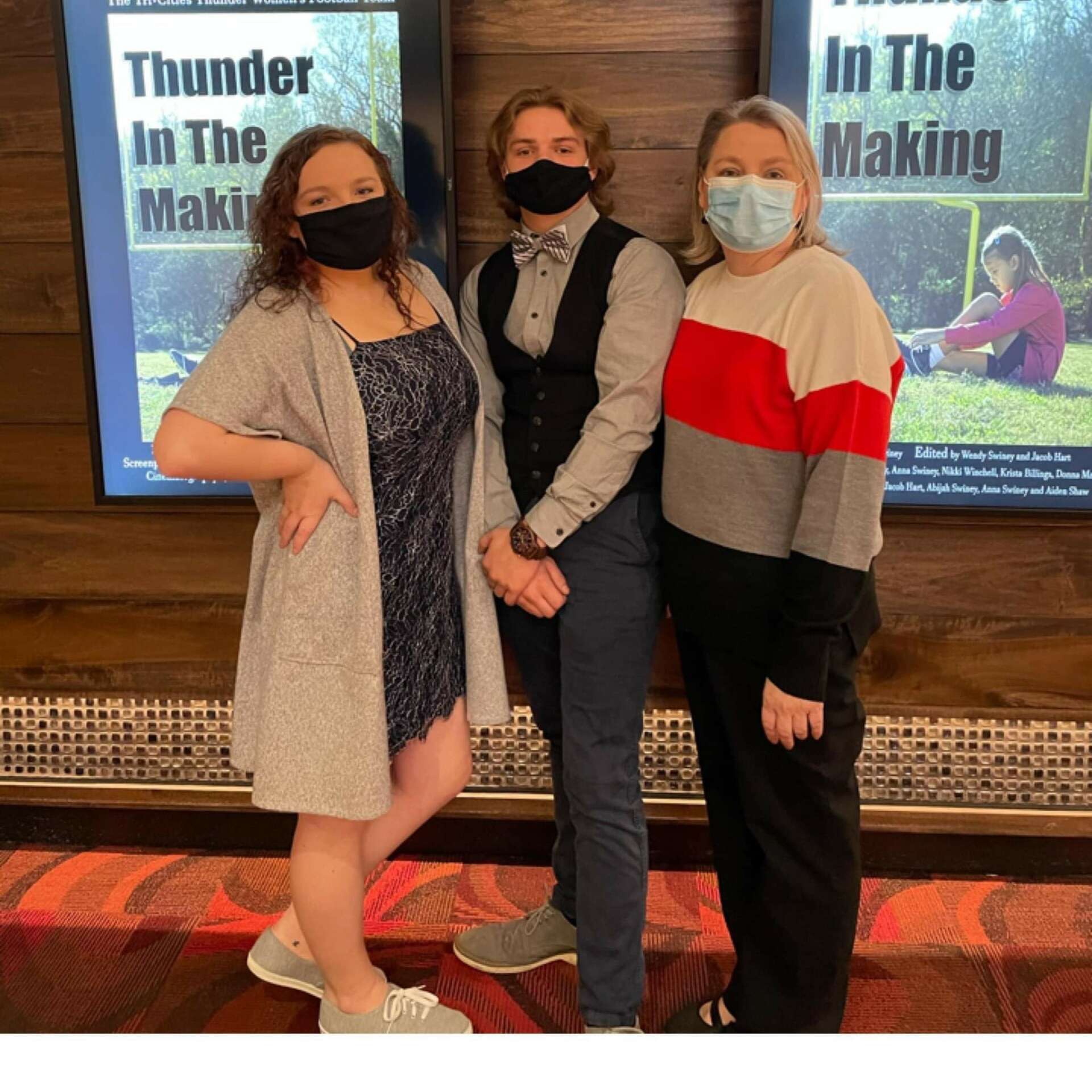
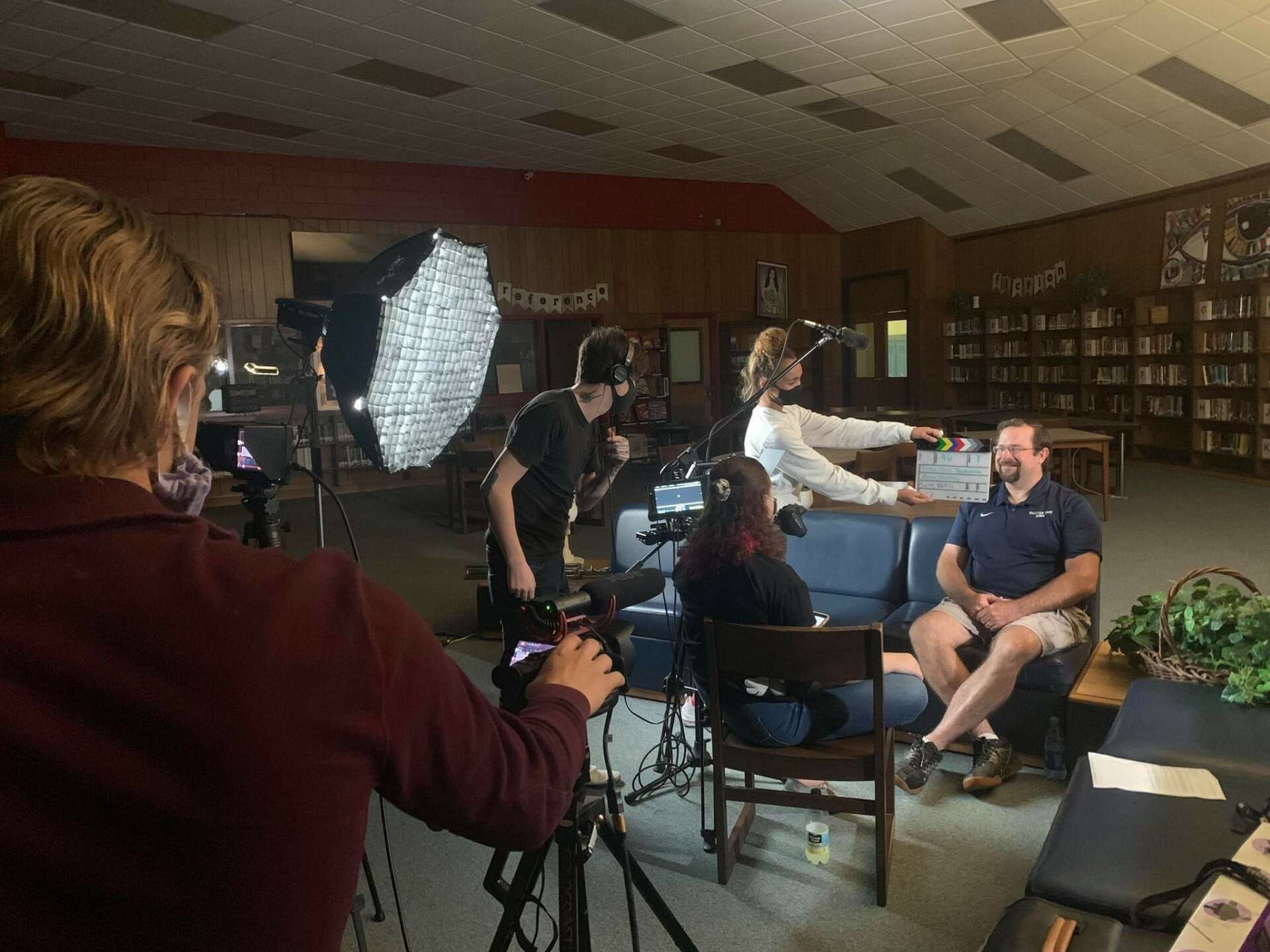
Is there something you think non-creatives will struggle to understand about your journey as a creative? Maybe you can provide some insight – you never know who might benefit from the enlightenment.
I think the hardest part of being a creative for me was just self-validation of what I was doing and its worth. Our first two projects were written based off of small ideas. Our large documentary was a true story that basically wrote itself. The project I am working on now is called “Next Thursday.” It is about a retired school teacher that takes five young inner-city boys under her wing and teaches them life lessons through cooking and Christ. She is actually preparing them for a journey that will give them a new life, if they trust her and God. What I think is hard for people to understand is that these stories are a gift that I was given. “Next Thursday” came to me in a dream, start to finish. When I woke up, I just began writing and getting everything down that I could remember. The main character, Gladys, was a woman I know in our community and the rest just fell together. I think what non-creatives might struggle with is understanding that telling these stories give us as much drive and desire for success as any other traditional career might. I am a licensed Adult Nurse Practitioner by trade, and I take telling these stories as serious as I take treating my patients.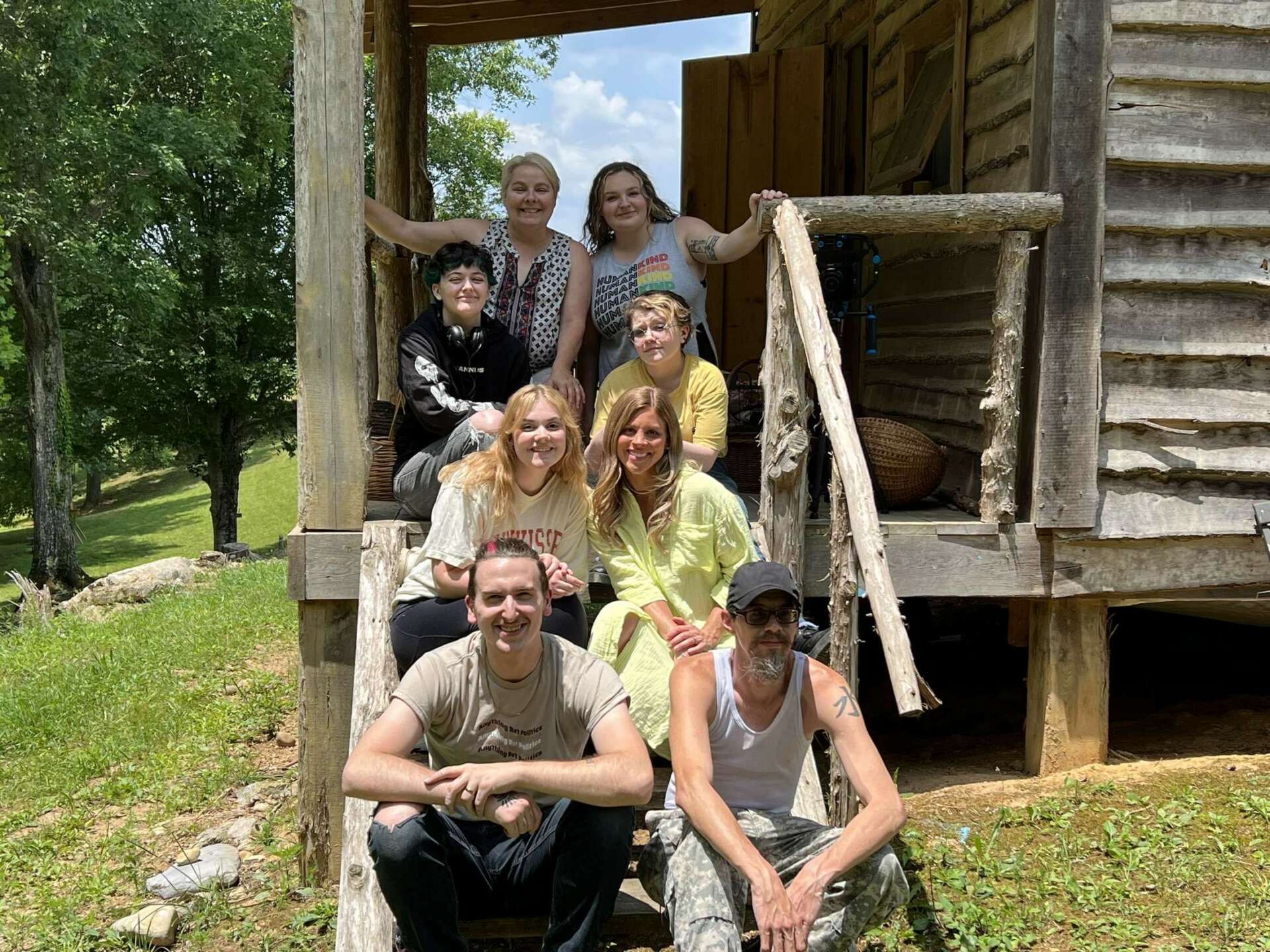
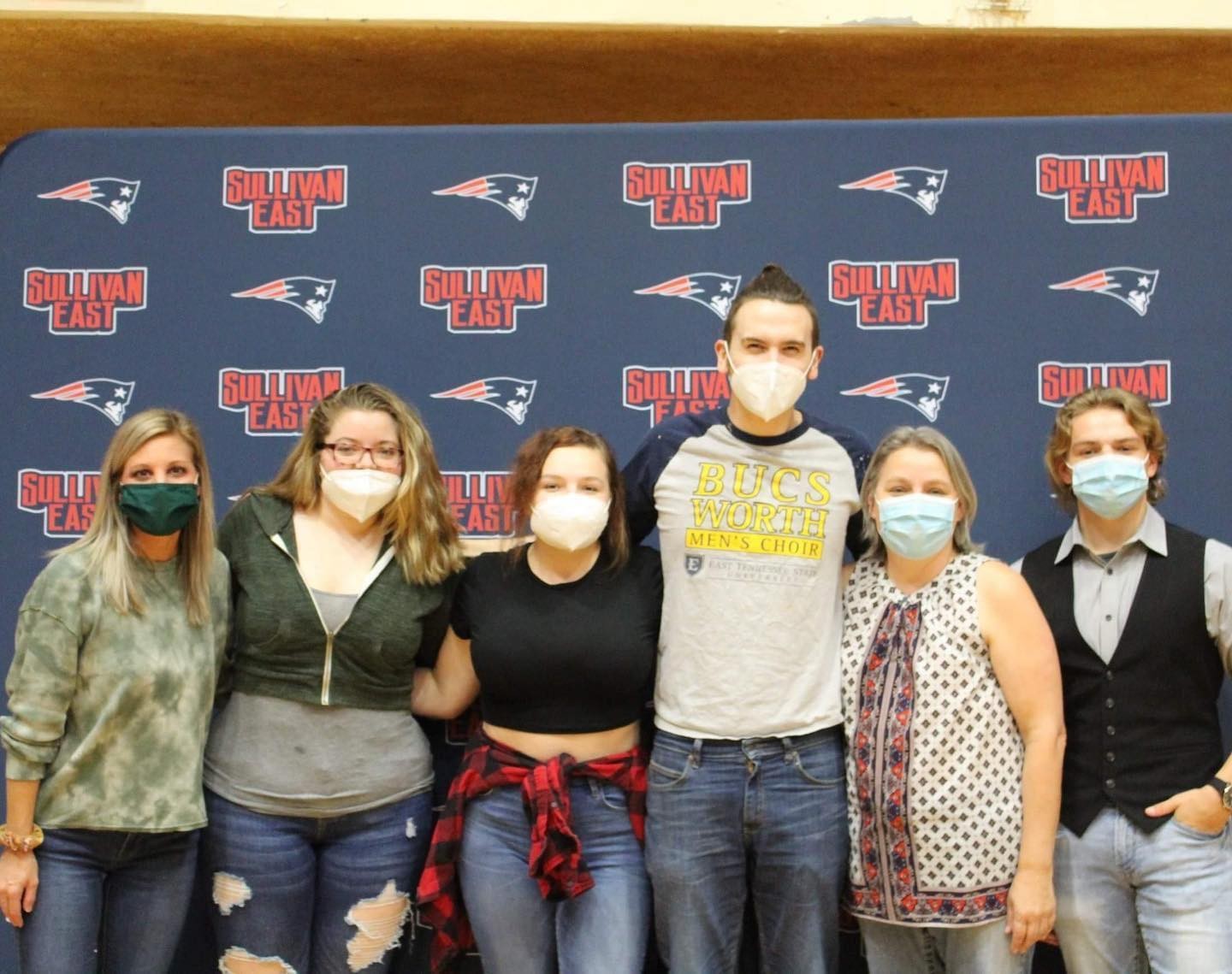
What can society do to ensure an environment that’s helpful to artists and creatives?
I think the best thing that society can do to support artists is just that, support us. I am a self-taught producer, director, editor and writer. Our documentary was 100% self-funded. We never received a penny from anyone. However, we sure did get a great deal of help with meals for our cast and crew, services donated by other professionals, props and wardrobe donated, just to name a few. At the end of the day, when you sit down to watch a television show, or a movie, or even read a book; I don’t think many people have any idea the time and money that went in to making that product. We do it because we love the process and we believe in the stories we are telling. I can’t express enough how much getting financial and other support from friends, family, bussinesses and the community means to all creatives. 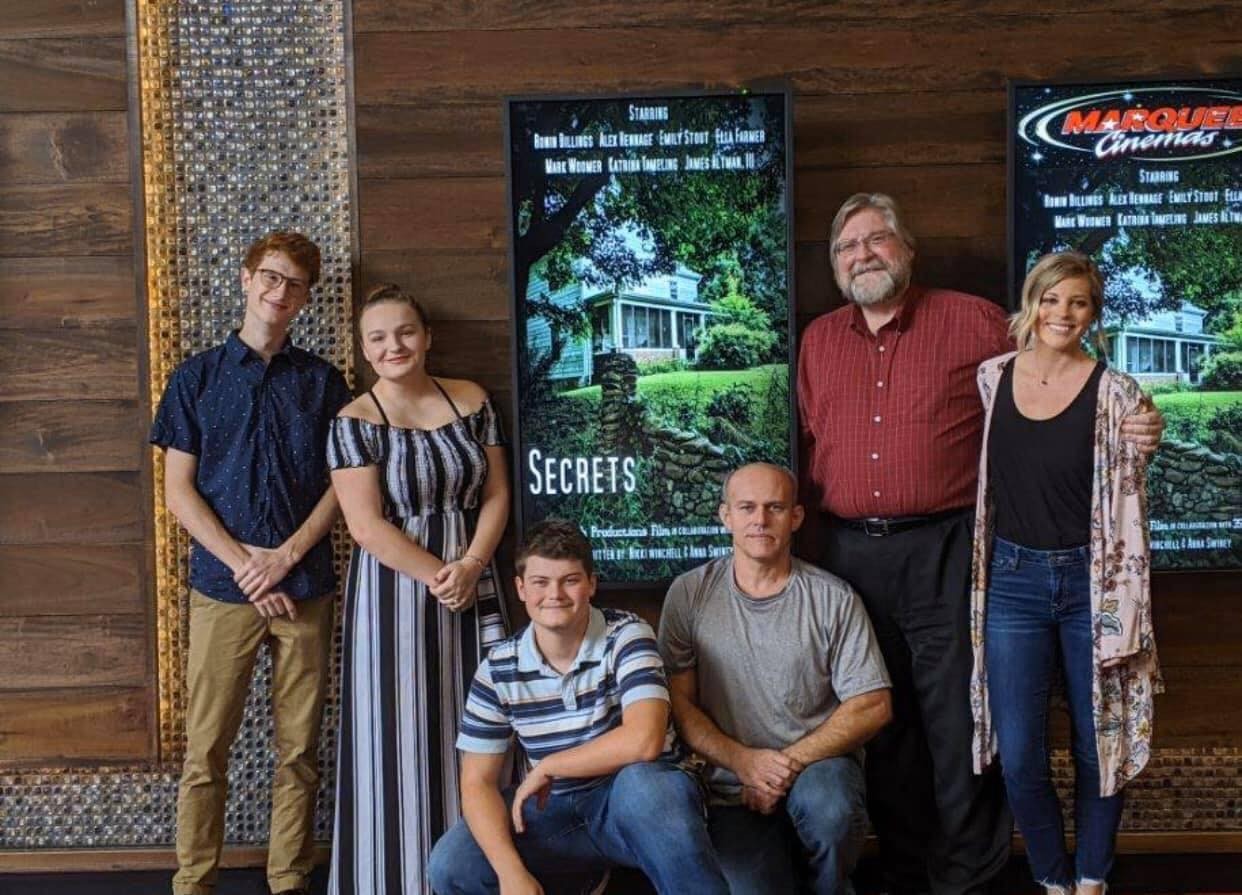
Contact Info:
- Website: www.saltyslothproductions.org
- Instagram: @saltyslothproductions
- Facebook: Salty Sloth Productions
- Youtube: Salty Sloth Productions