

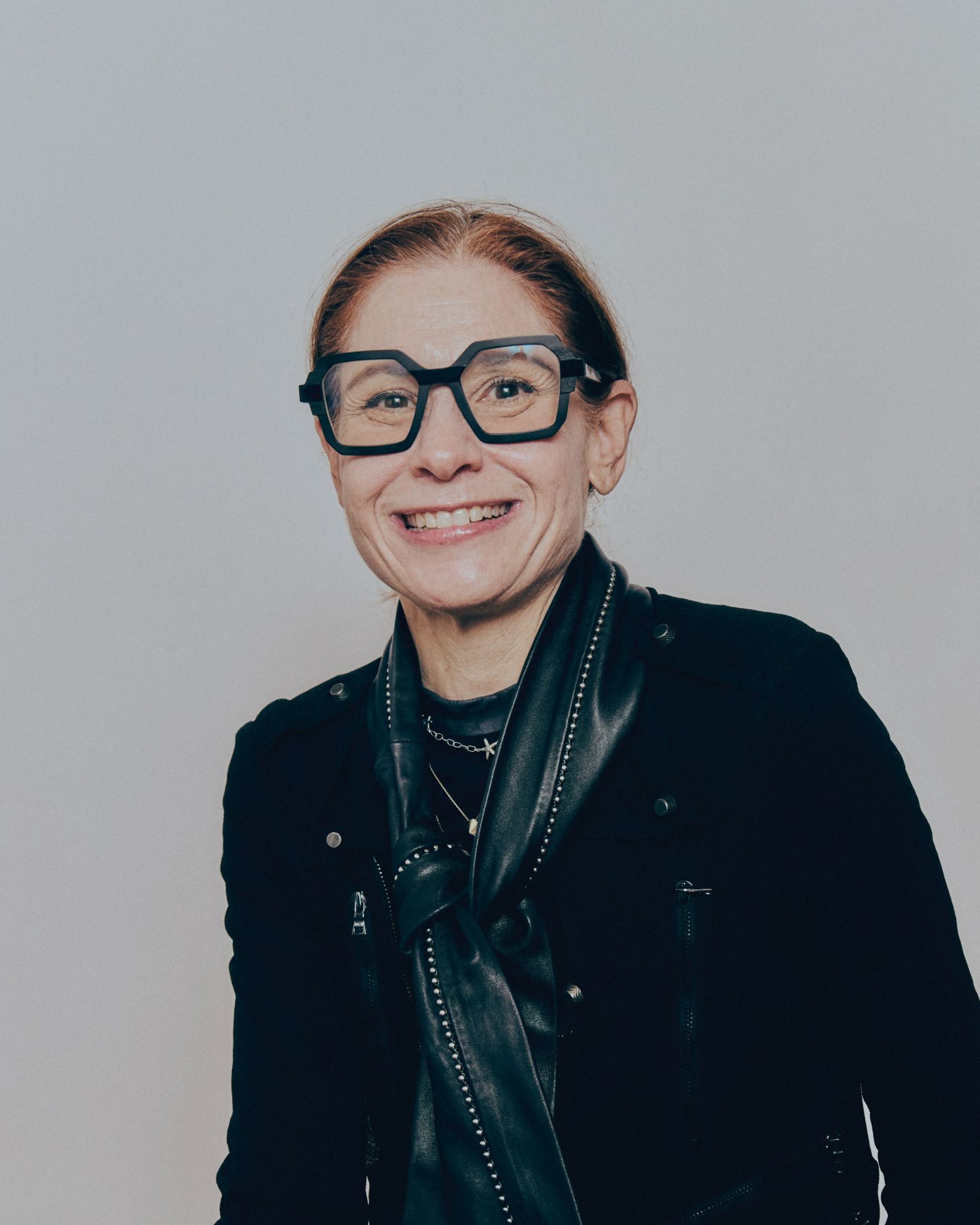

We’re excited to introduce you to the always interesting and insightful Wendy Herman. We hope you’ll enjoy our conversation with Wendy below.
Wendy, thanks for joining us, excited to have you contributing your stories and insights. What’s the backstory behind how you came up with the idea for your business?
I’ve spent over 30 years in intimates, scaling iconic brands and working on the launch of Calvin Klein Underwear for Women. I understand the product, the customer, and how this business works.
But the moment that changed everything for me wasn’t in the industry. It was with my daughter.
I was shopping for bras with her, and it was confusing, frustrating, and honestly disappointing. Nothing fit the way it should. The options didn’t make sense. And I could see how it made her feel, unsure of her body instead of confident in it.
And I thought, how is this still the experience?
The reality is, about 80% of women are wearing the wrong bra size. The category has been built in a way that feels exclusive, not inclusive. It doesn’t meet women where they actually are, especially young women just starting out.
In that moment, it became very clear to me.
We weren’t dealing with a product problem. We were dealing with a system problem.
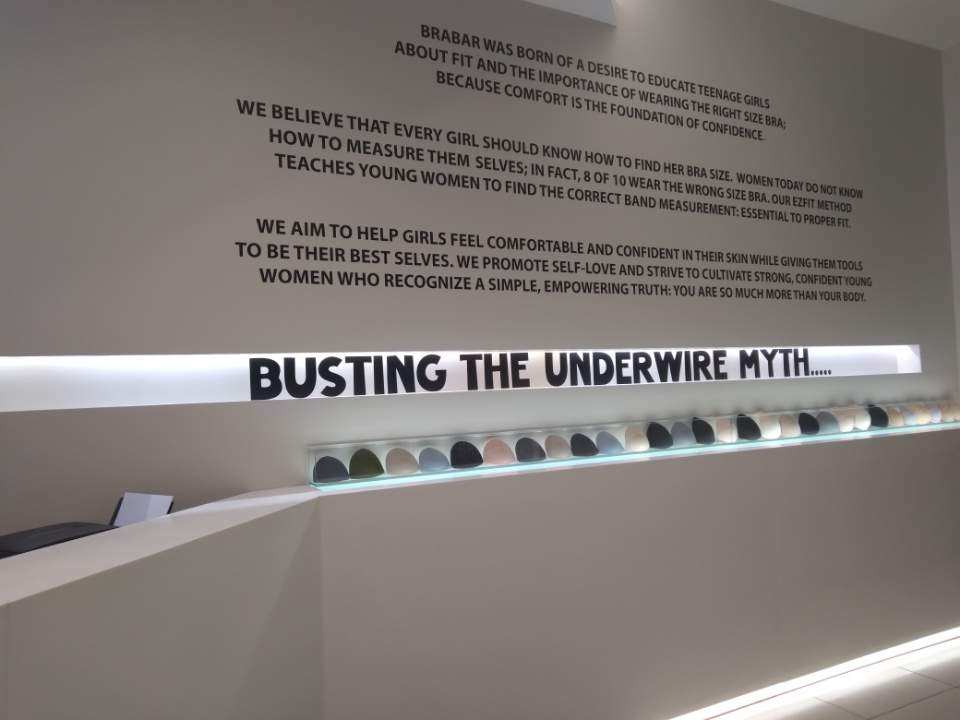
So yes, BRABAR is about product, but it’s also about BUSTING THE UNDERWIRE MYTH. 💖
We teach women to shop by BAND size, because about 80% of a bra’s support comes from the band. It should fit snug, like a hug. That simple shift changes everything. It’s the foundation of what we call the BRABAR movement.
After decades in this business, I realized we had never fixed the foundation. If you start in the wrong size, nothing else works. Not the product, not the fit, not the confidence.
So I didn’t set out to create another bra brand.
I set out to fix that.
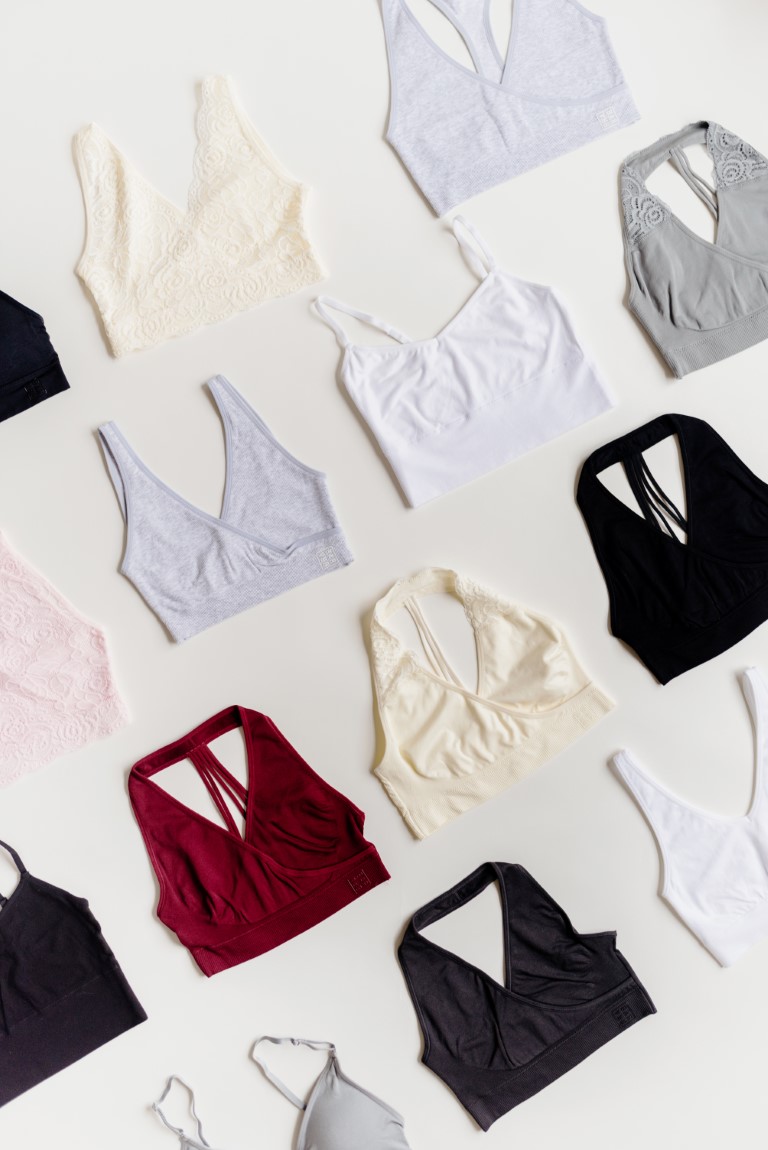
BRABAR is built on a clear idea: no wires, only comfort. A bralette and a sports bra had a baby, creating the dreamiest, comfiest, most supportive wireless bras.
We design seamless, wire-free bras for tweens, teens, and young women across cup sizes AA to DDD/F and band sizes 28 to 38. The goal is simple: make bras that actually adapt to the body and work across different shapes and sizes.
What made me believe this would work is that no one else was doing it this way. Everyone was focused on trends, marketing, and aesthetics. No one was focused on solving fit in a clear, honest, and inclusive way.
And then something started happening that confirmed it.
Through Ask BRABAR, women started coming to us with real questions. Not just what to buy, but how to understand their size, their shape, their body. And over and over again, we saw the same thing, they had been wearing the wrong size for years.
That’s when I knew this was bigger than a product.
We believe comfort is the foundation of confidence, and we’re making the world a better place one wire-free bra at a time.
It started with my daughter.
But it’s for every woman who has ever felt like this category wasn’t built for her.
As always, we appreciate you sharing your insights and we’ve got a few more questions for you, but before we get to all of that can you take a minute to introduce yourself and give our readers some of your background and context?
I’ve spent over 30 years in the intimates industry, focused on product, fit, and scaling brands. I worked on the launch of Calvin Klein Underwear for Women and went on to help build and grow brands across multiple categories. My career has always sat at the intersection of product, merchandising, and business performance, understanding not just how to design product, but how to make it work at scale.
But what led me to BRABAR was recognizing a problem that never got solved.
Fit is the foundation of this category, yet it’s the most misunderstood part of it. Nearly 80% of women are wearing the wrong bra size, and the category has historically been built in a way that feels more exclusive than inclusive. It hasn’t met women, especially young women, where they actually are.
That realization became very real when I was shopping for bras with my daughter. I saw firsthand how confusing and frustrating the experience still was. Nothing fit the way it should, and there was no clear guidance. It was a moment that made me step back and question everything I thought the industry had already figured out.
So I built BRABAR to fix that.
At its core, BRABAR is about one simple belief: comfort is the foundation of confidence. We are shifting the conversation from body image to self-confidence and self-understanding.
We design seamless, wire-free bras for tweens, teens, and young women across cup sizes AA to DDD/F and band sizes 28–38. But more importantly, we provide clarity. We teach women to shop by band size, because about 80% of a bra’s support comes from the band. It should fit snug, like a hug.
We are also focused on busting the underwire myth. Support doesn’t come from wires, it comes from proper fit and thoughtful construction. At BRABAR, a bralette and a sports bra had a baby, creating the dreamiest, comfiest, most supportive wireless bras.
What sets us apart is that we are building trust before transaction.
Through Ask BRABAR, we’ve created a platform where women and young women come to learn, ask questions, and understand their bodies. We’re not just selling product, we’re guiding them through a category that has historically been confusing and intimidating.
We’re also building something bigger than a single brand. BRABAR, Ask BRABAR, and the Bra Library together are creating a system designed to help women navigate the entire category with confidence.
What I’m most proud of is that we are shifting the conversation. We’re making this category more inclusive, more understandable, and more aligned with how women actually live and feel.
What I want people to know is this: BRABAR is here to fix the foundation. No wires, only comfort. A better fit, a better experience, and ultimately a better relationship with your body.
Because when you start with comfort, confidence follows.
Let’s talk about resilience next – do you have a story you can share with us?
Launching BRABAR and then immediately hitting COVID was one of the clearest tests of resilience in my journey.
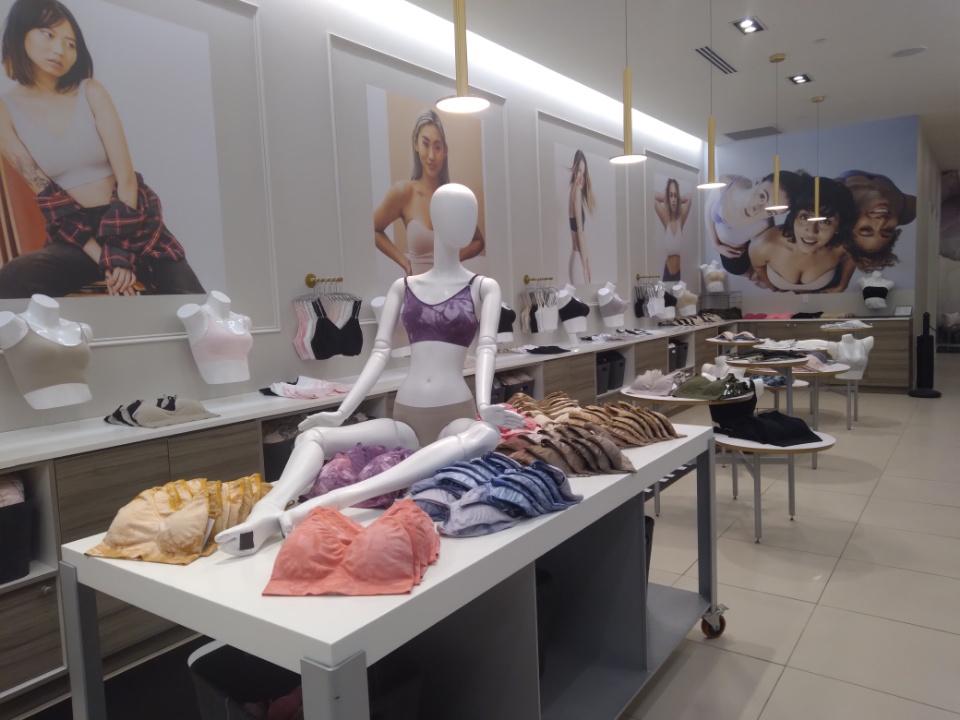
We opened our BRABAR Studio in July 2019 inside a Mall. It was a fit-first, in-person experience where we sold product and helped girls and young women understand their size. It was working. We were building traction, community, and trust.
And then in March 2020, we had to shut it down.
You can’t do a bra fitting from six feet away.
Overnight, the core of our business, the physical fit experience, was no longer possible. As a bootstrapped founder, that’s a real moment. There’s no safety net.
I had to adapt quickly.
We shifted to a combination of direct-to-consumer, wholesale, and organic social. We leaned into DTC to stay close to the customer, expanded into wholesale to grow distribution, and built our brand through organic content.
That’s where Ask BRABAR became critical.
We started showing up consistently, answering real questions about fit, educating, and building trust at scale. We weren’t relying on paid marketing, we were building connection. That drove millions of views and real engagement.
At the same time, I had to stay incredibly disciplined, managing cash, inventory, and growth, without overextending the business, all while competing against venture-backed brands with far more resources.
What that period taught me is that resilience isn’t just about pushing through, it’s about adapting your model without losing your purpose.
We didn’t outspend anyone.
We built trust, organically.
Covid could have stopped us.
Instead, it forced us to build BRABAR in a more scalable and durable way.
Can you open up about how you funded your business?
I initially funded BRABAR myself.
I invested about $150,000 to design, develop, and produce our first products. That capital went directly into building the foundation, getting the product right, establishing fit, and opening our first BRABAR Studio.
Once we had product in market and early traction, we raised $500,000 through a post-money SAFE with a $5.5 million valuation cap.
At that point, the plan was to continue building momentum and raise again to scale the business.
Then the market shifted.
We were preparing to raise our next round in early March 2023, just as Silicon Valley Bank collapsed. That moment changed the funding environment overnight. Capital became more cautious, and the landscape for early-stage consumer brands tightened significantly.
Instead of forcing a raise in a difficult market, I made a strategic decision to pivot.
We focused on extending our runway, driving revenue, and strengthening the business through wholesale growth and disciplined operations. It was about building a more resilient foundation rather than diluting too early under less favorable conditions.
I’ve also continued to reinvest back into the business and have not taken a salary. Every dollar has gone toward building BRABAR the right way.
At the same time, we’re evaluating the next phase of growth, whether that’s a seed round with the right partners or exploring optimal debt structures to maintain equity.
I’ve always approached this as building a real business, not just raising capital.
And that discipline has made BRABAR stronger.
Contact Info:
- Website: https://shopbrabar.com/
- Instagram: https://www.instagram.com/brabar.us/
- Linkedin: https://www.linkedin.com/in/wendyherman1/
- Youtube: https://www.youtube.com/channel/UCglsu1zdIMNnPbq1b5ZDraw
- Other: tiktok
@brabar.us
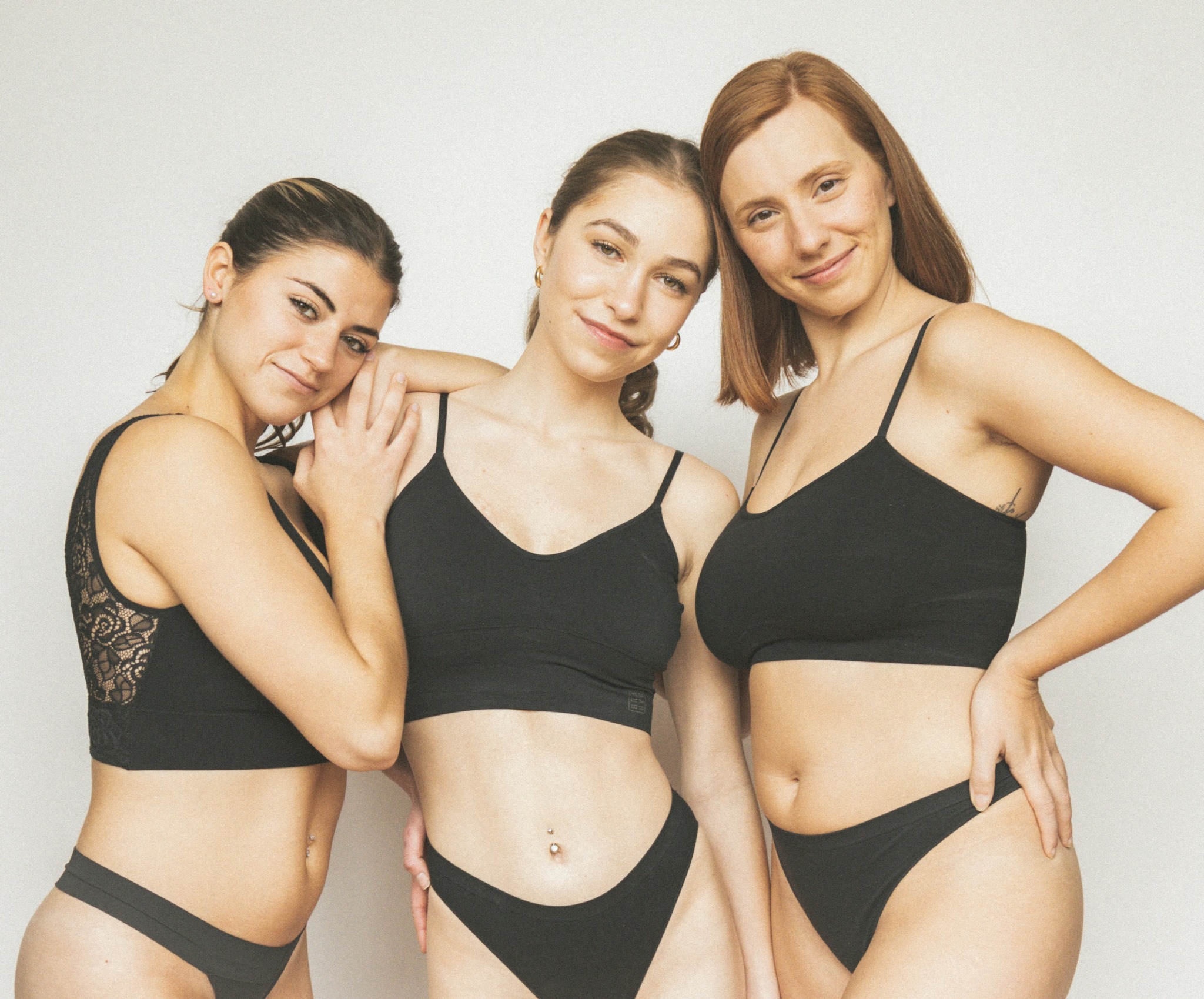
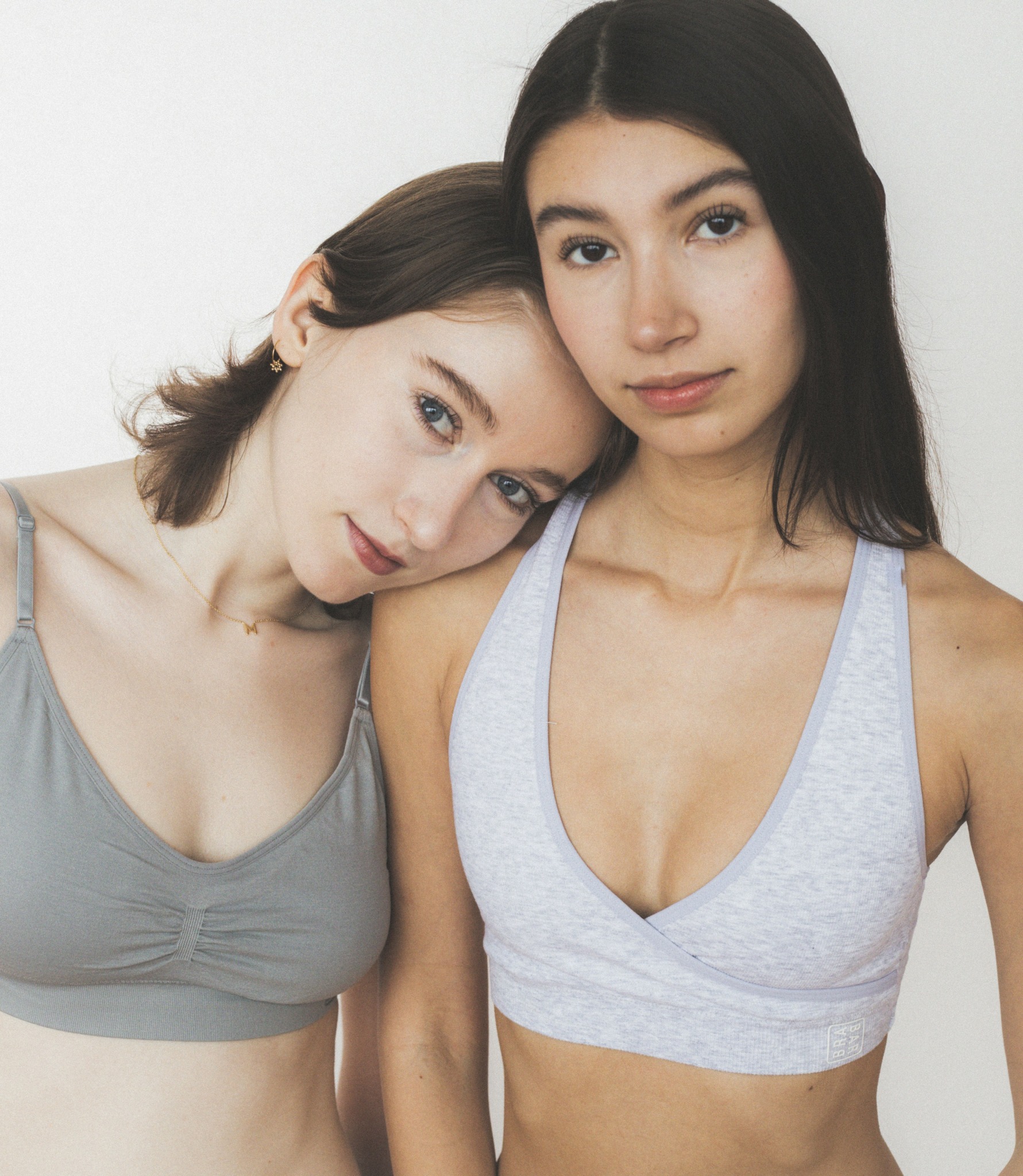
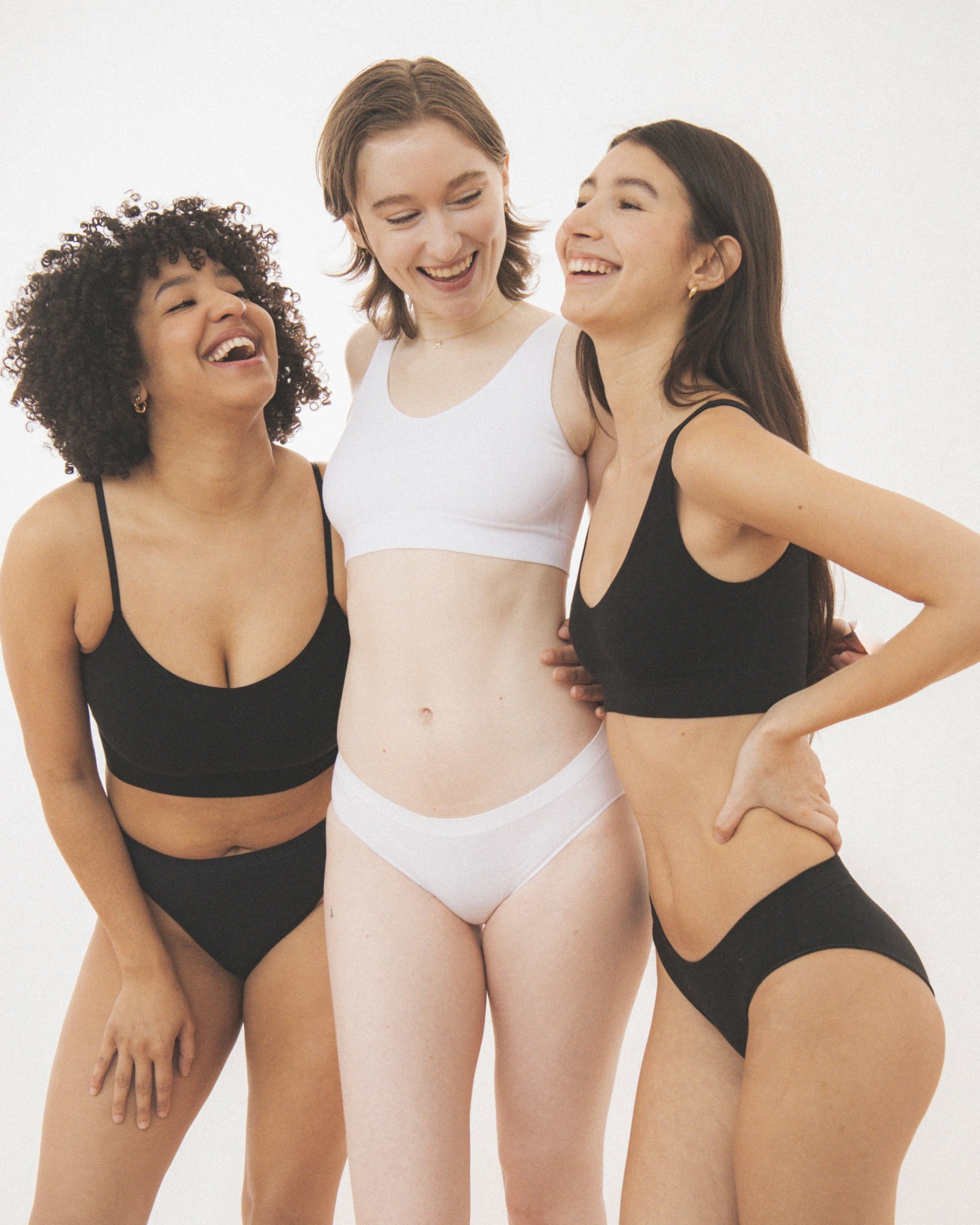
Image Credits
Stefen Pompée
Visual artist
Fashion and portrait photographer based in New York