

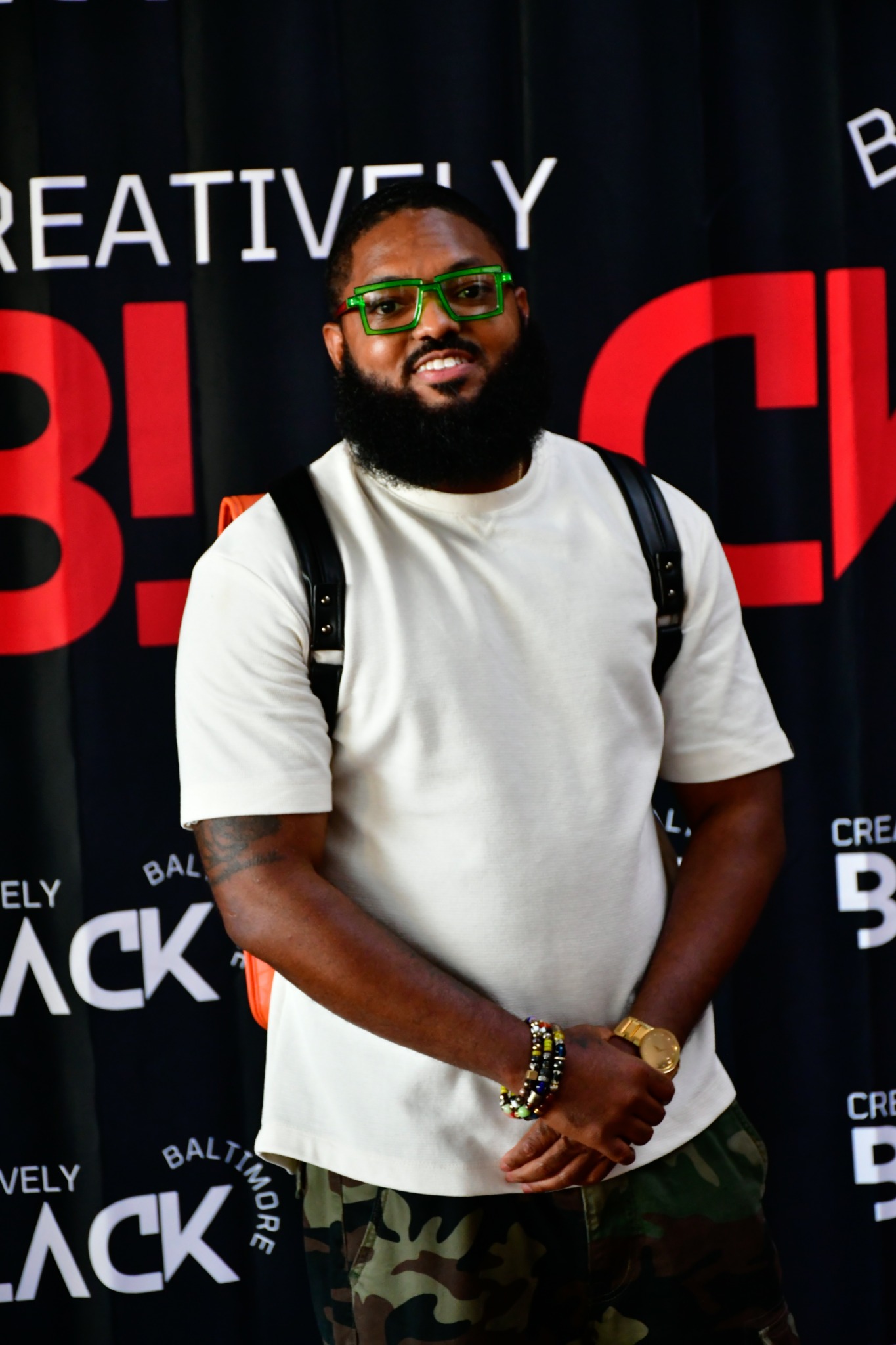

Alright – so today we’ve got the honor of introducing you to Wendell Supreme Shannon. We think you’ll enjoy our conversation, we’ve shared it below.
Wendell Supreme, thanks for joining us, excited to have you contributing your stories and insights. I’m sure there have been days where the challenges of being an artist or creative force you to think about what it would be like to just have a regular job. When’s the last time you felt that way? Did you have any insights from the experience?
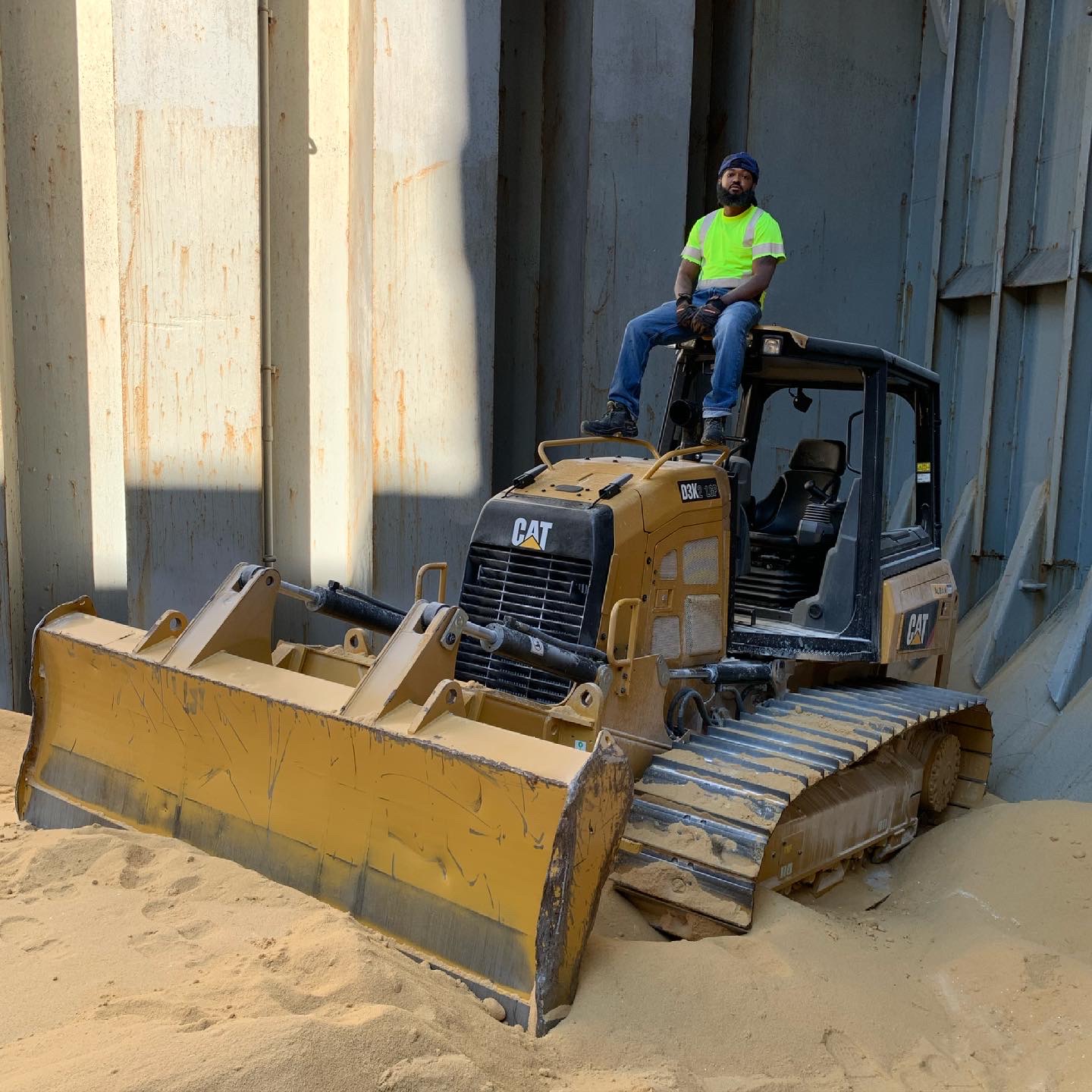
Balancing life as both a professional artist and a longshoreman at the Port of Baltimore has been one of the greatest challenges and blessings of my journey. Working at the port isn’t just a job—it’s a life of dedication, where long hours and intense physical labor meet a deep-rooted sense of community, solidarity, and purpose. It’s not uncommon to find me unloading cargo from massive ships for hours on end, knowing I’ll head straight to my studio afterward, diving into my art late into the night. Many people assume that working in such contrasting industries would create tension or confusion. In reality, it has allowed me to understand the power of resilience and the importance of showing up—both for myself and for the communities I serve.
There have been countless moments where I’ve wondered what it would be like to walk a more conventional path. One instance stands out: I was coming off a grueling 14-hour shift, unloading hundreds of tons of goods, my hands sore and body aching. Just a few hours later, I had to head into a business meeting for my art projects, and I remember staring at myself in the mirror—exhausted and wondering why I kept pushing myself in such extremes. I thought, “Wouldn’t it be easier to just pick one? To just have a regular 9-to-5 and not stretch myself so thin?” But as I dug deeper into that feeling, I realized I wouldn’t be happier choosing one over the other. Both careers have molded me, each pouring a unique set of values, skills, and strengths into who I am.
Being a longshoreman has taught me lessons that I carry into every aspect of my art career. It has shown me what it means to work towards a common goal, to understand the impact of every person’s contribution, no matter how seemingly small. It’s given me a grassroots understanding of supply chains and global relationships, which parallels my work as a designer, where every detail, from concept to production, holds significance. It’s helped me see how art can be a powerful tool for communication and community-building, just as working on the docks fosters a sense of camaraderie and solidarity.
This dual existence also gave me the chance to step up for my union and fellow longshoremen during a crisis. When the Key Bridge collapsed, halting port activities, many workers found themselves suddenly without income. Drawing on the skills I learned from my mentor, Larry Poncho Brown, I launched an emergency relief campaign, raising funds to support my community through a life-altering situation. That moment solidified for me that every late night painting, every dollar reinvested into my craft, every connection made—all of it served a purpose far beyond myself. It equipped me to leverage my network and resources for others, merging my artistic journey with the resilience I built as a longshoreman.
This path isn’t easy, but it’s been transformative. It’s why I decided to pursue graduate studies in the MICA MBAD program—not just to hone my business acumen, but to sharpen my vision for how art, business, and industry intersect and uplift communities. It’s about being in every room—whether that’s the port, a gallery, or a boardroom—and knowing I have something to offer. It’s about pushing past limitations, raising the bar, and showing others that no matter how unconventional your path may look, every experience, every challenge, can be harnessed to create a unique impact.
For me, the choice was never about being just one thing. It’s about bringing the lessons from both worlds together—understanding that my role as an artist isn’t separate from my identity as a longshoreman. They inform each other, push each other, and ultimately, help me show up in ways that I couldn’t if I chose only one path. I’m blessed to have this dual perspective, and I wouldn’t trade it for any “regular” job. Instead, I’ll continue merging these experiences, being both creator and laborer, so that I can be of service to my community and an asset in every room I enter.
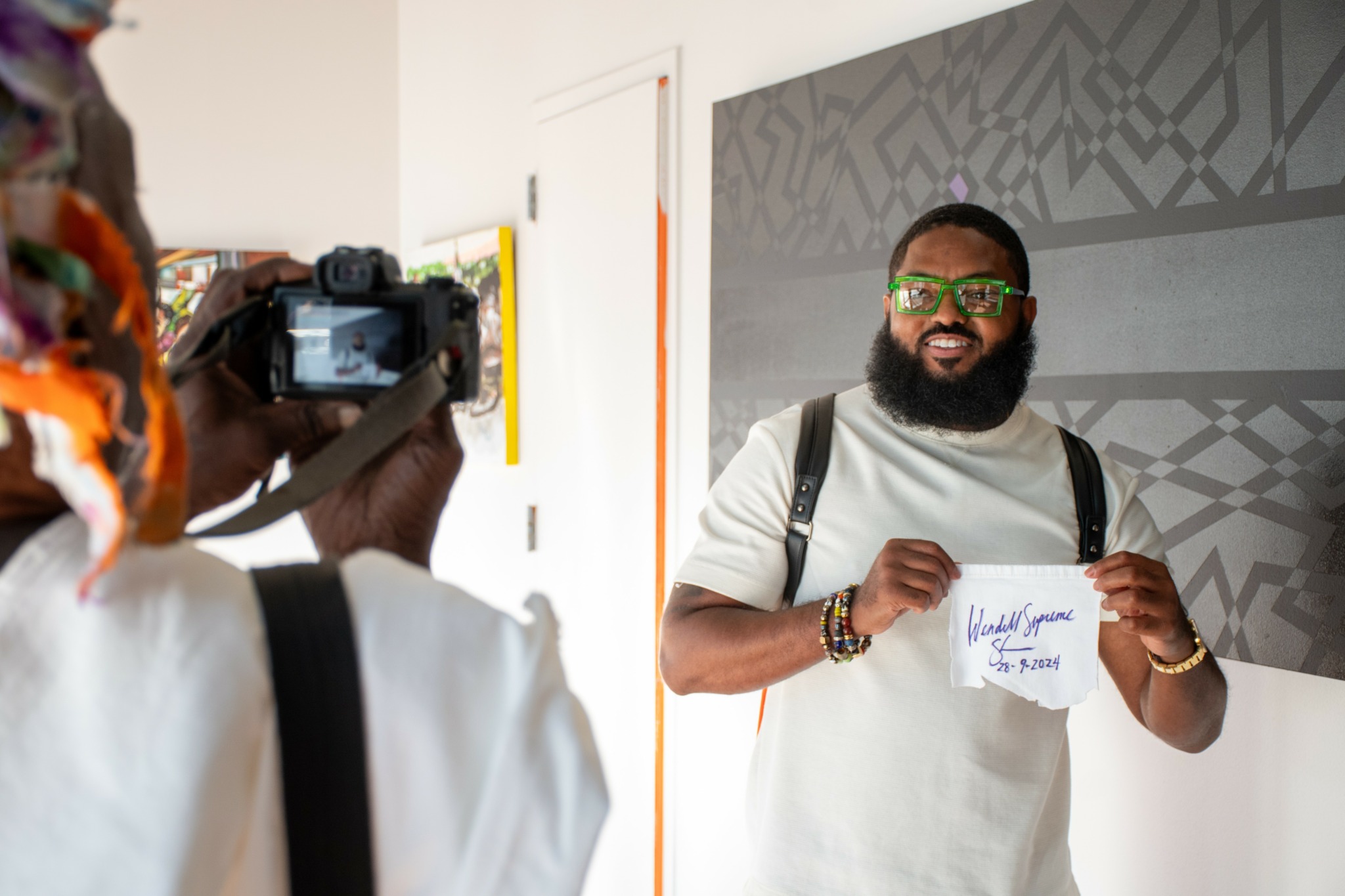
Great, appreciate you sharing that with us. Before we ask you to share more of your insights, can you take a moment to introduce yourself and how you got to where you are today to our readers.
I’m Wendell Supreme Shannon, a fine artist, muralist, and designer whose journey began through a deeply personal healing process. Originally from Brooklyn, New York, and raised in Baltimore, Maryland, I found my way into art after being diagnosed with Dermatomyositis and Rheumatoid Arthritis during my sophomore year at Morgan State University. During my recovery, I turned to painting as a way to regain control of my hands and navigate the uncertainty that came with the diagnosis. This experience not only sparked my love for creating art but also inspired me to build a career that intersects creativity, resilience, and community service.
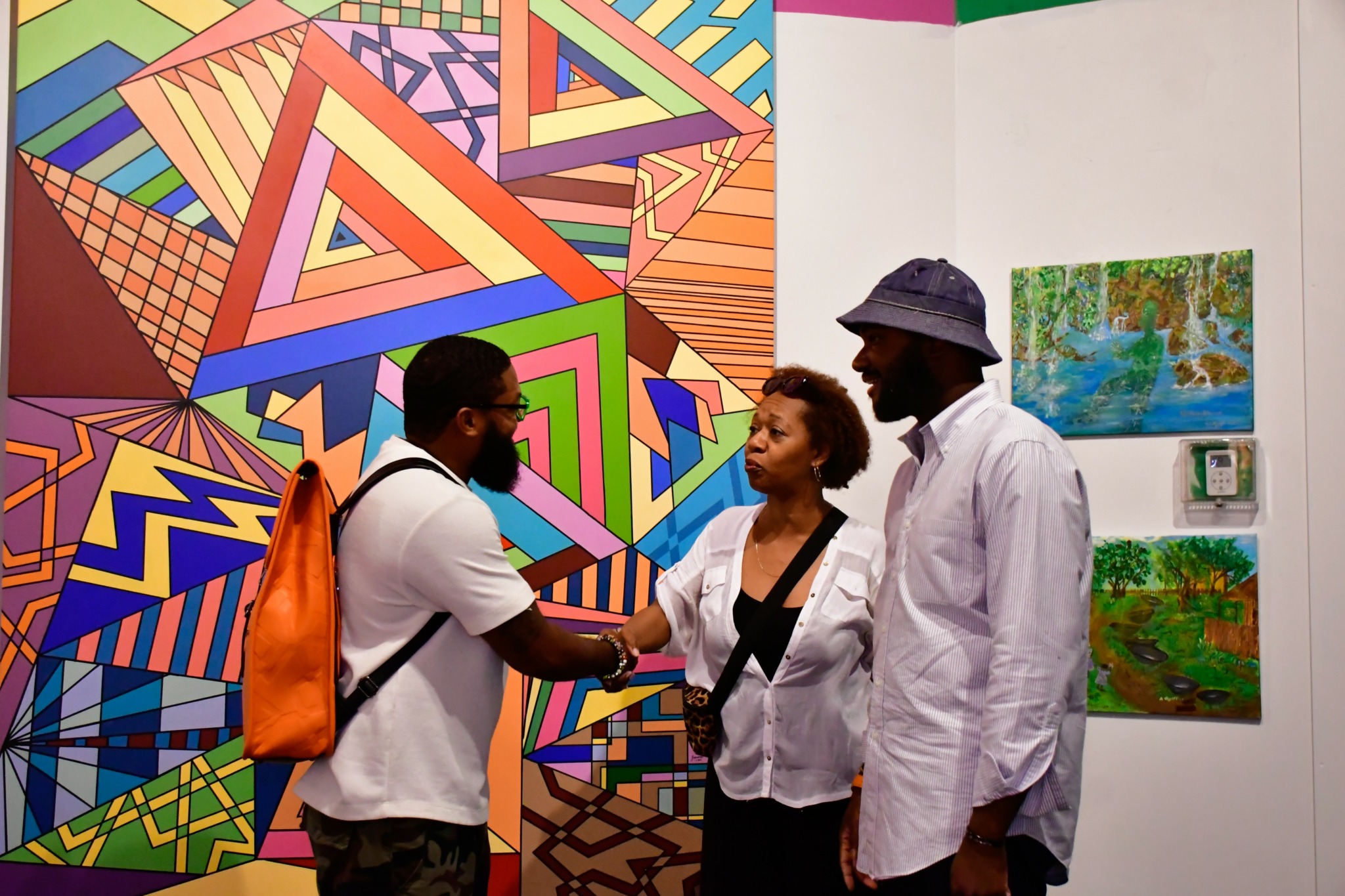
Today, I’m known for my vibrant geometric abstractions, a style I call “Perfectionism,” which I use to explore life’s pivotal moments and transformations. Each piece is crafted with meticulous lines, bold colors, and intricate patterns that act as a visual narrative of how life’s unexpected twists shape who we are. My work spans various mediums—from fine art paintings and large-scale murals to limited-edition fashion pieces like my “Influence” handbag collection—allowing me to push creative boundaries and connect with diverse audiences.
While I have exhibited my work nationally and internationally, Baltimore will always be home. My art practice is deeply intertwined with the community here. I’m passionate about using my skills and experience to give back, particularly through education. I lead workshops and mentorship programs in Baltimore City public schools, teaching students not just the fundamentals of art but also how to leverage their creative talents to build a business. I focus on the business side of art, helping students understand how to market themselves, build a brand, and navigate the industry with confidence. I want them to see that their creativity can be more than just a hobby—it can be a viable career and a tool for empowerment.
My brand is rooted in the idea that good structures liberate, not confine. This principle shows up in everything I create—from my intricate paintings to my community-building efforts through public art. I want people to see that art is more than an aesthetic experience; it’s a powerful means of expressing identity, fostering dialogue, and creating impact. This perspective has also shaped my approach to teaching, where I emphasize that understanding the business of art is just as critical as mastering the craft itself.
I’ve had the privilege to create significant murals and artworks that celebrate the resilience and stories of the communities I serve. One of the proudest moments of my career was raising emergency relief funds for my fellow longshoremen after the Key Bridge collapse. The campaign allowed me to blend my artistic skills with my understanding of community needs, creating a tangible impact through the power of creative problem-solving. This initiative, like many others, is a testament to the philosophy that drives me: art, when used intentionally, can be a bridge that connects, heals, and uplifts.
My goal is to continue merging my art with meaningful contributions to society, whether through mentorship, community projects, or international exhibitions. I want my work to inspire others to push past their own limitations and see every challenge as an opportunity for growth. Ultimately, my mission is to use art to build bridges—between ideas, communities, and people—leaving a legacy that celebrates creativity, resilience, and the power of shared stories.
Is there mission driving your creative journey?
The driving force behind my creative journey is rooted in my identity and the multitude of roles I play: as a Black man, a minority, a father, a business owner, a student, a union member, an educator, a mentee, and a mentor. Each of these identities shapes my perspective and fuels my mission to inspire others and build pathways for communities like mine. Every part of my journey is a testament to how diverse experiences can cultivate resilience, empathy, and adaptability—values that I infuse into my art and business practices.
Growing up, I navigated the challenges and complexities of being a Black man in America, often facing obstacles that tested my resolve. As a young artist, I had to fight for recognition in spaces where my voice wasn’t always welcomed. I have used these experiences as fuel to keep pushing forward, whether it’s through founding my art company, Solely Supreme, or overcoming a life-altering diagnosis of Dermatomyositis and Rheumatoid Arthritis during college. These experiences taught me to embrace every facet of who I am, leveraging those lessons not just to succeed in art, but to empower others to do the same.
As a minority business owner and creative entrepreneur, I recognize the unique position I hold. I operate in multiple spaces—fine art, community development, education, and design—using my platform to highlight the value of creativity as a tool for change. Through my work in Baltimore City public schools, I educate young artists on the business of art, teaching them how to navigate the creative industry and use their talents to build sustainable careers. This mission is about more than teaching technical skills; it’s about showing them that they can define their own success, despite the limitations society may try to impose.
Being a union member at the Port of Baltimore has also profoundly impacted my approach to community and leadership. I’ve learned the importance of solidarity, collective action, and standing firm in the face of adversity. These are lessons I bring into every aspect of my life—whether supporting my fellow longshoremen through emergency relief efforts or leading public art projects that engage and uplift communities.
Fatherhood has deepened my understanding of legacy and the importance of creating spaces where future generations can thrive. Every piece I create, every student I teach, and every project I lead is done with the awareness that I am contributing to a broader narrative that my son and others will inherit. I want them to see that they can embrace their full identity and use every experience—no matter how challenging—as a stepping stone toward greatness.
Ultimately, my journey is about being a bridge between worlds, using my art and business to demonstrate that the barriers we face can be transformed into stepping stones. Whether it’s through mentoring young artists, collaborating with global brands, or showing up as an advocate for my community, I am committed to leveraging my diverse experiences to make a meaningful impact. I’m proud to be a Black artist and business owner who continues to push boundaries, and I want others to know that embracing every part of who you are is the key to creating something powerful and lasting.
How can we best help foster a strong, supportive environment for artists and creatives?
To create a thriving creative ecosystem, society must offer holistic support that prioritizes access, resources, and opportunities for artists beyond merely showcasing their work. It’s about building a system that nurtures the full spectrum of a creative professional’s needs: financial stability, mentorship, and integration into community development.
One of the biggest hurdles artists face is the lack of financial infrastructure and access to spaces that support their craft. Society can bridge this gap by offering more grants, residency programs, and funding for creative spaces, especially in underserved areas. These investments would alleviate the financial burdens that hinder artistic growth and allow creatives to focus on their craft without the constraints of studio costs and material expenses.
Education and mentorship are equally critical. My own career would not be where it is today without the guidance of experienced mentors like Larry Poncho Brown, who taught me how to merge my creative vision with business strategies, and Scott Burkholder, who helped refine my business acumen and market positioning through my work with the Burkholder Agency. It’s vital that artists receive structured business training early on, which is why I lead workshops in Baltimore City public schools to help young creatives learn how to turn their artistic passions into viable careers. Society should prioritize establishing mentorship programs that connect emerging artists with seasoned professionals to provide guidance on both artistic and entrepreneurial paths.
Lastly, art needs to be integrated more deeply into community development. Public art, cross-sector collaborations, and community-driven projects can revitalize neighborhoods and serve as powerful platforms for storytelling and cultural pride. As a muralist, I’ve witnessed how transforming a public space can create a sense of ownership and inspire dialogue within the community. Public art shouldn’t just be seen as decorative; it should be recognized as an essential part of community building and social impact.
Supporting a thriving creative ecosystem requires a comprehensive approach—financial investments, business and creative education, and partnerships that foster connection and celebration of shared identities. By providing artists with these resources and opportunities, society can empower them to not only create but also become integral forces for positive change. My goal is to continue using my own journey and experiences to advocate for, educate, and inspire others, building a legacy that champions creativity and community upliftment at every level.
Contact Info:
- Website: https://www.wssfineart.com
- Instagram: https://www.instagram.com/wss_fineart/
- Facebook: https://www.facebook.com/WSSFINEART/
- Linkedin: https://www.instagram.com/wss_fineart/
- Youtube: https://www.youtube.com/@wssfineart
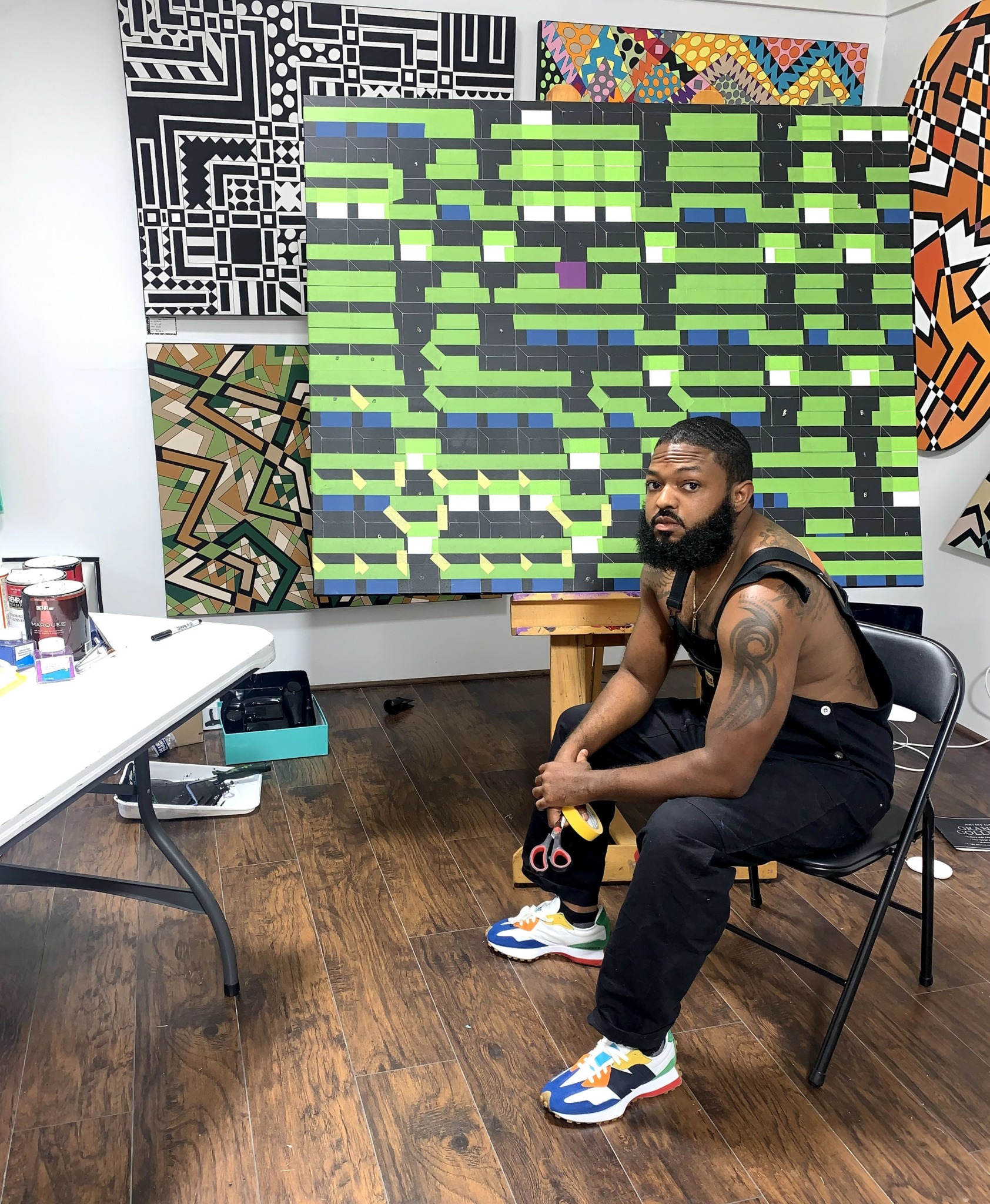
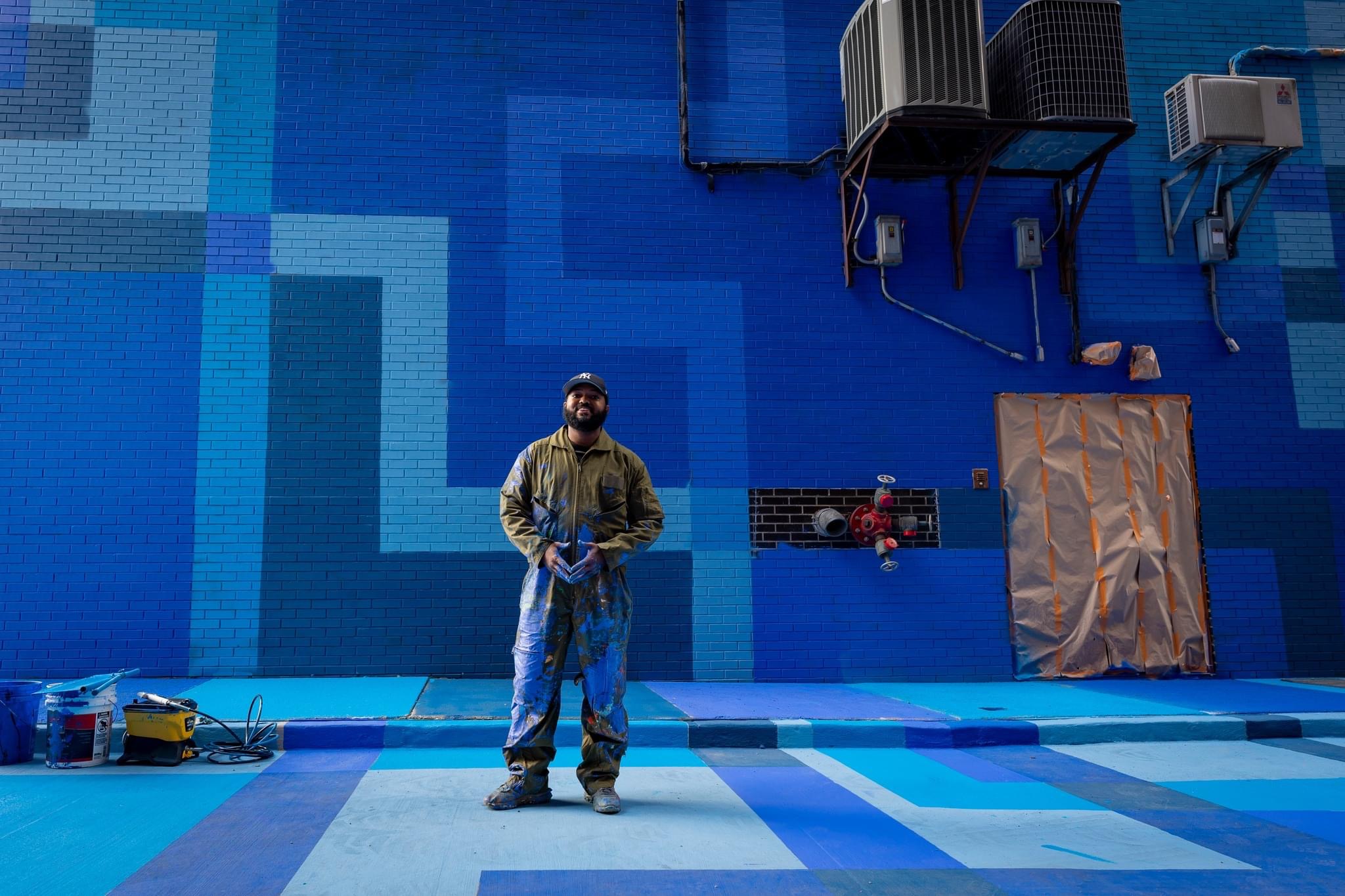
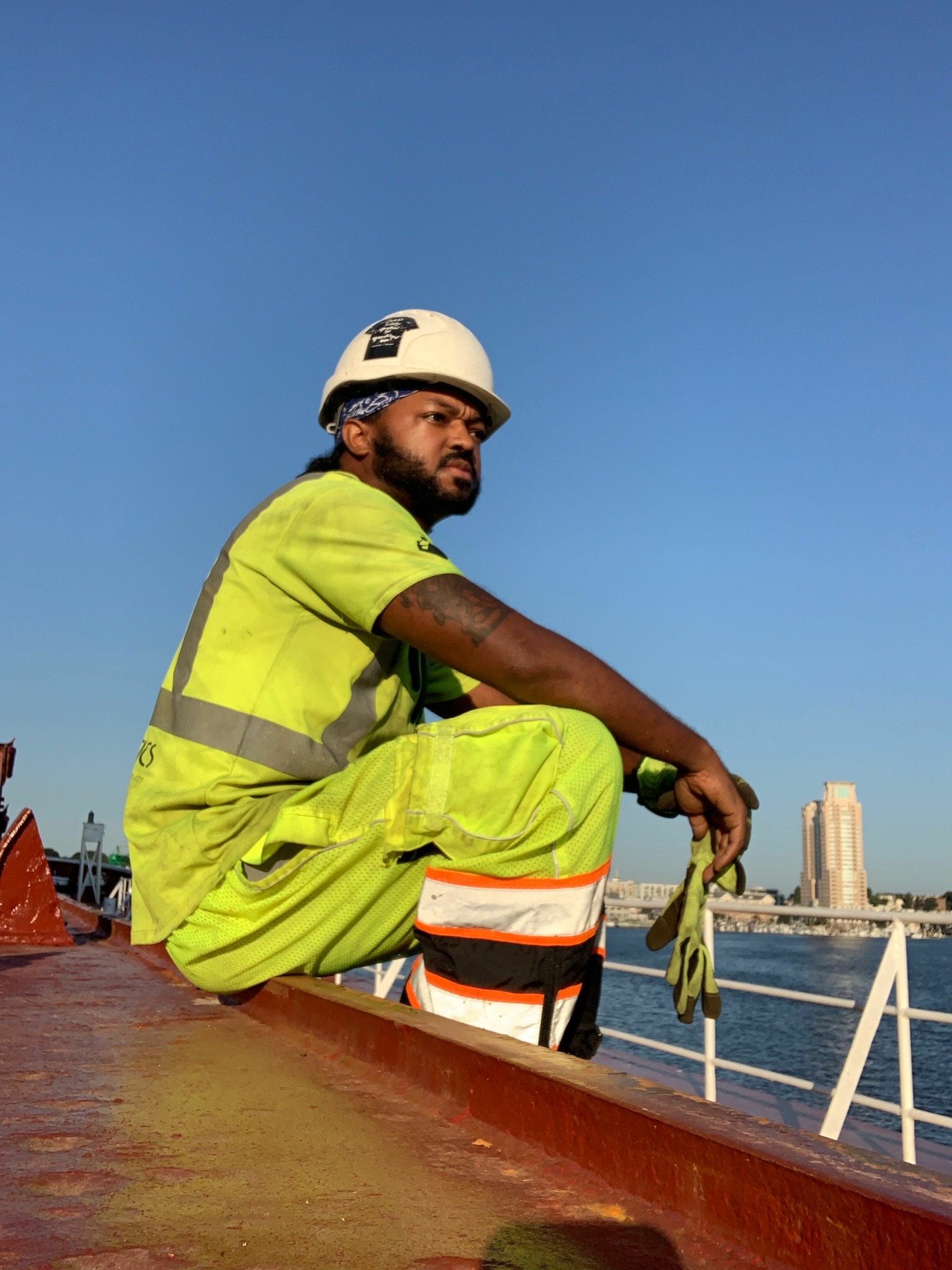
Image Credits
@photoxphonzo – Alphonso Smith
@bytyronewilkens – Tyrone Wilkens
@dorreto – Dorret Oosterhoff