

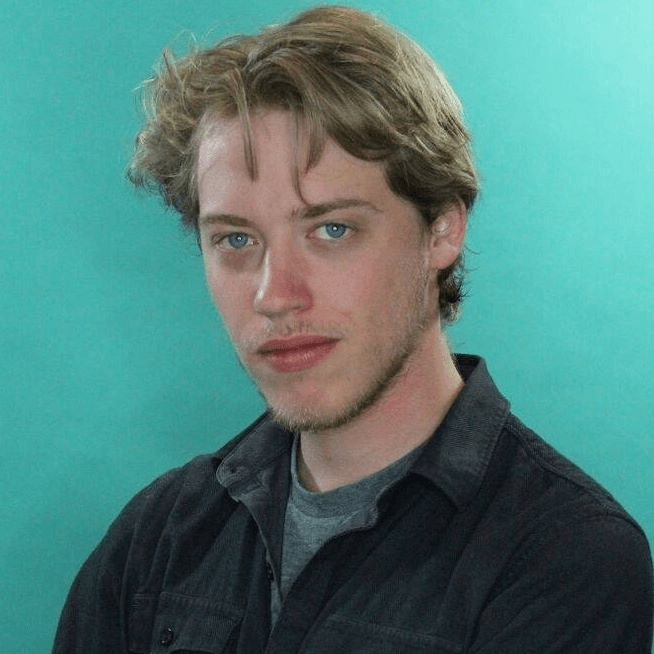

We’re excited to introduce you to the always interesting and insightful Wells Thompson. We hope you’ll enjoy our conversation with Wells below.
Wells, appreciate you joining us today. Are you happy as a creative professional? Do you sometimes wonder what it would be like to work for someone else?
There’s this insidious romantic notion of the “starving artist,” that it’s somehow good that creatives struggle to earn anything in their lifetimes and that it’s normal to work a job or two in addition to fully throwing yourself into your creative pursuits. I could not disagree more with this notion. There is nothing about working yourself to the bone that makes you a better creative, nothing about starving that improves the art.
I was a server and bartender for ten years as I worked to build my creative career into something sustainable. During that time, I was in a perpetual state of burnout, constantly working through stress injuries, and battling severe depression. I won’t mince words, this was largely due to the pitiful working conditions, apathetic management, needlessly cutthroat co-workers, and massive stress of working 30 hours a week on my creative pursuits while also working 30 hours a week of high intensity physical/emotional labor, every second of which was spent wishing I was working on something meaningful.
Since quitting my job as a server, I have felt an unbridled relief that comes from occasionally getting to rest and focusing all my energy into pursuits of my choosing. I am also able to write some of the best material I’ve ever made and get to be much more enthusiastic about the end result! I am much, much happier as a full time creative, even factoring in the low stability of freelance and the constant push to promote your work. When I think about what it would be like to have to go back to working a regular job, I think about cramming myself into a bird cage and dangling helplessly in the air with nowhere to go and no hope of escape.
I don’t want to sound apocalyptic, and I don’t want to speak for anyone but myself, but to me, having a “regular job” was poison for my soul, and there’s not a day that goes by I’m not grateful to have put that behind me.
Wells, before we move on to more of these sorts of questions, can you take some time to bring our readers up to speed on you and what you do?
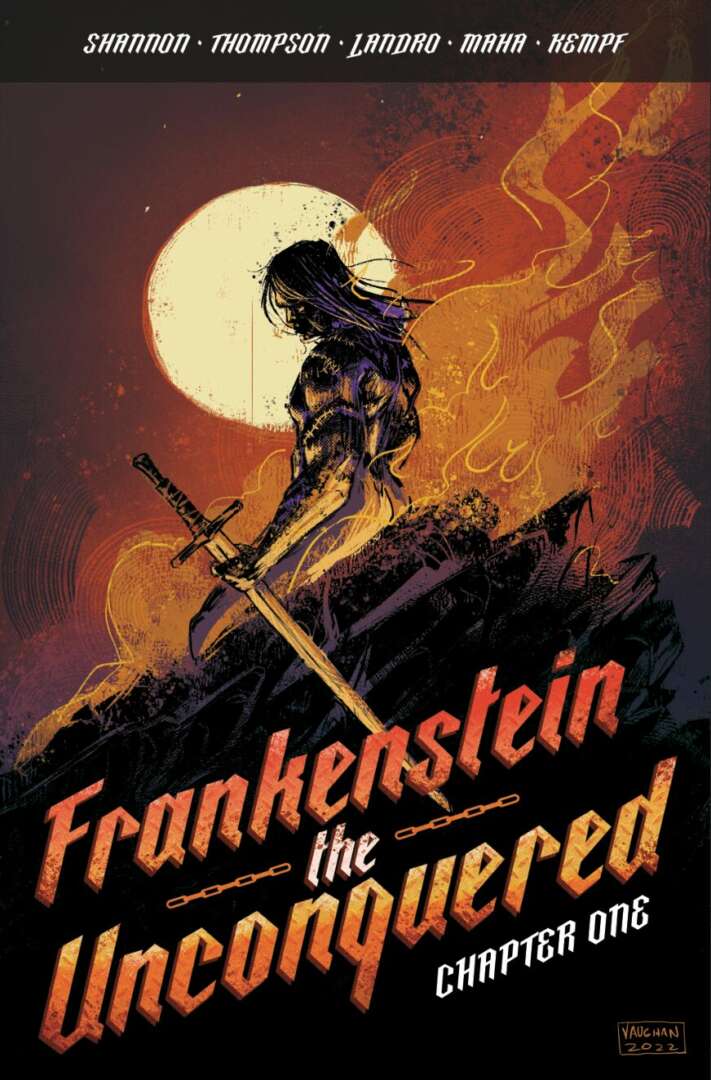
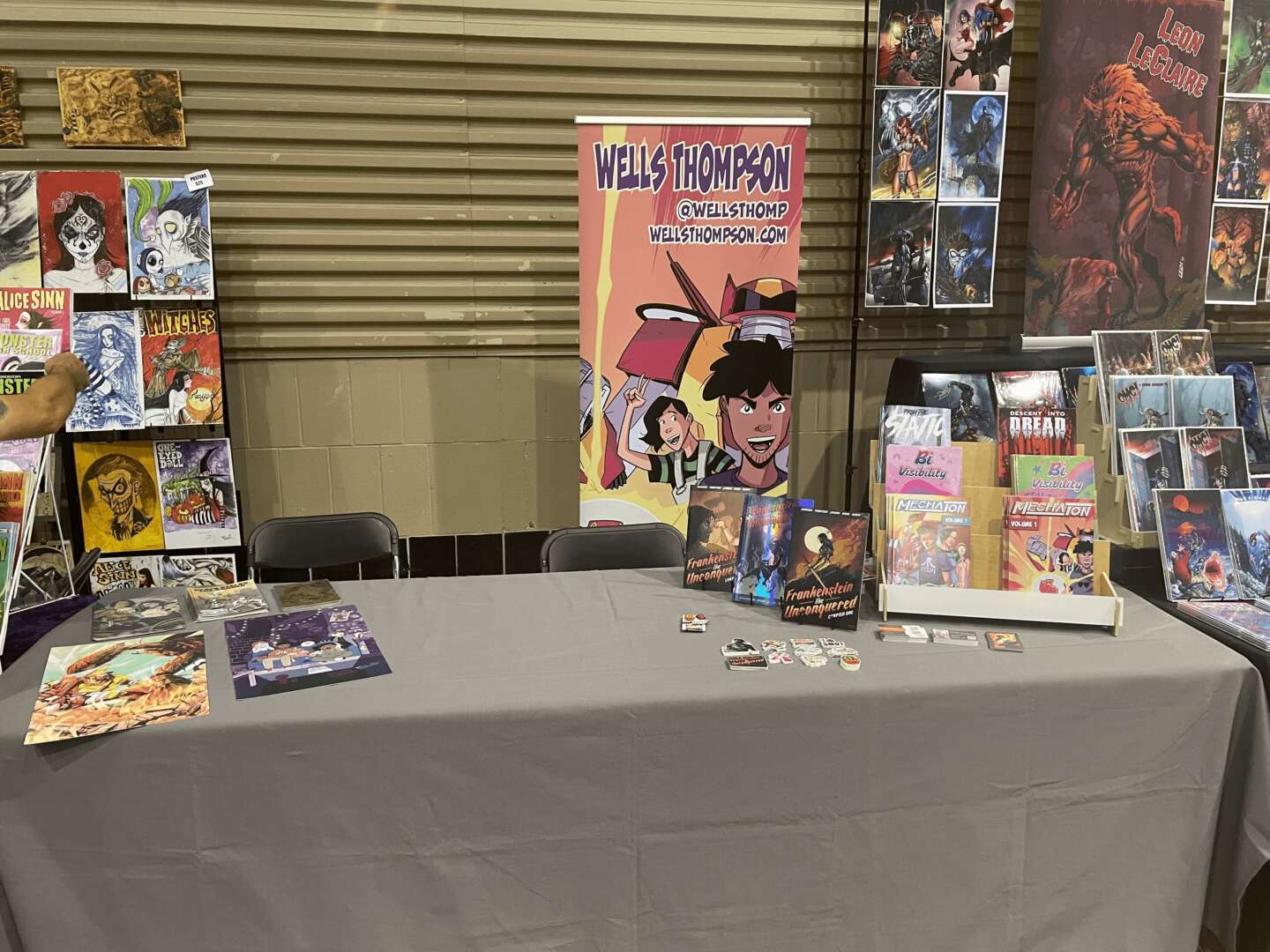
I am a comic book writer and editor originally from Little Rock, AR, though I currently, happily, live in Chicago, IL. I’ve known that writing was what I wanted to do in some capacity since I was 12 years old, but I started writing comics in 2018 when my college friend Dalton Shannon convinced me to get away from pitching to agents and attempting to publish novels and instead start making short comics. I fell in love with the format and together we made a horror anthology titled Descent into Dread and two ongoing series, MechaTon and Frankenstein the Unconquered, which allowed us to tell wildly different stories very quickly in a way I wasn’t normally able to do.
In 2020, we started seriously looking at self-publishing and ran our first Kickstarter in 2021 for MechaTon #1. Since then, we’ve run 11 successful crowdfunding campaigns for four different titles and a set of enamel pins, totalling to just under $100,000. I’ve been able to travel all over the country for comic conventions and meet fans from truly unexpected places, not to mention making some of my best friends through this incredibly odd industry.
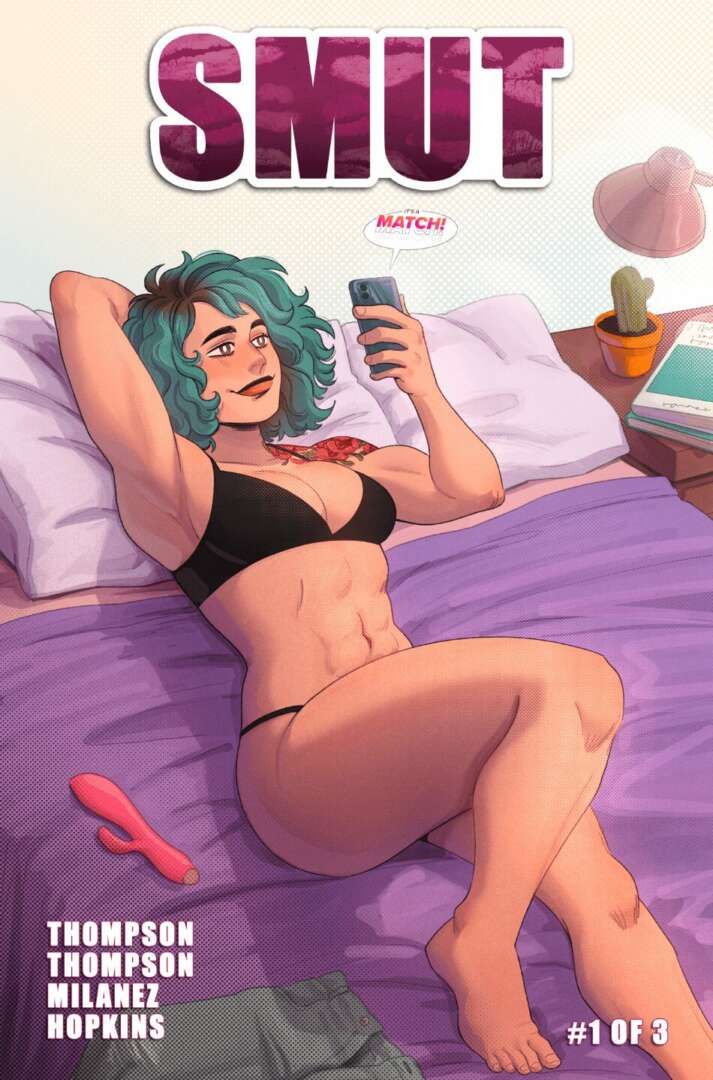
Self Publishing has been a great experience because it allows me to focus on stories I’m really compelled by with less constraints on genre or typecasting. I feel like it would have been easy to be locked into writing horror stories for the next 10 years before anything else was given any kind of chance. Instead, I’m able to explore all ages sci-fi, conan-style action/horror, and slice-of-life erotica in equal measure. My readers understand that what they’re getting is character focused fiction with genre elements, but that the genre is secondary to the story and characters, so there’s less pressure to stick to doing just one thing.
Late last year, I also started Editing in a professional capacity, which has been incredibly rewarding. Getting to help clients shape their stories into something better than they often expected is a wonderful privelege and I look forward to expanding that part of the business and taking on more work. I bring a focus on structure, perspective, and character to the edits that, I find, a lot of people have trouble with on their own. It’s hard to see your own work objectively in the best of times, so I think an editor’s work is really vital to offer that bird’s eye view of something you’ve only been seeing up close for however long it’s taken you to write the script or draw the book.
Right now I’m releasing my first novel chapter by chapter through my newsletter and working on a script for a new mini series about a modern day Witch and her assisstant. I don’t know what comes after that, but I know there will be something, and that’s a really wonderful, exciting feeling!
Do you think there is something that non-creatives might struggle to understand about your journey as a creative? Maybe you can shed some light?
I think a lot of people, both those that work in a creative field and those that don’t, have a tendency to think of creative pursuits as a hobby. There’s nothing more frustrating than having to stop someone and explain that this is my career and I take it as seriously as they take theirs.
Having hobbies is great, I have several: Guitar, gardening, baking. Their job is to keep me happy and healthy and engaged in the day to day. Writing is my career, it’s not something I do for fun, but because I would be utterly lost without it. It’s not something I can easily put on hold or abandon for the sake of getting a “real job,” the implications of which are incredibly insulting. This is a difficult, demanding job with low security and a high barrier to entry.
There’s also a weird insinuation that if you do work in a creative field, you shouldn’t get to “complain about not having money” and just be grateful for the work. You should be happy to work for “exposure” or that the joy of creating somehow outweighs the need to pay rent and eat food. We should not and it does not. Creative jobs are real jobs and the people who work them have the same needs as the people who work 9-5 office jobs, but get them at a much lower rate.
How can we best help foster a strong, supportive environment for artists and creatives?
The most important thing we can do to make sure the arts thrive is to elect left-leaning and progressive officials, especially in local governments, and push for policies that make housing and basic necessities more affordable, limit working hours and guarantee sick leave, vacation time, and maternity/paternity leave for all citizens, tax the rich, and build public transit while taking cars off the road.
Some of these sound unrelated, but the thing they all have in common is simple: People do not create or consume art if they have no time to do so or if they are chiefly concerned with meeting their basic necessities. Housing, food, and medicine will always come first in someone’s life, so those needs must be met before anyone will be concerned about going to a museum. The reason no one reads for fun is because our lives revolve around working ourselves to death and reading is an energy intensive, time consuming task. Cars and driving, similarly, take time and focus away from everyone’s day to day life while people using public transit are free to read books, zone out, or otherwise relax. From personal experience, I can tell you that the last year I lived in Nashville, which has no public transit system, I read 5 books total. When I moved to Chicago and started taking the train instead of driving, that number shot up to 40.
There is no place for art or artists under capitalist, right wing systems that only value people for their time and labor and only value art for its veneration of the state or dominate social class. If you want to build a world that creates more art and supports artists, move left.
Contact Info:
- Website: https://wellsthompson.com
- Facebook: wells.monroe
- Twitter: @wellsthomp
- Other: Newsletter: https://wellsthompson.substack.com/
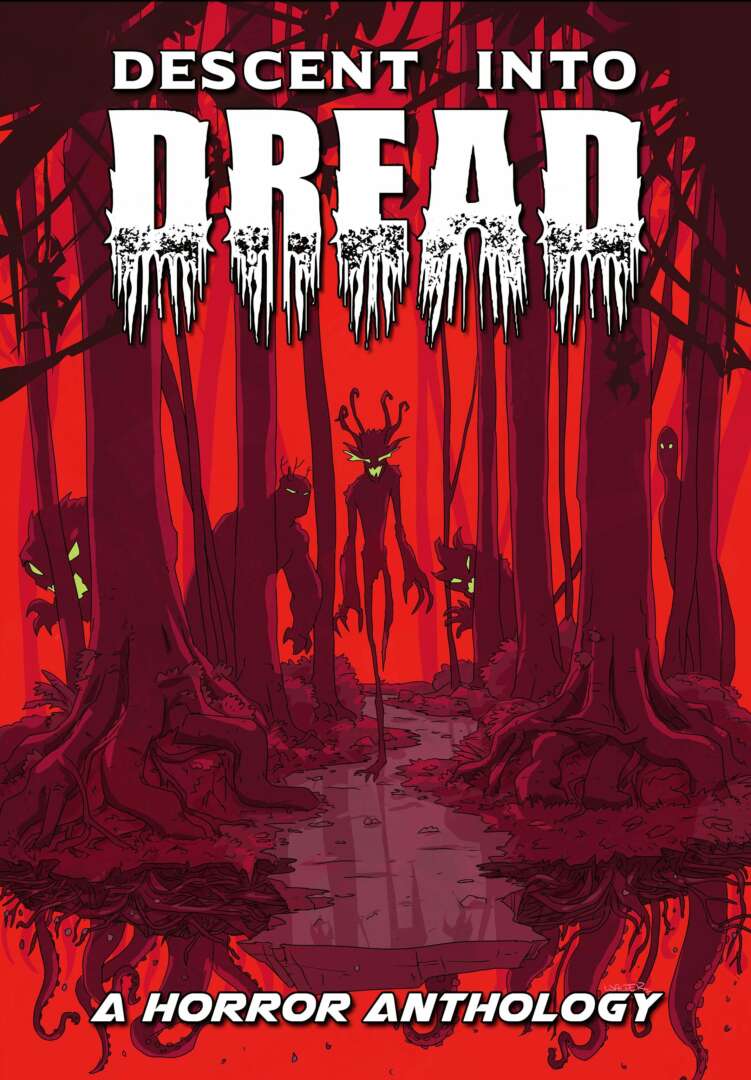
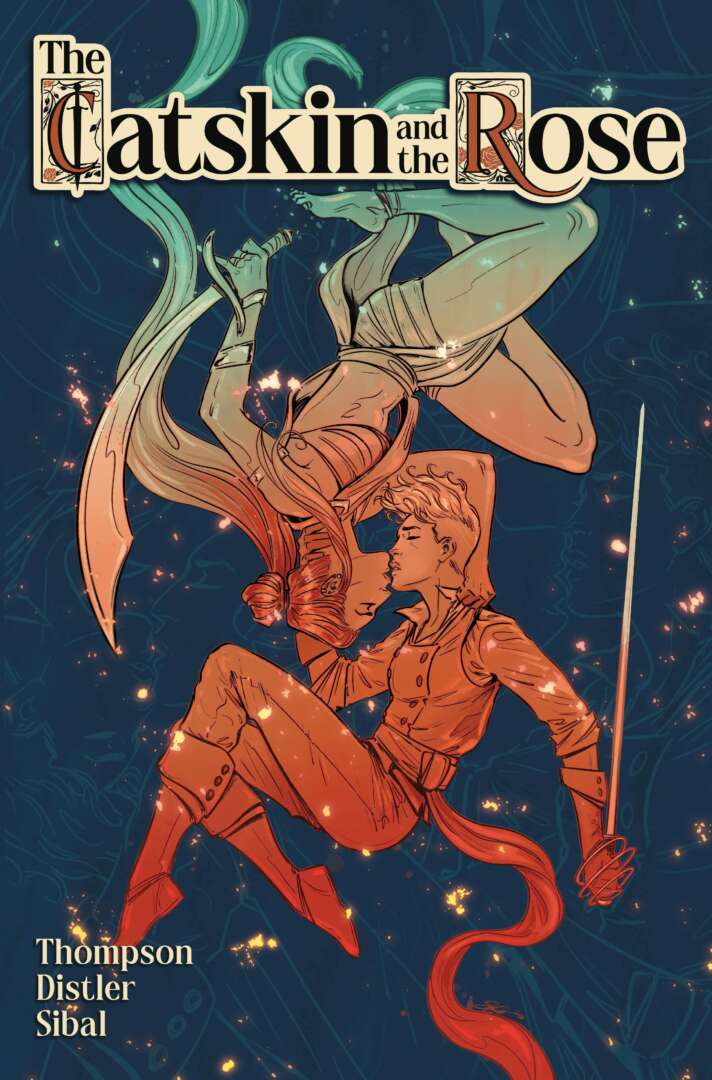

Image Credits
Frankenstein the Unconquered #1 Cover by Heather Vaughan
Smut #1 Cover by Bianca Milanez
The Catskin and the Rose Cover by Skylar Patridge
MechaTon Vol. 1 Cover by Fernando Pinto
Descent into Dread Cover by Walter Ostlie