

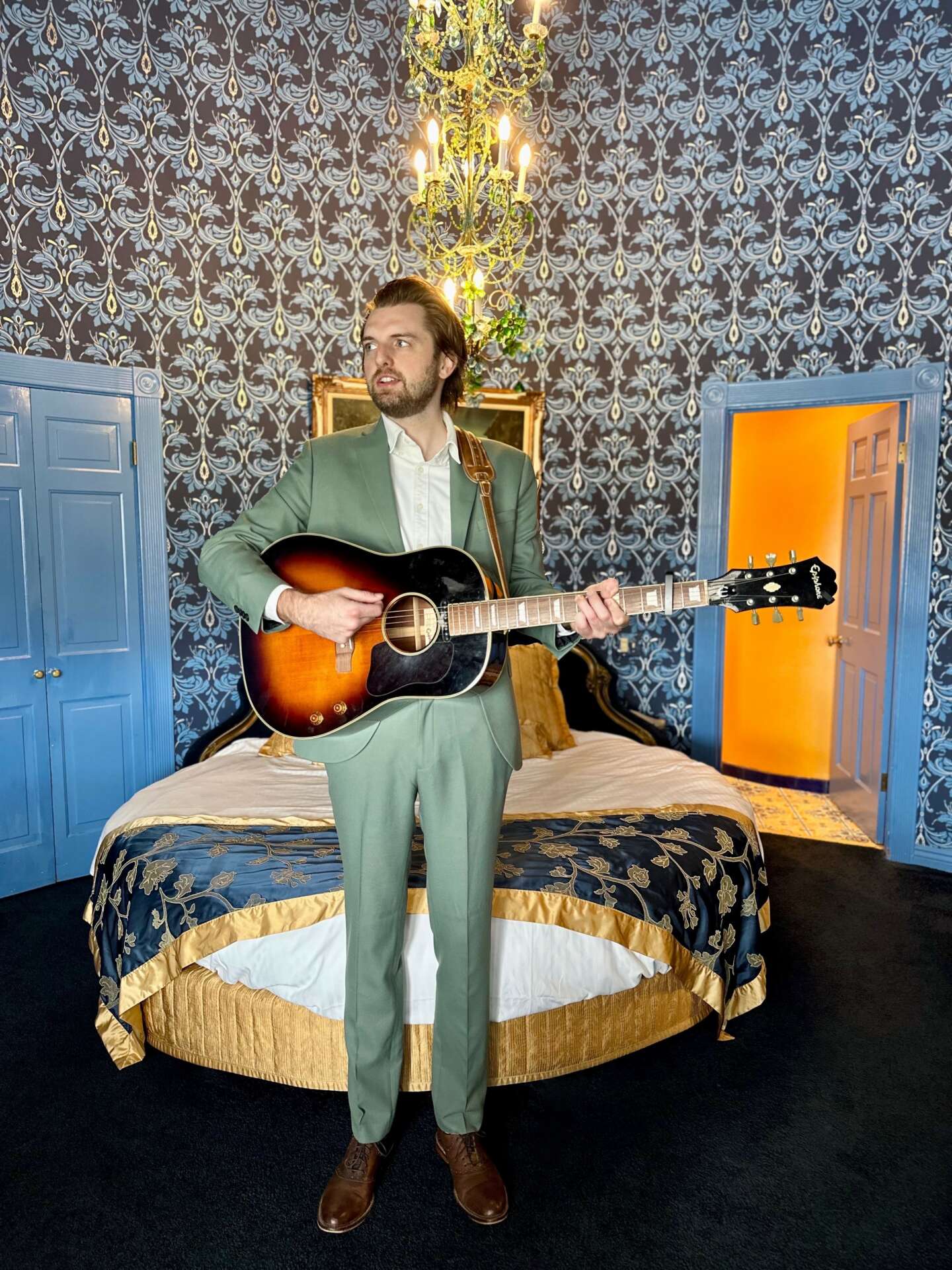

We were lucky to catch up with Wayne Whittaker recently and have shared our conversation below.
Alright, Wayne thanks for taking the time to share your stories and insights with us today. We’d love to hear about a project that you’ve worked on that’s meant a lot to you.
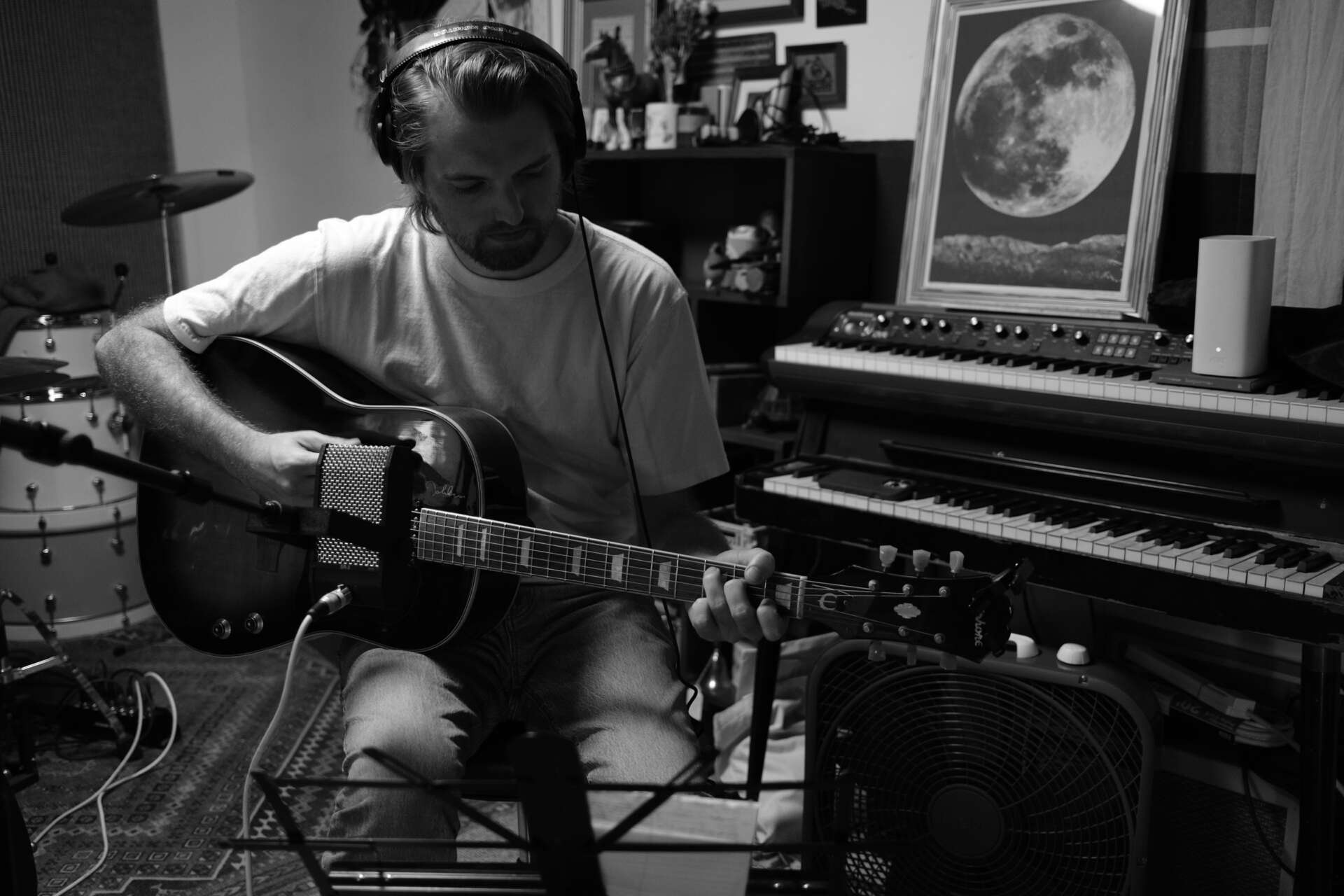
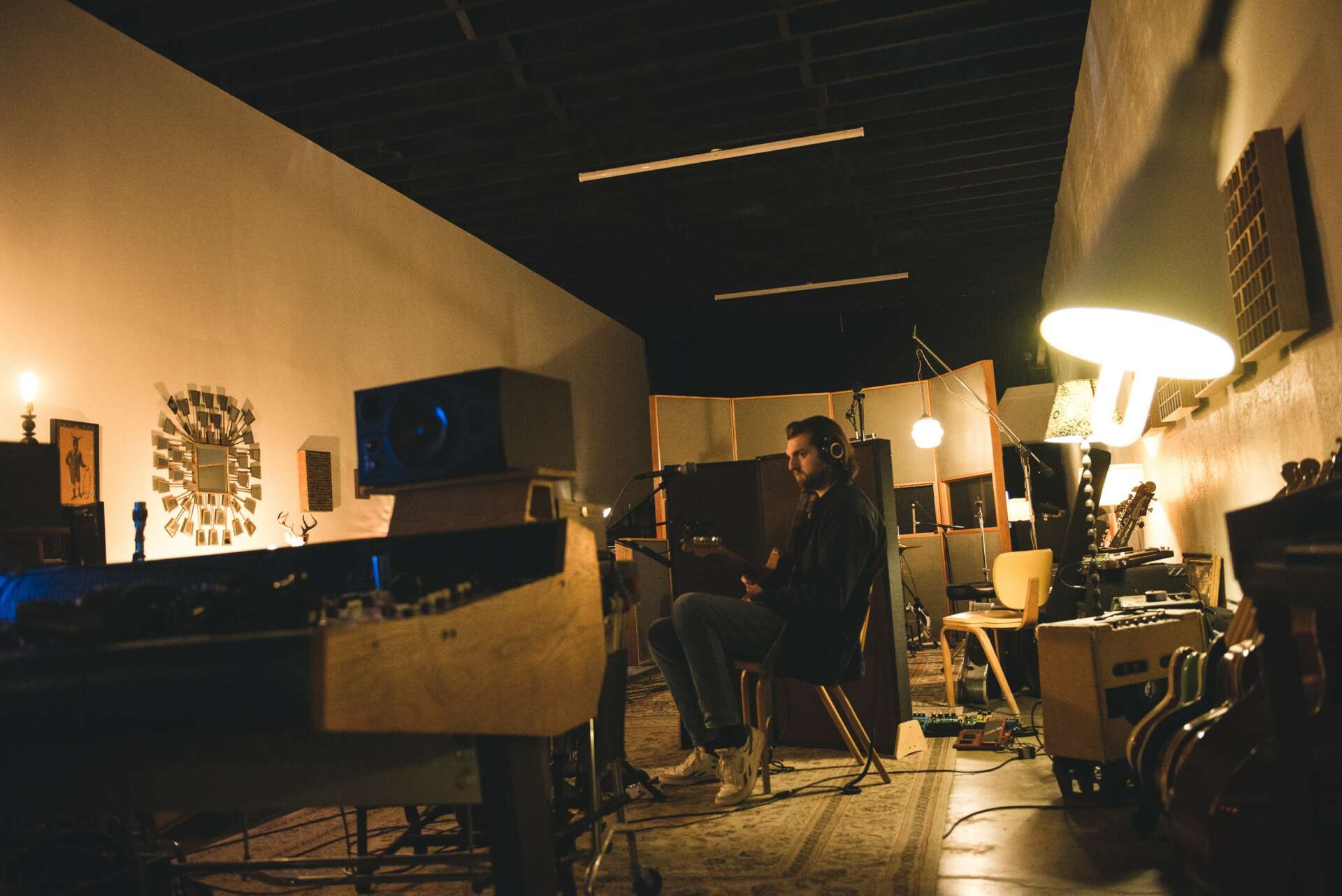
I’ve spent most of my musical life in a supportive role. I primarily consider myself to be a bass player, and most of my time is spent helping other people shape their musical ideas, and then to hopefully have those ideas translate either onto a record or on stage. I find it incredibly rewarding, my dream has long been to be a “go-to” session guy and I truly love what I do. It really wasn’t until about 5 years ago, when I moved to Los Angeles, that I decided to record songs of my own.
I did the singer-songwriter thing in my late teens and early 20s, and had co-written some songs over the years with my friend Dana Osterling for our old band Civic. It was always a more pleasant experience for me to hear her sing the ideas I came up with rather than to hear myself sing them. But when I moved out here, we weren’t able to maintain that kind of frequent working relationship and I was left with a bunch of songs and nobody else to foist them onto. So that was really the start of my project Pigeon Club.
I’ve gained a lot of confidence as a writer, a singer, and even as a guitar player through this project. And whereas with other projects I sometimes end up either being a co-pilot or a passenger to other people’s musical choices, Pigeon Club is my outlet to shape things from start to finish.
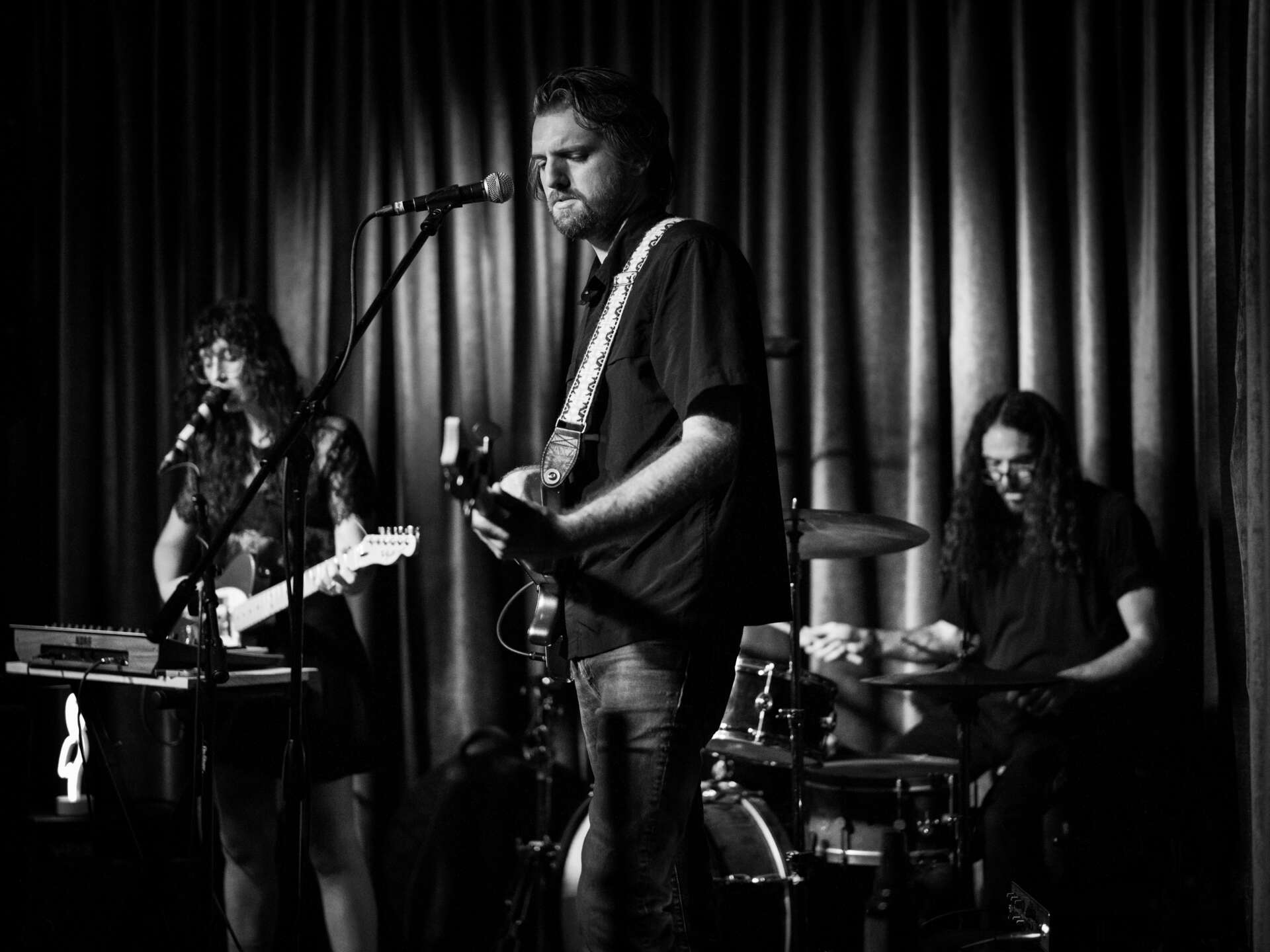
That’s not to say I do everything by myself. I owe so much to John Would and Amy Wood, who have been my most consistent collaborators and Pigeon Club’s biggest cheerleaders. Having them rally around a song or get excited about an arrangement will then in turn reignite the excitement I initially felt when I wrote the song, before the inevitable doubt and hesitancy kicked in. They’re the best, I feel very lucky to know them. And the same can be said for the many great friends/musicians I’ve had on Pigeon Club songs.
And you know just in general, I know it sounds corny, but I’ve come to know so many tremendously talented, kind, hard-working, hilarious people through music and I’m so grateful for those relationships.
Great, appreciate you sharing that with us. Before we ask you to share more of your insights, can you take a moment to introduce yourself and how you got to where you are today to our readers.
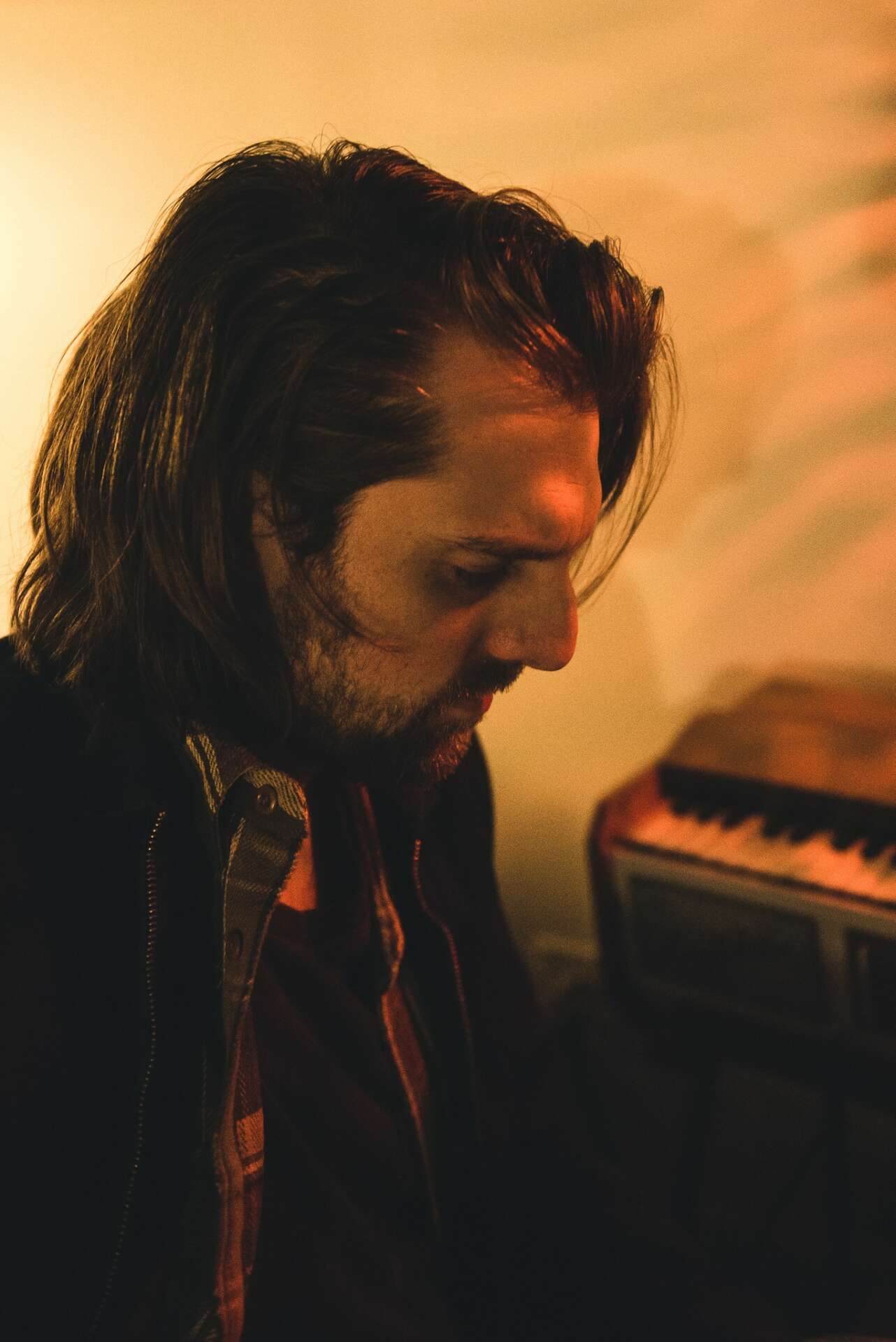
I recently hit the 20 year marker for my time playing music, so I’ve been at it for a little while now. These days I split my time between several projects for which I play bass, varying from full-time band member to gun-for-hire and occasionally somewhere in between. When I’m not doing that, I write and records songs of my own for my project Pigeon Club.
Outside of Pigeon Club, I’m particularly proud of the recent work I’ve done with Nini Fabi (Haerts), Sam Small, Magana, Tyler Ballgame, and Amy Wood, all of whom are releasing new music in the not so distant future.
When I’m brought onto a project I try to bring a combination of reliability, creativity, support, and levity. It’s hard enough to be vulnerable in our world, but when you mix in the fragile nature of the artistic ego the process of creating something can get pretty intense. I never want the artist I’m working with to have to worry about me – be it my preparation, my attitude, etc.
Being from Boston, I’m a big sports guy and believe it or not I’ve found inspiration in the simple Belichickian mantra of “do your job.” In the music industry there are so many things outside of your control, but if you focus on the things that you do have control over, it helps to quiet the mind a bit.
How can we best help foster a strong, supportive environment for artists and creatives?
Oh boy. I could write a dissertation on this topic, but at a certain point the tone may shift to “manifesto” so I’ll try and keep it brief.
We’ve been conditioned to expect unlimited access to the entire history of recorded music at all times for $10 a month. This isn’t going to work out well for artists. I mean, the results are already in. It doesn’t work. Music has become so invaluable to our culture that it’s essentially worthless.
The live music market has shifted lately to where it’s hard to see a marquee artist for under $100, which is kind of insane. Since the pandemic the costs of touring have risen to the point where it’s not feasible for a lot of bands to even go out. Artists are expected to take on a tremendous amount of debt for the privilege of driving 10 hours and playing a show to 50 people, and now some venues want to take a cut of their merch sales, too.
There’s very little money going to independent artists. Like our country itself, the industry’s middle class has completely collapsed. People seem less willing to go out to smaller shows. Maybe that’s so they can save up money for when a blockbuster artist plays their local football stadium, or maybe there’s some residual covid anxiety.
This may all sound doom and gloomy, but I do have some simple advice for anyone looking to help the creative ecosystem: support local musicians, support local venues, support local shows. Buy an album or a t-shirt directly from an artist you love. And most of all, let the artists that you love know how much you appreciate them. A few words of encouragement will go a long way these days.
Is there a particular goal or mission driving your creative journey?
Like a lot of things I do, I don’t think I could put it any better than Bob Dylan already has. “I was born very far from where I’m supposed to be, and so, I’m on my way home.”
Contact Info:
- Website: waynewhittaker.com
- Instagram: instagram.com/waynewhittakermusic
- Other: instagram.com/pigeonclubmusic
Image Credits
Jeni Magana, Andi Taylor, & Amy Wood