

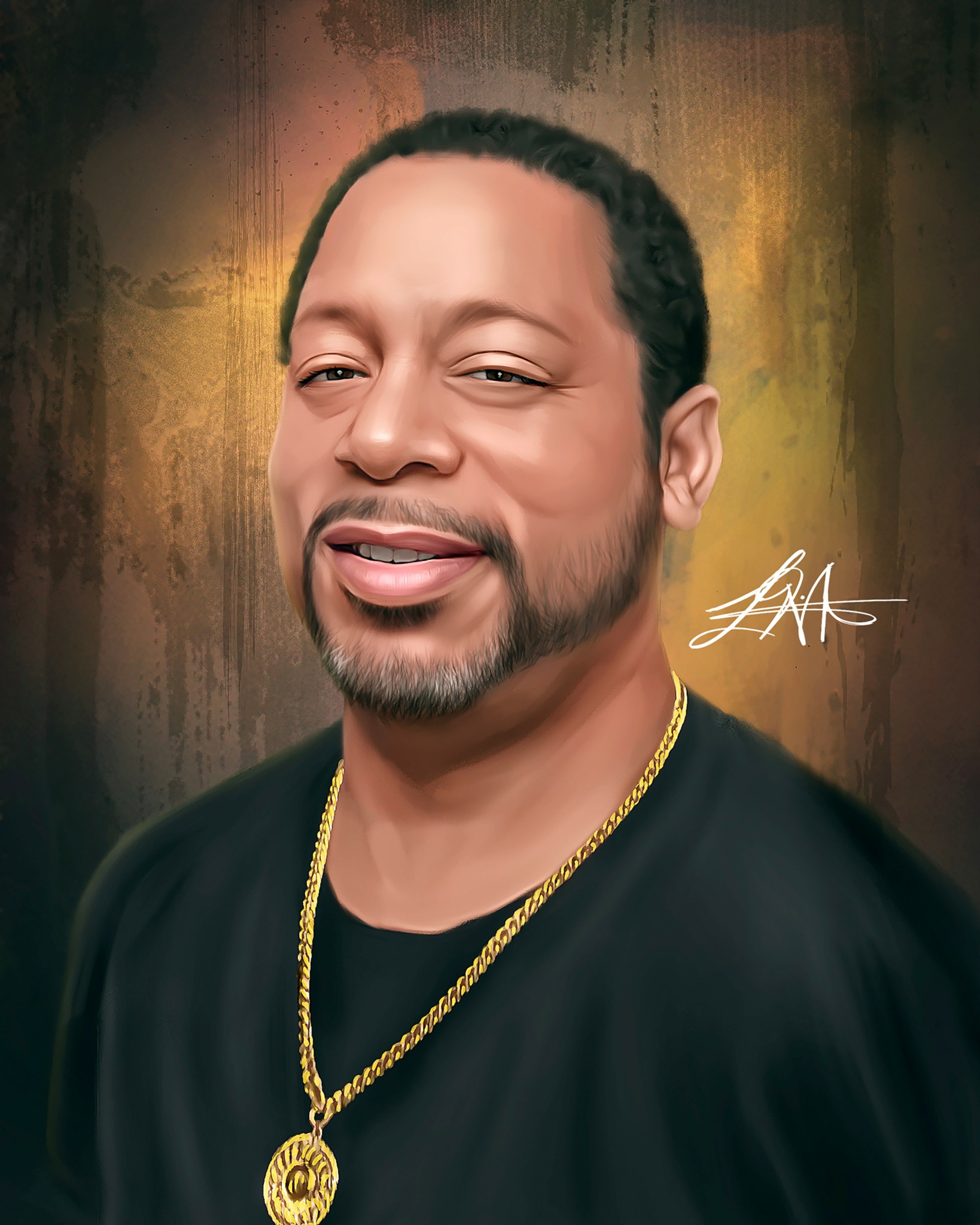

We recently connected with Wayne Flint and have shared our conversation below.
Alright, Wayne thanks for taking the time to share your stories and insights with us today. Earning a full time living from one’s creative career can be incredibly difficult. Have you been able to do so and if so, can you share some of the key parts of your journey and any important advice or lessons that might help creatives who haven’t been able to yet?
This is a question I love getting, because the journey to a full-time creative life is rarely a straight line. The short answer is **yes, I am now able to earn a full-time living from my art,** but it was absolutely not like that from day one. The path was a mosaic of passion, persistence, and strategic pivots.
**In the beginning, it was purely about the craft.** I was a digital painter, period. My focus was on mastering the tools—my graphics tablet, Adobe Fresco, Photoshop—and developing a voice that felt uniquely mine. The early “income” wasn’t financial; it was in the form of validation. Each piece I finished, each positive comment, and especially that **first feature in an Adobe curated gallery** was a milestone that fueled me. It proved I was on the right track creatively, even if my bank account didn’t know it yet.
The shift from passionate hobbyist to professional required a fundamental change in mindset: **I had to start thinking of my art as a business.** This was the single biggest step. It meant no longer just creating what I loved in a vacuum, but understanding the market, building a brand, and diversifying my revenue streams.
The major milestones that built this foundation were:
1. **The Power of Platform Recognition:** Being featured by **Adobe not once, but consistently over time,** was the catalyst. It wasn’t just about prestige; it was a massive visibility engine. It put my work in front of millions of creatives and potential clients worldwide, instantly validating my technical skill and artistic vision. This led directly to my first significant sales and commissions.
2. **Strategic Press and Visibility:** I became proactive about my narrative. Interviews with publications like **Canvas Rebel, VoyageHouston, and Business Insider** weren’t just ego boosts; they were strategic tools. They told my story, built my credibility, and helped me connect with a broader audience beyond the digital art sphere, reaching collectors and corporate clients.
3. **Diversifying the “Artistic” Income:** I learned that a sustainable career isn’t built on one pillar. My income now comes from a blend of:
* **Original Art Sales & Auctions:** The primary driver, with works finding homes through galleries and competitive auctions.
* **High-Profile Exhibitions:** Showing at venues like **ArtHouse NYC and 62 West Gallery** introduced my work to the traditional art-buying audience and significantly increased the value of my pieces.
* **Commercial & Licensing Opportunities:** My distinct style led to collaborations with organizations like the **LA Zoo and San Antonio Zoo**, blending my love for wildlife with commercial projects.
* **Curatorial Work:** My role as Curator at **Black Digital Art®** allows me to engage with the art ecosystem from a different angle, supporting other artists while providing a stable revenue stream.
**Could I have sped up the process?** With the wisdom of hindsight, perhaps. I might have spent less time in the “starving artist” mindset and embraced the “CEO of my art” mentality sooner. I would have told my younger self to **build an audience from day one,** not just a portfolio. To see every piece of press, every social media post, and every gallery submission as part of a larger business strategy.
But I don’t believe in shortcuts. The struggle was necessary. It forged the resilience and business acumen I have today. The journey itself—from the solitary artist in San Antonio to the curated artist in global galleries—is the story that makes the success meaningful. The “overnight success” was, in reality, years in the making, built one brushstroke, one submission, and one strategic decision at a time.
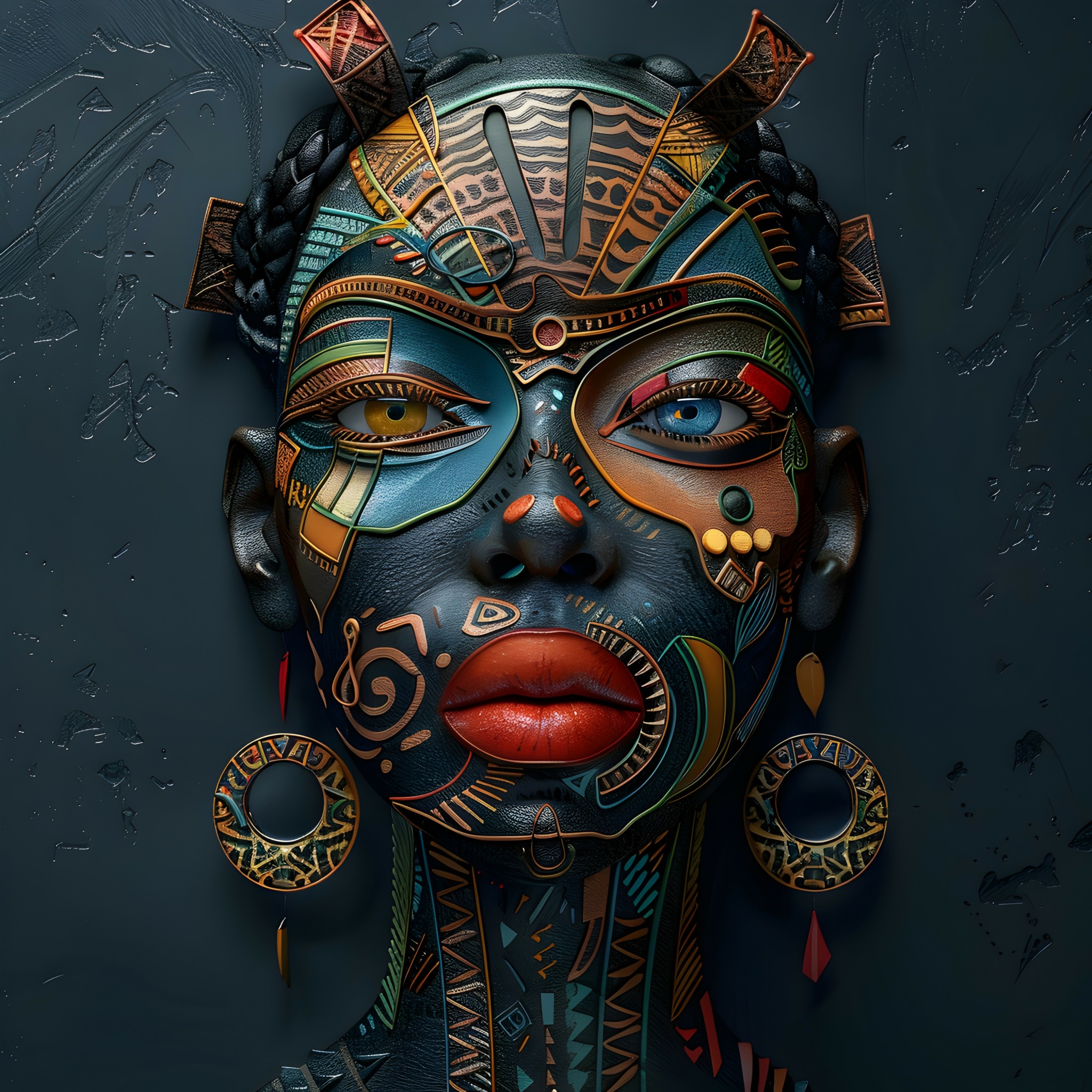
As always, we appreciate you sharing your insights and we’ve got a few more questions for you, but before we get to all of that can you take a minute to introduce yourself and give our readers some of your back background and context?
Thank you for having me back—it’s always a pleasure to connect with your readers. For those just getting to know my work, I’m Wayne Flint, a professional digital painter and curator, and my world exists at the intersection of fine art and digital innovation.
My journey into this craft began with a deep-seated love for traditional painting and a fascination with the boundless potential of technology. I was drawn to the immediacy and versatility of digital tools—the ability to create a vibrant, textured oil painting and a delicate watercolor study all on the same canvas, without ever cleaning a brush. This passion evolved from a personal exploration into a professional discipline, fueled by thousands of hours of practice and a relentless drive to push what was possible with a digital brush.
The work I create primarily falls into the realm of contemporary digital fine art. I specialize in creating captivating wildlife portraits, evocative human studies, and dynamic impressionist scenes. But more than just creating images, I aim to breathe life and soul into the digital realm. My pieces are known for their vibrant color palettes, expressive textures, and a sense of palpable energy that makes them feel both modern and timeless.
What I believe sets my work apart is a combination of technical mastery and a distinct artistic voice. Being featured in the Adobe Photoshop and Fresco Curated Galleries an astonishing 32 times isn’t just a line on a resume; it’s a testament to a level of technical excellence that Adobe itself recognizes as being in the top fraction of a percent of artists worldwide. But beyond the technique, it’s the emotion in the work. I strive to capture more than a likeness; I aim to capture a feeling, a moment of tension or harmony, that resonates on a human level.
In terms of the “problems I solve” for clients and collectors, it’s about providing unique, high-impact art that carries both emotional weight and proven market value. This manifests in two key ways:
For the Art Collector: I create statement pieces for galleries and auctions that are beautiful focal points and sound investments, proven by competitive bidding at national art auctions.
For the Commercial Brand: I provide visionary art that drives commerce. My distinctive style has caught the eye of major brands, leading to collaborations where my art is translated into best-selling products. For instance, my work was noticed by DGK, a premier skateboard manufacturer, and I created a piece for them that now sells in Dick’s Sporting Goods nationwide. Furthermore, the national fashion retailer Ashley Stewart discovered my work on social media and created a graphic tee featuring my art, which now sells in 80 locations across 22 states.
What I am most proud of… that’s a difficult one. While the Adobe features and these major retail collaborations are huge professional milestones, I think I’m most proud of the broader impact of my journey. I’m proud to be a visible part of the movement that has cemented digital painting as a legitimate and respected fine art medium. I’m proud to use my platform as Curator at Black Digital Art® to uplift and showcase other incredible digital artists. And I’m proud that my story—from a passionate artist in Texas to an artist whose work is collected, exhibited, and now worn and used by people across the country—can inspire others to pursue their own unconventional paths.
Ultimately, I want potential clients, followers, and fans to know a few key things about my work:
It’s Authentic: Every piece is a personal exploration, a part of my story.
It’s Technically Elite: You are investing in a work that represents the pinnacle of digital craft.
It Has Mainstream Impact: My art successfully transitions from gallery walls to retail shelves, proving its powerful appeal and versatility.
At its heart, my brand is about proving that passion, when paired with discipline and a willingness to evolve, can create a life and a body of work that is truly electrifying.
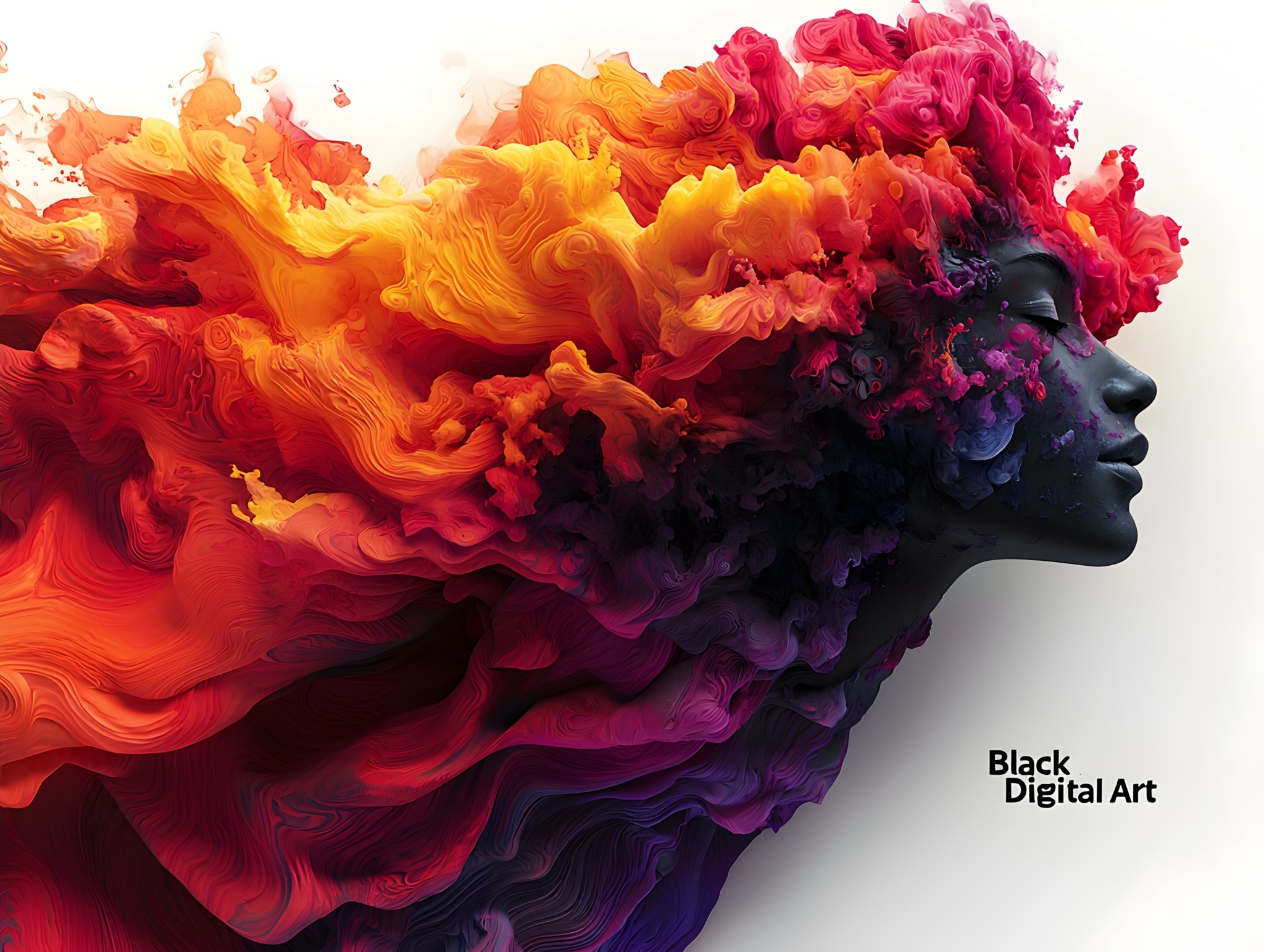
We’d love to hear the story of how you built up your social media audience?
Building an audience on social media is a chapter in my story that was just as intentional and crafted as any of my paintings. It wasn’t an accident; it was a strategy built on consistency, quality, and community.
The foundation was, and always will be, the work itself. I knew I couldn’t just post anything and expect people to care. I focused on creating a strong, cohesive body of work that had a clear point of view. Before I worried about algorithms, I worried about aesthetics. Every piece I posted had to be portfolio-quality. This established a level of expectation—when people came to my profile, they knew they would see professional, polished art that was worth their follow.
My strategy had several key pillars:
Leveraging “Social Proof” from Day One: My first major break was being featured in the Adobe Curated Galleries. I didn’t just treat this as a personal victory; I used it as rocket fuel for my social media. Every feature was content. I would create posts, stories, and reels celebrating the feature, always tagging Adobe and using relevant hashtags. This did two things: it gave me credibility for new visitors (“Adobe thinks he’s great, so he must be”), and it put my work directly in front of Adobe’s massive, art-loving audience. This was a huge source of early, high-quality growth.
Embracing the “How”: People are fascinated by process, especially in digital art where the journey from blank canvas to finished piece can seem like magic. I started sharing time-lapse videos of my work. These short, satisfying videos became some of my most engaging content. They demystified my process, showcased my technical skill, and held people’s attention in a way that a static image sometimes couldn’t. It turned passive viewers into engaged fans who felt they were getting a behind-the-scenes look.
Strategic Hashtagging & Engagement: I was very deliberate with hashtags. I used a mix of massive, broad hashtags (#digitalart, #photoshop) and highly specific, niche ones (#wildlifeart, #africanamericanart). More importantly, I didn’t just post and run. I made it a point to engage in the communities built around those hashtags, offering genuine comments on other artists’ work and responding to every single comment on my own posts. This built a sense of community, not just a following.
Turning Press into Social Momentum: Every interview I did, whether with Canvas Rebel, VoyageHouston, or Business Insider, became a multi-part social media campaign. I’d share the article, thank the publication, and create quote graphics from the interview. This extended the life of the press, gave my audience deeper insight into my story, and provided “off-calendar” content that was rich and personal.
My advice for those just starting out:
Quality Over Quantity (At First): It’s better to post one stunning piece a week than seven mediocre ones. Define your style and make every post count.
Your Niche is Your Superpower: Don’t try to appeal to everyone. The fact that I focused on vibrant wildlife and portraiture within a digital paint style helped me stand out. Find what you love that also feels unique to you, and double down on it.
Be a Person, Not a Logo: Share your struggles, your sketches, your studio setup. People connect with artists, not just art. Let them see the person behind the brush.
Consistency is King: The algorithm rewards reliability. Create a posting schedule you can realistically maintain. It keeps you top-of-mind and trains your audience to expect new content from you.
Collaborate and Cross-Pollinate: Some of my biggest growth spurts came from collaborations or shout-outs from other artists and brands. The DGK and Ashley Stewart collaborations are perfect examples—their audiences became my audience.
The most important thing to remember is that social media is a marathon, not a sprint. It’s a digital gallery, a networking event, and a personal journal all in one. Build it with patience, authenticity, and a relentless focus on your craft, and the audience will find you.
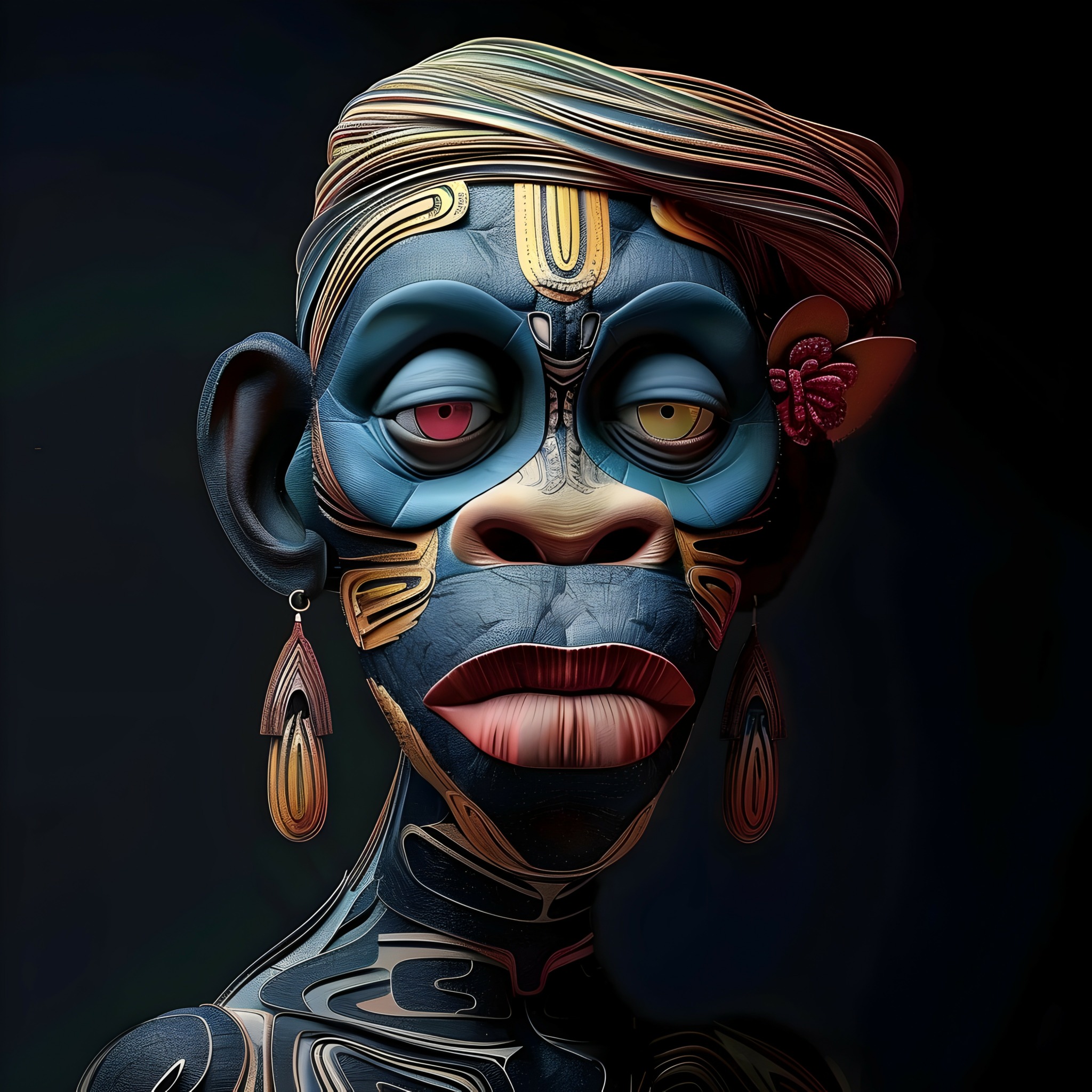
What can society do to ensure an environment that’s helpful to artists and creatives?
This is a conversation I’m passionate about, both as an artist and as a curator. A thriving creative ecosystem isn’t a luxury; it’s a sign of a healthy, innovative, and empathetic society. Based on my journey, from the solitary act of creation to seeing my work in national retailers and galleries, I believe support needs to be a multi-layered effort.
1. Redefine “Value” Beyond Commerce.
The first and most crucial shift is a mental one. Society often measures an artist’s success by their sales. While earning a living is vital, we must collectively learn to value art for its intrinsic worth—its power to inspire conversation, foster empathy, preserve culture, and simply bring joy. This mindset opens the door to all other forms of support.
2. Patronage in the Modern Age: Buy the Art.
The most direct form of support is financial. This doesn’t just mean million-dollar auctions; it means normalizing the act of buying art from living artists.
For Individuals: Commit to buying an original piece or a high-quality print from an emerging artist once a year instead of a mass-produced poster. The connection it creates is invaluable.
For Corporations: We need more companies like DGK and Ashley Stewart who proactively seek out artists, license their work fairly, and integrate authentic creativity into their products. This isn’t charity; it’s smart business that infuses brands with fresh energy and supports the arts.
3. Institutional Advocacy: Fund, Educate, and Platform.
Education: Integrate robust arts funding back into public schools and support community workshops. This isn’t about creating more artists; it’s about creating a future audience that understands and values creativity.
Grants & Funding: Simplify the process for municipal, state, and corporate grants. So much creative energy is wasted on byzantine application processes. We need more accessible, no-strings-attached funding that allows artists to experiment and take risks.
Platforms with Purpose: Galleries, both physical and digital, must continue to evolve. As a curator at Black Digital Art®, my mission is to be more than a gatekeeper; it’s to be a bridge. We need more institutions that actively mentor artists, teach them the business side, and platform underrepresented voices.
4. Embrace and Validate Digital as Fine Art.
My career is a testament to this need. For too long, digital art was seen as a “lesser” medium. Society can support artists by letting go of outdated hierarchies. The 32 features in the Adobe Galleries helped change that perception for me, but the shift needs to continue in the press, in prestigious galleries, and in the minds of collectors. The tool doesn’t define the art; the vision and skill of the artist do.
5. Cultivate Critical Conversation.
We need more art critics, journalists, and influencers who are dedicated to covering the creative process and not just the art market. In-depth interviews, like this one, that explore the “why” and “how” behind the work are essential. This builds intellectual engagement and helps the public understand the depth of thought behind the visuals.
Ultimately, supporting artists is about building a culture of conscious consumption and active participation. It’s about choosing to invest in a local artist’s print, advocating for arts education in your school district, visiting a gallery opening, or simply sharing an artist’s work you love online.
When society sees itself not just as a passive audience, but as an active participant in the creative ecosystem, that’s when true magic happens. We all become patrons, and we all reap the rewards of a more beautiful, thoughtful, and inspired world.
Contact Info:
- Website: https://linktr.ee/wayneflint
- Instagram: https://www.instagram.com/blackdigitalart
- Facebook: https://www.facebook.com/blackdigitalart
- Other: https://www.teepublic.com/user/black-digital-art
https://www.legaleriste.com/en/wayneflint
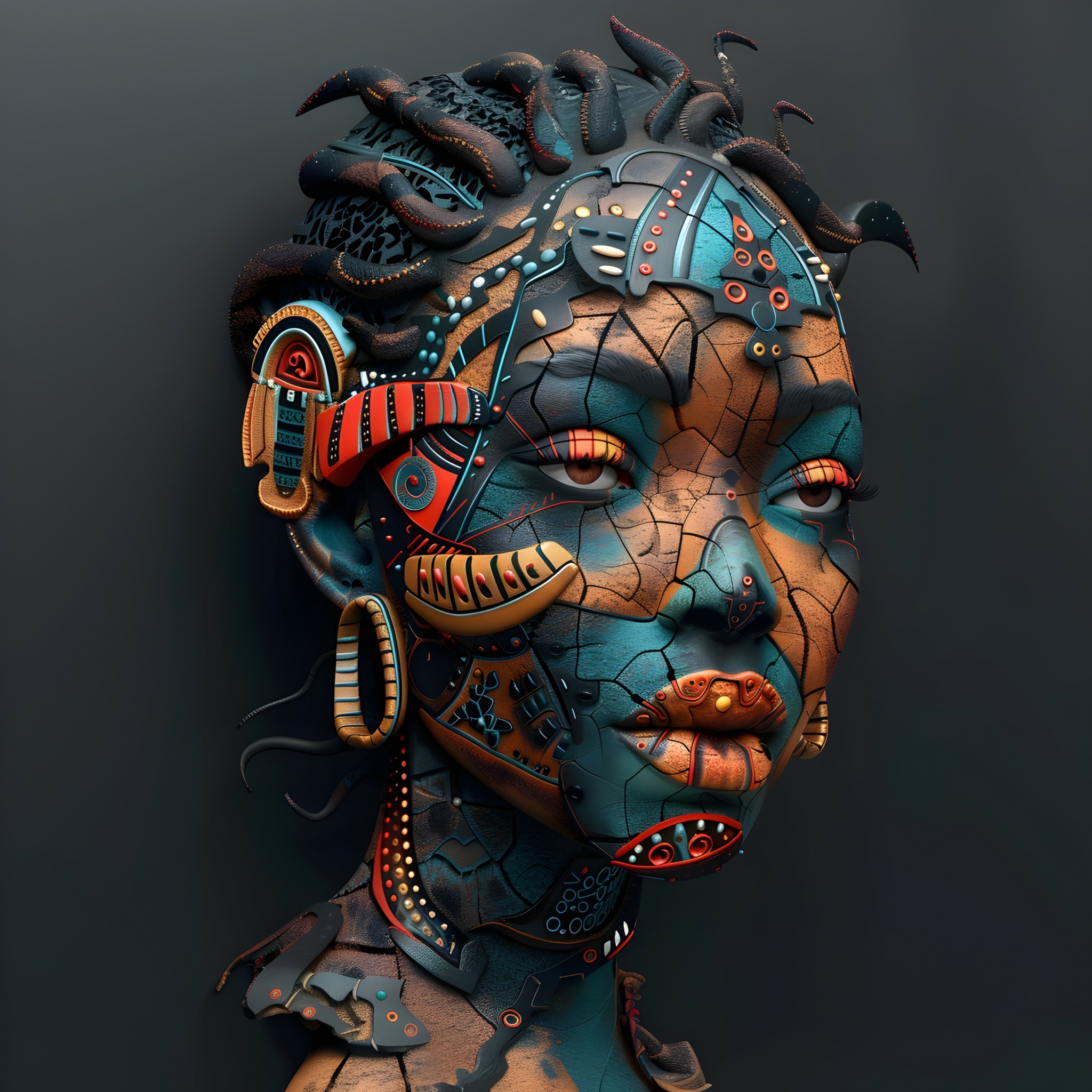
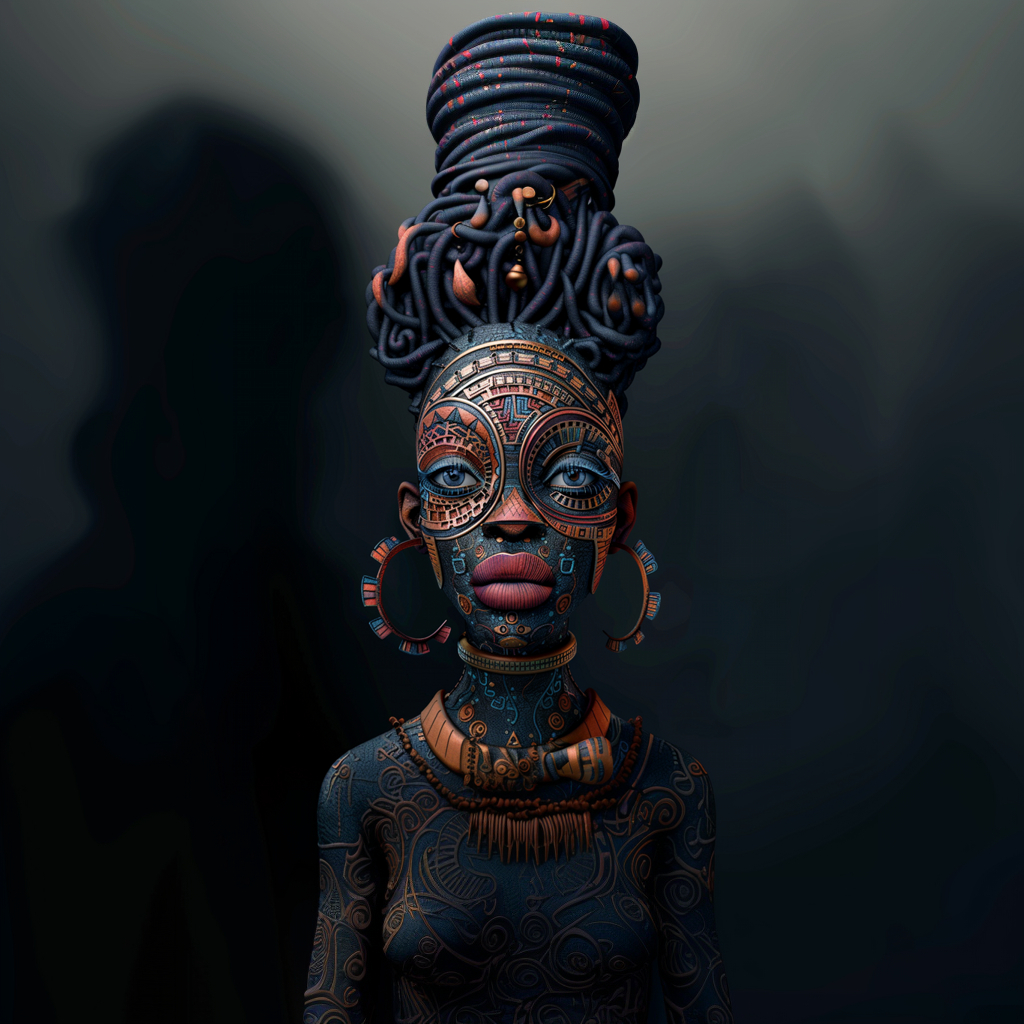
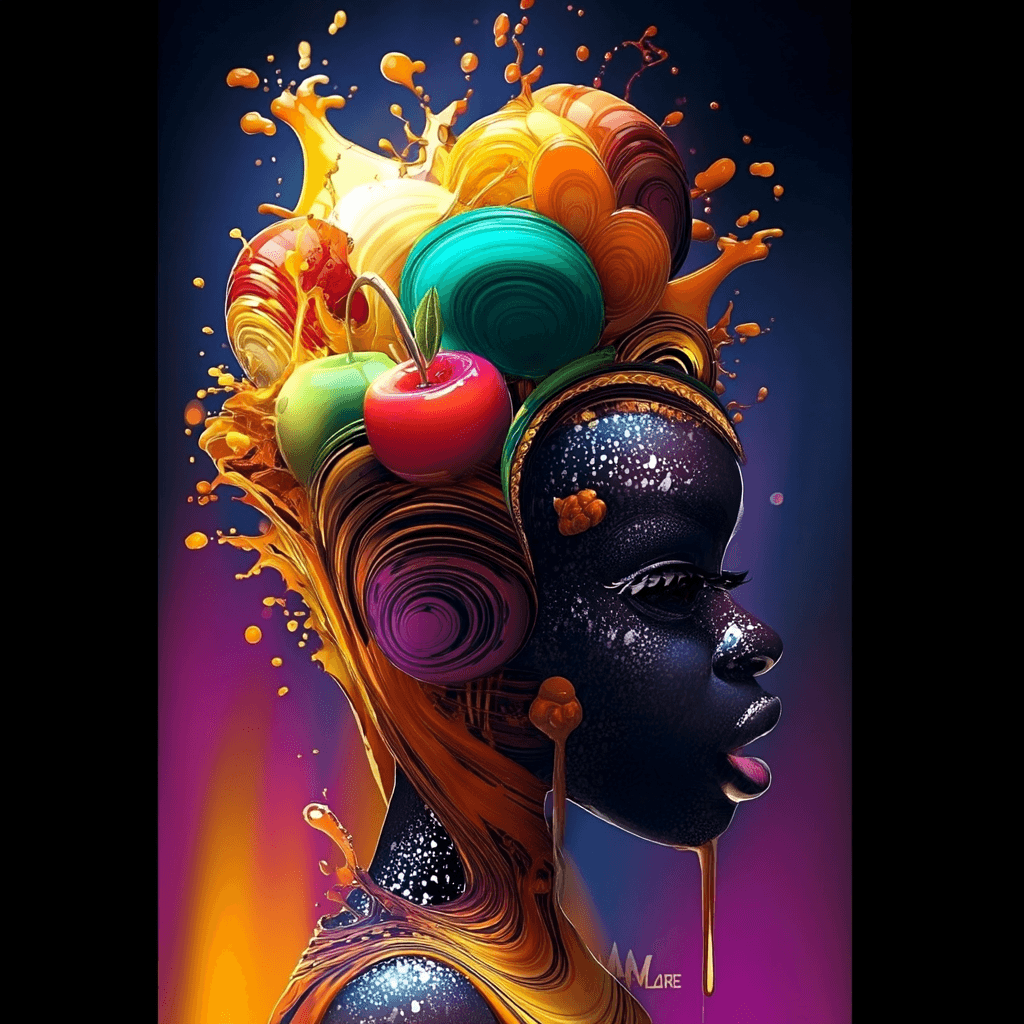
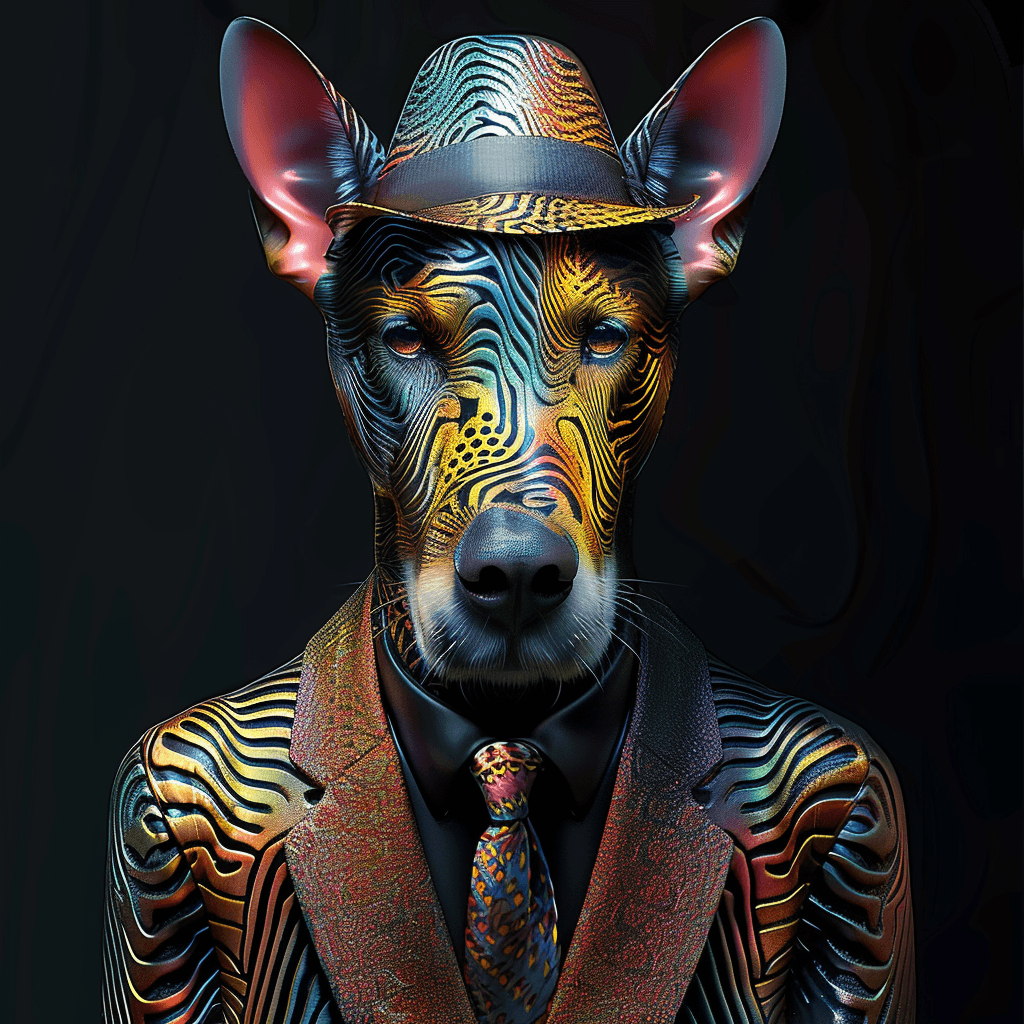
Image Credits
Adobe
DGK
Ashley Stewart
Black Digital Art®