



We caught up with the brilliant and insightful Walter Porras a few weeks ago and have shared our conversation below.
Walter, appreciate you joining us today. Are you able to earn a full-time living from your creative work? If so, can you walk us through your journey and how you made it happen?
The Intersection of Creativity, Business, and Technology: Scaling a Full-Time Creative Career
Turning creativity into a full-time, sustainable career is both an art and a strategy. While talent is essential, success in today’s industry demands a mix of business acumen, adaptability, and an understanding of how technology is reshaping content creation.
For many creatives, the transition from passion projects to a stable, revenue-generating career is rarely instant. It requires strategic positioning, brand development, and an evolving skill set that aligns with industry needs. Defining your creative identity—understanding what makes your work unique and who your audience is—is the foundation. From there, a strong digital presence, a well-curated portfolio, and leveraging AI-driven tools can amplify reach, optimize production, and scale content across multiple platforms.
How My AI Journey Transformed My Career
AI wasn’t always part of my business strategy. In fact, my first exposure to AI was during my time working as a Senior Director Consultant in China, where I was leading creative teams and branding initiatives. At first, AI was more of a personal curiosity—a hobby that I explored in my free time, testing tools that could enhance visual storytelling and design workflows. But as I experimented, I began to realize its true potential.
What started as simple creative exploration quickly turned into a business strategy. I saw firsthand how AI could enhance efficiency, streamline content production, and create entirely new forms of visual communication. Instead of replacing creativity, AI became an extension of it, allowing me to push the boundaries of branding, digital campaigns, and high-end editorial design.
Fast AI-Powered Content & Video for Global Clients
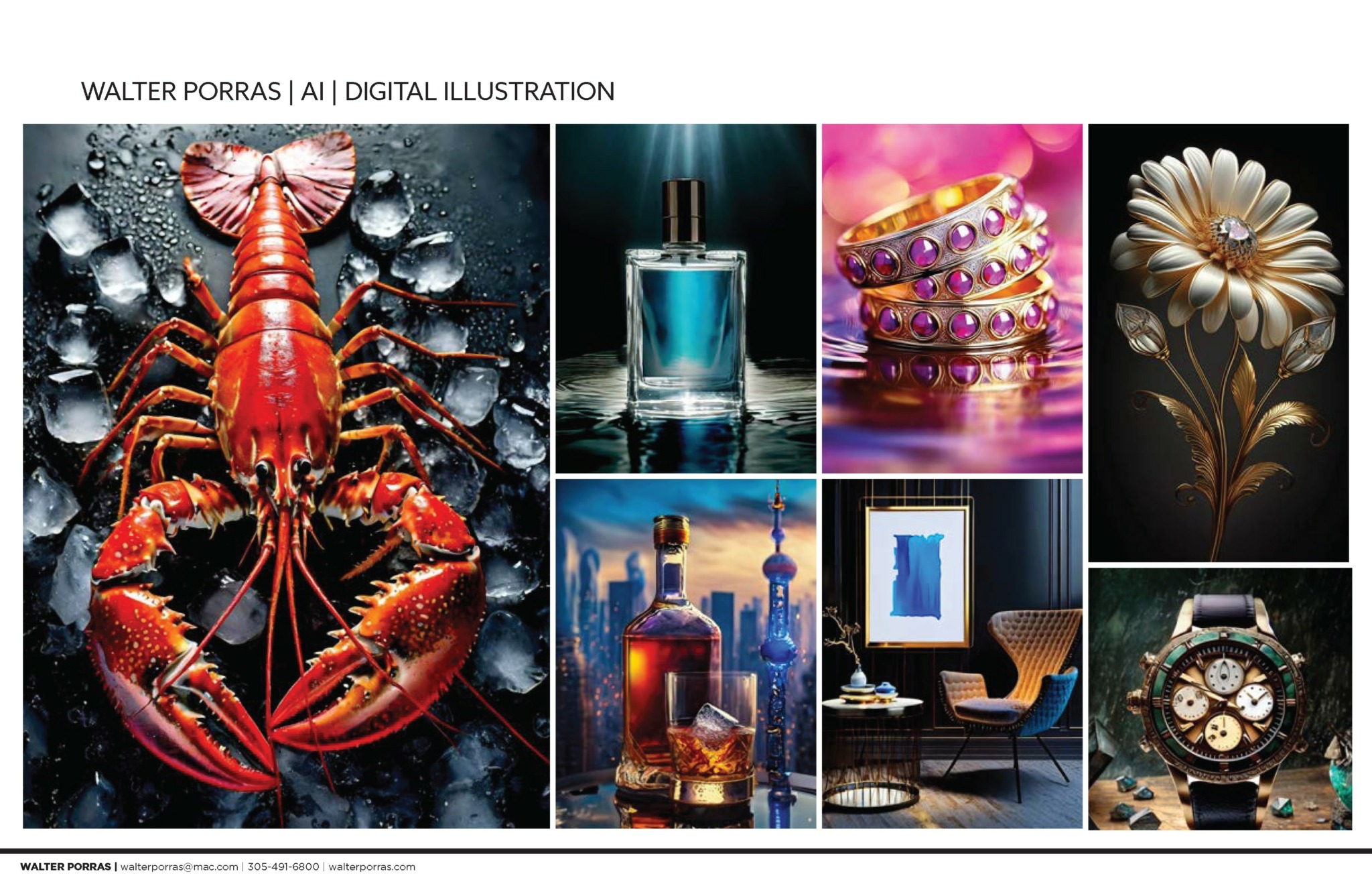
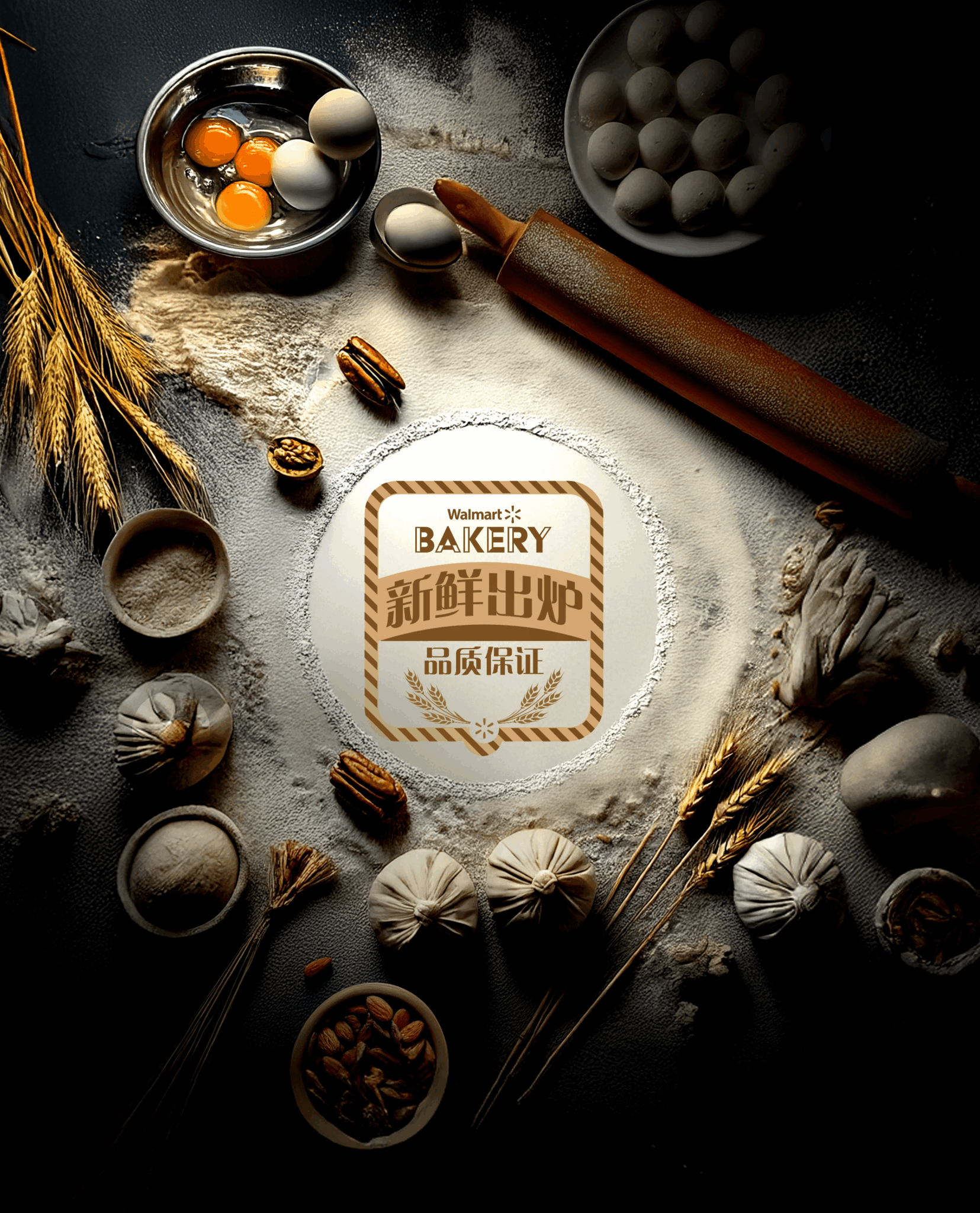
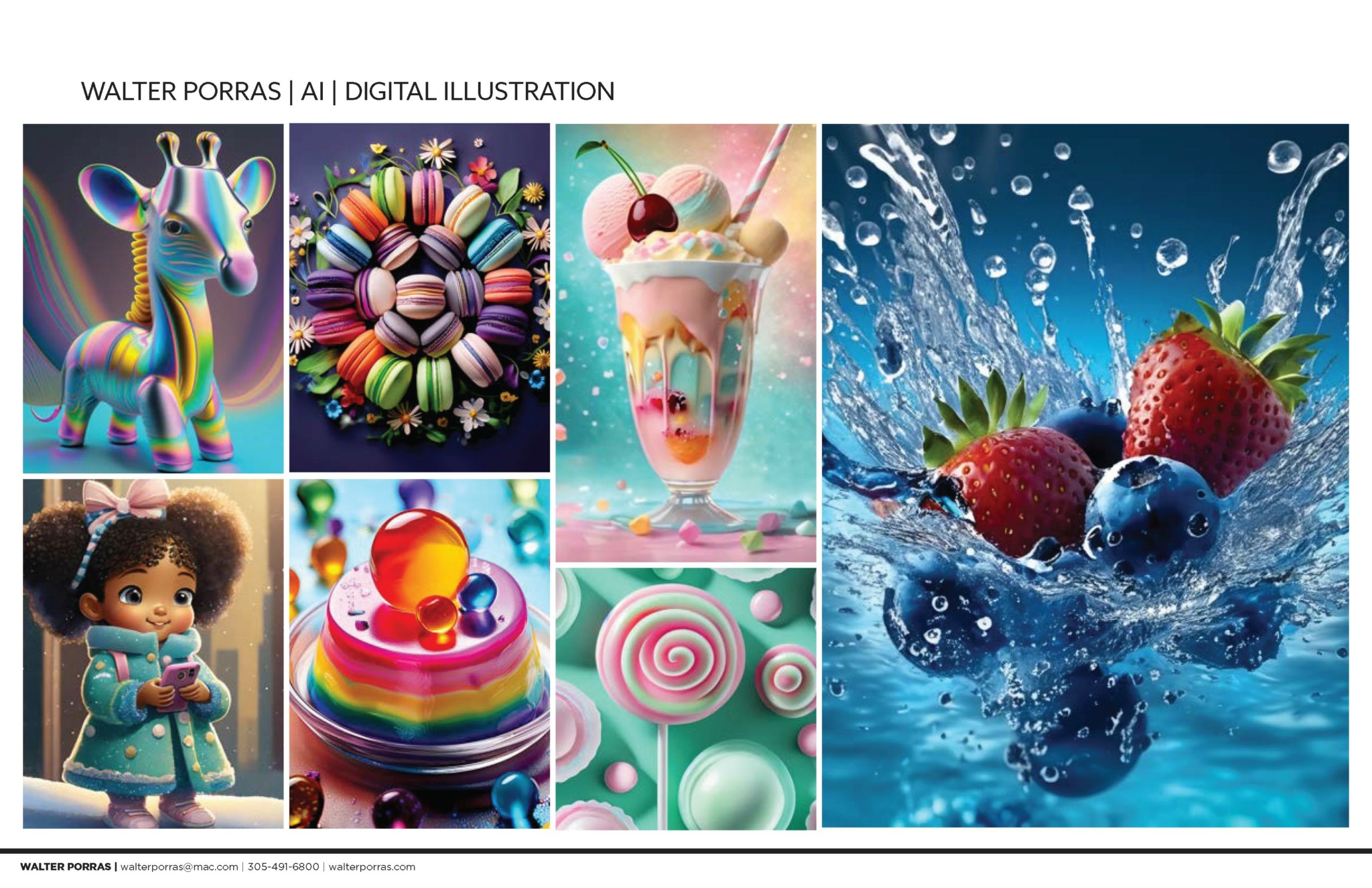
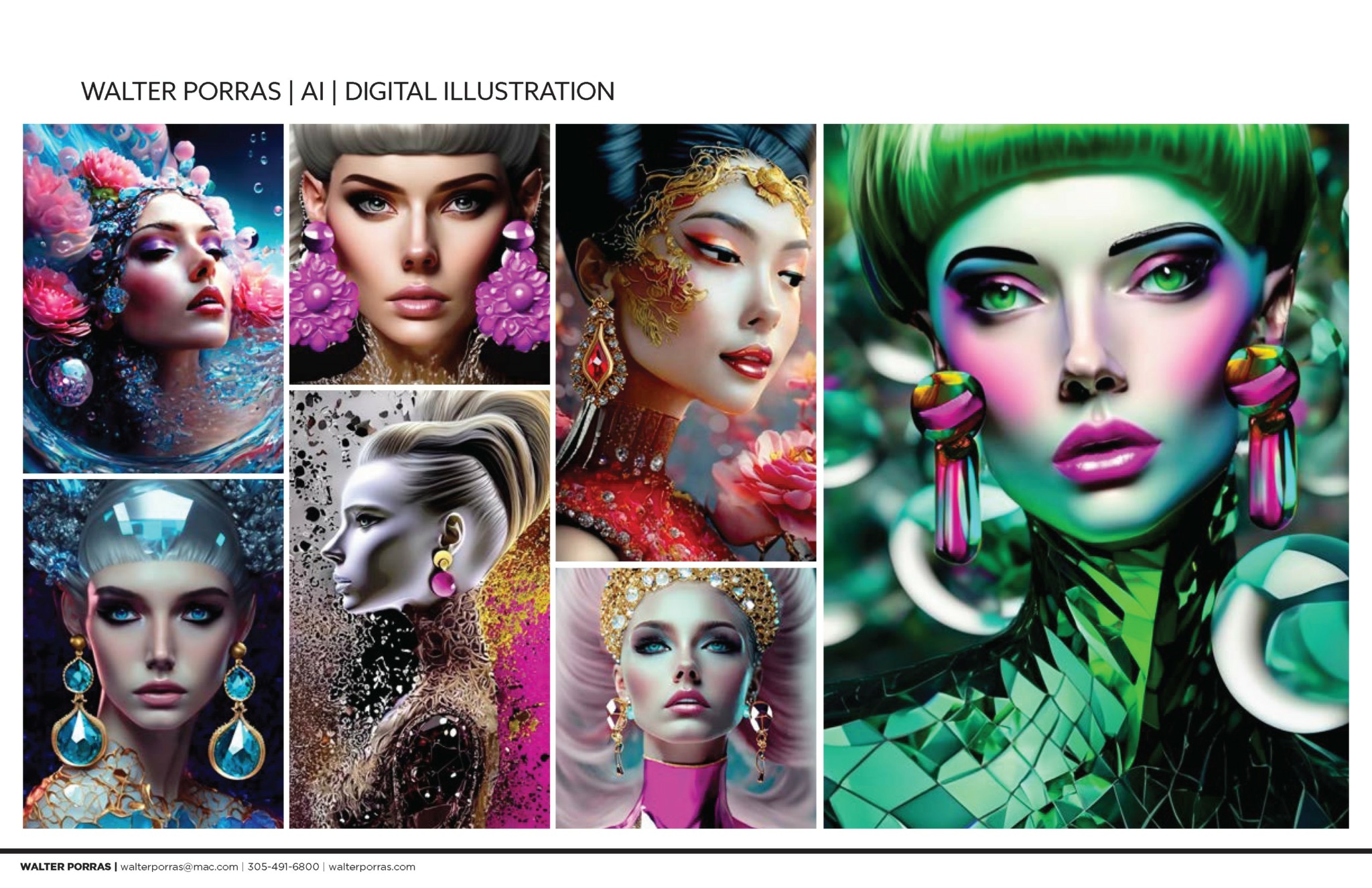
Now, I’m developing an AI-powered image and video content generator to support my social media projects for clients in different countries. This technology allows me to rapidly create high-quality, visually striking content that is both scalable and tailored to each brand’s unique identity.
With today’s demand for fast, engaging, and personalized digital content, AI-driven solutions have become a game-changer for brands that need to stay relevant across multiple platforms. Whether it’s fashion, food, consumables, or high-end branding, the ability to generate content at scale while maintaining creative excellence is what sets modern creatives apart.
However, talent and visibility alone aren’t enough. To build longevity in a creative career, handling stress, managing client relationships, and setting business-minded boundaries are just as critical as the work itself. The most successful creatives don’t just produce outstanding visuals—they understand the importance of negotiation, pricing strategy, and long-term partnerships that provide financial stability.
Technology, especially AI-enhanced design and automation, is reshaping the way creatives operate. AI isn’t replacing artists—it’s expanding the possibilities for storytelling and content creation. Creatives who embrace AI-powered workflows, automation tools, and adaptive strategies gain a competitive edge in the market, allowing them to work smarter while maintaining high-value creative output.
Yet, in the midst of growth and innovation, burnout is real. The ability to balance creativity, leadership, and personal well-being is what separates those who thrive in this space from those who struggle. Learning how to manage stress, maintain boundaries, and think like an entrepreneur rather than just a service provider is what sustains a career over the long run.
At the end of the day, the formula for success is simple: Creativity + Strategy + Adaptability = Longevity. The sooner you develop leadership & decision-making skills, the faster you’ll grow. Success in creative industries requires equal parts artistry, business intelligence, and the ability to evolve with the times.
“The future of creativity belongs to those who embrace innovation while mastering the balance between artistry, strategy, and technology. Those who adapt, lead. Those who hesitate, follow.”
Walter, before we move on to more of these sorts of questions, can you take some time to bring our readers up to speed on you and what you do?
About Me: Creativity is Not Just My Career—It’s My Life
If someone asked me what career I would choose, the answer would always be the same: Creative Design. It’s not just what I do—it’s who I am. I grew up surrounded by art, design, and personal innovation, and from an early age, creativity became my way of interacting with the world.
My mother, in particular, always encouraged and supported my artistic pursuits. Ever since I was five years old, I was surrounded by color pencils, paints, markers—anything that allowed me to draw, dream, and create. I would design new bikes, new clothes, even blouses for my mother, always imagining how something could be better, more beautiful, or more functional.
What made my journey even more personal was my struggle with severe asthma. Unlike other kids who could always be outdoors running and playing, I often had to stay inside. The solution? Creativity. Art became my escape, my way of exploring the world without limitations. It kept me happy, engaged, and constantly learning. That’s when I knew: My career is my life, and it will be until the very end.
How I Built My Creative Path & What Sets My Work Apart
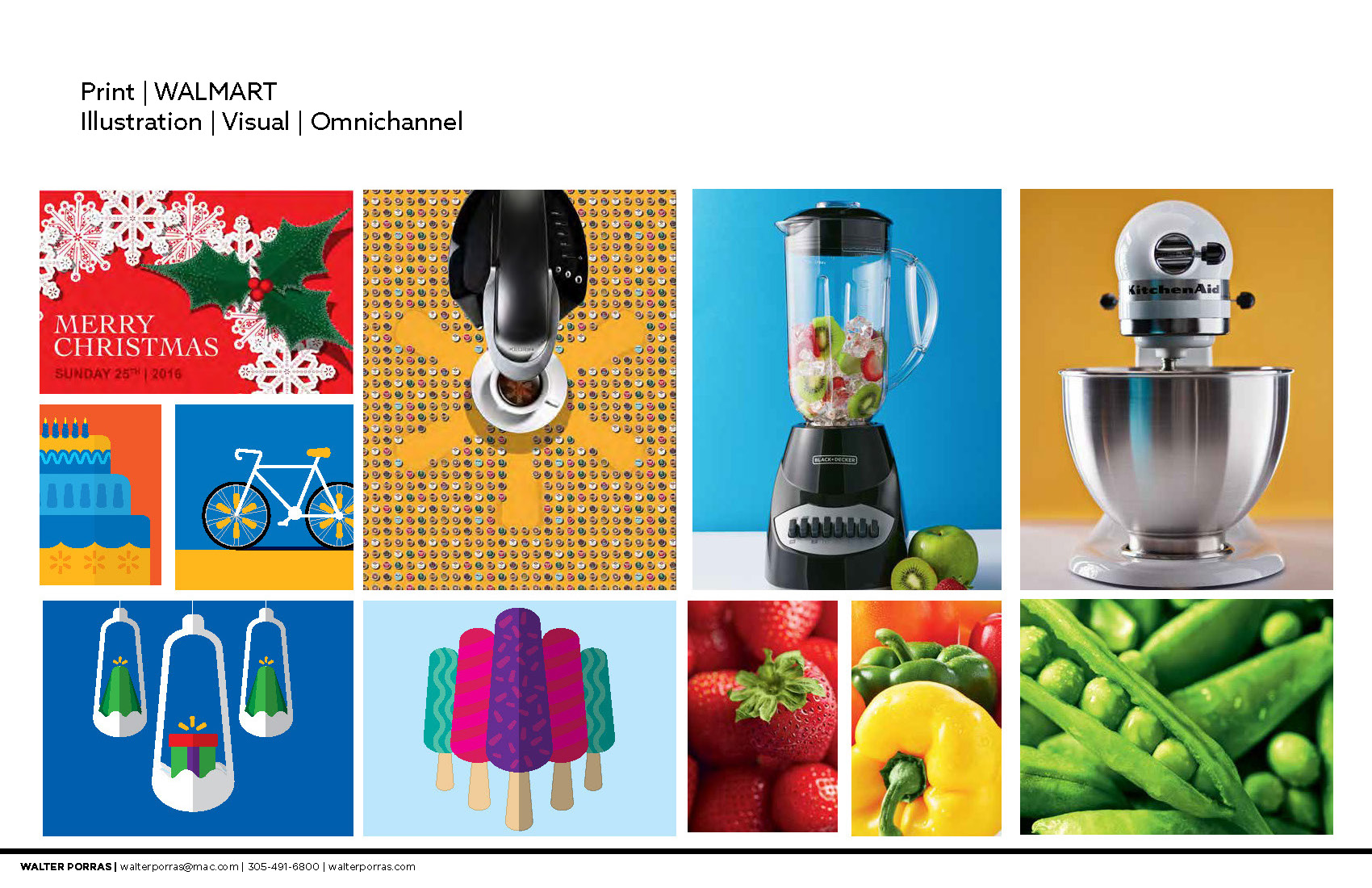
As I grew, my passion for design and innovation turned into a global career in creative direction and branding. From working with major corporations to leading creative teams internationally, I evolved from a traditional designer into an AI-driven content strategist, bridging art with emerging technologies.
Today, I specialize in high-end creative work, using AI-enhanced content generation and digital design to help brands build compelling visual narratives. Whether in fashion, luxury branding, or social media storytelling, my focus is always on setting trends, not following them.
Because in the world of design, you have to make a choice:
✔ Be a follower, or be the one who sets the tone and trends for others to follow.
Creativity is about innovation, leadership, and fearlessly redefining the future. That’s the philosophy that drives me every day.
What do you find most rewarding about being a creative?
The most rewarding aspect of being a creative is the ability to shape narratives, evoke emotions, and transform ideas into lasting visual experiences. Creativity is not just about aesthetics—it’s about problem-solving, innovation, and influencing how people connect with brands, products, and even cultures across different markets.
Having worked in the U.S., China, and the UK, I’ve seen firsthand how creativity adapts to different industries, consumer behaviors, and technological advancements. Whether in luxury branding, retail, or digital content strategies, the role of a creative is to constantly evolve, integrating new tools, technologies, and cultural insights to develop innovative solutions that resonate globally.
One of the most fulfilling aspects of my journey has been embracing AI-driven content creation—what started as an exploration has now become a powerful tool for storytelling, brand engagement, and large-scale content production. Creativity today is about leading transformation, setting trends, and expanding the limits of visual storytelling. The ability to turn imagination into reality and see its impact—whether in global campaigns, branding, or digital experiences—is what makes this profession truly fulfilling.
In your view, what can society to do to best support artists, creatives and a thriving creative ecosystem?
To build a thriving creative ecosystem, society must move beyond merely consuming creative work and actively invest in its sustainability. Creativity is a cultural and economic powerhouse, and supporting it requires a structured approach to education, funding, technological adaptation, and global collaboration.
✔ Invest in Creative Education & Emerging Technologies – In markets like China and the UK, I’ve seen how technological integration shapes creative industries’ future. AI, automation, and digital innovation are no longer trends but core elements of design, branding, and content creation. Education systems worldwide must prepare creatives for this transformation, ensuring they have the skills to lead rather than be disrupted.
✔ Champion Fair Compensation & Sustainable Funding – Artists are often asked to create for exposure rather than value. Governments, corporations, and brands must establish fair compensation structures, funding programs, and brand collaborations that allow creatives to sustain long-term careers rather than constantly chase projects.
✔ Encourage Global Collaborations & Cultural Exchange – Working in multiple international markets, I’ve seen how cross-cultural creativity can lead to groundbreaking ideas and innovations. Companies and institutions should encourage international partnerships, allowing artists and creatives to expand their impact and share expertise across industries and regions.
✔ Support the Role of AI in Creativity – Instead of fearing automation, society should embrace AI as a creative partner, helping optimize workflows, enhance artistic expression, and expand creative possibilities. AI-driven content creation is not replacing art—it is reshaping how artists, brands, and businesses produce and scale creative work efficiently.
A truly thriving creative ecosystem requires a shift from passive appreciation to active investment. When creatives are supported—not just in exposure, but through funding, fair compensation, and technology-driven opportunities—they can build sustainable careers that push boundaries and influence industries on a global scale.
Contact Info:
- Linkedin: https://www.linkedin.com/in/walterporras
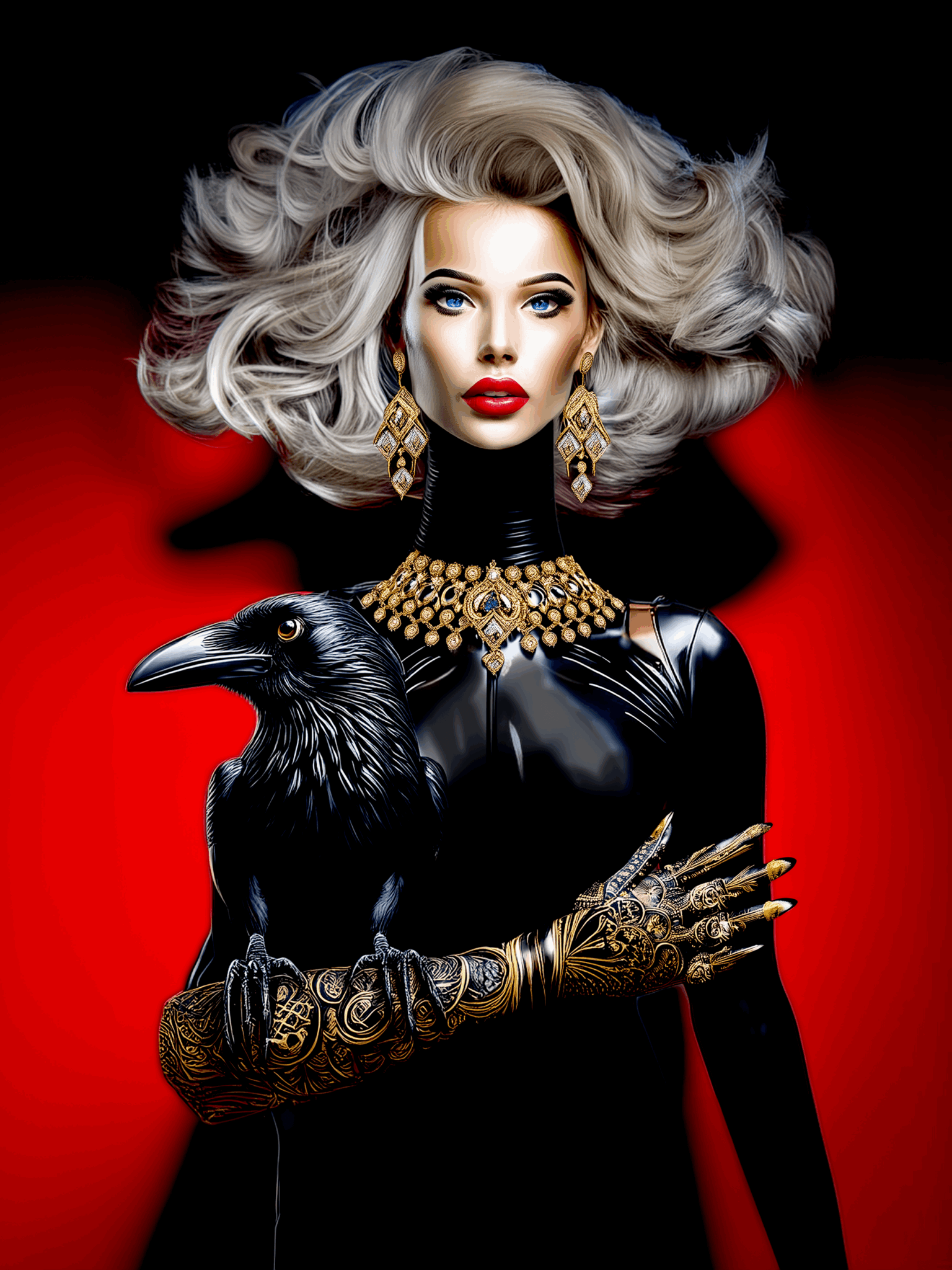



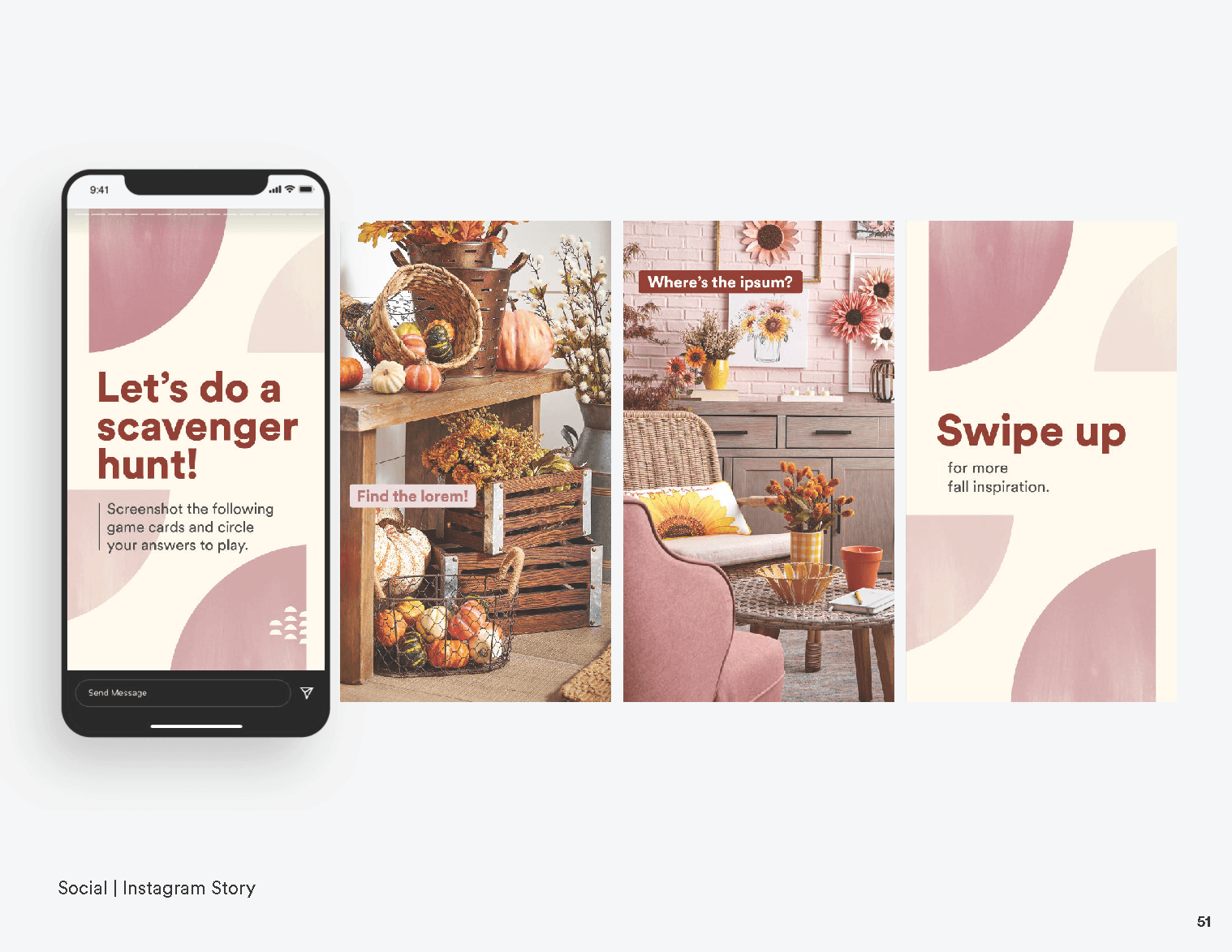
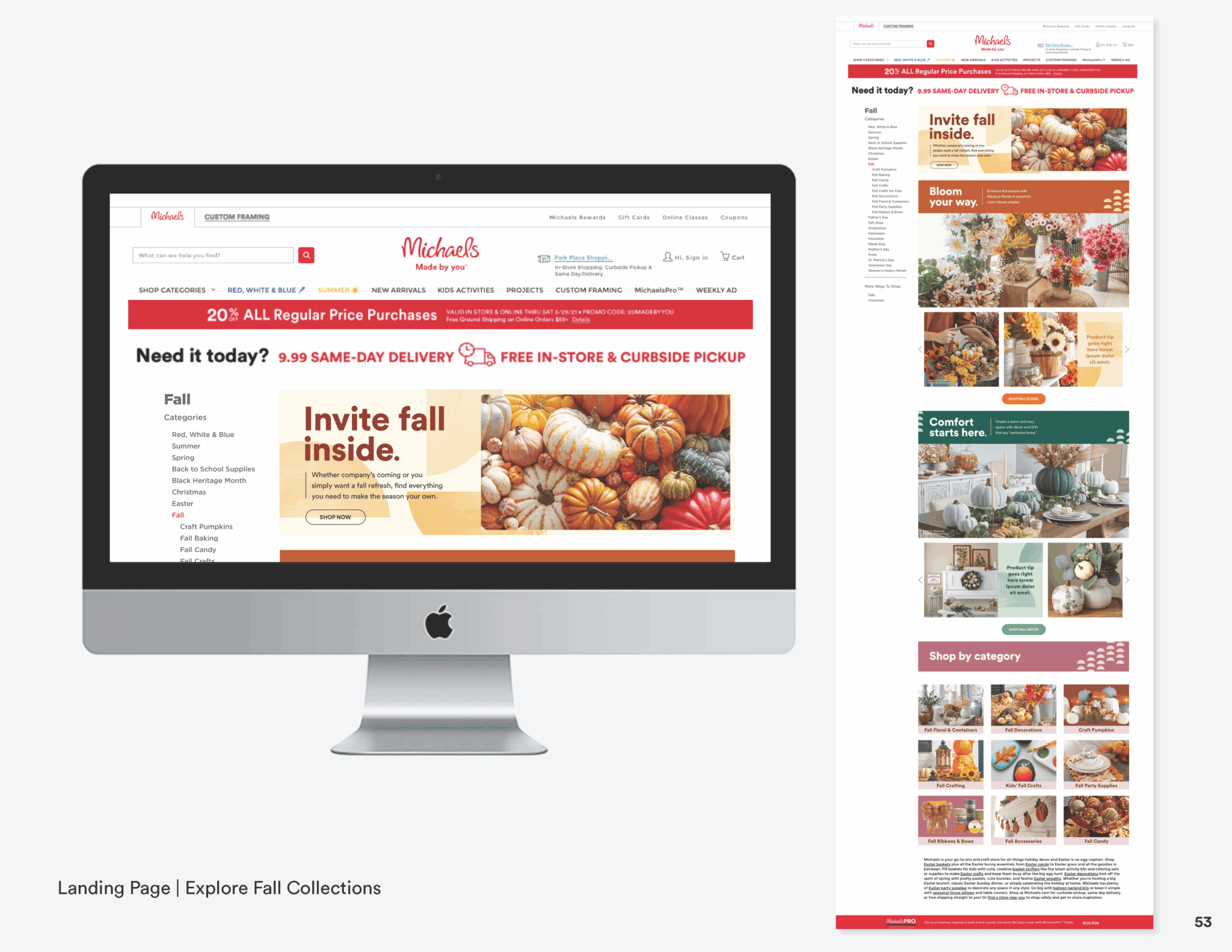

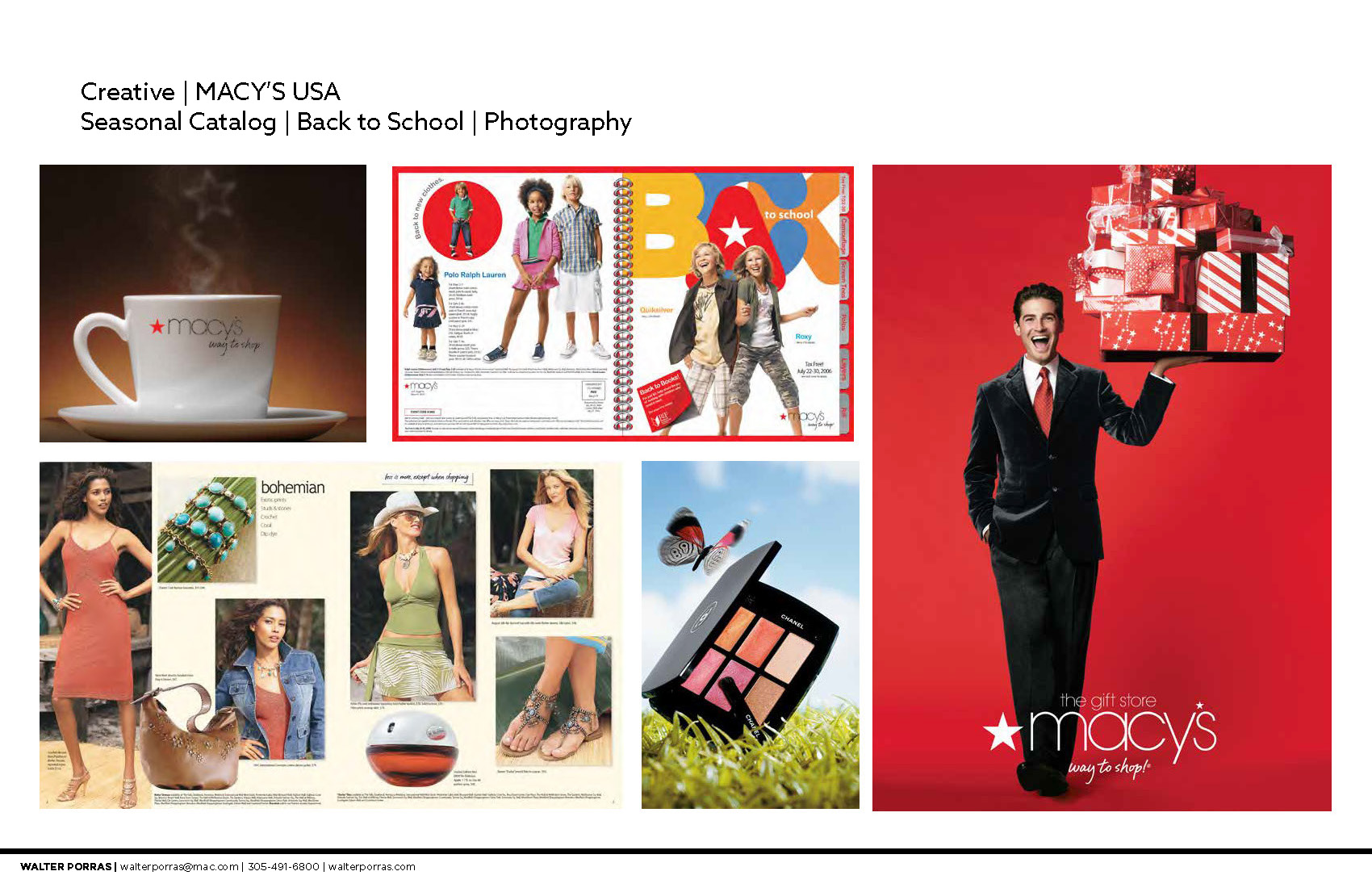





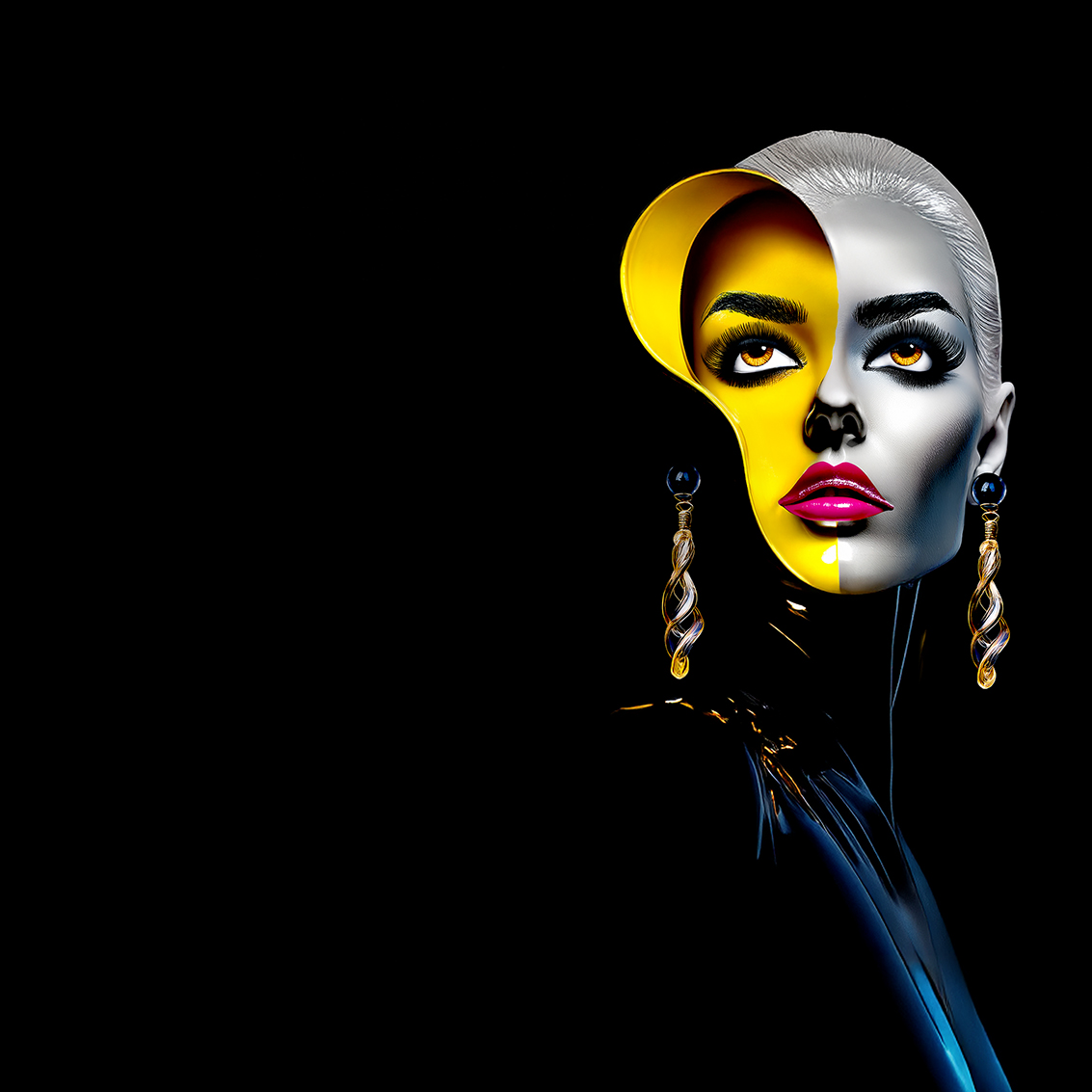
Image Credits
Walter Porras – AI-Driven Creative Director | Former Senior Creative Director (Walmart, Macy’s, Office Depot) | 70% AI-Generated Content