

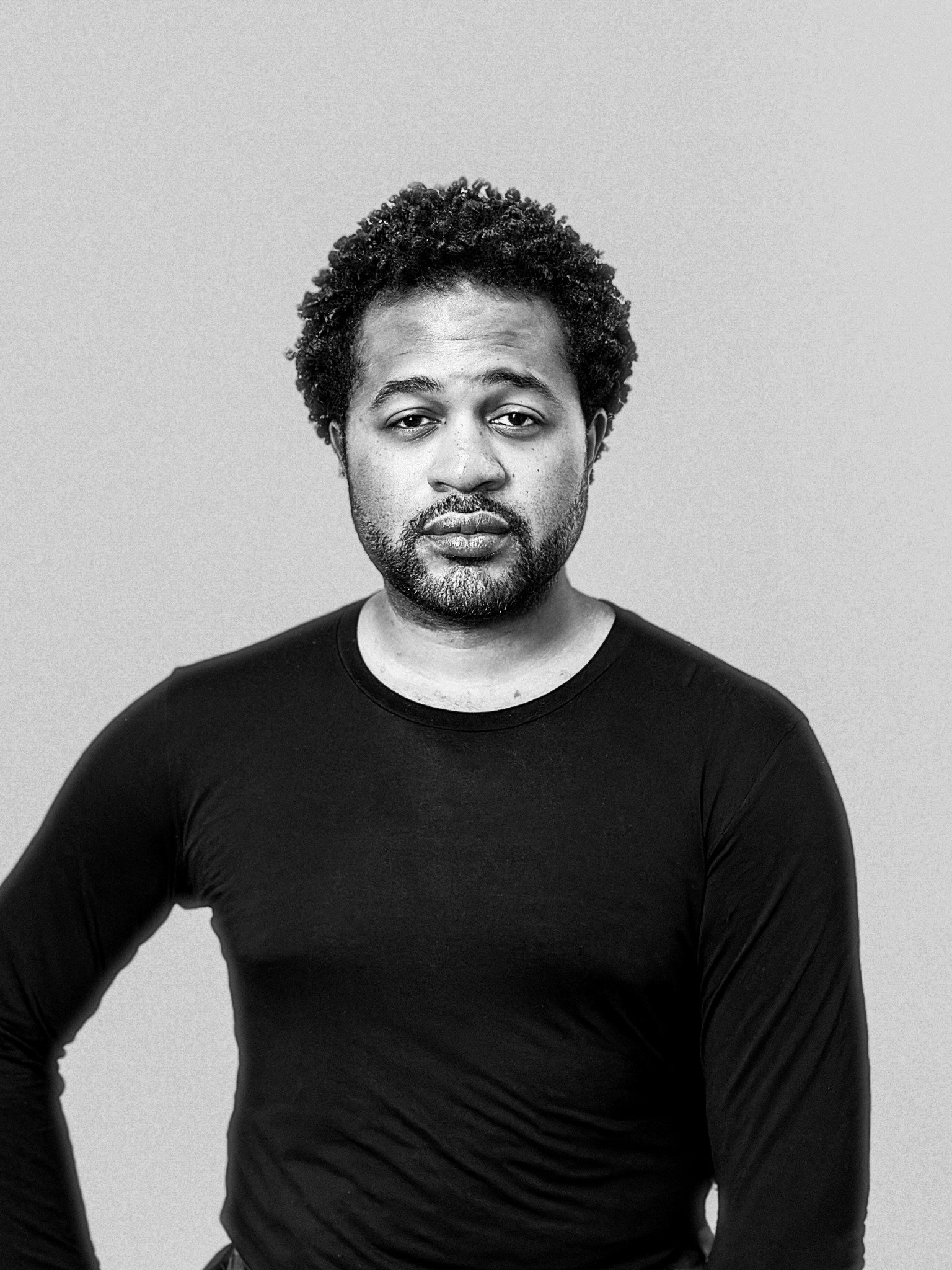

We recently connected with Walter Dixon and have shared our conversation below.
Alright, Walter thanks for taking the time to share your stories and insights with us today. Can you talk to us about your team building process? How did you recruit and train your team and knowing what you know now would you have done anything differently?
When ATASHI first began, it was just me—an idea, a sewing machine, a small folding table for patternmaking, and a deep desire to create something meaningful. At the start, I handled every detail, from design and production to inventory and customer interaction. It was an all-consuming process, but being there in those early days taught me every inch of the business and gave me invaluable insight into the challenges faced by each role I would later hire.
As we grew, I brought in a few interns, mostly high school students from the High School of Fashion Industries in Chelsea, to assist with design and production. Finding team members who aligned with ATASHI’s mission and values was key. Since our brand focuses on GenderFluid fashion with sustainable and ethical production practices, I want to work with people who understand and are passionate about these ideals. The interview process is informal but thorough, and I look for creativity, adaptability, and a sense of purpose beyond just experience.
If I were to start today, I would have focused on finding support for operations and marketing earlier. It was a steep learning curve juggling so many aspects of the business, and in hindsight, having even one or two trusted team members from the start could have allowed me to concentrate more on design and innovation.

Awesome – so before we get into the rest of our questions, can you briefly introduce yourself to our readers.
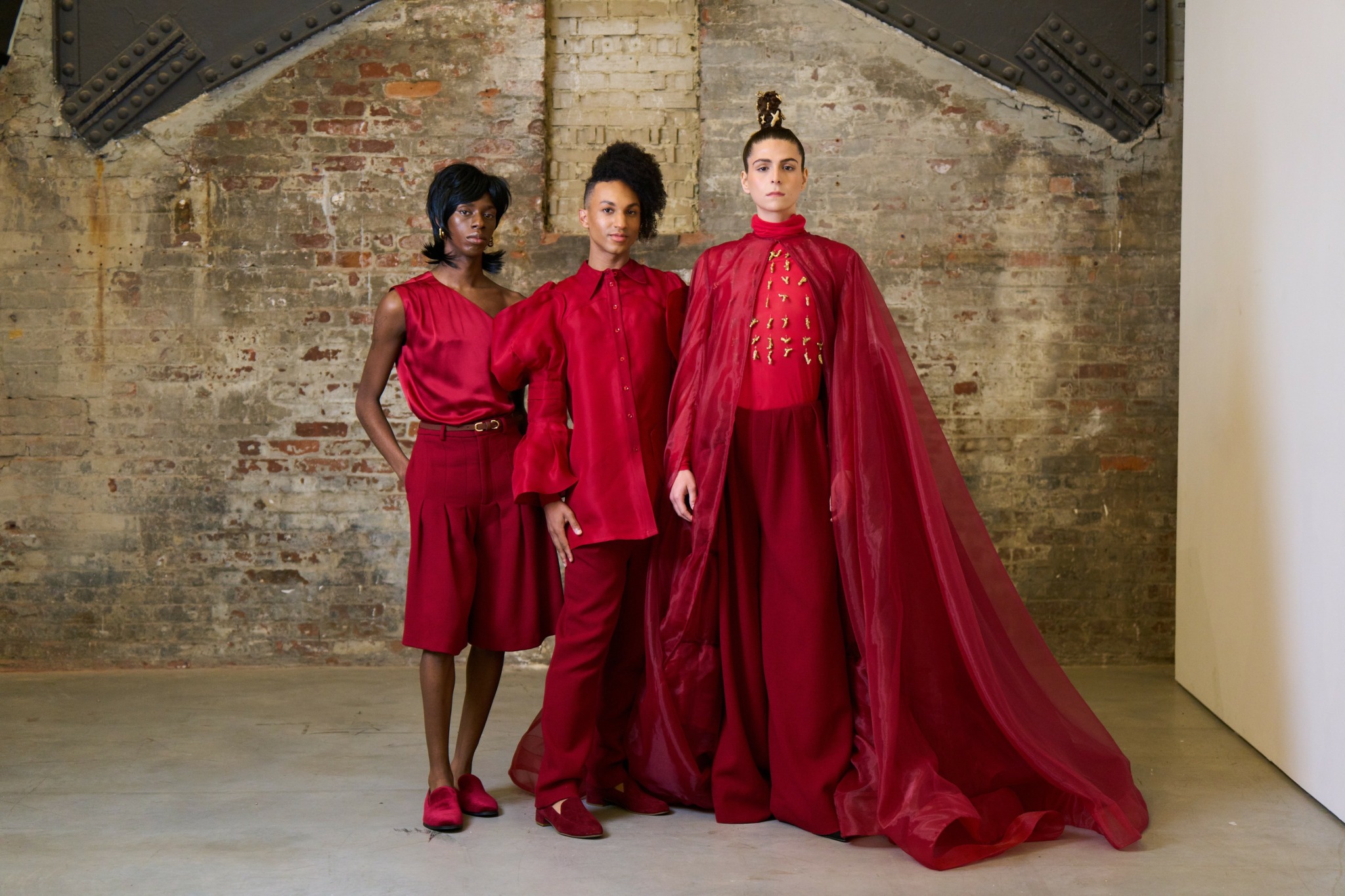
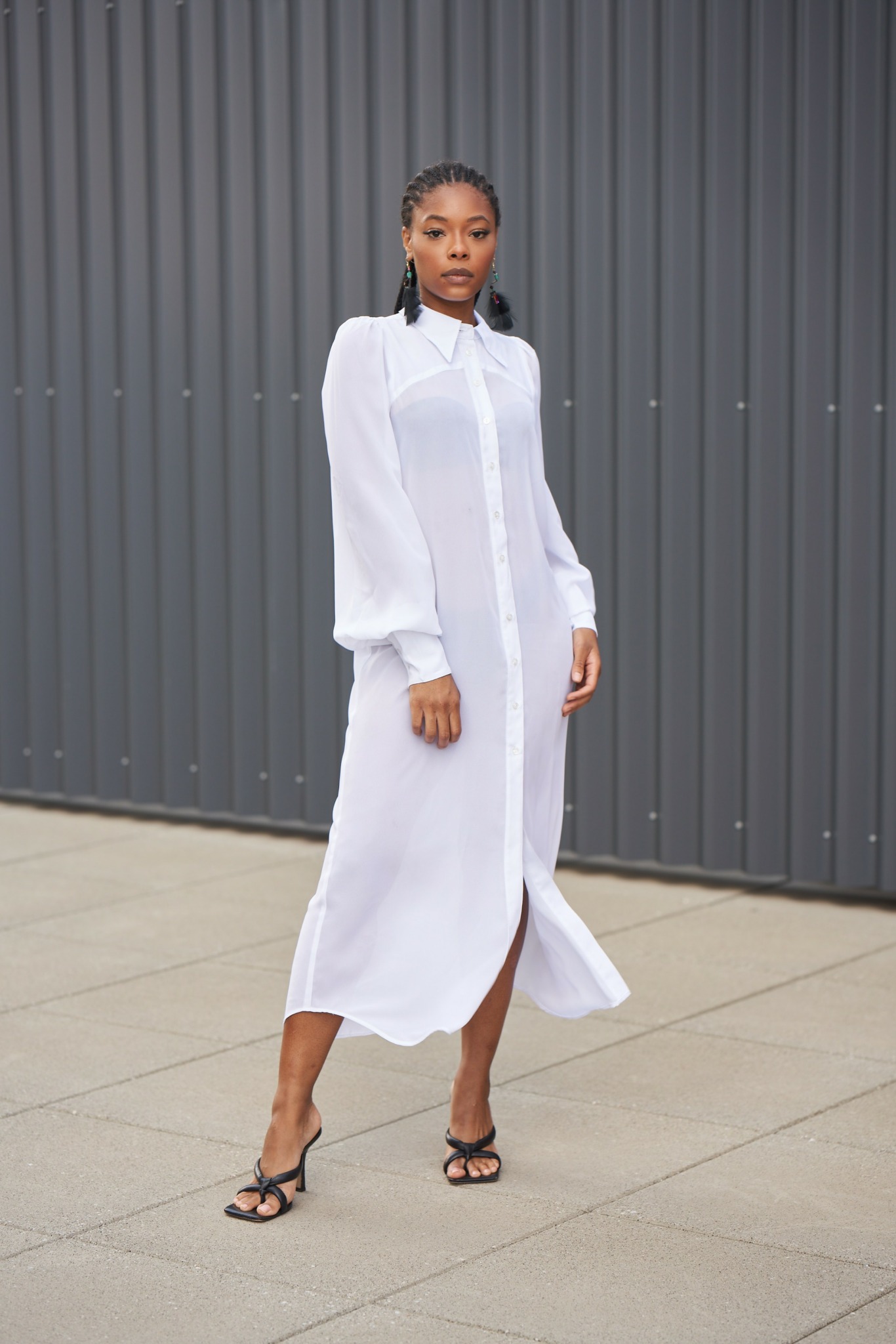
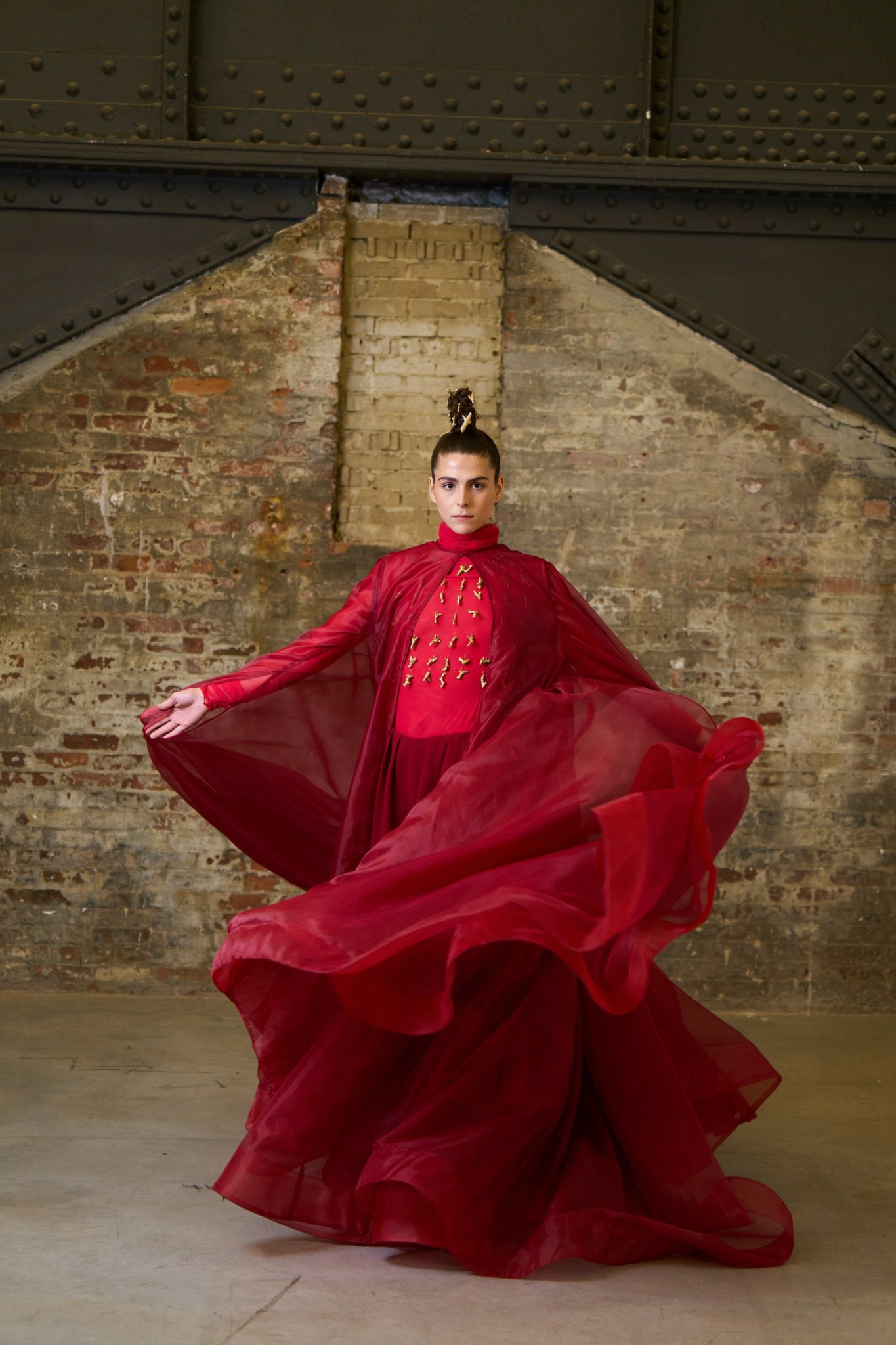
My name is Walter Dixon, the CEO and Founder of ATASHI, a Harlem-based brand dedicated to creating GenderFluid fashion with sustainable, fair trade practices. I started ATASHI because I felt the industry was missing something—an authentic space for people to express themselves freely, without being confined by traditional gender norms. From the beginning, my mission was to create garments that celebrate individuality and diversity, with designs that flow naturally on different body types and make people feel empowered.
ATASHI stands out for its commitment to ethical practices and sustainability. Every piece we make is crafted with care, using thoughtfully chosen materials to minimize environmental impact while supporting fair trade practices. Beyond clothing, ATASHI is a movement toward inclusivity, encouraging people to rethink fashion in a way that respects the planet and values all identities. Each garment represents more than style; it embodies a deeper purpose and connection to conscious fashion.
I am most proud of the community we are building. ATASHI resonates with those who share our passion for authenticity and diversity, and their belief in our mission inspires us every day. For those just discovering us, know that ATASHI is not just about clothing—it is about creating a place where everyone feels seen, valued, and free to express who they truly are. We are a brand that deeply cares for its people and the planet, and our hope is to leave a lasting impact that transcends trends, setting a new standard in the fashion world.
Can you talk to us about manufacturing? How’d you figure it all out? We’d love to hear the story.
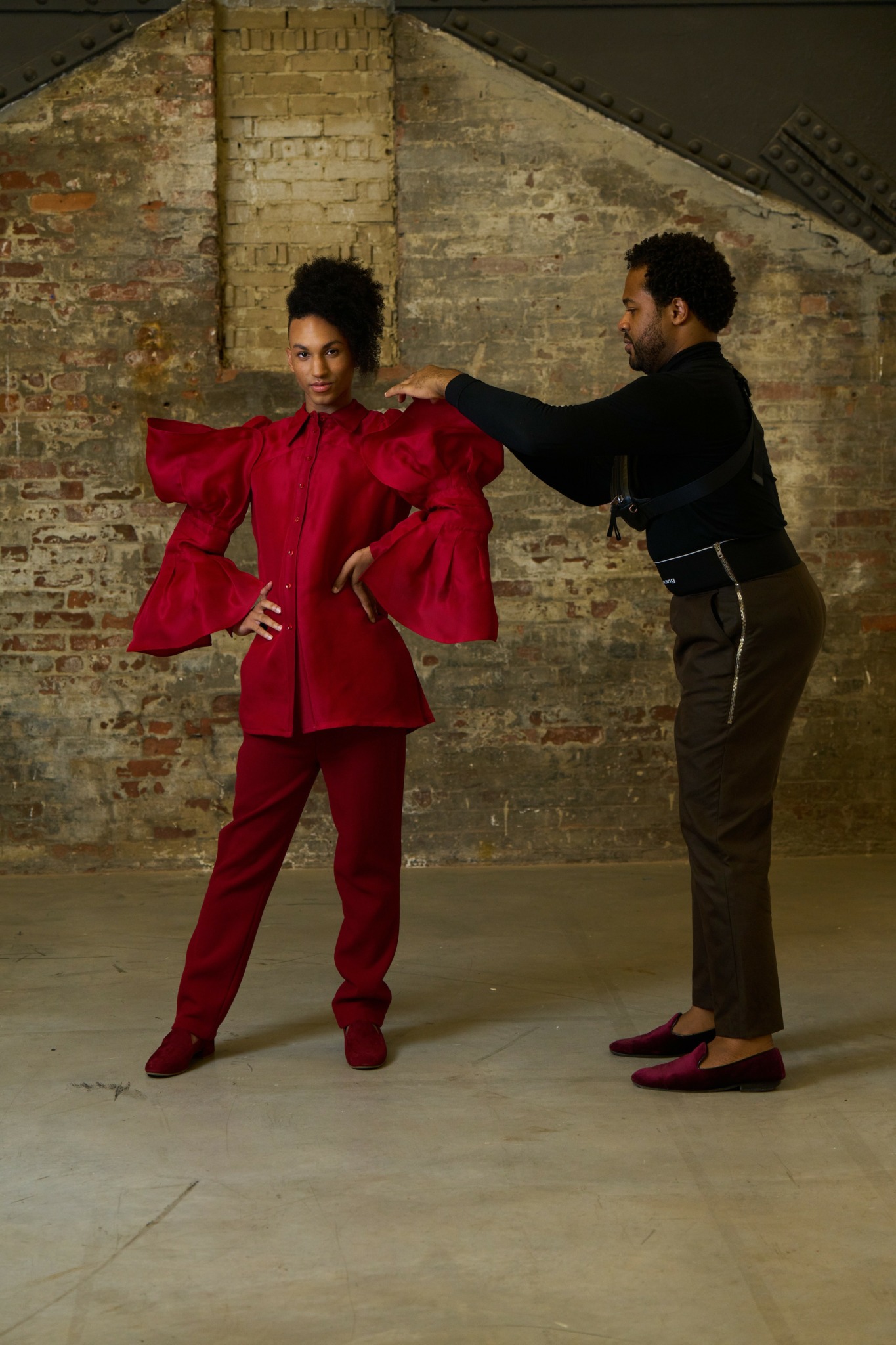
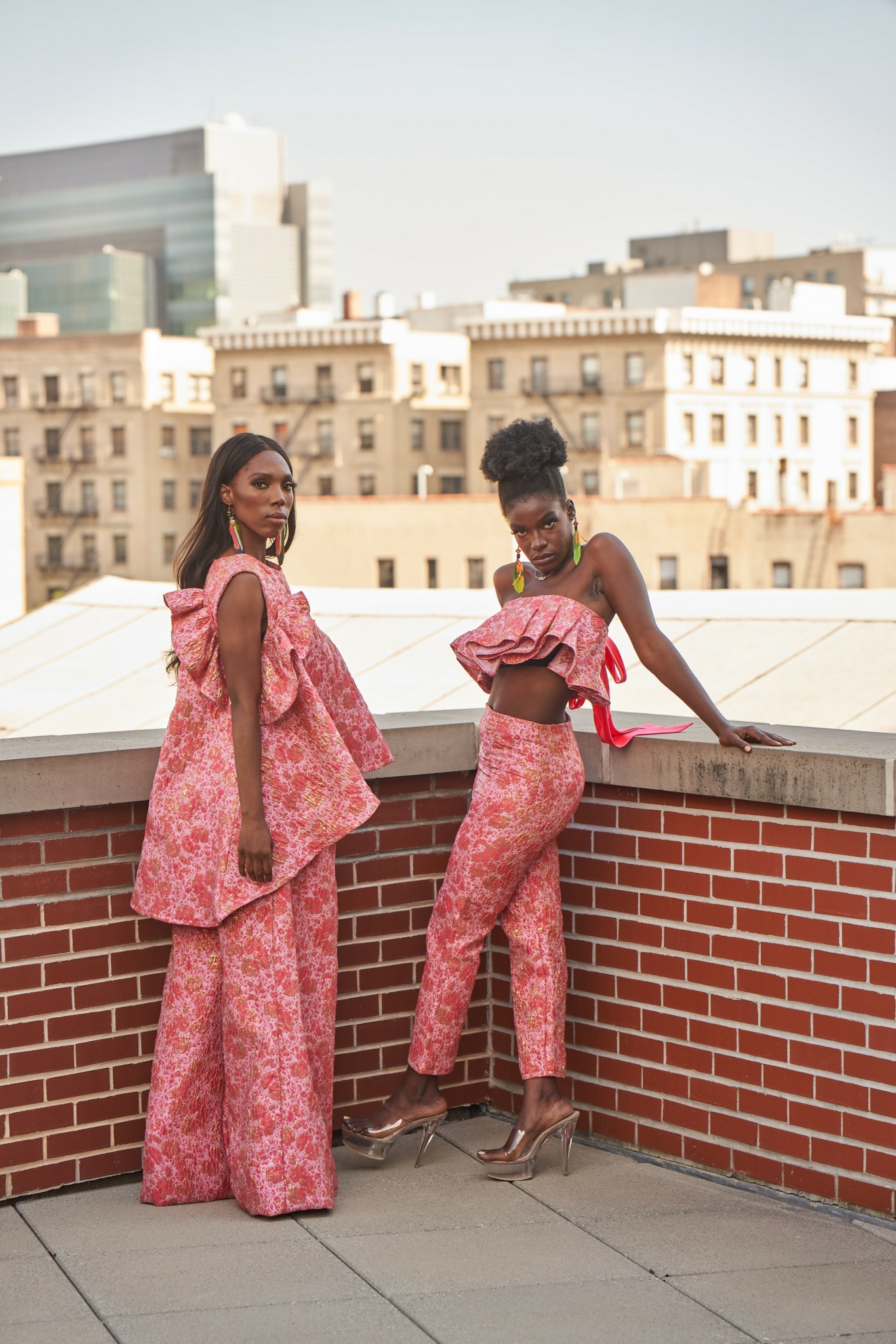
ATASHI’s pieces are manufactured through a hybrid approach. I started out crafting everything by hand, with an emphasis on sustainable materials and ethical sourcing. My background in creative patternmaking helped a lot with the initial pieces, and I could manage the small-scale production myself.
As demand grew, I realized I needed additional manufacturing support. Finding the right vendor was an extensive process—I needed someone who valued quality as much as I did and who could support sustainable practices. I went through several vendors before finding one that aligned with ATASHI’s standards. One of my biggest lessons has been the importance of clear, constant communication with our manufacturers. Building a collaborative relationship where quality and values come first has been essential.
Learning and unlearning are both critical parts of growth – can you share a story of a time when you had to unlearn a lesson?
One of the biggest lessons I had to unlearn was the idea that being successful in fashion means rapid scaling. At the start, I believed that growth had to be quick and constant to make a real impact, but over time, I realized that sustainable, meaningful growth is what lasts.
In the early days, I faced pressure, both internally and externally, to expand fast—new product lines, more frequent releases. But in chasing speed, I nearly compromised on the values I had built ATASHI upon. I had to step back, refocus on quality, and remind myself that it is better to grow authentically, even if it is a little slower pace. This approach has allowed me to stay true to ATASHI’s purpose and ensure every piece we make aligns with our vision for a more inclusive and sustainable fashion world.
Contact Info:
- Website: https://www.atashirtw.com
- Instagram: https://www.instagram.com/atashirtw/
- Facebook: https://m.facebook.com/100067644855262/
- Linkedin: https://www.linkedin.com/company/atashi-rtw/
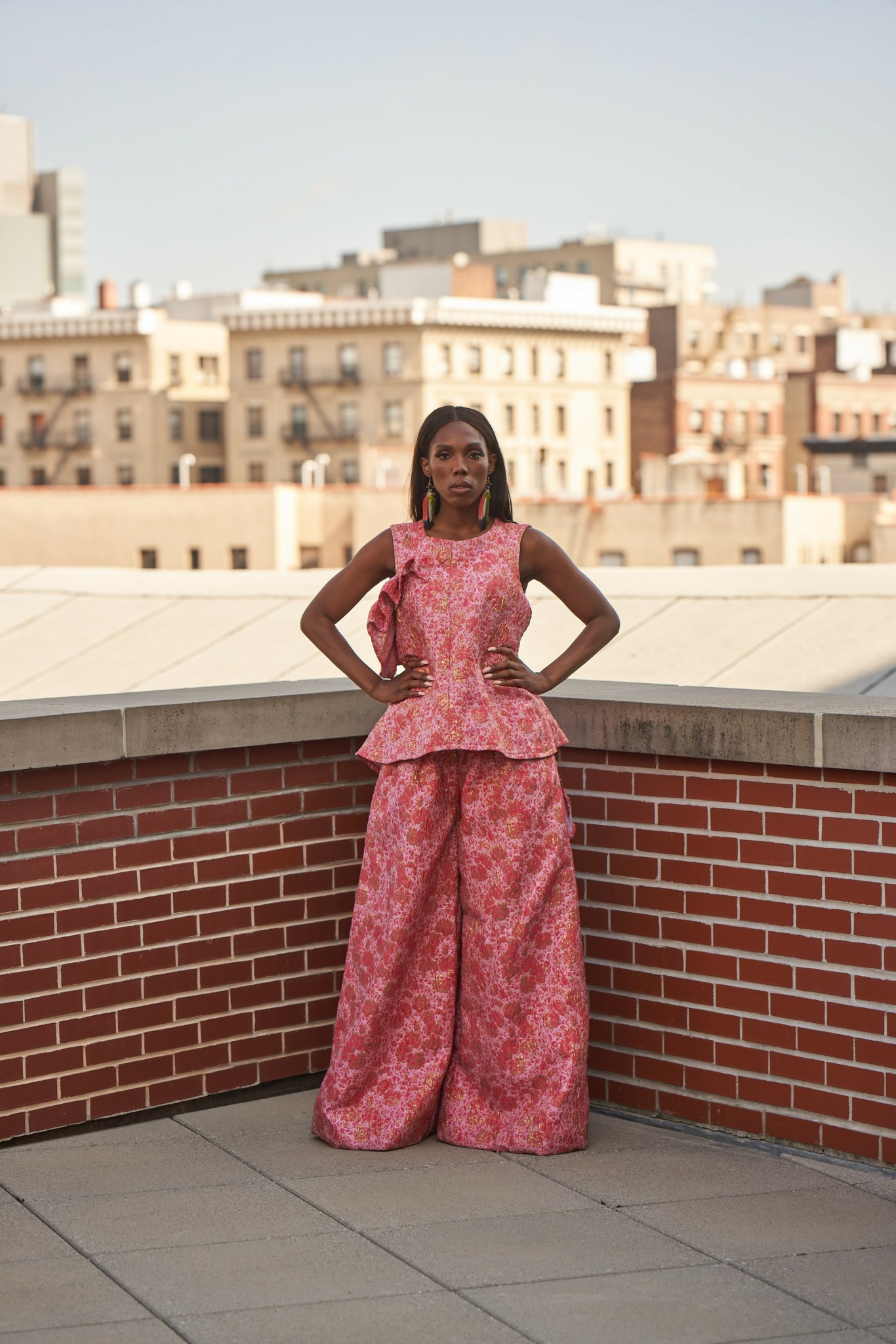
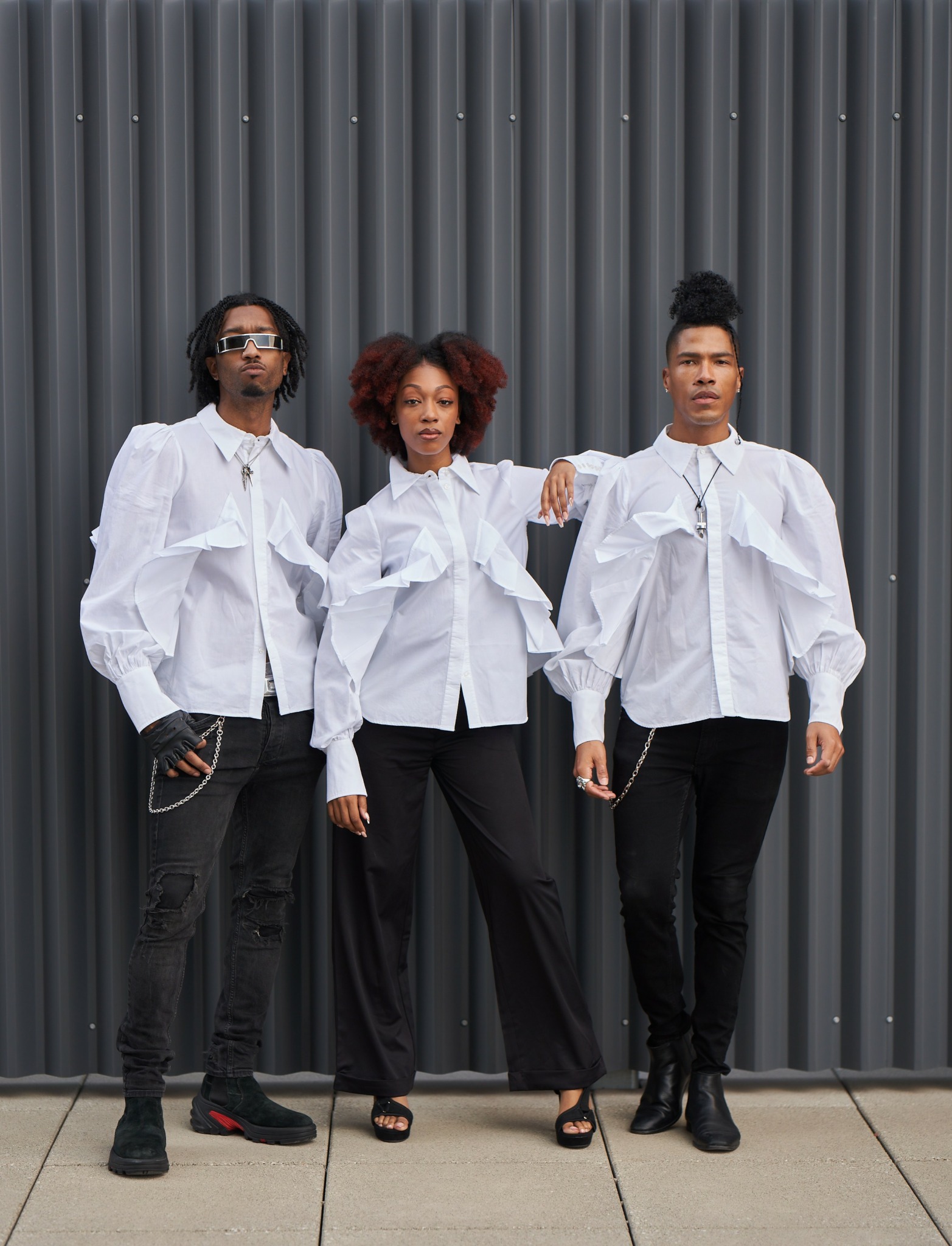
Image Credits
Headshot Photographer: RGB Photographer (Richard Burrowes)
Lookbook Shoot Photographer: Daniel J. Vasquez