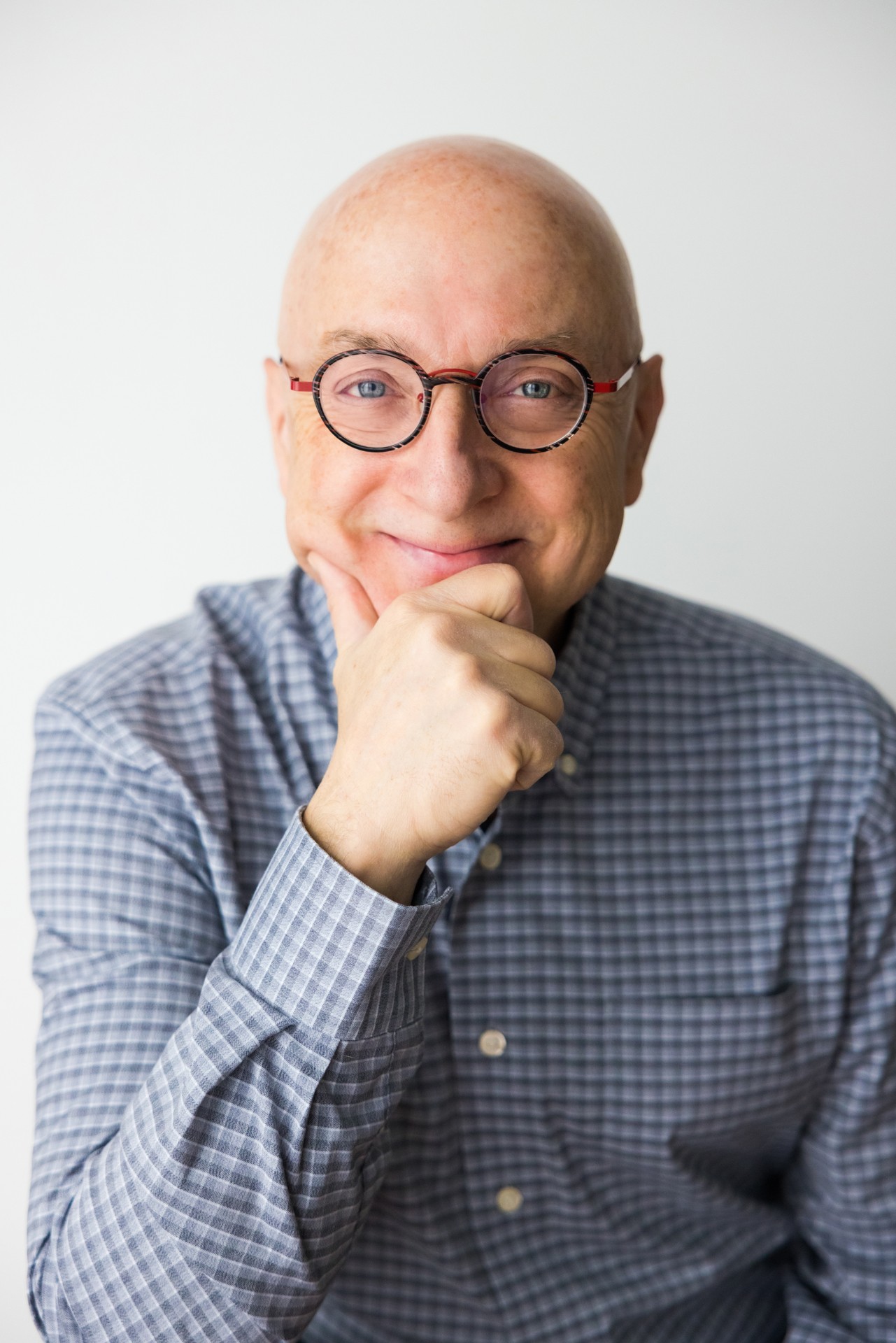

We’re excited to introduce you to the always interesting and insightful Walt Fritz. We hope you’ll enjoy our conversation with Walt below.
Hi Walt, thanks for joining us today. Was there a defining moment in your professional career? A moment that changed the trajectory of your career?
Having 15 years of my physical therapy career focused on a relatively narrow set of perspectives, of which those beliefs defined my practice, and having a line drawn in the sand to control my professional life by a now former mentor forced me to reframe how I view my world. Had this not happened, I would have never found the niche I now thrive in. Through adversity, there is growth.
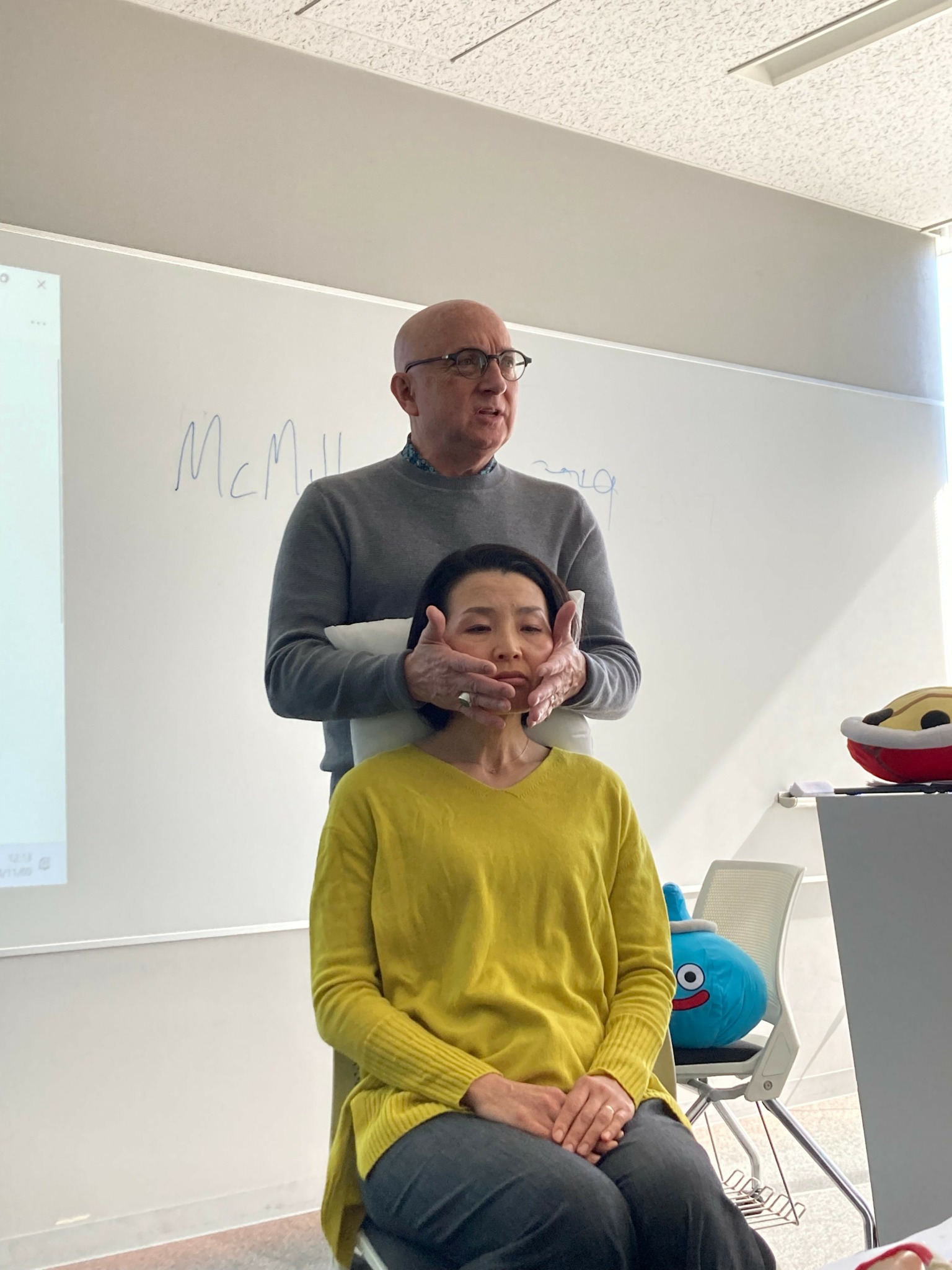
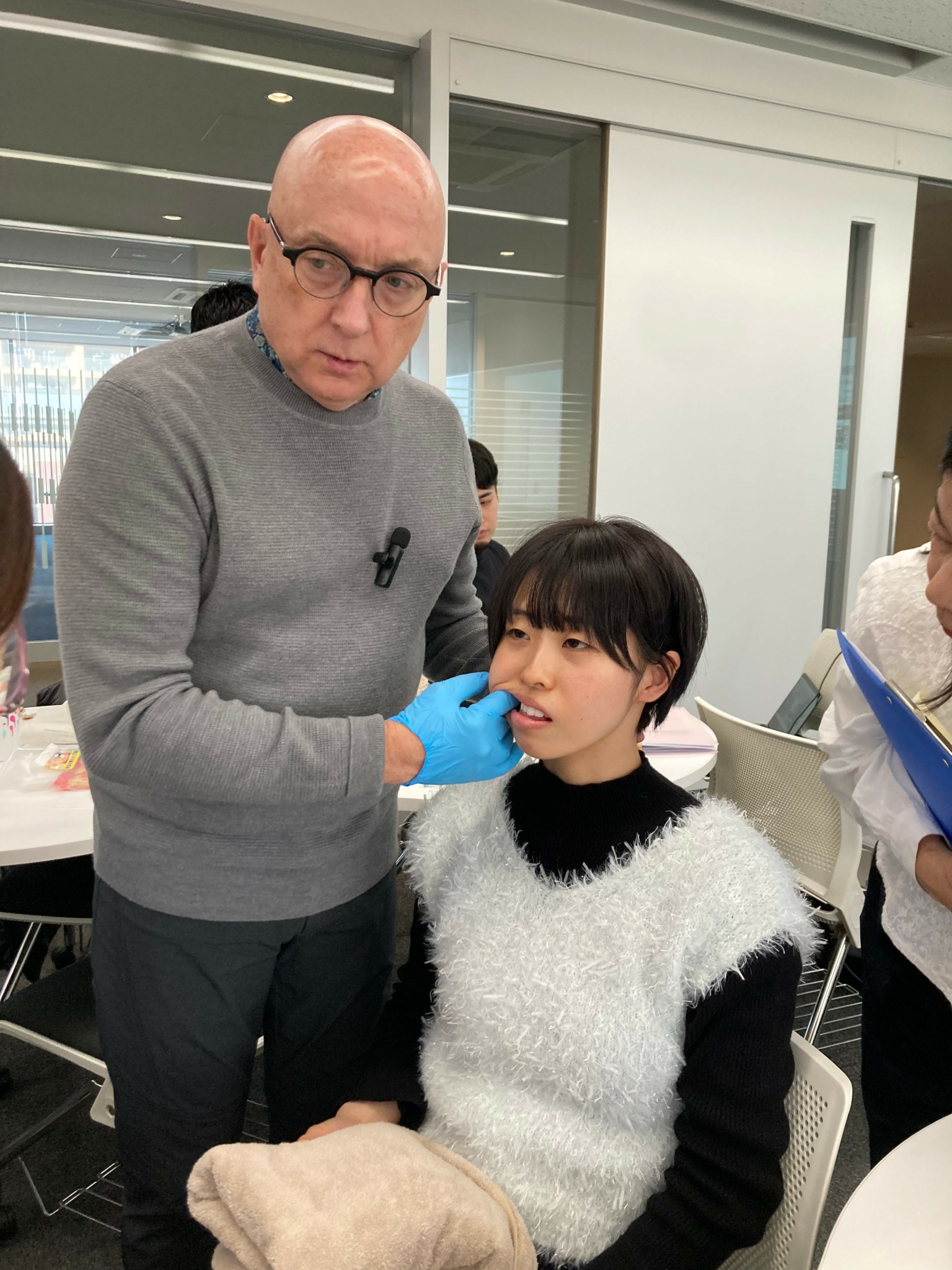
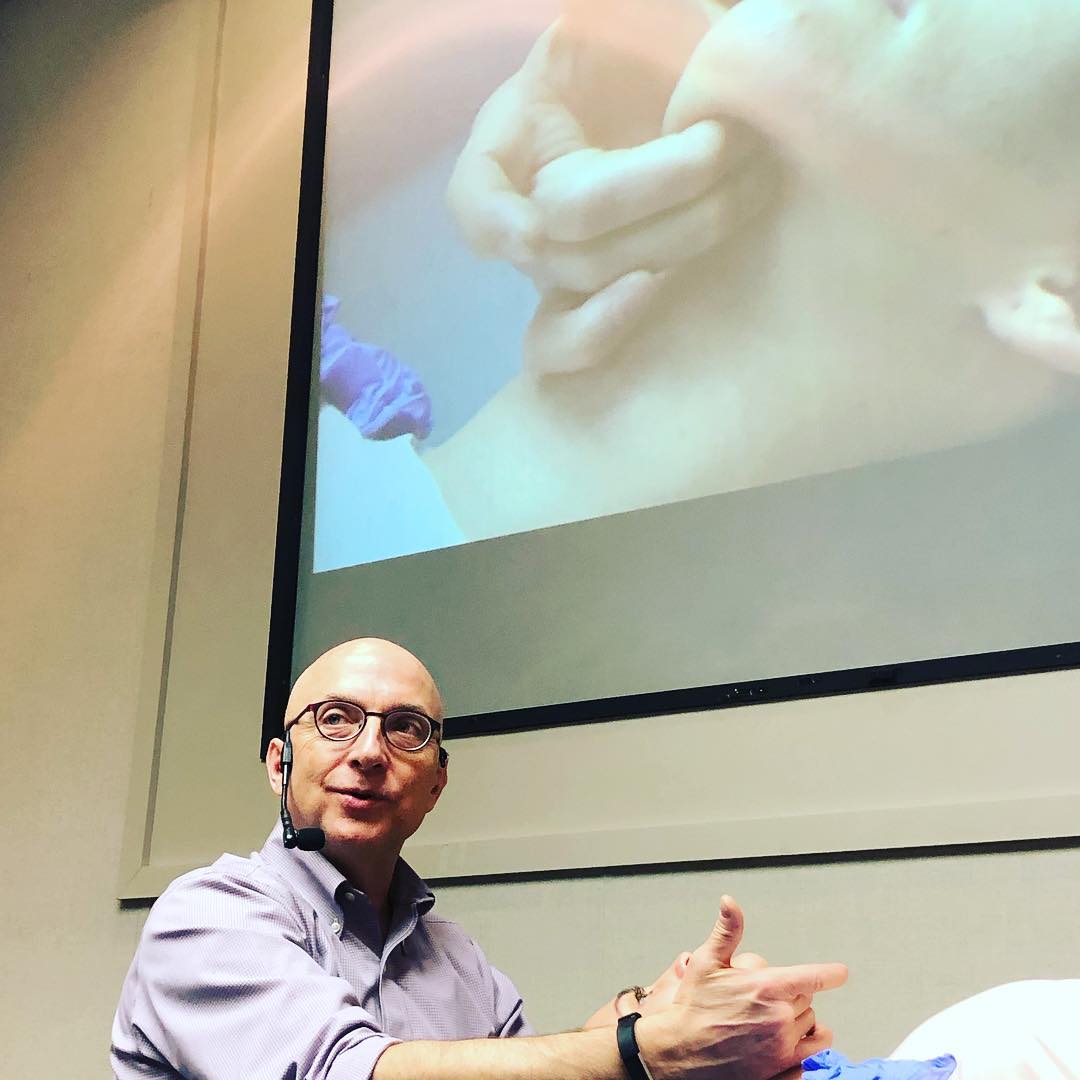
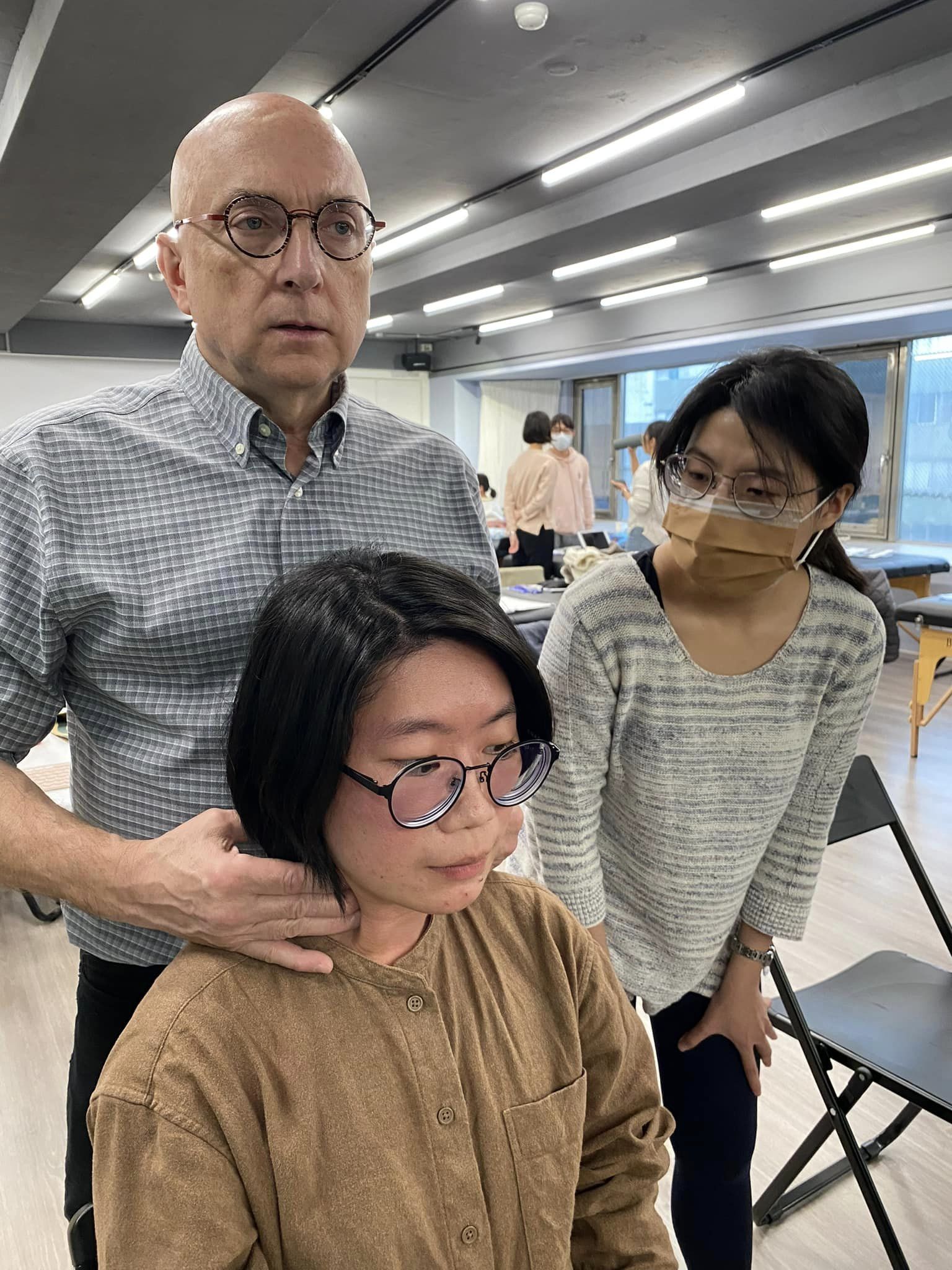
This 180-degree turn led me to explore new markets for those interested in my perspectives. Though an off-beat path, I was invited to teach a workshop for speech-language pathologists (SLP) on the use of manual therapy interventions for the issues facing the SLP patient populations. This one-off opportunity evolved into a brand of continuing education classes for SLPs, voice professionals, and many other health professionals. What began as a unique opportunity resulted in publishing a research paper in a scientific journal, releasing a book on these topics, and being seen as an international content expert in teaching manual therapy to those working with head, neck, and related health and performance concerns.
As always, we appreciate you sharing your insights and we’ve got a few more questions for you, but before we get to all of that can you take a minute to introduce yourself and give our readers some of your back background and context?
I’m a physical therapist, practicing since 1985. Through a career spent working with children and adults in a wide range of settings, I came to narrow my interests in the early 1990s, studying various forms of manual therapy (think massage but with a different intent and style). Myofascial release was how I learned my craft, which I evolved and rebranded to represent a more inclusive narrative that defines the effects of the treatments. Forming my own seminar line, Foundations in Manual Therapy, allowed me to break free from many stereotypes associated with my previous therapy model. I also began to question the clinician-as-expert model, which is standard in medicine and healthcare, inserting shared decision-making as a necessary inclusion of the methods I taught and used. These changes resulted in larger groups of clinicians accepting my work, seeing themselves as experts in their field but the patients as experts in their own lived experiences. Though new learners gravitate towards my training to become proficient in applying touch-based interventions with their various patient populations, my goal is for them to leave a workshop equipped to include shared decision-making in a broader range of their interventions. The most significant positive influence of this inclusion is that patients see themselves as capable of contributing to their care in ways the traditional medical model often overlooks.
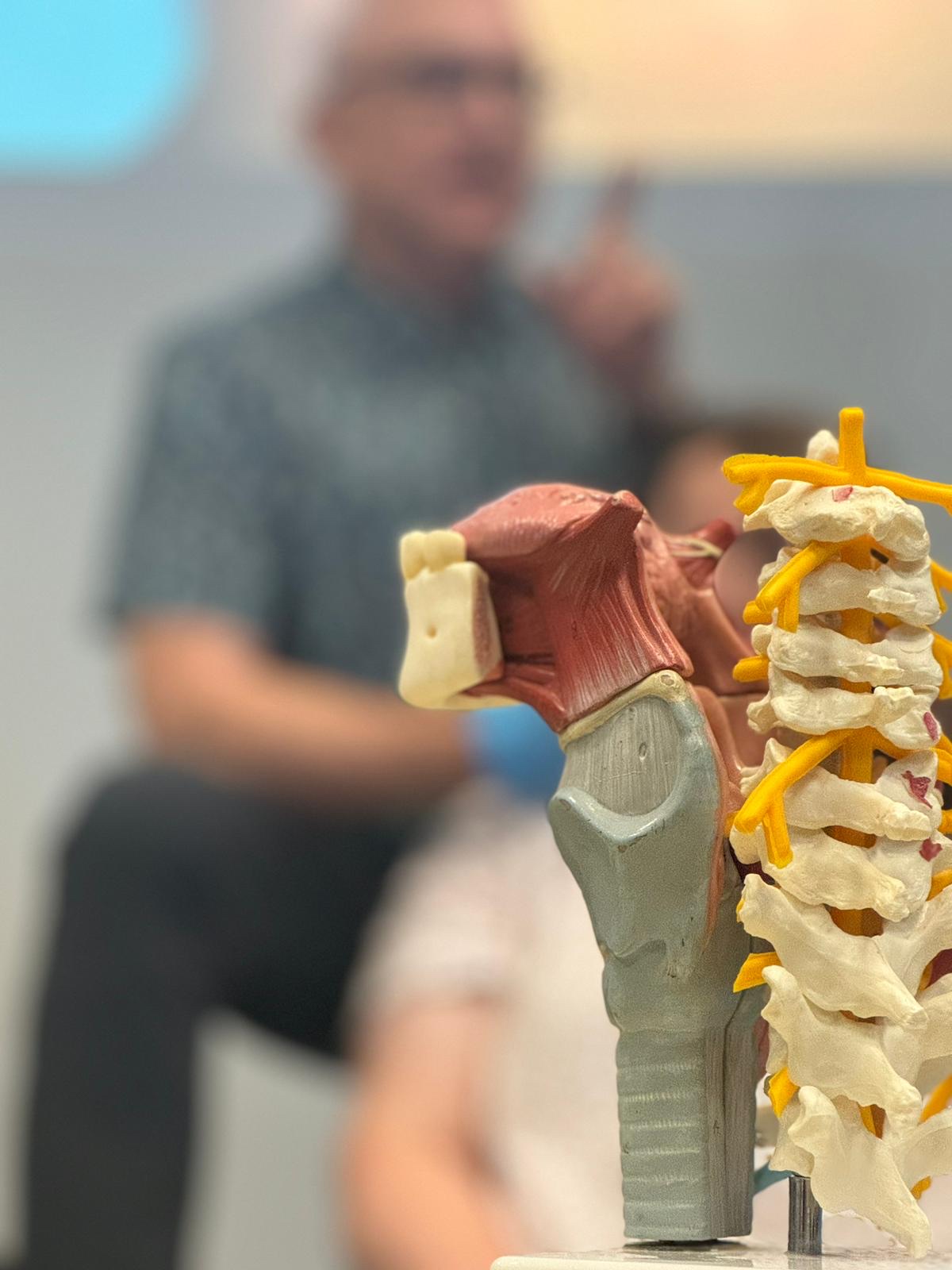
Manual therapy for voice disorders has existed in the professional literature since the 1980s, but as it was studied, it tended to be based in an overly simplistic way. Seeing local tissues (muscles, etc.) as solely responsible for problems and sensing that the defined intervention reduced the problem locally, the research followed older and more general research in the physical medicines. I term this the “What happens in Vegas, stays in Vegas” mindset. Lacking was an understanding of the complexities of touch and the therapeutic relationship built between patient and clinician. These updates are what I’ve brought to the clinical table: seeing the complexities in the effects of touch and manual therapy beyond the supposed fixing of “issues in the tissues.” The result of these changes and positive feedback from thousands of SLPs and others have allowed me to be invited to teach my approach worldwide.
Learning and unlearning are both critical parts of growth – can you share a story of a time when you had to unlearn a lesson?
If you had seen me for physical therapy 20 years ago, I would have sounded much more confident of the specific diagnostics involved with a patient’s problems and more confident in explaining to them the reason for the interventions I chose. My world was boxed in by a single person’s perspective, one in which they profited by its uniqueness. While the end methods were helpful to those dealing with injuries and traumas, the underlying narrative has massive gaps in plausibility. However, giving up on a technique that yielded positive patient outcomes and bidding farewell to my peers and mentor of 15+ years was a difficult task. In many ways, I’m thankful that I resisted the bullying tactics of my guru to break free and find my voice.
What do you think helped you build your reputation within your market?
Humility and transparency. In a profession (continuing educator provider for health and vocal pedagogy professionals) where hubris dominates, publicly stating the uncertainties of nearly all aspects of a medical model is rare. In my workshops, I have sufficient time to explore these uncertainties and can explain the underlying rationale for such an apparently indecisive perspective. Learners leave understanding that being less confident expresses the depth of understanding of the inherent complexities of any human interaction and intervention. I’ve also positioned myself to be available to my learners, allowing them many options to deepen their understanding of manual therapy via a wide-ranging support mechanism. We exist in our markets to profit, but these profits can vary. Knowing I’m providing a valuable resource to those helping others is hugely gratifying.
Contact Info:
- Website: https://waltfritzseminars.com/
- Instagram: waltfritzpt
- Facebook: https://www.facebook.com/walt.fritz
- Linkedin: https://www.linkedin.com/in/walt-fritz-pt-92a51a1a/
- Twitter: https://x.com/WaltFritzPT
- Youtube: https://www.youtube.com/channel/UCm6iVAk2rUJEkPraUJR3o1w