
We were lucky to catch up with Vivian Torres recently and have shared our conversation below.
Vivian, thanks for taking the time to share your stories with us today Was there a moment in your career that meaningfully altered your trajectory? If so, we’d love to hear the backstory.
That’s a great question. Looking back, there truly was a defining moment in my career—but to understand it, I need to rewind a bit.
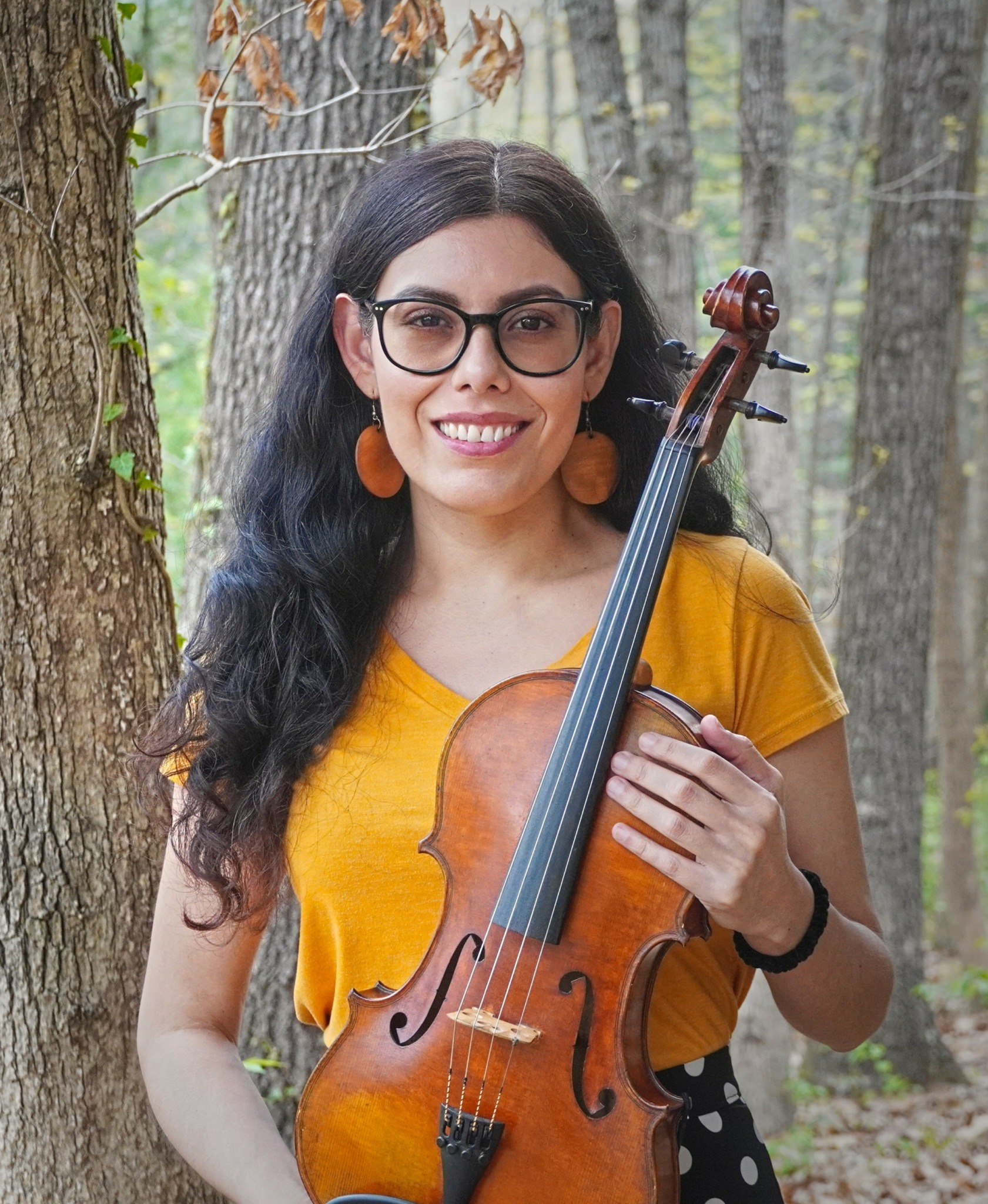
I would have to start when I first began playing music. I fell in love with the viola at twelve years old. It was all I wanted to do. I didn’t join clubs or sports; I just played music. But by sixteen, I began experiencing pain in my arms whenever I played. My teacher couldn’t figure out what was wrong and recommended me to a massage therapist. The pain followed me through high school, college, and graduate school, even as I earned both my bachelor’s and master’s degrees in Music Performance.
Throughout those years, I asked every teacher the same question: “Why do I have pain? What am I doing wrong?” Their responses were often confused looks—or reassurance that “some pain is normal.”
I’ve always been stubborn, even as a child, and that determination kept me from giving up on my musical dreams. Instead, I tried every therapy and treatment imaginable just to keep going. By the end of grad school, I was juggling two or three weekly treatments, but my body was benefitting less and less.
By the time I finished my master’s degree, I had accumulated a list of diagnoses: tendinitis, carpal tunnel syndrome, a herniated cervical disc, thoracic outlet syndrome, and eventually anxiety attacks brought on by the constant pain and pressure.
In 2014, I was preparing to start an Artist Diploma when the worst happened—my wrist gave out. I had to defer for a year. I couldn’t pick up my viola. I couldn’t even brush my hair. The pain was excruciating. It felt like my own body was sabotaging the dreams I had worked my entire life to build. I could honestly say that was one of the darkest periods of my life.
But that year ended up changing everything.
During my deferment, desperate for answers, I searched the internet for anything I hadn’t tried yet. That’s when I stumbled upon the Alexander Technique. There was only one teacher in Miami at the time. I had heard of the technique in passing, but my thought was, “What do I have to lose?”
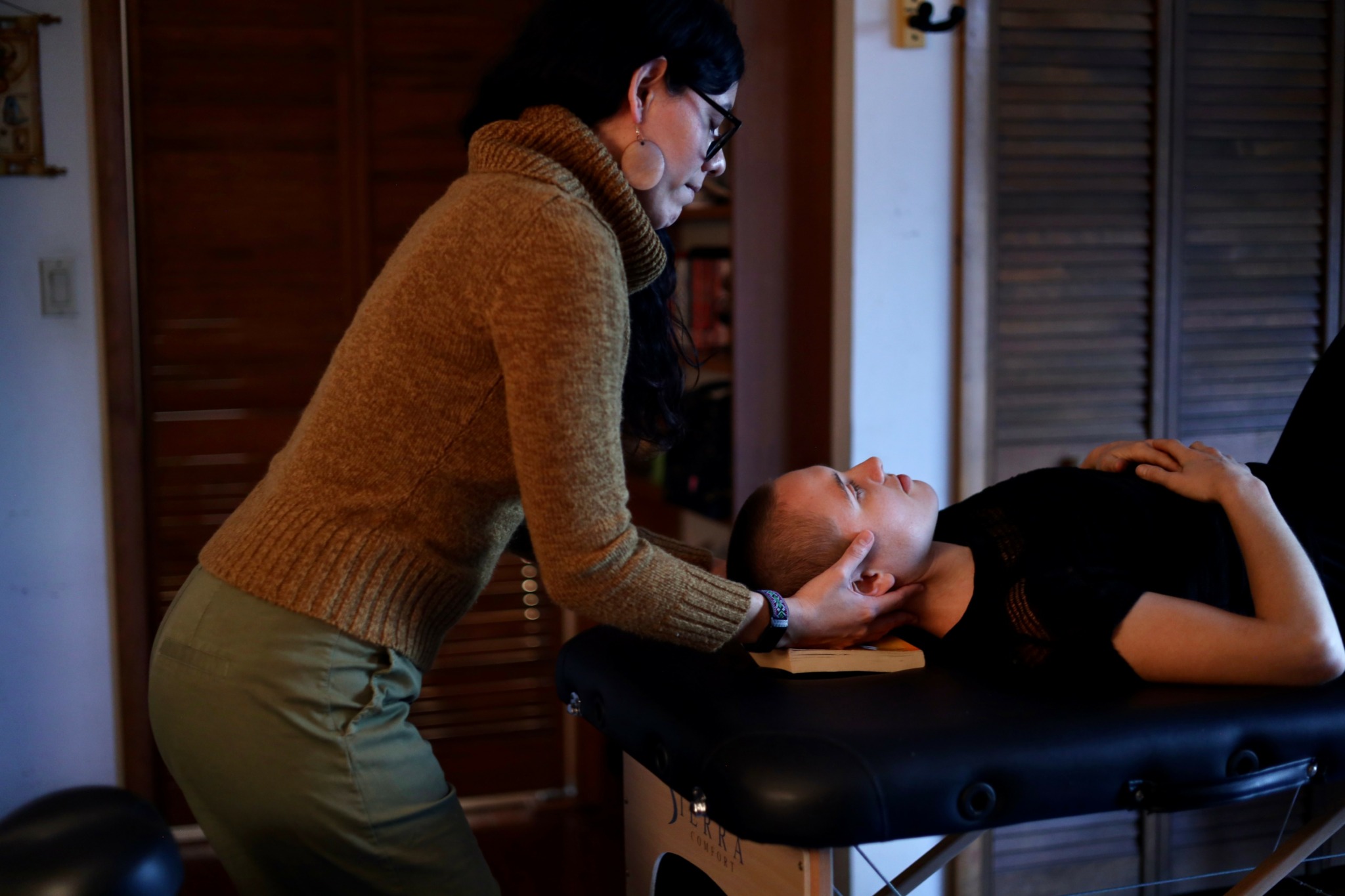
So, I went to my first lesson after wearing a wrist brace for three months—and everything shifted. AT was unlike anything I had ever tried. Instead of a doctor/patient relationship, it was a teacher/student dynamic. For the first time, someone was helping me understand why I was in so much pain, not simply trying to treat the symptoms.
It felt like I was finally taking a full breath after years of being underwater.
With my teacher’s guidance, I discovered something profound: the tension I noticed when I played viola wasn’t limited to my playing. I was carrying it into everything I did—walking, sitting, reaching, even basic everyday movements. That was when I realized that in order to change my experience as a musician, I had to change how I moved through life.
Progress was gradual, but each lesson felt like I was uncovering more of myself, and that was deeply empowering.
After a year of studying AT, I felt ready to put what I had learned to the test. I went back to music school and started my Artist Diploma—and I completed it with minimal pain!
I couldn’t believe it. I did it!
But something unexpected happened after graduation, I realized that my hopes and dreams had shifted. Now that I could play without pain, my love for music was still strong—but so was a new passion for the Alexander Technique. I realized I wanted to help others the way my teacher helped me. So I made the decision to train as an Alexander Technique teacher.
So, I would say that the defining moment was when I decided to start my teacher training. It was a huge leap from anything I had ever done before. Making that decision helped put things in perspective for me. It was like I had found the missing piece of a puzzle I had been trying to solve for years. I began to look back on those years of pain with gratitude because without them I would never have found this work.
As always, we appreciate you sharing your insights and we’ve got a few more questions for you, but before we get to all of that can you take a minute to introduce yourself and give our readers some of your back background and context?
Sure! I am a professional classical musician, music educator and Alexander Technique teacher in Miami, FL. Even though I love working in all these three fields, for the purpose of this article I would like to focus on my work with the Alexander Technique.
What I love most about being an Alexander Technique teacher is the wide range of people I get to work with. This work is incredibly versatile—its principles can support anyone in doing what they do with more ease, efficiency, and presence.
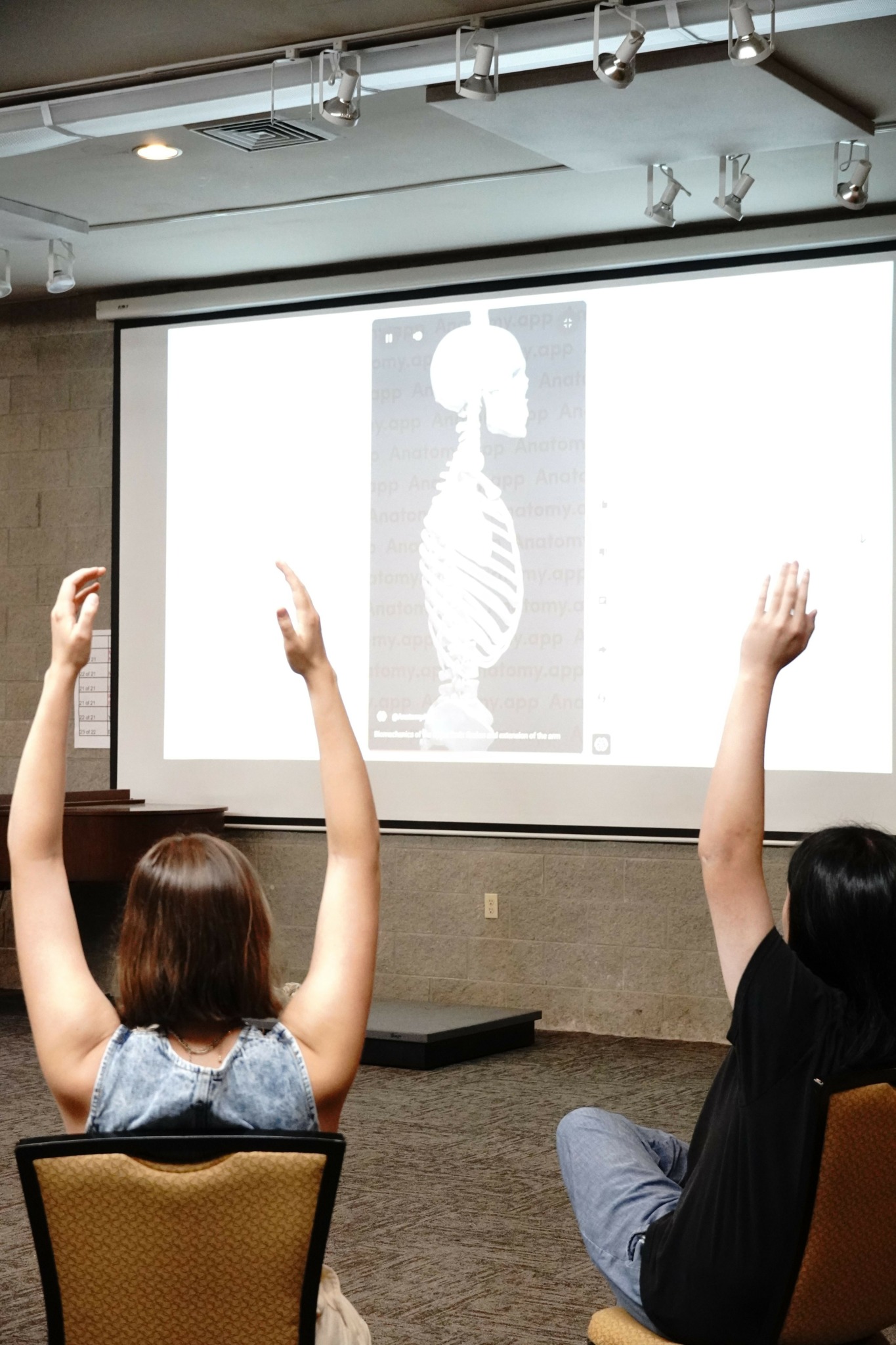
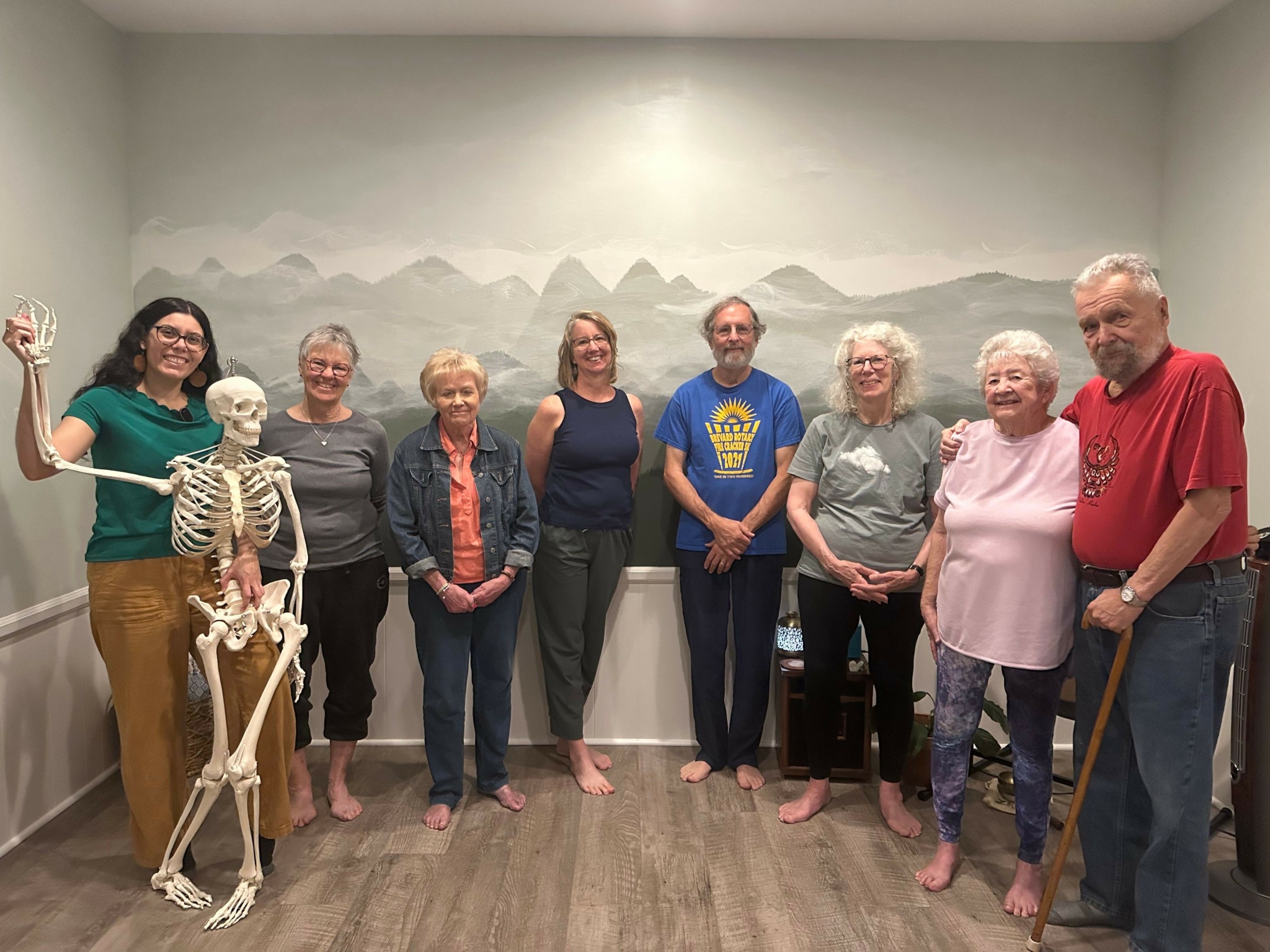
Over the years I’ve worked with graduate students, corporate employees, older adults, high-level actors, musicians, medical patients, and even K–12 students. The Technique truly meets people wherever they are.
One of the biggest challenges in this field is that many people simply haven’t heard of the Alexander Technique. Since there are so few teachers worldwide, general awareness is still limited. Helping people understand what this work is—and how life-changing it can be—is something I’m committed to continuing.
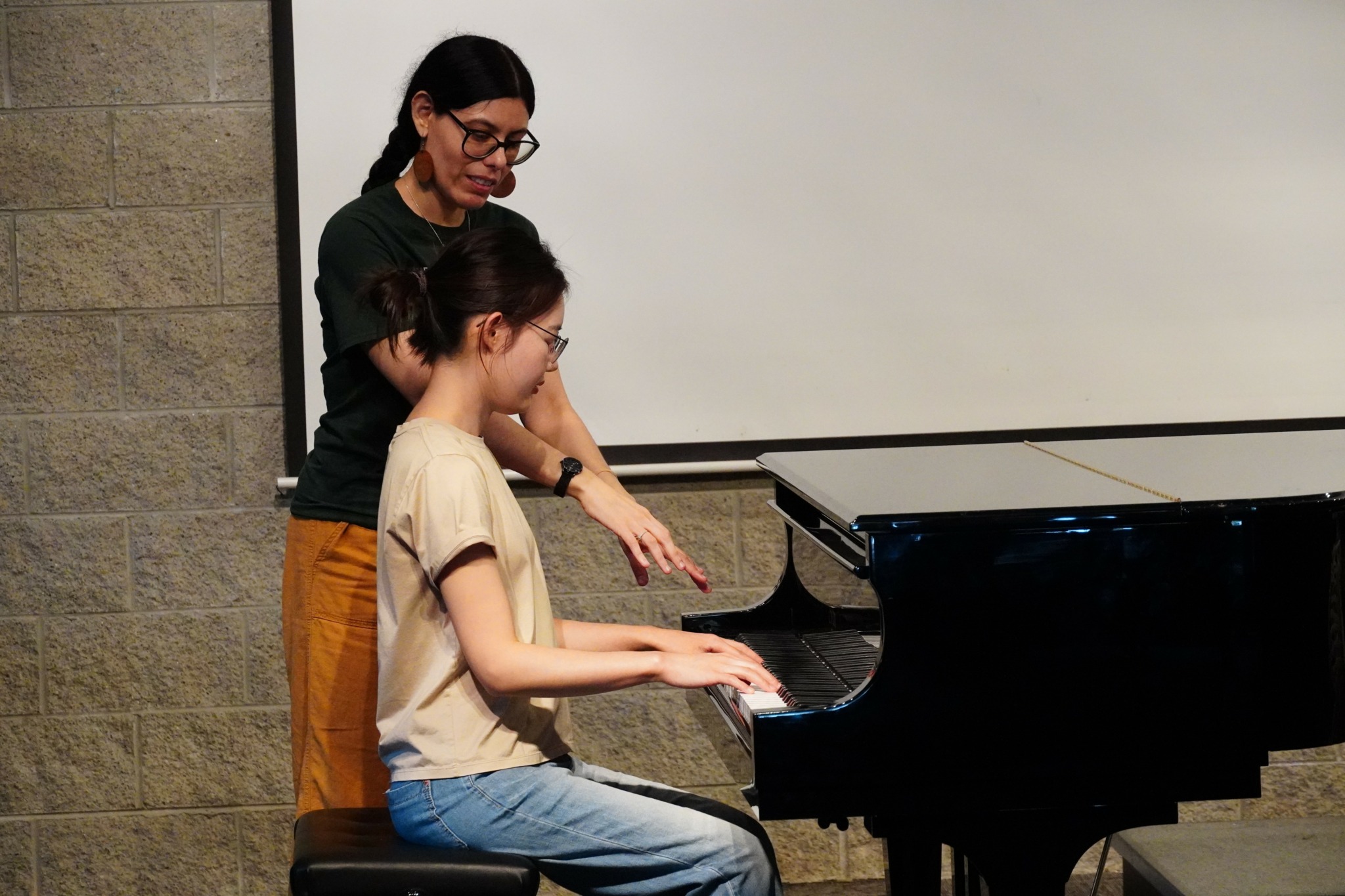
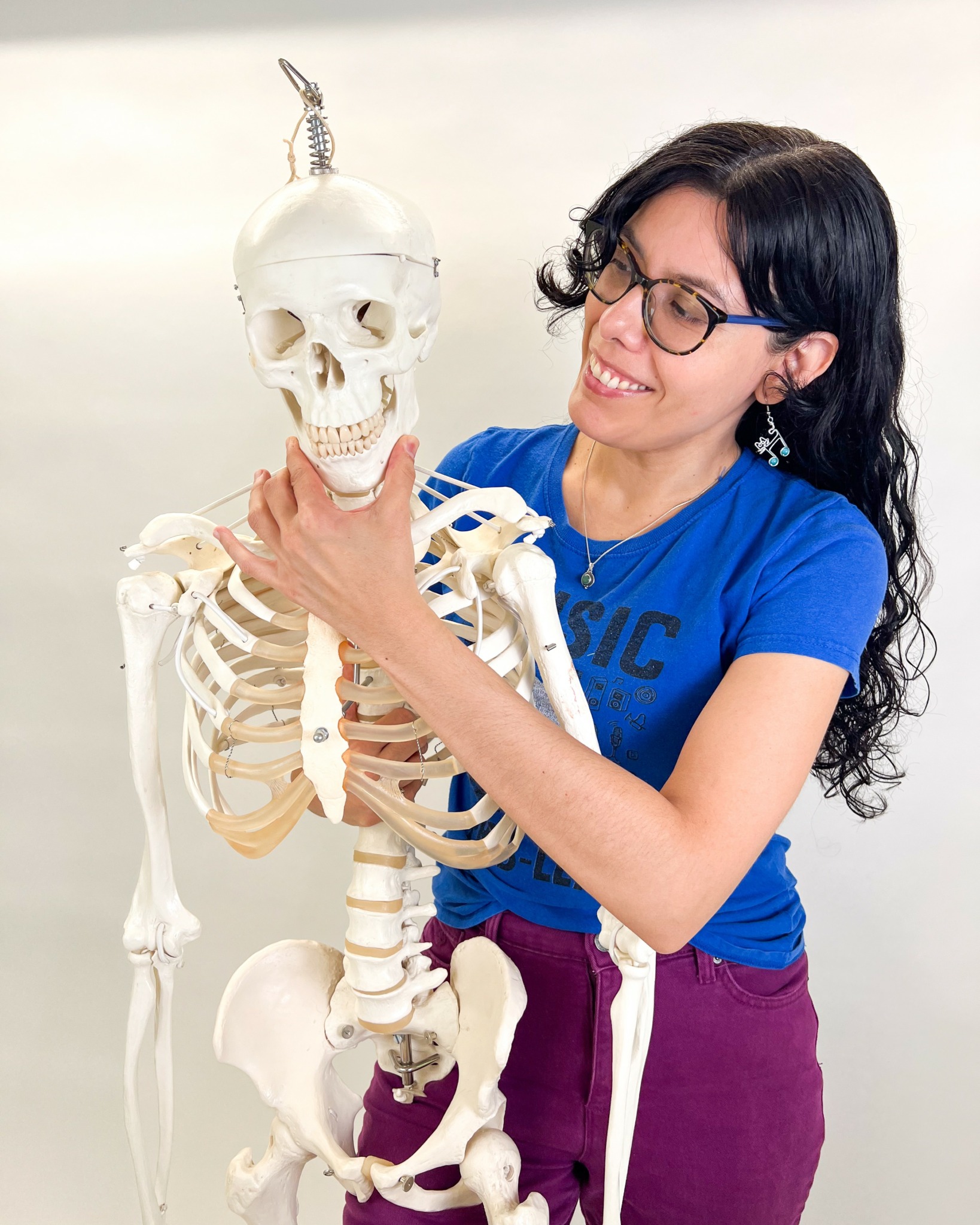
AT is especially helpful for anyone dealing with chronic pain, tension or discomfort. Whether in a private lesson, group class or workshop we start with the fundamentals- standing, sitting, walking, bending and lying down. I also encourage students to bring an activity they want to improve—whether that’s playing a musical instrument, working more comfortably at a desk, or learning how to bend down without straining their back. Exploring these movements gives us a chance to see how habits show up in real time.
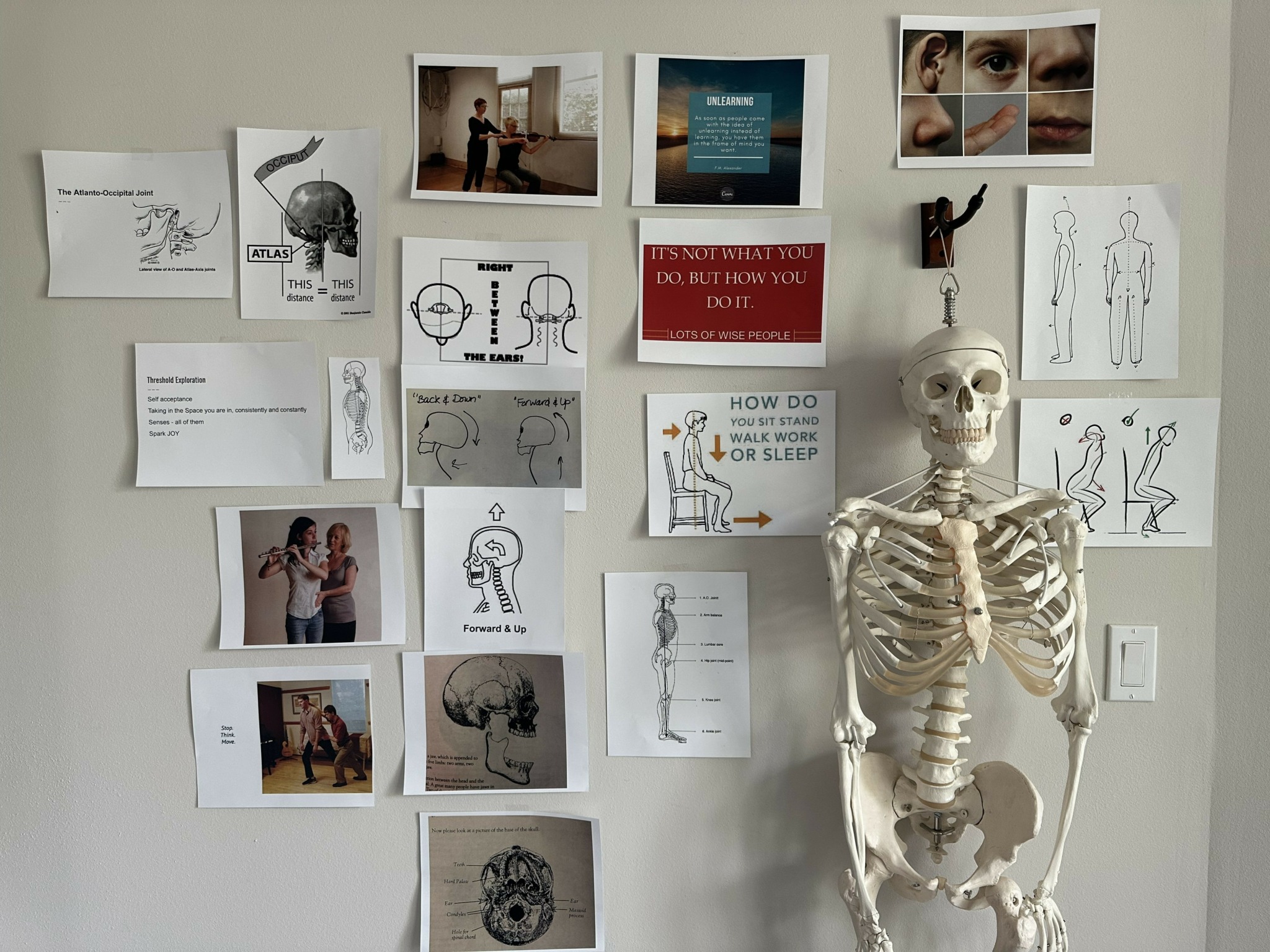
I always emphasize that this is a mind-body education. Many students come to me because of physical pain, however, the real transformation happens when they learn to tune into how they’re focusing, coordinating, and using their bodies. We work on refining their senses- especially the kinesthetic sense that tells us how we’re moving and balancing.
One thing that sets me apart is that I am currently the only Alexander Technique teacher in Miami. The teacher who first guided me on this path moved away several years ago, and I recently returned to Miami myself, filling the space he left behind. It feels meaningful to bring this work back to the community.
What sets the Alexander Technique apart from other approaches is its focus on the whole person. Instead of isolating symptoms, we look at how someone senses, perceives, moves, thinks, and responds to the world. Students learn how to soften, receive support, and rebalance their nervous systems so daily tasks become easier, more fluid, and more energizing instead of draining and stressful. It’s a practice that helps people find balance throughout the day, especially during triggering or demanding moments—being stuck in traffic, navigating work stress, or, for me, performing on my instrument.
What I’m most proud of is witnessing people leave my sessions with a sense of empowerment and a deeper understanding of themselves. Seeing students experience the same clarity and relief that I felt at the beginning of my journey with the Alexander Technique is incredibly meaningful.
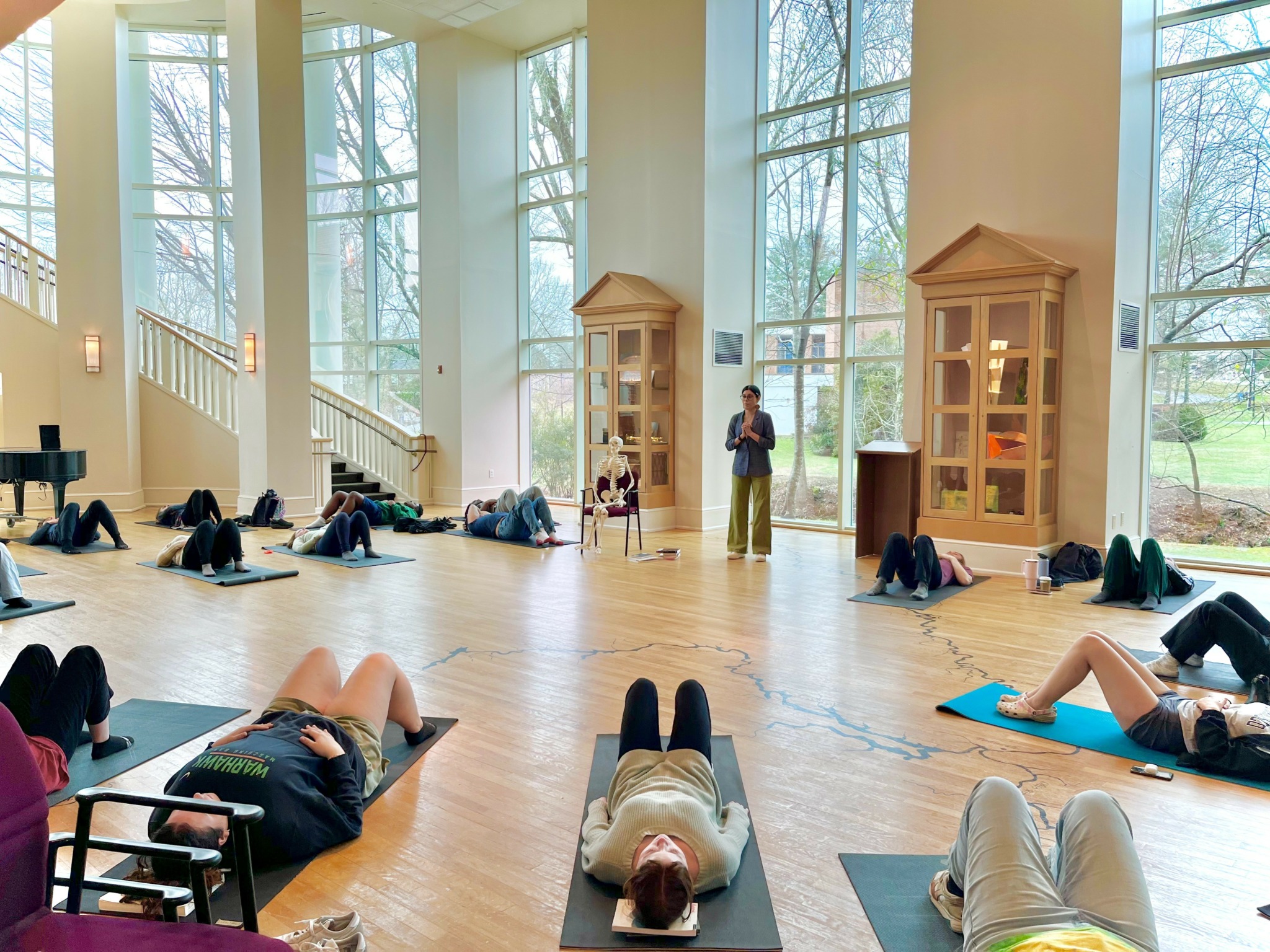
Do you think you’d choose a different profession or specialty if you were starting now?
Wholeheartedly, yes! I would do it all over again. I think because I am the only AT teacher in Miami, I feel responsible to make sure that this technique is represented and available for the community.
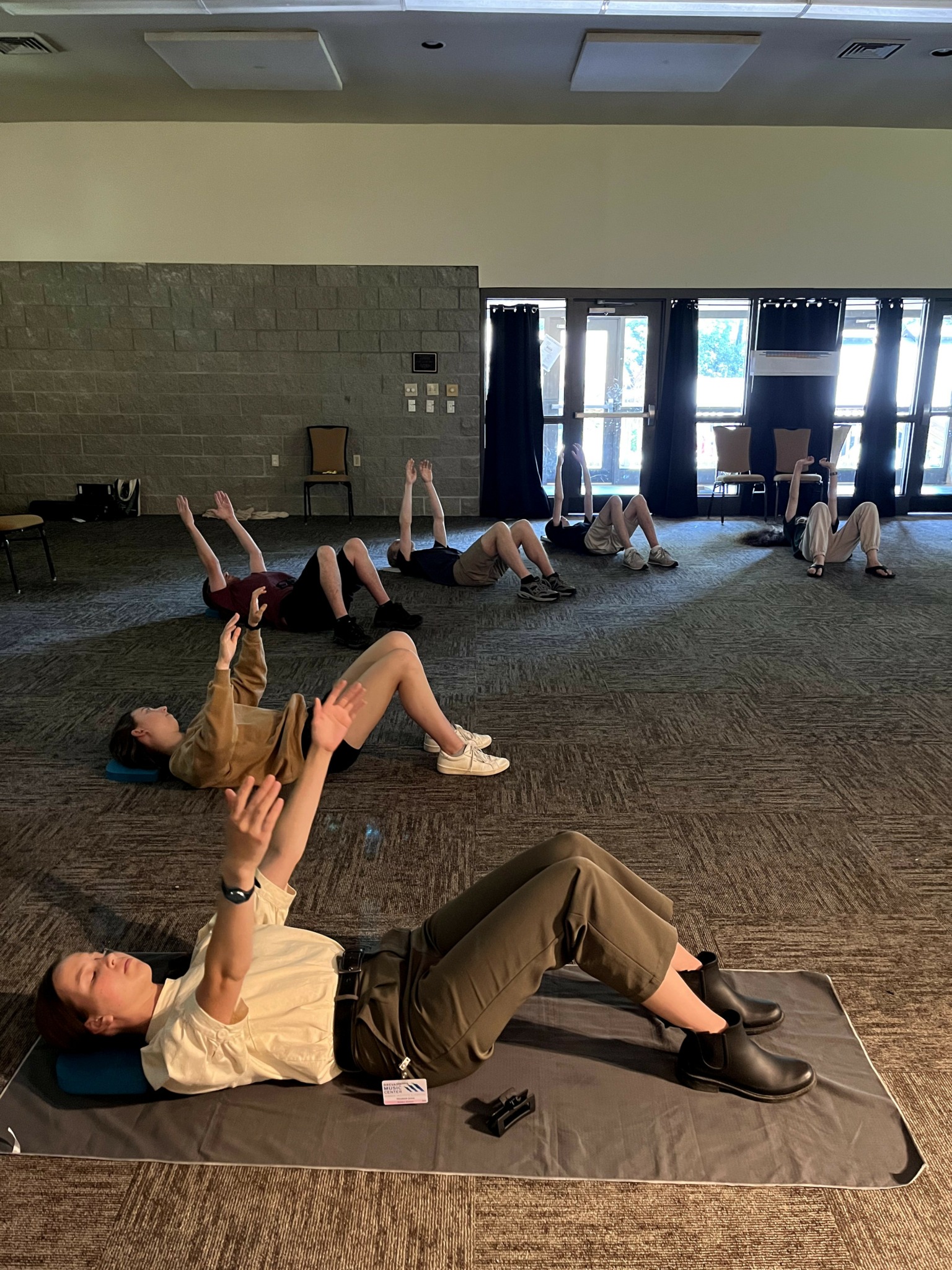
Putting training and knowledge aside, what else do you think really matters in terms of succeeding in your field?
I believe one of the most important factors in succeeding in this field—beyond training and knowledge—is staying in the mindset of being a lifelong student of the Alexander Technique. Continuing to apply the work to myself allows me to support others more effectively. I’ve noticed that even when I have the information or skills, students are far more open and receptive when I remain open and receptive. Their nervous systems respond to mine; when I am calm, present, and grounded, they feel safer and more at ease.
In this work, I have to “walk the walk.” I need to keep embodying the principles I teach, because students learn not only from my words, but also from what they observe and experience in my presence—how I move, how I respond, and how I model the work moment by moment.
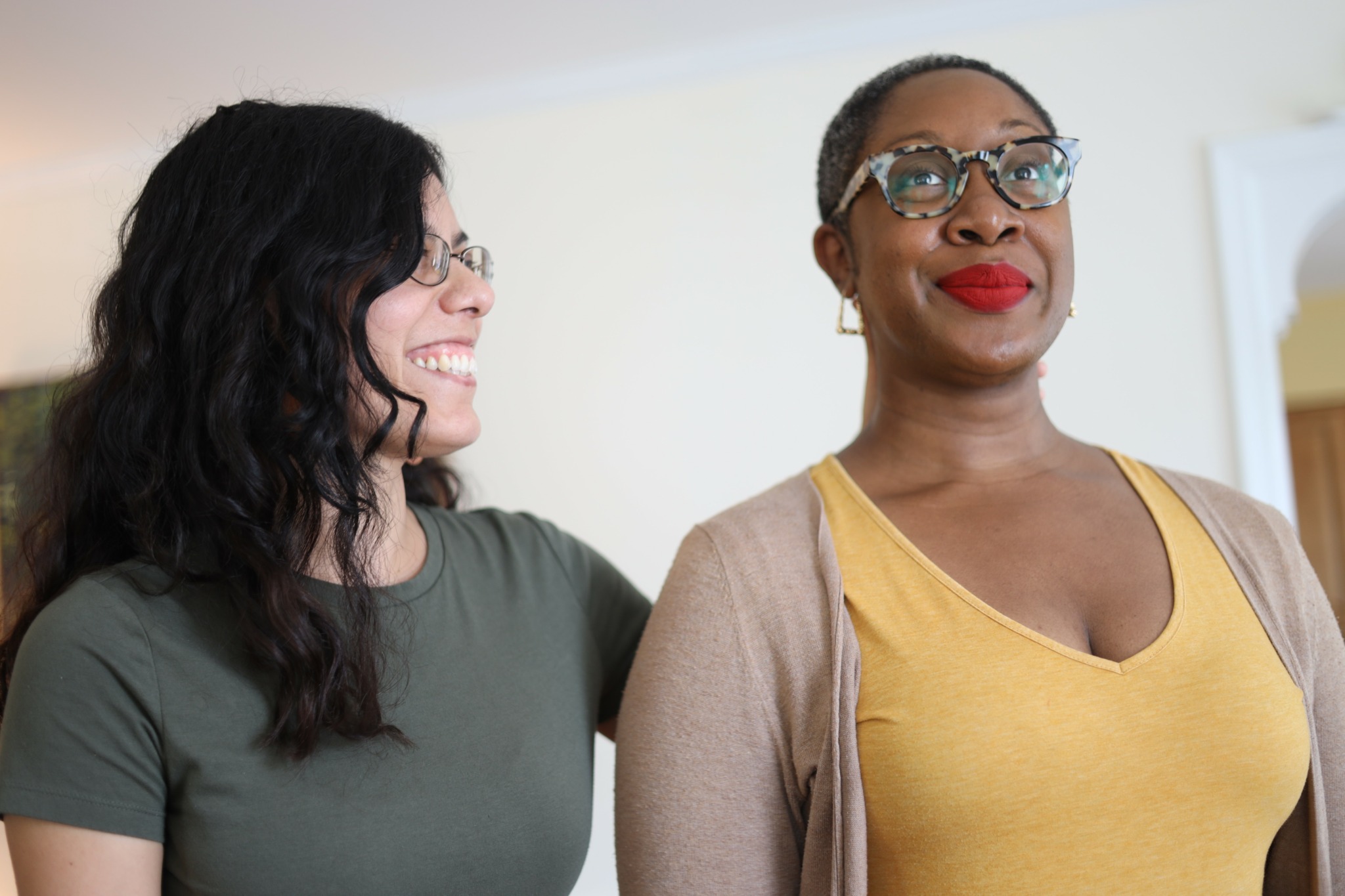
So even though I am the “teacher” I am not above them, but simply walking alongside them. We are learning together.
Contact Info:
- Website: https://calmingbalance.com
- Instagram: calmingbalance
- Facebook: https://www.facebook.com/Calmingbalance/
- Linkedin: https://www.linkedin.com/in/calmingbalance/