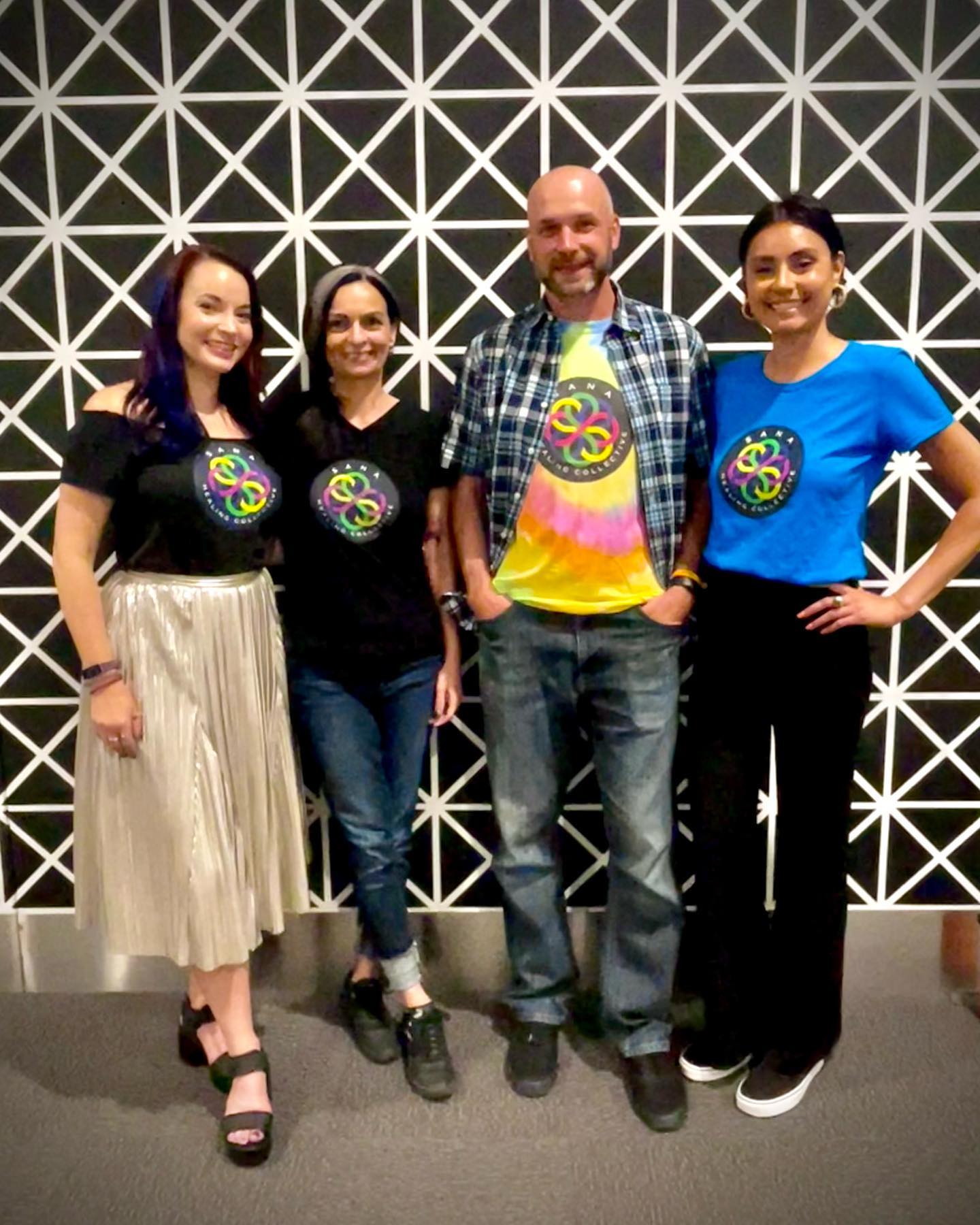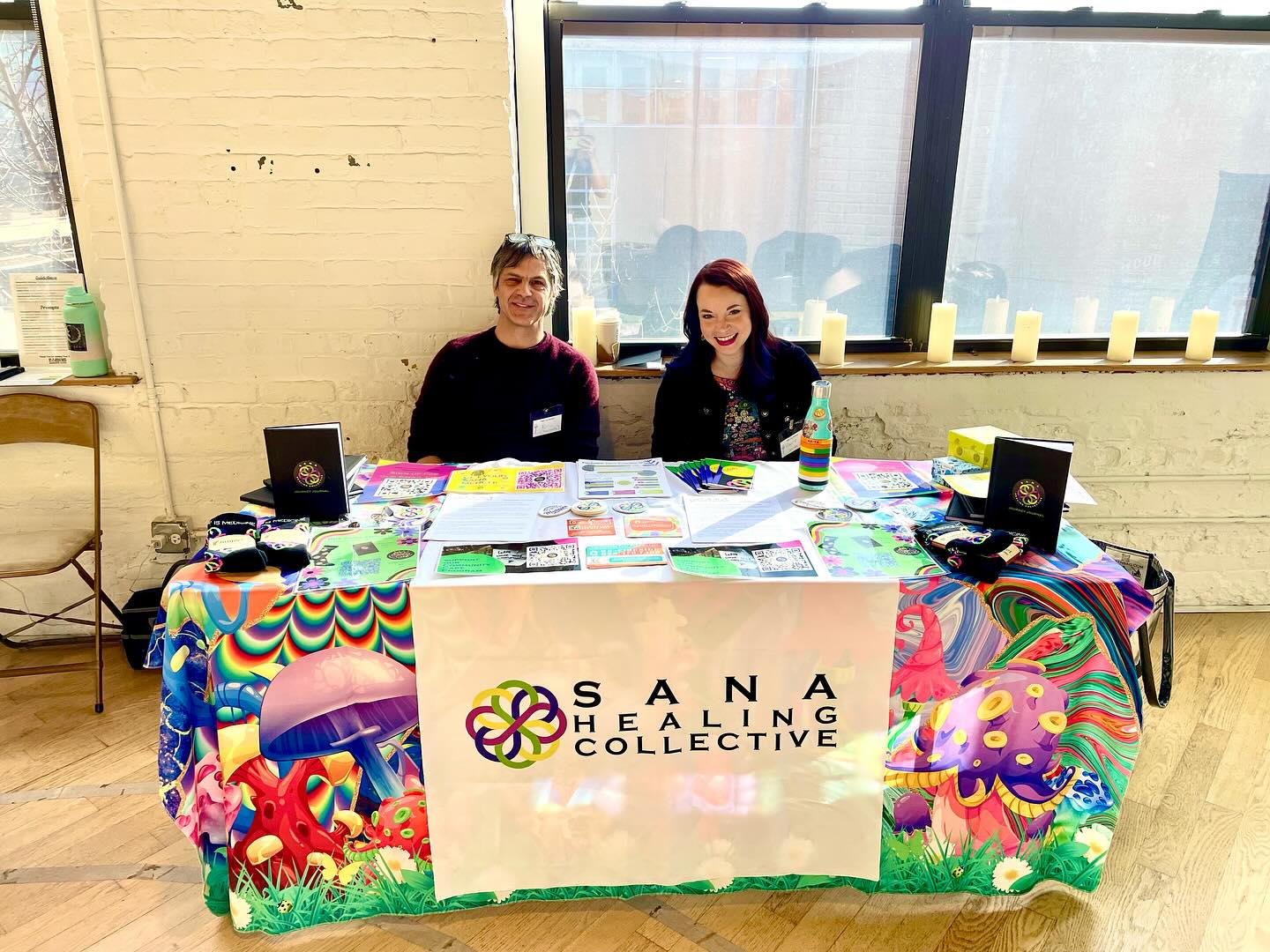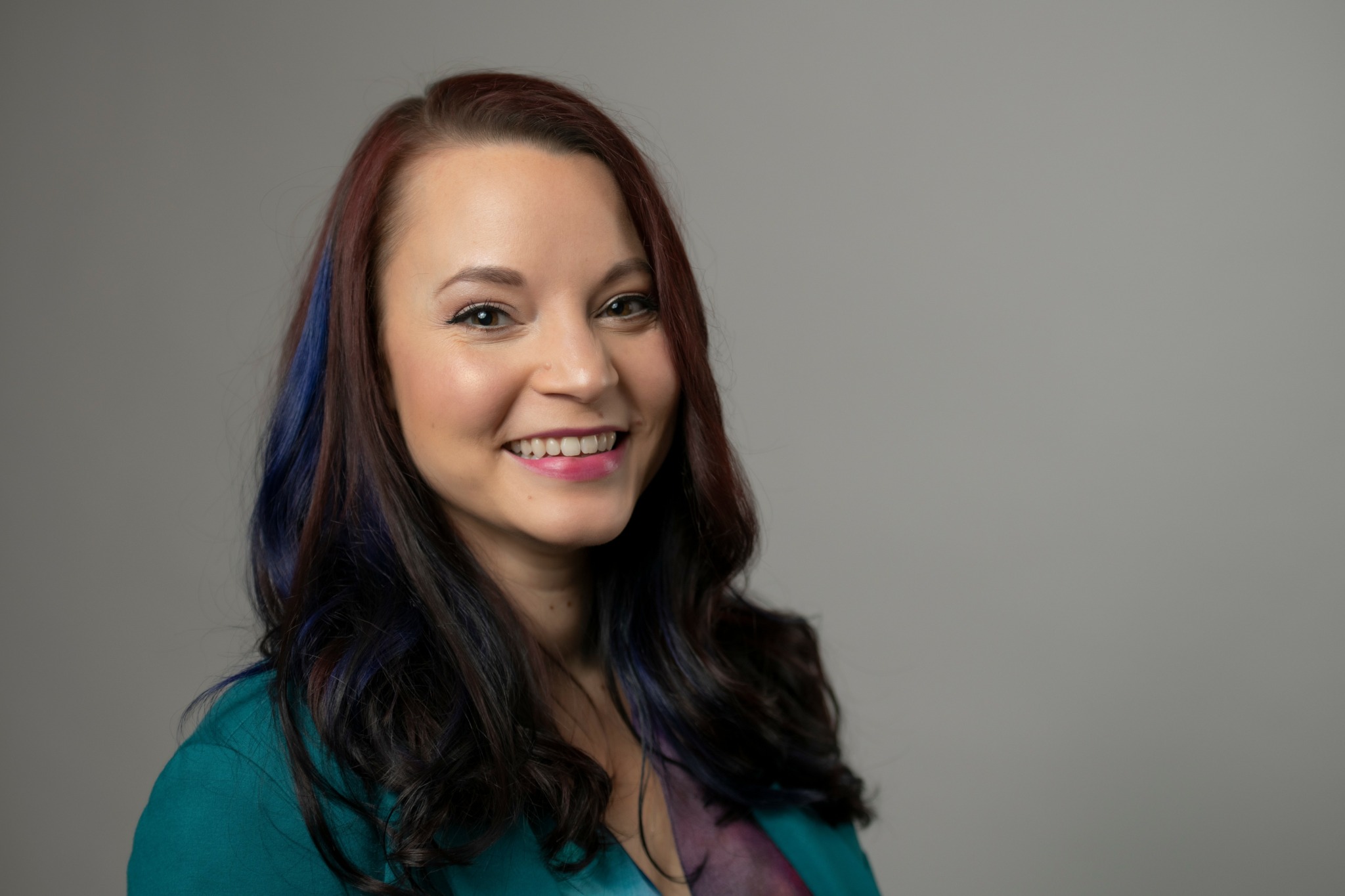

We caught up with the brilliant and insightful Vilmarie Fraguada Narloch a few weeks ago and have shared our conversation below.
Alright, Vilmarie thanks for taking the time to share your stories and insights with us today. Was there a defining moment in your professional career? A moment that changed the trajectory of your career?
I have been fortunate to experience several defining moments that have led me to where I am today. The first moment that comes to mind is when I decided to shift my focus in undergrad from working with children and adolescents, to working with people who use drugs (PWUD). This was initiated when my advisor at the time suggested I take a few extra courses which would allow me to complete the required coursework for becoming a drug and alcohol counselor.
That defining moment catapulted me into that world, and became my academic focus during graduate school as well. This shift in focus also led to my next significantly defining moment at the beginning of my doctoral program. When I interviewed at Roosevelt University, one of the professors, noting my interest in substance use disorders, offered to introduce me to Kathie Kane-Willis, who was the director of the Illinois Consortium on Drug policy at the time. The consortium was doing research on drug use trends and served as a policy advocacy organization.
Once I was accepted to Roosevelt, I immediately reached out to Kathie and asked for a graduate assistantship, and fortunately, she offered me the position! Kathie just so happened to be the advisor for the Students for Sensible Drug Policy chapter at Roosevelt, and she suggested I check out that group. I did, and that changed my trajectory once more. I started to learn about Harm Reduction and the failures of the War on Drugs that I had witnessed and experienced, but up til then did not have an understanding of. This led me to take a broader approach to treating substance use disorders and the community at large.
Prior to my joining SSDP, I had experienced the failures of our mental health system when it came to actually addressing the real needs of people who use drugs, and I was, frankly, burnt out, and unsure if I had made the right choice of career. Through SSDP, I learned about the racist and classist War on Drugs, and the ways it has been intentionally designed to oppress people, especially BIPOC. I learned how to speak up about such injustices, and SSDP helped me find my voice and my own ability to make change by educating others, working directly with PWUD from a harm reduction framework, and speaking truth to power to enact policy change,
This also led to my exploration of psychedelics, as the research on psychedelic assisted therapy for trauma and other mental health conditions was really starting to ramp up and become more widely shared. I started to consider a world where psychedelic therapy could be a possible option for people for whom other modalities have not worked.
Working with PWUD, I was coming face to face with some really complex needs and history, and was finding that so many of my clients had faced a lot of trauma in their lives. It was in a moment of deep frustration and desperation I experienced in working with a particular client that I decided to become a psychedelic therapist. This was a client who was in and out of rehab and detox centers and who was trying everything, all the while being actively traumatized by the loss of friends and loved ones to opioid overdose. After one of our sessions, I was reflecting on his needs, and remembered the research I had been reading about ibogaine and the promise it had in treating opioid use disorder. Knowing I couldn’t provide the kind of support this specific individual needed at the time, I vowed to do what I could to be able to provide that kind of treatment for others, so I literally googled, “how to become a psychedelic therapist.”
It was in that moment of frustration and the resulting google search that my career trajectory shifted once again, as I found the California Institute of Integral Studies and their Certificate program in Psychedelic-Assisted Therapy and Research, A couple years later, in 2018, I completed the program and received my certificate!
From there, I went on to co-found a community psychedelic integration group, called Psychedelic Safety, Support, and Integration – Chicago, which was focused on providing Harm Reduction, education, and a safe space to process psychedelic experiences. That eventually blossomed into what is now Sana Healing Collective, a nonprofit mental health clinic in Chicago focused on provided psychedelic-assisted therapy (using ketamine for now, as that is what is legal and available to us right now).
Vilmarie, love having you share your insights with us. Before we ask you more questions, maybe you can take a moment to introduce yourself to our readers who might have missed our earlier conversations?
I am, first and foremost, a fierce Harm Reductionist, and that serves as a major value and foundation of my work and the way I work with clients.
I am a licensed clinical psychologist focusing on integrated treatment of co-occurring mental health and substance use disorders. I am an activist working to end the War on Drugs and I advocate for science and reality-based drug education and harm reduction approaches for all. I approach my work from a humanistic lens, focusing on the individual needs of the person, group, or community.
Most recently, I became co-founder and Director of Sana Healing Collective, and hold a deep commitment to community, inclusivity, and creating healing spaces for those facing systemic barriers.
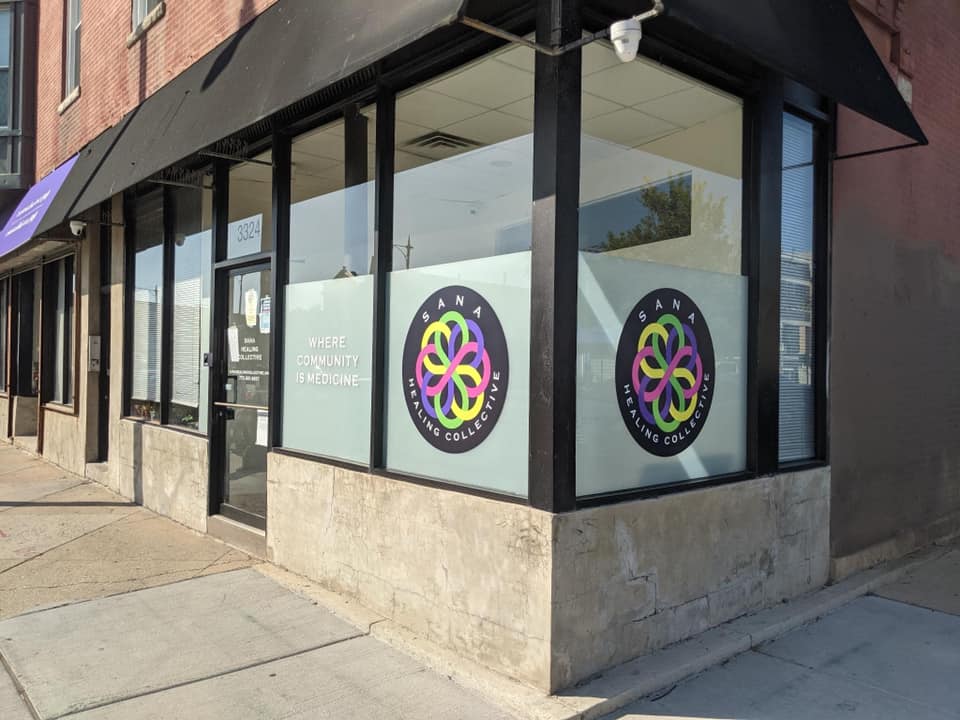
Our motto at Sana is “Community is Medicine,” and reflects my belief that collective care (including collective activism and advocacy) can lead to transformative healing.
We built Sana Healing Collective as a nonprofit because in learning more about psychedelic-assisted therapy and the barriers we already face in access to mental healthcare, we knew that these novel treatments would likely be incredibly expensive. We didn’t want this to be yet another privilege only well-resourced white folks can afford or access. We believe everyone should be able to access the best there is to offer in mental health care, and so our Community Care Fund helps us support folks who have faced systemic oppression or serve our community through organizing or direct service Harm Reduction work.
We currently provide ketamine-assisted therapy, both for individuals and groups, and also provide training, education, community outreach and more.
We are one of only a handful of direct service mental health nonprofits in the psychedelic space in the nation, and the only one we know of in Illinois. I am incredibly proud of what we have been able to accomplish in the 3 short years we have been in operation, and look forward to our growth so we can better serve more folks who need it.

How did you put together the initial capital you needed to start?
Community! As a nonprofit, we relied on grassroots fundraising to provide the initial seed money to get our operations started. We were fortunate that an acquaintance of one of our board members believed in what we were doing, and became our first (and so far only) “major” funder, donating about $30,000 a year for our first two years of operations. That $30,000 assured that we could put our mission into practice immediately, as that funding initiated our Community Care Fund. Our remaining donations come from our community, who donate small amounts here and there, and pay to attend our events.
In addition t0 donations, we also are in network with one major health insurance provider, which helps ensure that our clients who are insured can access our services, and thus serves as a consistent revenue stream to help cover our expenses, so that any fundraising can be focused on maintaining the Community Care Program.
Other than training/knowledge, what do you think is most helpful for succeeding in your field?
PATIENCE! The psychedelic field, however fast-paced in may seem, is also very slow, as we have to rely on our (outdated and overly bureaucratic systems to complete the research to demonstrate that these medicines have legitimate promise for treating mental health conditions. I have had to also unlearn my fierce independence and tendency toward urgency to instead move at the speed of trust, and to learn to lean on my community of peers and colleagues to ensure we are staying true to our vision and mission.
Contact Info:
- Website: https://sanahealingcollective.org/
- Instagram: https://www.instagram.com/sanacollective/
- Facebook: https://www.facebook.com/SanaHealingCollective
- Linkedin: https://www.linkedin.com/in/vilmarie-f-narloch-psyd-653492a/
- Youtube: https://www.youtube.com/@sanahealingcollective
- Other: https://sanahealingcollective.bandcamp.com/album/sounds-of-sana