
We recently connected with Viktor Sokorai and have shared our conversation below.
Viktor, looking forward to hearing all of your stories today. What’s been the most meaningful project you’ve worked on?
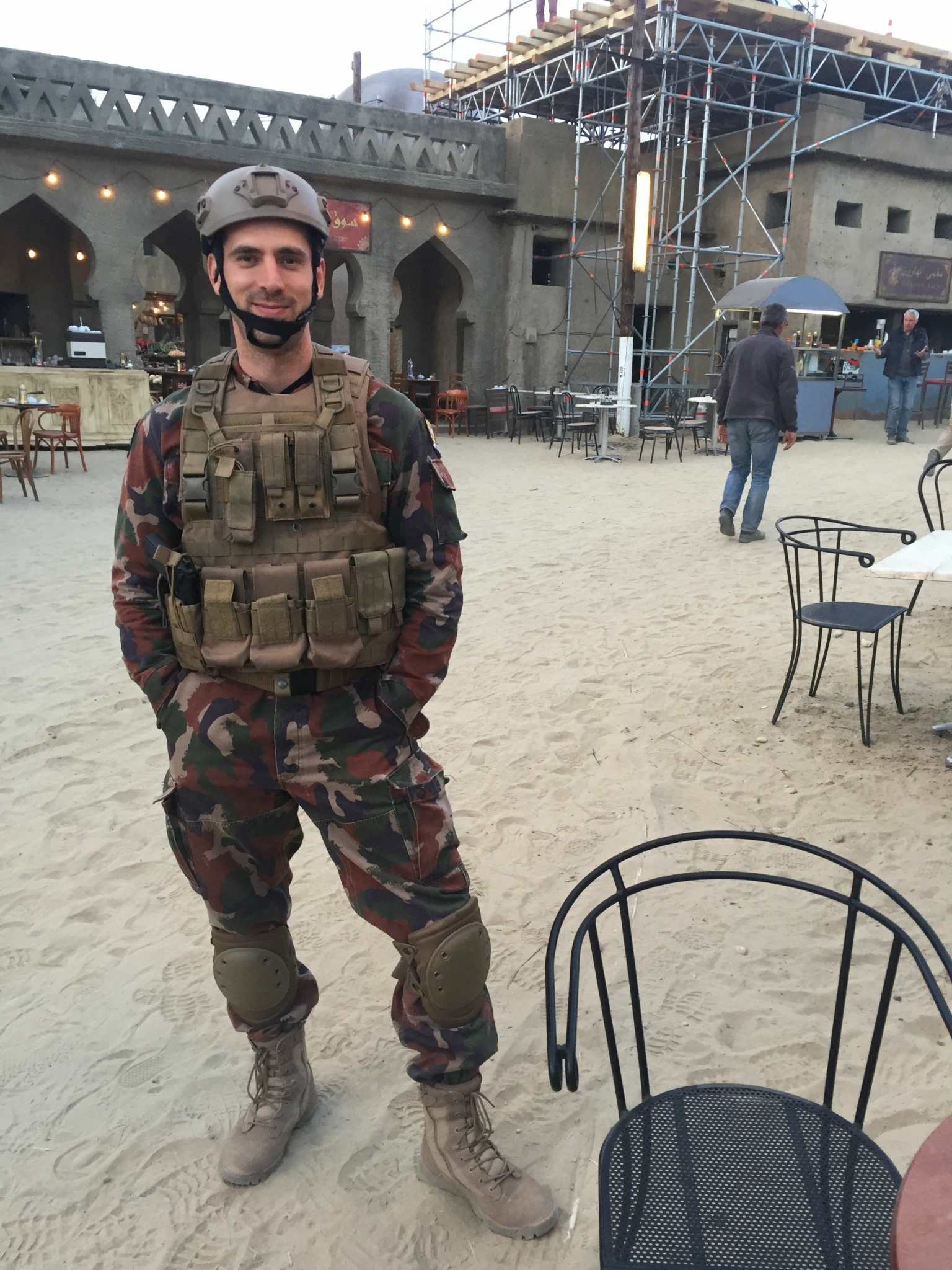
One of the most meaningful projects I’ve worked on was the Netflix series Shadow and Bone. I was selected for this production specifically because of my deep and high-level martial arts background. The creative team wanted the fight scenes to incorporate authentic kung fu elements, which gave me the opportunity to fully integrate my traditional training into the choreography and performance.
During the production, we developed several fight sequences where I was able to contribute both as a performer and as someone helping shape the movement language of the action. One of the most memorable scenes featured a fight in which the character used a staff disguised as a walking cane to defend himself against five bandits. Designing and refining this sequence was an incredible creative experience. It was especially rewarding to train the actor and see the fight evolve into one of the major action moments of the series. The scene combined visually striking kung fu techniques with a raw, intense atmosphere, incorporating weapons such as chains, sticks, and knives, which required precise timing and strong technical execution.
In another fight, I helped prepare an actress whose character relied entirely on hand-to-hand combat rooted in kung fu principles. We incorporated animal-inspired movements as well as powerful internal striking techniques, blending traditional martial arts with cinematic elements such as wire work and acrobatic movement. This combination allowed us to create something dynamic, expressive, and visually unique.
The production lasted several months, and each day brought new creative and technical challenges, refining choreography, adding new movements, and continuously improving the fight sequences. It was an environment that allowed me to grow significantly as both a martial artist and a stunt professional. I gained invaluable experience and was given increasing creative trust, which allowed me to contribute ideas and develop visually compelling and original action moments.
What made this project particularly meaningful to me was the opportunity to demonstrate how traditional kung fu can enhance modern cinematic storytelling. It allowed me to show that authentic martial arts knowledge can elevate fight choreography, making action scenes not only visually impressive, but also technically grounded and expressive.
Great, appreciate you sharing that with us. Before we ask you to share more of your insights, can you take a moment to introduce yourself and how you got to where you are today to our readers.
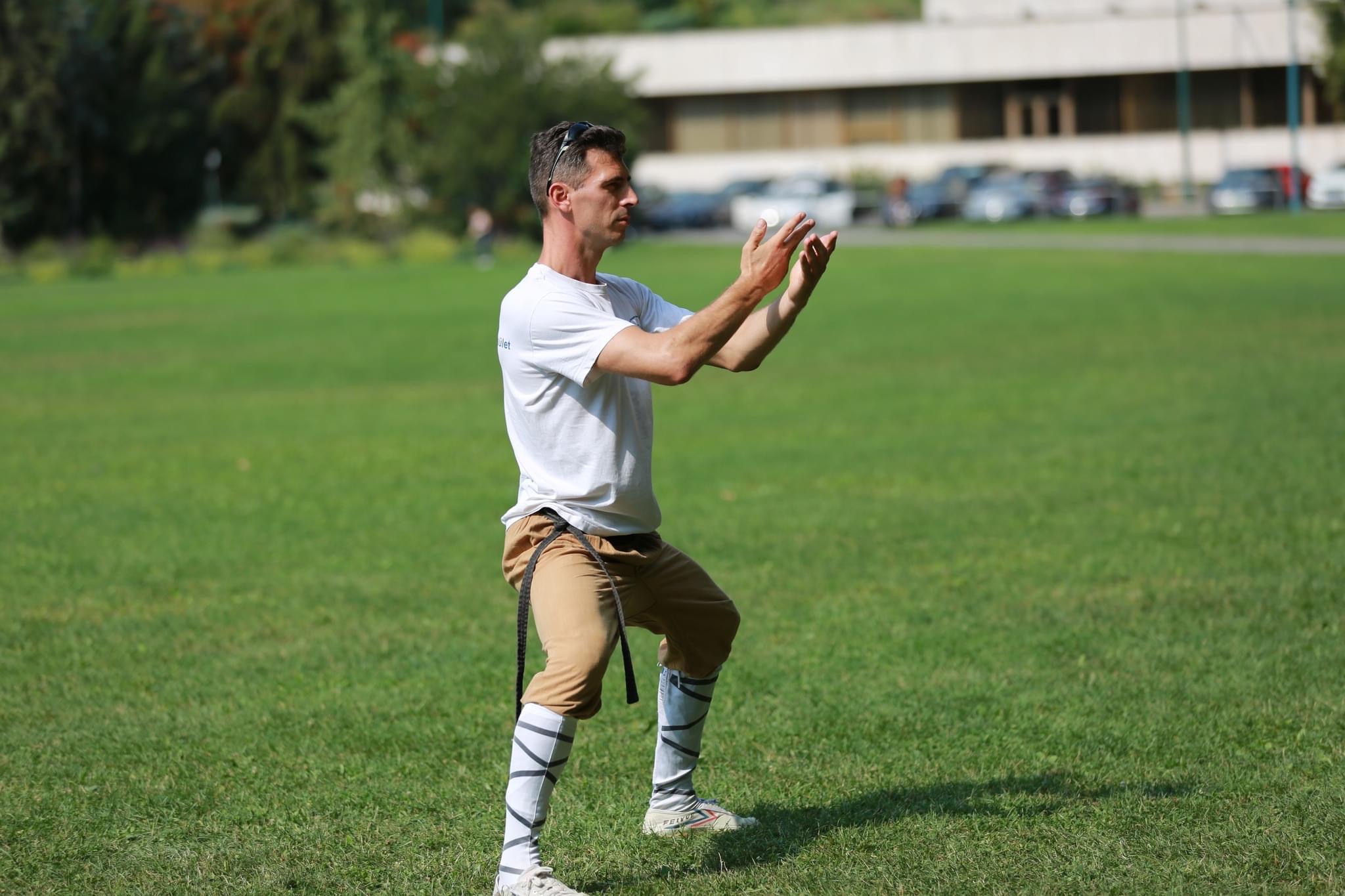
For readers who may not know me yet, I am a stunt performer and martial artist whose work is deeply rooted in traditional Shaolin kung fu. My goal is to bring authentic martial arts principles into modern cinematic action and help elevate the quality, realism, and visual impact of fight scenes.
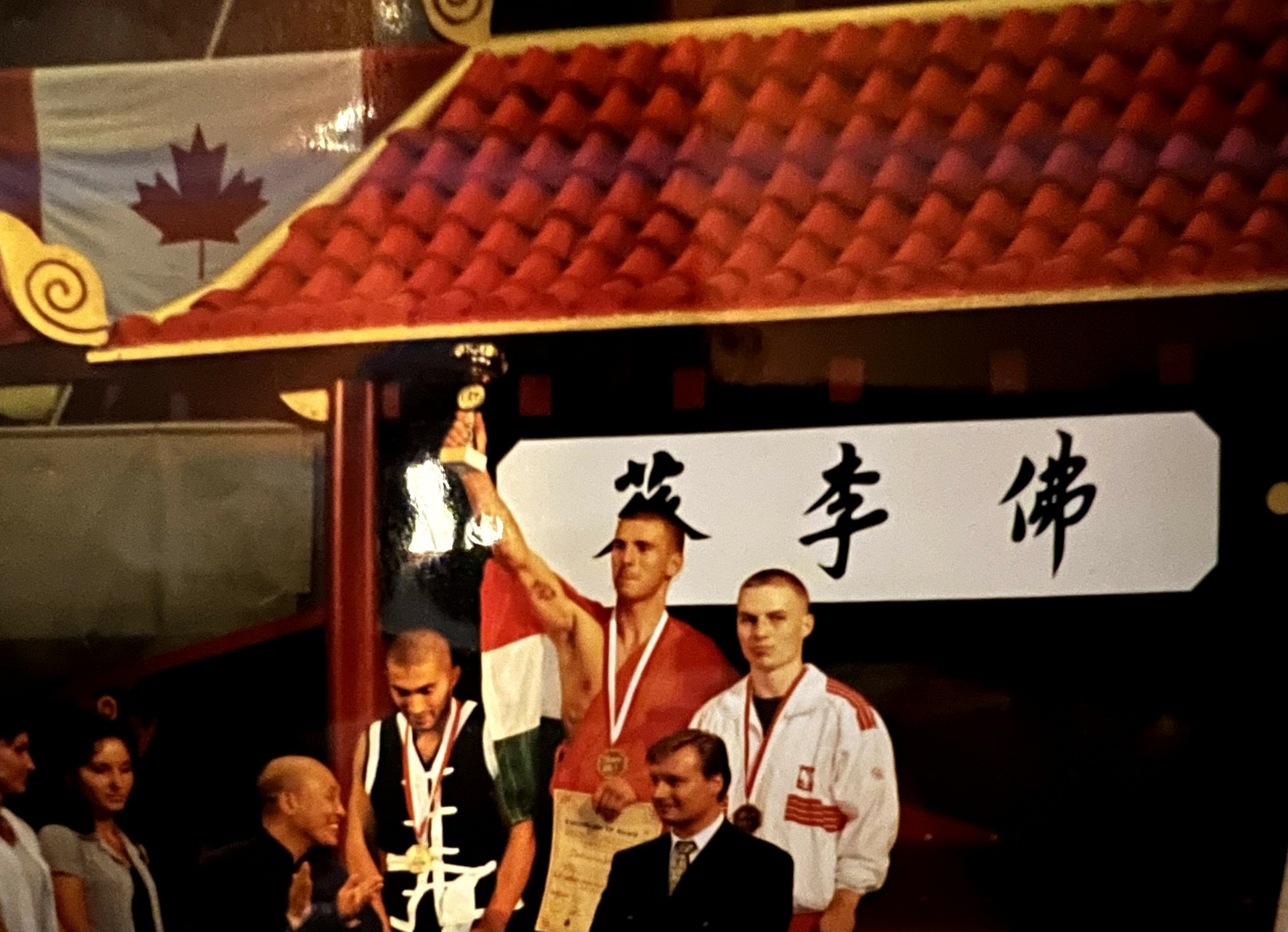
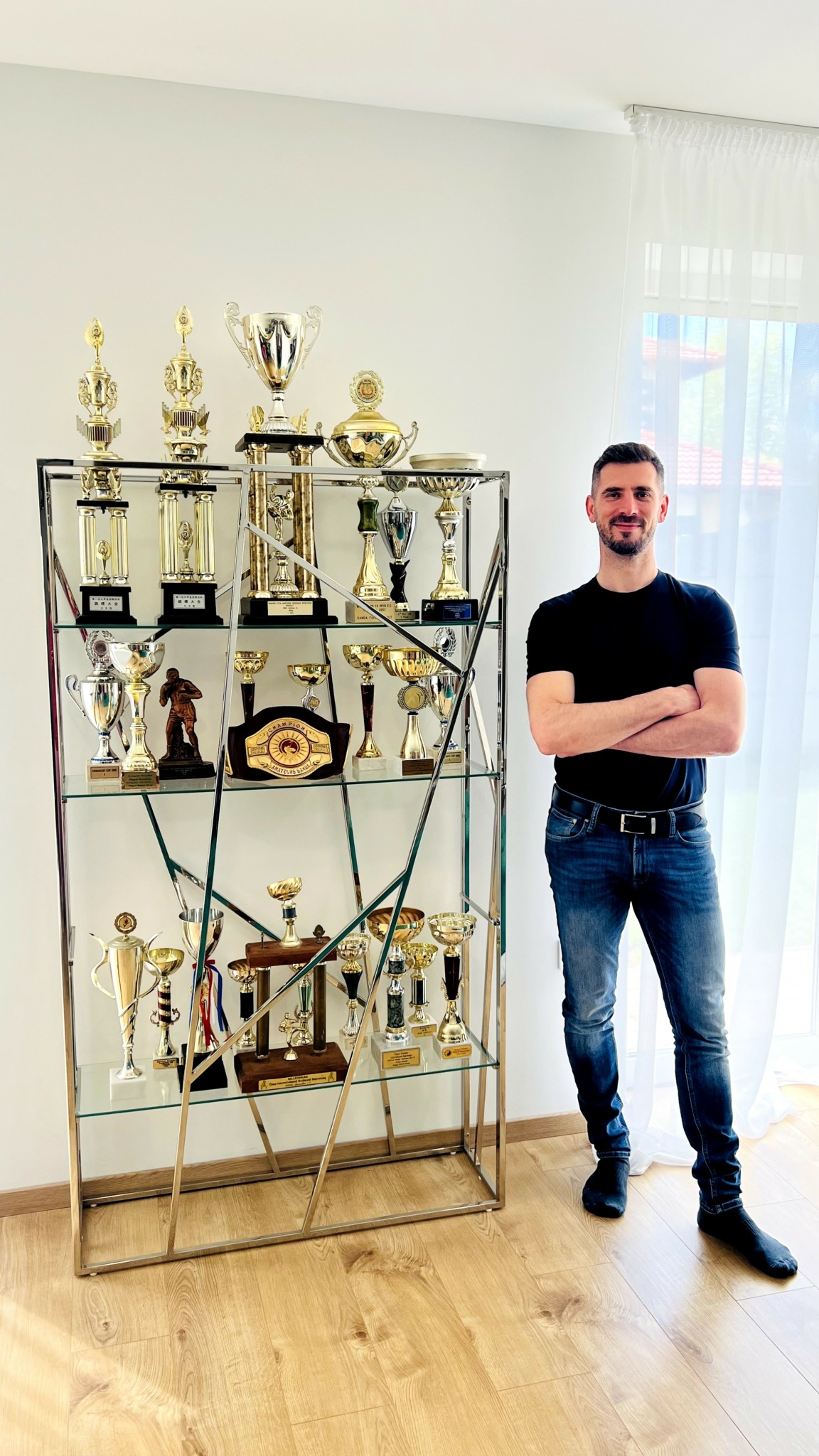
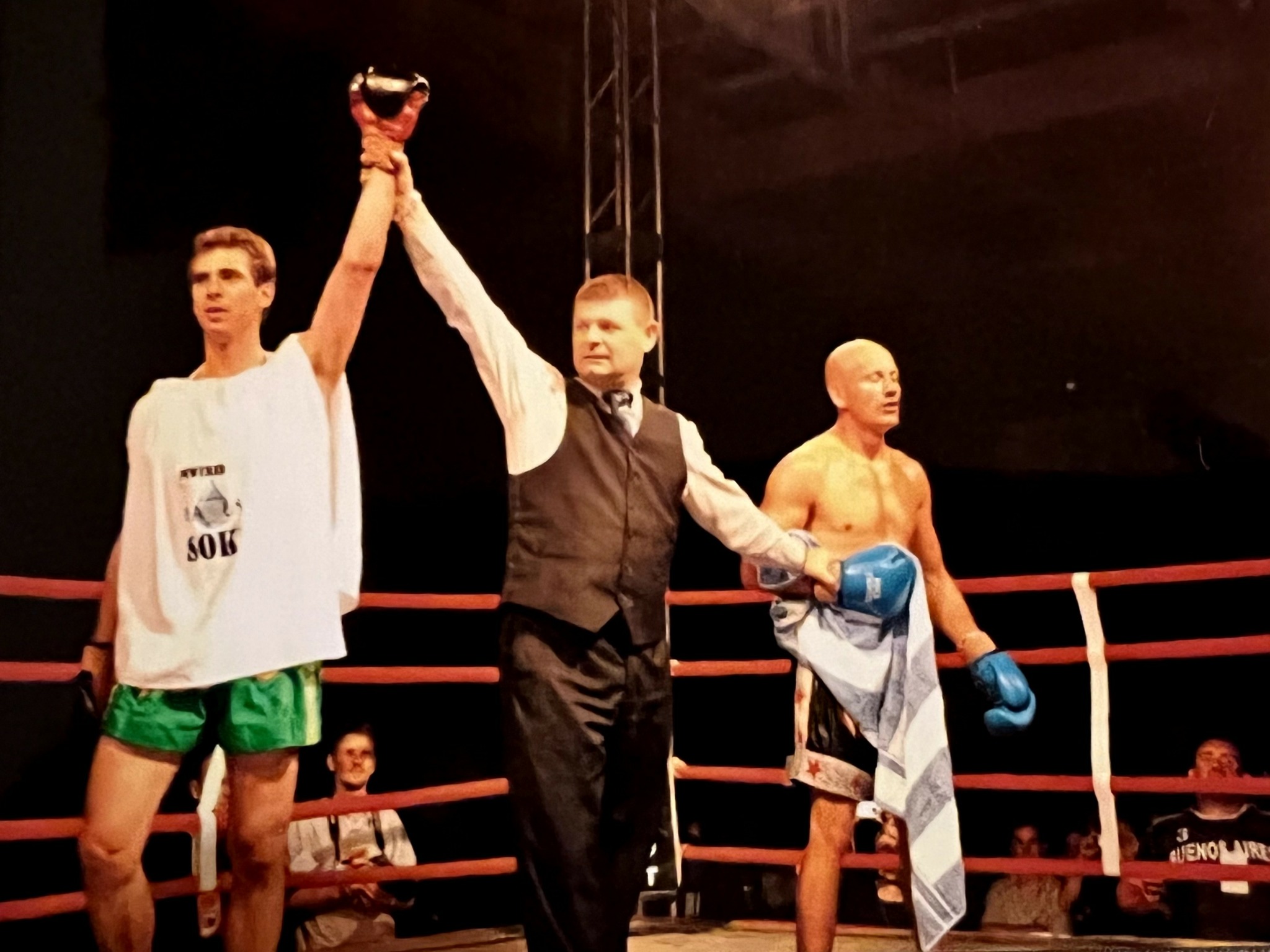
I began practicing Shaolin kung fu at the age of fifteen, and by nineteen I moved into the Hungarian Shaolin Center, where I dedicated my life entirely to studying and mastering martial arts. I trained three times a day, focusing on empty-hand techniques, weapons forms, partner drills, self-defense applications, and full-contact combat. Through years of intense training and competition, I reached a very high level in kung fu and became a four-time world champion. I also competed successfully in other combat sports, winning the Street Fighters Championship and becoming Hungarian champion in Thai boxing.
After my competitive career, I devoted many years to teaching. I conducted training sessions in five different cities, trained instructors, and worked with numerous competitors who achieved significant results. Teaching allowed me to deeply understand how to develop movement, technique, and performance in others – a skill that later became extremely valuable in the film industry.
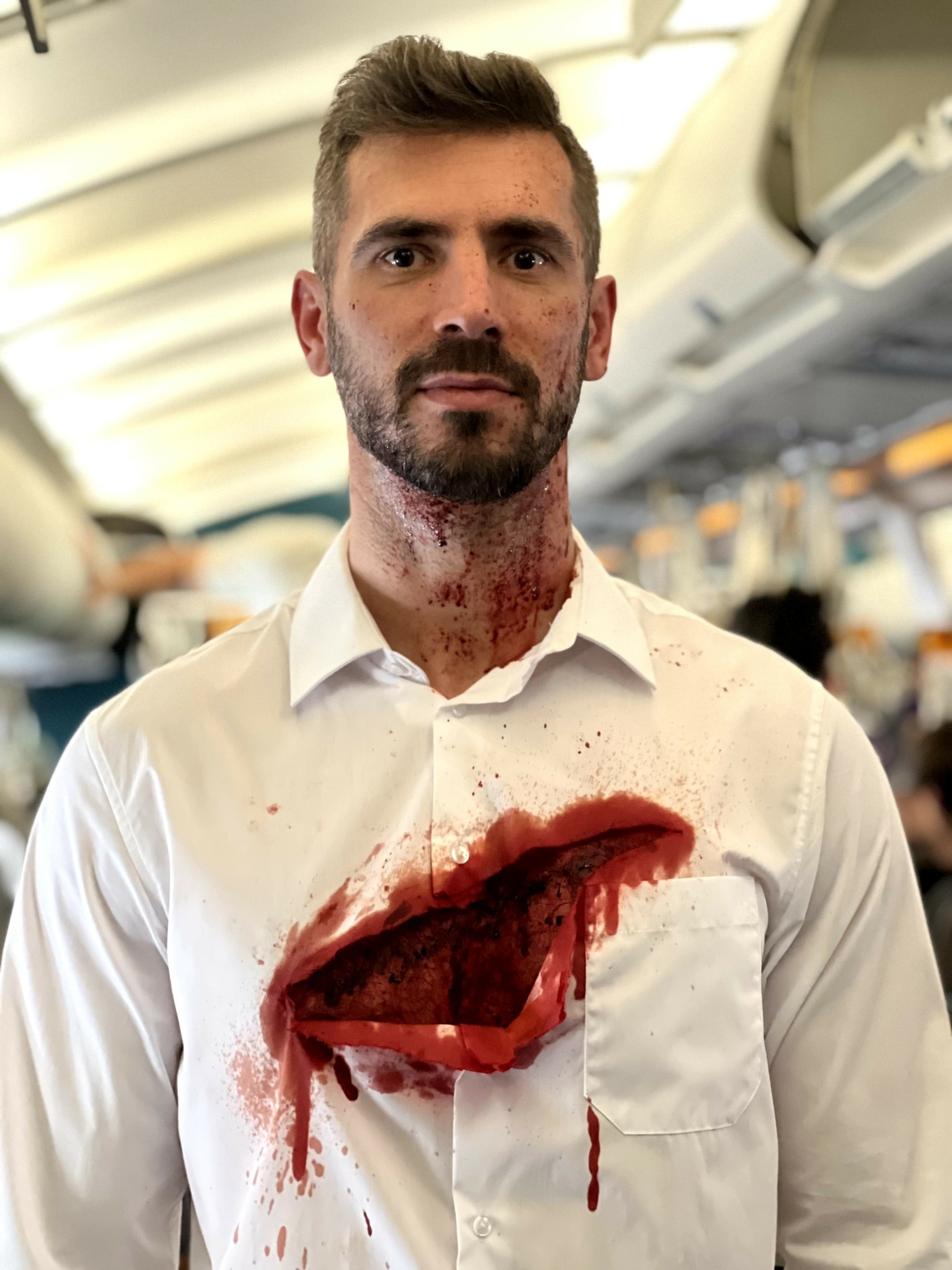
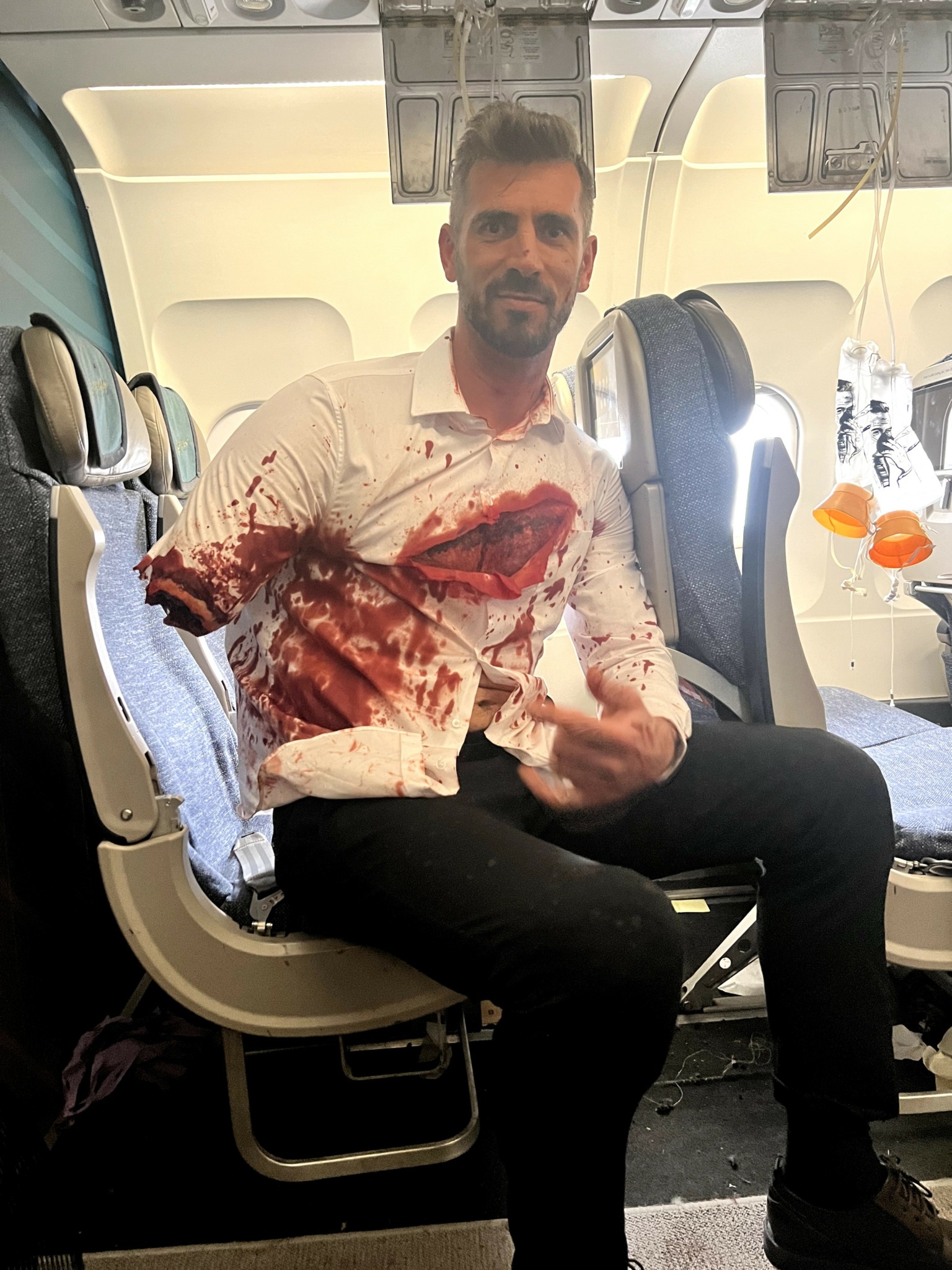
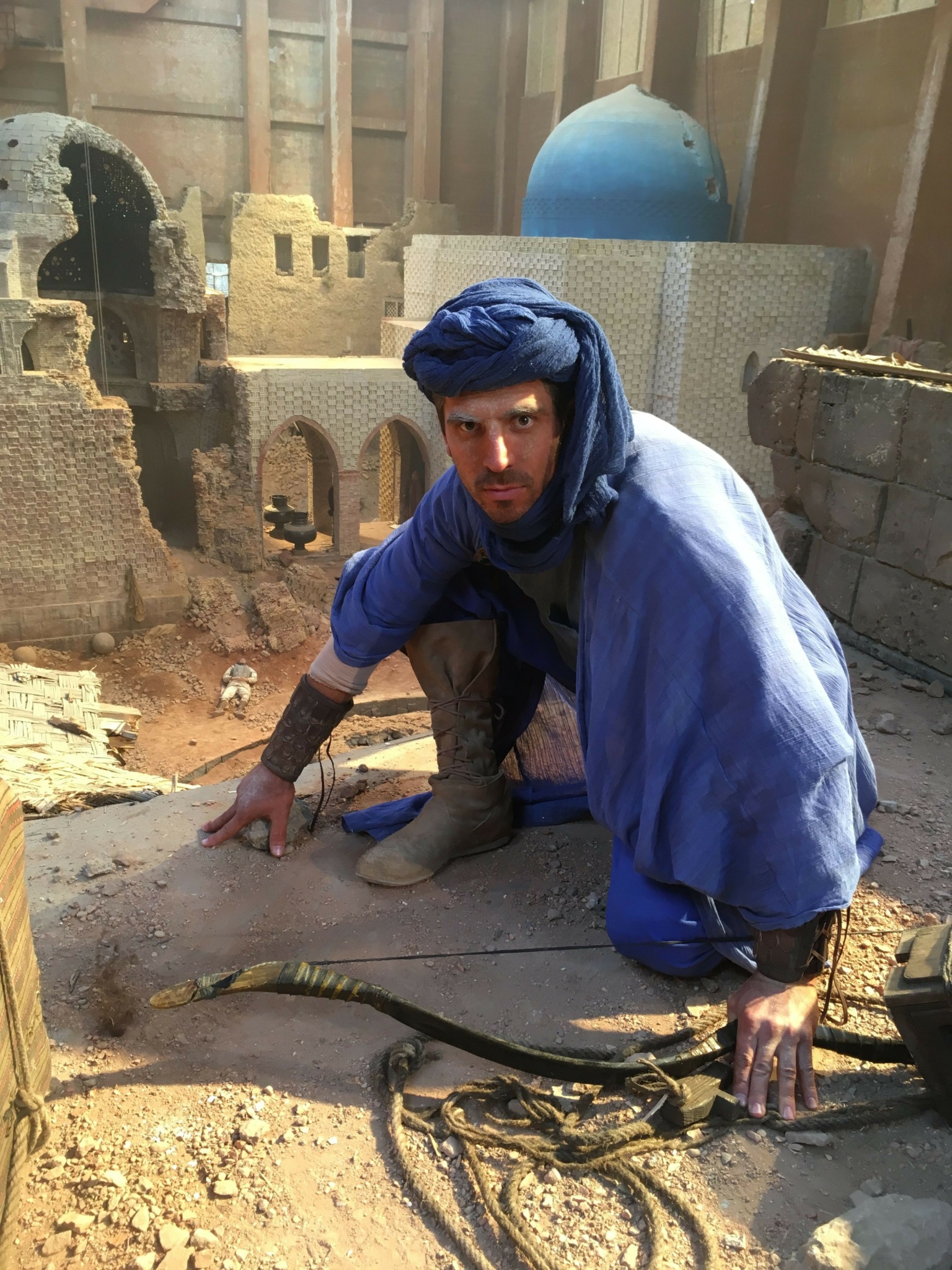
My transition into stunt work happened when industry professionals recognized that my martial arts background could bring authenticity and precision to action scenes. I was invited to work as a stunt performer on film productions looking for performers with strong combat skills. My first film was 47 Ronin, where my experience with traditional weapons, especially sword work, proved extremely useful. I loved being part of that production, and because both my work and professional attitude were highly appreciated, I was invited to continue working on further film projects where I could demonstrate how traditional kung fu knowledge can enhance cinematic action.
What sets me apart is that it is relatively rare for stunt performers to have such an extensive and traditional martial arts background. This gives me a strong advantage when learning complex choreography, performing technically demanding fight sequences, or training actors for physically challenging roles. I am highly experienced in breaking down movement, building choreography, and helping performers execute action in a way that feels both authentic and visually compelling.
I strongly believe that martial arts principles can significantly improve the quality of action in film. My goal is not only to perform stunts, but also to contribute to the creative development of fight scenes and help bring a deeper level of realism and expression to the screen. I am passionate about sharing this knowledge with other stunt performers and actors, and about ensuring that traditional martial arts values continue to influence modern action storytelling.
Ultimately, I want audiences to experience action scenes that feel dynamic, believable, and exciting and I believe my background allows me to contribute to that in a meaningful way.
Is there mission driving your creative journey?
My main mission is to bring the depth of traditional martial arts knowledge into modern cinematic action. The movement culture, mindset, and technical principles that come from classical martial arts create a very different approach to designing and performing fight scenes. Beyond the techniques themselves, martial arts also teach timing, reactions, intention, and authenticity – all of the subtle elements that make a fight feel believable.
When these principles are applied to film, the result is action that feels more realistic, more immersive, and more emotionally engaging for the audience. No matter what style of fight is portrayed, it is essential that viewers feel that what they see on screen could exist in real life. If a fight looks artificial or unconvincing, it breaks the illusion of the story.
Traditional martial arts provide a strong foundation that helps create action scenes that are both visually impressive and credible. My goal is to use this knowledge to elevate the quality of cinematic fights – to create action that captures the viewer’s attention, strengthens the storytelling, and gives films a more powerful and convincing visual impact.
I believe that when action feels authentic, the audience connects more deeply with the story, and that is what continues to drive my creative journey.
For you, what’s the most rewarding aspect of being a creative?
Being part of filmmaking is an incredibly exciting experience. The environment is fast-paced, demanding, and often physically and mentally challenging – but I enjoy these kinds of challenges. They push you to grow and perform at your highest level.
One of the most rewarding moments is when an action sequence comes together successfully and you see the result on screen as part of the final production. Knowing that your work contributes to something meaningful and visually powerful is a fantastic feeling.
I also find it very fulfilling to see the progress of actors during training. Watching someone develop step by step – incorporating new principles, movements, and techniques until they are able to perform a fight convincingly – is extremely rewarding. It shows how preparation, teamwork, and trust between the stunt team, the actor, and the entire production can lead to something truly impressive.
Film is always a collaborative process, and when the combined effort of the whole team creates a strong result, that is a very special moment. Seeing my work appear on screen gives me a sense of self-realization and accomplishment, knowing that I helped create something lasting. Film has the power to preserve moments, performances, and creative ideas for the future, and being part of something that endures over time is deeply meaningful to me.
Contact Info:
- Website: https://www.imdb.com/name/nm8092136/?ref_=nv_sr_srsg_0_tt_1_nm_7_in_0_q_viktor%20sok
- Instagram: https://www.instagram.com/sokorai__viktor?igsh=aWdnaGVwOWhpaGlu