



We recently connected with Viktor Hübner and have shared our conversation below.
Viktor, thanks for joining us, excited to have you contributing your stories and insights. What’s been the most meaningful project you’ve worked on?
I first arrived in the United States during the summer of 2017, but America left an imprint on my imagination from an early age and long before walking the land itself. As a bookish child, I grew up in a small German village in the countryside, reading not only classics but also American novels and comics and consuming cult films; I romanticized the American Way of Life. Thus, I carried in me the dream of coming to America. I wanted to see it with my own eyes. Hear, smell, taste, and feel it.
Once there, intrigued and motivated to gain perspective on the reality experienced by Americans, I began a two-year photojournalistic study from 2017 to 2019. This specific timeframe could be considered the most important and impactful days of the Trump presidency and the rise of the Alt-Right. The study encompasses the time shortly after the new president entered office and concluded just before Covid-19 took hold, mere months before the Black Lives Matter movement—and right-wing counter-protests—gripped the US.
I spent six months hitchhiking three different routes across the United States. I focused on 41 states: towns and cities, interstates, and back roads. All told, I covered over 16,000 miles. I didn’t travel with a fixed route; instead, I chose key points I wanted to visit and left myself the option to veer off track. I guided myself with a few simple rules:
(1) Be open to conversation with everyone I meet.
(2) Do not use public transportation to maximize opportunities for encounters.
(3) Bring only enough money for food and photographic film.
(4) Book no hotels/motels. If necessary, sleep outdoors in a tent.
(5) Do not make online arrangements for transportation or accommodation.
When I first brought up hitchhiking, American colleagues and friends urgently warned me to refrain from my plan and called it impossible. They were sure that no one could survive such a trip, referring to the high crime rate and numerous shootings in recent history. The police discourage it, and many states explicitly ban it. But I would not be deterred; I had to at least give it a try. It is in my nature to attempt what is commonly considered impossible.
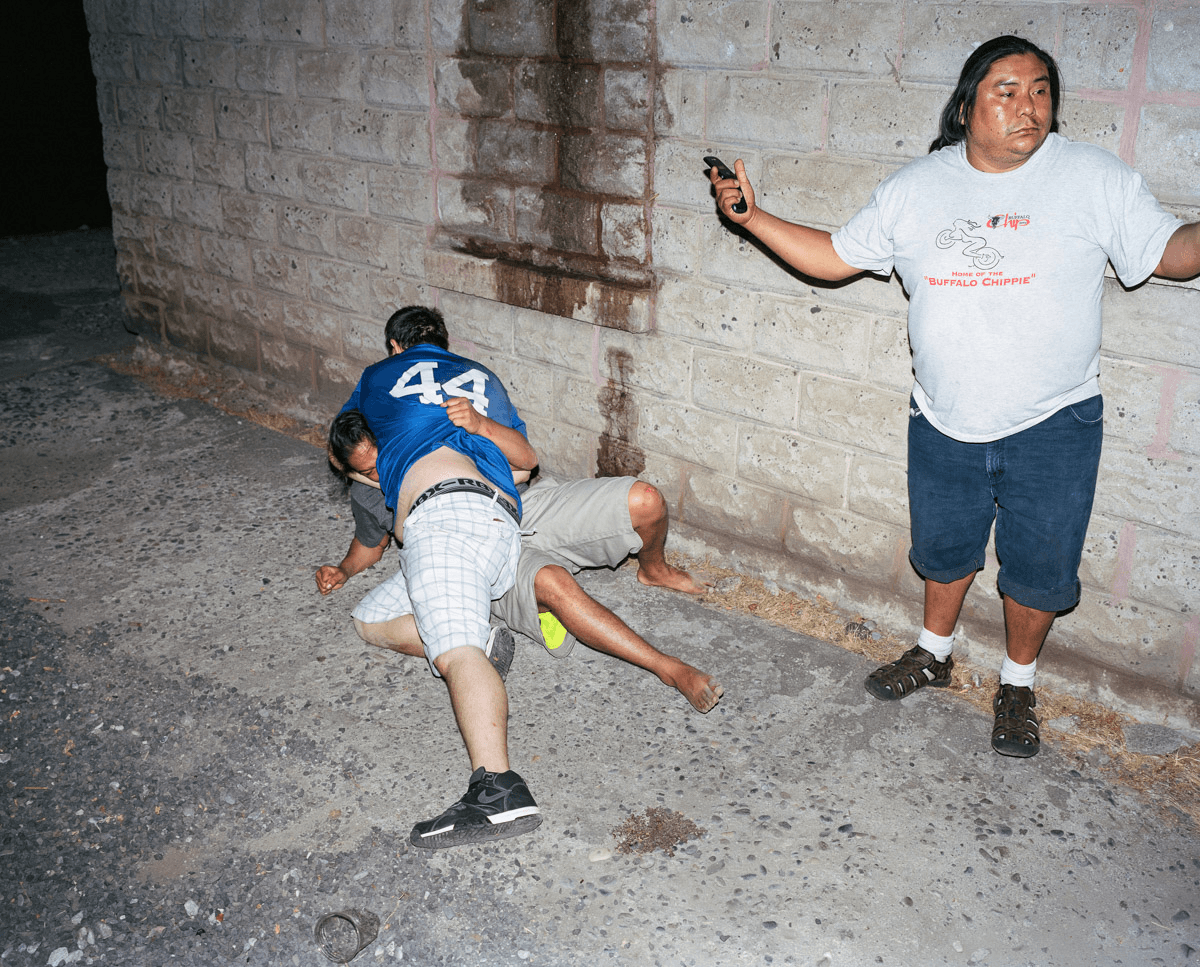
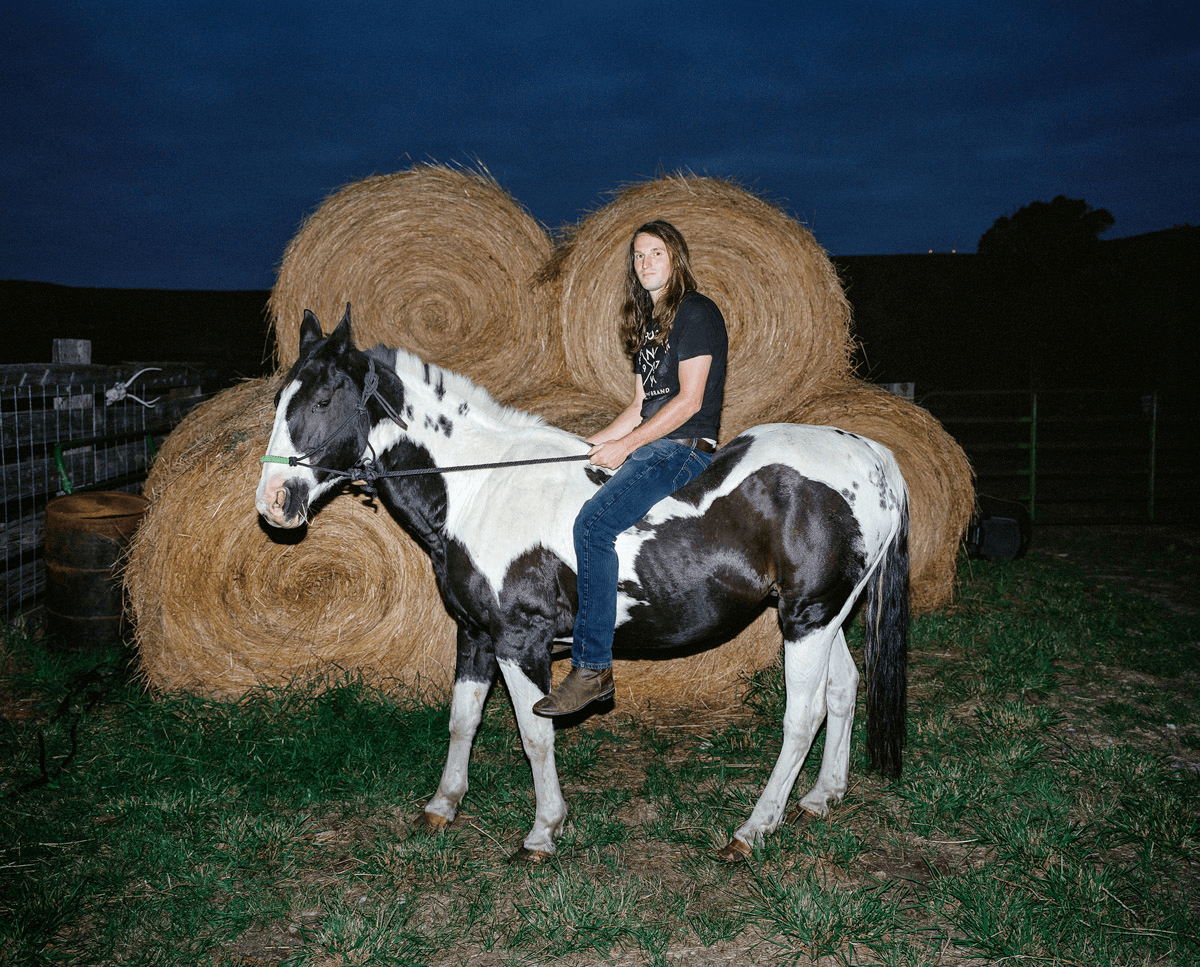
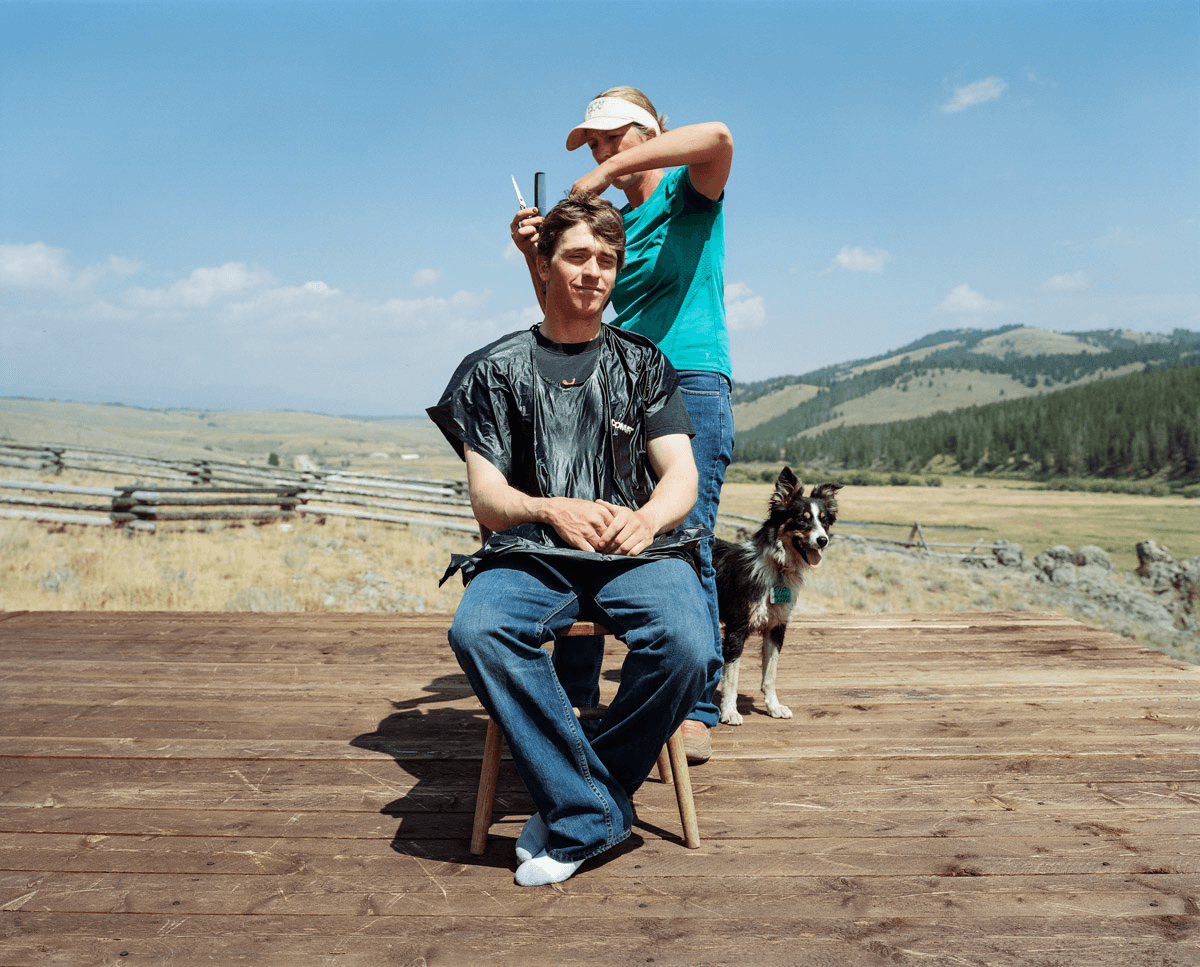
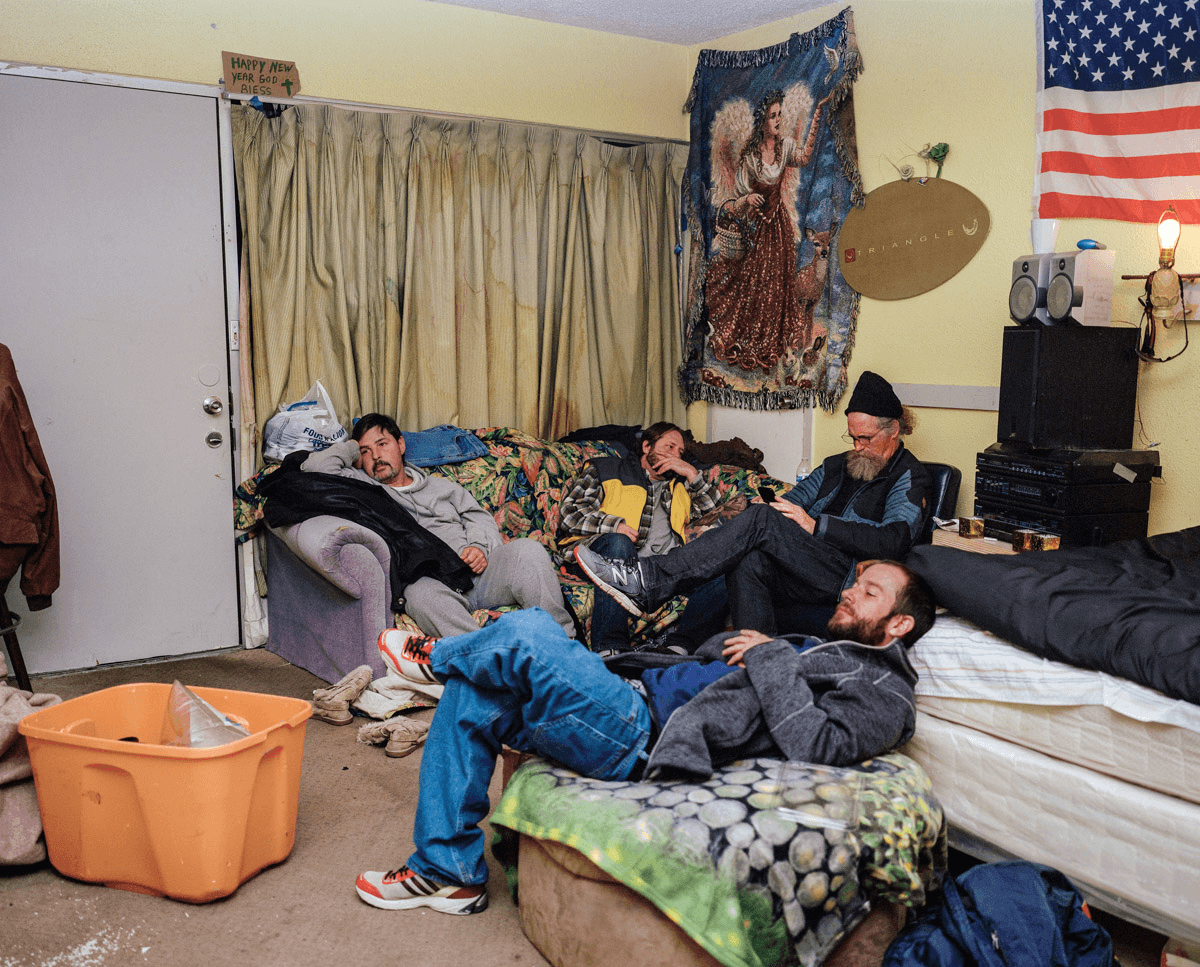
In this project, many encounters with strangers happened while hitchhiking, walking through neighborhoods, waiting at gas stations, or visiting historical sites. I met people at supermarkets, bars, churches, restaurants, and strip clubs. I always sought out strangers who would host me in their homes for at least one night, although I stayed up to seven days with some. Sometimes I would go door-to-door and ask residents if I could stay the night. I treated everyone with disarming curiosity and openness, whether prison guard or vagabond, religious leader or drug dealer, cowboy or plastic surgeon.
As a road tourist in the United States, not a day passed without an endless string of warnings or people expressing their fear of me. Because of this, I developed strategies for appearing as non-threatening as possible: I attempted to look presentable and friendly. I always wore neat clothes—no black clothes—and tried to appear clean-cut. I tailored my introductions to the people I encountered. I might introduce myself as a foreign student, “trying to find out what it means to be American,” or “exploring America.”
Despite all the fear, the fact that many people took me into their homes almost every night astonished me. Not to mention the many detours, meals, gifts, showers, and cash that people offered me continuously. I can say most people have been good to me. The trust that strangers showed me because I was a foreigner, a German, was undoubtedly crucial throughout all my encounters. It was part of why people were so generous to me and able to overcome their fear for a moment.
And yet, like no other topic, politics ran like a red path through my encounters. Regardless of their political standpoint, I heard people address the current moment as “controversial” or even “historical.” The 2016 US Presidential Election was a political turning point in the United States. Unconventional and divisive campaigns led to a stunning upset victory for Republican Donald J. Trump. This election displayed profound challenges inside US society and its political system for the world to see.
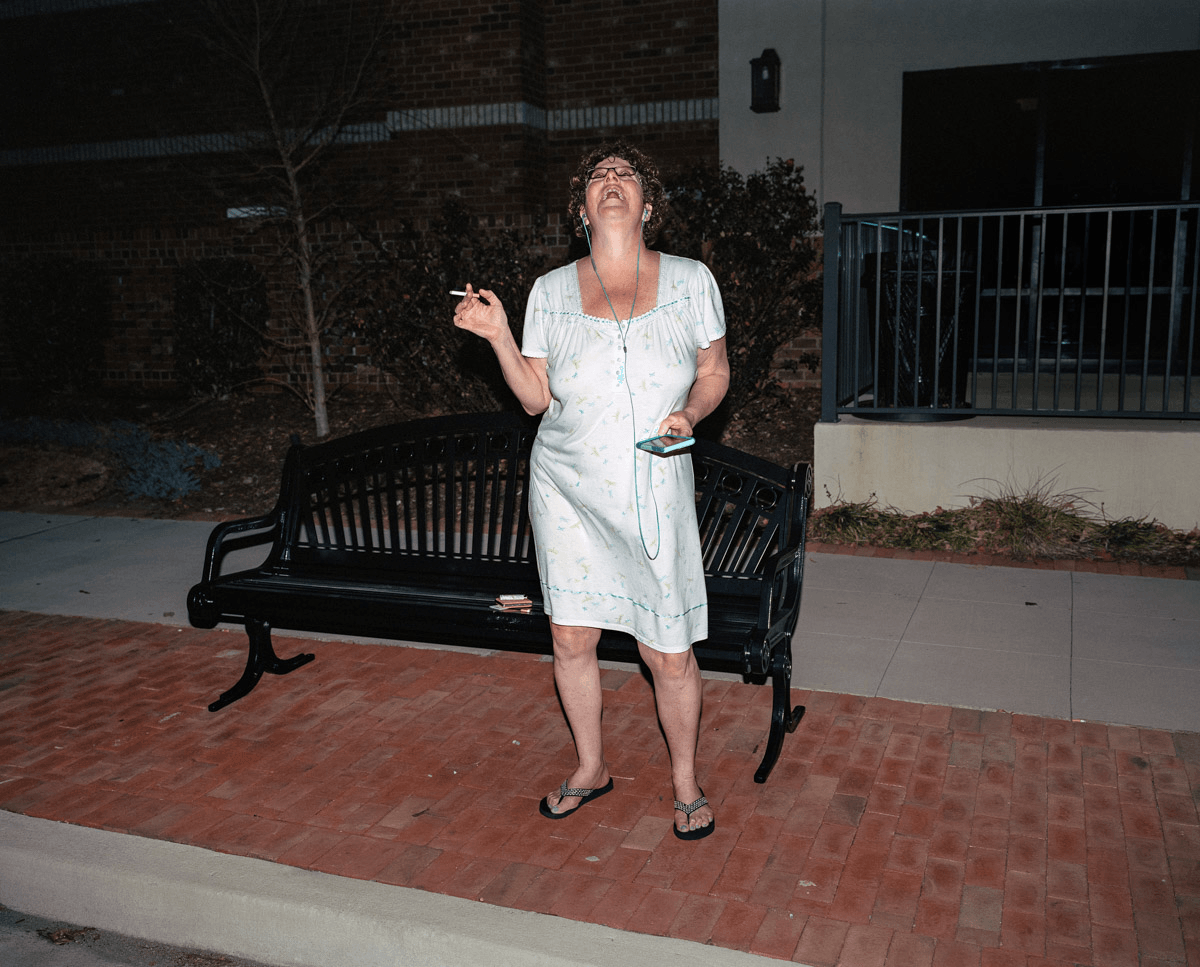
My journeys, photographs, and conversations represent an exploration of what it meant to be American in the Trump Era and the issues that continue to affect Americans personally and politically. Even though all the Americans I met belong to the same society, their existence often could not be more different. People’s lives took place in wholly divided communities, far away from each other, under vastly different circumstances and future perspectives. The distance is not only a physical range but also decisively separated by class, identity and ideology. In my photographs and written accounts, I have tried to convey these peoples’ environments, how they live, and the stories they told me. It details a time of political upheaval that might cast its shadow over the present for a long time to come and serves as a timestamp and insight into the thoughts and lives of the people of that era from an outsider’s perspective. With only my camera, audio recorder, and a few provisions in a backpack, I found myself a wanderer between these different realities.
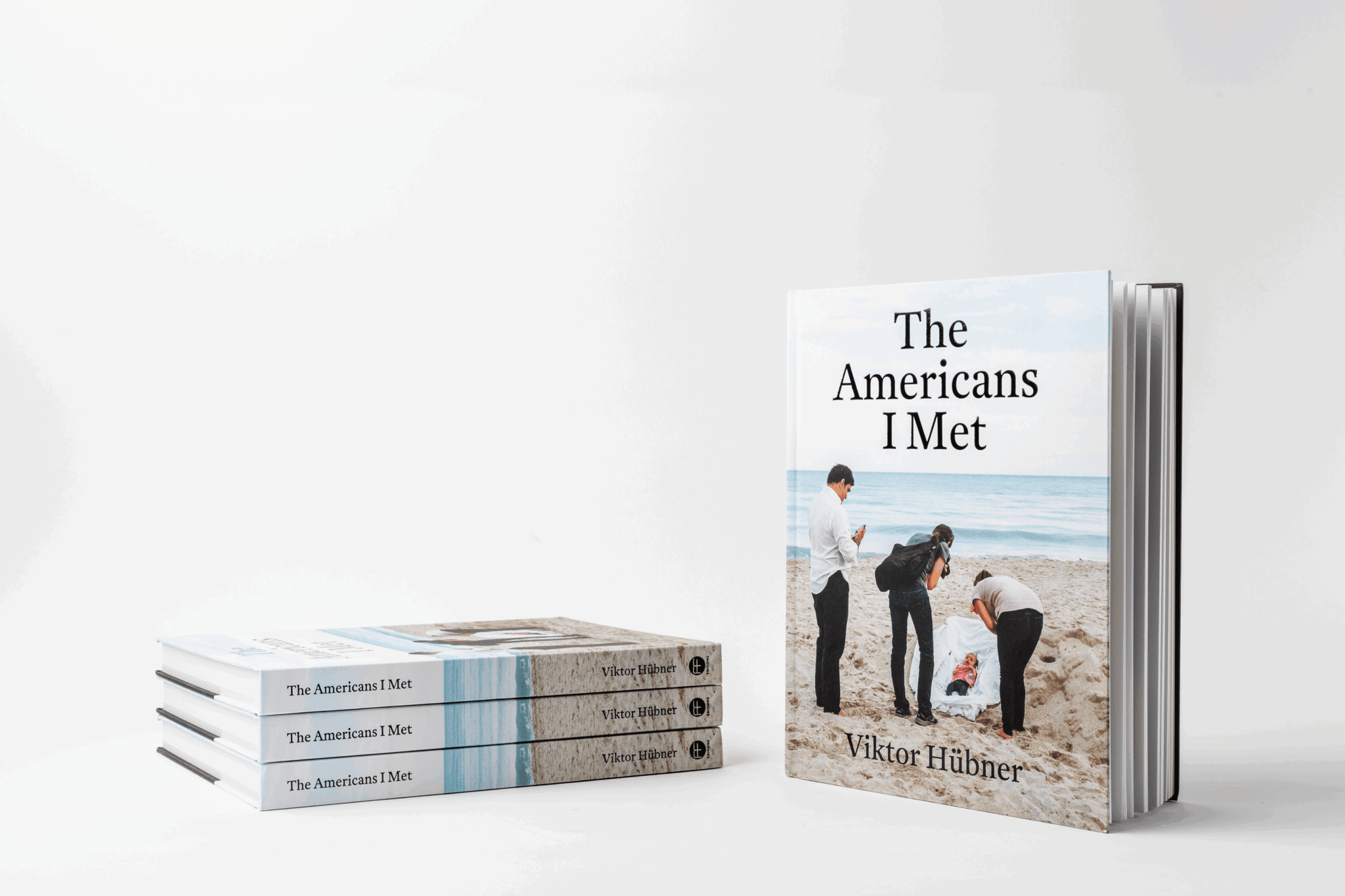
The Americans I Met
Published by André Frère Éditions
ISBN: 978-2-492696-07-7
https://www.andrefrereditions.com/en/books/photography/the-americans-i-met/
Viktor, love having you share your insights with us. Before we ask you more questions, maybe you can take a moment to introduce yourself to our readers who might have missed our earlier conversations?
I was born in 1988 in West Germany to a family of ethnic Russian German repatriates who emigrated from the former Soviet Union. My family history, pervaded by identity turmoil and uprooting deep in the family tree, shaped me from a young age. The personal fates of my grandparents and relatives, who were prisoners on the German and Russian sides during and after World War II, attuned my sense of the human experience, which urged me to preserve human stories for posterity. In my early twenties, I became a serious traveler. Hitchhiking was often the key method. My Christian upbringing, with a father as a pastor, gave me my spiritual foundation and the capacity to look at every situation as an opportunity. One of these experiences occurred in 2014 when I hitchhiked from Jordan back to my hometown in Germany—traversing nine countries in 82 days. Later, I received a Master of Fine Arts in photography at the Rhode Island School of Design in 2019. My practice is fueled by a profound curiosity for other human beings and their fate. Through photography, audio recordings, and written accounts, I explore themes of community, displacement, ideology, and socio-political tensions, contributing fragments to the present narrative and heightening awareness of the complexity of identity, society, and contemporary issues. I work as a freelance photojournalist and currently live in Tromsø, Norway, 200 miles above the Arctic Circle.
Let’s talk about resilience next – do you have a story you can share with us?
The true power of creating something meaningful lies in being guided by a deep conviction, facing the most adverse circumstances and persevering great obstacles with a clear vision in mind:
Hitchhiking is perhaps the most intimate way to interact with a foreign culture; it places both the host and the hitchhiker in a vulnerable position that encourages an intimate interchange of thoughts and ideas. Once the fear of the stranger has been overcome, people may share their deepest thoughts, feelings, and maybe even secrets; they know that the chance to meet again is extremely slight, perhaps non-existent.
But no matter if hitchhiking in the US or elsewhere, traveling light can be very uncomfortable; one day, you sleep like a king in someone’s villa and the next on the floor of a public toilet. Sometimes you find yourself cramped for hours inside a vehicle in the most uncomfortable position, and other times you must carry your backpack for many miles. Some onward journeys are offered in a few seconds, others only after waiting endless hours in the same spot before someone finally stops. Also to consider is that the hitchhiker often suffers from sleep deprivation or is exposed to the elements without protection. A small rain shower can cause pity in the hearts of motorists and increase the chances of being invited into a dry vehicle. Too much rain, on the other hand, has the opposite effect: nobody wants a wet stranger soaking their leather seats. Meeting countless people daily can be very exhausting. In addition, there is always the danger of meeting a stranger with bad intentions or a wild animal while camping. In general, I didn’t wear a weapon or a protective vest as I believe this would only complicate rather than simplify certain situations. There is no shortcut to trust, and sometimes the time invested is in vain. Your happy ending depends on whom you lend your trust and on your rock-solid faith that, in the end, you will come home unscathed.
Is there a particular goal or mission driving your creative journey?
I am inspired by the lives and words of Mark Aurelius, Maya Angelou, Jim Rohn and others.
Contact Info:
- Website: http://viktorhubner.com
- Instagram: https://www.instagram.com/viktorhubner/
- Linkedin: https://www.linkedin.com/in/viktor-hübner-4676751a4/
- Other: https://www.andrefrereditions.com/en/books/photography/the-americans-i-met/
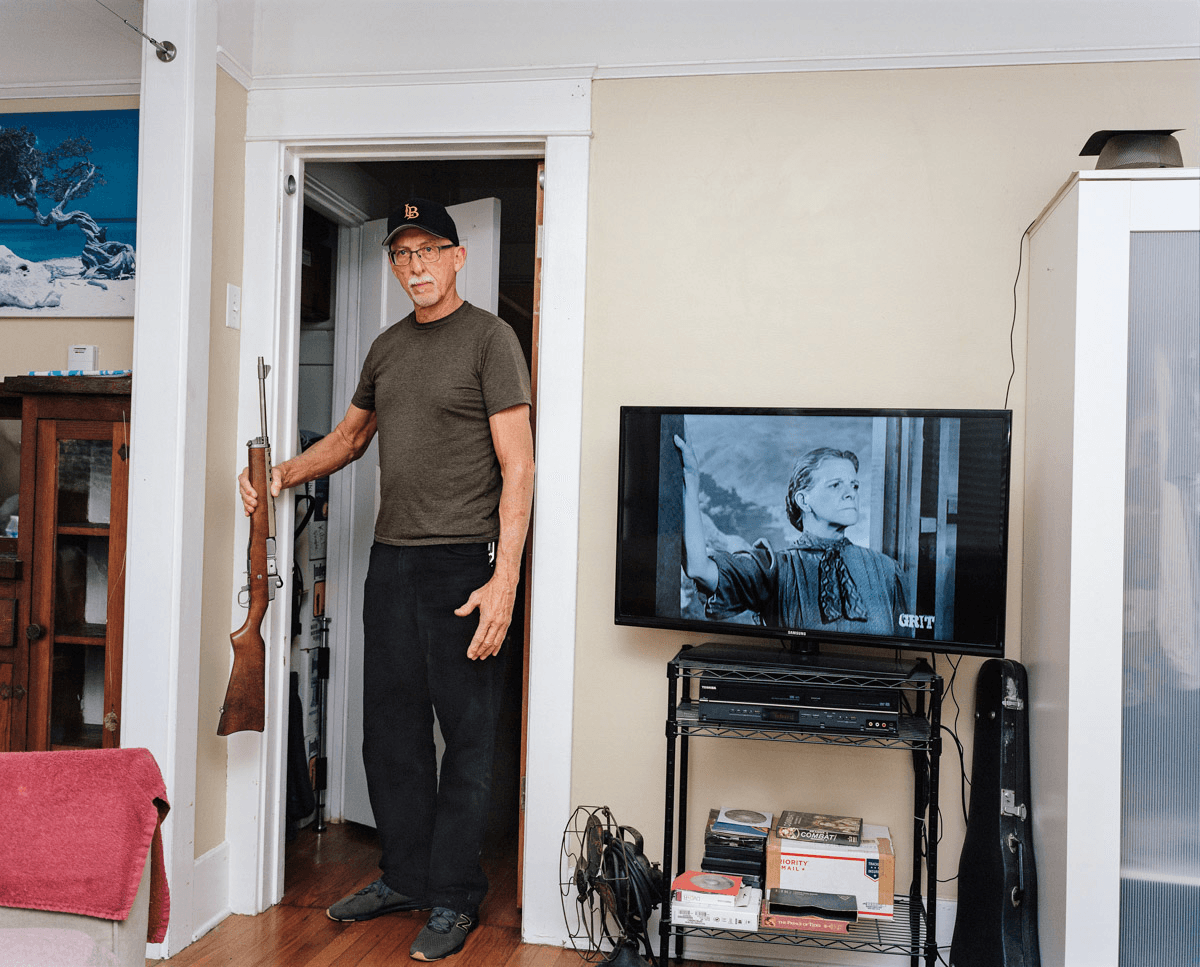
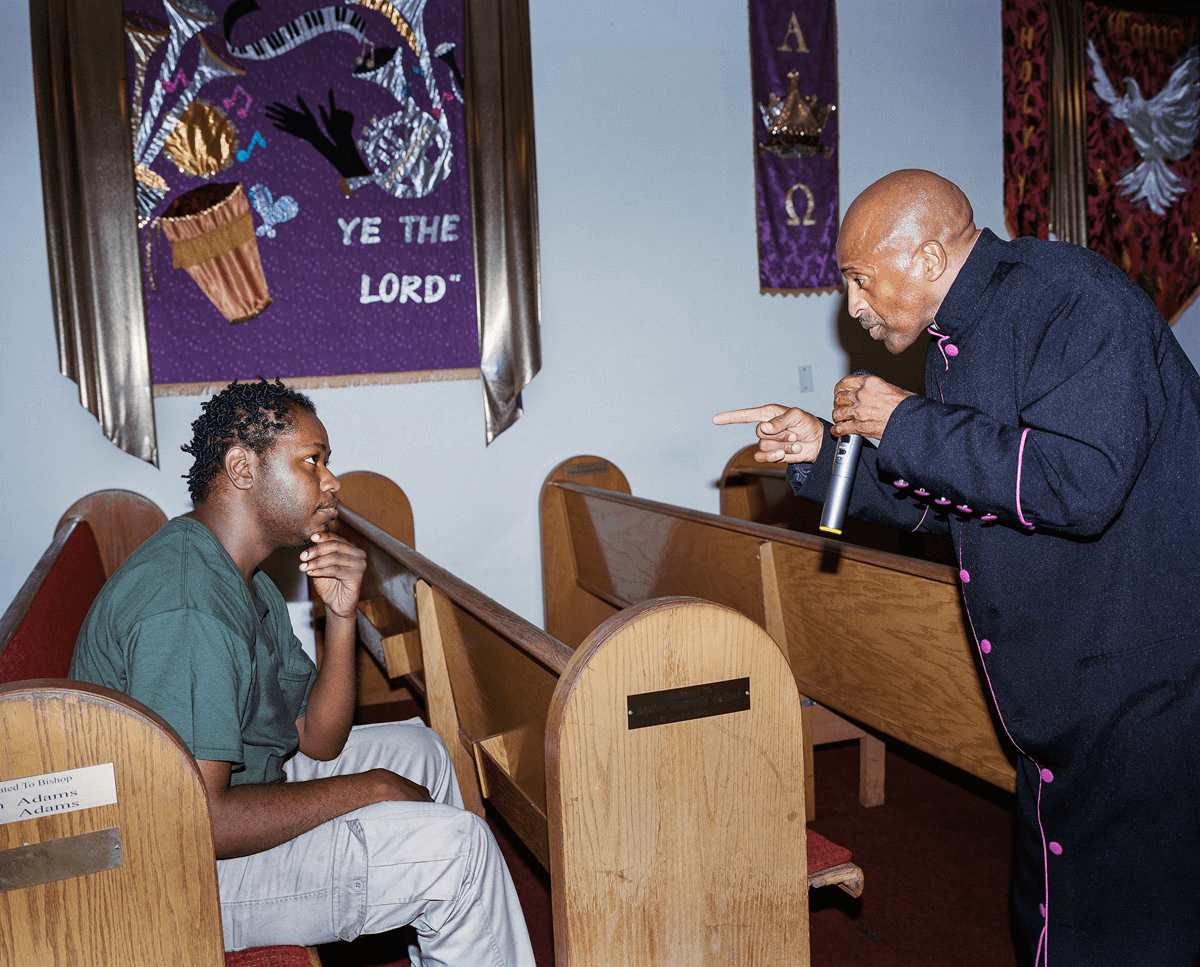
Image Credits
Viktor Hübner