
Alright – so today we’ve got the honor of introducing you to Vihaan. We think you’ll enjoy our conversation, we’ve shared it below.
Vihaan, thanks for joining us, excited to have you contributing your stories and insights. Coming up with the idea is so exciting, but then comes the hard part – executing. Too often the media ignores the execution part and goes from idea to success, skipping over the nitty, gritty details of executing in the early days. We think that’s a disservice both to the entrepreneurs who built something amazing as well as the public who isn’t getting a realistic picture of what it takes to succeed. So, we’d really appreciate if you could open up about your execution story – how did you go from idea to execution?
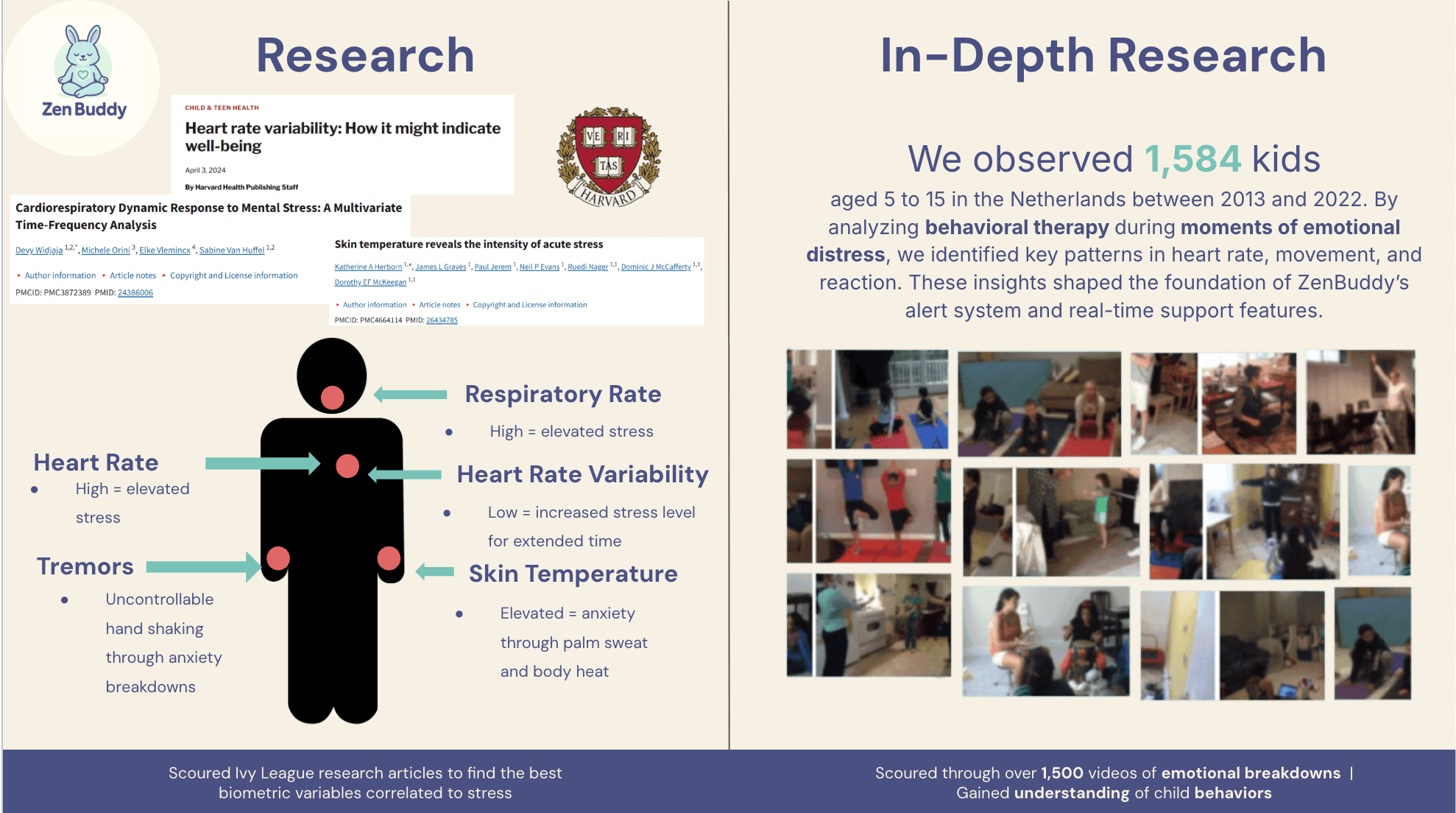
ZenBuddies started as a simple observation during my sophomore year: so many teens around me were dealing with stress, anxiety, and burnout, but there was no early-warning system to help them catch it before it became overwhelming. I’d been exploring wearables and mental-health tech in the TYE entrepreneurship program, and the idea hit me, what if a smartwatch could detect signs of distress before someone even realized it?
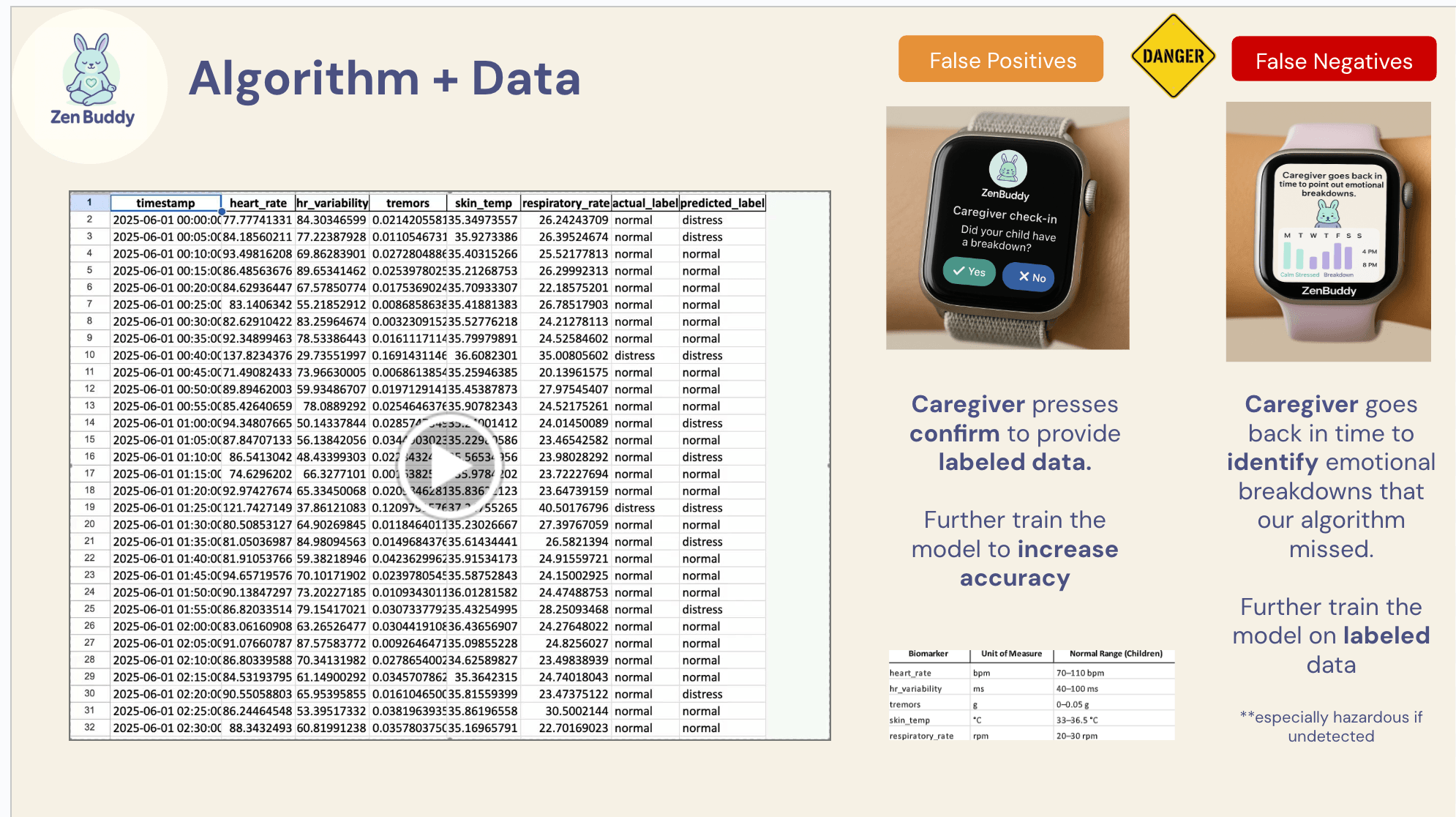
At first, ZenBuddy was just a rough sketch in a notebook. The next step was figuring out if it could actually work. I spent weeks interviewing classmates, counselors, and even a few therapists to understand what data would matter. From there, me and my team prototyped a simple model using Apple Watch biometrics and built an early dashboard that could flag sudden spikes in stress indicators.
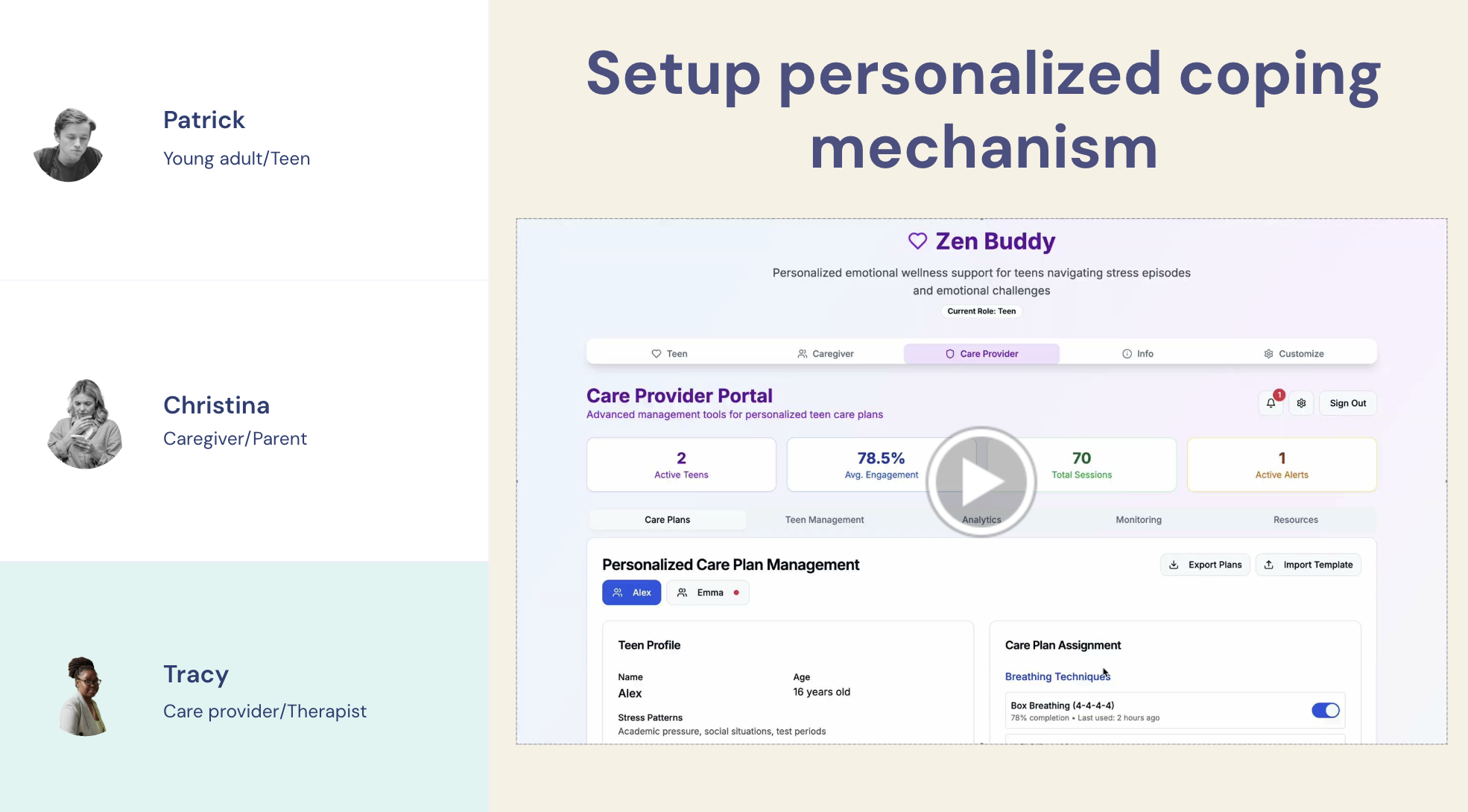
The first version definitely wasn’t pretty, half the features broke, and the interface looked like it was held together with duct tape—but it worked enough to test. After presenting it at TYE ( a local entrepreneurship program) and getting feedback from mentors, I refined the algorithm, rebuilt the app flow, and created a prototype that finally felt real.
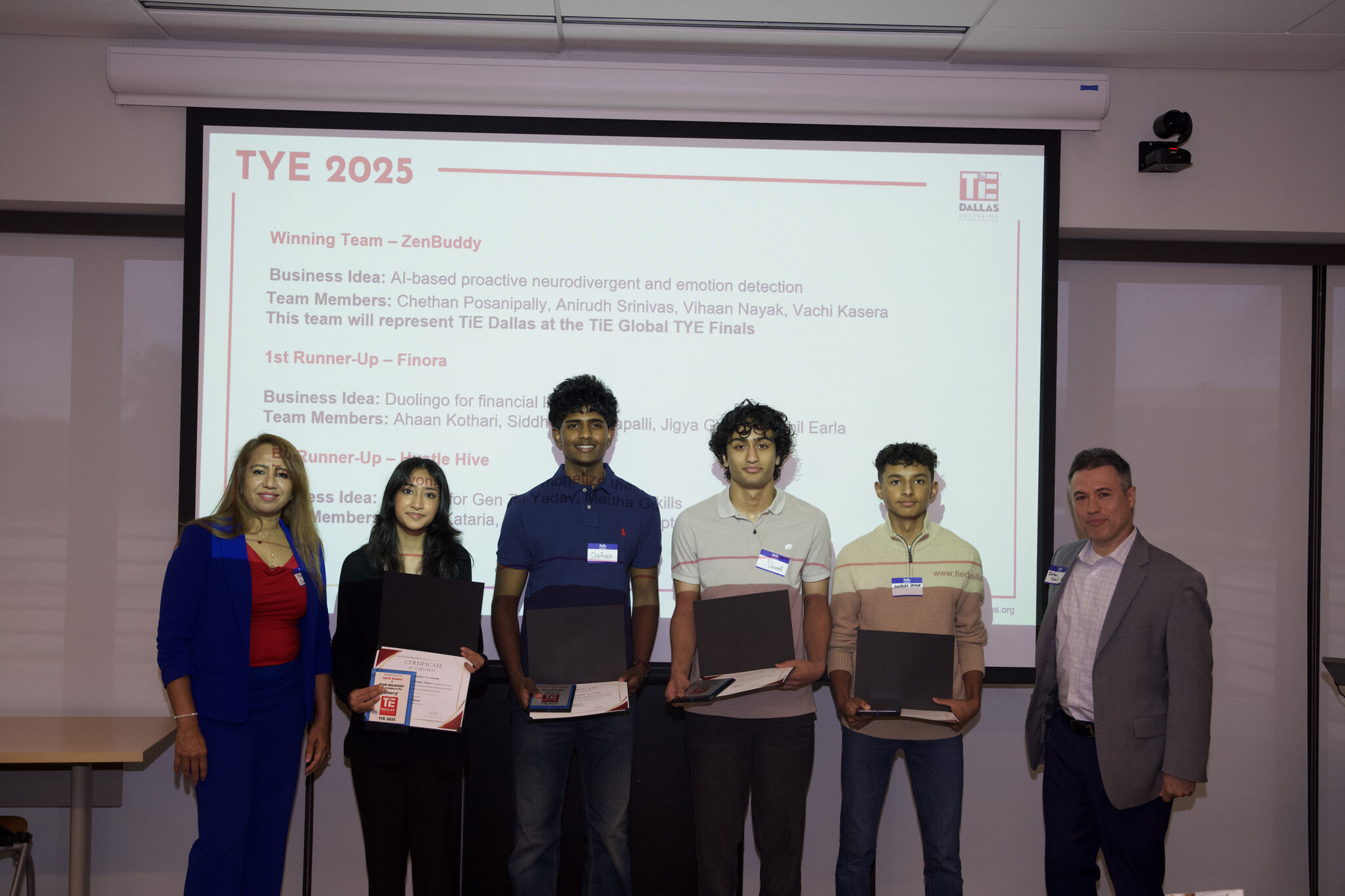
Launching it wasn’t a dramatic moment; it was a gradual process of fixing one problem at a time,user fatigue, false alerts, data syncing issues,until the product actually supported the teens who tested it. Me and my team’s continuous grit led us to gaining $5,000 in seed funding as well as teaching me a core entrepreneurial lesson: you don’t need perfect conditions to start. You just need to build the first version, put it in someone’s hands, and keep improving.
As always, we appreciate you sharing your insights and we’ve got a few more questions for you, but before we get to all of that can you take a minute to introduce yourself and give our readers some of your back background and context?
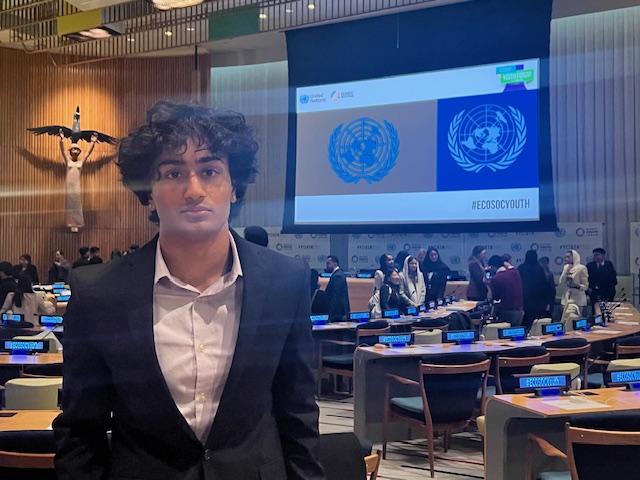
I’m a teen entrepreneur who’s raised more than $8,000 building projects that I’m passionate about. Outside of entrepreneurship I’m an environmental advocate, bringing my concerns for sustainability to platforms like the United Nations as an official delegate. I got into this space through programs like TYE Dallas, where I discovered how much I enjoyed turning problems I saw around me into actual products.
One of the ventures I wanted to highlight today is ZenBuddies, a mental-health wearable system that uses Apple Watch biometrics to detect early signs of stress and alert users before things escalate. It’s designed for fellow teens who often don’t notice burnout until it hits hard.
What I’m most proud of is that my work comes from lived experience,seeing friends struggle, noticing gaps in support systems, and deciding not to wait for adults or companies to solve them. I want potential users and supporters to know that ZenBuddies is built with genuine care, constant iteration, and a commitment to making mental-health support more accessible, especially for students.
My goal isn’t just to build a product, it’s to build something that actually helps people, even in small ways, day to day.
How about pivoting – can you share the story of a time you’ve had to pivot?
When we first started ZenBuddies, our goal was to support students in special education and young people with developmental disabilities by using biometrics to detect emotional distress and alert caregivers. But once we dug deeper, we realized that anything considered a medical intervention triggers FDA oversight, HIPAA compliance, and regulatory requirements that were impossible for a student-led team to navigate.
We had two choices: abandon the idea or completely rethink it.
So we pivoted.
Instead of creating a medical tool, we turned ZenBuddies into a preventative wellness system for teens, focusing on stress awareness rather than treatment. The device now tracks changes in Apple Watch biometrics and gives simple, non-clinical nudges like “Take a breath” or “Something feels off—check in with yourself.”
That shift changed everything.
We went from developing something we legally couldn’t deploy to building a tool that schools, parents, and students could actually use. It taught me that successful innovation isn’t just about pushing forward—it’s about adjusting direction so the idea can survive in the real world.
Any stories or insights that might help us understand how you’ve built such a strong reputation?
Honestly, the biggest factor has been showing the work instead of selling the idea. As a young founder, people don’t automatically assume you’re credible, so I learned early on that clear prototypes, data, and consistent follow-through speak louder than age or titles.
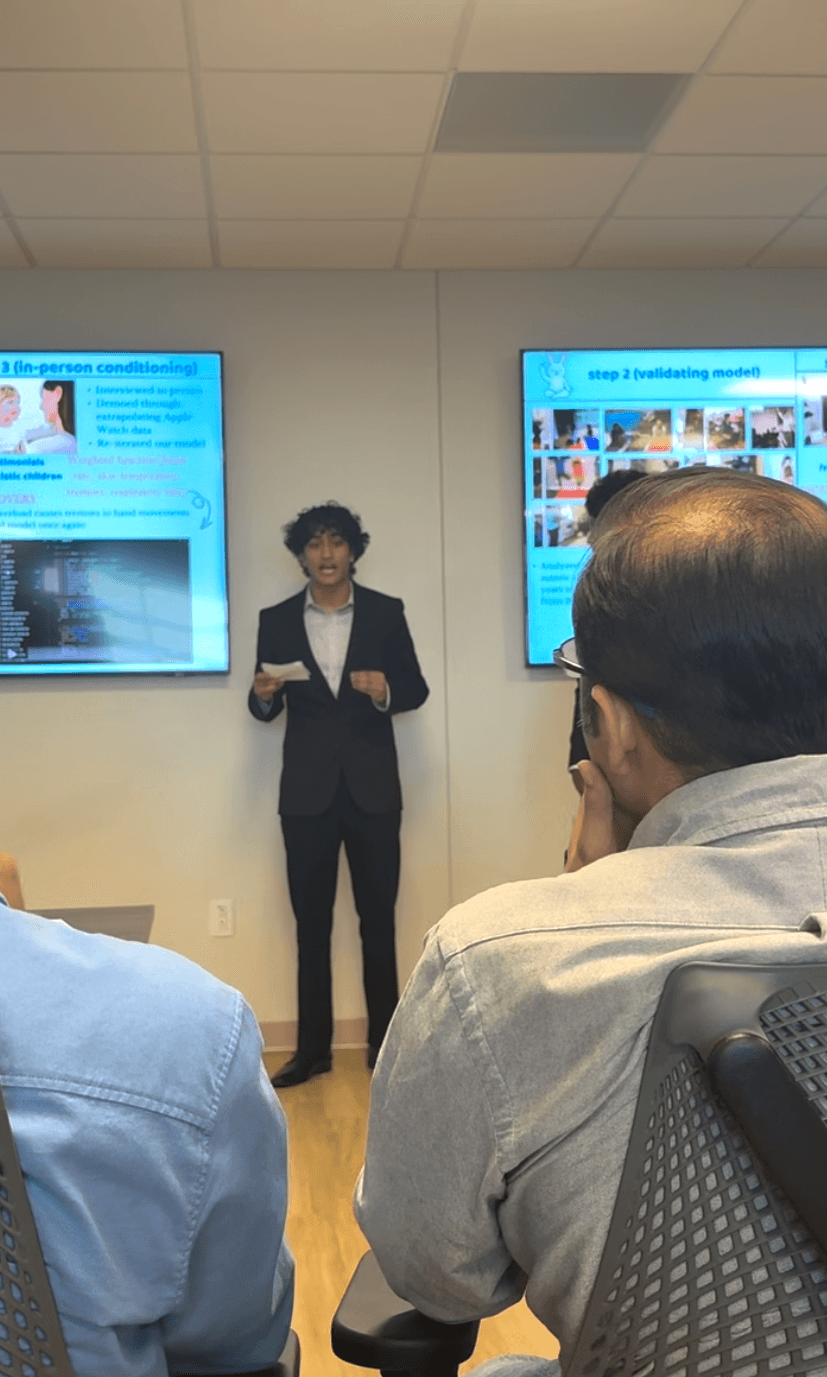
With ZenBuddies, we didn’t just pitch a concept. We built functional demos, gathered biometric test data, and showed exactly how our stress-detection flow worked using Apple Watch analytics. When parents, mentors, and judges saw something real in front of them,not a slide deck, they took us seriously. That transparency helped us earn trust at pitch competitions, Maker Faire showcases, and throughout the TYE entrepreneurship program.
I also made it a priority to surround myself with people who were smarter than me, engineers, therapists, and professionals who checked our assumptions and pushed our ideas further. Listening, iterating, and admitting what I didn’t know helped more people want to work with us.
What sets my approach apart is that I build in public. I share failures, redesigns, and pivots just as openly as the wins. Over time, that consistency created a reputation for being someone who actually executes, adapts, and delivers,rather than someone who just talks about a cool idea.
Contact Info: