

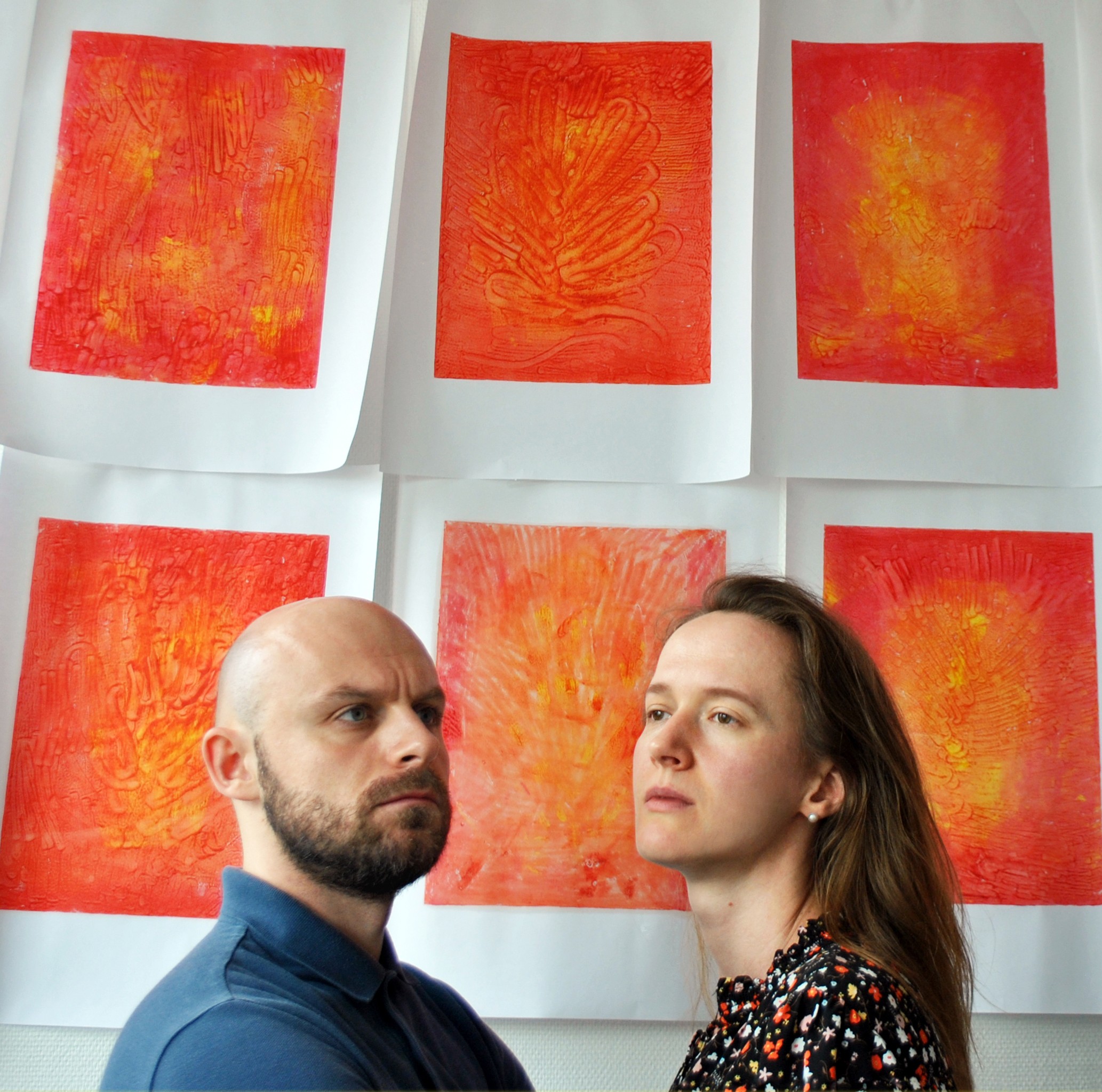

Alright – so today we’ve got the honor of introducing you to Victoria Plotnikova And Alexander Stepanets. We think you’ll enjoy our conversation, we’ve shared it below.
Victoria Plotnikova and, looking forward to hearing all of your stories today. Let’s start with the story of your mission. What should we know?
We are Ukrainian artists – Victoria Plotnikova and Alexander Stepanets and our practice is grounded in lived experience and the deep war trauma. Previous civilian prisoners of war, we are familiar with the pain of torture, silence, fear and dehumanization that war internees endure. This lived experience guides our artistic practice – we utilize visual art not only as a self-expression, but also as a powerful means of human rights activism.
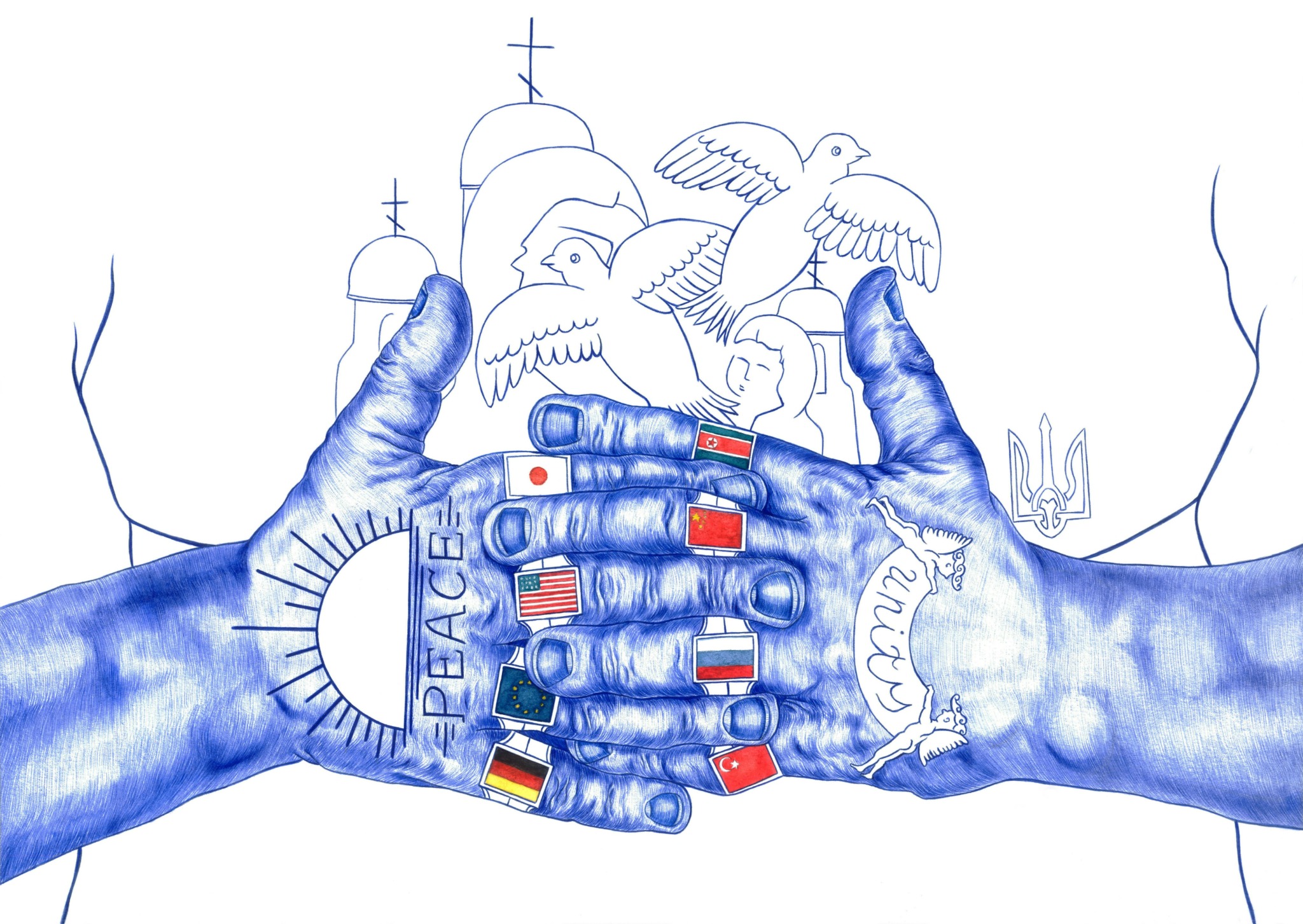
What we do, calls to the world’s attention the suffering of the prisoners of war and calls upon the world to see their suffering. We are also actively involved in work of Association for Human Rights in Conflict Zones (AHRCZ), we share our experiences to encourage human rights campaigning and advocacy in the world. What we do using art is a call for justice, an appeal for liberty and testimony for those who are still held captive.
Our purpose is meaningful because it turns suffering into action. It is not only expression, but force. We believe that by expressing for the voiceless, we want help create a world where no one is left behind.
Great, appreciate you sharing that with us. Before we ask you to share more of your insights, can you take a moment to introduce yourself and how you got to where you are today to our readers.
Our creative path began long before the war, rooted in academic training, personal inquiry, and a strong social conscience. Both of us graduated in Printmaking, Faculty of Fine Arts from the Kharkiv State Academy of Design and Fine Arts and have since dedicated ourselves to exploring themes of identity, civic responsibility, psychological depth, and societal transformation through our work.
Our practice has always centered on the human condition—on what it means to be visible, to belong, and to resist silence. Through illustration, satirical graphics, and conceptual series, we address issues such as trauma, alienation, and cultural heritage. We see art not as decoration, but as communication—a way to challenge viewers, spark dialogue, and create emotional impact.
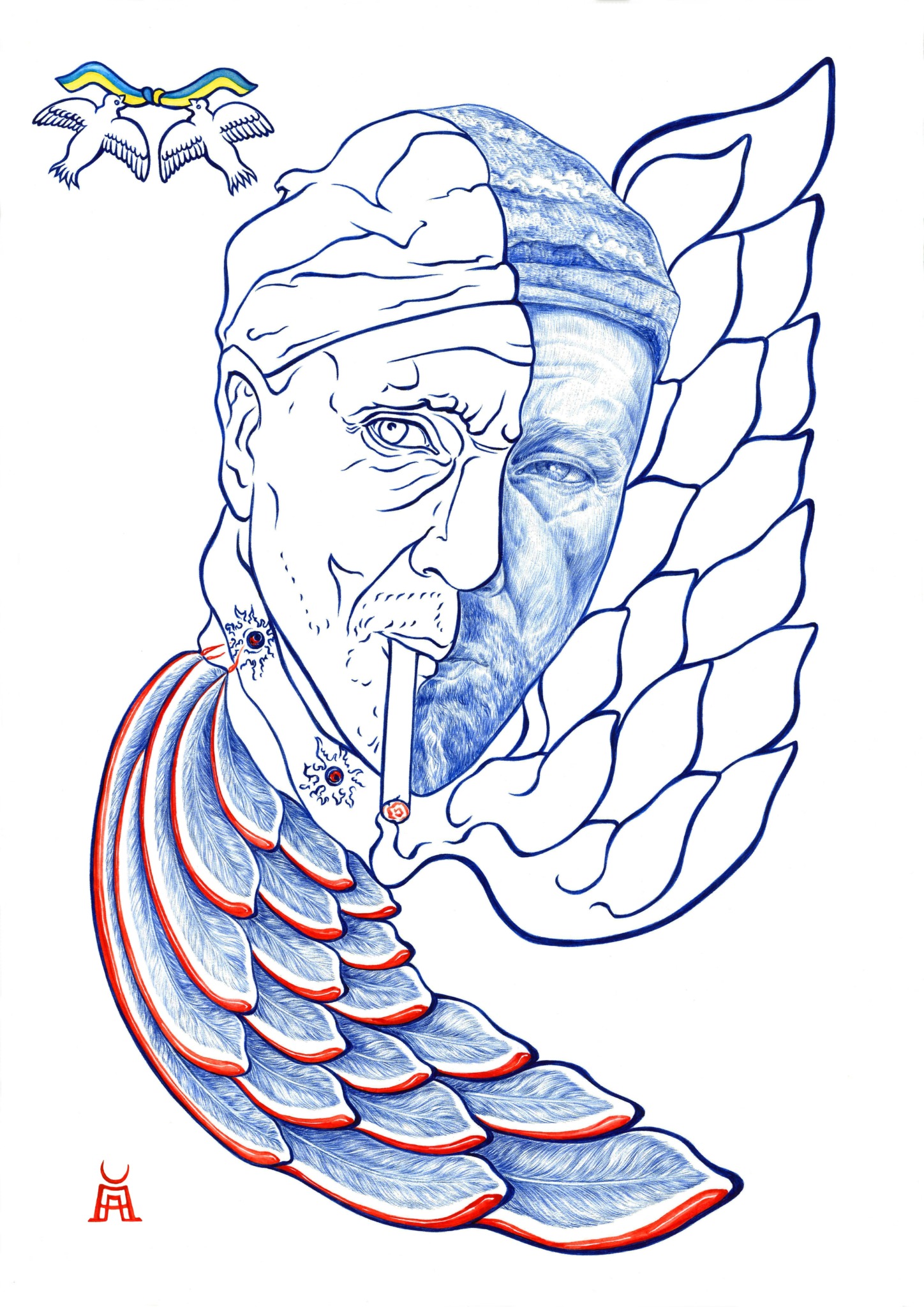
Even before the invasion, we focused on promoting self-awareness, respect for diversity, and critical thinking through our exhibitions and community involvement. What makes our work distinct is the fusion of personal narrative and public relevance. Alexander’s work is known for its bold, allegorical satire, while Victoria’s art explores memory, transformation, and the emotional landscapes of war and recovery.
Today, we are active members of international artistic communities and collaborate on exhibitions and advocacy efforts, offering both individual and joint artistic responses to the injustices of war and the ongoing humanitarian crisis.
What we offer to the world is not just art — it is a request for clarity. We want audiences to know that our work is grounded in authenticity, shaped by lived experience, and driven to inspire both awareness and action. Through our visual language, we aim to bridge the personal and the political, and contribute to a more empathetic and informed world.
What’s the most rewarding aspect of being a creative in your experience?
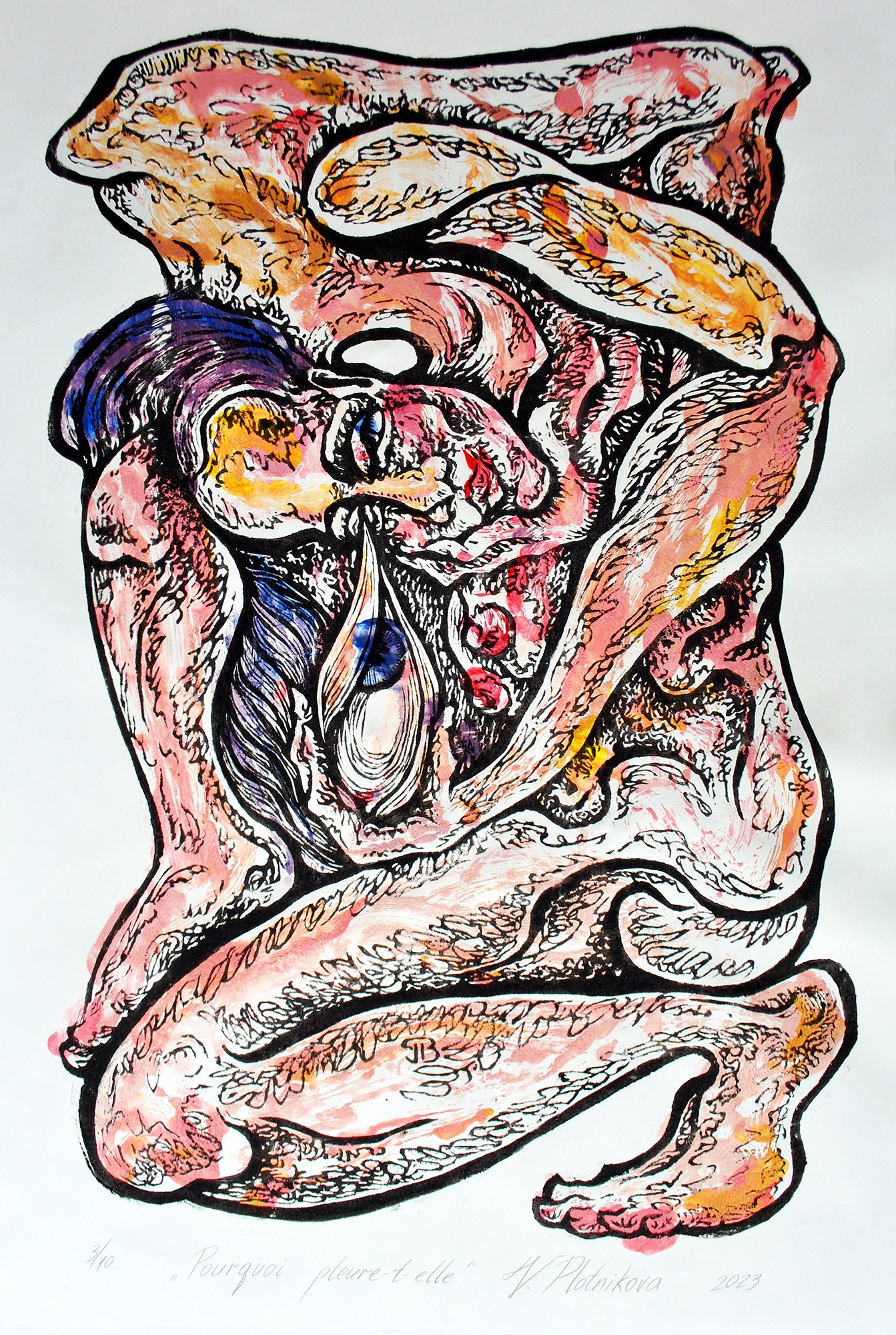
What fulfills us most in our creative work is the ability to contribute meaningfully to the collective consciousness. Art, for us, is not just visual—it is intellectual, emotional, and civic. It carries the weight of questions society often avoids and becomes a mirror to collective trauma, resilience, and truth. Through our work, we feel we are participating in shaping awareness, challenging silence, and offering space for empathy and dialogue. At the same time, creating art is a deeply personal necessity. It is how we process our own existence, trauma, and memory. The act of making gives voice to the inner world, keeps us human, and connects us with others in a way words often cannot.
How about pivoting – can you share the story of a time you’ve had to pivot?
Our path as artists changed irrevocably when we found ourselves living under occupation. We experienced not just the collapse of daily life, but the targeted destruction of dignity—witnessing bombings, deprivation, and the suffering of innocent people. Eventually, we were detained and endured captivity marked by torture and inhumane conditions. Before these events, we were engaged artists with strong social awareness. Afterward, we became visual witnesses. That experience reshaped our mission completely. We could no longer speak abstractly or remain neutral. From that moment, every piece we created had to reflect the urgency of justice, the reality of war, and the unseen struggles of those still detained or silenced. Art became not just our voice, but our responsibility.
Contact Info:
- Website: https://p-s-art.com/
- Other: Association for Human Rights in Conflict Zones – https://adhzc.org/en/current_situation.shtml#gsc.tab=0
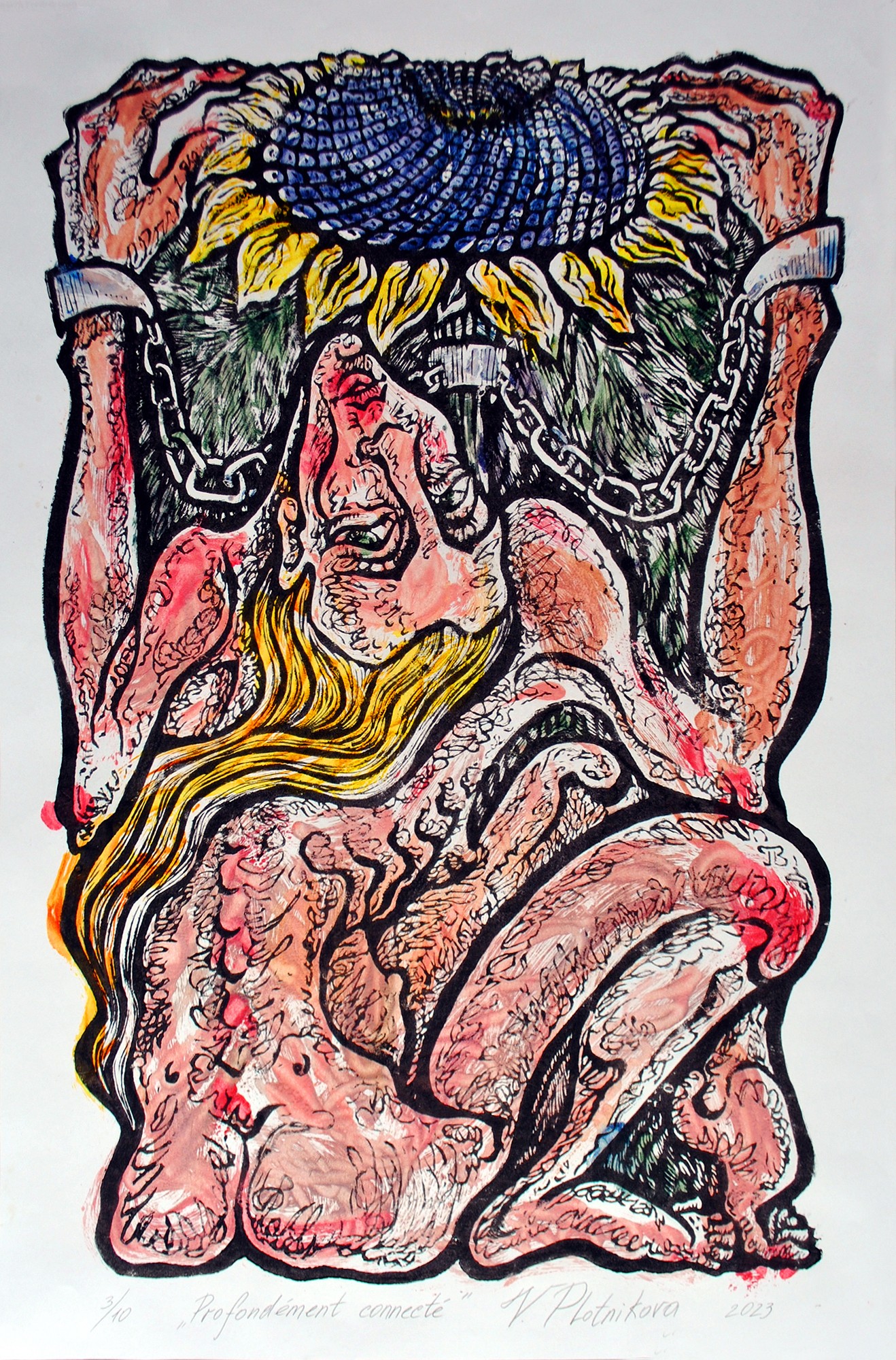
Image Credits
Photos by the artists