

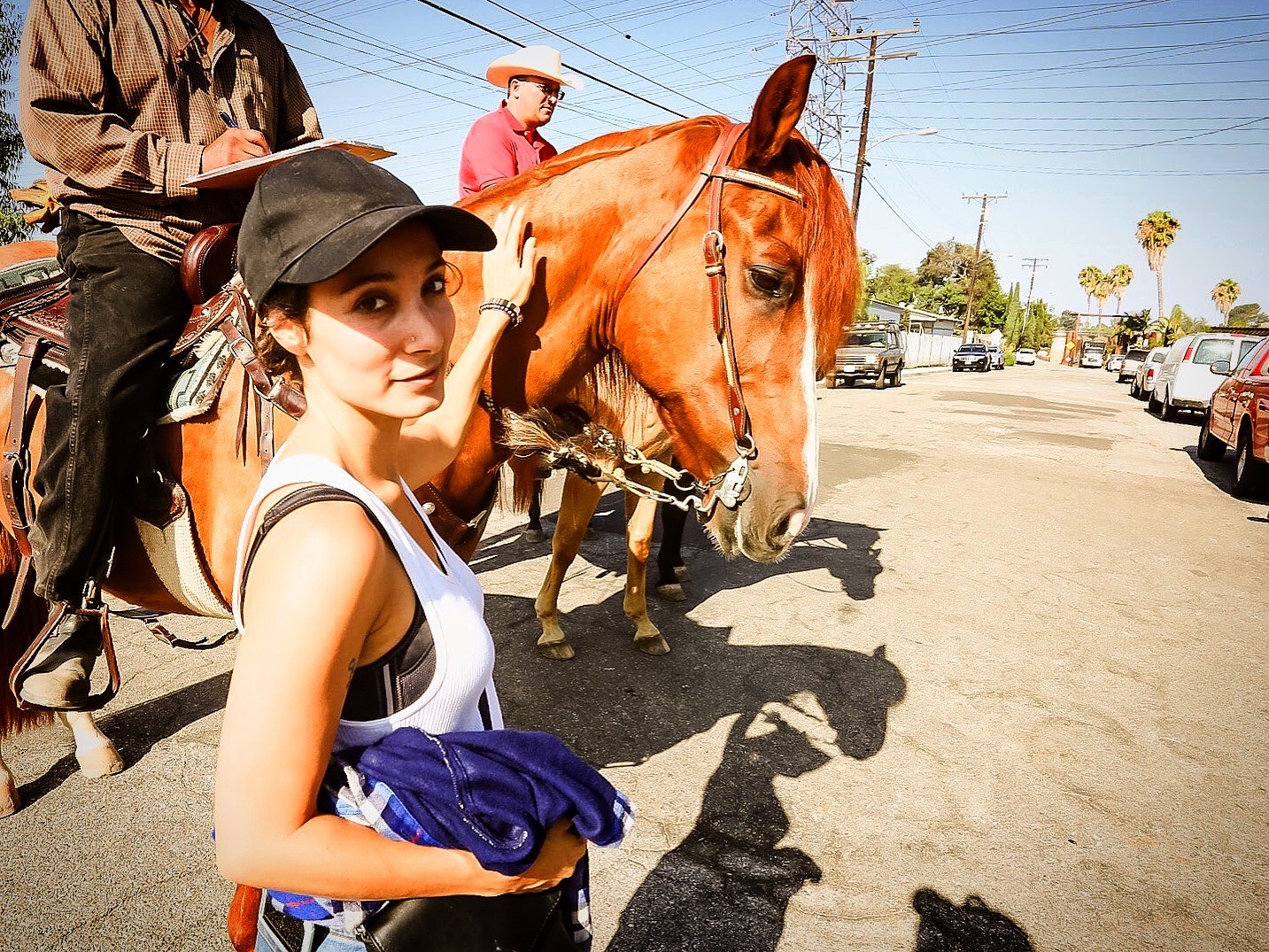

We were lucky to catch up with Vicki Syal recently and have shared our conversation below.
Vicki , thanks for taking the time to share your stories with us today Learning the craft is often a unique journey from every creative – we’d love to hear about your journey and if knowing what you know now, you would have done anything differently to speed up the learning process.
I learned by doing. That isn’t to say I didn’t train. I love learning. I read excessively. I go to museums. I take seminars. There are a million free seminars (and some worthwhile paid ones.) Knowledge is power. I took as many acting classes as I could, (and could afford.) I joined a theater company and learned how to produce live shows, how to edit scripts, how to be discerning about material, and how to take notes. I took improv and learned how to say yes and… Then, when I got impatient waiting for my “turn,” I began creating content. I started by writing sketches and plays. We rehearsed in driveways and in the park. I learned to direct. We produced a comedic holiday spectacle in my best friend’s backyard. 70 people came, more than we could ever get to come to the theater itself. My friends and I took turns writing, acting, holding the camera, holding the boom. I wrote a ten-episode web series, and we shot it in ten days. I sat in an edit bay for six months, learning that editors are the unsung wizards of our industry. They can make or break anything. The most essential skill was being able to pivot, think on your feet, and see things as puzzles not problems. Anticipating challenges in advance, imagining different scenarios (even if it was only in my head.) It’s better than letting anxiety take the reins. The other most essential skill: team building. Filmmaking, like so many creative pursuits, is a group sport, you can’t do it alone. It’s bad for your head and for your heart. You need to surround yourself with inspiring people, who are tenacious, compassionate, and committed. You’ll quickly figure out who those people are, and you’ll be surprised at how much you can accomplish with each other. You figure out who is passionate about what, and what everyone’s skills are, and then help one another hone them. You celebrate each other’s triumphs and mourn the disappointments. Filmmaking is nebulous enough, having a community is vital, not only to encourage one another but to keep each other accountable to your dreams. I’ve learned so much by banding together with other creatives. An individual can have a concept, but a team is what completes it.

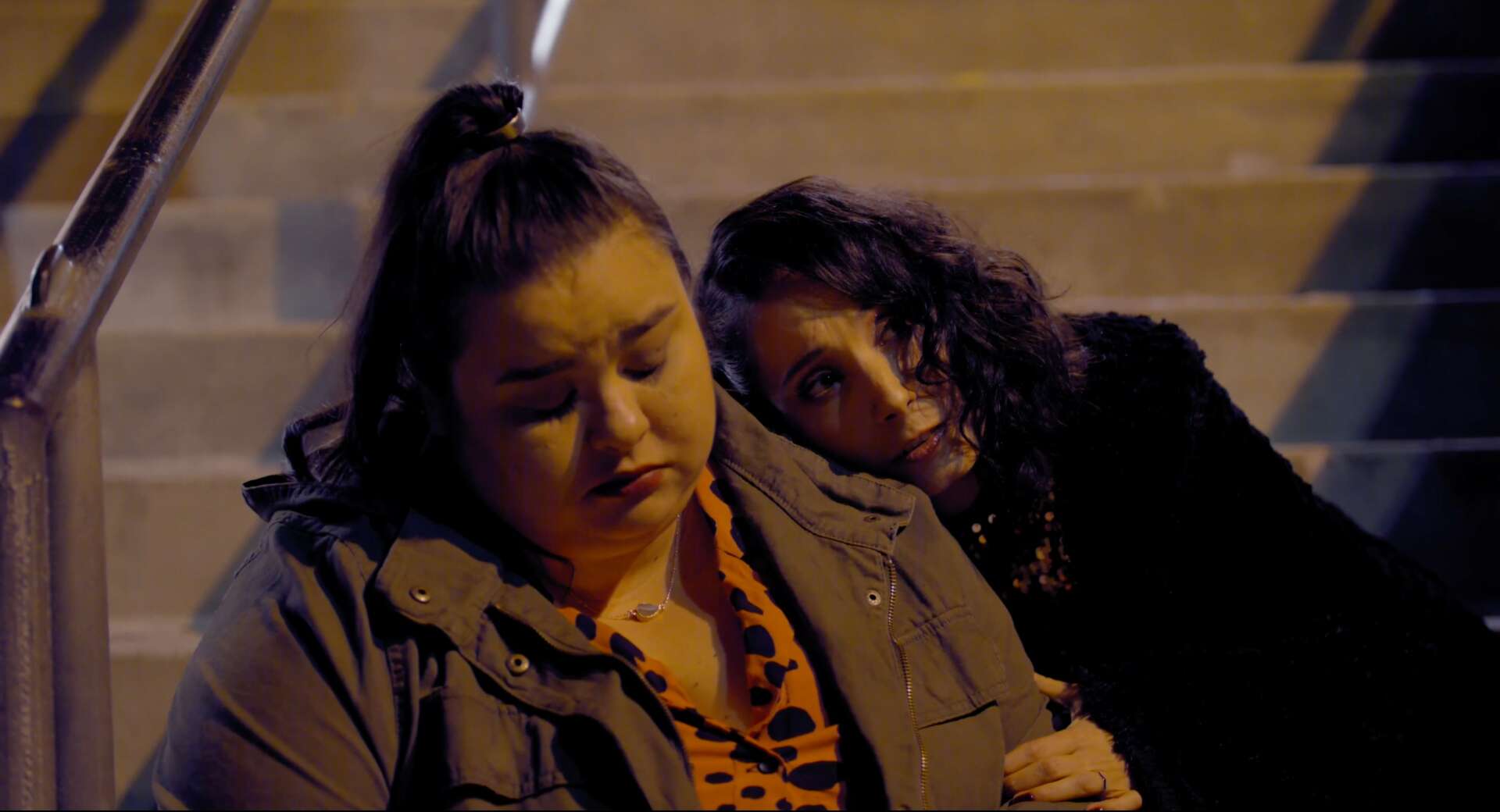
As always, we appreciate you sharing your insights and we’ve got a few more questions for you, but before we get to all of that can you take a minute to introduce yourself and give our readers some of your back background and context?
How does a first-generation Brazilian-Indian filmmaker with a disdain for the impossible end up in LA? Perhaps it’s luck, which is what brought my Indian father to São Paulo, Brazil for a business trip where he met my mother. Maybe it’s fate? Because my mom, studying marine biology at the time, had always wanted to live in the USA? When you’re one of a handful of immigrant families living in the suburbs of Illinois, you quickly learn there’s more than one way to live a life, which is why I thought it was normal to eat Indian food for lunch daily and to blast João Gilberto on the stereo.
That chaos transformed into self-expression. From an early age, I sought to express myself in every possible way. I wrote poems, did community theater, drew, and even tried freestyling (I couldn’t sing). It was hard to connect with other kids at that point, so I connected with creativity. Mom learned English through music and movies, passing her love of Star Trek and Monty Python to me. Her wit and joy transmuted into my passion for sci-fi, fantasy, and the absurd. My dad was a pure academic, the reason I never left the house without a bag of books in tow.
I was obsessed with acting and theater as a kid but was told there wasn’t a future in it. We’ve heard that story before. So when I came to LA, it was for the sunshine, not cinema. I majored in writing, not film, and I went into non-profit education, not entertainment, developing curricula for middle schoolers that included fencing, filmmaking, hip-hop dance, Mandarin, skateboarding, and music. I got lured to the Latino Theater Center as part of an avant-garde creative ensemble, writing and performing a new show every week for months, and then we wrote a play. I helped produce it. It was a gateway drug. Art was back in my life, and I wasn’t going to let go again.
I completed a two-year screenwriting program. I explored acting, improv, voiceover, stand-up – everything. Tired of waiting, I created my own opportunity. All the while, I listened. Brushed aside as a woman, and POC, and someone with limited experience, I pushed back, facing consequences. Eventually, I did the only thing that made sense. I formed a new community from scratch, centered around female empowerment. I became a safe space for creators, and I also had a knack for logistics. My collaborators cared about the world, which was reflected in our work. We sought to convey a desire for the future we were promised but not given. As my circle expanded, I connected most with other underrepresented voices who had compelling stories to tell. I embraced my identity as a producer – on set, where I could help people feel seen, and heard, ultimately empowered and safe. As a filmmaker, I am committed to inclusion on every level, and to the end of exploitation in the name of art.
My convictions paid off; I now have experience in short films, commercials, music videos, docu-series, and even features, all without going to film school. My projects found homes on various streaming platforms and earned recognition at LaLiff, HBO Women in Comedy Festival, LA Asian Pacific Film Festival, Icaro, NFMLA, PBS Film Festival, and Outfest.
Currently, I wear multiple hats at Pollution Studios, where I serve as the Head of Production and, more whimsically, as their Director of Fun & Games. In this role, I orchestrate the intricacies of day-to-day productions and oversee the post-production department. Beyond the studio, my free time is a canvas for developing narrative work – a space where I wear the hats of both creator and producer. I’m part of multiple writing collaborations, and write features, shorts, and pilots in my spare time. And yes, acting never did let go; I do indulge in the occasional voiceover gig.
My ultimate mission as a filmmaker is to lift people. For now, I do that in the non-narrative world, but my goal is to fill the world with beauty, humor, and magic – to revive this fading American Dream I inherited, to convert fantasy into reality. Art was the language we used to make worlds made for us. If that sounds like your cup of tea, we should talk.

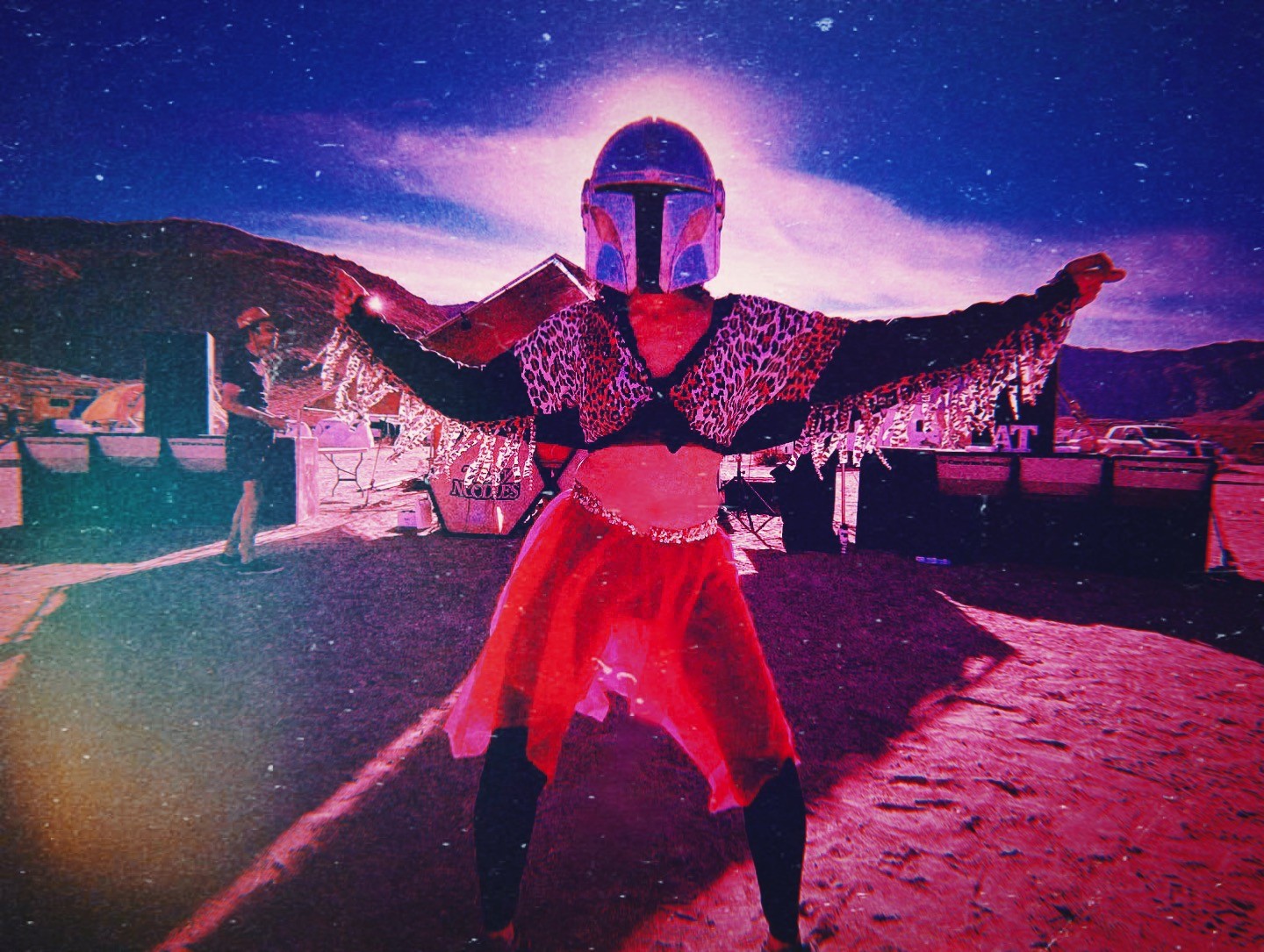
What can society do to ensure an environment that’s helpful to artists and creatives?
Offer us respect and opportunity. The creative arts are almost as old as humanity itself. So why do people treat it as a leisurely pursuit or a waste of potential? The number of times I was told I was throwing my life away is beyond measure. We live in a society that needs to commodify everything in order to ascertain its value. This can be incredibly demoralizing for an artist who is pursuing a career, not a passion, a career, and even more so for fledgling creators who are still discovering their voices. Art is more than an escape, a diversion, or a dead end. It is humanity’s answer to an eternal question. It is both self-reflection and social insight. We need to embrace the arts, to support them at a fundamental level. Before I turned to filmmaking, I spent years overseeing a non-profit after-school program in South Central. We created innovative and engaging classes that the schools weren’t able to fund on their own. Art was a conduit for so many students – for their own development, and for their dreams. The skills they accumulated were applicable to a variety of non-artistic pursuits, and we should encourage the kind of exploration that can come from studies beyond our core requirements. The Arts are critical to society and should be viewed as core requirements unto themselves and not as a supplement to one’s education. For the record, the inspiration flows both ways, as I saw my students grow more engaged and more creative, it gave me the courage to pursue the arts for myself. After all, I had spent so much time telling them to dream big, and to believe in themselves, it seemed a shame not to take my own advice.

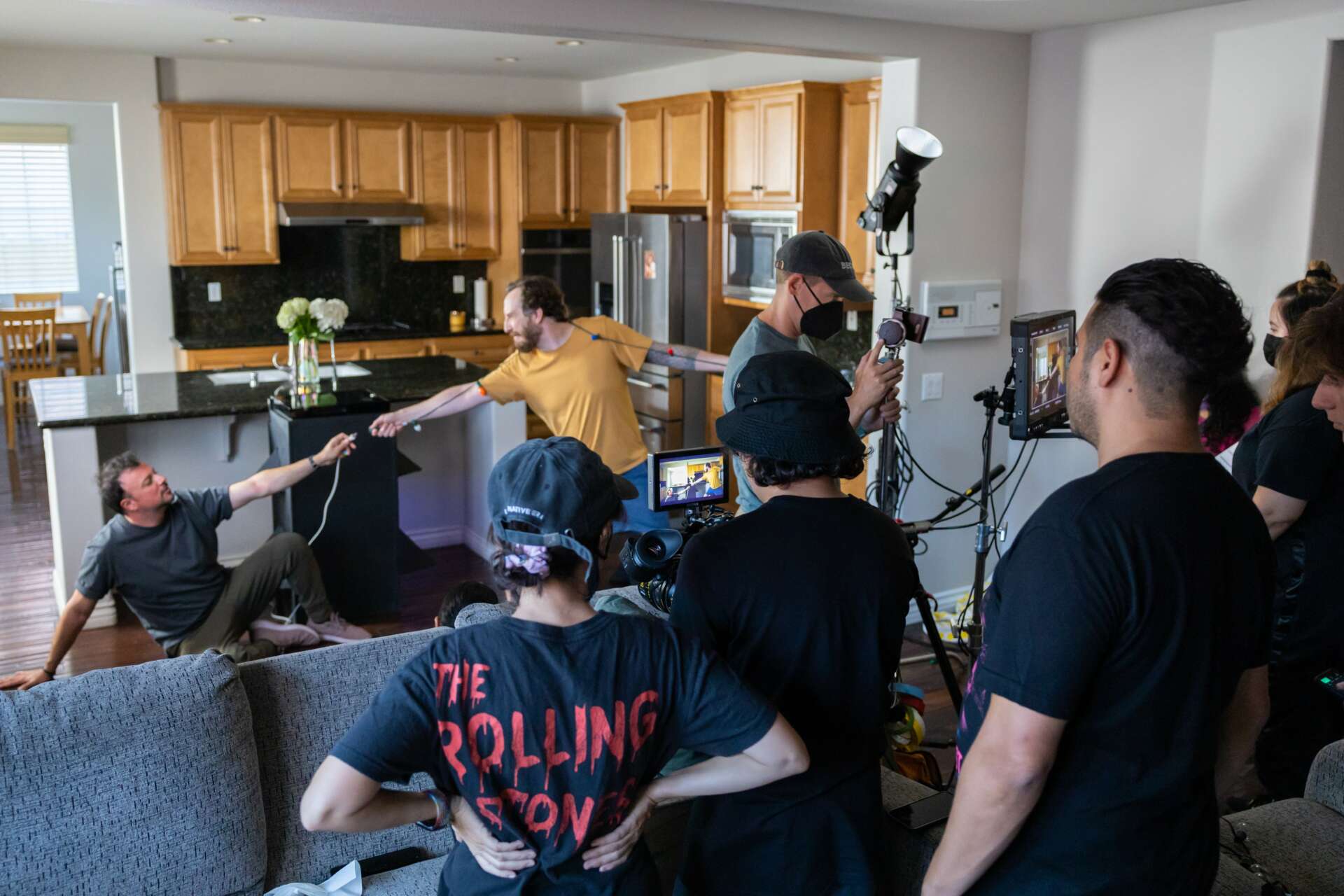
Are there any books, videos, essays or other resources that have significantly impacted your management and entrepreneurial thinking and philosophy?
In one of my other lives, I was actively engaged in consulting and entrepreneurship. My dad was a professor of entrepreneurship at Northwestern University and also ran a consulting firm, and as such our household and sometimes our workplaces were a hotbed for discussions about what it means to run a successful business, how to start one from scratch, and how to manage our own time and mind effectively. I read a lot of literature, but one book that has continued to resonate with me is “Essentialism.” I believe as an artist- it is really easy to spread yourself thin, especially given how many different opportunities present themselves, and how infinite the paths to solvency seem to be. Combining this with a lack of respect for personal time, and disregard for boundaries – you have a recipe for burnout and resentment. Essentialism distilled to its core is: if it’s not a hell yes, then it’s a hell no. We have a finite supply of energy and time – where is it best served? Where can we make the greatest contribution to our lives, which relationships do we want to cultivate, who and what really matters to us? Life is full of choices, and sometimes we have to make a hard one. Essentialism helps us navigate that. The other philosophy that has served me well is knowing what my core values are, and what my North Star is. Integrity means everything to me. Many have fallen prey to desperation and temptation and for good reason, knowing what my values are helps me align my goals. Lastly, there’s a book called “Finish,” if you’re a procrastinator or someone who struggles with goal setting then this book is revelatory. The concept of secret rules will change your life. I promise.

Contact Info:
- Website: www.vickisyal.com
- Instagram: @dinovix26
- Linkedin: https://www.linkedin.com/in/vickisyal/